Birding areas · bird migration · bird species

Birdwatching in North Macedonia: pelicans, birds of prey and mountain birds

Birdwatching in North Macedonia means moving between high-altitude lakes, reed marshes, limestone gorges, dry vineyards and rugged mountain slopes in a short time. Discover where to find remarkable bird species around Lake Prespa, Ohrid, Tikveš, Demir Kapija, Mavrovo and the national parks. This birding guide helps you plan an independent birdwatching trip with practical information about seasons, nature reserves and the best birding locations.

  • Expected bird species at each location
  • Birdwatching locations worldwide
  • Keep track of your own life list
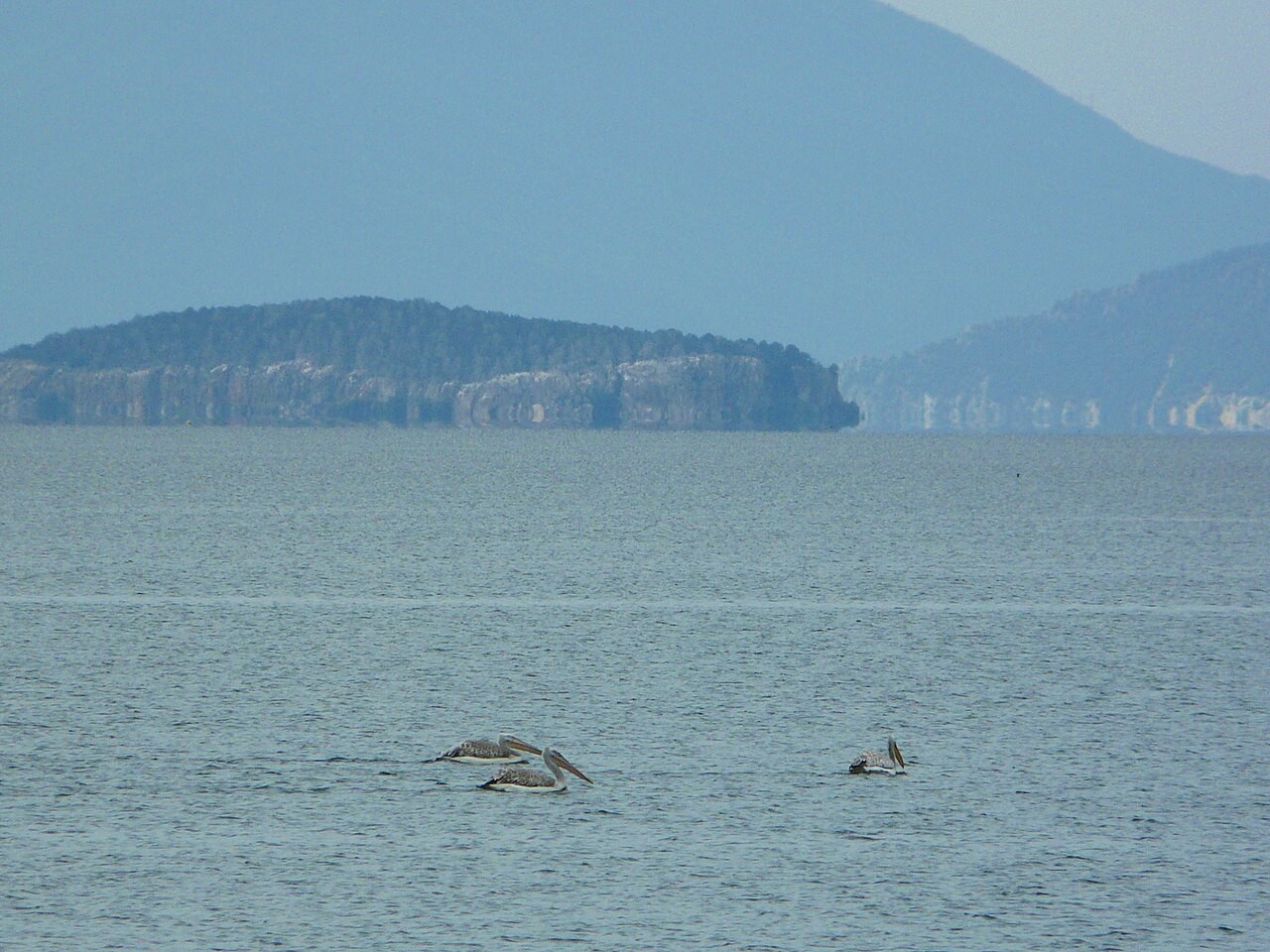
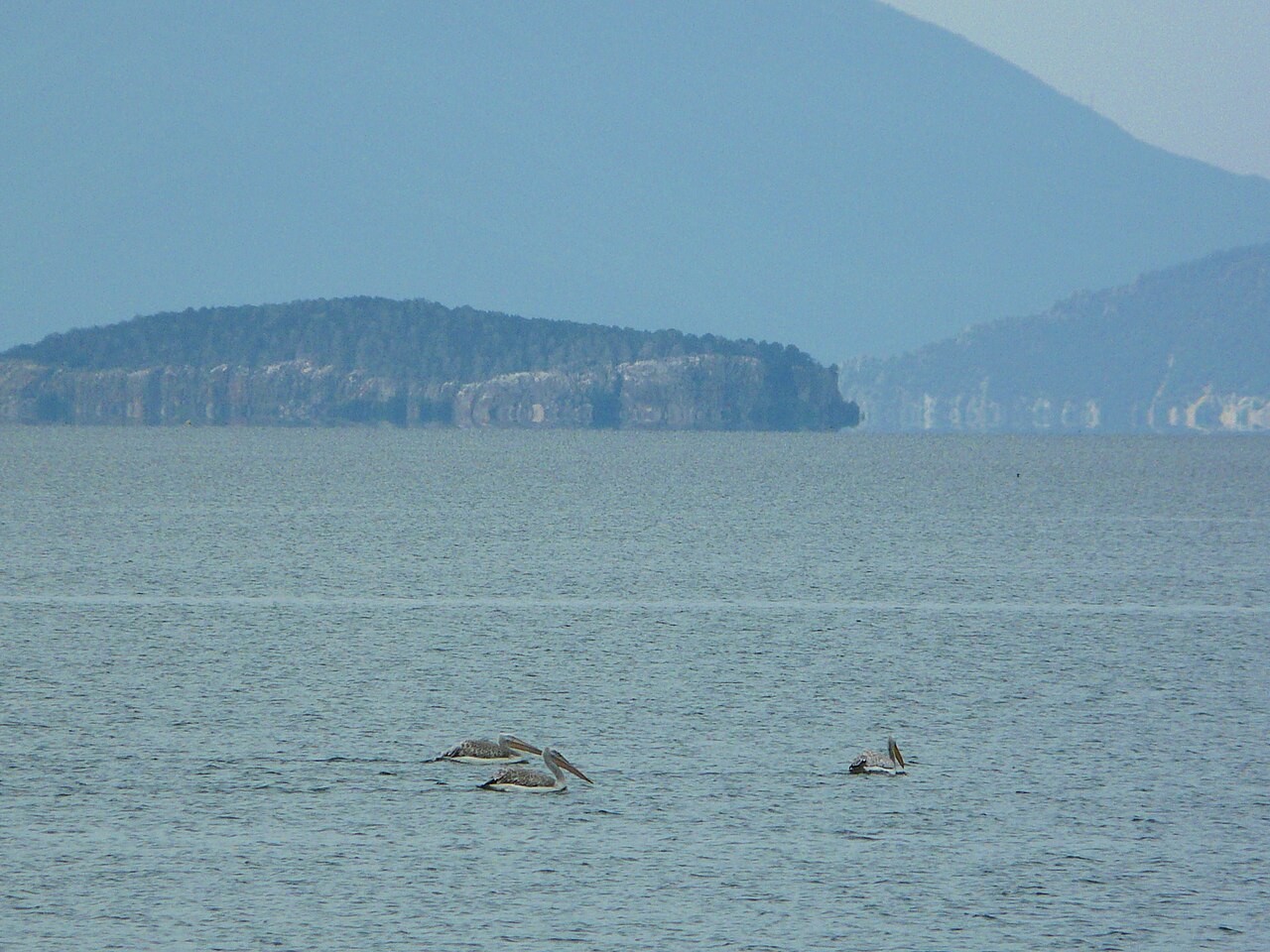
Dalmatian pelican on the water in North Macedonia
Iconic bird of the Prespa regionDalmatian pelican
Photo: peterichman, Wikimedia Commons · CC BY-SA 2.0.

Why go birdwatching in North Macedonia?

North Macedonia is a Balkan crossroads for waterbirds, mountain birds and birds of prey

North Macedonia is compact enough for a road trip, yet varied enough to offer a different birding experience every day. The large lakes in the southwest, the dry Vardar Valley in the south and the forested mountains in the west are all within relatively easy reach of one another.

Lake Prespa is the key destination for birders hoping to see pelicans, pygmy cormorants, ducks and other waterbirds. Reedbeds, shallow shores, wet grasslands and the protected area around Ezerani create an excellent mix of breeding birds and migrants. An IBA survey of Prespa recorded 103 waterbird species.

Around Tikveš and Demir Kapija, the landscape changes into a warm, dry mosaic of gorges, cliffs, scrub-covered slopes, vineyards and open farmland. This is the domain of birds of prey, lesser kestrels, European rollers and rock partridges. Mavrovo, Galičica, Pelister and Šar Planina add mountain forests, alpine meadows and rocky highlands. FaunaMap helps you combine recent sightings, birding locations, hotspots and expected species at each location with your own life list.

Landscapes and biodiversity

The most important bird habitats in North Macedonia

Choose a birding area based on habitat, altitude and season. In North Macedonia, water levels, wind, thermals and the transition between Mediterranean and alpine nature largely determine which species you can find on any given day.

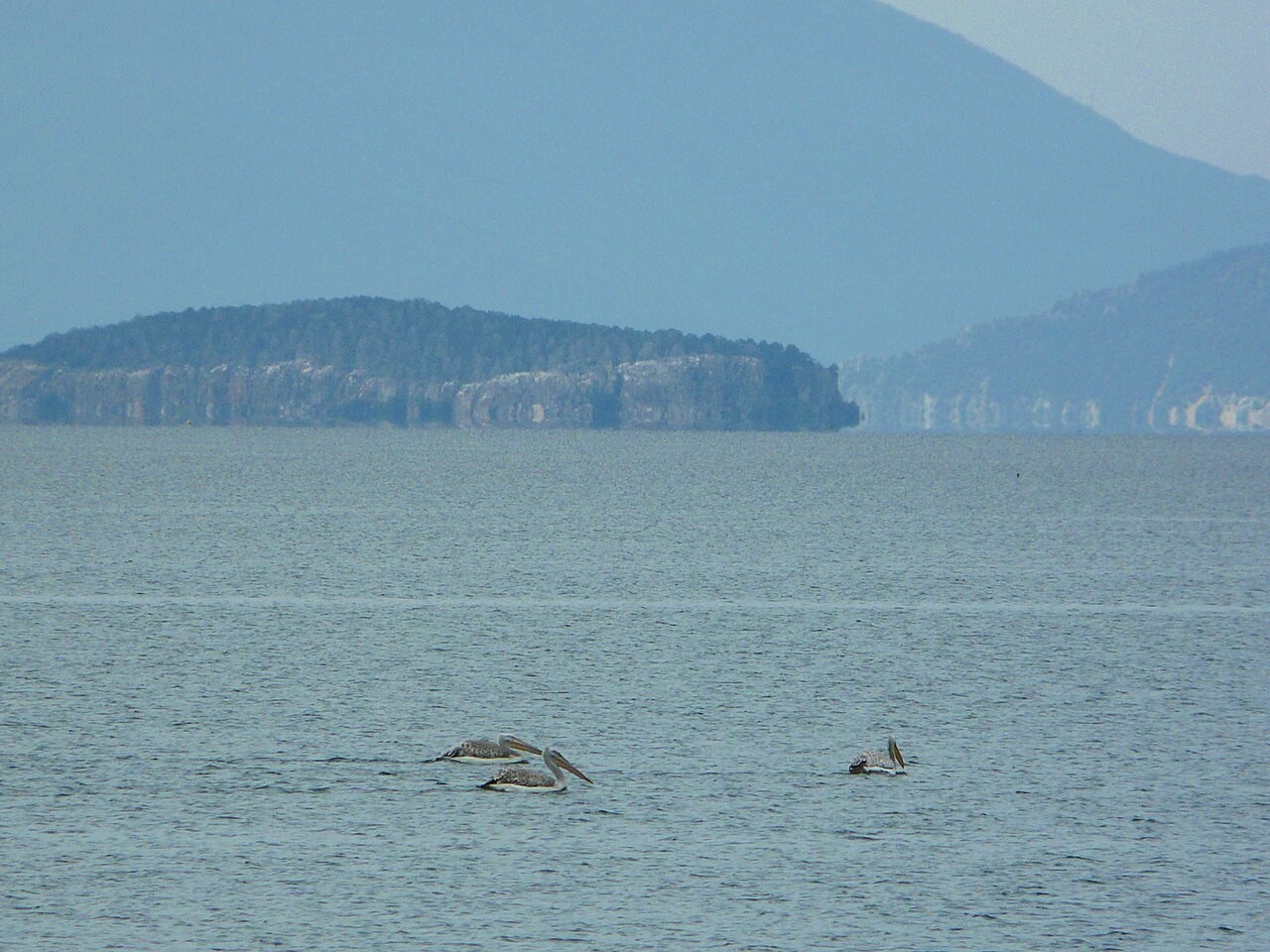
Dalmatian pelican above Lake Prespa
ImogenX · Wikimedia Commons · CC BY 2.0

Reed marshes, lakes and flooded shores

Around Lake Prespa, reedbeds, wet grasslands, shallow bays and open water lie close together. The shores near Ezerani, Asamati, Nakolec and Stenje are good for waterbirds, especially during spring migration and the breeding season. Watch quietly from existing paths and avoid reed zones where birds are nesting.

Key species

  • Dalmatian pelican
  • Pygmy cormorant
  • Ferruginous duck
  • Goosander
  • Black stork
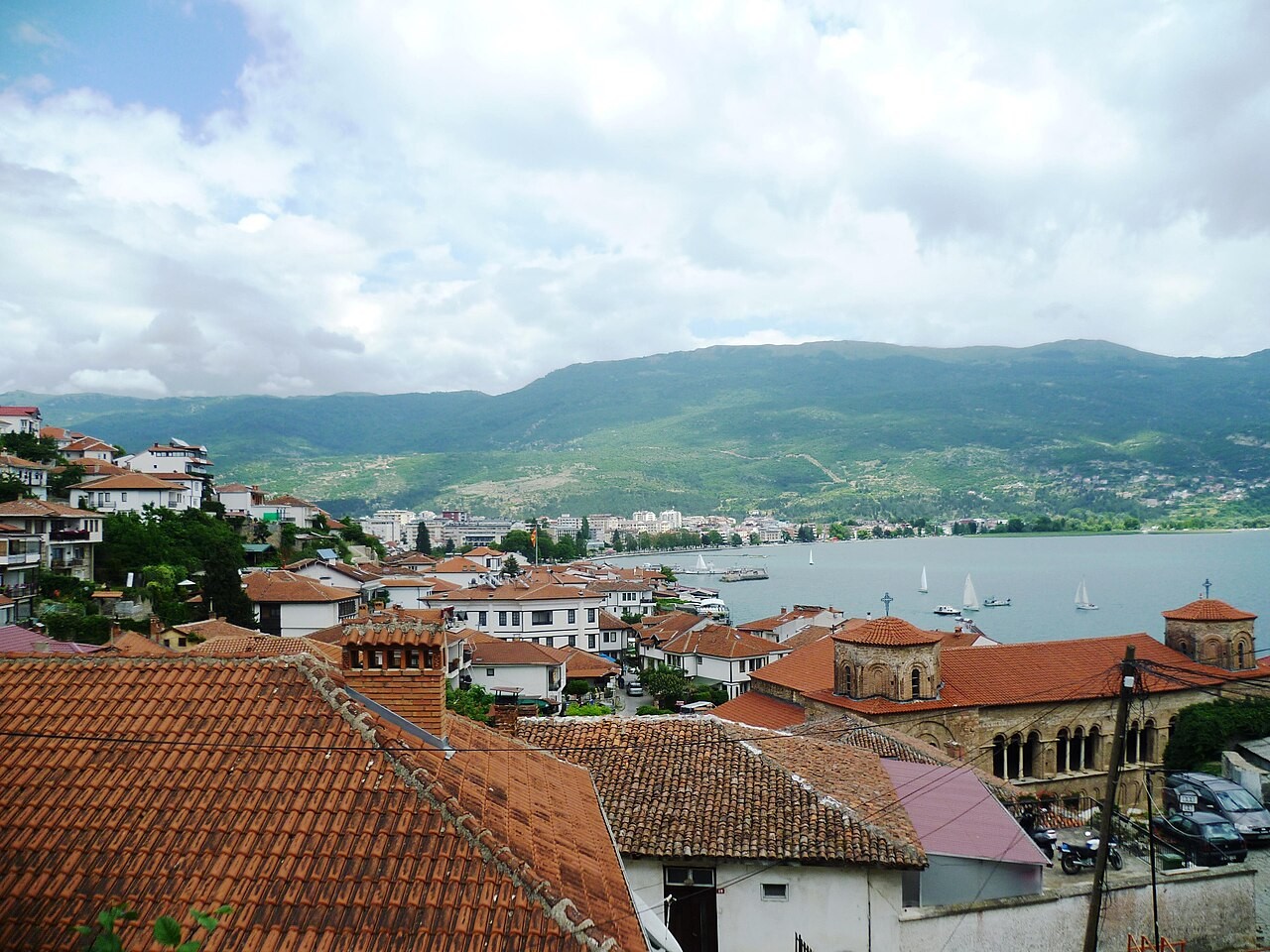
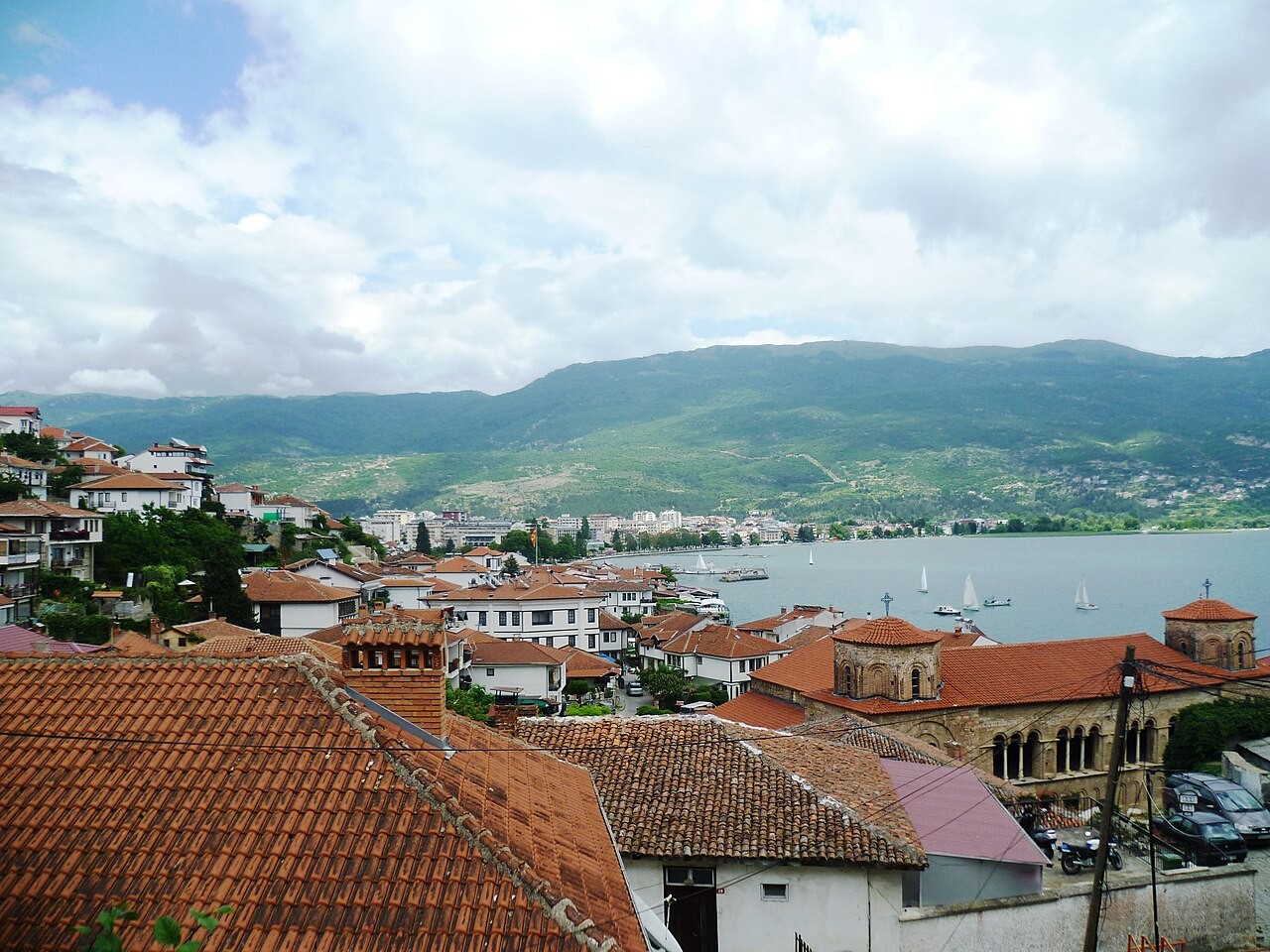
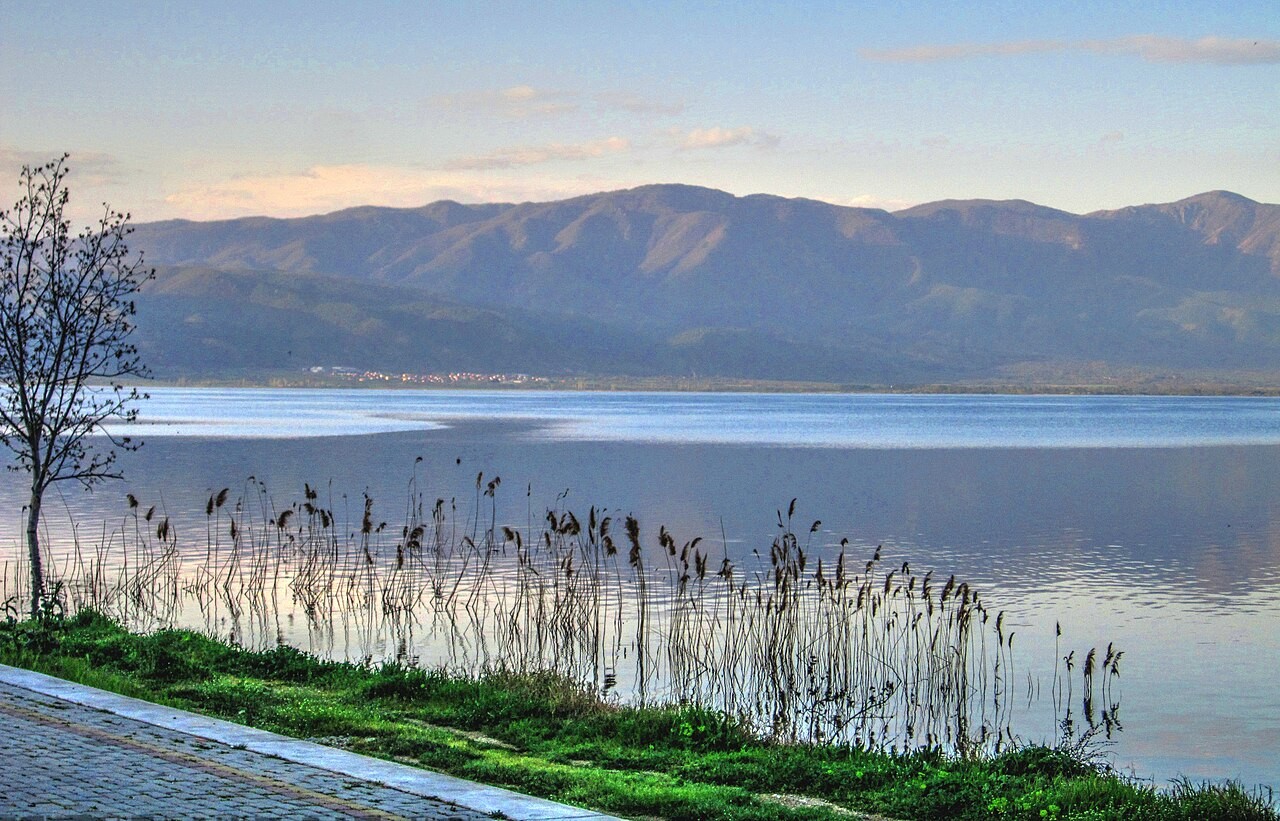
View across Lake Ohrid and the mountains
Radosław Botev · Wikimedia Commons · CC BY 3.0 PL

Large lakes and shoreline habitats

Deep Lake Ohrid is not equally suitable for birdwatching everywhere. Focus on quiet sections of shoreline, stream mouths, reed edges and the transition towards the slopes of Galičica. The shores can produce extra species in spring and autumn, while open water is interesting in winter for grebes, sawbills and cormorants.

Key species

  • Great crested grebe
  • Great cormorant
  • Goosander
  • Yellow-legged gull
  • Common kingfisher
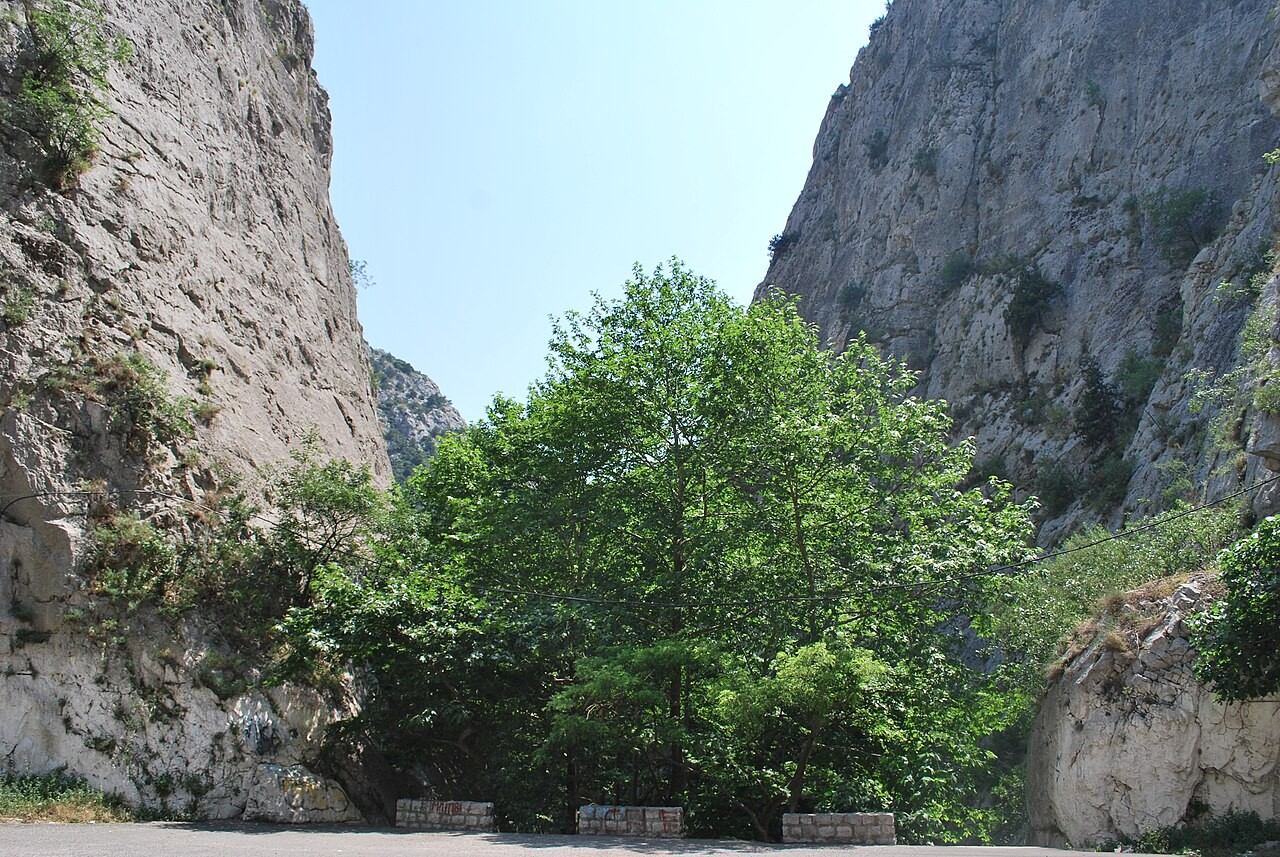
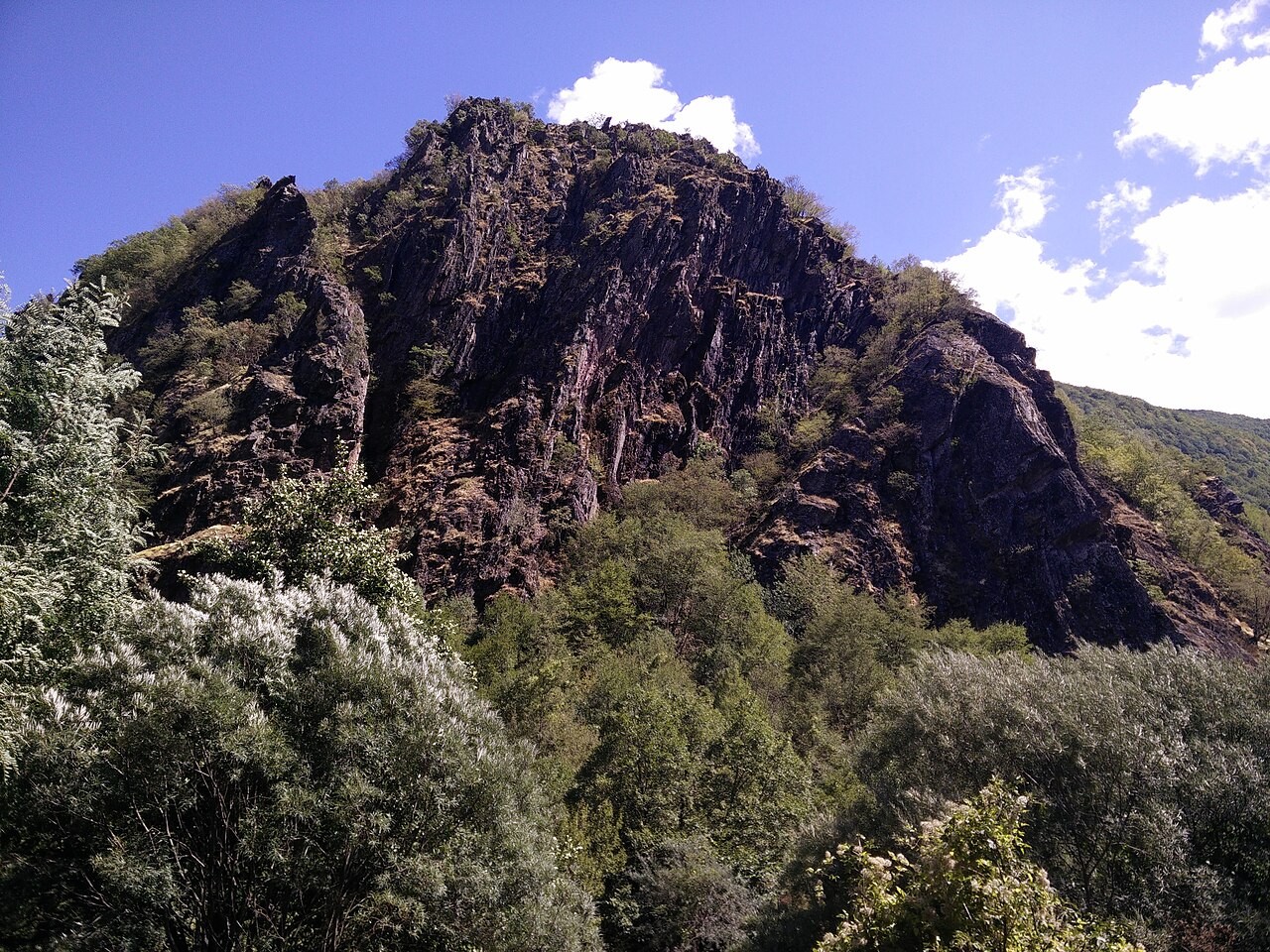
Limestone gorges and dry slopes near Demir Kapija
Rašo · Wikimedia Commons · CC BY-SA 3.0

Limestone gorges and dry Mediterranean slopes

The Vardar Valley around Demir Kapija is warmer and drier than the lakes in the west. Cliffs, scrub vegetation and rising thermals make this one of the most interesting landscapes for birds of prey. From safe viewpoints, look for soaring birds and listen on quiet mornings for species of dry rocky slopes.

Key species

  • Egyptian vulture
  • Griffon vulture
  • Golden eagle
  • Short-toed snake eagle
  • Rock nuthatch
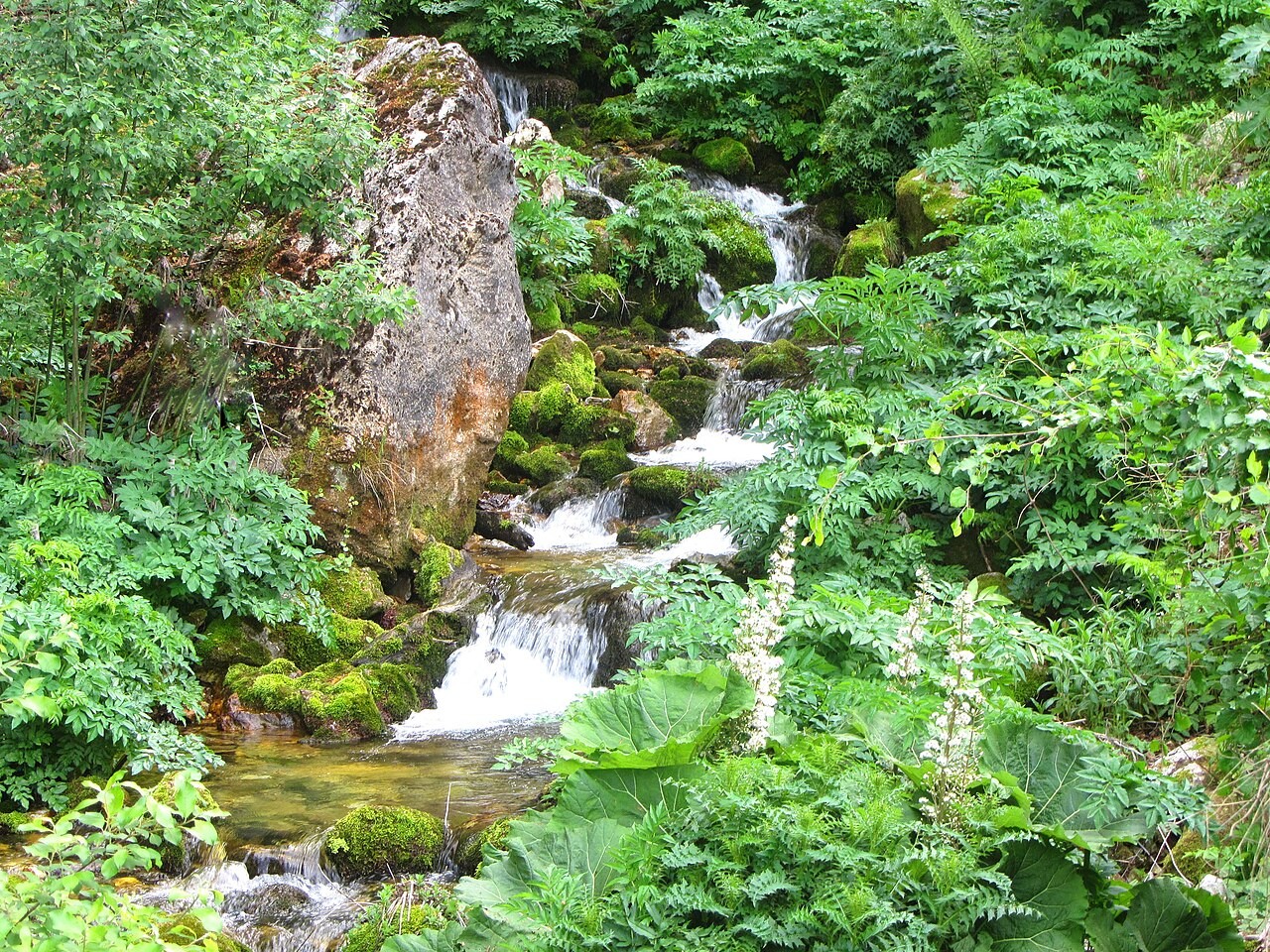
Mountain stream with small waterfalls in the greenery of Mavrovo National Park
Delphina · Wikimedia Commons · CC0 1.0

Mountain forests and river valleys

Mavrovo combines extensive beech and conifer forests with the Radika Valley, mountain meadows and rocky slopes. Forest edges and old trees are most productive in spring. Along streams and fast-flowing rivers, patient birders may also find white-throated dippers and other species associated with cool mountain water.

Key species

  • Black woodpecker
  • Grey-headed woodpecker
  • European honey buzzard
  • Eurasian eagle-owl
  • White-throated dipper
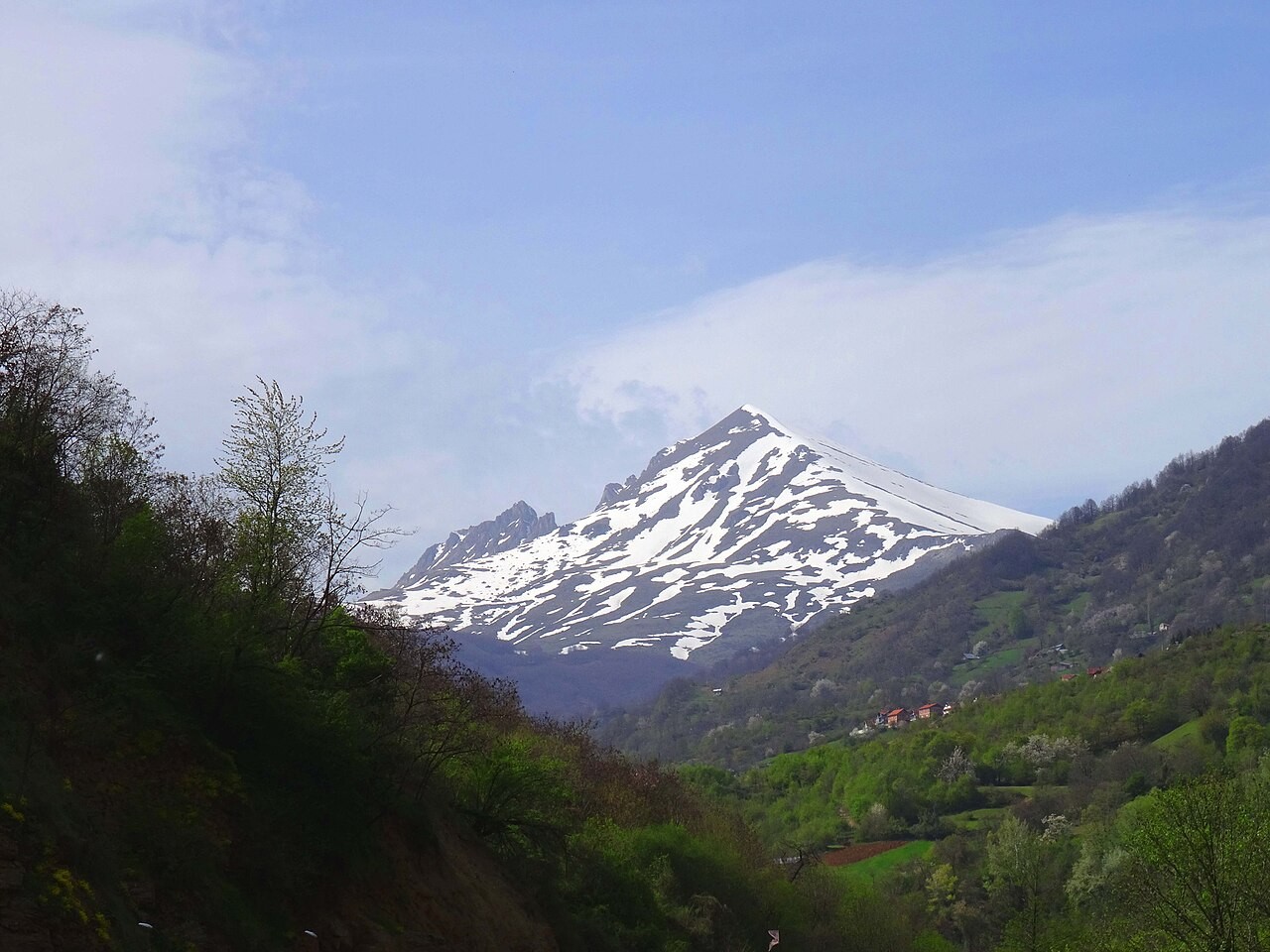
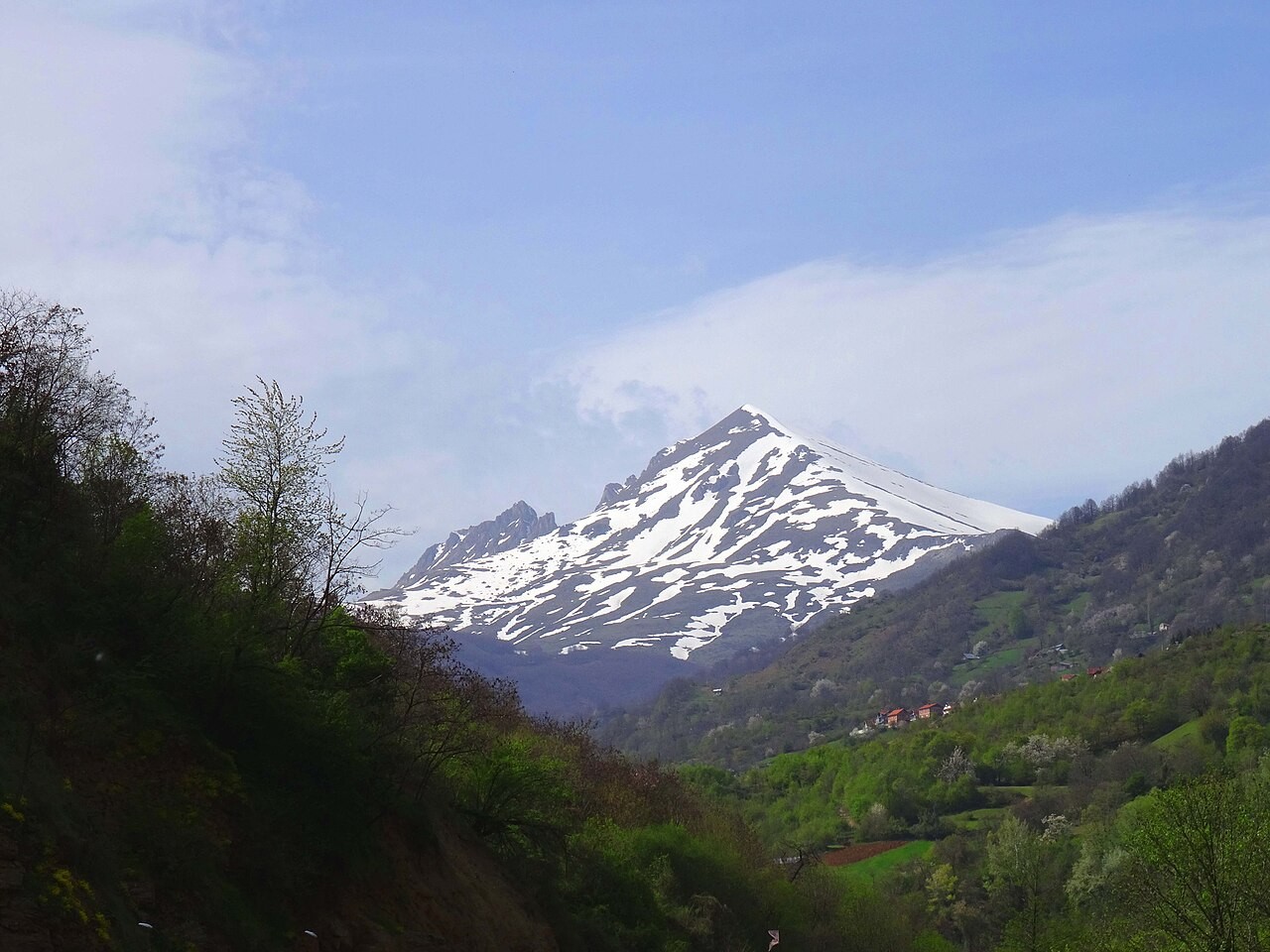
High peaks of Šar Planina in North Macedonia
Delphina · Wikimedia Commons · CC0 1.0

High mountains, cliffs and alpine meadows

Above the treeline, birding becomes a search along rocky edges, scree slopes and open mountain meadows. Šar Planina is particularly suited to birders who want to combine mountain species with wide-open views. Start early, expect rapidly changing weather and stay on marked routes.

Key species

  • Rock partridge
  • Rock nuthatch
  • Yellow-billed chough
  • Golden eagle
  • Snowfinch
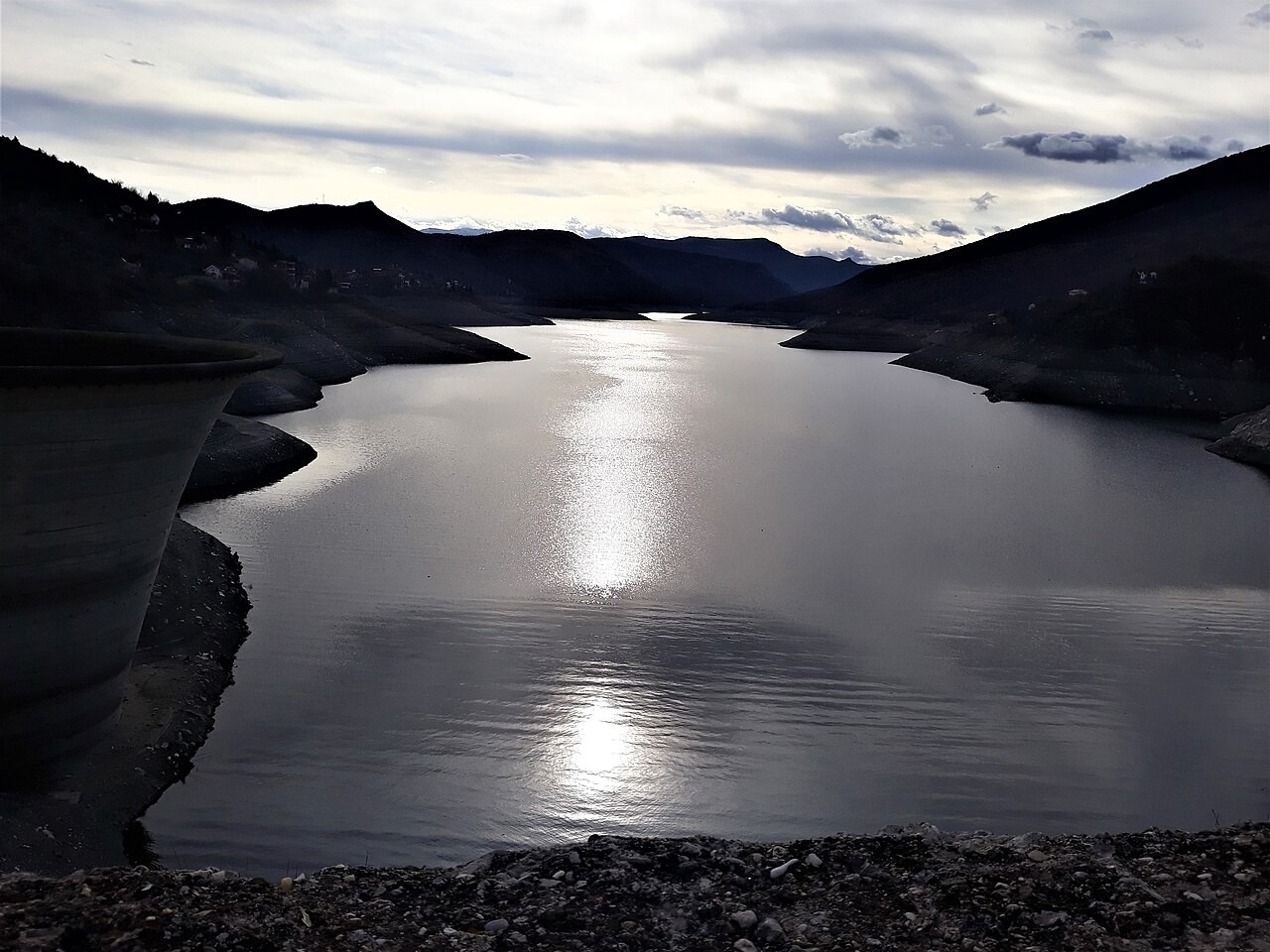
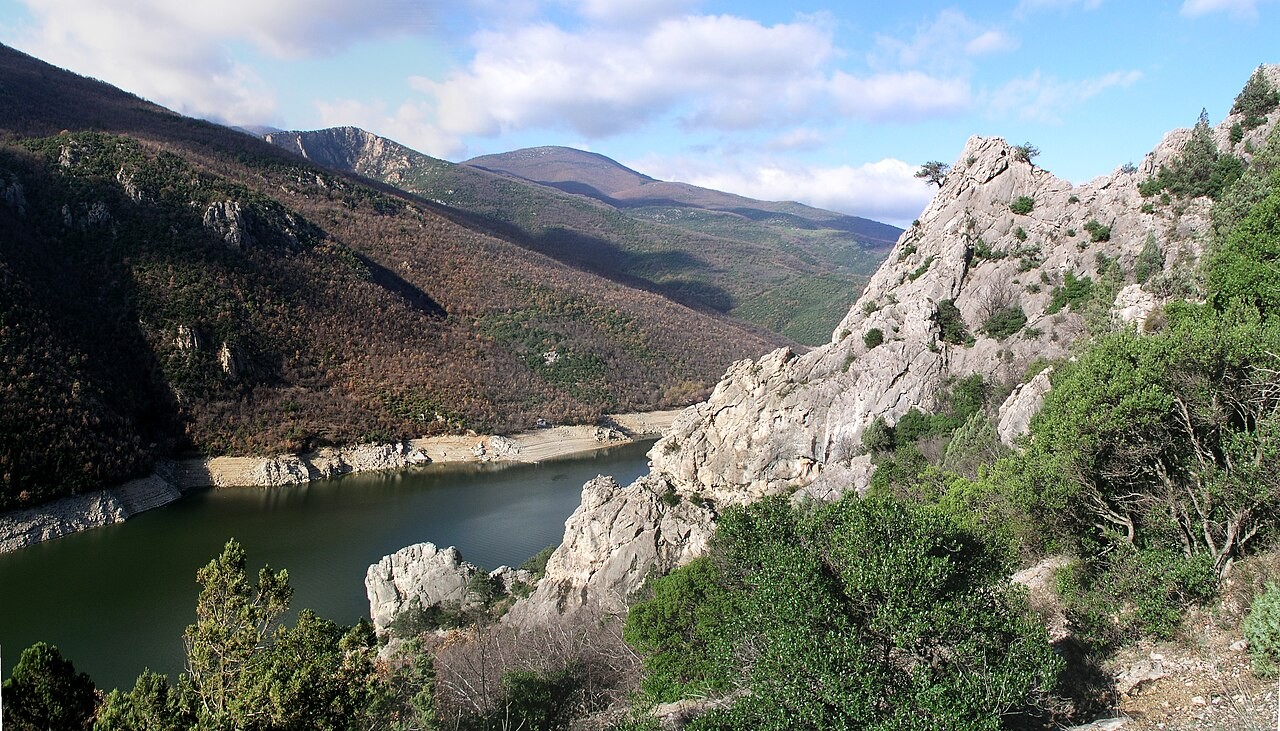
Lake Tikveš in the dry landscape of central North Macedonia
Sentimentalna · Wikimedia Commons · CC BY-SA 4.0

Open plains, vineyards and reservoirs

The area around Tikveš, the Raec Valley and the southern Vardar combines open farmland, vineyards, scrub-covered slopes and water. In spring and early summer, dry edges and safe viewpoints away from power lines are good for birds of prey, rollers and songbirds of the Mediterranean landscape.

Key species

  • Lesser kestrel
  • European roller
  • Cretzschmar's bunting
  • Short-toed snake eagle
  • Rock partridge

Birdwatching throughout the year

North Macedonia bird calendar: what can you expect each season?

Spring brings migrants, singing mountain birds and breeding waterbirds. In autumn, attention shifts to raptor migration and new winter visitors. The calendar below shows which landscapes are most promising each month.

WinterDecember - FebruarySpringMarch - MaySummerJune - AugustAutumnSeptember - November
  1. January

    Winter

    Winter ducks and open water

    In winter, the lakes of Prespa, Ohrid and Dojran attract grebes, coots, ducks and cormorants. On sunny days, mountain slopes and open valleys are good places to search for golden eagles and other birds of prey.

    Recommended locationsPrespa, Dojran, Tikveš and quiet shores of Lake Ohrid.

  2. February

    Winter

    Last winter visitors and first movement

    Winter flocks are still present, but warm days bring more activity along reedbeds and forest edges. In southern valleys, storks and early migrants may appear before the mountain areas begin to thaw.

    Recommended locationsPrespa and Dojran for waterbirds, the Vardar Valley for birds of prey.

  3. March

    Spring

    Start of spring migration

    The first migrants return to the lowlands. Look around wet grasslands and shorelines for storks, herons and early waders. In the southern gorges, birds of prey begin using the rising thermals.

    Recommended locationsDojran, Prespa, Tikveš and the lower parts of Demir Kapija.

  4. April

    Spring

    Heavy migration and first songbirds

    April is a strong month for bird migration in North Macedonia. Swallows, pipits, wagtails, herons and birds of prey move through the country. In Mavrovo, Galičica and Pelister, woodland birdsong begins to build.

    Recommended locationsPrespa for waterbirds and marsh birds, Tikveš and Demir Kapija for raptors.

  5. May

    Spring

    Peak month for birding trips

    In May, spring migration overlaps with the breeding season. Prespa is especially attractive for pelicans, pygmy cormorants, ducks and reedbed birds. In dry valleys, the chances of finding rollers, lesser kestrels and short-toed snake eagles increase.

    Recommended locationsLake Prespa, Ezerani, Tikveš, Demir Kapija and the shores of Dojran.

  6. June

    Summer

    Breeding birds in the mountains

    June is suitable for mountain forests, rocky slopes and alpine meadows. Start early to look for woodpeckers and songbirds in Mavrovo and Pelister. On higher slopes, rock partridge, rock nuthatch, yellow-billed chough and golden eagle require targeted searching.

    Recommended locationsMavrovo, Pelister, Galičica and Šar Planina.

  7. July

    Summer

    Dry landscapes and birds of prey

    The warm, dry valleys are hot during the day, but that also brings raptors high above the gorges on rising thermals. Plan your visit for early morning or later in the day and combine rocky slopes with water sources.

    Recommended locationsDemir Kapija, Tikveš, Raec and the lower Vardar Valley.

  8. August

    Summer

    First post-breeding movements

    After the breeding season, birds become more mobile. Reedbeds and shorelines may attract the first migrating waders, while swallows and other insect-eating birds gather in groups. In the mountains, early morning remains the best time.

    Recommended locationsPrespa, Dojran, Tikveš and mountain passes with open views.

  9. September

    Autumn

    Raptor migration over the Vardar

    September is a good month for visible migration. Storks, harriers and other birds of prey follow landscape corridors and rising thermals. The variety of waterbirds also increases at Prespa and Dojran.

    Recommended locationsDemir Kapija, Tikveš, Dojran and open viewpoints around Prespa.

  10. October

    Autumn

    Autumn migration and new waterbirds

    In October, migration overlaps with preparations for winter. Large lakes and marshes produce ducks, grebes and cormorants, while dry hills remain interesting for birds of prey and passing songbirds.

    Recommended locationsLake Prespa, Dojran, Tikveš and the shores of Lake Ohrid.

  11. November

    Autumn

    Start of the winter season

    The first winter visitors are easy to see on open water. In calm weather, look for groups of ducks, grebes and coots. The mountains become quieter, but clear days can offer good conditions for scanning ridgelines.

    Recommended locationsDojran, Prespa, Ohrid and the lower valleys around Mavrovo.

  12. December

    Winter

    Waterbirds and winter calm

    In December, attention shifts to lakes, reservoirs and sheltered valleys. The best sightings often come from scanning quietly from one spot. In clear weather, large birds of prey may be visible above the southern gorges.

    Recommended locationsPrespa, Dojran, Tikveš and the open landscapes around Demir Kapija.

Seasonal information and area examples: MES Prespa, Important Bird Areas in Macedonia, Mavrovo National Park and Macedonian tourism information on birds of prey.

Birding areas in North Macedonia

The best birding locations in North Macedonia: where can you go birdwatching?

From pelican-rich Prespa to the mountain forests of Mavrovo and the raptor gorges of Demir Kapija, North Macedonia has an impressive variety of birding locations. Below are popular and reasonably accessible destinations that together make a rewarding birdwatching trip through the country.

Dalmatian pelican above Lake Prespa
Photo: ImogenX · Wikimedia Commons · CC BY 2.0

Southwest · Resen

Reedbed · lake · marsh

Lake Prespa and Ezerani

The best starting point for pelicans and pygmy cormorants

Lake Prespa is North Macedonia's best-known birding area. Around Ezerani, Asamati, Nakolec and Stenje, open water, reeds, wet grasslands and farmland alternate along the shore. The Dalmatian pelican is the main attraction, but quiet viewpoints can also produce pygmy cormorants, ferruginous ducks, grebes, sawbills and herons. You will get the best overall impression by combining several shoreline locations rather than waiting at one colony or for one target species.

Look for
Dalmatian pelican, pygmy cormorant, ferruginous duck, goosander and black stork.
Plan around
May for maximum variety, calm morning light and local rules around reedbeds.
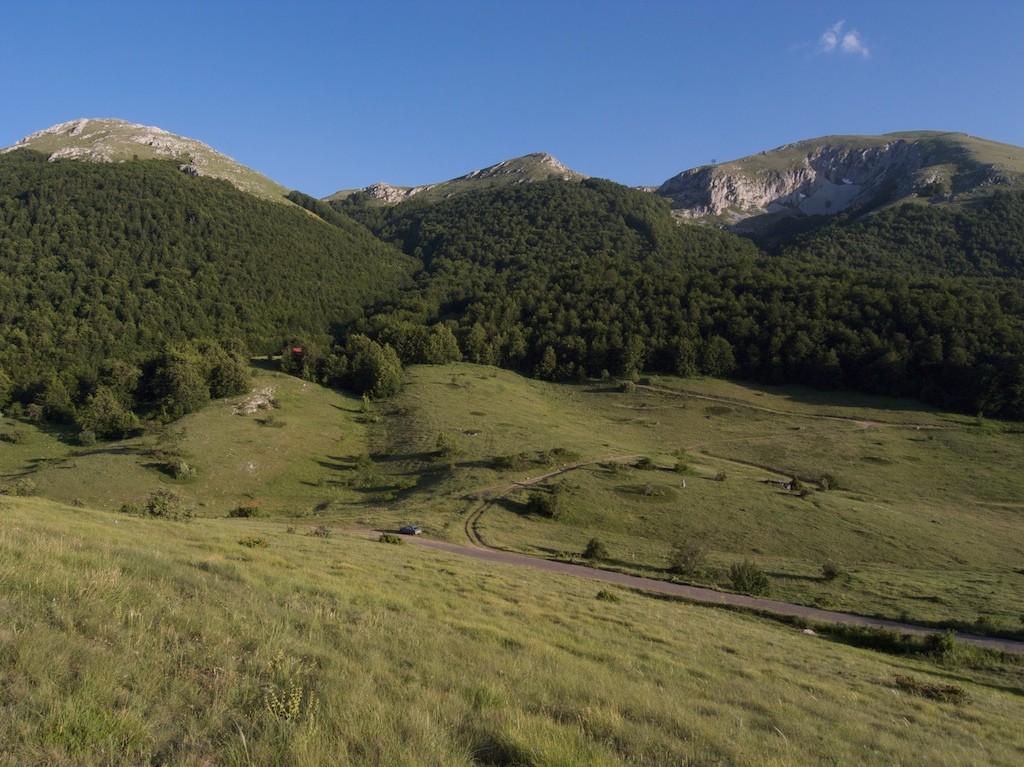
Mountain landscape of Galičica National Park in North Macedonia
Photo: Hans Põldoja · Wikimedia Commons · CC BY 2.0

Ohrid & Prespa

Limestone · mountain forest · viewpoint

Galičica National Park

Mountain passes between two bird-rich lakes

Galičica lies between Lake Ohrid and Lake Prespa, making it a natural destination for a birdwatching trip that combines lakes and mountains. The open limestone slopes suit species of dry rocky landscapes, while higher forest edges and mountain meadows produce different songbirds and raptors. Scan valleys and ridgelines from safe viewpoints and walk only on permitted routes.

Look for
Golden eagle, short-toed snake eagle, rock partridge, rock nuthatch and yellow-billed chough.
Plan around
April-June for birdsong and migration, with an early start before the heat builds.
View across Lake Ohrid from Ohrid
Photo: Radosław Botev · Wikimedia Commons · CC BY 3.0 PL

Ohrid

Lake · shore · city

Lake Ohrid

Combine the lake, shoreline and mountain slopes

Ohrid appeals to birders who want to combine nature and culture. The open lake is large, but the most interesting sightings often come from quiet shoreline sections, stream mouths, reed edges and the lower slopes towards Galičica. Head out early, before traffic and recreational pressure increase, and use the city as a base for several short excursions.

Look for
Great crested grebe, great cormorant, goosander, yellow-legged gull and common kingfisher.
Plan around
Spring and autumn for migration, with quiet shorelines away from the busiest bathing areas.
Cliff and forest in Mavrovo National Park
Photo: Ismcuacor · Wikimedia Commons · CC BY-SA 3.0

West · Mavrovo

Mountain forest · river · meadow

Mavrovo National Park

Extensive forests and the Radika Valley

Mavrovo is one of the best destinations for woodland and mountain birds in North Macedonia. From Mavrovo, Leunovo, Galičnik and the Radika Valley, you can visit several altitude zones. Old trees, forest edges and fast-flowing streams are more productive than busy recreational areas. Distances in the park are substantial, so choose one section per day and start early.

Look for
Black woodpecker, grey-headed woodpecker, European honey buzzard, Eurasian eagle-owl and white-throated dipper.
Plan around
April-June for birdsong, with extra attention to forest edges and river sections.
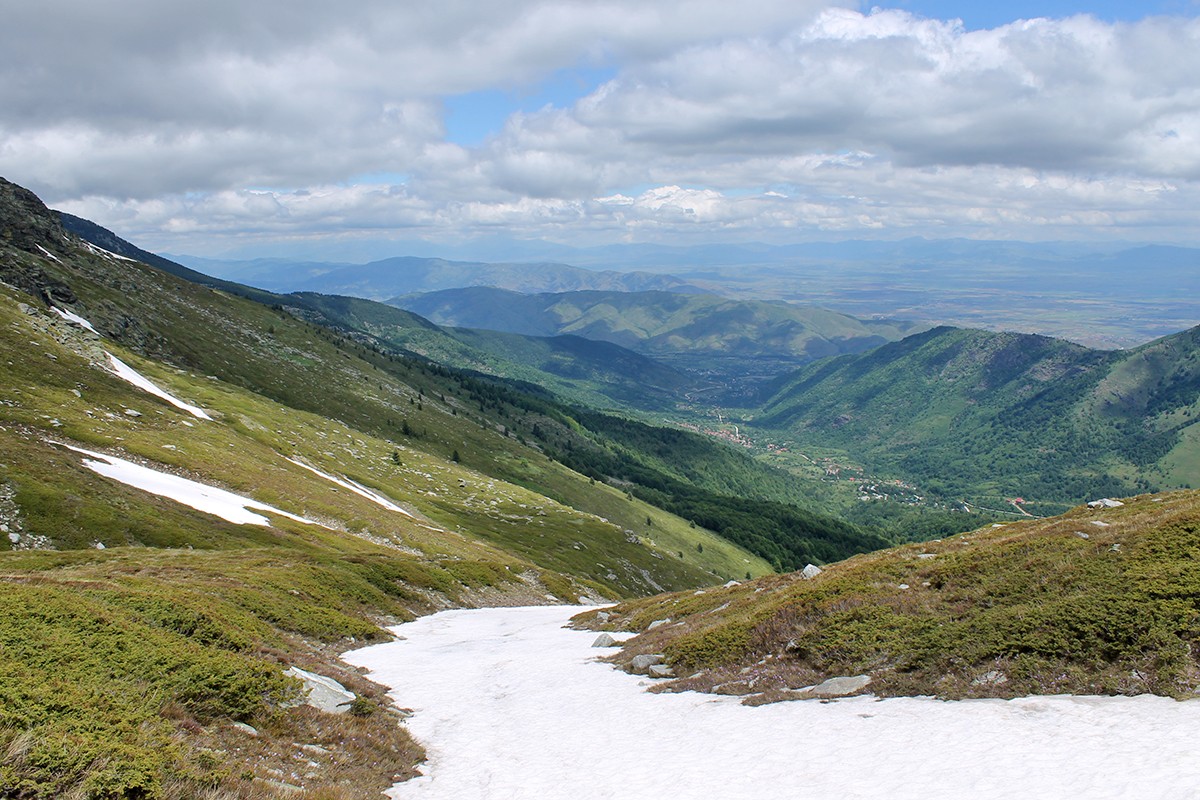
Mountain landscape in Pelister National Park with snowfields
Photo: Ivan.trpkov · Wikimedia Commons · CC BY-SA 3.0

Bitola · Baba Mountains

Conifer forest · mountain meadow · rock

Pelister National Park

Forest birds and high slopes near Bitola

Pelister is easy to reach from Bitola and offers a gradual transition from forest to high mountain terrain. The area around access roads and hiking routes is suitable for a morning of woodpeckers, thrushes and birds of prey. Higher up, the landscape becomes more open and rugged. Check the park's current registration and access rules before setting out.

Look for
Black woodpecker, common redstart, rock partridge, golden eagle and yellow-billed chough.
Plan around
May-June for woodland birdsong and mountain meadows, with sturdy footwear for higher routes.
Šar Planina with snowy mountain peaks near Tetovo
Photo: Delphina · Wikimedia Commons · CC0 1.0

Northwest · Tetovo

Alpine meadow · rock · mountain pass

Šar Planina National Park

High mountains for rock partridge and cliff birds

Šar Planina is a destination for birders seeking high mountain landscapes. The open meadows and rocky ridges require more walking than the lakes, but offer a very different birding experience. Start on accessible mountain roads and established trails, keep an eye on the weather and avoid closed or border-sensitive areas.

Look for
Rock partridge, rock nuthatch, yellow-billed chough, golden eagle and snowfinch.
Plan around
June-September for higher routes, always allowing for weather and trail conditions.
Lake Tikveš and rocky landscape in central North Macedonia
Photo: JYB Devot · Wikimedia Commons · CC BY-SA 4.0

Central and south

Gorge · reservoir · vineyard

Tikveš and Demir Kapija

The strongest area for southern birds of prey

Around Kavadarci, Lake Tikveš and the Demir Kapija Gorge lies one of the country's most distinctive birding regions. The combination of cliffs, river, open farmland and dry scrub-covered slopes creates excellent conditions for soaring raptors. Several stops are possible along the main roads, but always choose a safe place well away from traffic.

Look for
Egyptian vulture, griffon vulture, lesser kestrel, short-toed snake eagle and European roller.
Plan around
April-June for raptors and songbirds, with late morning for thermals above the gorges.
Lake Dojran in North Macedonia
Photo: Makedonski biseri · Wikimedia Commons · CC BY-SA 3.0

Southeast · Greek border

Lake · reeds · migration route

Lake Dojran

An accessible spot for migrants and winter birds

Lake Dojran lies on the southeastern edge of North Macedonia and is an important area for migrating and wintering birds. The combination of open water, reeds and shoreline makes it suitable for a short birding stop or a longer morning visit. The developed shore is not ideal everywhere, so look for quiet viewpoints away from the busiest recreational areas.

Look for
Pygmy cormorant, purple heron, little egret, great crested grebe and black stork.
Plan around
March-May and October-December, with extra attention to water levels and undisturbed reeds.

Remarkable birds of North Macedonia

Five remarkable birds of North Macedonia and where to find them

From the enormous Dalmatian pelican and tiny pygmy cormorant to the Egyptian vulture, rock partridge and golden eagle, these are five species that make a birdwatching trip through North Macedonia especially memorable. The photos show the species; the locations listed are places in North Macedonia where you can search for them.

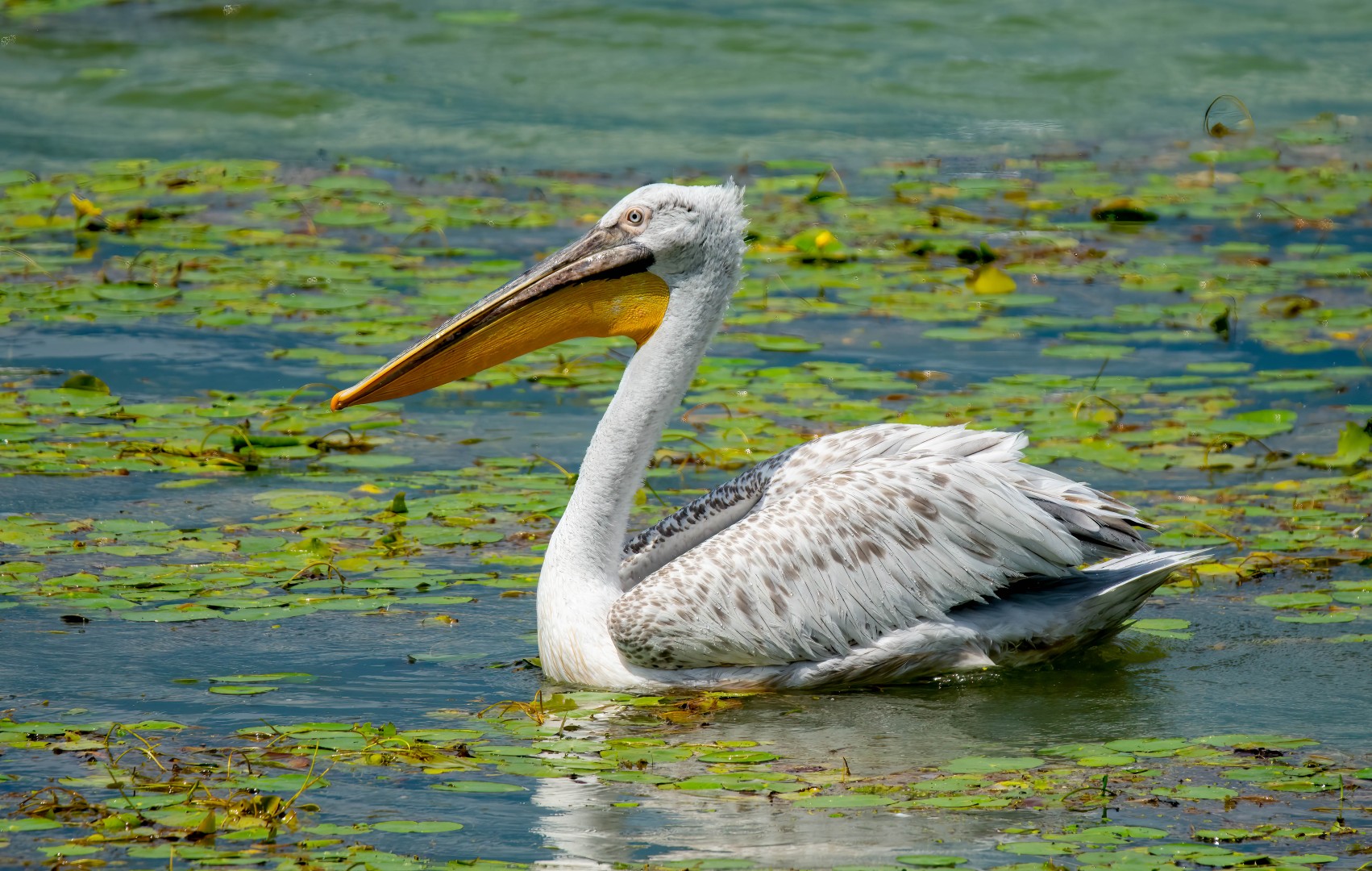
  1. Dalmatian pelican above Lake Prespa
    Photo: ImogenX, Wikimedia Commons, CC BY 2.0

    Dalmatian pelican

    The Dalmatian pelican Pelecanus crispus is Prespa's star attraction. Look for its enormous head, grey wings and low flight over the water. The species is impressive, but that makes it especially important to keep your distance near resting and breeding sites.

    Where can you see Dalmatian pelicans in North Macedonia?

    • Lake Prespa: especially around Ezerani, Asamati, Nakolec and quiet shores overlooking open water
    • Stenje and the eastern shore: good places to search for flying or feeding birds
    • Golem Grad and surrounding waters: only with permitted boat access and without approaching colonies
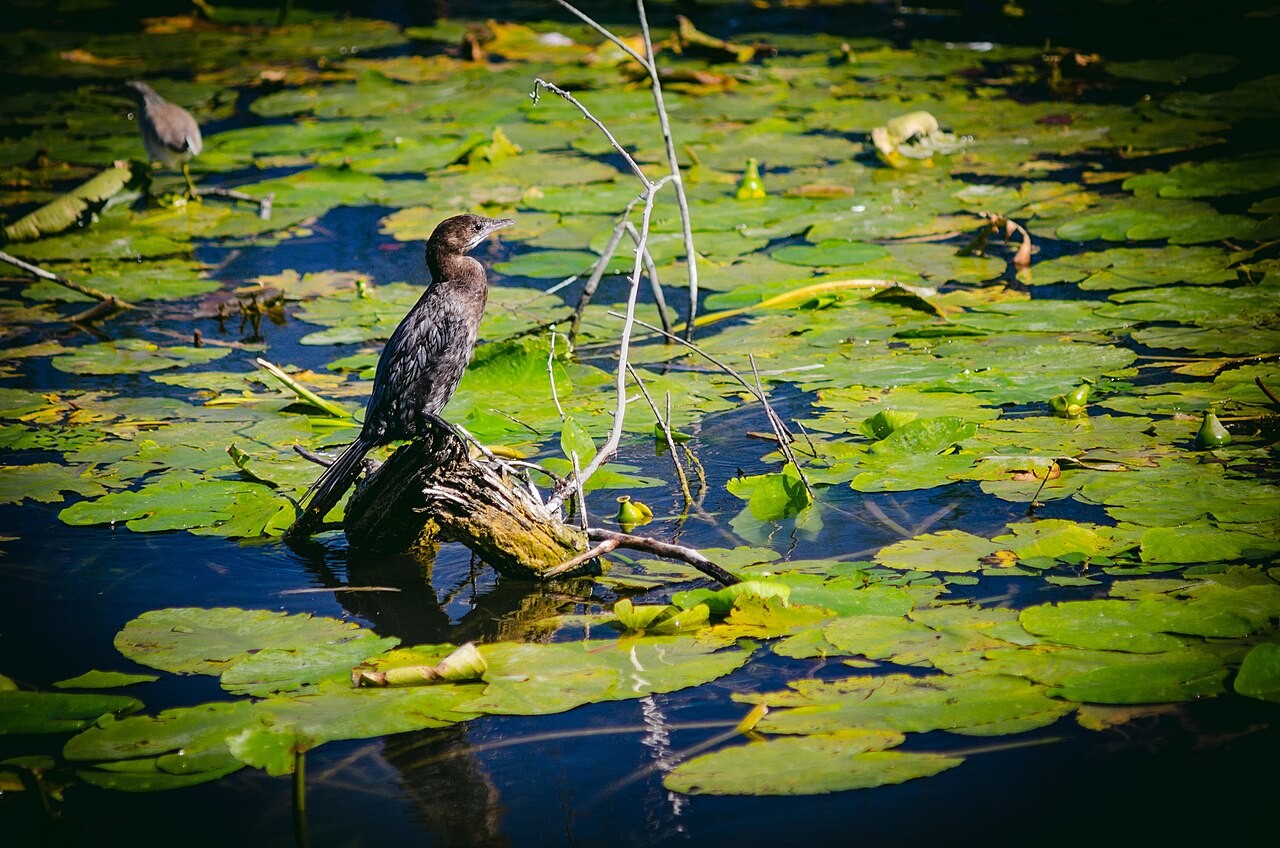
  2. Pygmy cormorant on a branch above marsh water
    Species photo: Serhio Magpie, Wikimedia Commons, CC BY 4.0

    Pygmy cormorant

    The pygmy cormorant Microcarbo pygmaeus is smaller and slimmer than the great cormorant. It often sits low in trees or reeds beside quiet water and can quickly disappear while feeding. Prespa is the best destination for birders who want to target this Balkan speciality.

    Where can you see pygmy cormorants in North Macedonia?

    • Lake Prespa: reed edges, marshy shores and waters around Ezerani
    • Lake Dojran: search along quiet reed zones and sheltered shorelines
    • Migration periods around Ohrid and Tikveš: especially promising where open water meets shoreline vegetation
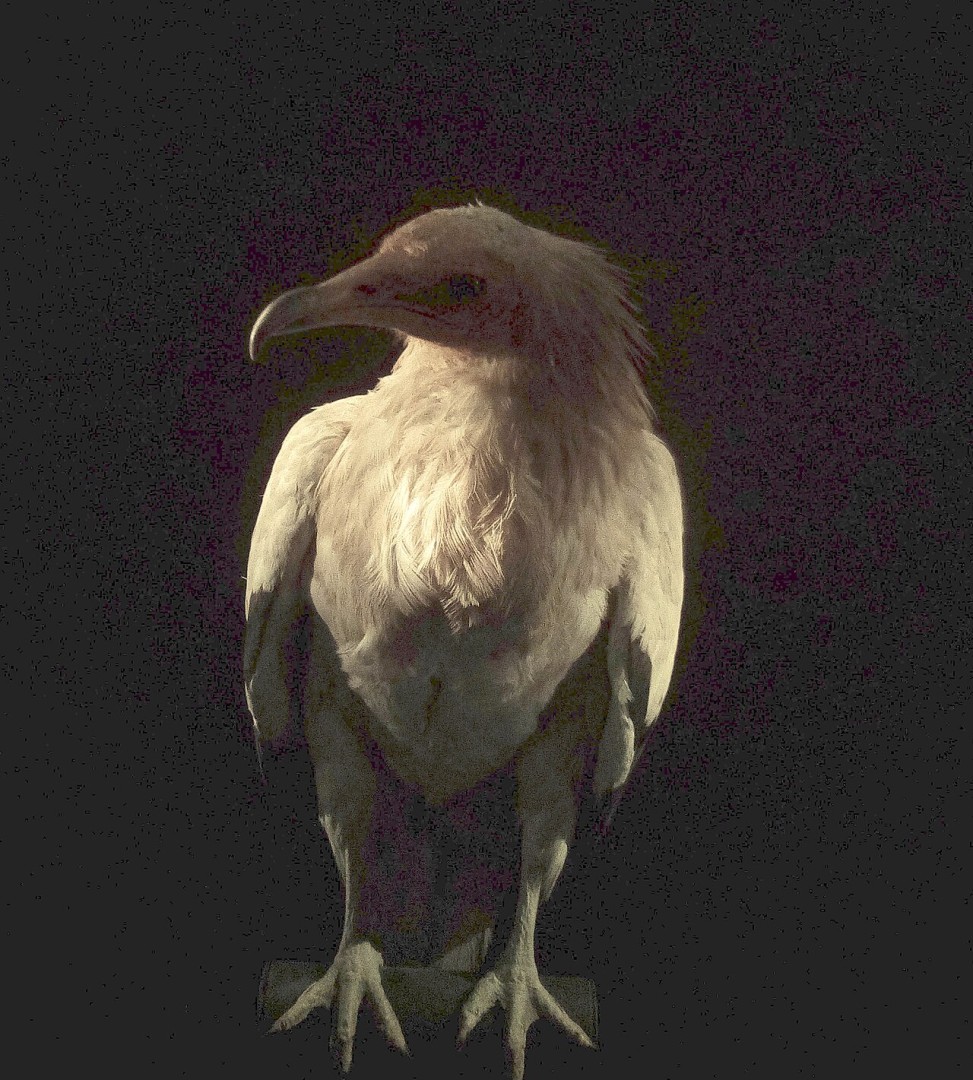
  3. Egyptian vulture in flight
    Species photo: Unuplusunu, Wikimedia Commons, CC BY-SA 4.0

    Egyptian vulture

    The Egyptian vulture Neophron percnopterus is a slender, pale vulture that returns from Africa in spring. It is scarce and local in North Macedonia, which makes every sighting particularly valuable. Do not focus on one fixed spot. Instead, scan gorges, cliffs and thermals above open terrain.

    Where can you see Egyptian vultures in North Macedonia?

    • Demir Kapija: limestone gorges and warm air currents in the Vardar Valley
    • Tikveš and the Raec Valley: open landscapes with rocky slopes and thermals
    • Mariovo and other southern mountain areas: suitable for targeted raptor watching, but without guarantees
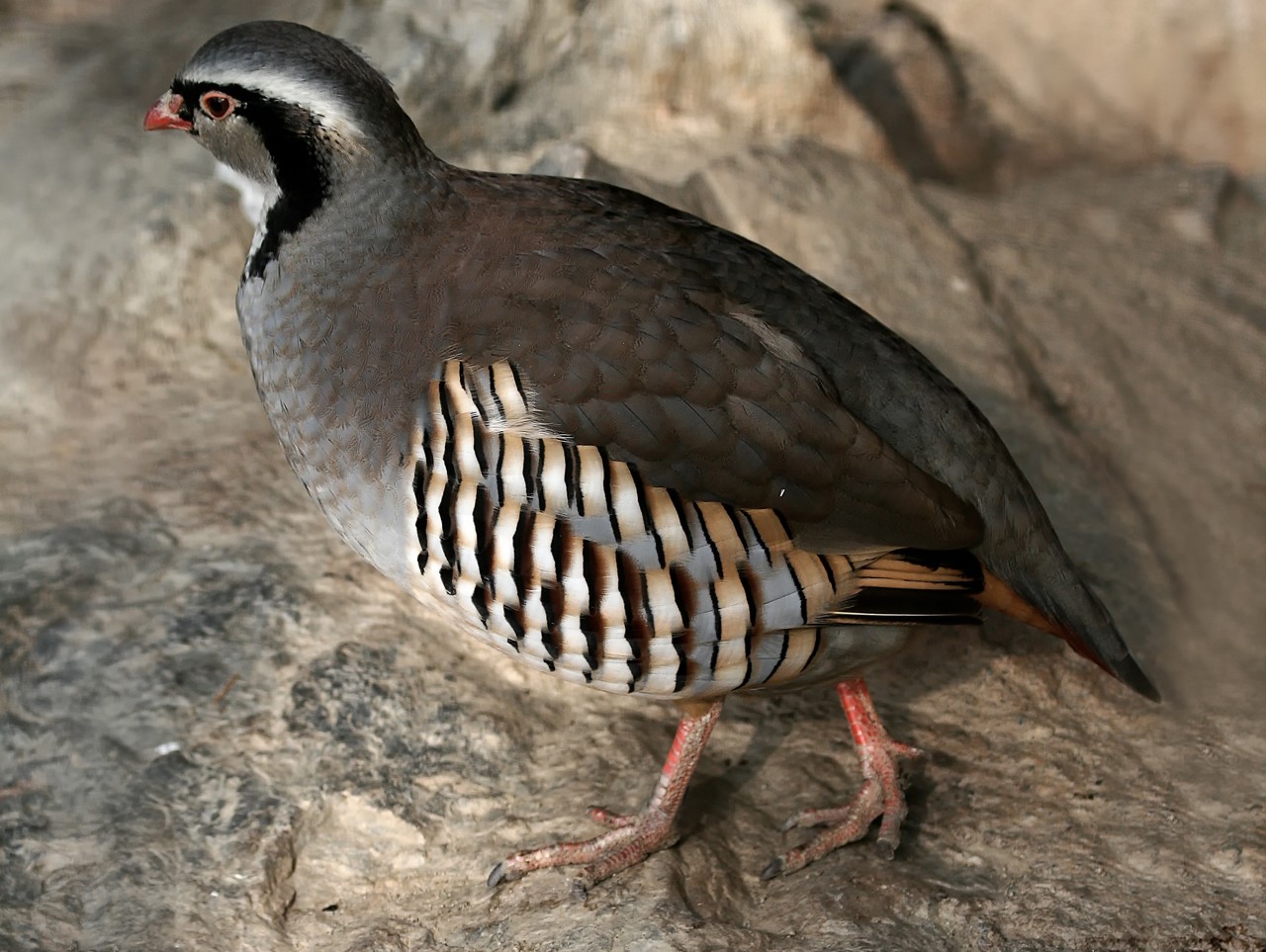
  4. Rock partridge on a rocky slope
    Species photo: Richard Bartz, Wikimedia Commons, CC BY-SA 2.5

    Rock partridge

    The rock partridge Alectoris graeca belongs to the dry rocky slopes and higher mountain meadows of North Macedonia. You will often hear its call before discovering the bird among stones and low shrubs. Early mornings with little wind offer the best chance.

    Where can you see rock partridges in North Macedonia?

    • Galičica: open limestone slopes between Ohrid and Prespa
    • Šar Planina and Pelister: higher rocky areas and alpine meadows
    • Tikveš and Demir Kapija: dry southern slopes with scrub vegetation
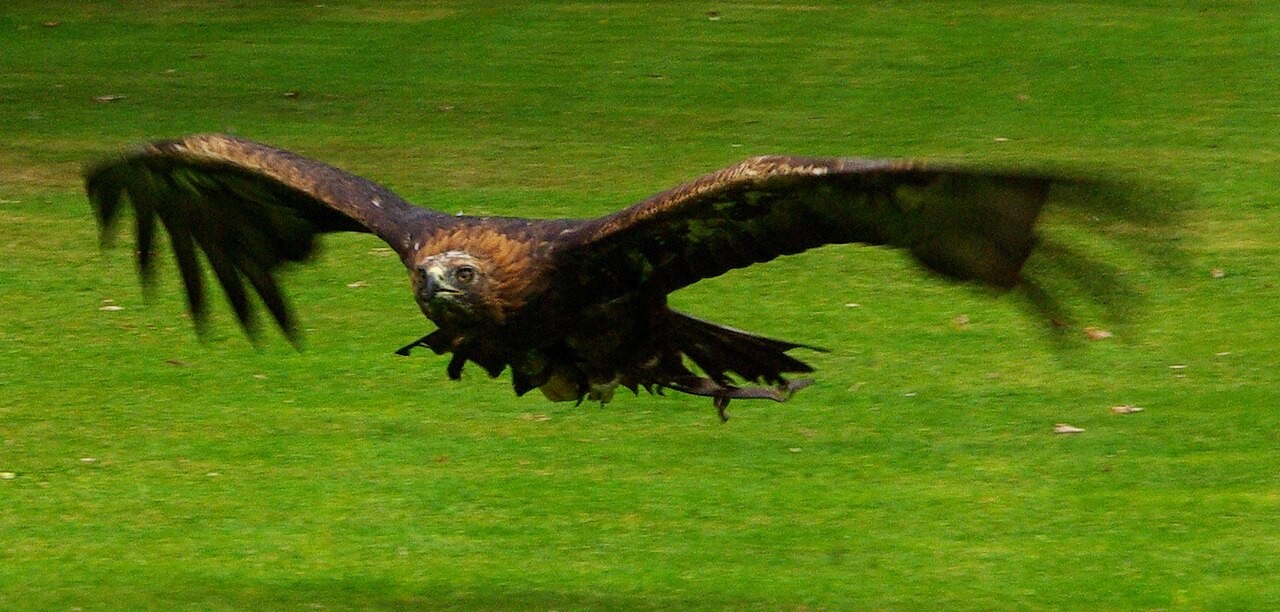
  5. Golden eagle in flight
    Species photo: Paul Wordingham, Wikimedia Commons, CC BY 2.0

    Golden eagle

    The golden eagle Aquila chrysaetos is one of the most impressive birds of prey in the Macedonian mountains. Look for broad wings, a long tail and powerful flight along ridgelines. A good pair of binoculars is often more important than a long hike, as the bird may appear high above a valley.

    Where can you see golden eagles in North Macedonia?

    • Mavrovo: mountain ridges, open valleys and the Radika Valley
    • Galičica and Pelister: viewpoints overlooking broad mountain slopes
    • Šar Planina and Demir Kapija: rocky areas where thermals and relief come together

Useful tips and information

Practical questions about birdwatching in North Macedonia

Want to know when to visit Prespa, where to look for pelicans and birds of prey or which national parks are suitable for an independent birding trip? Below you will find answers to questions that are especially relevant to birdwatching in North Macedonia.

For most birding trips, April and May are the best months. Spring migration, breeding activity and comfortable temperatures come together then. May is especially productive around Prespa, where waterbirds, pelicans and reedbed birds gather. June and July are better for mountain birds because higher routes are more accessible. September and October are interesting for raptor migration, storks and newly arrived waterbirds.

If you want to combine several landscapes, plan a route that includes Prespa or Dojran, followed by Tikveš and Demir Kapija, and finishes with Mavrovo, Galičica or Pelister. Check recent sightings in FaunaMap shortly before departure.

Lake Prespa is the main destination. Along the North Macedonian shore, search around Ezerani, Asamati, Nakolec and Stenje for birds over open water, along reed edges and near quiet shallows. The species can be recognizable in flight from a great distance. Exact numbers and locations vary with water levels, season and disturbance.

Golem Grad and other parts of the cross-border Prespa area are suitable only when boat access and local rules permit it. Never approach resting or breeding pelicans. More information about bird monitoring and nature management in Prespa is available from MES Prespa.

Demir Kapija, Tikveš and the Raec Valley are the best-known areas for birds of prey in the south. The combination of cliffs and thermals also makes the Vardar Valley interesting. In the west, Galičica, Mavrovo, Pelister and Šar Planina are suitable for golden eagles and other mountain raptors.

Do not plan raptor watching too tightly. Egyptian vultures and griffon vultures are scarce and may be absent for days. The best conditions usually develop from late morning onwards, when air begins to rise above gorges and warm slopes. A high viewpoint, plenty of time and a telescope improve your chances.

For specialist waterbirds, Prespa is usually the stronger choice. The area has more reeds, shallow shores, wet grasslands and well-known populations of pelicans and pygmy cormorants. Ohrid is especially appealing as a combined destination. You can enjoy the lake, quiet shoreline areas and the Galičica slopes alongside a cultural stay in Ohrid.

For a short birding trip, Prespa is the best choice if waterbirds are your target species. For a broader trip combining mountain birds, landscapes and culture, Ohrid and Prespa complement each other very well.

Mavrovo is the best all-round choice for mountain forests, river valleys and a wide range of elevations. Galičica is interesting for dry limestone slopes and its location between Prespa and Ohrid. Pelister offers forests and higher mountain zones near Bitola. Šar Planina is most suitable for experienced hikers who want to explore alpine meadows, rocky terrain and high ridgelines.

For a first birding trip, combine Mavrovo with Prespa and Tikveš. This gives you woodland birds, waterbirds, pelicans and southern raptors on one route. Check access rules, registration requirements, fire risk and temporary closures for each park before you go.

Yes, many birding areas can be visited independently with a rental car, good maps and enough preparation. Prespa, Ohrid, Dojran and the main roads around Tikveš are relatively easy to combine. In Mavrovo, Pelister and Šar Planina, distance, terrain and weather matter more, so it is wise to check routes in advance.

A local guide is useful for difficult-to-identify species, remote mountain areas and finding suitable viewpoints, but is not essential every day. Stay on marked trails, park safely, do not approach nests and respect border and protected areas.

From Skopje, Matka Canyon, the Treska Valley, the Vardar corridor and the foothills towards Vodno are logical starting points. Matka is especially interesting for cliff-dwelling species and birds of prey, while riverbanks and open areas around the city offer more chances of finding common songbirds, herons and migrants.

For specialist species such as pelicans and pygmy cormorants, you will need to travel farther to Prespa or Dojran. Use FaunaMap to see which birding locations and recent sightings lie along your route.

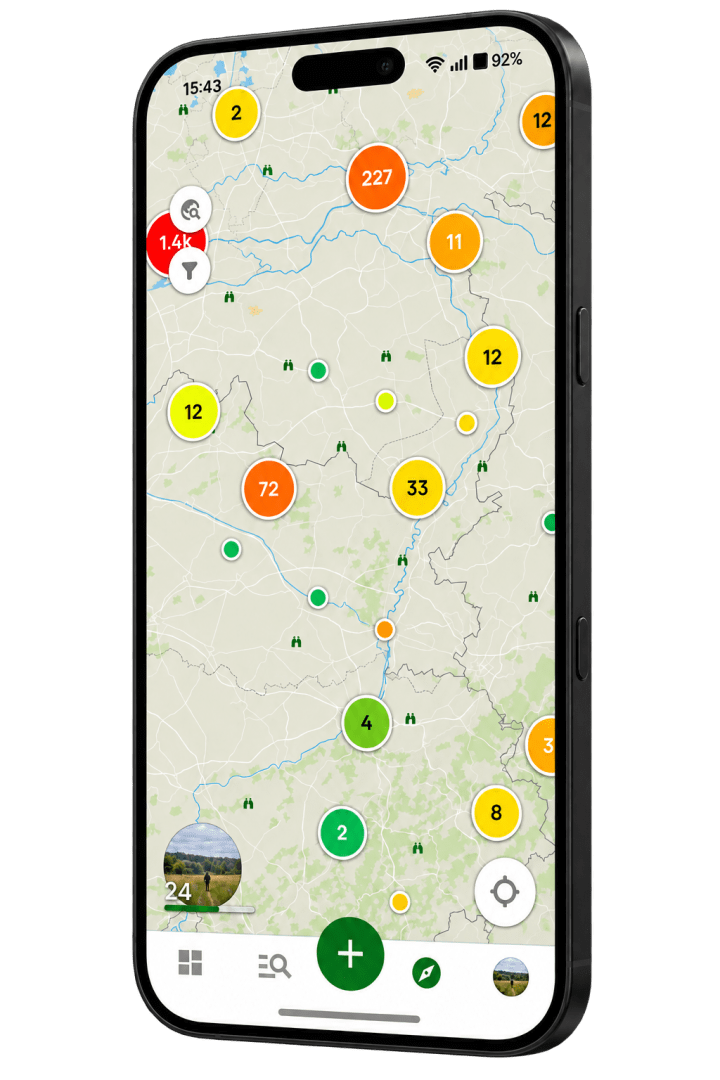
In FaunaMap, you can find recent bird sightings in North Macedonia on an interactive map. View birding locations, hotspots and expected species at each site, while keeping track of your own sightings and life list. This is useful because bird activity in Prespa, Dojran and the southern gorges can vary greatly with season, water levels and weather.

Open FaunaMap before you leave, choose an area that matches your target species and then check the current access rules for the relevant national park or nature reserve.

View recent sightings in FaunaMap

Discover more while birdwatching

  • See recent bird sightingsSee which birds have recently been spotted near you.
  • Explore biodiverse nature areasFind the best places to spot birds and other wildlife.
  • Find sightings by speciesQuickly find sightings of the bird species you want to see.