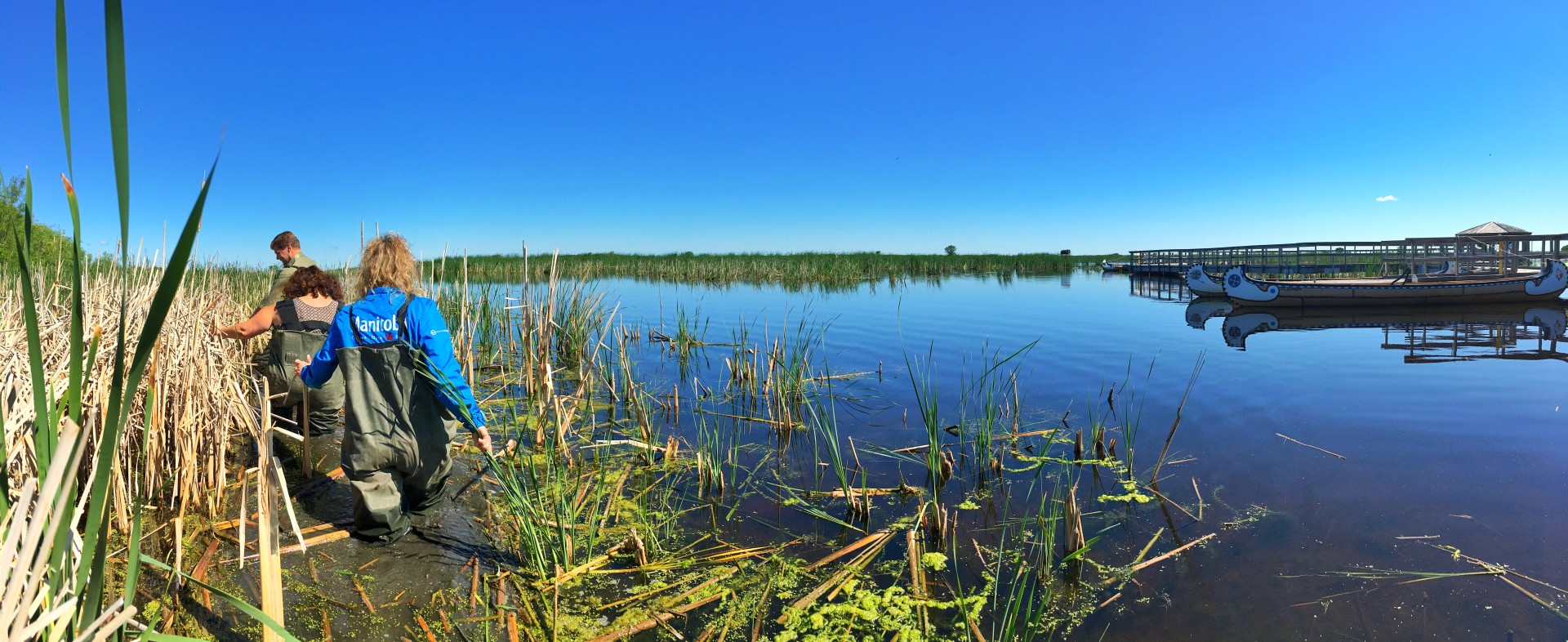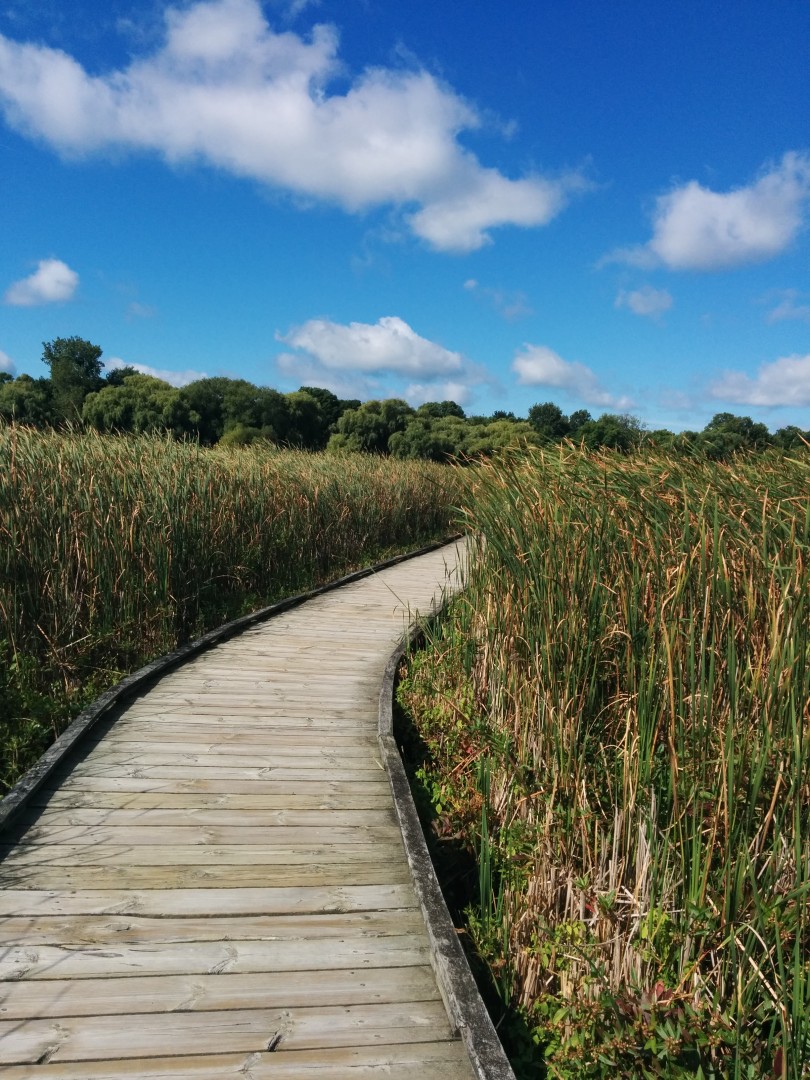
Birding areas · migration · bird species

Birding in Canada: the best birding areas by season

Birding in Canada means choosing between tidal marshes, boreal lakes, prairie wetlands, Arctic tundra and Atlantic sea cliffs. Discover the best birding areas in Canada, find out when migration and breeding season peak, and plan a birding trip with FaunaMap for current sightings, birding spots, hotspots and expected species.

  • Expected bird species by location
  • Birding locations worldwide
  • Keep track of your own species list
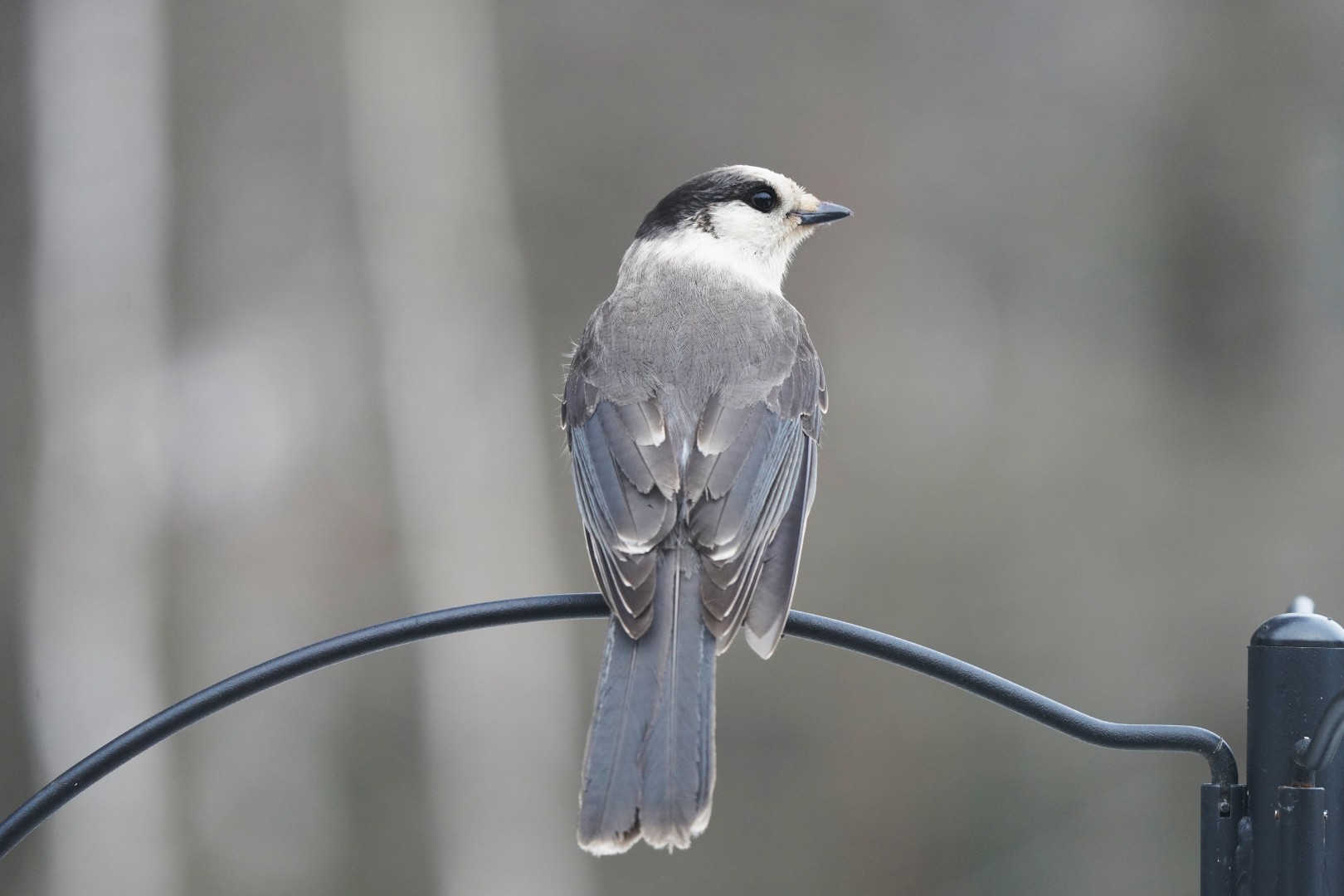
Canada jay perched on a branch, an iconic bird of Canada
Iconic bird of CanadaThe Canada jay
Photo: U.S. Fish and Wildlife Service via Wikimedia Commons · public domain.

Why go birding in Canada?

Canada brings migration, boreal wilderness and ocean coasts together

Canada is one of the most diverse birding countries in the world. Few places bring together a vast boreal forest belt, thousands of lakes, extensive prairie wetlands, Arctic breeding grounds and two bird-rich ocean coasts within the same national borders.

Along the Pacific coast of British Columbia, geese, ducks, shorebirds and bald eagles spend the winter in estuaries and tidal marshes. In southern Ontario and Quebec, forests, lakes and riverbanks provide important stopover habitat during spring migration. The prairies are especially productive for waterfowl, pelicans, cranes and grassland species that depend on shallow wetlands.

Travel farther north and the birdlife changes completely. Boreal forests offer long days filled with songbirds and woodland species, while the Arctic summer brings a short but intense breeding season for shorebirds, jaegers, snowy owls and seabirds. Distances are vast and weather can change quickly, so it pays to match your region, season and target species before you travel.

Landscapes and biodiversity

Canada's most important bird habitats

Canada is too large to treat as one birding destination. Choosing your trip by habitat and season increases your chances of finding memorable species. These six landscape types explain why birders travel to different regions, from the Fraser River Delta to the Arctic tundra.

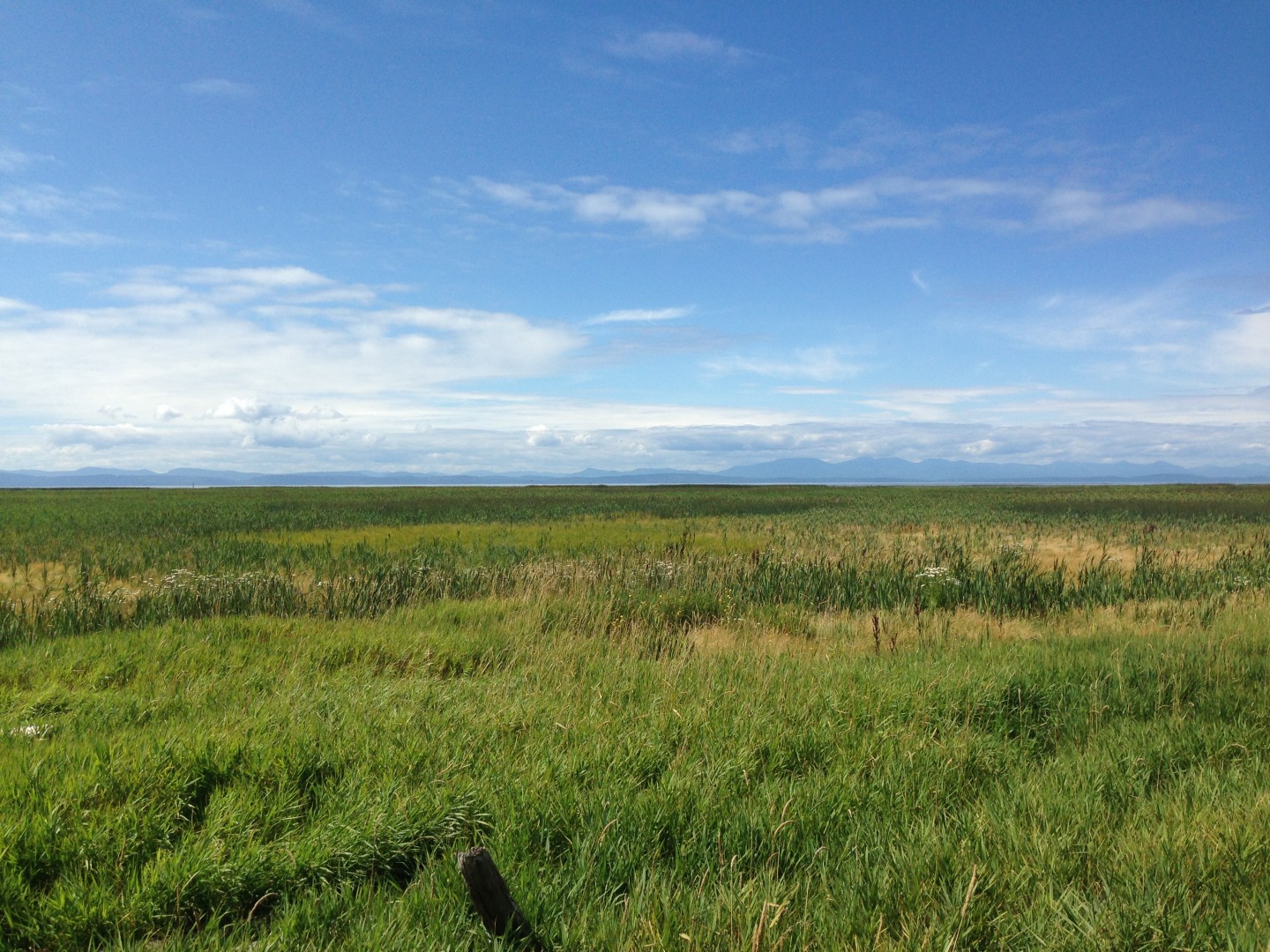
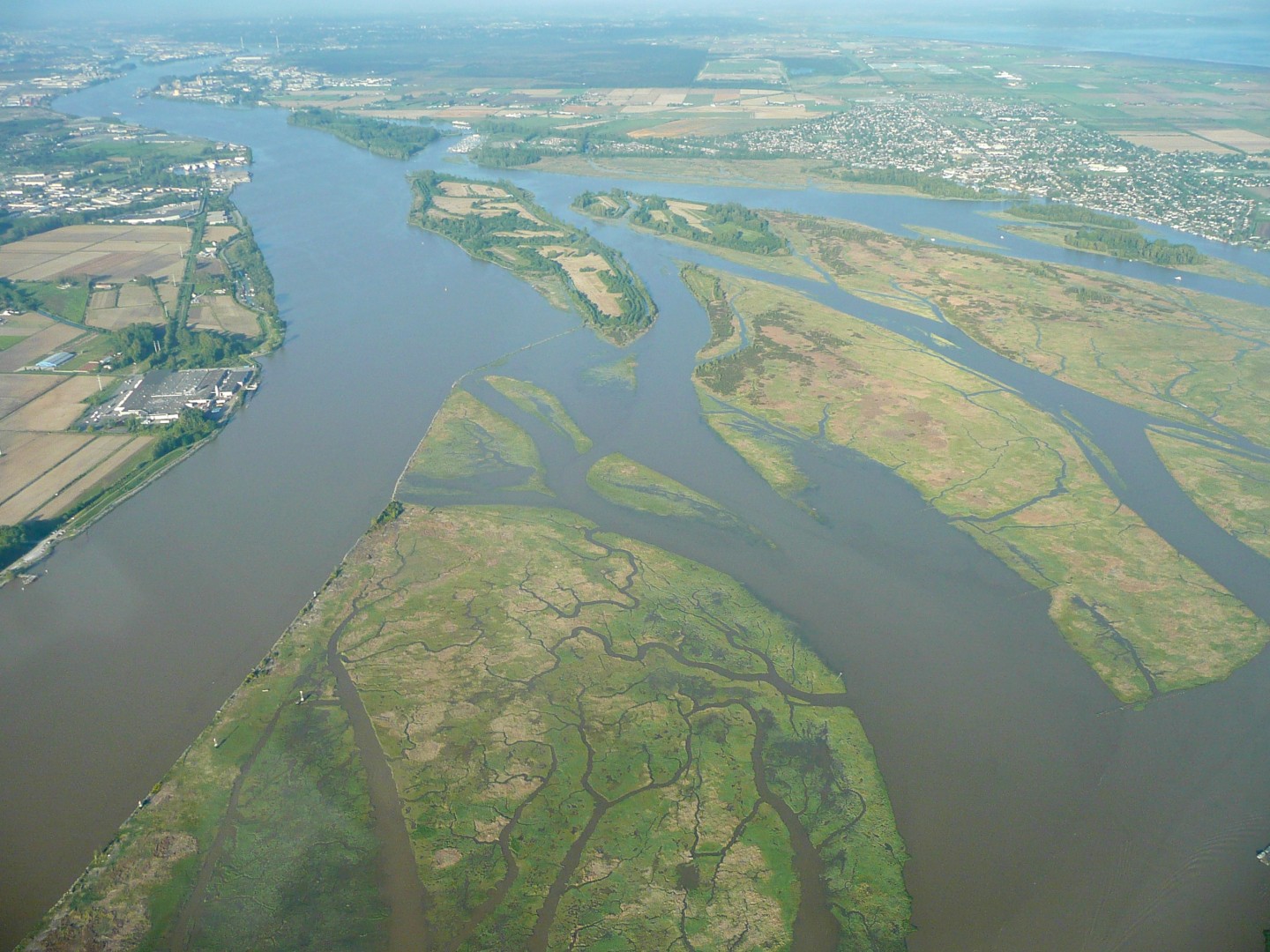
Aerial view of tidal marshes in the Fraser River Delta in British Columbia
kcxd via Wikimedia Commons · CC BY 2.0

Pacific coast, estuaries & Fraser River Delta

British Columbia brings together river channels, mudflats, farmland and salt marshes. Around Richmond, Delta and the Fraser River Delta, dikes, trails and birding viewpoints offer excellent chances to see large numbers of waterfowl. Snow geese and ducks are common in winter, while shorebirds and songbirds pass through during migration.

Typical species

  • Bald eagle
  • Snow goose
  • American wigeon
  • Surf scoter
  • Dunlin
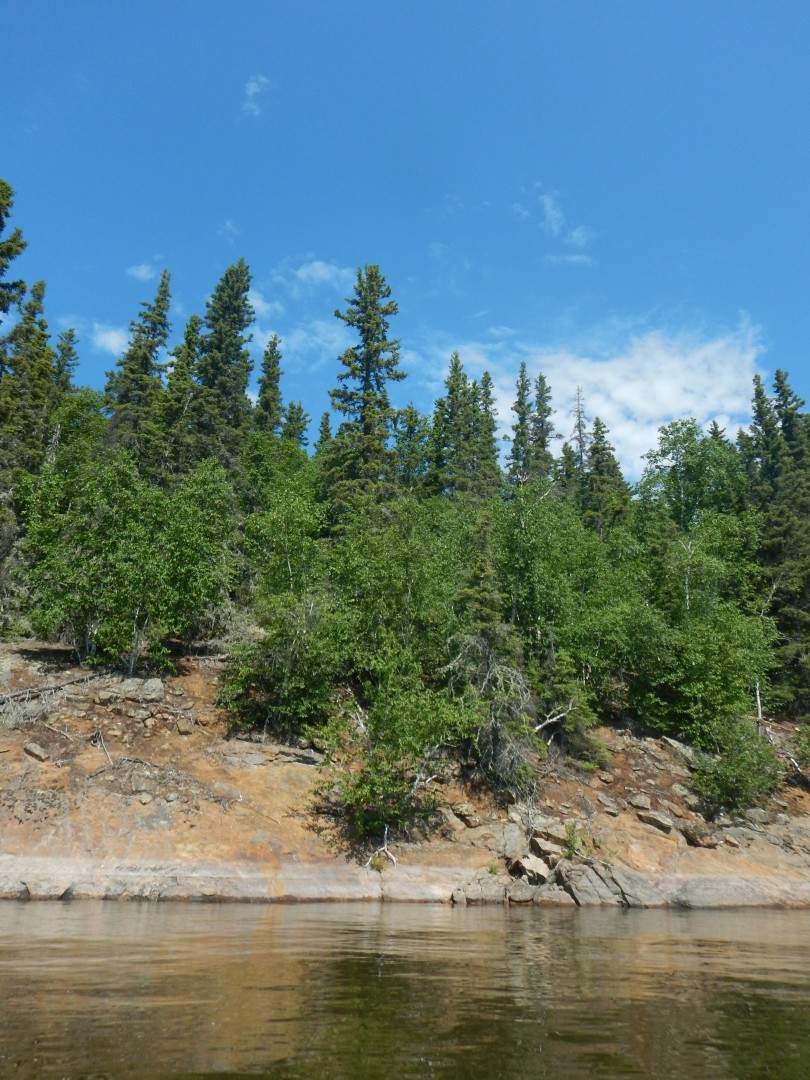
Boreal forest beside a lake on the Canadian Shield
TheTrueNorthStrongAndFree1 via Wikimedia Commons · CC BY-SA 4.0

Boreal forest & lakes

From Manitoba and Ontario to Yukon and Newfoundland, a vast belt of spruce, pine, birch, peatlands and lakes stretches across Canada. Early starts are worthwhile, especially along forest edges and quiet shorelines. Spring brings a chorus of birds, while canoe and hiking routes lead to species that are harder to find in southern parks.

Typical species

  • Canada jay
  • Common loon
  • Boreal chickadee
  • Spruce grouse
  • Yellow warbler
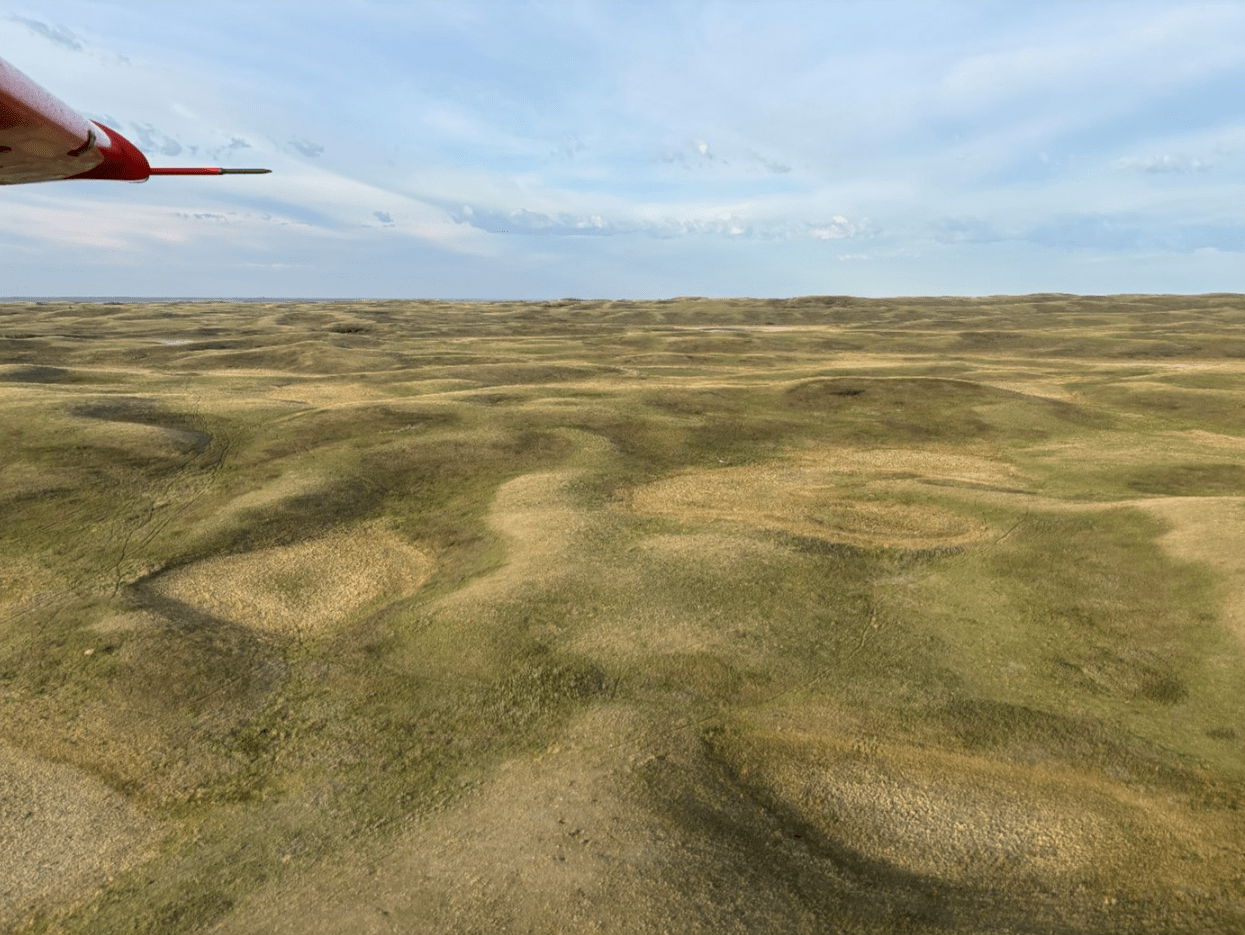
Prairie wetlands in the Missouri Coteau of Saskatchewan
U.S. Fish and Wildlife Service via Wikimedia Commons · public domain

Prairie grasslands & pothole wetlands

The shallow depressions of Alberta, Saskatchewan and Manitoba fill with water after snowmelt and rain. They provide breeding habitat for ducks, grebes, terns and shorebirds, as well as important stopover sites during migration. In open country, pelicans, cranes and raptors can often be spotted from a long distance.

Typical species

  • American white pelican
  • Western grebe
  • American avocet
  • Black tern
  • Wilson's phalarope
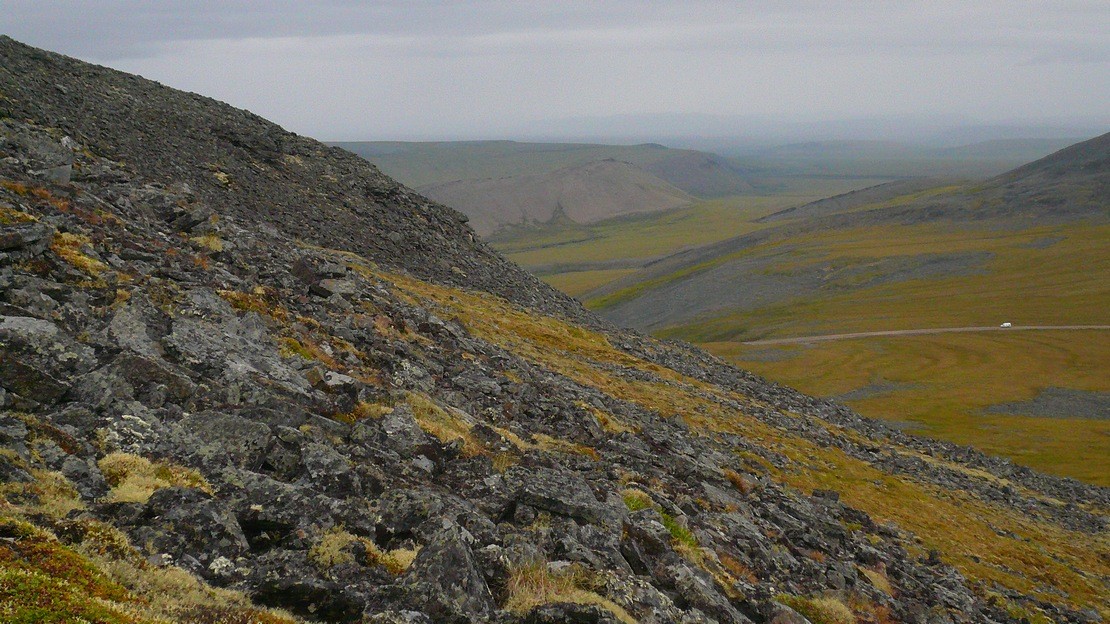
Arctic tundra in Canada's Northwest Territories
David Adamec via Wikimedia Commons · public domain

Arctic tundra & coastal plains

In Nunavut, the Northwest Territories and northern Yukon, summer is short but bird activity is intense. Meltwater ponds, low vegetation and coastal plains attract breeding shorebirds and jaegers. Access is limited and often depends on a local guide, boat, flight or route such as the Dempster Highway near Inuvik.

Typical species

  • Snowy owl
  • Red phalarope
  • Snow bunting
  • American golden-plover
  • Long-tailed jaeger
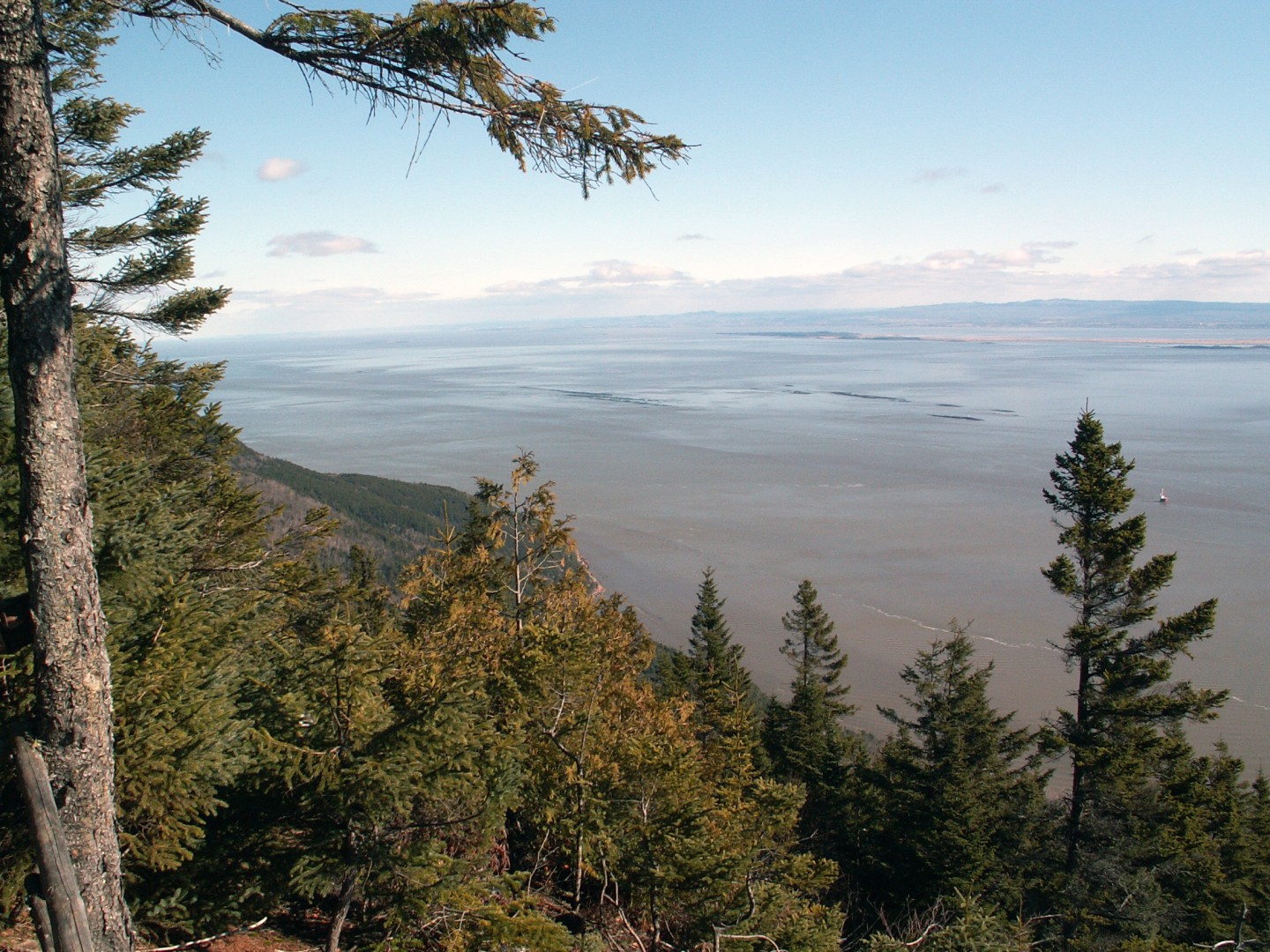
View of the Saint Lawrence River from Cap Tourmente in Quebec
Cephas via Wikimedia Commons · CC BY-SA 3.0

Great Lakes & Saint Lawrence wetlands

The southern shores of Lake Erie, Lake Ontario and the Saint Lawrence River act as funnels for bird migration. Forests, marshes, reedbeds and riverbanks sit close together. Point Pelee is famous for songbirds in May, while Cap Tourmente attracts large numbers of geese and other migrants in spring and fall.

Typical species

  • Snow goose
  • Bald eagle
  • Black tern
  • Common yellowthroat
  • Pileated woodpecker
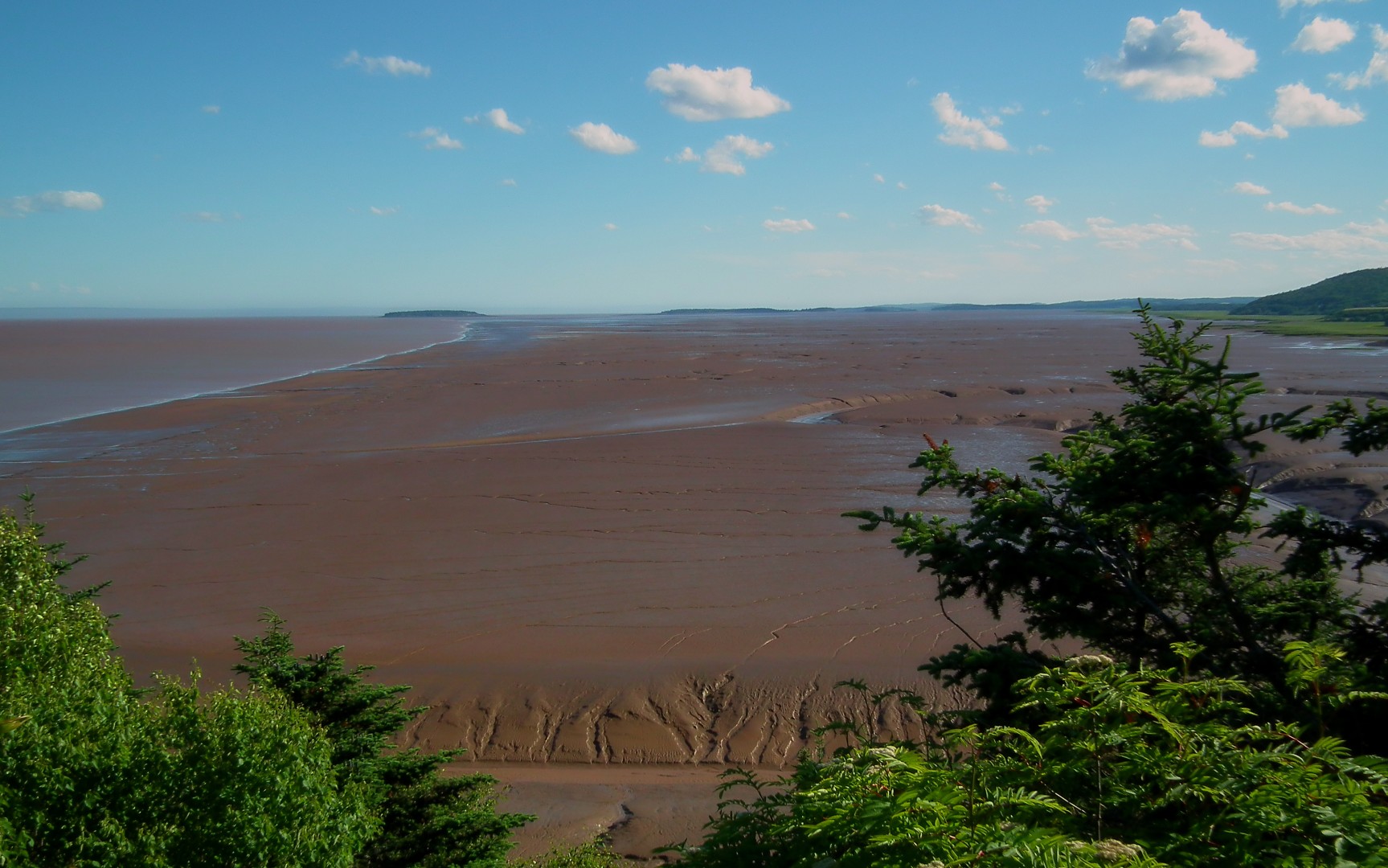
Tidal area on the Bay of Fundy near Hopewell Rocks in New Brunswick
Siderd via Wikimedia Commons · CC BY-SA 4.0

Atlantic coast, tidal bays & seabird cliffs

Along the Bay of Fundy, enormous tides set the rhythm for shorebirds and roosting coastal birds. Newfoundland and Labrador have cliffs covered with breeding seabird colonies. This habitat is ideal for anyone who wants to combine birding with coastal scenery, boat trips and species that can be viewed from land or offshore.

Typical species

  • Northern gannet
  • Atlantic puffin
  • Common murre
  • Razorbill
  • Black-legged kittiwake

Birding throughout the year

Canada birding calendar: what can you expect each season?

Canada has major regional differences. Migration begins early in the south, while the far north does not come alive until late spring. Use this calendar as a national guide and check current conditions, access rules and expected species for each destination.

WinterDecember - FebruarySpringMarch - MaySummerJune - AugustFallSeptember - November
  1. January

    Winter

    Winter birds along coasts and open water

    In southern British Columbia, along the Atlantic coast and around the Great Lakes, many waterways remain open. Look for sea ducks, geese, bald eagles and wintering shorebirds. On the prairies, snowy owls and raptors are worth watching in years with high vole numbers.

    Recommended placesFraser River Delta, Vancouver Island, southern lakes and sheltered coastal bays.

  2. February

    Winter

    Bald eagles, owls and sea ducks

    Winter is quiet in the boreal and Arctic north but rewarding in southern regions. Bald eagles gather around open water, sea ducks line the coast and, in suitable years, snowy owls can be seen far south of their usual range.

    Recommended placesPacific coast, Great Lakes, Fraser Delta and open prairie water.

  3. March

    Spring

    First spring migration moves through the south

    The first waterfowl and songbirds return to British Columbia and southern Ontario. Geese and ducks take advantage of shallow meltwater, while in Quebec the first snow geese begin moving toward their breeding grounds.

    Recommended placesFraser River Delta, southern Ontario, St. Lawrence Valley and prairie wetlands.

  4. April

    Spring

    Spring migration gets underway

    April is a good month for waterfowl, raptors and the first songbirds. Migration builds along the Great Lakes, while shorebirds appear in the Atlantic provinces and the first breeding birds arrive on cliffs and islands.

    Recommended placesPoint Pelee, Prince Edward Point, Cap Tourmente and the Atlantic coast.

  5. May

    Spring

    Peak month for songbirds and migration

    May is the best month for birders in many southern regions. Warblers, flycatchers, thrushes and other songbirds fill forests and thickets. Point Pelee is famous for this peak, but Vancouver Island, the Saint Lawrence Valley and the Maritimes are also excellent.

    Recommended placesPoint Pelee, Fraser Delta, Cap Tourmente, Fundy coast and urban parks.

  6. June

    Summer

    Breeding season in boreal and Arctic Canada

    Long days make June ideal for boreal forest birds and Arctic breeders. Loons call around lakes, warblers sing in the woods and shorebirds feed across the tundra. On Newfoundland, seabird colonies begin to fill with activity.

    Recommended placesBoreal parks, Inuvik and the Dempster Highway, Algonquin and Cape St. Mary's.

  7. July

    Summer

    Seabird cliffs and fledged young

    July is an excellent month for puffins, gannets, murres and razorbills along the Atlantic coast. Many northern species are still breeding, while the first fledged shorebirds begin appearing on coastal flats and wetlands.

    Recommended placesCape St. Mary's, Witless Bay, Bay of Fundy and Arctic coastal areas.

  8. August

    Summer

    Fall migration begins

    By August, shorebirds are already moving south. Shallow prairie wetlands, Hudson Bay, the Bay of Fundy and coastal marshes become increasingly important. Young birds are active in the woods, while raptors can be seen migrating along mountain passes and coastlines.

    Recommended placesPrairie wetlands, Bay of Fundy, Fraser Delta and the coasts of Newfoundland.

  9. September

    Fall

    Geese, shorebirds and raptor migration

    September brings a broad mix of fall migrants. Geese and ducks gather on lakes and prairie wetlands, shorebirds feed along tidal coasts and songbirds move through forest edges. The first large groups of cranes may appear on the prairies.

    Recommended placesLast Mountain Lake, Oak Hammock Marsh, Point Pelee, Reifel and Fundy.

  10. October

    Fall

    Snow geese and mass waterfowl migration

    October is one of the most spectacular months for birding in Canada. Tens of thousands of snow geese can gather at Cap Tourmente. On the prairies and in Manitoba, geese, ducks and cranes come together, while sea ducks arrive along the coast.

    Recommended placesCap Tourmente, Last Mountain Lake, Oak Hammock Marsh and Fraser River Delta.

  11. November

    Fall

    The transition into winter

    Most songbird migration has ended, but waterfowl remain easy to find. Snow geese increase along the Pacific coast and more bald eagles appear beside open rivers. In the east, sheltered bays and unfrozen lakes are worth exploring.

    Recommended placesReifel, Boundary Bay, Great Lakes, Bay of Fundy and southern rivers.

  12. December

    Winter

    Winter visitors and open water

    December is a good month for coastal winter birds, geese, sea ducks and bald eagles. Wherever water remains open, birds often concentrate around small, food-rich areas. In boreal forests, look for Canada jays, crossbills and other hardy winter species.

    Recommended placesFraser Delta, Vancouver Island, southern Ontario lakes and boreal forest edges.

Seasonal information and destination examples: Environment and Climate Change Canada, Parks Canada, Birds Canada and Cap Tourmente.

Birding areas in Canada

The best birding areas in Canada: where can you go birdwatching?

From the Fraser River Delta and the Rocky Mountains to prairie wetlands, the Great Lakes and Atlantic seabird cliffs, Canada has birding destinations for every kind of birder. This selection combines popular, relatively accessible locations with high species diversity and a distinct story shaped by migration, breeding, tides or landscape.

Tidal marsh at the George C. Reifel Migratory Bird Sanctuary in British Columbia
Photo: velkr0 via Wikimedia Commons · CC BY 2.0

British Columbia

Tidal marsh · farmland · water

George C. Reifel Migratory Bird Sanctuary

Fraser River Delta near Vancouver

This bird sanctuary lies within one of the Fraser River Delta's most important wetlands. Short walking routes pass ponds, reeds, woodland, tidal channels and excellent viewing areas. The sanctuary reports nearly 300 recorded bird species, with numbers usually highest from fall through spring. Snow geese, ducks, cranes and bald eagles are among the main target species.

Look for
Snow goose, sandhill crane, bald eagle, American wigeon and northern pintail.
Plan around
Advance reservations, opening hours and the winter half of the year.
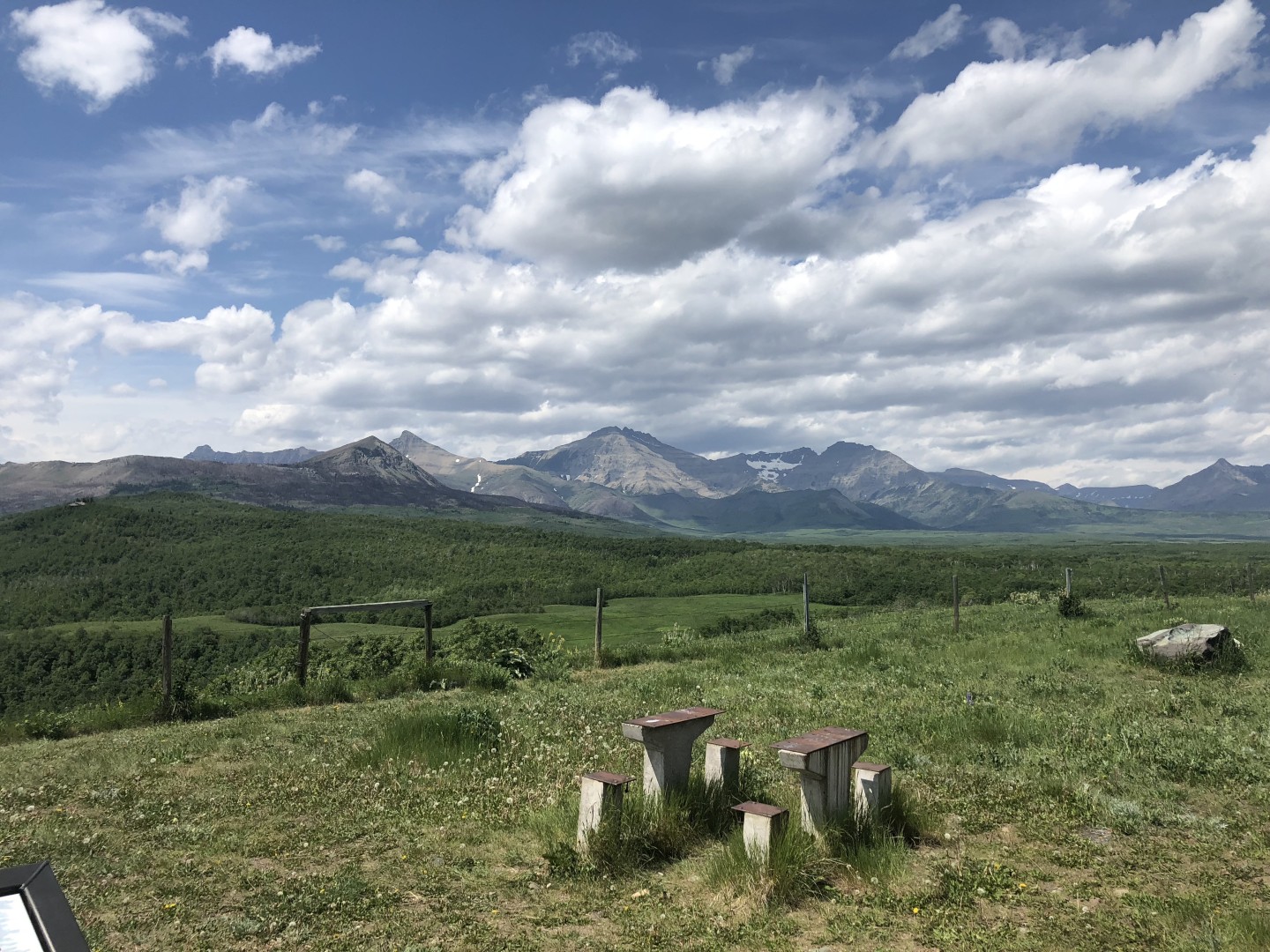
Mountain landscape in Waterton Lakes National Park in Alberta
Photo: Redelie Legaspi via Wikimedia Commons · CC BY-SA 4.0

Alberta

Mountains · prairie · lakes

Waterton Lakes National Park

Where prairie, Rockies and lakes meet

Waterton is productive because several elevation zones come together in a small area. Around Maskinonge, the townsite and the lakes, look for waterfowl, loons and bald eagles. Forest and mountain trails add Canada jays, American dippers and alpine species. Parks Canada lists more than 250 recorded bird species in the park.

Look for
Canada jay, bald eagle, trumpeter swan, American dipper and golden eagle.
Plan around
Route choices, mountain weather, park access and strong fall migration.
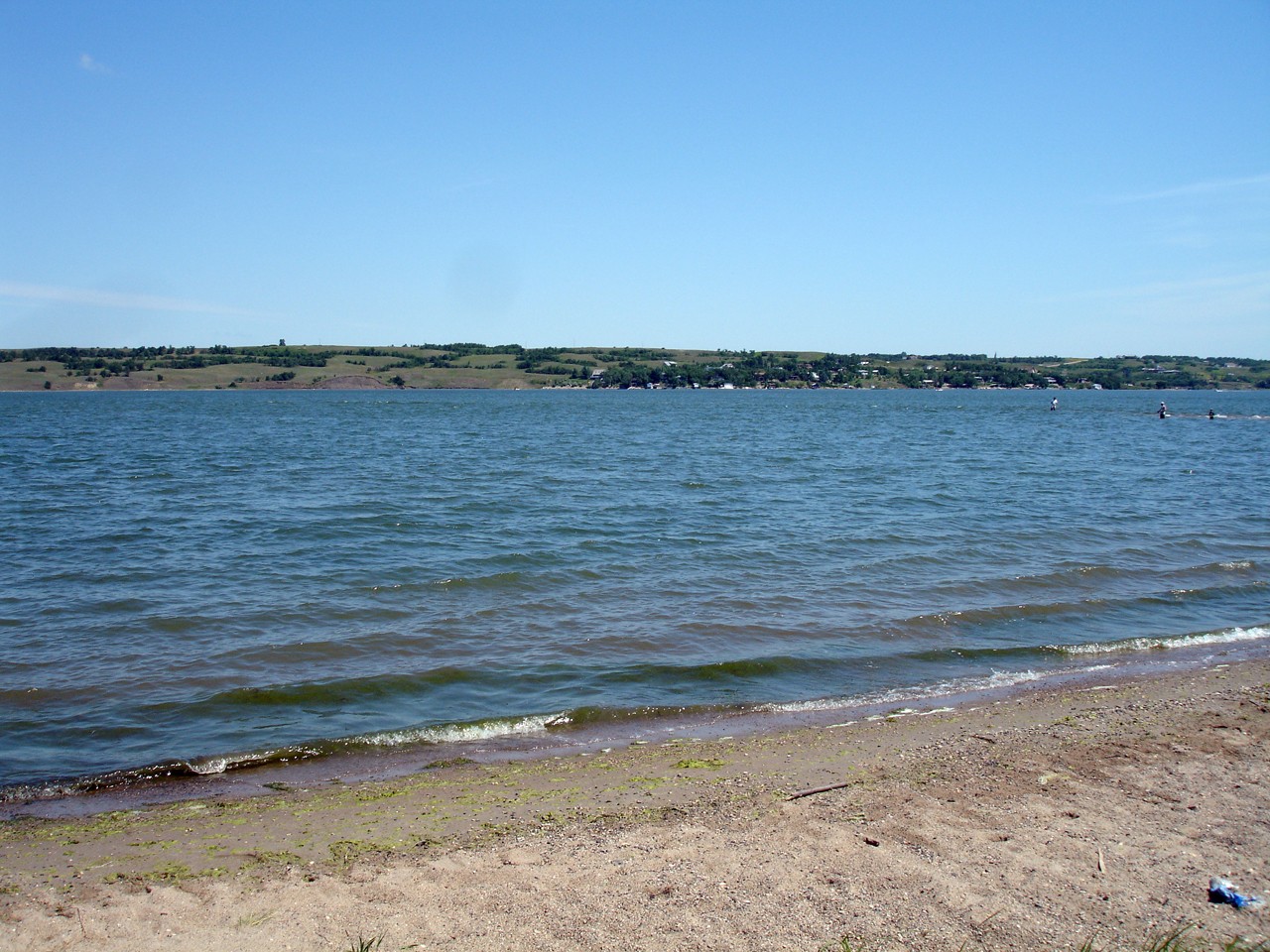
Last Mountain Lake in Saskatchewan with open water and prairie shorelines
Photo: Drm310 via Wikimedia Commons · CC BY-SA 3.0

Saskatchewan

Prairie · lake · Central Flyway

Last Mountain Lake National Wildlife Area

A top destination for geese, cranes and pelicans

Last Mountain Lake became North America's first federal bird sanctuary in 1887. Its position on the Central Flyway makes it especially rewarding during migration. Official site information lists more than 300 recorded bird species, with large numbers of cranes, geese and ducks during peak periods. It is an excellent choice for anyone hoping to see prairie birds in Canada.

Look for
Sandhill crane, American white pelican, western grebe, American avocet and Wilson's phalarope.
Plan around
Spring and fall migration, day use and limited facilities on site.
Open water and reedbeds at Oak Hammock Marsh in Manitoba
Photo: Travel Manitoba via Wikimedia Commons · CC BY 2.0

Manitoba

Reed marsh · open water

Oak Hammock Marsh

Accessible wetland north of Winnipeg

Oak Hammock Marsh is an easy-to-visit destination for experiencing prairie wetlands and migratory birds. Trails from the Wetland Discovery Centre pass open water, reeds and grassland. In fall, thousands of geese and ducks may gather across the landscape. With visitor facilities, walking routes and bird-rich habitats, it works well for both beginners and experienced birders.

Look for
Snow goose, American wigeon, American bittern, marsh wren and black tern.
Plan around
Fall migration, centre opening hours and the length of the walking routes.
Boardwalk through the marsh at Point Pelee National Park in Ontario
Photo: Wenkarr via Wikimedia Commons · CC BY-SA 4.0

Ontario

Forest · marsh · Lake Erie

Point Pelee National Park

One of Canada's best-known migration hotspots

Point Pelee sits at the southern tip of mainland Canada and acts as a natural funnel along Lake Erie. In May, thickets, trails and marsh edges can be packed with warblers, thrushes and other songbirds. In fall, attention shifts to raptors, owls, waterfowl and coastal migration. Start early because popular days can be busy.

Look for
Warblers, indigo bunting, scarlet tanager, northern saw-whet owl and bald eagle.
Plan around
Spring migration in May, current park hours and shuttle availability.
View of the Saint Lawrence River from Cap Tourmente in Quebec
Photo: Cephas via Wikimedia Commons · CC BY-SA 3.0

Quebec

Saint Lawrence · reed marsh · forest

Cap Tourmente National Wildlife Area

Snow geese along the north shore of the Saint Lawrence

Cap Tourmente combines reed marsh, open grassland, forest and river views within a short distance of Quebec City. The area is famous for large numbers of snow geese during migration and, according to the site manager, has more than 180 bird species. With around 20 kilometres of trails, you can spend half a day birding and taking in the scenery.

Look for
Snow goose, northern harrier, pileated woodpecker, indigo bunting and Canada warbler.
Plan around
Spring and fall migration, opening hours and local access rules.
Tidal flats on the Bay of Fundy near Hopewell Rocks in New Brunswick
Photo: Siderd via Wikimedia Commons · CC BY-SA 4.0

New Brunswick

Tidal coast · forest · mudflats

Bay of Fundy and Fundy National Park

Atlantic migration route with forest and coastal birds

Fundy National Park and the surrounding Bay of Fundy lie on the Atlantic migration route. Parks Canada reports more than 260 bird species in the park and bay. Forests support warblers, woodpeckers and crossbills, while the coast and nearby tidal areas attract shorebirds during migration. Allow extra time for the tides and combine forest walks with coastal viewpoints.

Look for
Bald eagle, pileated woodpecker, ruddy turnstone, semipalmated plover and red-tailed hawk.
Plan around
The tides, coastal weather and a mix of park trails and nearby wetlands.
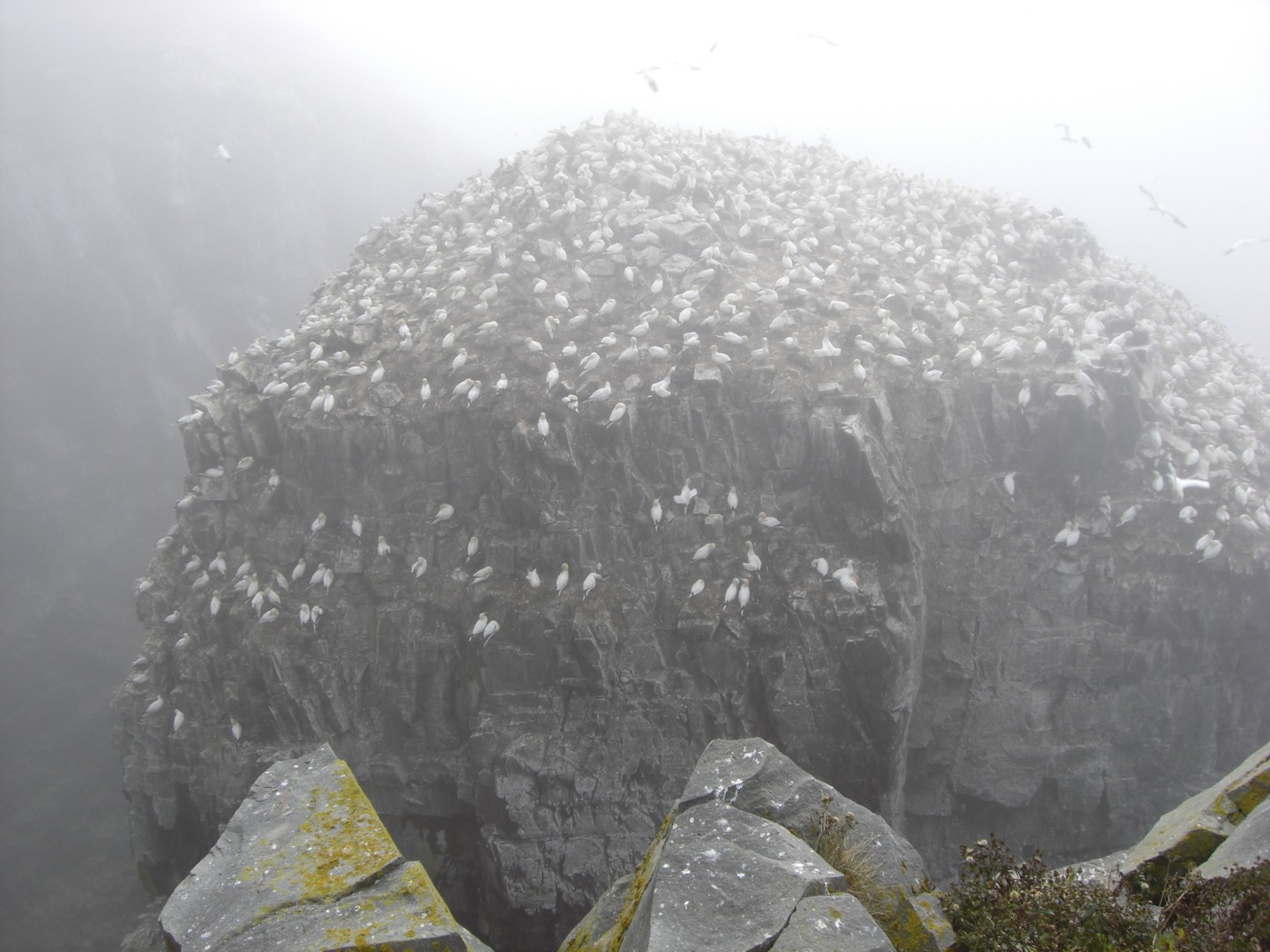
Seabird colony on Bird Rock at Cape St. Mary's in Newfoundland
Photo: Bigg(g)er via Wikimedia Commons · CC BY 3.0

Newfoundland and Labrador

Seabird cliffs · coastal barrens

Cape St. Mary's Ecological Reserve

Watch seabirds from a cliff trail on the Avalon Peninsula

Cape St. Mary's is one of the best places in Canada to watch breeding seabirds from land. A trail of about 1.4 kilometres leads from the interpretation centre to Bird Rock. During the breeding season, northern gannets, black-legged kittiwakes, murres, razorbills and Atlantic puffins fill the spectacular seabird colony.

Look for
Northern gannet, Atlantic puffin, common murre, razorbill and black-legged kittiwake.
Plan around
Fog, wind, sturdy footwear, centre opening hours and a safe distance from the cliffs.

Popular birds of Canada

Five iconic Canadian birds and where to spot them

From the curious Canada jay and distinctive common loon to the impressive bald eagle, migrating snow goose and colorful Atlantic puffin, these five species are on the list of many birders visiting Canada. Discover which landscapes offer the best chances and when to look for each bird.

  1. Canada jay, an iconic bird of Canada
    Photo: U.S. Fish and Wildlife Service via Wikimedia Commons, public domain

    Canada jay

    The Canada jay, also known as the whiskey jack, is closely associated with boreal forests. It is curious, hardy and often surprisingly approachable. Canada still does not have a fully confirmed official national bird, but the Canada jay is the species most often suggested for that role.

    Where can you see Canada jays in Canada?

    • Algonquin Provincial Park - boreal forest, lakes and quiet roads in Ontario
    • Waterton Lakes National Park - especially in forested areas and along quiet mountain trails
    • British Columbia - mountain forests around Vancouver and farther inland
    • Fundy National Park - conifer forest, peatland and woodland edges in New Brunswick
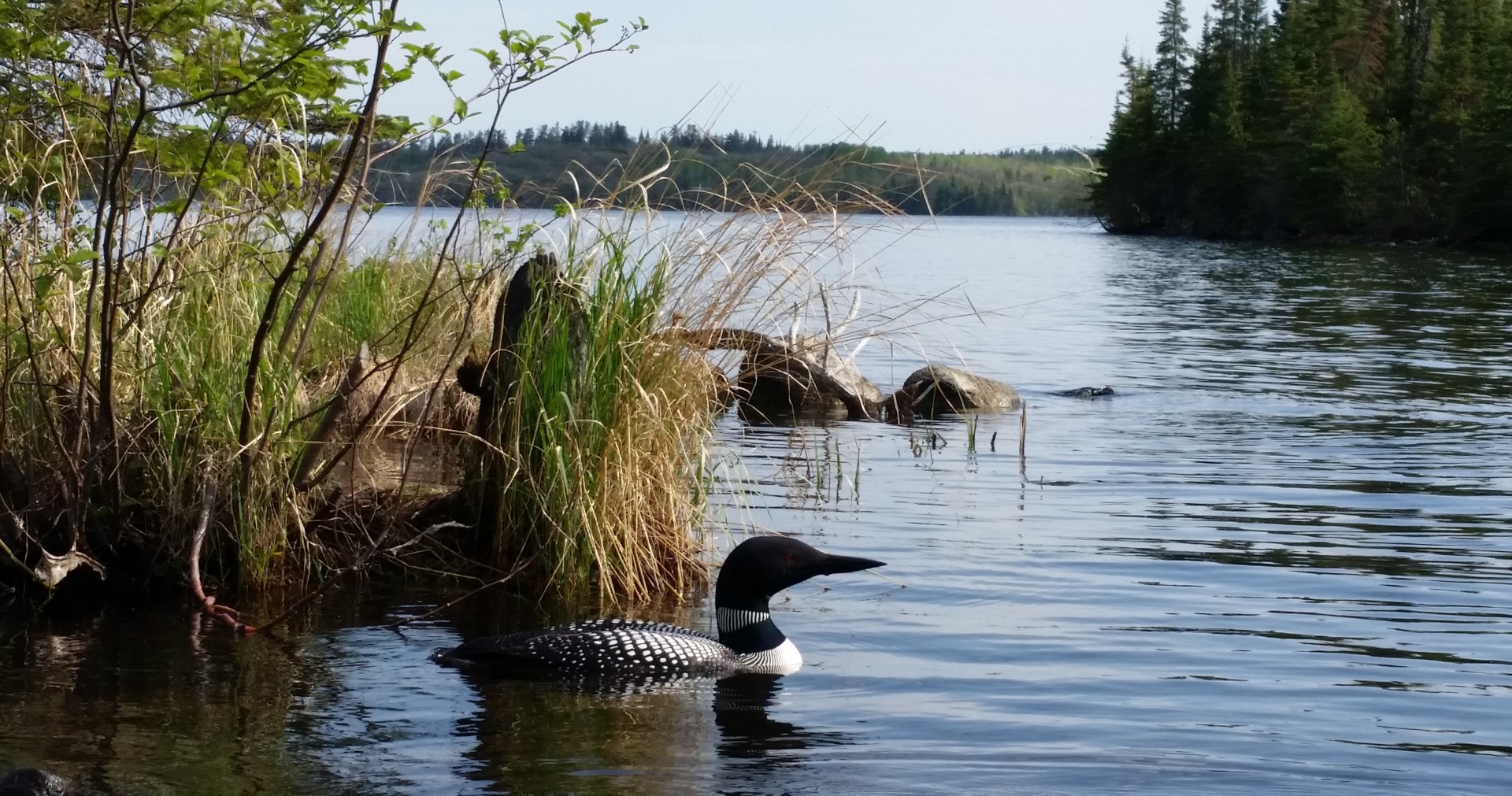
  2. Common loon on Falcon Lake in Manitoba
    Photo: Whitehea via Wikimedia Commons, CC BY-SA 4.0

    Common loon

    The common loon is one of the birds that best represents Canada's lake country. Its call carries across quiet water, and during breeding season you often see it on remote shorelines or among aquatic vegetation. In winter plumage, loons are less contrasting but remain easy to recognize by their profile and size.

    Where can you see common loons in Canada?

    • Algonquin Provincial Park - countless lakes and good chances from shorelines and canoes
    • Whiteshell Provincial Park - Falcon Lake and other lakes in Manitoba
    • Boreal lakes in Ontario and Quebec - calls and courtship are easiest to follow early in the morning
  3. Bald eagle above a landscape in Canada
    Photo: Andrew Tawker via Wikimedia Commons, CC BY 2.5

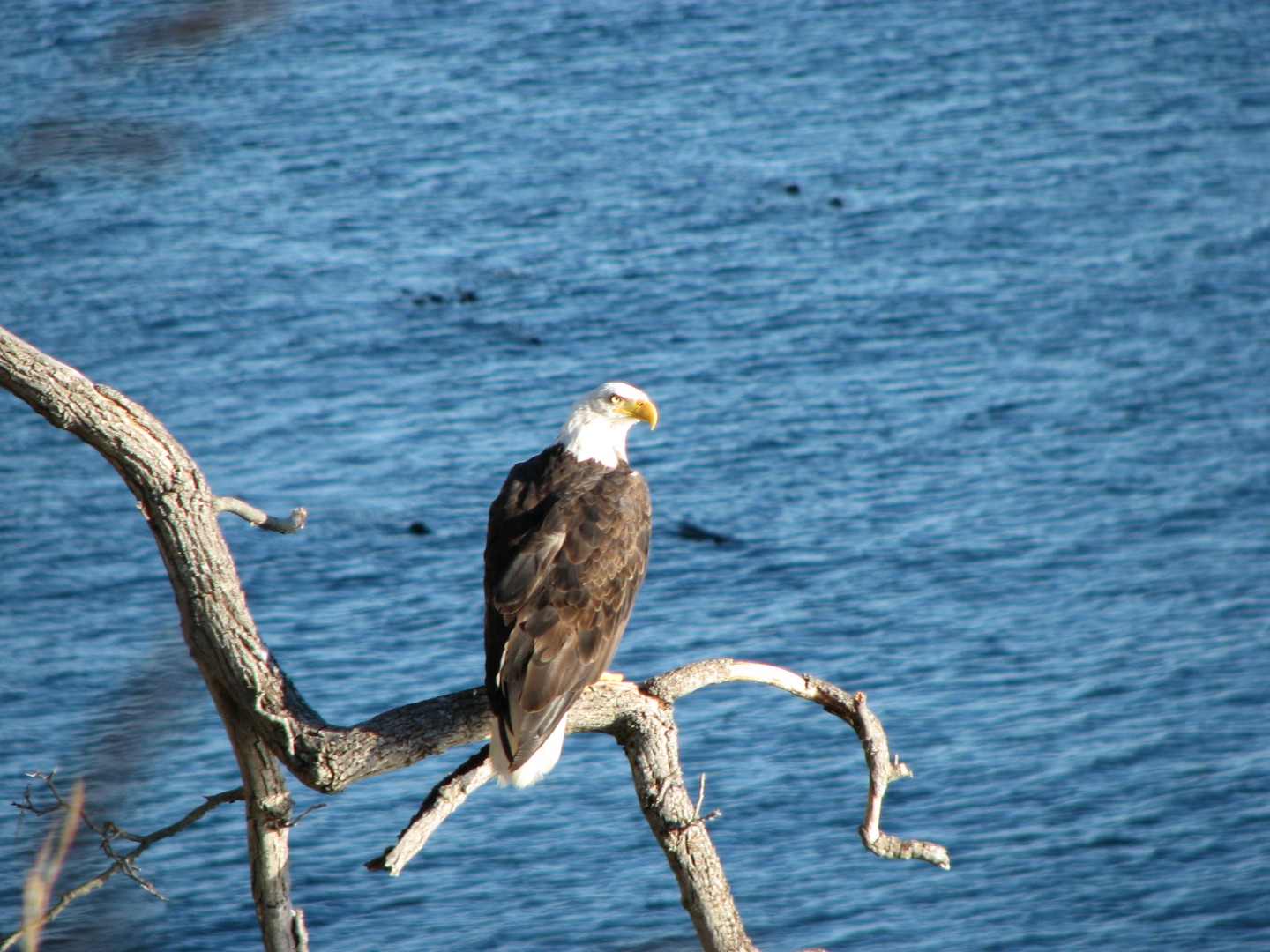
    Bald eagle

    Bald eagles can be found in many parts of Canada, especially where large bodies of water, fish and waterfowl come together. In winter, birds gather around open rivers and coastal waters. Check tall trees, rocky ledges and the sky above estuaries for slowly circling eagles.

    Where can you see bald eagles in Canada?

    • Fraser River Delta and Reifel - abundant food and open views in British Columbia
    • Waterton Lakes National Park - especially during fall migration along the mountain front
    • Great Lakes and St. Lawrence - rivers, lakes and wetlands in the east
    • Bay of Fundy - coast, tides and forest edges in the Atlantic region
  4. Snow goose on the water near Cap Tourmente in Quebec
    Photo: Cephas via Wikimedia Commons, CC BY-SA 3.0

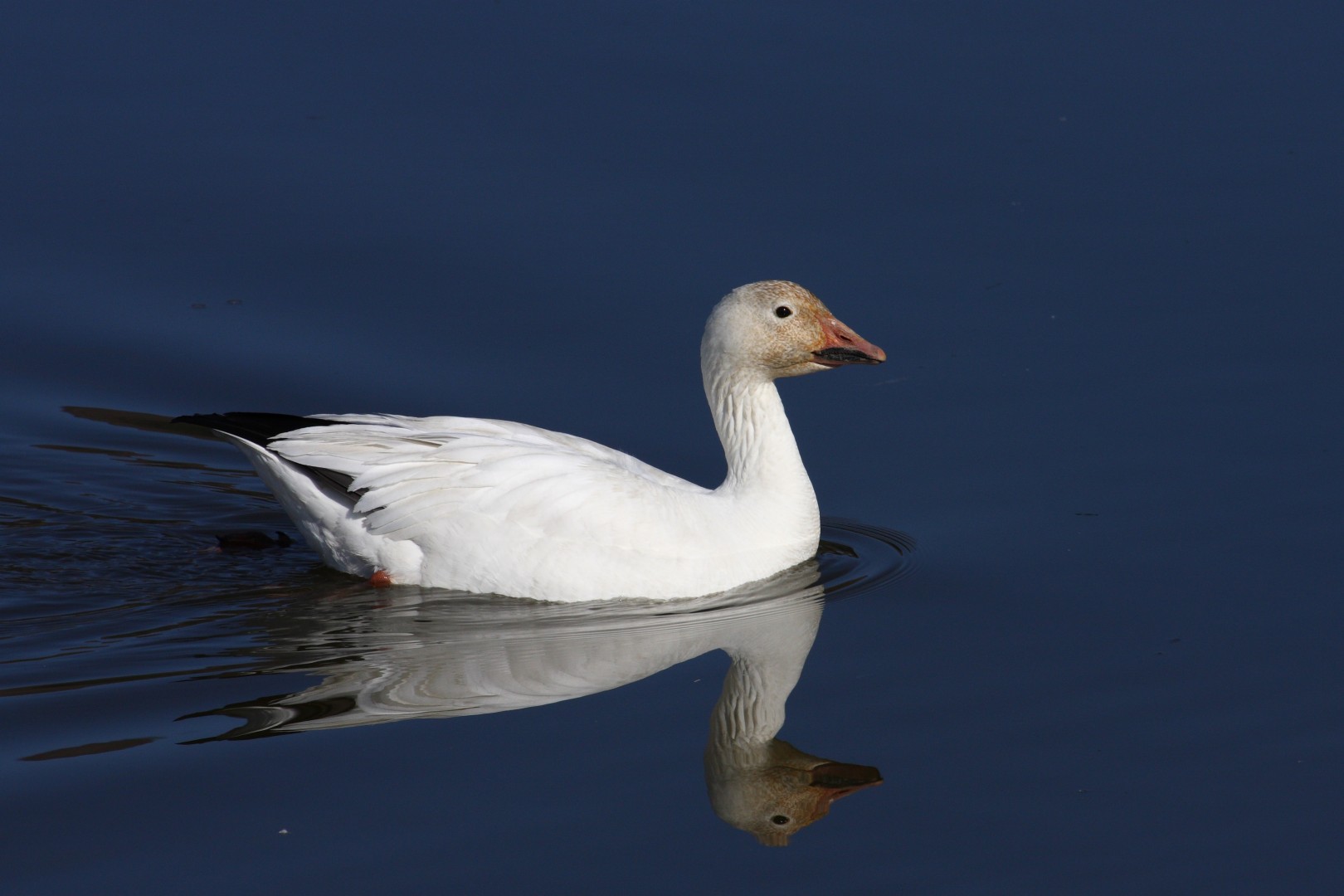
    Snow goose

    Large flocks of snow geese are one of the most impressive wildlife experiences on a birding trip through Canada. In fall, they gather in grasslands and marshes to feed and rest. The sound of thousands of birds highlights how important Canadian wetlands are as stopover habitat during migration.

    Where can you see snow geese in Canada?

    • Cap Tourmente National Wildlife Area - a well-known gathering place along the Saint Lawrence
    • George C. Reifel Migratory Bird Sanctuary - winter flocks in the Fraser River Delta
    • Oak Hammock Marsh - prairie wetland with large numbers during fall migration
    • Last Mountain Lake - wide-open landscapes in Saskatchewan
  5. Atlantic puffin flying over Newfoundland
    Photo: Gary Blakeley via Wikimedia Commons, CC BY-SA 3.0

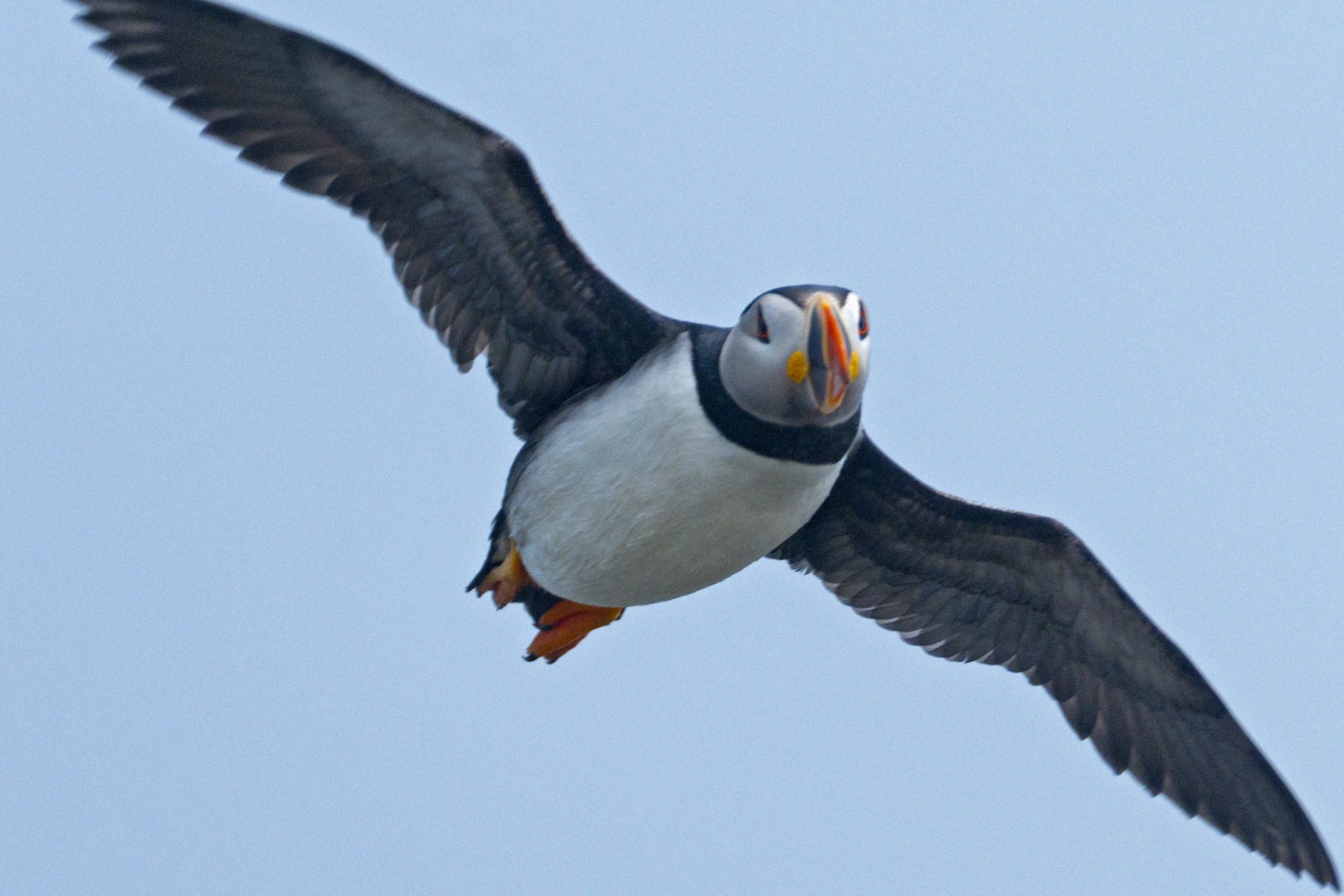
    Atlantic puffin

    The Atlantic puffin is one of Canada's most sought-after seabirds. During breeding season, puffins return to islands and cliffs along Newfoundland and Labrador. From land or on a boat trip, you may see them flying, diving and returning to their nests with fish.

    Where can you see Atlantic puffins in Canada?

    • Cape St. Mary's Ecological Reserve - seabird colonies viewed from a cliff trail in Newfoundland
    • Witless Bay Ecological Reserve - boat trips and islands south of St. John's
    • Elliston and the Bonavista Peninsula - well-known summer coastal locations for puffins
    • Machias Seal Island - boat excursions from New Brunswick, depending on the season

Helpful tips and information

Practical questions about birding in Canada

Want to know when bird migration peaks in Canada, where to see puffins and snow geese, or how to plan a birding trip across such a large country? Below are answers to common questions that matter when you first explore Canada's birding areas.

For many birders, May, September and October are the most interesting months in southern Canada. May brings spring migration, with warblers, flycatchers and other songbirds arriving in Ontario, Quebec and British Columbia. September and October are excellent for geese, ducks, cranes, shorebirds and raptors. For boreal and Arctic breeding birds, June and July make more sense because the days are long and breeding activity is at its peak.

Canada is enormous, so the best season varies by region. Use the birding calendar as a starting point and check current access, weather and expected species in FaunaMap before you leave.

For spring migration, Point Pelee in Ontario, the Fraser River Delta in British Columbia and Cap Tourmente in Quebec are strong choices. Point Pelee is especially well known for songbirds that rest in thickets and along marsh edges after crossing Lake Erie. Waterfowl gather in tidal marshes in the Fraser Delta, while Cap Tourmente attracts large groups of geese and other migrants in spring and fall.

Oak Hammock Marsh, Last Mountain Lake and the Bay of Fundy are also excellent in fall. The best location on any given day depends on wind, water levels, food and recent movements. Check current sightings, hotspots and birding locations in FaunaMap and combine that information with visitor details from the site manager.

The Canada jay is the iconic bird most often suggested as Canada's national bird, but its legal status needs some clarification. Bill S-221, the National Bird of Canada Act, was passed by the Senate on June 11, 2026. The official parliamentary status currently states that the bill is still awaiting first reading in the House of Commons. Check the parliamentary page for Bill S-221 for the latest status.

For birders, the species is mainly found in coniferous forest, peatland and mountain woodland. Algonquin Provincial Park, Waterton Lakes National Park, forested areas in British Columbia and Fundy National Park are good places to start. Move slowly, check woodland edges and listen for soft calls and curious birds near trails or picnic areas.

The best chances are along the Atlantic coast during breeding season, usually from late spring through the end of summer. Cape St. Mary's Ecological Reserve is particularly rewarding because the seabird colony can be viewed from a cliff trail. Witless Bay Ecological Reserve, Elliston and the Bonavista Peninsula are also well-known locations. Some islands require boat trips, and weather can affect departures.

Always stay on designated trails near cliffs and keep your distance from nesting birds. The official information for Cape St. Mary's Ecological Reserve covers the trail, weather conditions, opening hours and site rules.

Cap Tourmente National Wildlife Area in Quebec is one of the best-known destinations for snow geese along the Saint Lawrence. In fall, large groups gather in marshes, grasslands and surrounding farmland. In British Columbia, the George C. Reifel Migratory Bird Sanctuary is a strong choice for wintering snow geese. Oak Hammock Marsh and Last Mountain Lake are excellent prairie options during migration.

Keep plenty of distance from large flocks and use established viewing areas. Birds move between resting and feeding sites, so wind and recent sightings can make a big difference. Visit the Cap Tourmente site page and check the current map in FaunaMap.

Waterton Lakes National Park suits birders who want to combine mountains, prairie, lakes and wetlands. Point Pelee National Park is a natural choice for spring migration and songbirds. Fundy National Park offers forest birds and access to the bird-rich Bay of Fundy. For seabirds, Cape St. Mary's Ecological Reserve, although not a national park, is one of the country's most accessible and impressive destinations.

The best choice depends on your target species and travel route. Parks Canada has an overview of birding destinations. Always check park hours, access rules, trail conditions and any seasonal closures.

Yes, many well-known birding areas are easy to visit independently. Reifel, Point Pelee, Oak Hammock Marsh, Cap Tourmente and Waterton have trails, viewing areas or visitor centres suitable for individual birders. For Arctic destinations, remote islands and pelagic seabirds, a local guide or boat trip may be advisable or essential.

It is better to plan one region well than to cover too much of Canada in a short time. Consider the Fraser Delta, southern Ontario, the Saint Lawrence Valley or Newfoundland. FaunaMap provides current sightings, hotspots, birding locations and expected species to help refine your daily route.

That depends on the agency and destination. Parks Canada national parks usually have admission or park pass requirements. National Wildlife Areas and migratory bird sanctuaries may be free, require reservations or charge a local access fee. Reservations are required at Reifel. Cap Tourmente has its own opening hours, rules and admission conditions. Cape St. Mary's currently lists no entrance fee, but opening hours and trail conditions can change with the season.

Birding does not give you permission to enter closed areas. Stay on trails, respect quiet zones and follow rules covering dogs, drones, boats and photography. Before leaving, check the official visitor page for your destination, such as Parks Canada's visitor information, planning information for Reifel and the Cape St. Mary's rules.

Discover more while birdwatching

  • See recent bird sightingsSee which birds have recently been spotted near you.
  • Explore biodiverse nature areasFind the best places to spot birds and other wildlife.
  • Find sightings by speciesQuickly find sightings of the bird species you want to see.