Birding sites · migration · bird species

Birdwatching in Germany: best birding sites by season

Birdwatching in Germany means choosing between the Wadden Sea, Baltic lagoons, lakes, rivers, raised bogs, forests and the Alps. Discover where to go birding in Germany, which nature reserves are easy to access and which species you can expect each season. From cranes in Mecklenburg-Western Pomerania to white-tailed eagles, golden eagles and colourful European bee-eaters, this guide helps you plan the right birding trip.

  • Expected bird species by location
  • Birdwatching hotspots worldwide
  • Keep track of your own life list
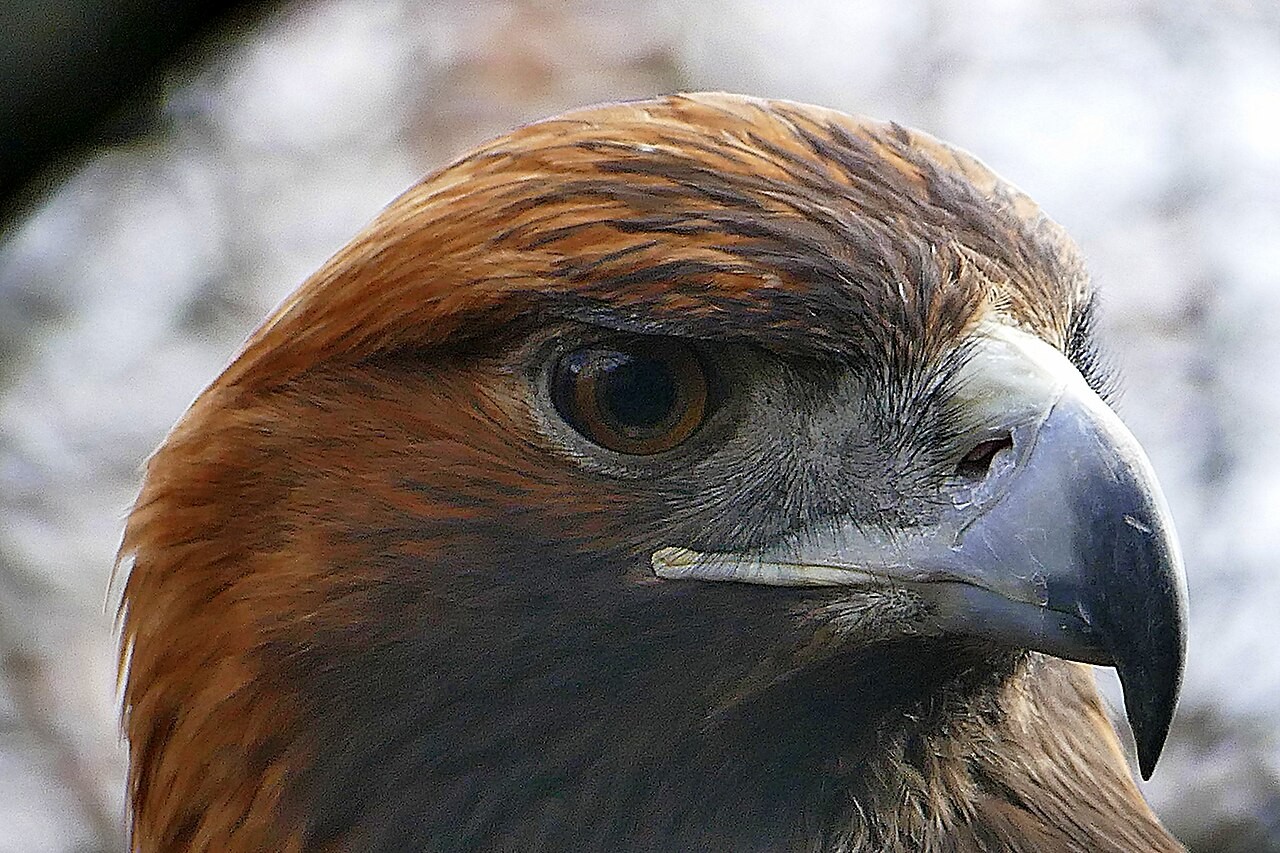
Golden eagle in close-up with golden-brown feathers and a powerful beak
National symbol of GermanyThe golden eagle
Photo: Rolf Dietrich Brecher via Wikimedia Commons · CC BY-SA 2.0.

Why go birdwatching in Germany?

Germany connects the Wadden Sea, lakes, rivers and mountains

Germany is an exceptionally diverse birding destination. The north is home to internationally important wetlands along the North Sea and Baltic Sea, the east has vast lakes and river floodplains, the west offers smaller marshes and wetlands, while the south combines forests, uplands and Alpine landscapes. In one country, you can therefore find huge numbers of migrating birds as well as specialist breeding birds of forests, heathlands and mountain habitats.

The German Wadden Sea is an important stopover on the East Atlantic Flyway. At low tide, waders feed across the mudflats; at high tide, they gather on quiet roosts. Along the Baltic coast, the shallow Bodden lagoons provide overnight roosts for cranes, geese and ducks. Autumn is one of the strongest seasons for birdwatching in Germany.

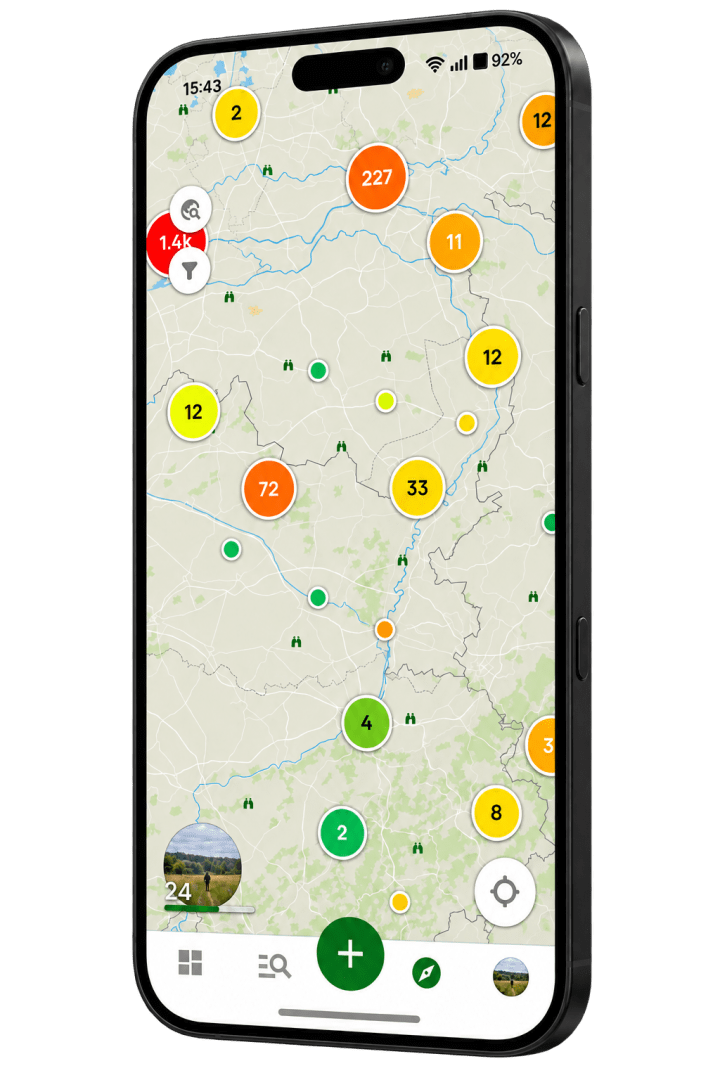
Further inland, water levels, woodland structure and land use shape the birdlife. The Müritz, Unteres Odertal, Rieselfelder Münster and Wollmatinger Ried each offer a different birding experience. FaunaMap helps you prepare with recent sightings, birdwatching locations, hotspots and expected species based on historical data, so you can choose a nature reserve that matches your target species and available time.

Landscapes and biodiversity

The most important bird habitats in Germany

The best place for birdwatching in Germany depends strongly on the habitat. Once you can distinguish mudflats, Bodden lagoons, fens, river floodplains, ancient forests and mountain slopes, you can plan much more precisely. Together, these six landscape types form the foundation of Germany's bird diversity.

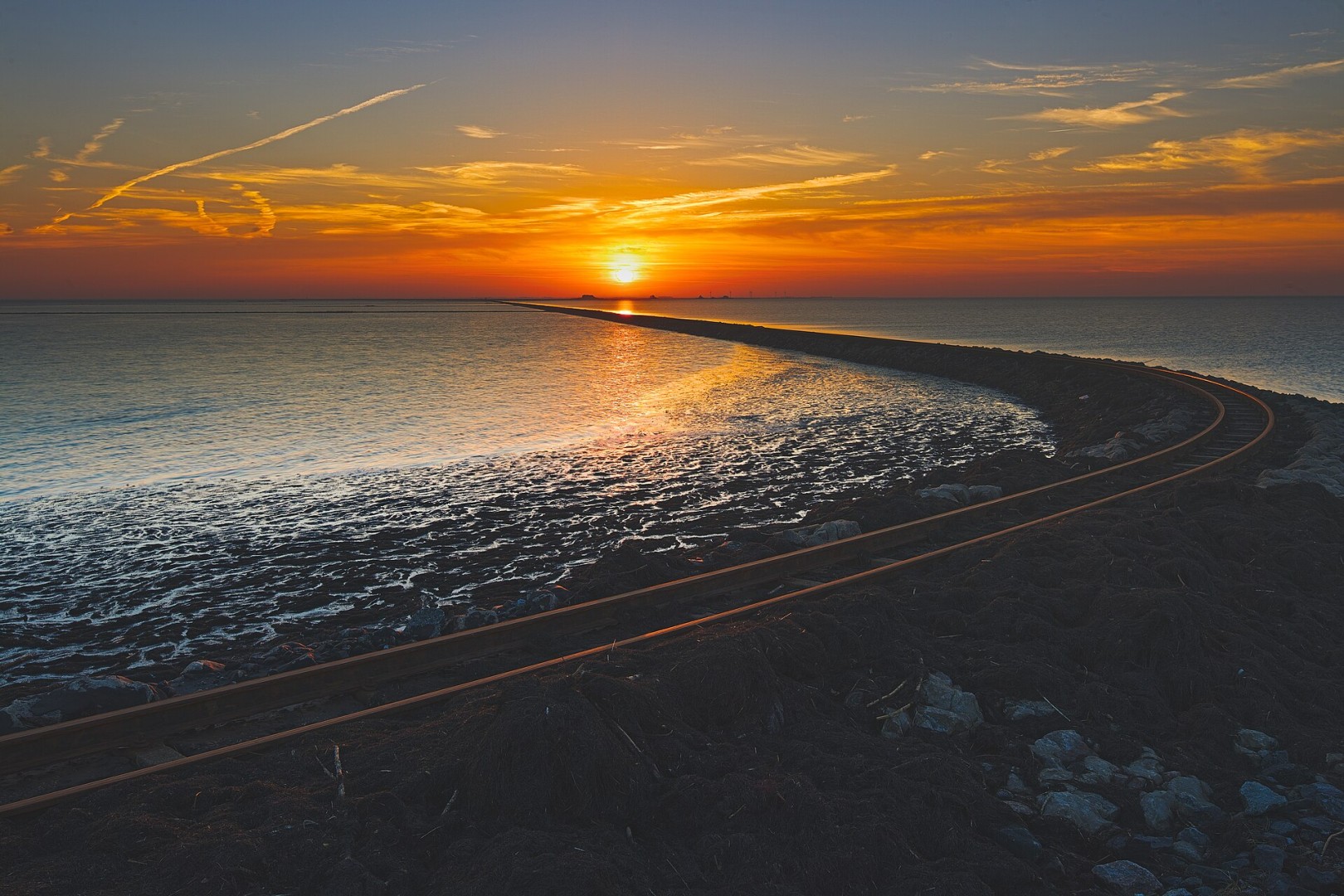
Wadden landscape in Schleswig-Holstein Wadden Sea National Park
Rudolf Eberhardt via Wikimedia Commons · CC BY-SA 3.0

Wadden Sea, salt marshes and islands

Along Germany's North Sea coast, mudflats, tidal channels, salt marshes, dunes and inland pools alternate with one another. The tide determines where birds rest and feed. In spring and autumn, a walk along the sea wall can turn into an impressive migration day with thousands of waders and geese.

Typical species

  • Knot
  • Bar-tailed godwit
  • Dunlin
  • Brent goose
  • Eurasian spoonbill

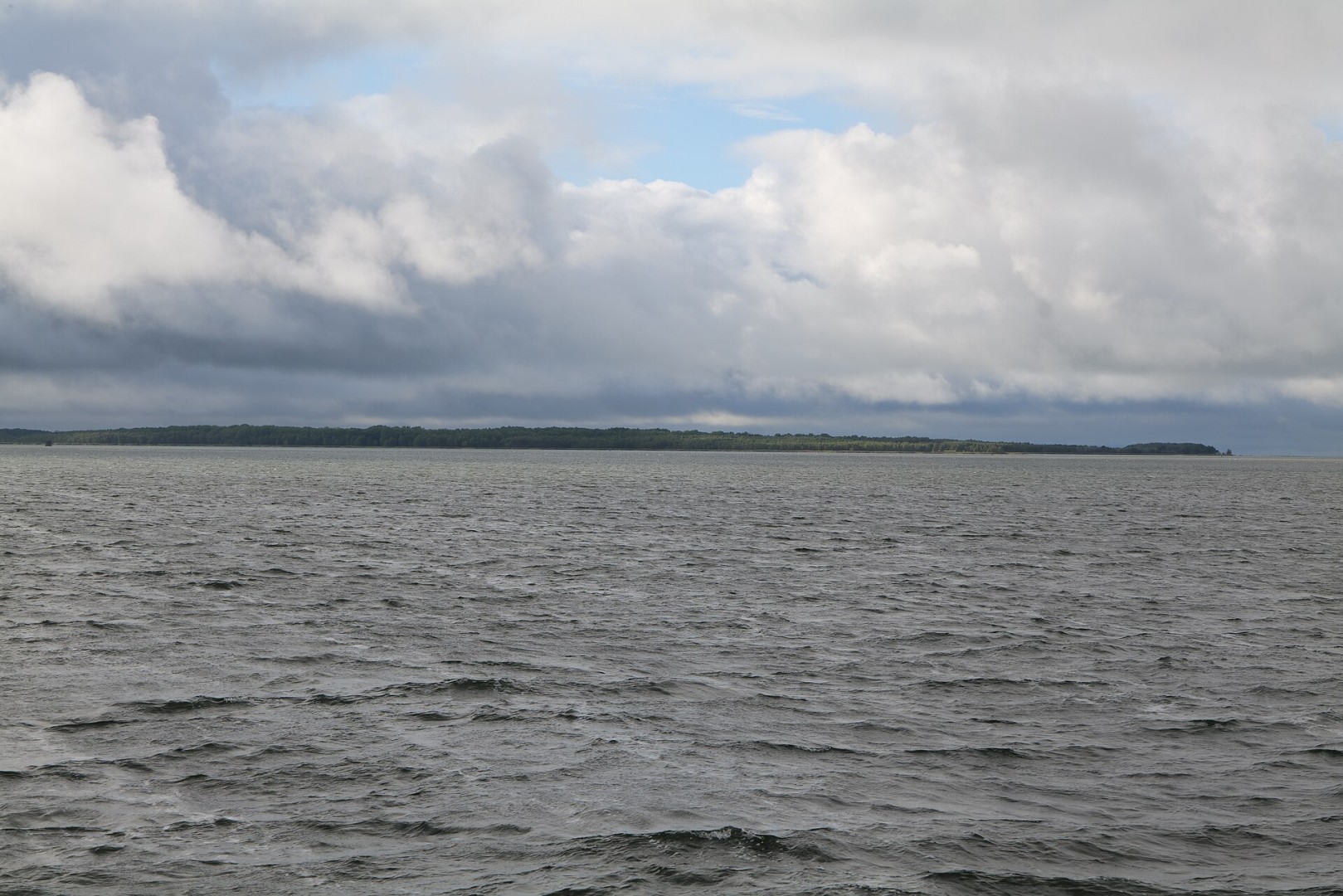
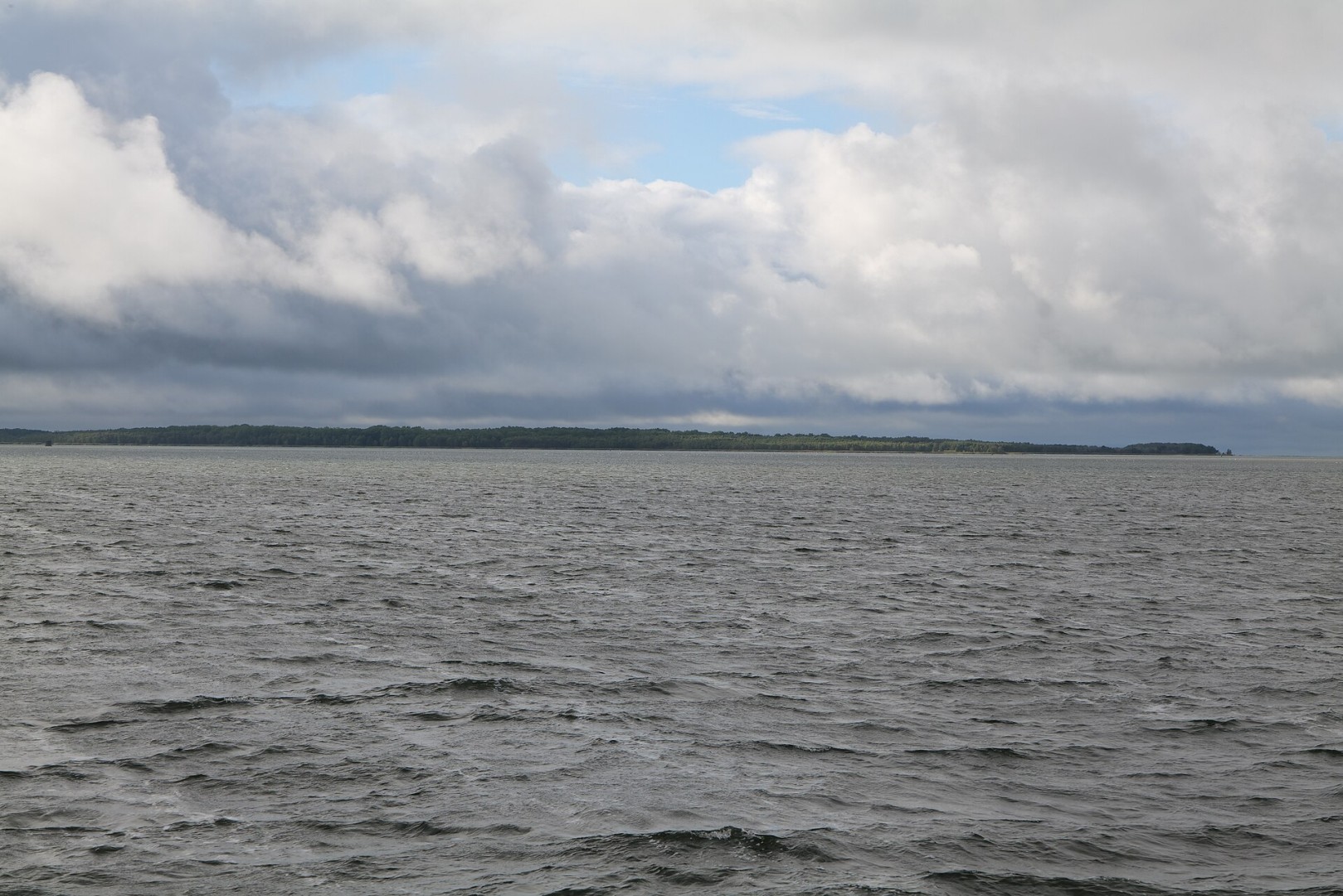
Shallow Bodden water in Vorpommersche Boddenlandschaft National Park
Leonhard Lenz via Wikimedia Commons · CC0 1.0

Bodden lagoons, windflats and Baltic coast

The shallow lagoons of Mecklenburg-Western Pomerania are calmer than the open sea and are therefore especially important for waterbirds. Windflats, reedbeds, sandy coastlines and small islands form a mosaic where cranes, geese and ducks can roost and recover.

Typical species

  • Common crane
  • White-tailed eagle
  • Barnacle goose
  • Common goldeneye
  • Common tern
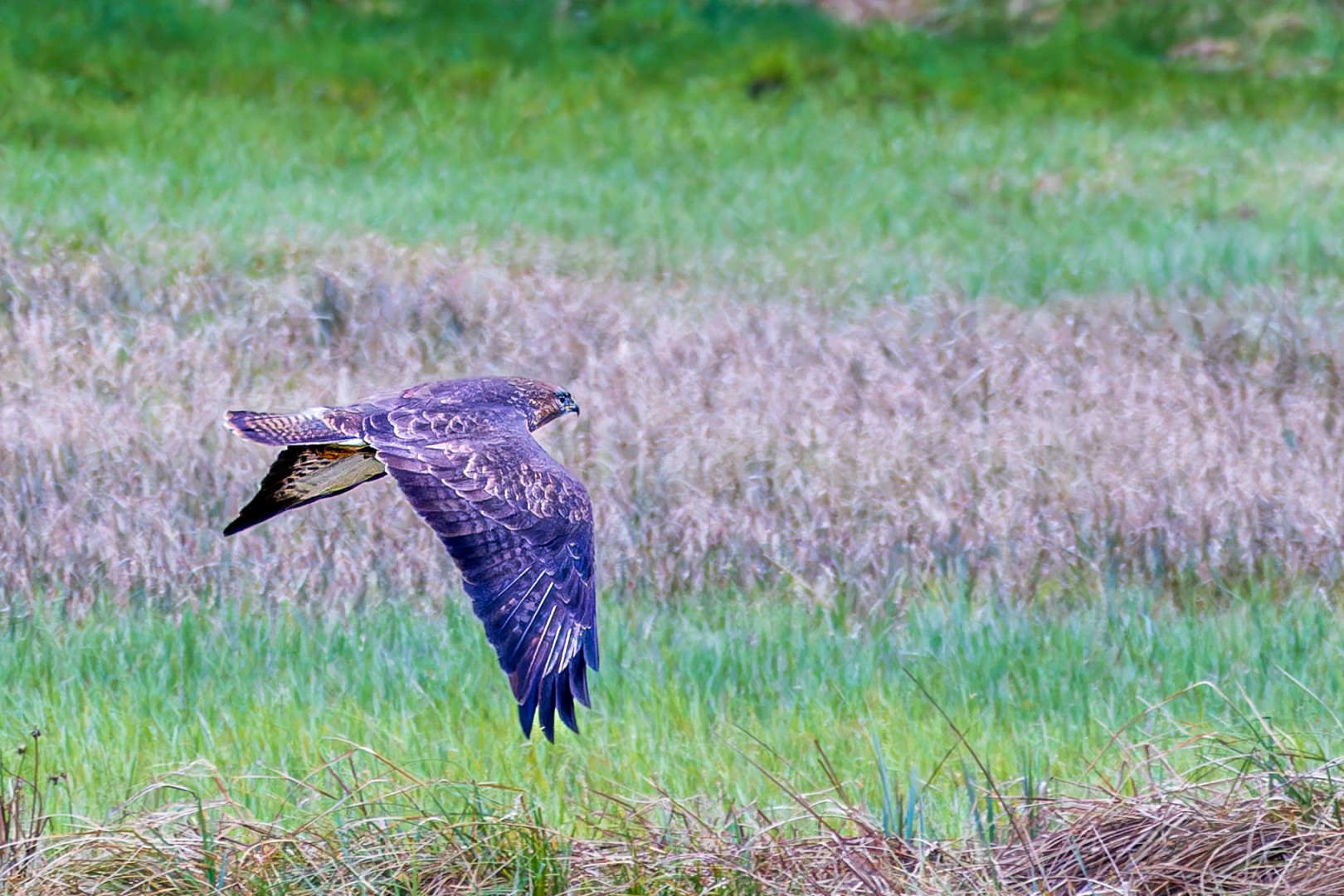
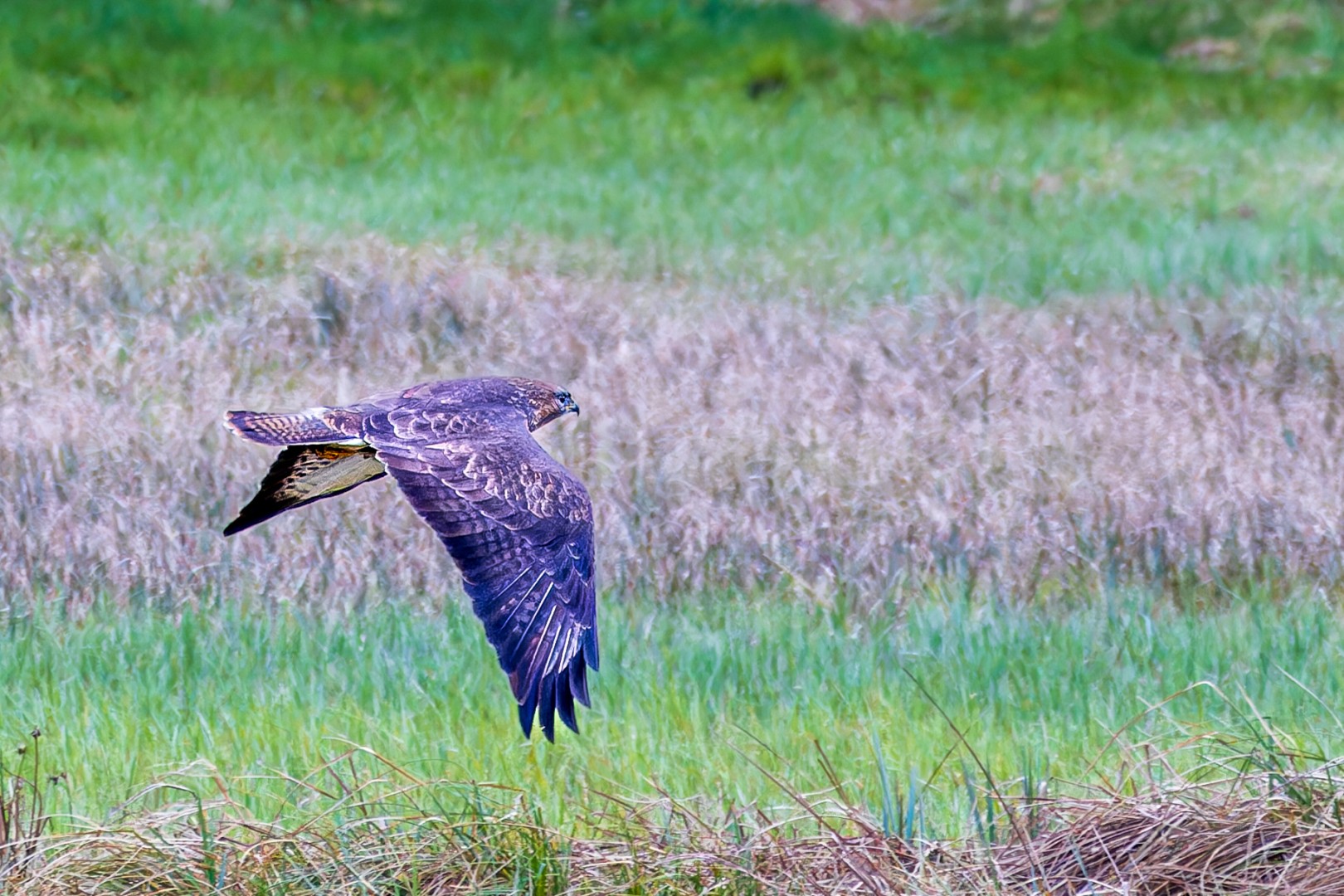
Buzzard flying over grassland in Müritz Lake District Park
Matthias Süßen via Wikimedia Commons · CC BY-SA 4.0

Lakes, reedbeds and open water

The Mecklenburg Lake District contains dozens of large and small lakes surrounded by forest, marshland and traditionally managed grassland. The shores are good for reedbed birds and waders, while open water and fish-rich lakes attract birds of prey. Müritz is a strong destination for anyone who wants to see many species without constantly changing habitats.

Typical species

  • White-tailed eagle
  • Western osprey
  • Eurasian bittern
  • Great reed warbler
  • Common crane
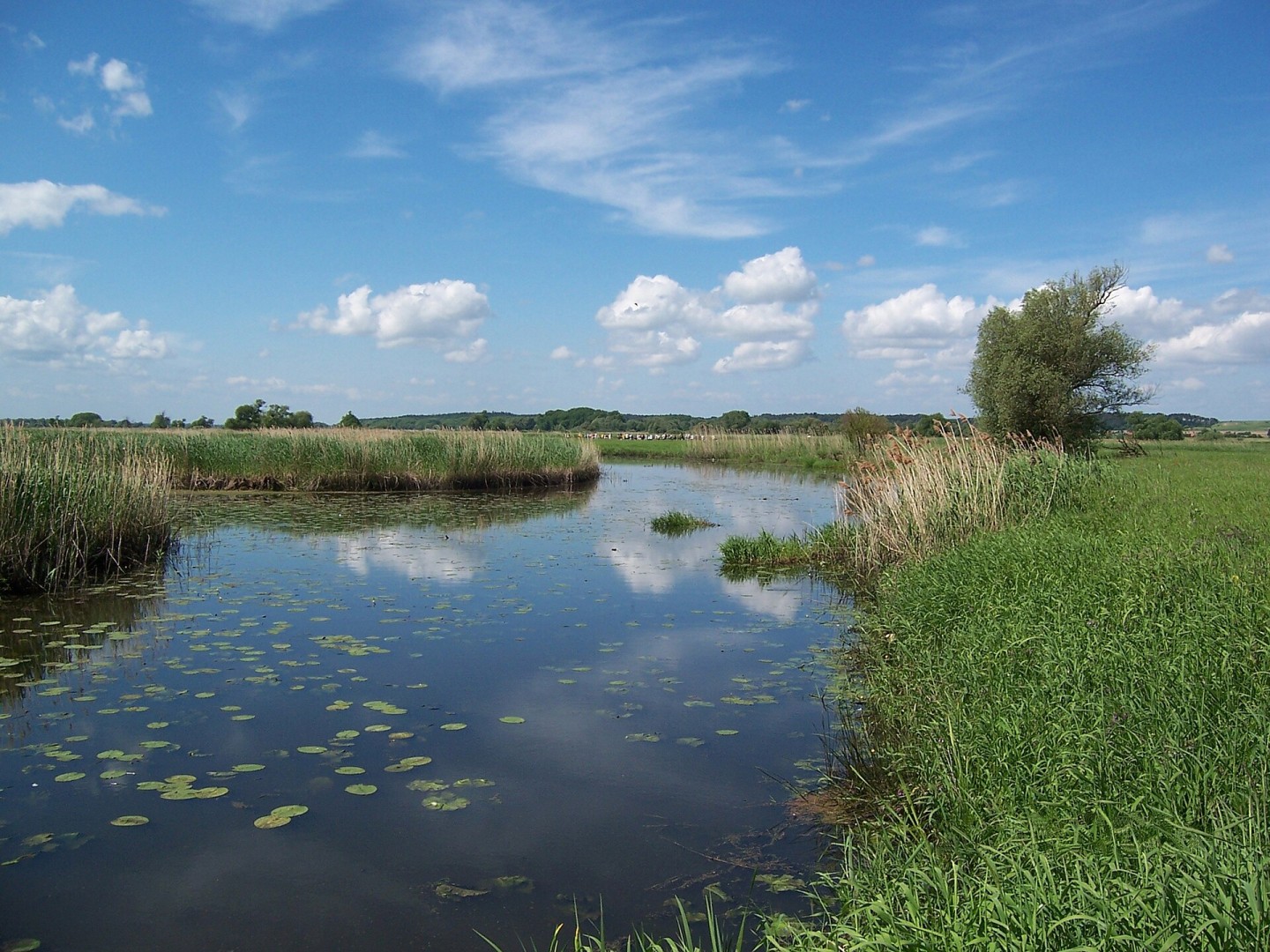
Wet river meadows in Unteres Odertal National Park
Sane via Wikimedia Commons · CC BY-SA 3.0

Rivers, floodplains and river polders

The Elbe, Oder, Rhine and Danube form broad green corridors across Germany. Floodplains and polders with seasonal flooding, old channels and riparian woodland provide food and nesting habitat. Unteres Odertal shows especially well how rich a river landscape can become when water and farming are not completely separated.

Typical species

  • White-tailed eagle
  • Black stork
  • Common kingfisher
  • Spotted crake
  • Corn crake
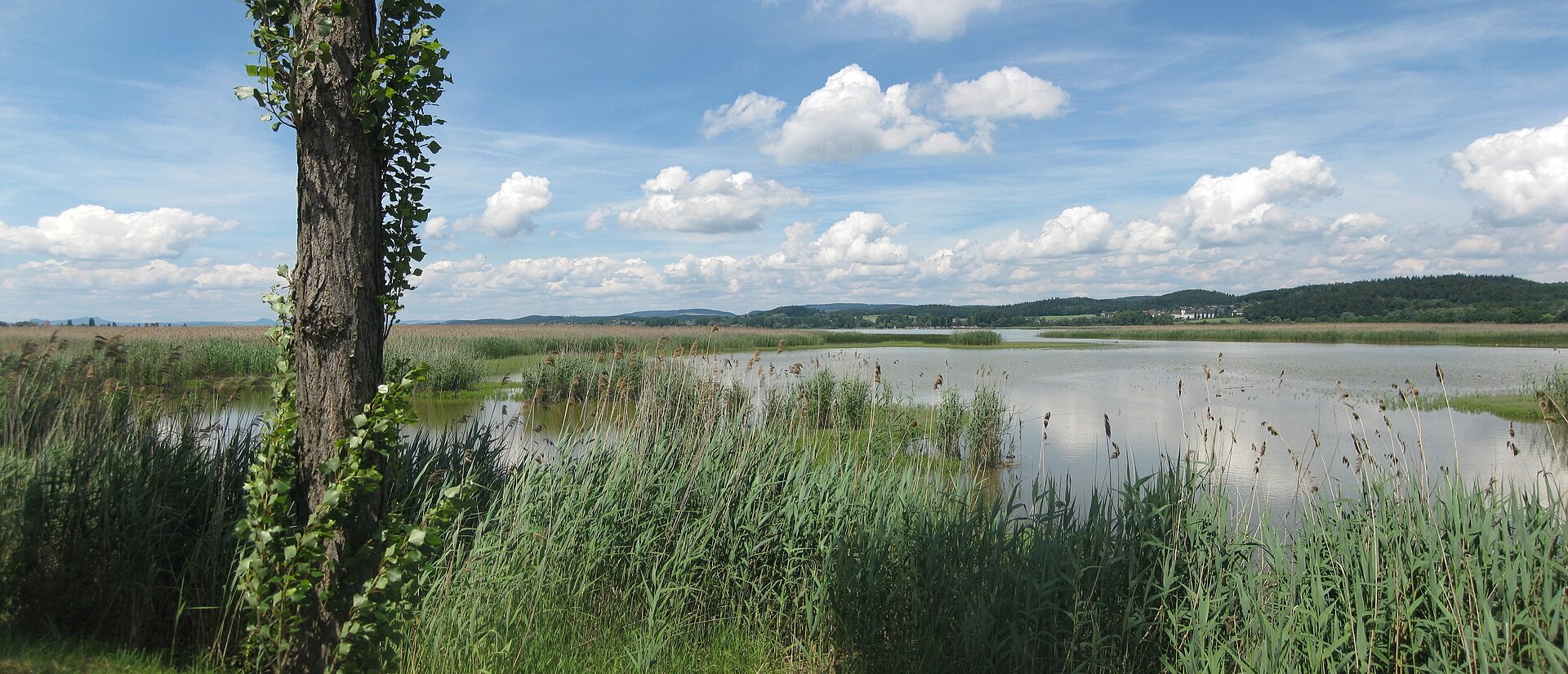
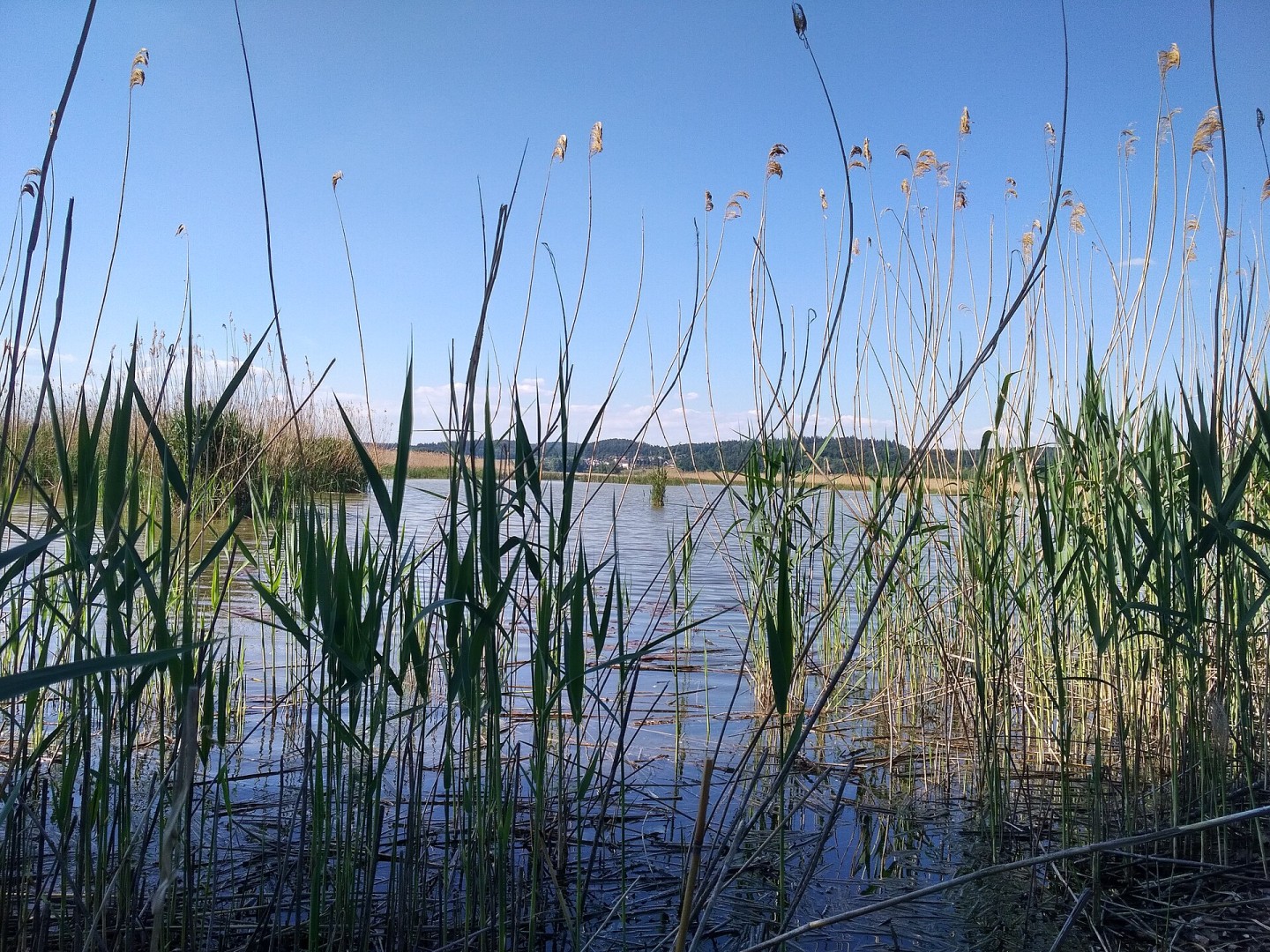
Reeds, wet grassland and shallow water in Wollmatinger Ried on Lake Constance
Roffle via Wikimedia Commons · CC BY-SA 3.0 DE

Wet meadows, fens and reed marshes

Wet grasslands and lowland fens are scattered across Germany and are important for both breeding birds and migrants. Wollmatinger Ried near Konstanz combines reedbeds, flower-rich hay meadows and a shallow shore along Lake Constance. These transitional habitats are often most interesting when water levels change.

Typical species

  • Red-crested pochard
  • Great egret
  • Water rail
  • Common greenshank
  • Sedge warbler
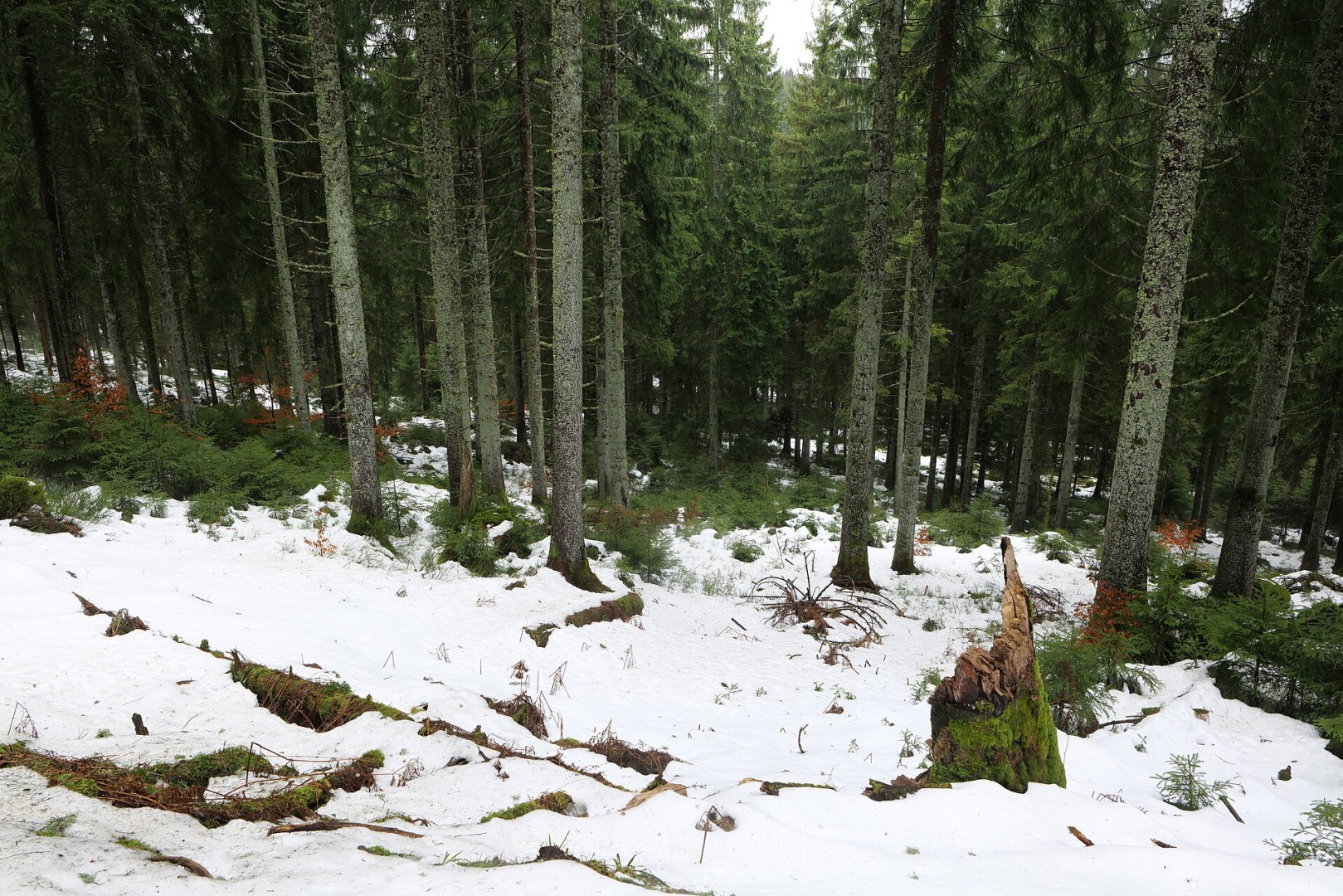
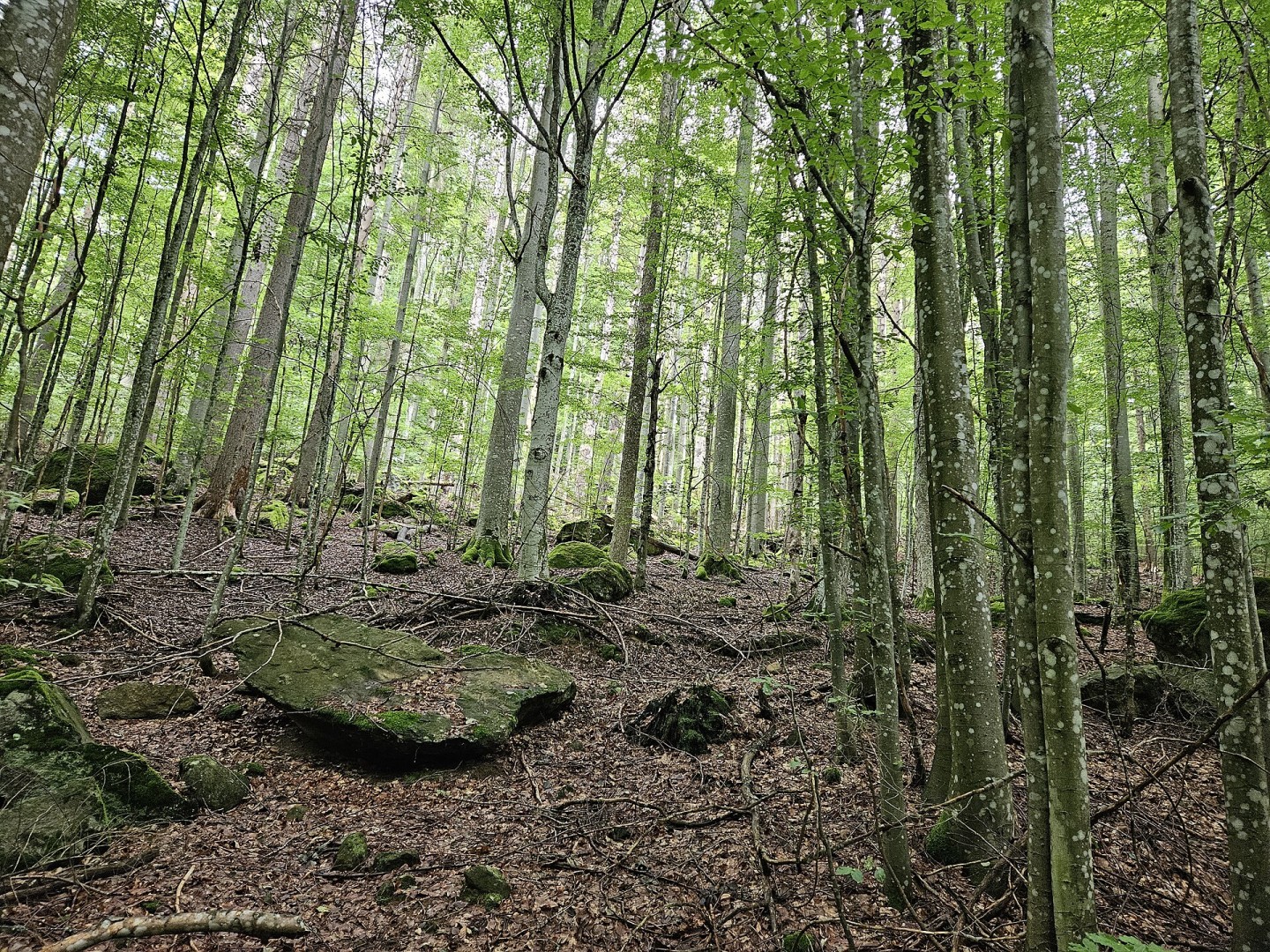
Ancient forest in Black Forest National Park near Baiersbronn
Leonhard Lenz via Wikimedia Commons · CC0 1.0

Ancient forests, heathland, raised bogs and mountains

In the uplands and Alps, birdwatching changes from scanning open water to listening in forests and mountain valleys. Old beechwoods, spruce forests, heathlands and bogs each have their own specialist species. Early mornings are best for woodpeckers, owls and songbirds; above open slopes, you can look for birds of prey and Alpine species.

Typical species

  • Black woodpecker
  • Three-toed woodpecker
  • Eurasian pygmy owl
  • Golden eagle
  • Woodlark

Birdwatching throughout the year

Germany bird calendar: what can you expect each season?

The focus of birdwatching in Germany shifts constantly. Winter is dominated by geese, ducks and seabirds, spring brings back breeding birds, the first migrants appear in summer and autumn brings the biggest spectacles with cranes and waders.

WinterDecember - FebruarySpringMarch - MaySummerJune - AugustAutumnSeptember - November
  1. January

    Winter

    Winter ducks along the coast and lakes

    Germany's North Sea and Baltic coasts are now interesting for brent geese, common eiders, goldeneyes and other winter visitors. Geese and diving ducks gather on large lakes, while a white-tailed eagle may appear above quiet waters.

    Recommended sitesWadden Sea, Bodden lagoons, Müritz, Lake Constance and large river lakes; look for sheltered viewpoints in strong winds.

  2. February

    Winter

    Geese, birds of prey and the first songs

    Winter flocks are still present, but birdsong is cautiously starting in woodland and villages. In open farmland, look for hen harriers, rough-legged buzzards and large flocks of geese. In mild weather, the first territorial woodpeckers become more active.

    Recommended sitesRiver polders, coastal salt marshes, open farmland and woodland edges with old trees.

  3. March

    Spring

    Storks and cranes return

    The first white storks return to villages and wet grasslands. In marshes and river valleys, cranes, northern lapwings and skylarks reclaim their breeding territories. Morning is ideal for birdsong and courtship displays.

    Recommended sitesElbe and Oder valleys, Brandenburg polders, wet meadows and the edges of Müritz.

  4. April

    Spring

    Spring migration along the Wadden Sea

    April is a strong month for migrating waders and returning summer visitors. Knots, dunlins and bar-tailed godwits gather on mudflats and salt marshes. In reedbeds, more sedge warblers and reed warblers can be heard each week.

    Recommended sitesSchleswig-Holstein Wadden Sea, Baltic coast, river deltas and shallow inland lakes.

  5. May

    Spring

    Peak month for songbirds and breeding birds

    By May, almost the entire German breeding bird chorus has returned. Ancient forests are good for singing woodland birds and woodpeckers, marshes for bluethroats and bitterns, and warm river slopes may produce the first European bee-eaters.

    Recommended sitesRieselfelder Münster, Wollmatinger Ried, Black Forest, river woodlands and warm valleys.

  6. June

    Summer

    Breeding season in forests, marshes and mountains

    June is well suited to finding territorial birds and adults carrying food. Young storks stand in nests, woodpeckers feed their chicks and mountain meadows and forest edges are active in the Alps. Stay on marked paths because many breeding areas are especially sensitive.

    Recommended sitesBavarian Forest National Park, Berchtesgaden, Bodden coast and lowland fens.

  7. July

    Summer

    Autumn migration begins

    From July onwards, the first waders are already heading south. Shallow pools, muddy edges and coastal lagoons fill with greenshanks, wood sandpipers and young terns. In warm regions, European bee-eaters can still be found near their breeding colonies.

    Recommended sitesWadden Sea, Rieselfelder, Lake Constance, Rhine floodplains and warm sandy river slopes.

  8. August

    Summer

    Waders and birds of prey on migration

    Autumn migration becomes visible on beaches, mudflats and exposed shorelines. Young white-tailed eagles and ospreys are regularly reported above lakes and rivers. Also look for swallows and wheatears preparing for their long journey.

    Recommended sitesWadden Sea, Bodden lagoons, Müritz, Unteres Odertal and large reservoirs with open views.

  9. September

    Autumn

    The first large crane flocks

    The crane season begins in northeastern Germany in September. During the day, the birds feed in fields and in the evening they move to shallow water for the night. At the same time, a broad stream of waders and songbirds follows the coast.

    Recommended sitesVorpommersche Boddenlandschaft, Müritz, Diepholzer Moorniederung and the Wadden Sea.

  10. October

    Autumn

    Peak crane migration

    For many birdwatchers, October is the best month to see cranes in Germany. Tens of thousands may roost in the Bodden region, while large flocks pass over Müritz and northern bogs. Quiet viewpoints are more important than getting close.

    Recommended sitesBarther Bodden, Zingst, Müritz, Unteres Odertal and open bogs in Lower Saxony.

  11. November

    Autumn

    Winter visitors take over

    After crane migration, attention shifts to geese, ducks and divers. Eiders and common scoters may appear along the coast, while inland lakes and river polders attract increasing numbers of winter birds. Low water levels can expose extra muddy edges.

    Recommended sitesBaltic Sea, Wadden Sea, Lake Constance, Müritz and the polders of Unteres Odertal.

  12. December

    Winter

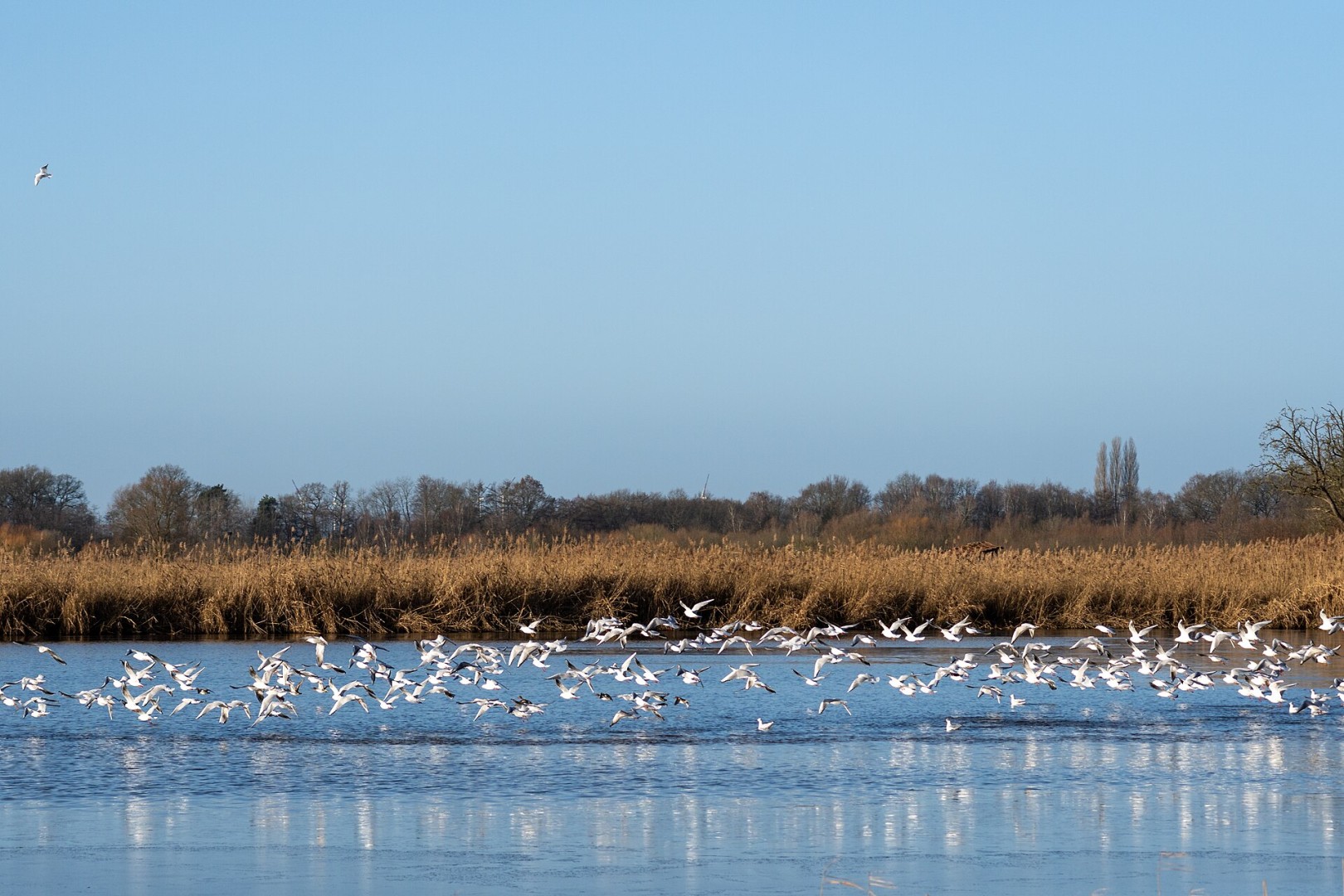
    White-tailed eagles and waterbirds on open water

    In December, large waters are attractive as long as they remain ice-free. Look for geese, mergansers, goldeneyes and resting gulls. In northern and eastern Germany, the chance of seeing a white-tailed eagle rises when many waterbirds gather together.

    Recommended sitesMüritz, Bodden lagoons, Wadden Sea, Lake Constance and wide rivers with quiet shorelines.

Seasonal information and site examples: Wadden Sea National Park, Müritz National Park, Vorpommersche Boddenlandschaft National Park and BfN bird monitoring.

Birding sites in Germany

The best birding sites in Germany: where can you go birdwatching?

From the tidal coast of Schleswig-Holstein to the Alps around Berchtesgaden, Germany has birding sites for every style of birdwatching. This selection combines popular nature reserves with good access, clear walking routes, bird hides or viewpoints and a strong chance of seeing characteristic species. Always check local rules and temporary closures before you leave.

Hallig Nordstrandischmoor and mudflat landscape in Schleswig-Holstein Wadden Sea National Park
Photo: AKnoche via Wikimedia Commons · CC BY-SA 4.0

Schleswig-Holstein

Mudflats · salt marsh · island

Schleswig-Holstein Wadden Sea National Park

From Sylt and Föhr to Husum and St. Peter-Ording

This is one of the best places for birdwatching along Germany's North Sea coast. From sea walls, piers and official viewpoints, you can see large groups of waders gathering on high-tide roosts. At low tide, watch knots, dunlins and bar-tailed godwits feeding across the mudflats. Plan your route around the tide and bring a telescope for the distant salt marshes.

Look for
Knot, bar-tailed godwit, brent goose, Eurasian spoonbill and peregrine falcon.
Plan around
High tide for large flocks and low tide for feeding waders.
Bodden landscape in Vorpommersche Boddenlandschaft National Park
Photo: Leonhard Lenz via Wikimedia Commons · CC0 1.0

Mecklenburg-Western Pomerania

Bodden lagoon · coast · reeds

Vorpommersche Boddenlandschaft National Park

Zingst, Darß, Barther Bodden and Rügen-Bock

The lagoons around Zingst and Darß are among Germany's best-known birding sites. In September and October, large numbers of cranes gather here, feeding in fields by day and flying to shallow water at dusk. From viewing platforms and quiet roads, you can also see white-tailed eagles, geese, ducks and coastal birds. Some areas have restricted access during the crane stopover to prevent disturbance.

Look for
Common crane, white-tailed eagle, common goldeneye, barnacle goose and common tern.
Plan around
September and October; use viewing platforms and check access rules.
Landscape of Müritz Lake District Park with a flying buzzard
Photo: Matthias Süßen via Wikimedia Commons · CC BY-SA 4.0

Mecklenburg-Western Pomerania

Lakes · marsh · forest

Müritz National Park

Around Waren, Boek and the Serrahn forest area

Müritz combines large lakes with reedbeds, forest and wet lowlands. The national park has 25 observation platforms, towers and screens, giving you a good chance of seeing waterbirds and birds of prey without long expeditions. Early mornings are good for songbirds and wildlife, while dusk is often the best time for cranes and large raptors.

Look for
White-tailed eagle, osprey, common crane, Eurasian bittern and common kingfisher.
Plan around
A route linking several viewpoints and an early start.
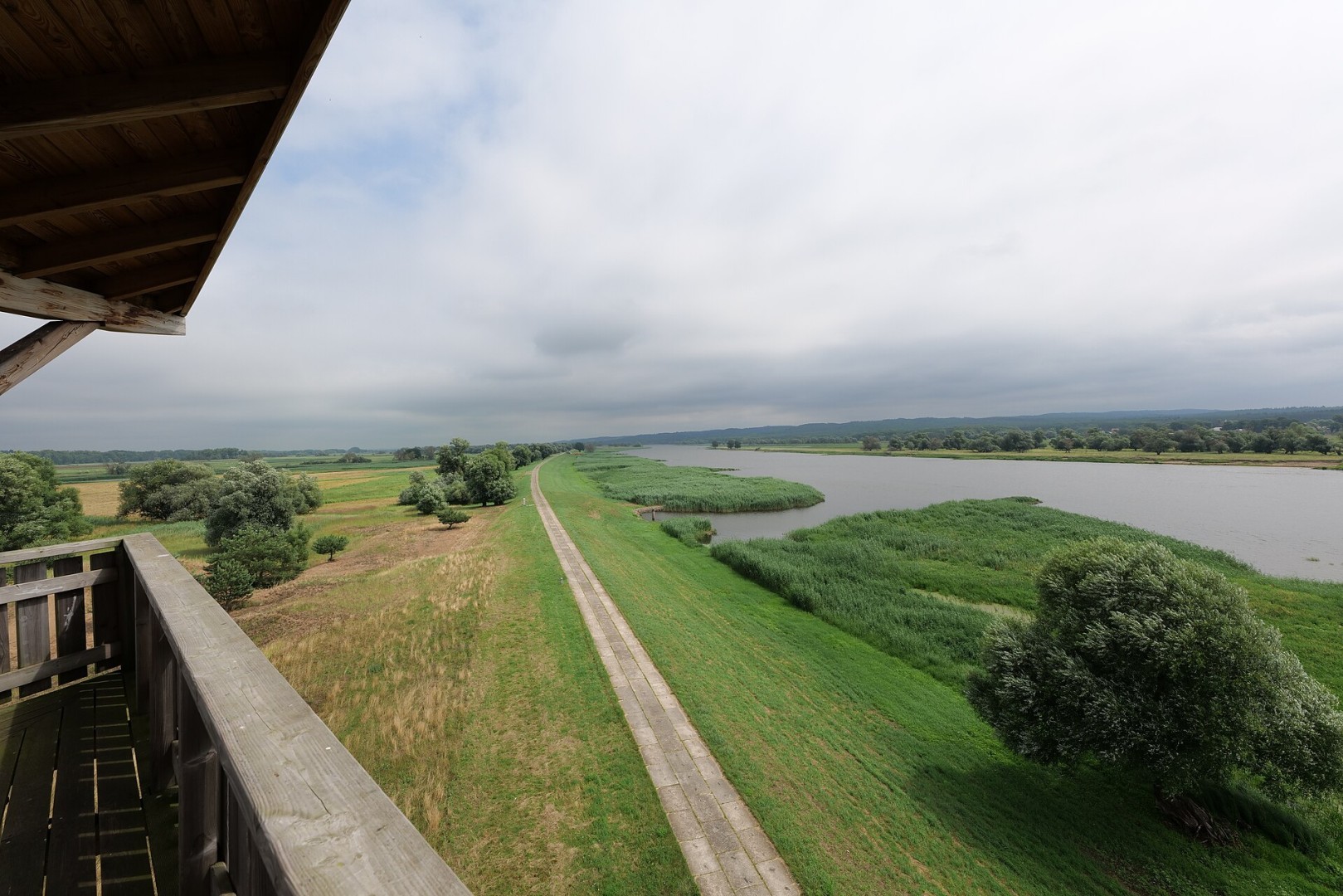
View over river polders in Unteres Odertal National Park
Photo: Leonhard Lenz via Wikimedia Commons · CC0 1.0

Brandenburg

River polders · riparian woodland

Unteres Odertal National Park

Schwedt, Criewen and the polders along the Oder

Unteres Odertal is one of the few large natural river floodplains in Germany. The polders, old channels and wet grasslands attract different species throughout the year. From observation towers and paths around Criewen and Schwedt, you look across an open landscape where white-tailed eagles, storks and marsh birds are easy to appreciate.

Look for
White-tailed eagle, black stork, corn crake, common kingfisher and common crane.
Plan around
Spring for breeding birds and autumn for migrating waterbirds.
Water basins and wetland landscape in Rieselfelder Münster
Photo: Rainer Halama via Wikimedia Commons · CC BY-SA 4.0

North Rhine-Westphalia

Shallow water · reeds · grassland

Rieselfelder Münster

An accessible wetland north of Münster

Münster's former sewage farms have become an important European bird protection area and Ramsar wetland. A network of paths, water basins, bird hides and viewpoints makes the site suitable for a half or full day of birdwatching. During migration, many species can appear within a relatively small area.

Look for
Common greenshank, ruff, little ringed plover, Eurasian spoonbill and reedbed birds.
Plan around
Spring and autumn for waders; morning for songbirds.
Reeds and wet grasslands of Wollmatinger Ried on Lake Constance
Photo: Waithamai via Wikimedia Commons · CC BY 4.0

Baden-Württemberg

Lake Constance · reeds · mudflats

Wollmatinger Ried on Lake Constance

A bird-rich wetland near Konstanz and Reichenau

At around 774 hectares, Wollmatinger Ried is the largest nature reserve on the German shore of Lake Constance. Reedbeds, wet hay meadows and shallow water attract breeding birds and migrants. You can explore the area independently via the information trail and observation platforms; guided tours offer access to sections that are otherwise restricted.

Look for
Red-crested pochard, common greenshank, great egret, water rail and sedge warbler.
Plan around
Autumn and winter for waterbirds; check reserve access rules.
Forest landscape in Bavarian Forest National Park
Photo: Nico1995fcb via Wikimedia Commons · CC BY 4.0

Bavaria

Ancient forest · mountain forest

Bavarian Forest National Park

Primeval forest landscapes around Neuschönau and Zwieslerwaldhaus

For birdwatchers who want to see forest birds as well as wetland species, the Bavarian Forest is a natural choice. Deadwood, old spruce trees and quiet valleys provide habitat for woodpeckers, owls and taiga species. The best approach is to start early and listen for calls, because the forest is dense and birds often remain hidden.

Look for
Three-toed woodpecker, black woodpecker, pygmy owl, spotted nutcracker and red crossbill.
Plan around
April to June for song and territorial behaviour; stay on marked paths.
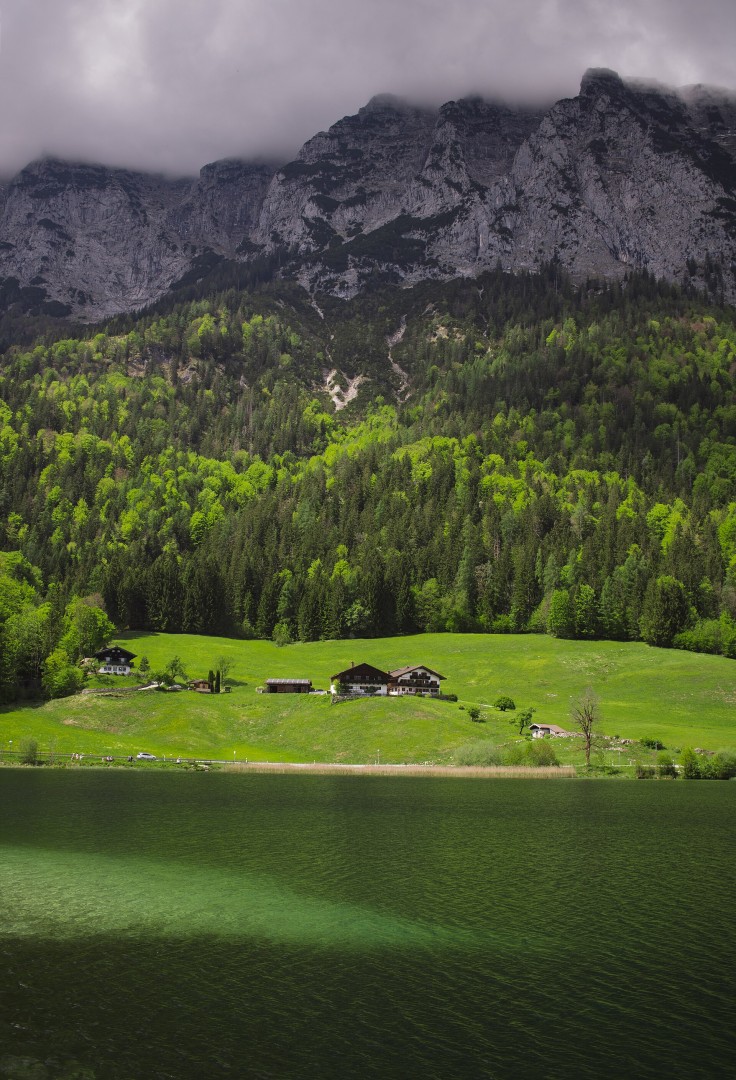
Mountain landscape in Berchtesgaden National Park with the Watzmann
Photo: Shotsbysus via Wikimedia Commons · CC BY-SA 4.0

Bavaria

Alps · cliffs · mountain forest

Berchtesgaden National Park

Mountain valleys, forest edges and viewpoints around Königssee

Berchtesgaden offers a completely different birding experience from the wetlands of northern Germany. In the valleys and mountain forests, look for woodpeckers, nuthatches and birds of prey, while open rocky slopes provide views of golden eagles and peregrine falcons. The area is large and elevation changes are serious, so choose a route that matches your fitness and target species.

Look for
Golden eagle, peregrine falcon, black woodpecker, spotted nutcracker and Alpine swift.
Plan around
May to September for mountain trails and raptors above open slopes.

Popular birds of Germany

Five remarkable German birds and where to see them

From the powerful white-tailed eagle and trumpeting common crane to the white stork, colourful European bee-eater and fast-moving kingfisher, these are five species that make a birding trip through Germany especially memorable. They represent different German landscapes and, with good planning, are realistic targets for both residents and visitors.

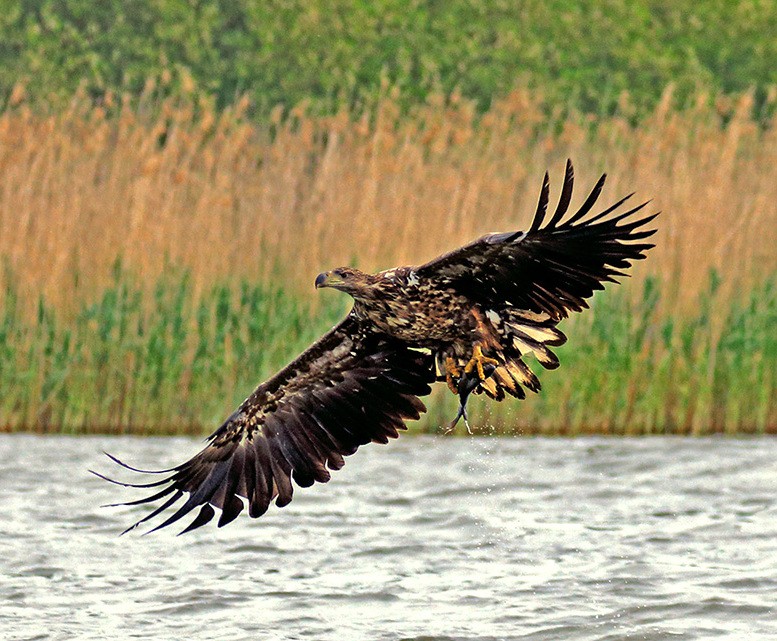
  1. White-tailed eagle flying above a German lake
    Photo: Frank Liebig, Wikimedia Commons, CC BY-SA 3.0 DE

    White-tailed eagle

    The white-tailed eagle is one of the most impressive birds you can see in Germany. Adults stand out with their broad wings, large yellow bill and white tail. Do not only scan the sky: a white-tailed eagle often sits for long periods in a tall tree along the edge of a lake or marsh.

    Where can you see white-tailed eagles in Germany?

    • Müritz National Park: large lakes and forest edges with several official viewpoints
    • Vorpommersche Boddenlandschaft: lagoons, coastal forests and plenty of prey birds
    • Unteres Odertal: river polders and open floodplains in Brandenburg
    • Schleswig-Holstein Wadden Sea: winter waterbird flocks along the coast
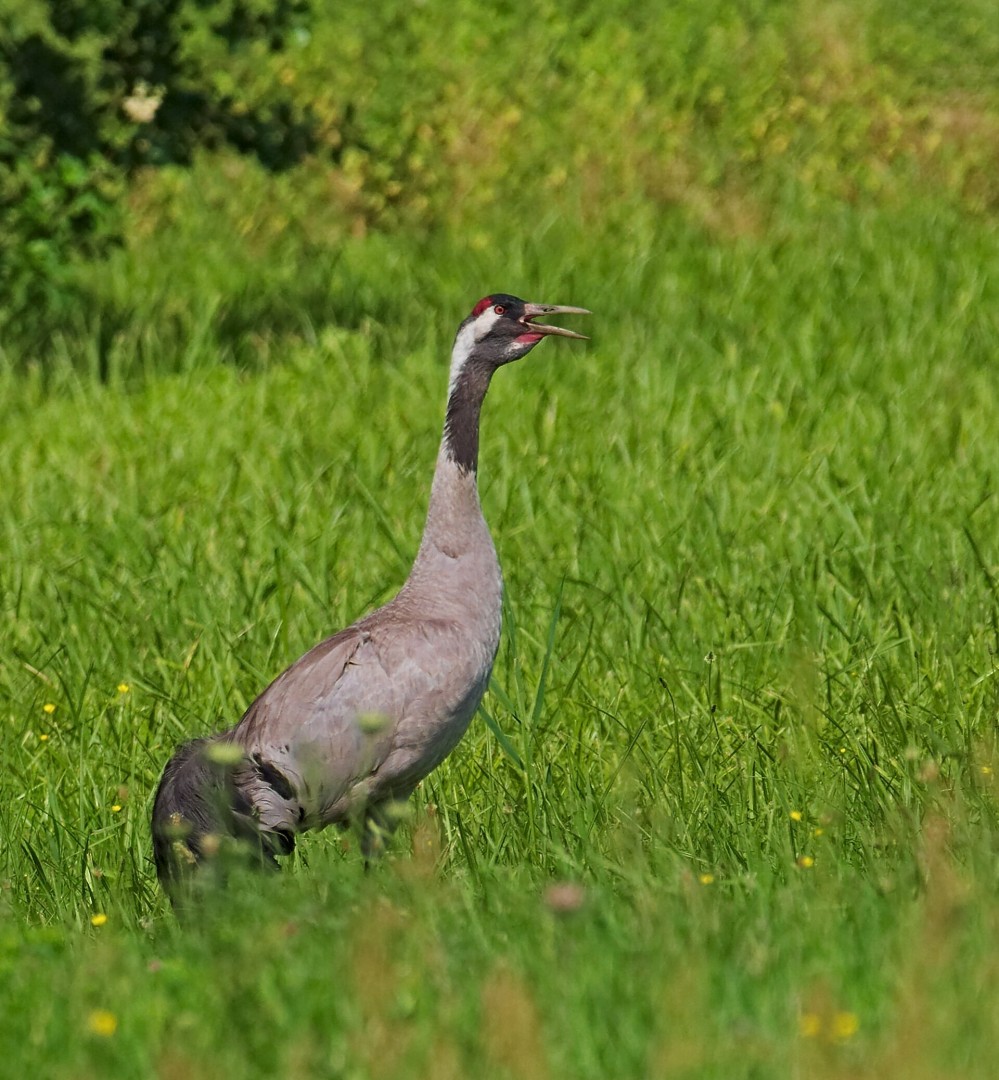
  2. Common crane in Brandenburg, Germany
    Photo: Andreas Eichler, Wikimedia Commons, CC BY-SA 4.0

    Common crane

    The call of a common crane belongs to autumn in northeastern Germany. During the day, the birds are often found in fields and towards evening they fly to shallow roosting sites in lakes, polders and Bodden lagoons. With binoculars, you can watch large flocks without approaching them.

    Where can you see common cranes in Germany?

    • Vorpommersche Boddenlandschaft: one of Europe's best-known stopover areas, especially in September and October
    • Müritz National Park: lakes, bogs and viewpoints around Müritz
    • Diepholzer Moorniederung: extensive bogs and roosting sites in Lower Saxony
    • Unteres Odertal: river polders and open fields during migration
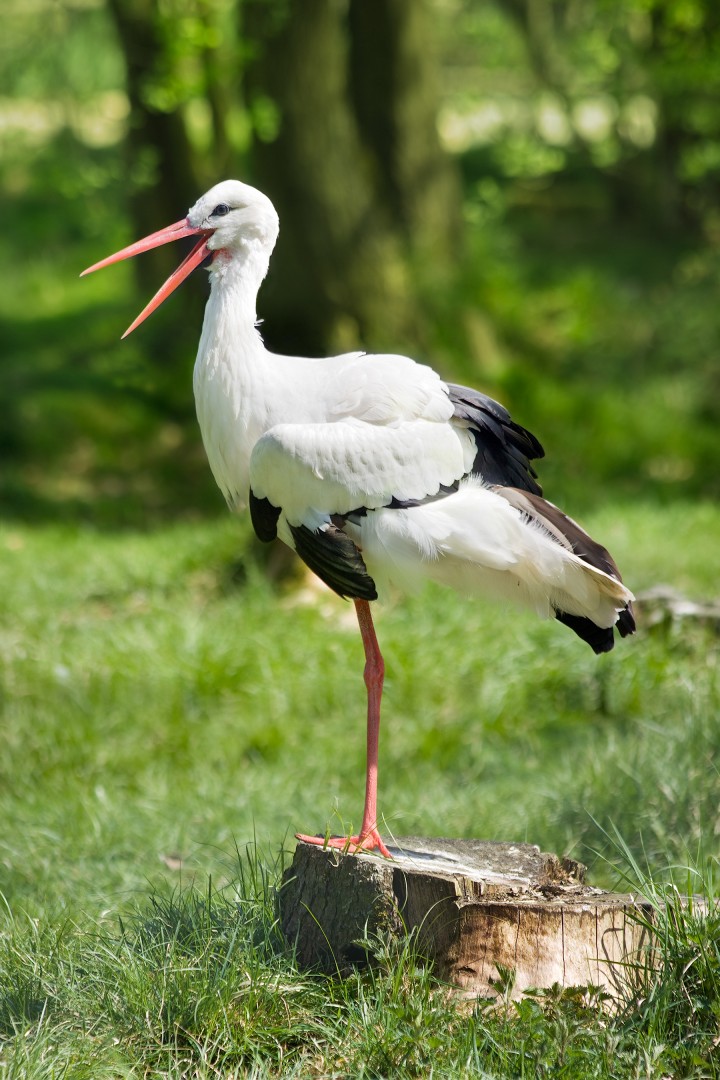
  3. White stork in Germany
    Photo: Richard Bartz, Wikimedia Commons, CC BY-SA 2.5

    White stork

    The white stork is a familiar sight in German villages, river landscapes and wet grasslands. In Brandenburg, Saxony-Anhalt and along the Elbe, you can often find nests on church towers, chimneys and purpose-built poles. In spring, looking for storks combines well with searching for meadow birds.

    Where can you see white storks in Germany?

    • Brandenburg and Uckermark: villages and wet grasslands around Unteres Odertal
    • Elbe and Saale valleys: floodplains, farmland and traditional nesting sites
    • Mecklenburg-Western Pomerania: open countryside around lakes and coastal lagoons
    • Bavaria: especially lowland river and farming areas with nesting poles
  4. European bee-eater at a breeding colony in Germany
    Photo: Stephan Sprinz, Wikimedia Commons, CC BY 4.0

    European bee-eater

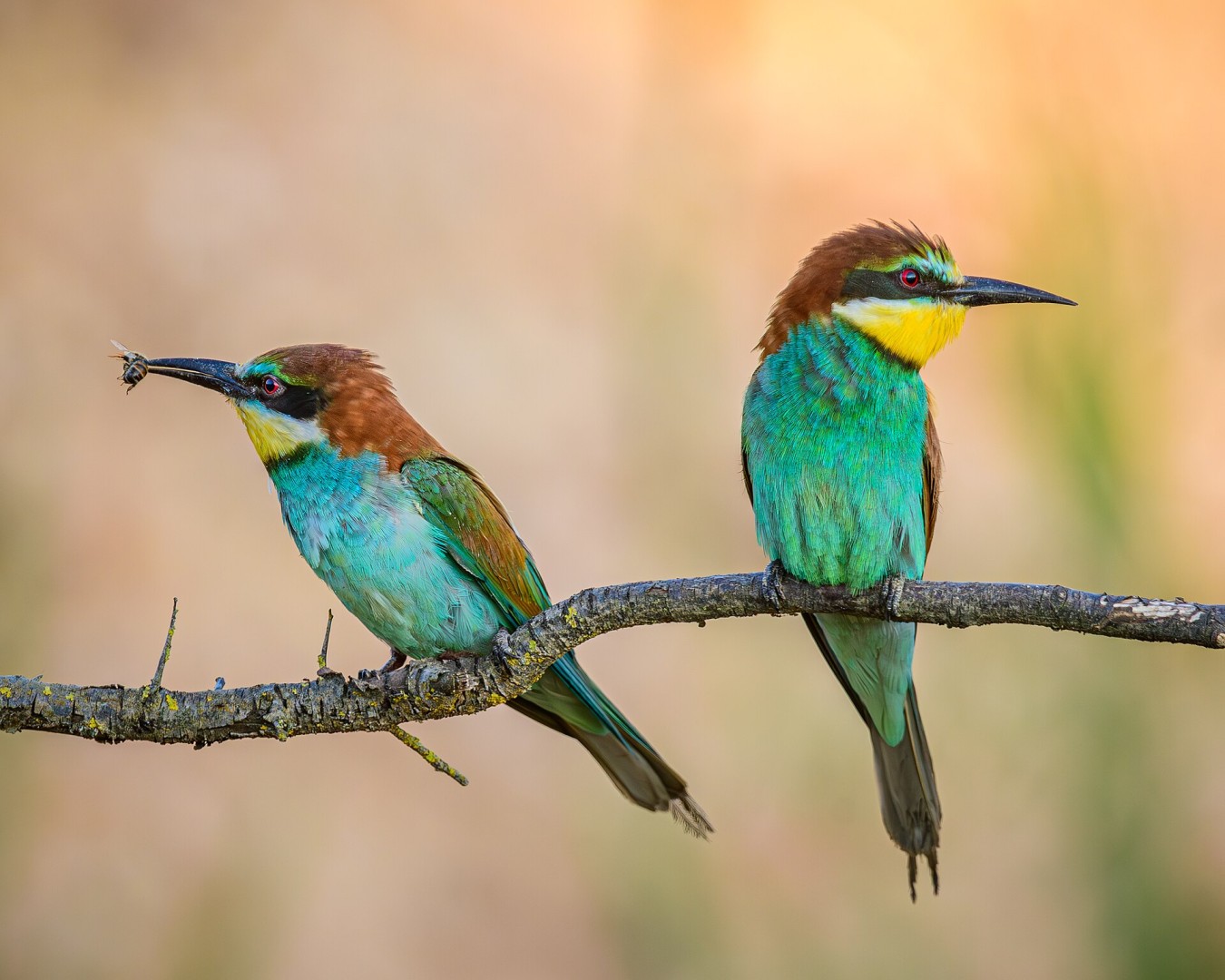
    The European bee-eater is one of Germany's most colourful birds and is expanding its breeding range in warm river regions. It nests in steep sandy banks and hunts large insects from bare perches. Visiting a colony is special, but always keep your distance and follow local guidance to avoid disturbing the nesting bank.

    Where can you see European bee-eaters in Germany?

    • Kaiserstuhl and the Upper Rhine: warm slopes and sandy banks in Baden-Württemberg
    • Rheinhessen and Rhineland-Palatinate: well-known breeding areas in the warm west
    • Saale valley and eastern river landscapes: colonies in steep sand and loess banks
    • Best period: usually from late May to August, depending on arrival and breeding progress
  5. Common kingfisher with a fish in a German river landscape
    Photo: Hwbund, Wikimedia Commons, CC BY-SA 4.0

    Common kingfisher

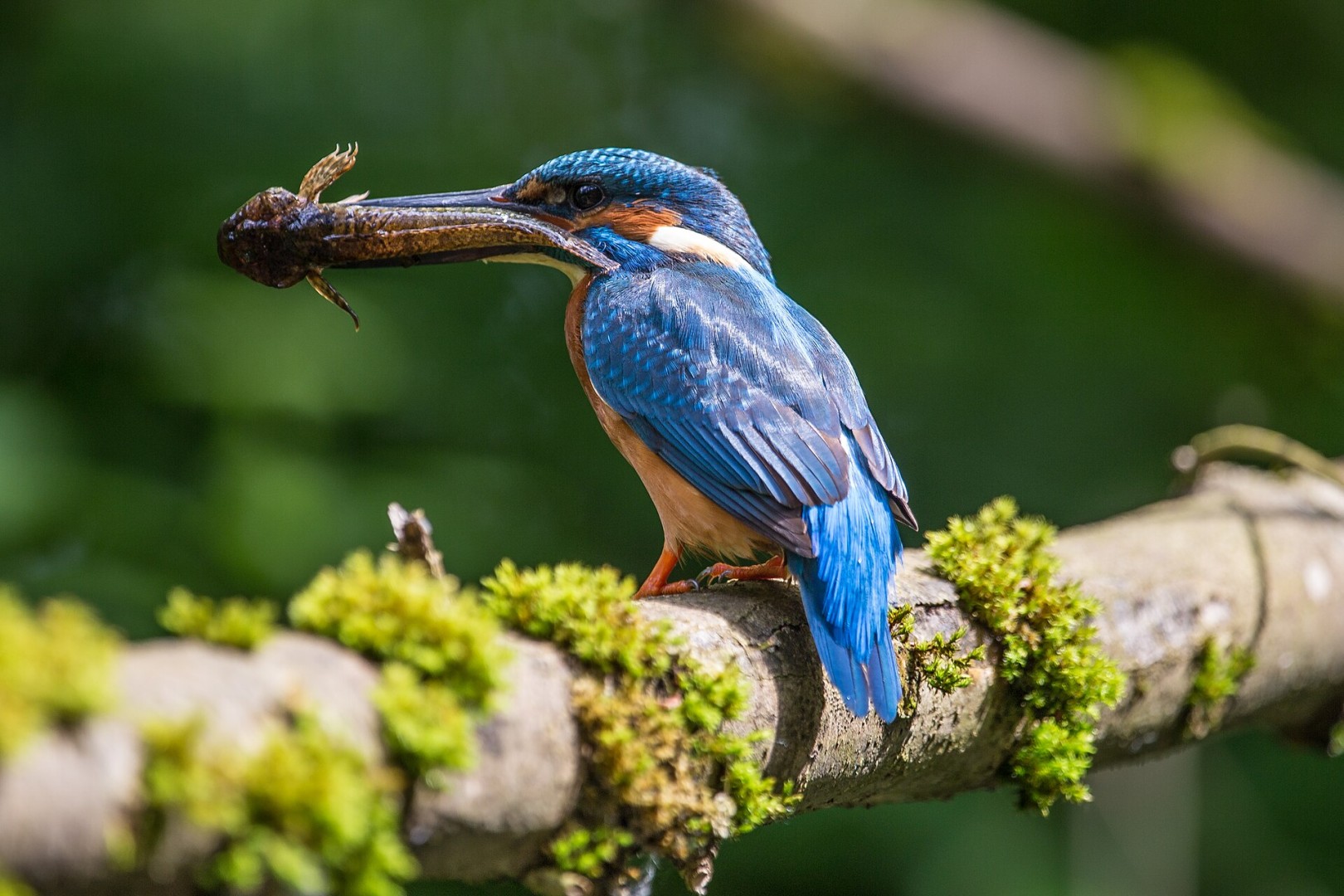
    The common kingfisher is small, bright blue and often surprisingly easy to find when you walk slowly beside a clear stream or river. Watch for a blue flash flying low over the water, then look for its regular perch. Quiet banks with overhanging branches and steep sandy edges offer the best chances.

    Where can you see kingfishers in Germany?

    • River floodplains of the Rhine, Elbe and Danube: clear side channels and natural banks
    • Müritz National Park: lakes, canals and wooded shorelines with viewpoints
    • Unteres Odertal: slow-moving waters and old river channels
    • Rieselfelder Münster: especially along ditches, ponds and nearby streams

Useful tips and information

Practical questions about birdwatching in Germany

Want to know where you have the best chance of seeing cranes, white-tailed eagles or migrating birds in Germany? Below you will find practical answers about birding sites, bird hides, access, seasons, entry rules and wildlife-friendly behaviour.

For large numbers of migrating birds, the German Wadden Sea, Vorpommersche Boddenlandschaft, Müritz and major river wetlands are the best places to start. In spring and autumn, large groups of waders, geese and ducks gather on mudflats, salt marshes and shallow shores. The Baltic lagoons are especially strong for cranes, particularly in September and October.

Conditions can change quickly with the tide, wind and water level. Check in advance which species are expected at a site and combine that with current information from the Wadden Sea National Park administration or the Vorpommern National Park administration.

The best time to see cranes in Germany is usually September and October. The best-known sites are in Mecklenburg-Western Pomerania, around the Bodden lagoons of Zingst and Rügen, and in the Mecklenburg Lake District around Müritz. Diepholzer Moorniederung and parts of Brandenburg are also suitable.

During the day, cranes often feed in fields. Around sunset, they fly to shallow roosting sites, making the evening especially impressive. Use official viewpoints only, keep your distance and check the current crane-watching rules.

Your best chance of seeing white-tailed eagles is in northern and eastern Germany, where large lakes, fish-rich rivers and wetlands come together. Müritz National Park, Vorpommersche Boddenlandschaft and Unteres Odertal are good destinations. White-tailed eagles are also regularly seen along the Elbe and at large lakes in Brandenburg.

From an official observation point, scan tall trees along the water and watch for groups of waterbirds suddenly taking flight. A telescope is useful because the birds are often far away. The information on bird monitoring in Müritz National Park provides additional context about this species and protected nesting areas.

Schleswig-Holstein Wadden Sea National Park is the best first choice for many birdwatchers. The area is large, internationally important and offers views of waders and coastal birds from sea walls, islands, salt marshes and official viewpoints. Around Husum, Beltringharder Koog, St. Peter-Ording, Sylt and Föhr, you can experience the Wadden Sea in many different ways.

Plan your visit around the tide. At low tide, birds feed across the mudflats; at high tide, they gather on roosts. The official page about birdwatching in Wadden Sea National Park contains information about viewpoints, guided trips and nature rules.

Yes, especially at well-known nature reserves with visitor centres and regional train connections. From Konstanz, you can reach Wollmatinger Ried by bus, bike or on foot. Rieselfelder Münster is easy to reach from Münster by bicycle or public transport. Places such as Waren at Müritz and coastal towns in Schleswig-Holstein also make practical bases.

For islands and remote viewpoints, you may need a ferry, bus or bicycle. Check the route, timetable and final return connection before leaving. The information about the Wollmatinger Ried trail and the visitor page for Rieselfelder Münster are useful starting points.

There is no single national access rule for all German nature reserves. Many walking trails, sea walls and viewpoints are free, but parking, ferries, visitor centres and guided trips may cost money. Some national parks have seasonal closures, limited opening hours or special permits for sensitive areas.

Always check the manager's website before you leave. Follow signs at the entrance, stay on marked routes and respect temporary quiet zones for breeding or migrating birds. The rules can vary by season, especially around crane roosts.

Müritz National Park has 25 observation platforms, towers and screens. Vorpommersche Boddenlandschaft has several official viewpoints along the lagoons and on the islands. Around Lake Constance, the platforms at Wollmatinger Ried and Reichenauer Damm are well-known locations. Rieselfelder Münster has hides and viewpoints beside the water basins.

The Wadden Sea sea walls and visitor locations such as Beltringharder Koog also offer good opportunities without entering sensitive habitat. Use FaunaMap to find birdwatching locations nearby, then check with the official site manager whether a location is temporarily closed.

In winter, geese, ducks, divers and seabirds are the main target species. Along the Wadden Sea and Baltic coast, look for brent geese, common eiders, goldeneyes and sometimes common scoters. At Müritz, Lake Constance and along major rivers, mergansers, geese, great egrets and white-tailed eagles appear.

During freezing weather, birds move towards open water and sheltered stretches of river. Check several locations in one area and bring warm clothing, a telescope and plenty of time. In FaunaMap, you can see which winter species have historically been expected at a location.

The best chance of seeing European bee-eaters is in warm parts of Germany, especially the Kaiserstuhl, along the Upper Rhine, in Rhineland-Palatinate and in some areas along the Saale. The birds usually arrive from late May and remain until August. Look for steep sand or loess banks, bare perches and a distinctive rolling call.

Breeding colonies are sensitive to disturbance. Keep well back, use a telescope and never approach a nesting bank or closed area. Not every colony is occupied or accessible every year, so check local nature updates and use FaunaMap to identify promising areas.

The most important rule is to watch birds without disturbing them. Stay on walking trails and viewing platforms, keep away from nests and roosts, do not use playback and leave drones at home. Dogs must be on a lead in many protected areas, and some zones are temporarily closed during the breeding season or migration.

For cranes and other sensitive species, distance is especially important. A bird that takes flight uses valuable energy, particularly during migration. Read the manager's guidance before you leave, such as the rules for crane watching, and choose an official birdwatching location.

Discover more while birdwatching

  • See recent bird sightingsSee which birds have recently been spotted near you.
  • Explore biodiverse nature areasFind the best places to spot birds and other wildlife.
  • Find sightings by speciesQuickly find sightings of the bird species you want to see.