Birding areas · birdwatching trip · migration

Birdwatching in Portugal: the best birding areas by season

Birdwatching in Portugal means moving between Atlantic coastlines, Mediterranean lagoons, vast cork oak landscapes and deep river valleys. Discover where to see birds around Lisbon, in the Algarve, Alentejo, the Douro Valley, the Azores and Madeira. This guide helps you plan a birdwatching trip to Portugal, from the best nature reserves and bird species to the ideal months and practical tips for exploring independently.

  • Expected bird species by location
  • Birdwatching hotspots worldwide
  • Keep track of your own species list
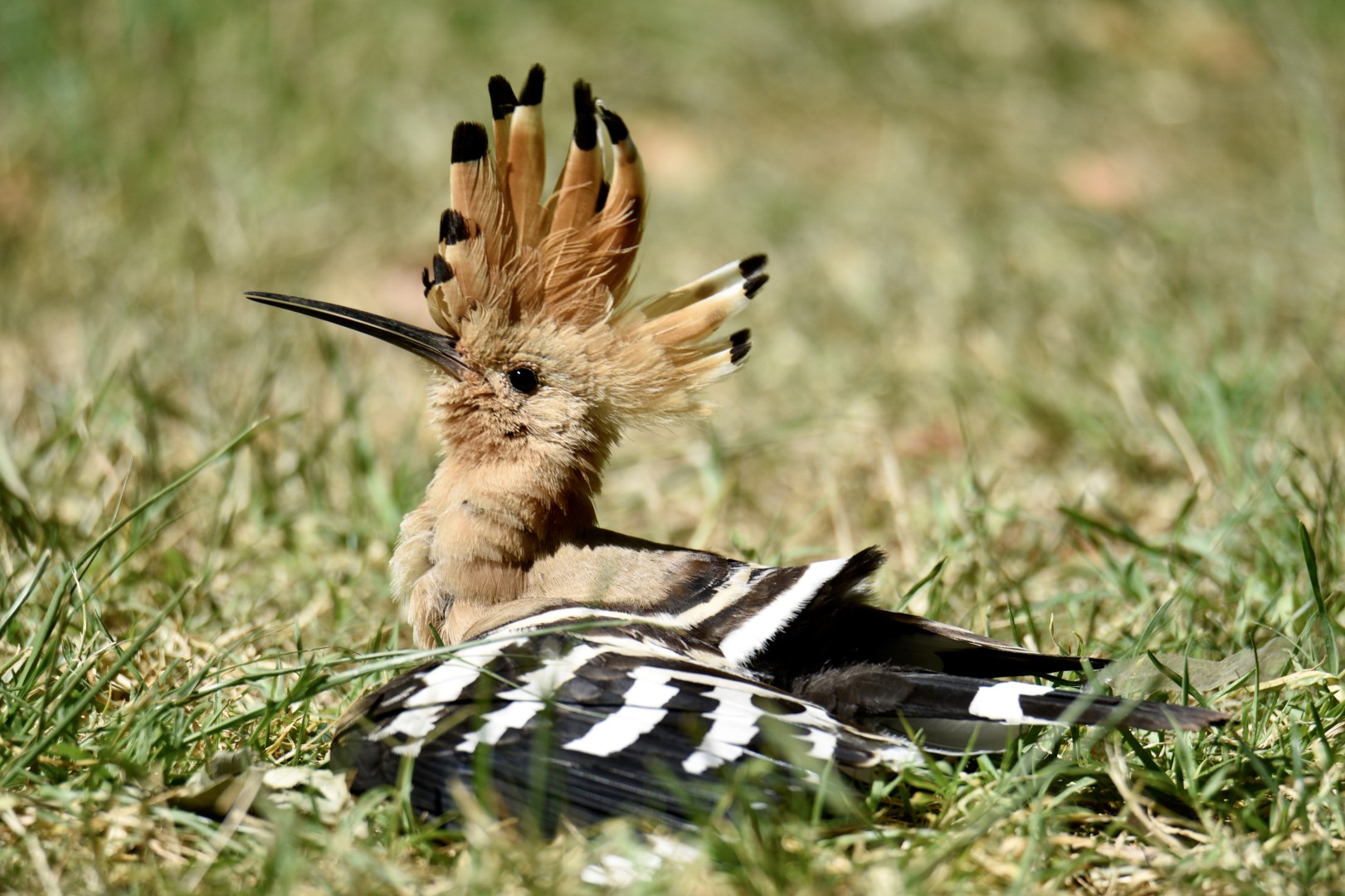
Eurasian Hoopoe (Upupa epops) with raised crest on the grass in Lisbon, Portugal
Iconic bird of PortugalThe hoopoe
Photo: Luiz Lapa, Wikimedia Commons (Lisbon) · CC BY 2.0.

Why go birdwatching in Portugal?

Portugal brings together Atlantic migrants and Iberian specialities

Portugal is an exciting destination for birdwatchers because a relatively compact country offers a remarkable range of landscapes. From Lisbon, you can reach tidal wetlands and rice fields, while the open steppe begins in the Alentejo and the Algarve is lined with lagoons, salt pans and islands along a mild southern coast. The Azores and Madeira are also part of Portugal, adding endemic island birds, laurel forests and rich seabird habitats.

The best birding sites in Portugal depend heavily on the season and habitat. In winter, the Tagus, Sado, Ria Formosa and Castro Marim attract large numbers of flamingos, waders, spoonbills and other waterbirds. In spring, songbirds, bee-eaters and birds of prey return to cork oak landscapes, riverbanks and farmland. Autumn migration makes Sagres and Cabo de São Vicente especially rewarding for visible coastal migration.

Independent birdwatchers can spend a full day in one nature reserve or combine several habitats in a single trip. That makes Portugal suitable for a short birding break from Lisbon or Faro, as well as a longer road trip through the Alentejo, northern river valleys and Atlantic islands. FaunaMap helps you find birdwatching points, hotspots and expected species at each location before you leave.

Landscapes and biodiversity

Portugal’s main bird habitats

In Portugal, your choice of habitat largely determines which bird species you can expect to see. Choose tidal wetlands for flamingos and waders, the Alentejo for steppe birds, or a river valley for vultures and Black Storks. Together, these six landscape types form the basis of a varied birdwatching trip through Portugal.

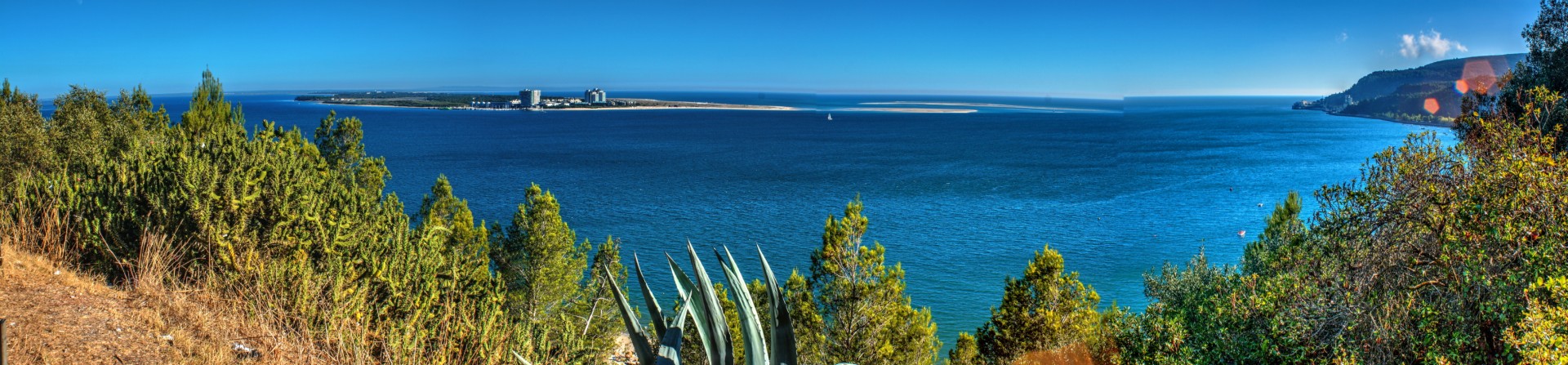
Panorama of the Sado Estuary in Portugal
Muaddib2015 · CC BY-SA 4.0

Estuaries, mudflats and salt pans

The Tagus, Sado and Algarve wetlands are the best starting points for watching waterbirds in Portugal. At low tide, waders feed across mudflats and sandbars. As the tide rises, they gather along quiet banks, islands and inland pools. Salt pans add shallow, food-rich water where flamingos, spoonbills and avocets can often be seen well.

Typical species

  • Flamingo
  • Spoonbill
  • Pied Avocet
  • Black Stork
  • Osprey
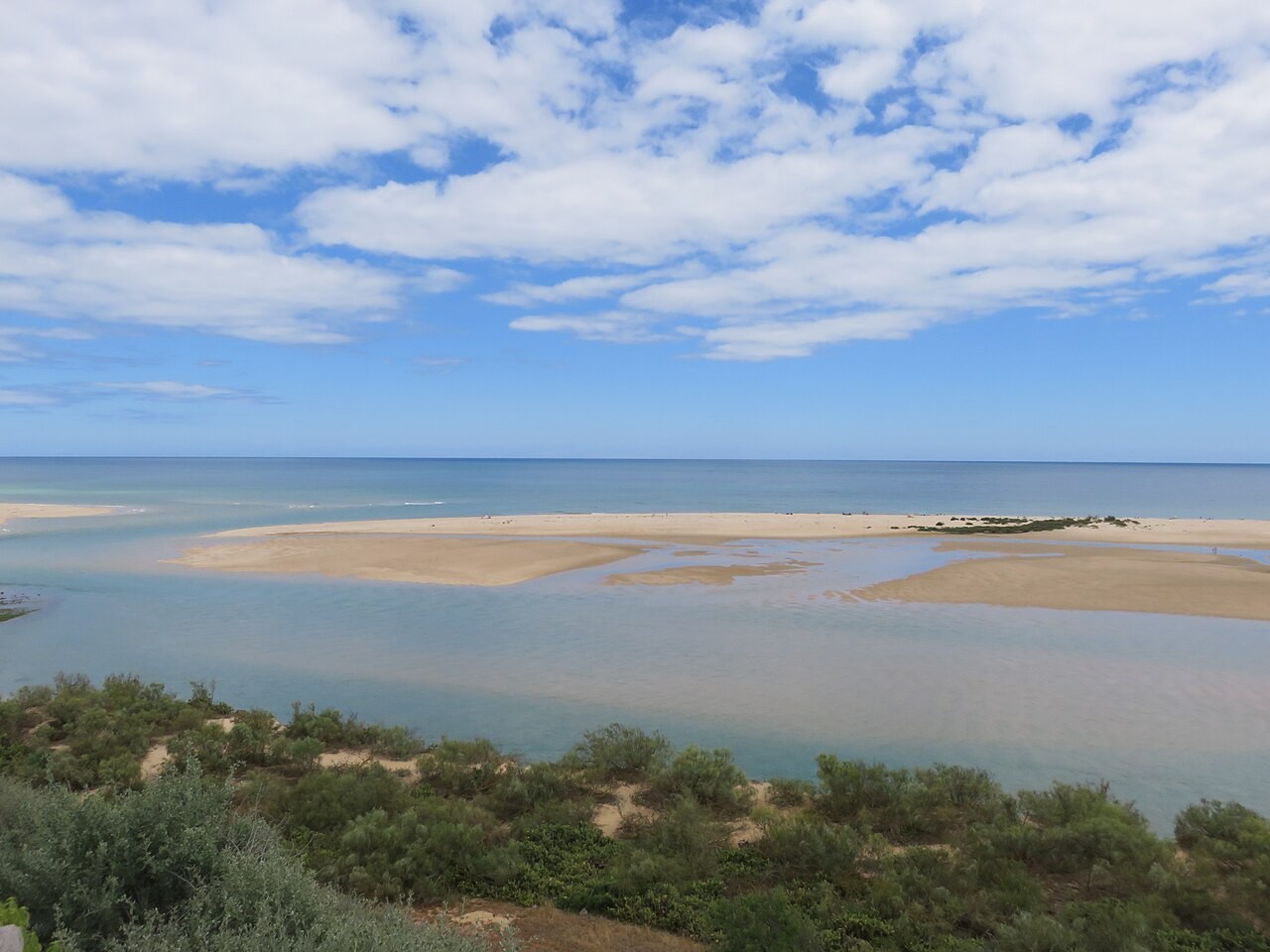
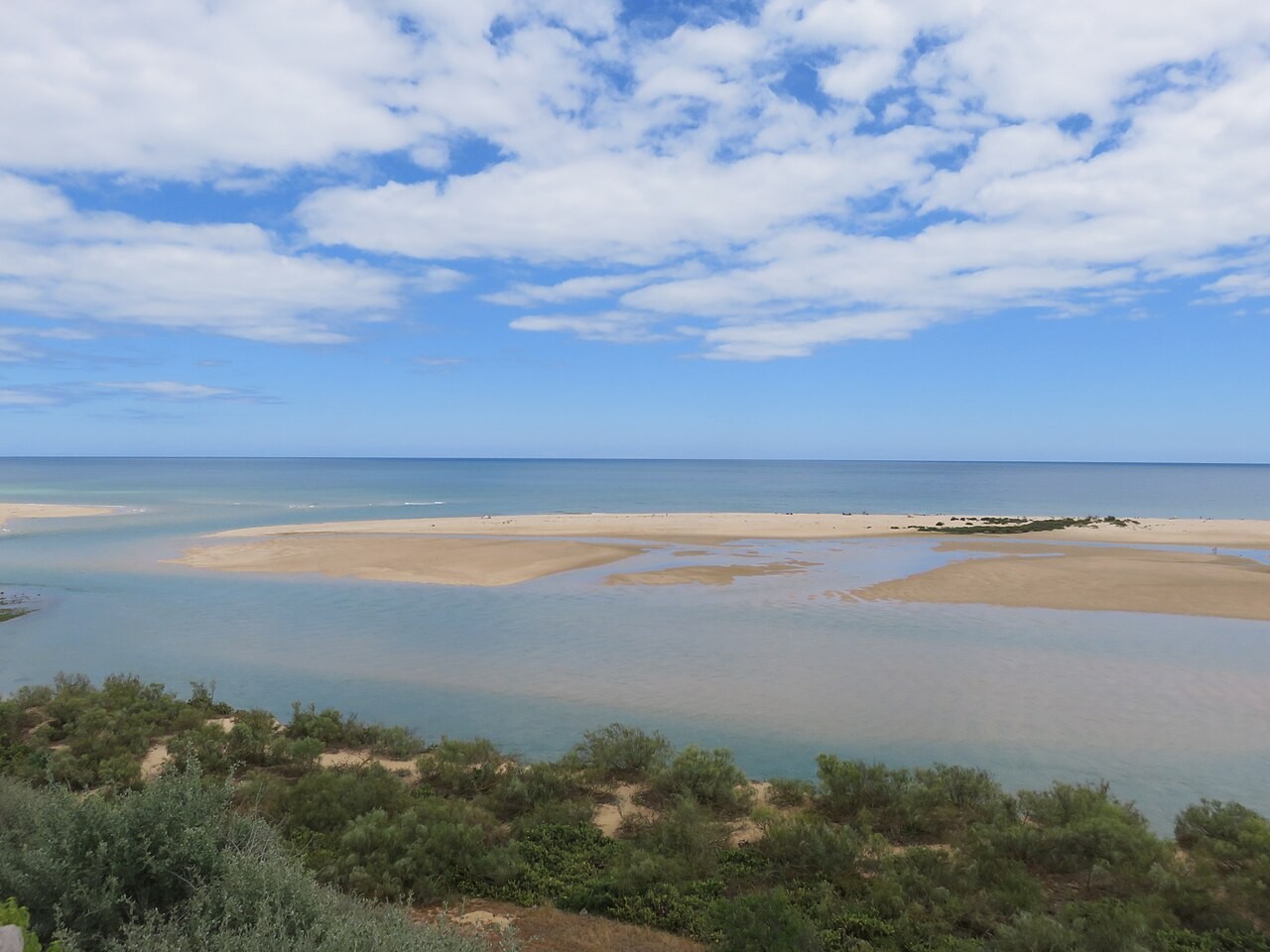
Shallow lagoon and sandbanks in Ria Formosa
Mpicado · CC BY-SA 4.0

Lagoons, rice fields and freshwater marshes

Around Ria de Aveiro, the Mondego, Lagoa de Santo André and the rice fields near the Sado, freshwater, brackish water and farmland meet. Reedbeds are good for herons, rails and small marsh birds. In winter, open pools and flooded rice fields attract ducks, waders and gulls. In spring, an early start is worthwhile for birdsong and courtship displays.

Typical species

  • Purple Swamphen
  • Little Egret
  • Squacco Heron
  • Black Tern
  • Black-winged Stilt
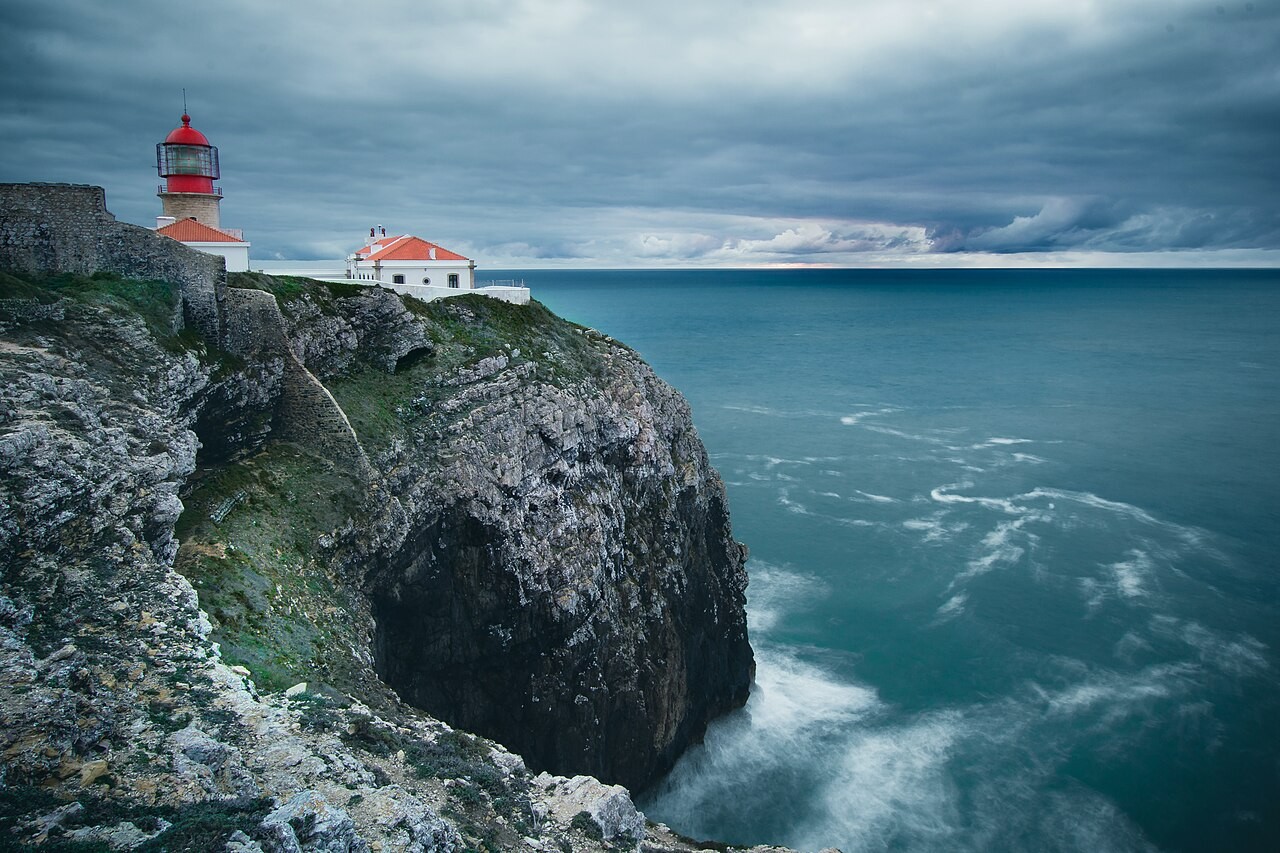
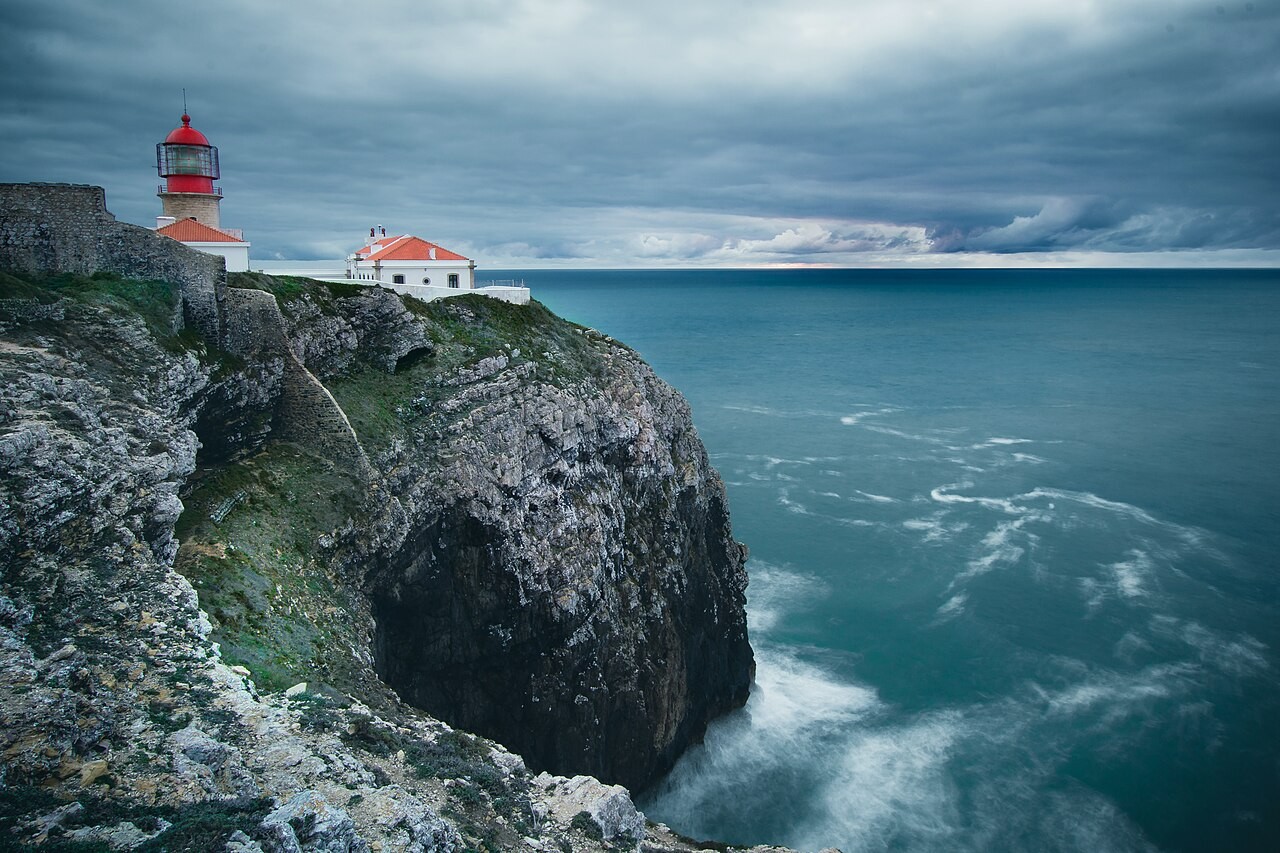
Coast and cliffs near Cabo de São Vicente and Sagres
Rui Glória · CC BY-SA 4.0

Atlantic coast, dunes and sea cliffs

Portugal’s Atlantic coast is important for seabirds, coastal breeders and migrants. Along the Costa Vicentina and around Sagres, high cliffs, dunes, scrub and small bays alternate with one another. With westerly winds, seabirds can pass close to shore. In autumn, Sagres is one of Portugal’s best-known places for visible raptor migration and passing songbirds.

Typical species

  • Northern Gannet
  • Cory’s Shearwater
  • Peregrine Falcon
  • Alpine Swift
  • European Stonechat
Open pseudo-steppe near Castro Verde in the Alentejo
Forcastro · public domain

Montado and cereal steppe

The open plains around Castro Verde are among the best places to look for Portugal’s specialist steppe birds. Cork and holm oaks stand scattered among cereal fields and low grassland. Visibility is excellent, but birds may be far away. Bring a telescope, stay on public roads and focus on the early morning while the landscape is still quiet.

Typical species

  • Great Bustard
  • Little Bustard
  • Black-winged Kite
  • Iberian Magpie
  • Little Owl
River valleys and cliffs in Tejo Internacional Natural Park
GualdimG · CC BY-SA 4.0

River valleys and inland cliffs

In Tejo Internacional and Douro Internacional, rivers cut deep valleys through cork oak, holm oak and dry rocky slopes. Rising air above the cliffs attracts large birds of prey. From viewpoints, you may see vultures high above the valley, while Black Storks and eagles rest on ledges and in quiet river bends. This is a landscape for patience, wide views and a good telescope.

Typical species

  • Black Stork
  • Griffon Vulture
  • Egyptian Vulture
  • Bonelli’s Eagle
  • Eurasian Eagle-Owl
Laurel forest in Madeira, an important island habitat for birds
Gtbarradas · CC BY-SA 4.0

Mountains, uplands and laurel forest

Serra da Estrela and Peneda-Gerês offer mountain slopes, stream valleys and open uplands for woodland and cliff birds. Madeira and the Azores add laurel forest, with species you will not find on mainland Portugal. The Trocaz Pigeon in Madeira and Azores Bullfinch on São Miguel are key targets for birdwatchers visiting Portugal’s islands.

Typical species

  • Trocaz Pigeon
  • Azores Bullfinch
  • Zino’s Petrel
  • Madeira Storm Petrel
  • European Stonechat

Birdwatching throughout the year

Portugal birding calendar: what can you expect each season?

Portugal is rewarding for birdwatchers in every season. Winter brings large numbers of waterbirds to estuaries and salt pans, spring fills the country with song and migration, summer is strong for breeding birds and seabirds, and in autumn the coast near Sagres becomes an important migration corridor.

WinterDecember to FebruarySpringMarch to MaySummerJune to AugustAutumnSeptember to November
  1. January

    Winter

    Flamingos and wintering waterbirds

    January is an excellent month for the Tagus, Sado, Ria Formosa and Castro Marim. Flamingos, spoonbills, waders and ducks feed in shallow lagoons and salt pans. In the Alentejo, you can also find wintering birds of prey and large groups of White Storks.

    Recommended placesEstuaries, salt pans, rice fields and open farmland; plan coastal visits around the tide.

  2. February

    Winter

    Winter visitors and early courtship

    Most winter visitors are still present, while birdsong and territorial behaviour slowly begin to build. In the Algarve, salt pans and lagoons are particularly accessible for flamingos, avocets and waders. Inland, calm weather can bring birds of prey hunting above the montado.

    Recommended placesRia Formosa, Castro Marim, the Tagus Estuary and the plains around Castro Verde.

  3. March

    Spring

    Spring migration begins

    March marks the transition into spring. Songbirds become more active, storks occupy nest sites and the first summer visitors appear along rivers and the coast. Wintering waders remain easy to find in wetlands, allowing you to combine migration with winter birding.

    Recommended placesRiverbanks, cork oak landscapes, coastal dunes and shallow pools.

  4. April

    Spring

    Bee-eaters and plenty of song

    Migration increases quickly in April. European Bee-eaters may appear above open ground and riverbanks from spring onwards. Reedbeds fill with the songs of reed warblers, while birds of prey, larks and shrikes are active across the Alentejo.

    Recommended placesThe Tagus and Sado, Castro Verde, Ria de Aveiro and the river valleys of central Portugal.

  5. May

    Spring

    Peak month for breeding birds

    May is one of the best months for a birdwatching trip to Portugal. Bee-eaters, Eurasian Golden Orioles, warblers and birds of prey are highly active. Estuaries hold breeding waders, while seabirds may pass close to the Algarve cliffs.

    Recommended placesMontado, reed marshes, coastal scrub, cliffs and riverbanks.

  6. June

    Summer

    Breeding season in open country

    In June, the morning hours are most productive. In the Alentejo, search for steppe birds and hunting raptors. Young birds are visible along the coast and in wetlands, but keep your distance and avoid entering closed breeding areas.

    Recommended placesCastro Verde, Tejo Internacional, Ria Formosa and the Costa Vicentina.

  7. July

    Summer

    Early starts and seabirds

    The heat makes an early start essential, especially in the Alentejo and Algarve. Salt pans remain attractive for flamingos and waders, while the Atlantic coast offers chances of shearwaters, terns and migrating coastal birds.

    Recommended placesRia Formosa, Castro Marim, Sagres and shady river areas.

  8. August

    Summer

    Autumn migration gets underway

    From August onwards, the first clear movements of autumn migration begin. Waders gather along mudflats and lagoons, young raptors disperse and seabirds benefit from winds along the west coast. In the evening, swallows and swifts are particularly noticeable.

    Recommended placesThe Tagus Estuary, Sado, Ria Formosa, Sagres and the western coast.

  9. September

    Autumn

    Raptor migration around Sagres

    September is an excellent month for visible migration. With favourable winds, raptors, storks and songbirds move along the Algarve coast. Wetlands hold good numbers of passing waders, while the first winter visitors return inland.

    Recommended placesSagres and Cabo de São Vicente, coastal dunes, estuaries and the open Alentejo.

  10. October

    Autumn

    The main migration month

    October is the best month for many birdwatchers visiting Sagres. The Birdwatching and Nature Activities Festival brings extra attention to migration, but even without an event you can see plenty of movement above the cliffs and hills. Winter visitors increase on open water.

    Recommended placesSagres, Costa Vicentina, the Tagus Estuary and Algarve wetlands.

  11. November

    Autumn

    Flamingos and the first winter flocks

    In November, Ria Formosa, Castro Marim and the Tagus become increasingly attractive for wintering waterbirds. Flamingos, spoonbills, avocets and waders feed in salt pans and lagoons. In the mountains and river valleys, soft autumn light is ideal for landscape and bird observation.

    Recommended placesAlgarve wetlands, the Tagus and Sado, river valleys and montado.

  12. December

    Winter

    Waterbirds in the lagoons

    December is a good month for a relaxed birding trip with plenty of species and little need for long walks. The main estuaries and salt pans concentrate flamingos, spoonbills, waders and ducks. Open landscapes in the Alentejo remain attractive for large birds and raptors.

    Recommended placesRia Formosa, Castro Marim, Sado, the Tagus Estuary and Castro Verde.

Seasonal information and area examples: VisitPortugal, SPEA, Birdwatching Sagres and ICNF.

Birding areas in Portugal

Portugal’s best birding areas: where can you go birdwatching?

From the Tagus near Lisbon to the salt pans of the Algarve and the valleys along the Spanish border, Portugal offers birding areas for almost every type of birdwatcher. This selection combines popular, accessible locations with places where biodiversity and the chance of finding special species are high. Always check local access rules, walking routes and temporary closures before you leave.

Nature reserve in the Tagus Estuary near Lisbon
Photo: Helder Matos Sanches · Wikimedia Commons · CC BY-SA 4.0

Lisbon region

Estuary · mudflat · salt pan

Estuário do Tejo

One of the best birding areas near Lisbon

The Tagus Estuary lies close to Lisbon and is a natural first choice for anyone who wants to go birdwatching during a city break. Around Lezíria Grande, Ponta da Erva and the inland pools, open farmland, mudflats, salt pans and shallow water come together. Species numbers can be impressive in a single day, especially when you combine the right tide with early morning light.

Look for
Flamingo, spoonbill, Black-winged Stilt, Black-winged Kite and White Stork.
Plan around
The tide, morning hours and enough time for several viewpoints.
Landscape of the Sado Estuary in Portugal
Photo: Vitor Oliveira · Wikimedia Commons · CC BY-SA 2.0

Setúbal and Comporta

Estuary · rice field · mudflat

Reserva Natural do Estuário do Sado

Wetland habitat between Setúbal and the rice fields

The Sado Estuary is a varied birding area with tidal flats, salt marshes, rice fields and quiet lagoons. The meeting point of river and Atlantic coast makes it interesting for flamingos and spoonbills as well as ospreys, herons and passing waders. Around Comporta and the river mouth, you can combine open country and coastal habitat in one day.

Look for
Flamingo, spoonbill, Osprey, Little Egret and Pied Avocet.
Plan around
The tide, rice field management and public roads outside restricted areas.
Shallow lagoon and sandbanks in Ria Formosa
Photo: Mpicado · Wikimedia Commons · CC BY-SA 4.0

Algarve

Lagoon · salt pan · island

Parque Natural da Ria Formosa

The Algarve’s best-known wetland

Ria Formosa stretches along much of the eastern Algarve and consists of lagoons, barrier islands, mudflats, salt pans and channels. Faro, Olhão, Tavira and Fuseta all offer accessible starting points. You can walk along the shores and salt pans or take a boat to one of the islands. The mild climate and shallow water make this a strong birdwatching destination in Portugal, even outside migration periods.

Look for
Flamingo, spoonbill, Purple Swamphen, Black-winged Stilt and Common Tern.
Plan around
Walking routes, boat connections, high tide and bright midday light.
Salt pans and landscape near Castro Marim in the Algarve
Photo: Luis Afonso · Wikimedia Commons · CC BY-SA 4.0

Eastern Algarve

Salt pan · marsh · Guadiana

Sapal de Castro Marim

Salt pans and marshes on the Spanish border

The marshes of Castro Marim and Vila Real de Santo António surround the mouth of the Guadiana. The area is more compact than Ria Formosa, making it easy to explore during a morning of birdwatching. Follow public paths beside the salt pans and scan the open marsh for flamingos, avocets, waders and White Storks. The light and open horizon are also excellent for photography.

Look for
Flamingo, Black-winged Stilt, Pied Avocet, White Stork and Kentish Plover.
Plan around
Cool morning hours, sun protection and distance from resting birds.
Open landscape near Castro Verde in the Alentejo
Photo: Forcastro · Wikimedia Commons · public domain

Alentejo

Cereal steppe · montado

Castro Verde

Portugal’s best region for steppe birds

The Castro Verde Special Protection Area is a key destination for birdwatchers exploring the open Alentejo. Plains of cereal fields, low grassland and scattered cork oaks provide habitat for Great Bustards, Little Bustards, Black-winged Kites, Little Owls and Iberian Magpies. Because many birds are distant, a telescope and a quiet driving route are more useful than long walks.

Look for
Great Bustard, Little Bustard, Black-winged Kite, Little Owl and Crested Lark.
Plan around
Early morning, public roads and respect for private land.
Rocky coast and cliffs near Cabo de São Vicente in Sagres
Photo: Rui Glória · Wikimedia Commons · CC BY-SA 4.0

Western Algarve

Sea cliff · coastal scrub

Sagres and Cabo de São Vicente

A Portuguese hotspot for visible migration

Sagres is especially well known among birdwatchers looking for raptor migration and seabirds. The cliffs, hills and coastal scrub form a natural funnel for birds heading south in autumn. In spring, you may also find European Bee-eaters, swifts and other summer visitors. Watch from the coast, but also spend time in the open fields and scrub around the headland.

Look for
European Bee-eater, Griffon Vulture, Peregrine Falcon, Northern Gannet and shearwaters.
Plan around
Wind direction, sea visibility and peak autumn migration in September and October.
River landscape of Tejo Internacional Natural Park
Photo: GualdimG · Wikimedia Commons · CC BY-SA 4.0

Castelo Branco

River valley · cork oak

Parque Natural do Tejo Internacional

Cliffs and birds of prey on the Spanish border

Tejo Internacional Natural Park follows the deep valley of the Tagus and several tributaries. The combination of cliffs, dry slopes, cork oaks and quiet river bends is ideal for large raptors and Black Storks. Several viewpoints are accessible by car, but the distances and heat make it worth planning your route in advance.

Look for
Black Stork, Griffon Vulture, Egyptian Vulture, Bonelli’s Eagle and Eurasian Eagle-Owl.
Plan around
Early morning, a telescope, water and long drives between viewpoints.
Landscape of Douro Internacional Natural Park in Portugal
Photo: Elisa.rolle · Wikimedia Commons · CC BY-SA 4.0

Northeastern Portugal

Douro valleys · cliffs

Parque Natural do Douro Internacional

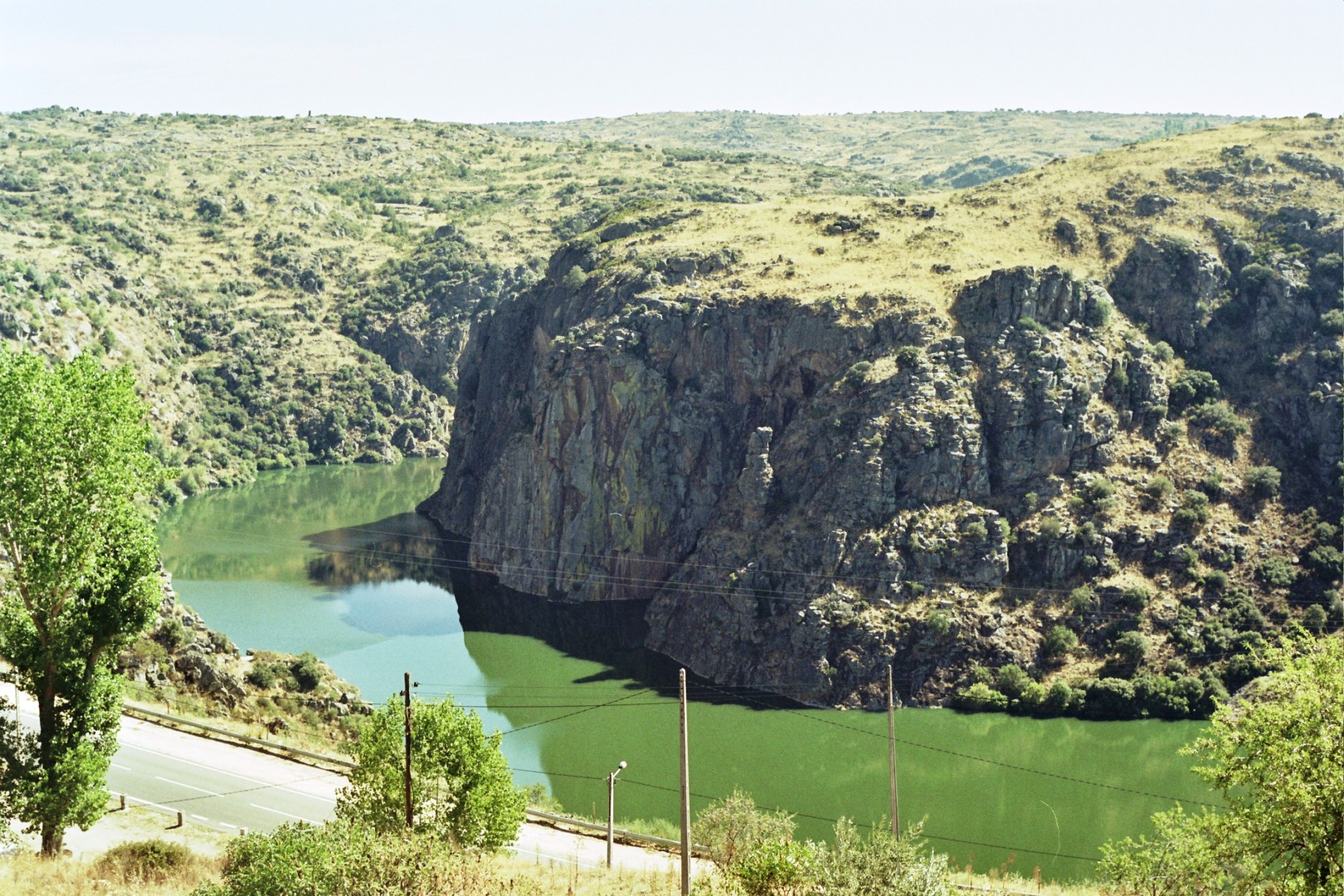
Vultures and eagles above the river valleys

In Douro Internacional, the border river has carved a dramatic landscape of deep valleys and warm rocky slopes. From Miranda do Douro and nearby viewpoints, you can search for large raptors circling on thermals above the valley. This area is less suited to a quick stop, but is highly rewarding as part of a road trip through northern Portugal.

Look for
Griffon Vulture, Egyptian Vulture, Bonelli’s Eagle, Black Stork and Crag Martin.
Plan around
Clear weather, daytime thermals and several viewpoints along the river.
Pico da Vara on São Miguel island in the Azores
Photo: MatyCer13 · Wikimedia Commons · CC BY-SA 4.0

Azores, São Miguel

Laurel forest · uplands

Pico da Vara and São Miguel

The destination for Azores Bullfinch

São Miguel is a separate destination within Portugal for many birdwatchers. The uplands and native forest remnants around Pico da Vara are home to the Azores Bullfinch, an endemic species found nowhere else in the world. Combine a focused walk with coastal areas and lakes, but check current access conditions for nature reserves before setting out.

Look for
Azores Bullfinch, petrels, small herons and seabirds passing offshore.
Plan around
Local walking rules, wet weather, mist and plenty of time for a focused search.
Laurel forest in Madeira, Portugal
Photo: Gtbarradas · Wikimedia Commons · CC BY-SA 4.0

Madeira

Laurisilva · mountain slopes

Madeira’s Laurisilva forest

Native forest with Trocaz Pigeon as the target species

Madeira’s laurel forests offer a very different birding experience from the wetlands of mainland Portugal. Walk along levadas and forest trails in the early morning for Trocaz Pigeons, Madeira Chaffinches and other woodland birds. For seabirds such as Zino’s Petrel, coastal trips and specialist excursions are more suitable than a regular forest walk.

Look for
Trocaz Pigeon, Madeira Chaffinch, Madeira Storm Petrel and passing seabirds.
Plan around
An early forest walk, changeable mountain weather and safe walking trails.

Popular birds of Portugal

Five remarkable Portuguese birds and where to see them

From the striking White Stork and colourful European Bee-eater to flamingos, Iberian Magpies and Black-winged Kites, these are five species that make a birdwatching trip through Portugal extra special. They are distinctive, linked to different landscapes and possible to find independently with good planning.

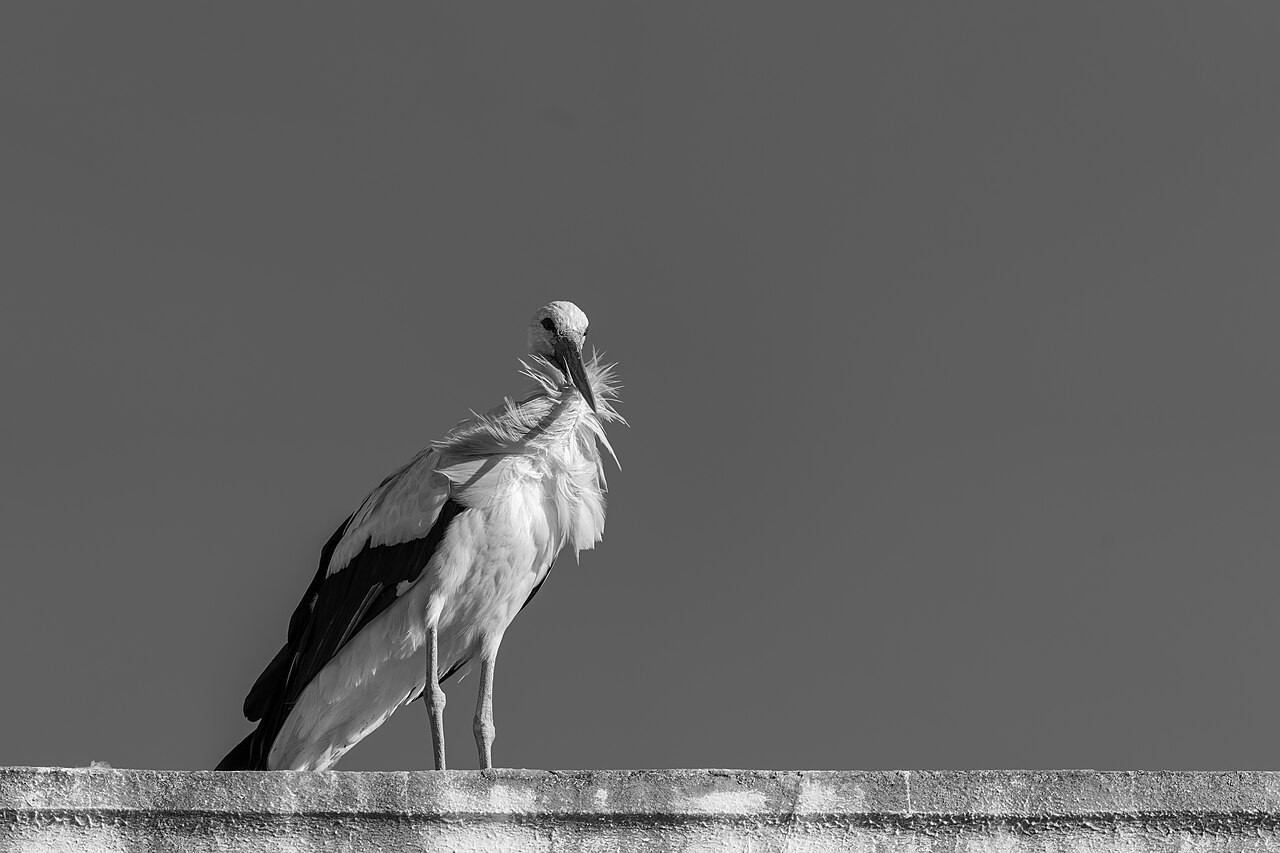
  1. White Stork in Faro, Portugal
    Photo: Jules Verne Times Two, julesvernex2.com, CC BY-SA 4.0

    White Stork

    The White Stork is part of Portugal’s familiar landscape. You can see it on church towers, electricity pylons and in open farmland. The combination of large nests, white wings and black flight feathers makes it easy to identify. In southern Portugal, you can often find it from the car or during a walk through a village.

    Where can you see White Storks in Portugal?

    • Tagus Estuary and Lezíria Grande: open farmland with many nest sites around Vila Franca de Xira
    • Alentejo: especially around villages, fields and cork oak landscapes
    • Algarve: around Faro, Castro Marim and the marshes along the Guadiana
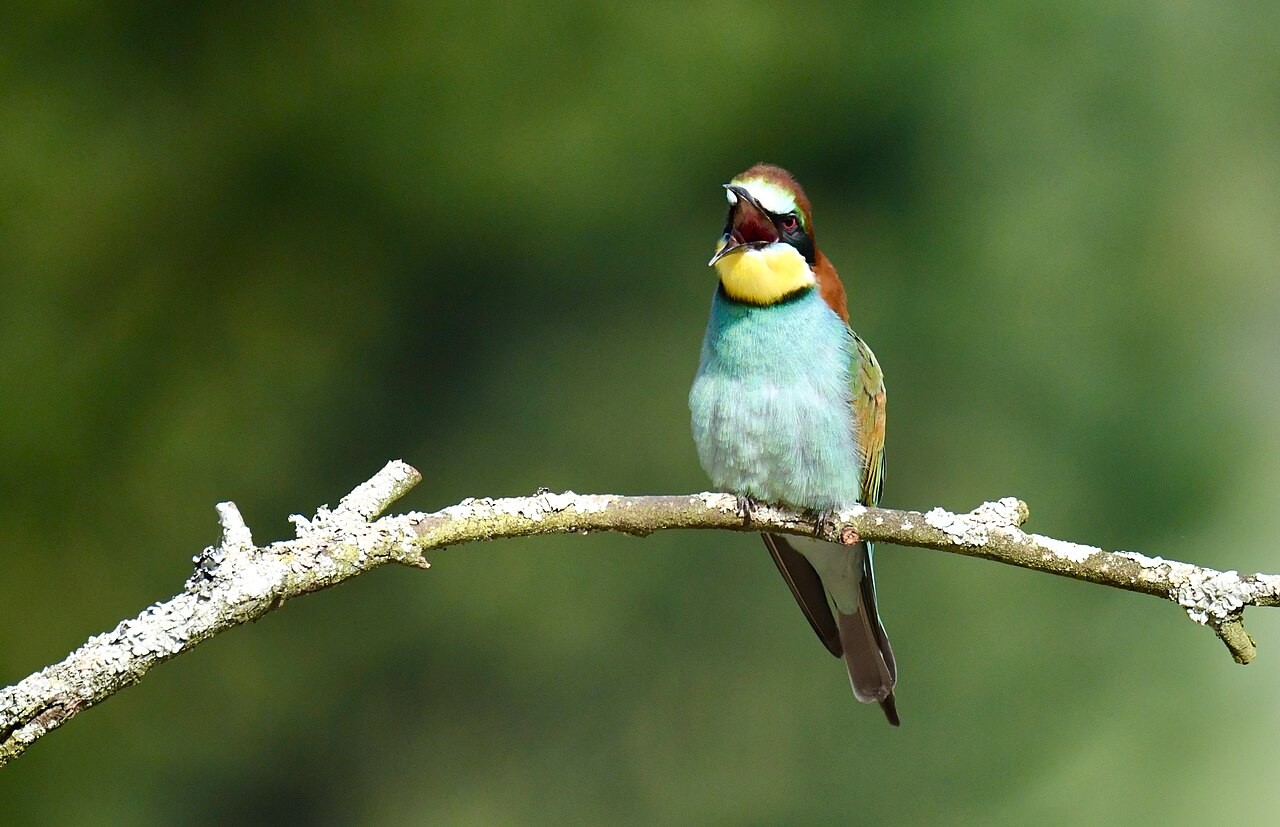
  2. European Bee-eater in Portugal
    Photo: Luiz Lapa · Wikimedia Commons, CC BY 2.0

    European Bee-eater

    The European Bee-eater is one of the most colourful birds you can see in Portugal. Look for its long, slightly curved bill, yellow throat and chestnut crown. It hunts large insects from a lookout and often gives itself away with a soft, rolling call above open ground.

    Where can you see European Bee-eaters in Portugal?

    • Tagus and Sado: riverbanks, sandy slopes and open country around the estuaries
    • Alentejo: montado, cereal fields and steep riverbanks inland
    • Algarve: including the area around Ria Formosa and open land near Sagres
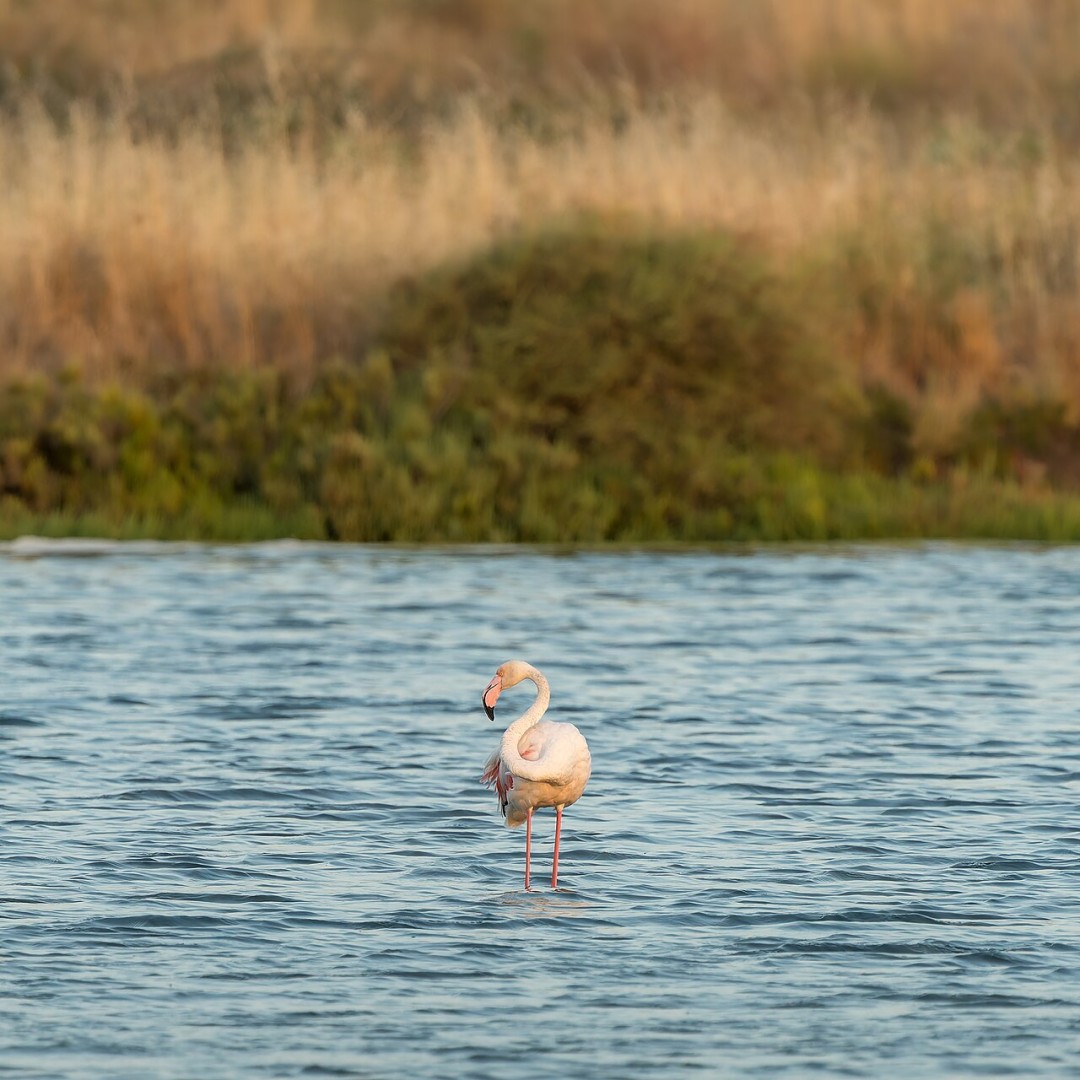
  3. Flamingo in Ria Formosa, Portugal
    Photo: Jules Verne Times Two, julesvernex2.com, CC BY-SA 4.0

    Flamingo

    Seeing flamingos in Portugal is mostly about finding the right water and viewing distance. They often feed in groups in shallow salt pans and lagoons, so their pink colour can be visible from far away. Numbers vary with season and water levels, but the Algarve, Tagus and Sado regularly offer good opportunities.

    Where can you see flamingos in Portugal?

    • Ria Formosa: salt pans and lagoons around Faro, Olhão, Tavira and Fuseta
    • Castro Marim: open marshes and salt pans along the Guadiana
    • Tagus and Sado: estuaries with mudflats, pools and quiet inland resting areas
  4. Iberian Magpie in the Algarve
    Photo: Francesco Veronesi · Wikimedia Commons, CC BY-SA 2.0

    Iberian Magpie

    The Iberian Magpie is a true target species of the Iberian Peninsula. Its blue wings and long tail stand out among cork oaks, olive trees and open scrub. It is often active and sociable, so listen for its calls and look not only high in the trees but also along woodland edges and country roads.

    Where can you see Iberian Magpies in Portugal?

    • Alentejo: montado and farmland around Castro Verde, Beja and Moura
    • Algarve: cork oaks, orchards and dry valleys inland
    • Tejo and Douro Internacional: woodland edges and open slopes along the river valleys
  5. Black-winged Kite above open farmland in Portugal
    Photo: Luiz Lapa · Wikimedia Commons, CC BY 2.0

    Black-winged Kite

    The Black-winged Kite is an elegant raptor of open landscapes. It can hover above a field while hunting and is recognisable by its pale body, dark wingtips and black eye mask. Portugal is a good destination for looking for this species during a quiet morning drive through farmland.

    Where can you see Black-winged Kites in Portugal?

    • Tagus Estuary: open lezíria and farmland around Vila Franca de Xira
    • Castro Verde: cereal steppe and montado with wide views across the fields
    • Alentejo and Algarve: dry fields, olive groves and open valleys

Useful tips and information

Practical questions about birdwatching in Portugal

Want to know when to visit Portugal, where to find flamingos or large birds of prey, and how to explore a birding area independently? Below you will find practical answers for a birdwatching trip through Portugal, with extra attention to Lisbon, the Algarve, Alentejo, Sagres and the Portuguese islands.

For most birdwatchers, April and May or September and October are the best months to visit Portugal. Spring brings birdsong, breeding activity and returning summer visitors. In autumn, Sagres and the Costa Vicentina often offer visible migration of raptors, storks and songbirds. If you mainly want flamingos, spoonbills and wintering waders, travel to the Algarve, Tagus or Sado between November and February.

There is no single perfect season for every species in Portugal. The best month depends on your target species, region and how much heat you enjoy. Use the birding calendar on this page and check FaunaMap before leaving to see which species are expected at each location.

The Tagus Estuary is the best choice for anyone who wants to go birdwatching from Lisbon. The open areas of Lezíria Grande, Ponta da Erva and the inland pools offer views of flamingos, spoonbills, waders, White Storks and birds of prey. The southern shore of the estuary and the area around Samouco can also be worthwhile, depending on the tide, season and accessible viewpoints.

Allow at least a full morning and bring a telescope if possible. The landscape is large and birds are often distant. The official VisitPortugal information lists the Tagus Estuary as a place where more than one hundred bird species may be seen on a good day.

The best places to see flamingos are Ria Formosa, the marshes of Castro Marim, the Tagus Estuary and the Sado Estuary. Look for salt pans, shallow lagoons and inland pools. Numbers are often highest in winter, but flamingos can be present in the Algarve all year round.

Keep a respectful distance from resting flocks and use a telescope when birds are far away. The official website for Ria Formosa and Castro Marim describes these Algarve wetlands as important areas for waterbirds.

The best region for Great Bustards in Portugal is the open cereal steppe of the Alentejo, especially around Castro Verde and the Castro Verde Special Protection Area. The birds can cover large distances and are often far from the road, making a telescope important. They are most active early in the morning and during spring, when courtship and territorial behaviour make them easier to detect.

Stay on public roads and do not enter fields or private land. A local nature guide can help you avoid sensitive breeding areas while improving your chances of seeing the species. The LPN facility in Castro Verde provides information for visitors.

Yes. Sagres and Cabo de São Vicente lie on a prominent headland at the southwestern edge of Europe. In September and October, raptors, storks, songbirds and seabirds can move along the coast. Sightings depend heavily on wind direction, visibility and the timing of migration. Do not watch only from the cliffs, but also check scrub, fields and open slopes.

The Birdwatching and Nature Activities Festival in Sagres takes place in autumn and is a useful source for current activities and excursions in the area.

Yes, many wetlands, coastal areas and public nature parks are well suited to independent birdwatching. Ria Formosa, Castro Marim, parts of the Tagus Estuary and several viewpoints around Sagres are suitable for self-guided visits. In large areas such as Castro Verde, Tejo Internacional and Douro Internacional, a car is practical because the best viewpoints may be far apart.

A guide is particularly valuable for difficult species, private land, raptor migration and sensitive target species. If you explore independently, start early, bring binoculars and a telescope, wear muted clothing and carry enough water. Use FaunaMap to select birdwatching points and expected species at each location in advance.

Yes, especially if you want to see endemic island birds alongside more widespread Portuguese species. On São Miguel in the Azores, the Azores Bullfinch is the best-known target species. Madeira offers the unique Trocaz Pigeon as well as important seabird areas, including habitat for Zino’s Petrel. The islands require different planning from mainland Portugal: distances, walking routes, mist and changeable mountain weather play a bigger role.

Allow several days for an island trip and always check current access conditions for nature reserves. VisitPortugal lists Pico da Vara, Ponta do Pargo, Ponta de São Lourenço and the Desertas as examples of interesting birding areas.

Stay on marked paths and public roads, respect closures and do not enter private land without permission. Keep your distance from nests, colonies and resting flocks, do not use playback and avoid loud music or noise. Close gates behind you, take all litter with you and do not remove plants, animals or rocks.

In hot, dry areas such as the Alentejo and river valleys, water, sun protection and a charged phone are essential. Check the current guidance from ICNF and local nature managers before you leave. Good birdwatchers leave the area as they found it.

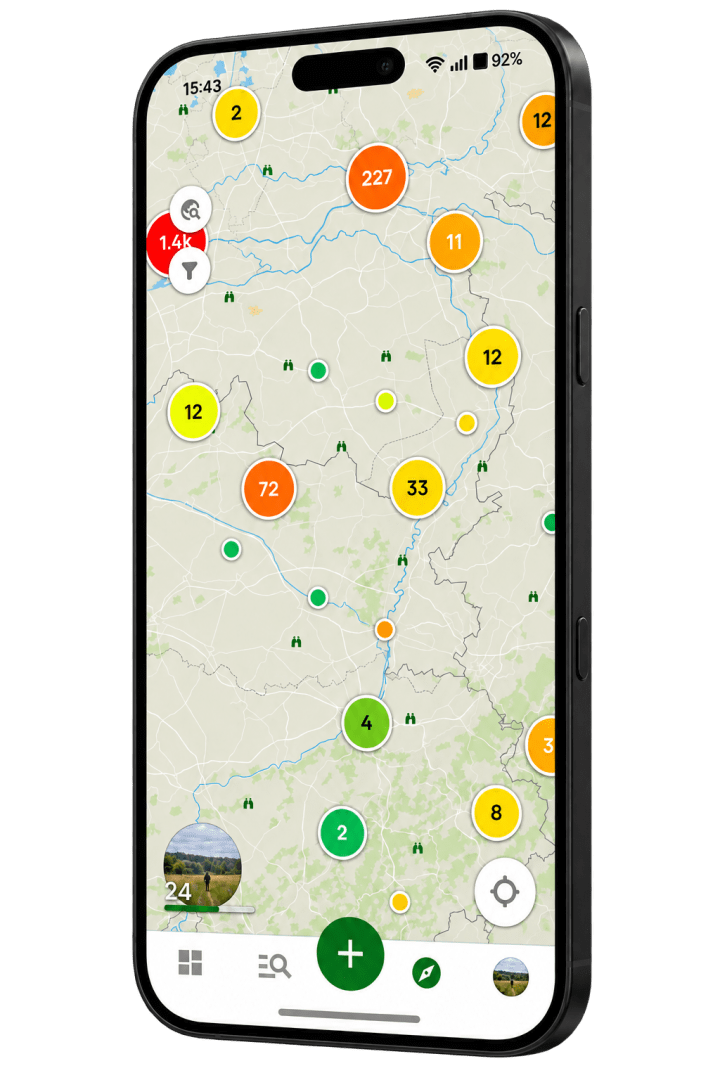
In FaunaMap, you can find recent bird sightings in Portugal on an interactive map. Check which species have recently been reported in an area, where nearby birdwatching points are located and where to find hotspots and expected species. This is useful when you are travelling around the country and need to decide quickly whether to drive to the Tagus, Castro Verde, the Algarve or another birding area.

Open FaunaMap before you leave, plan your route around habitat and season, and record your own sightings afterwards.

View recent sightings in FaunaMap

Binoculars are essential, but a telescope is especially useful in large open areas such as the Tagus Estuary, Castro Verde and the river valleys. Also bring a field guide or digital identification tool, plenty of water, sun protection, sturdy shoes and muted clothing. A tide table and protection from the wind are useful in wetlands. For Sagres and the valleys, a windproof jacket can be useful even in spring.

A car gives you access to more areas, but check in advance whether roads are public and suitable for driving. With FaunaMap, you can prepare your visit using birdwatching points, expected species and current field conditions.

Discover more while birdwatching

  • See recent bird sightingsSee which birds have recently been spotted near you.
  • Explore biodiverse nature areasFind the best places to spot birds and other wildlife.
  • Find sightings by speciesQuickly find sightings of the bird species you want to see.