Birding France · birding sites · migration

Birdwatching in France: the best birding sites by season

Birdwatching in France means choosing between Mediterranean lagoons, Atlantic estuaries, vast marshes, major migration lakes and mountain landscapes filled with birds of prey. Discover where to go birdwatching in France, which species to expect each month and how to plan your trip to the Camargue, Baie de Somme, Lac du Der, Brenne, Pyrenees and other bird-rich nature areas.

  • Recent sightings, hotspots and expected species
  • Birdwatching sites in France and worldwide
  • Keep your own French bird list
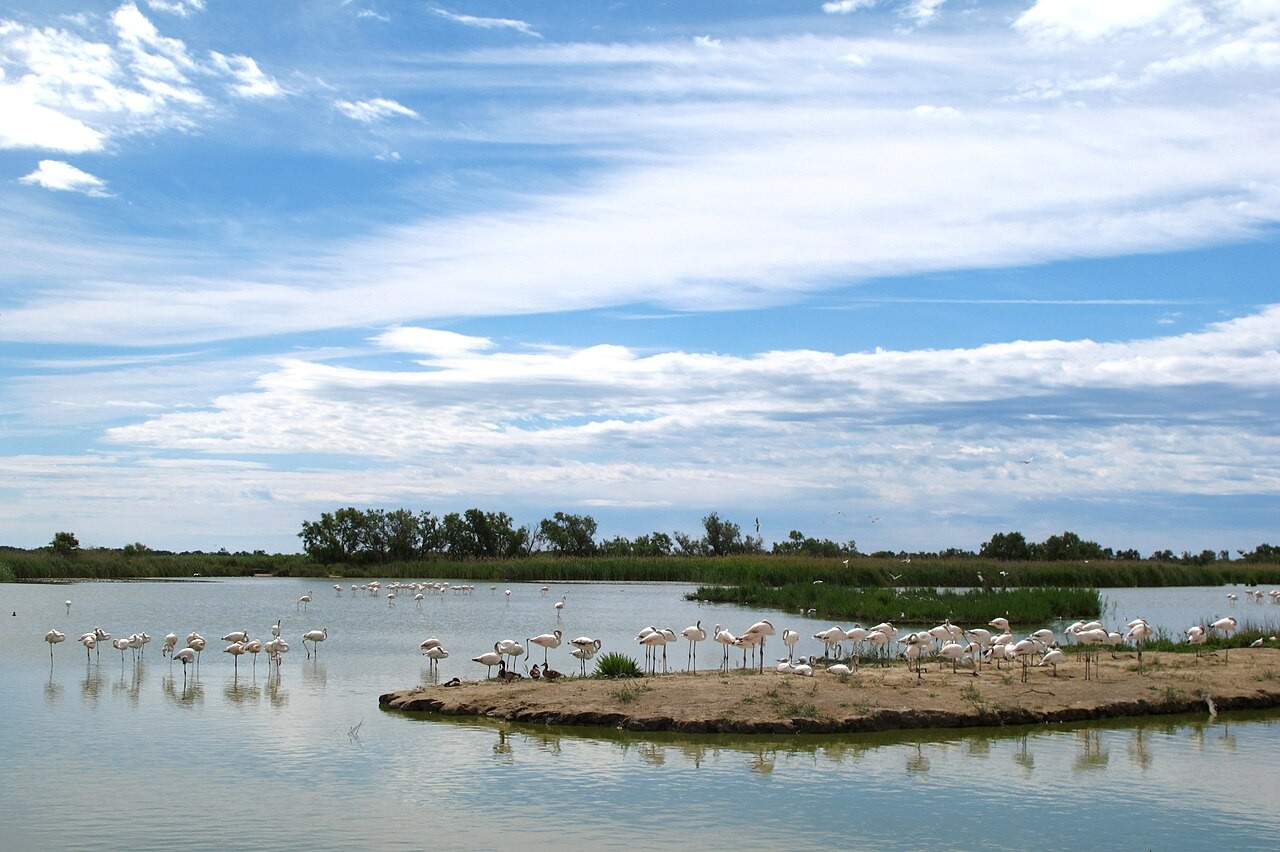
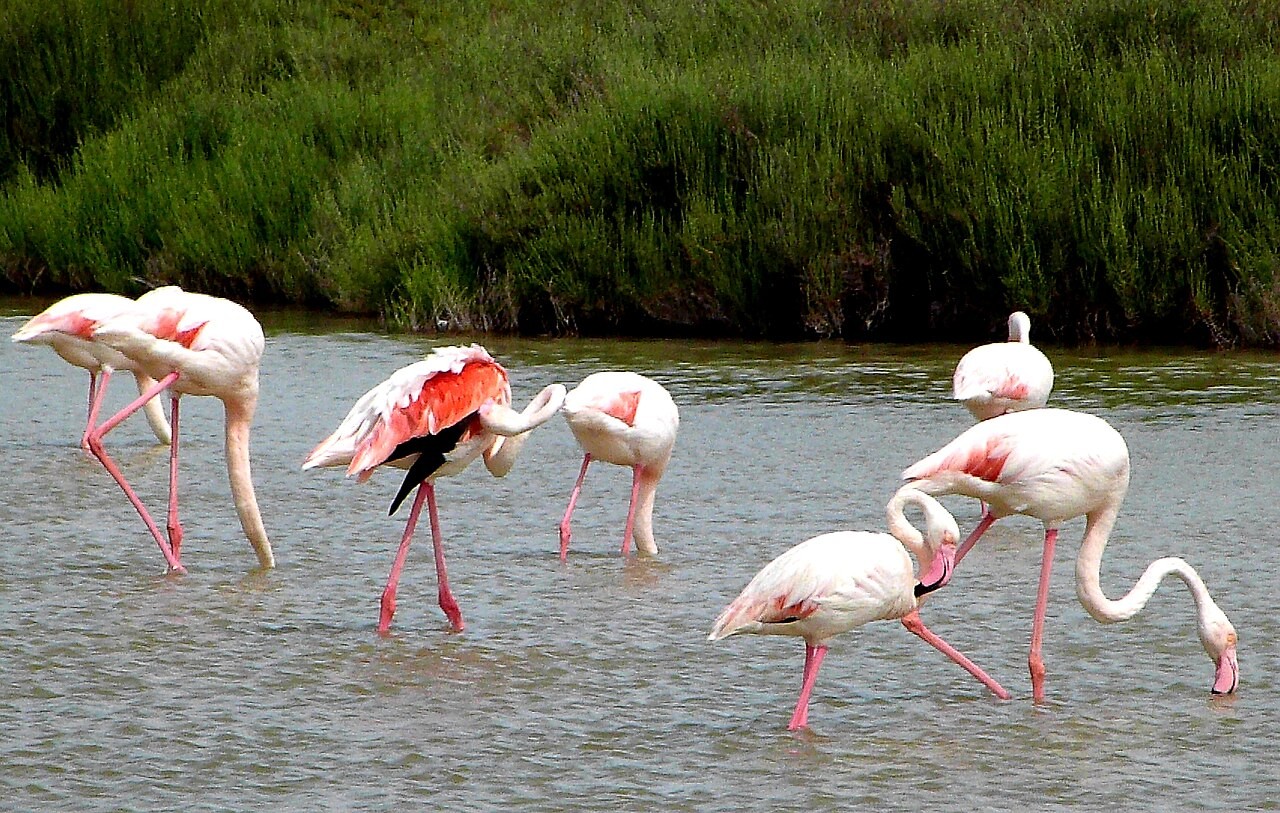
Flamingos in the Camargue in southern France
Iconic bird of the CamargueThe flamingo
Photo: Acediscovery, Wikimedia Commons · CC BY 4.0.

Why go birdwatching in France?

France brings almost every European bird habitat together

France is an exceptional birding destination because the Atlantic coast, Mediterranean Sea, major river valleys, lowland wetlands and high mountain ranges all meet within one country. During a birding trip in France, you can therefore see flamingos and waders alongside vultures, Alpine Choughs and Mediterranean songbirds.

The best birding sites are spread across several migration routes. In the south, the Camargue, Crau and Languedoc lagoons form a link between Europe and Africa. Along the Atlantic coast, Baie de Somme, Bassin d'Arcachon, Baie de l'Aiguillon and the marshes of Brittany and the Loire provide a long chain of resting and feeding areas for migratory birds.

Further inland, Lac du Der, Champagne humide and Brenne attract large numbers of waterbirds and cranes. In the Pyrenees, Cévennes, Baronnies and Alps, the focus shifts to thermals, cliffs and high valleys. FaunaMap helps you combine recent sightings, birdwatching sites, hotspots and expected species for each location with the right time of year.

Habitats and biodiversity

The main bird habitats in France

France does not have one typical bird landscape. The greatest differences are shaped by climate, altitude, tides and water management. Choosing a birding site based on habitat and season increases your chances of finding the right species at the right time.

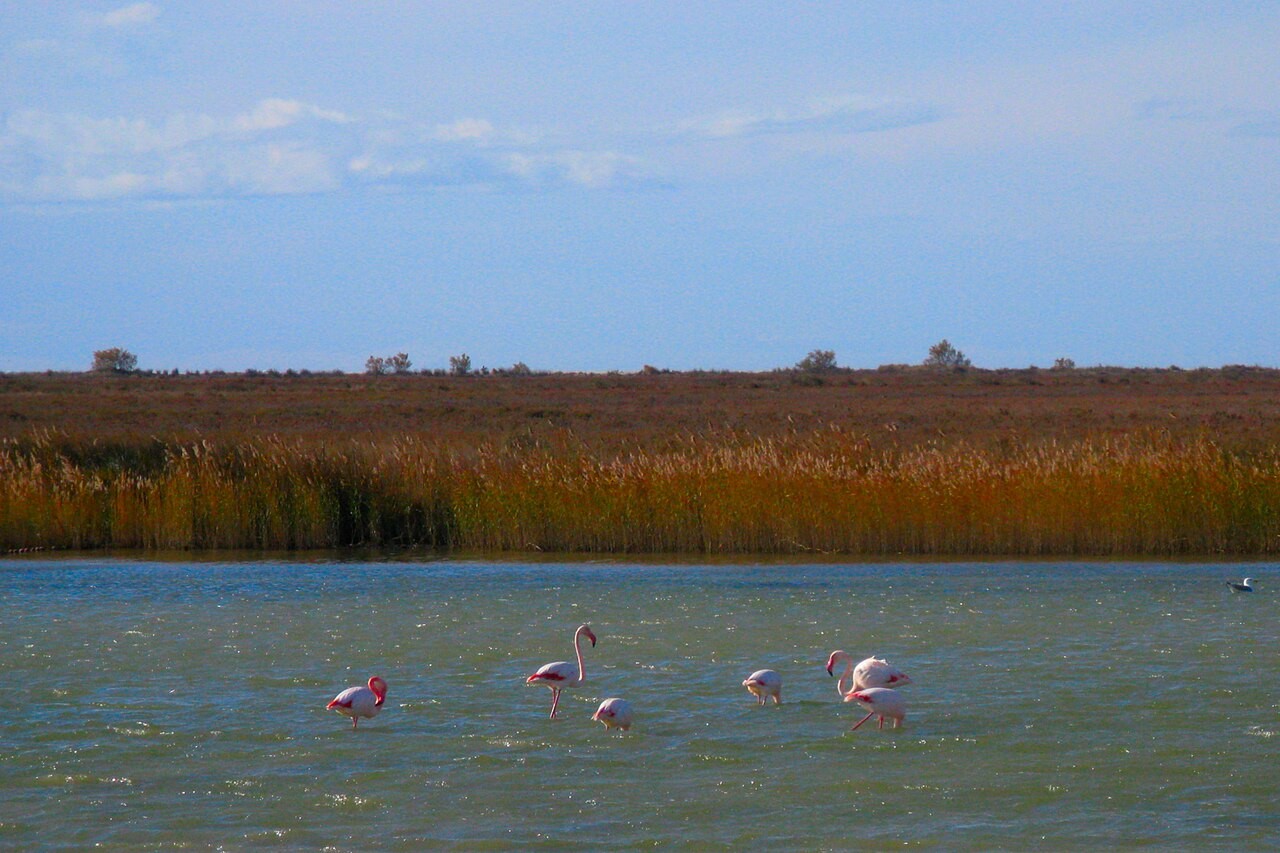
Flamingos in shallow water in the Camargue
Peter Broster · Source · CC BY 3.0

Camargue: lagoons, salt pans and rice fields

In the Rhône delta, fresh and salt water alternate. Lagoons, sansouires, rice fields, reedbeds and salt pans attract birds throughout the year. The open landscape makes larger species easy to spot, while water levels and salinity determine where flocks gather.

Characteristic species

  • Greater Flamingo
  • Black-winged Stilt
  • Avocet
  • Purple Heron
  • Glossy Ibis
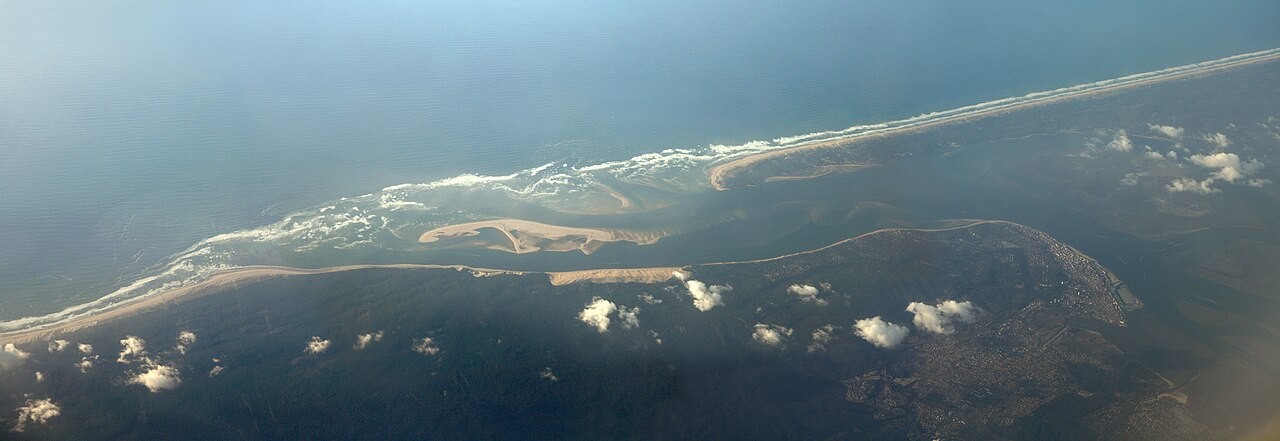
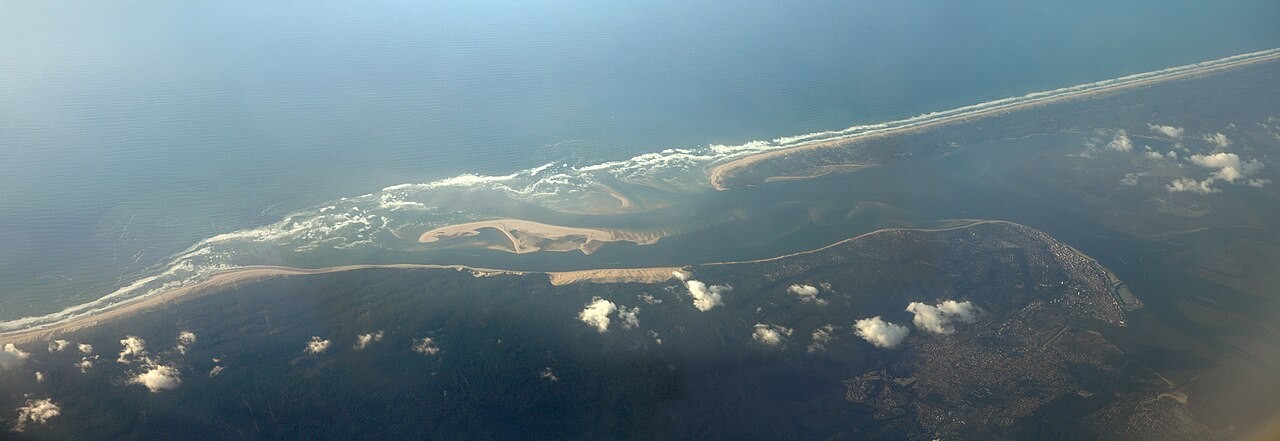
Bassin d'Arcachon on the Atlantic coast of France
Vertounoir · CC BY-SA 4.0

Atlantic estuaries, salt marshes and dunes

Along the Atlantic coast, bays, mudflats, dune valleys and estuaries form a chain of resting sites. Bassin d'Arcachon, Baie de Somme, Baie de l'Aiguillon and the marshes around the Loire are especially valuable during spring and autumn migration. At high tide, waders gather on safe roosting sites.

Characteristic species

  • Eurasian Spoonbill
  • Spotted Redshank
  • Bar-tailed Godwit
  • Great Tern
  • White Stork
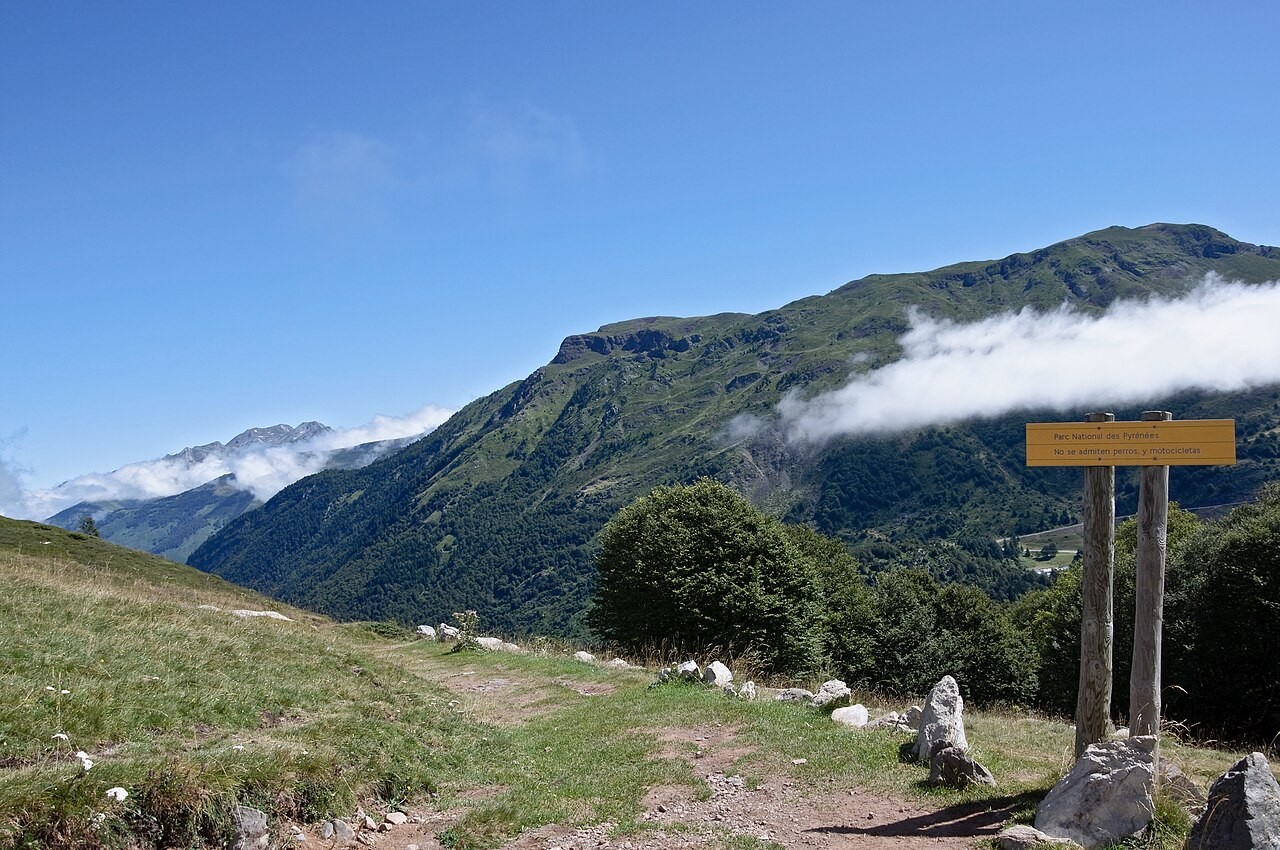
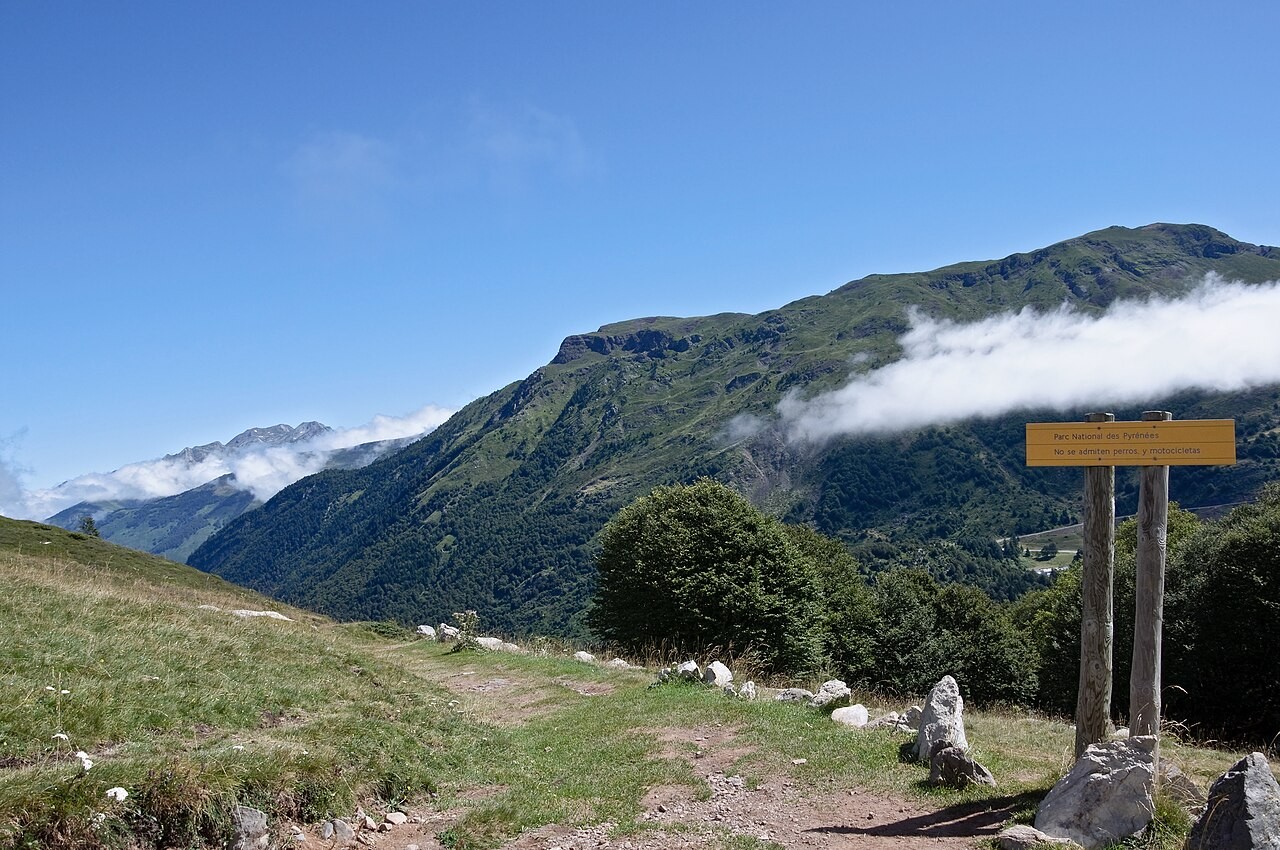
Mountain landscape in the Aspe Valley in Parc national des Pyrénées
Myrabella · CC BY-SA 3.0

The Pyrenees and Alps

In mountain regions, the birdlife changes with every hundred metres of elevation. Forest edges and valleys suit woodpeckers, owls and birds of prey; above the treeline, species of cliffs, scree slopes and alpine meadows come into view. Set out early and use thermals later in the morning to find large raptors.

Characteristic species

  • Griffon Vulture
  • Bearded Vulture
  • Golden Eagle
  • Wallcreeper
  • Alpine Chough
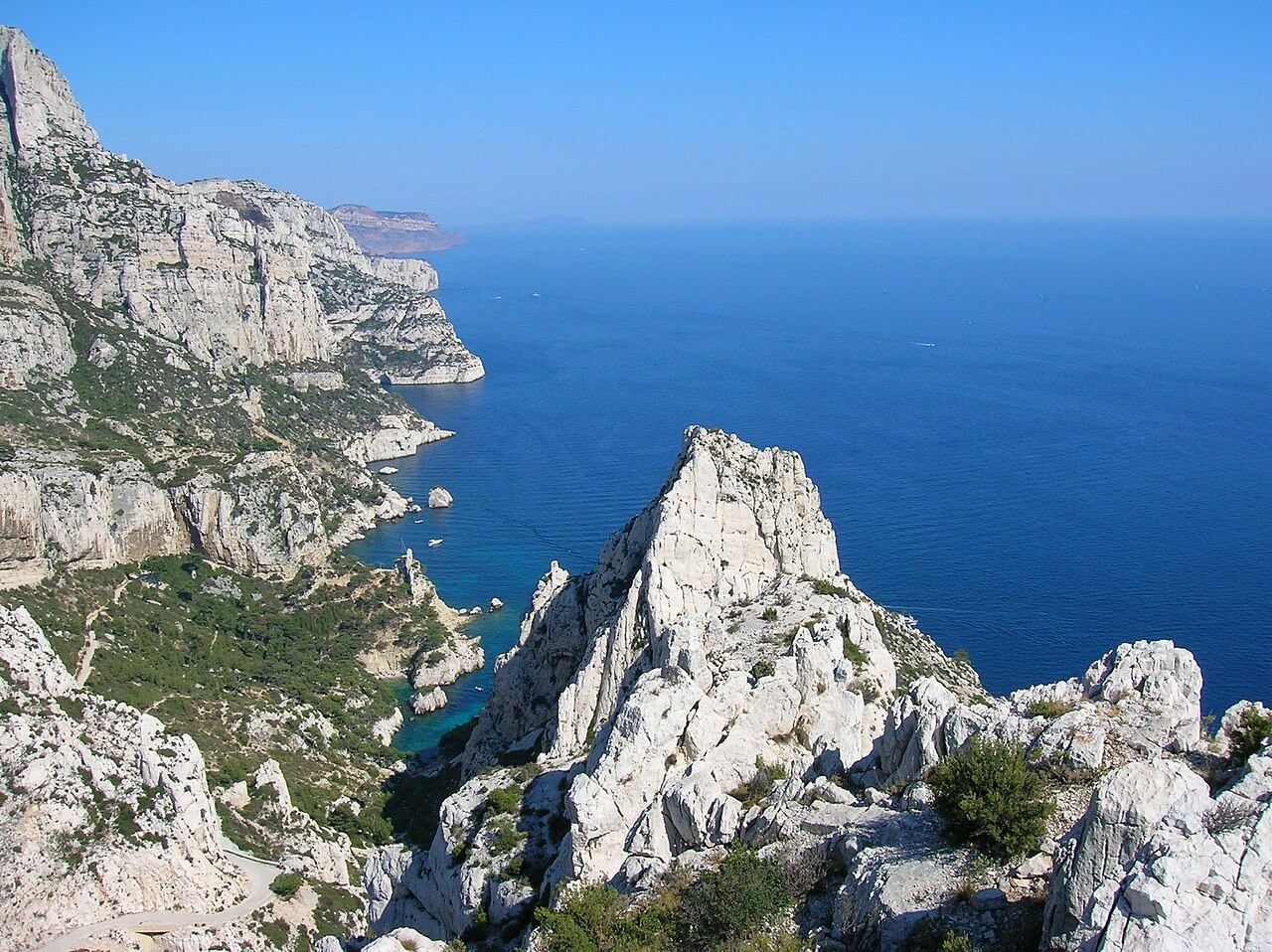
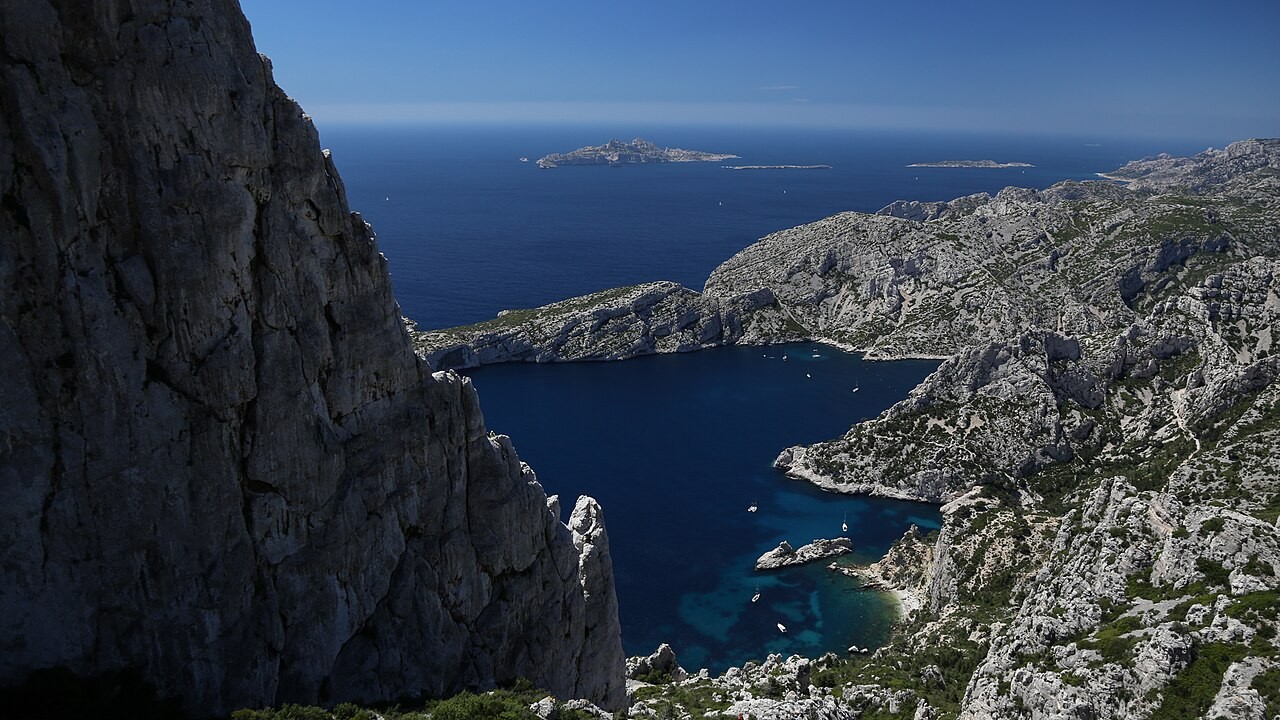
Rocky Calanques near Marseille on the Mediterranean coast
LPLT · CC BY-SA 3.0

Mediterranean cliffs and maquis

The Calanques, Provence and the Mediterranean islands have a dry climate, low scrub and steep cliffs. Here, you are less likely to find large groups of waterbirds and more likely to see species that favour open slopes, warm air currents and quiet ravines. Mornings are the most comfortable and often the most active time.

Characteristic species

  • Blue Rock Thrush
  • Short-toed Snake Eagle
  • Peregrine Falcon
  • Subalpine Warbler
  • Booted Eagle
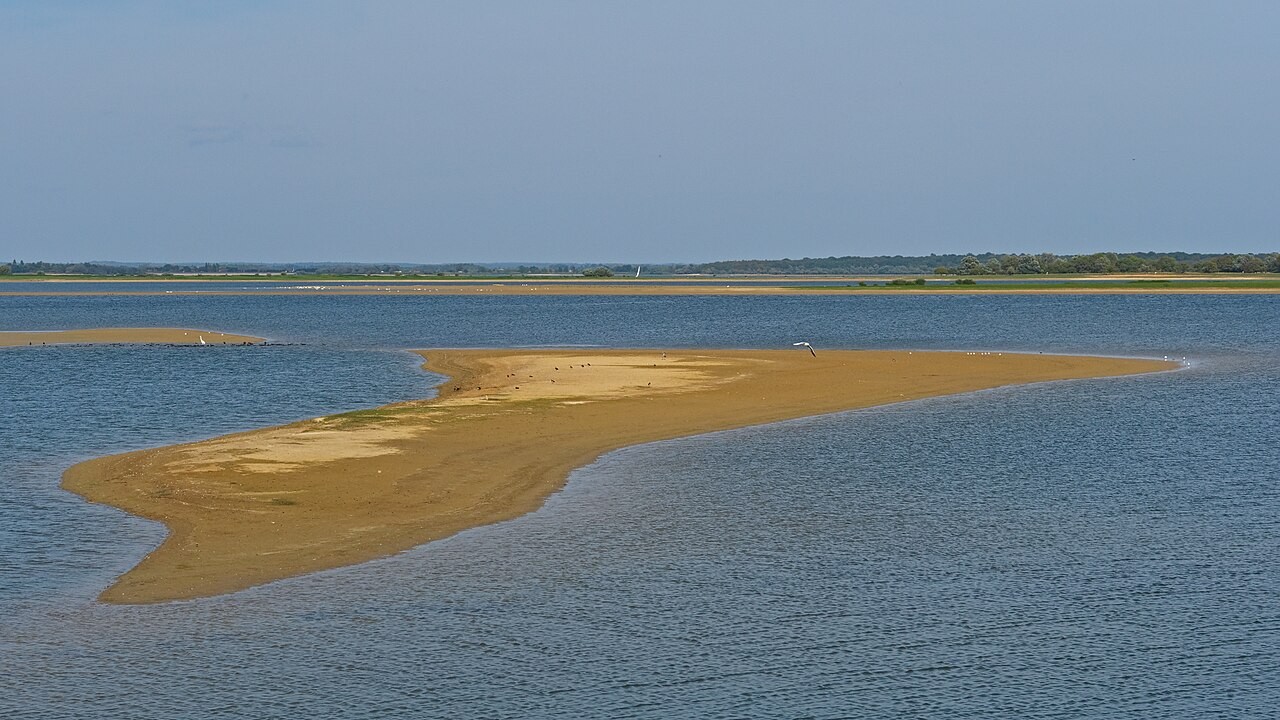
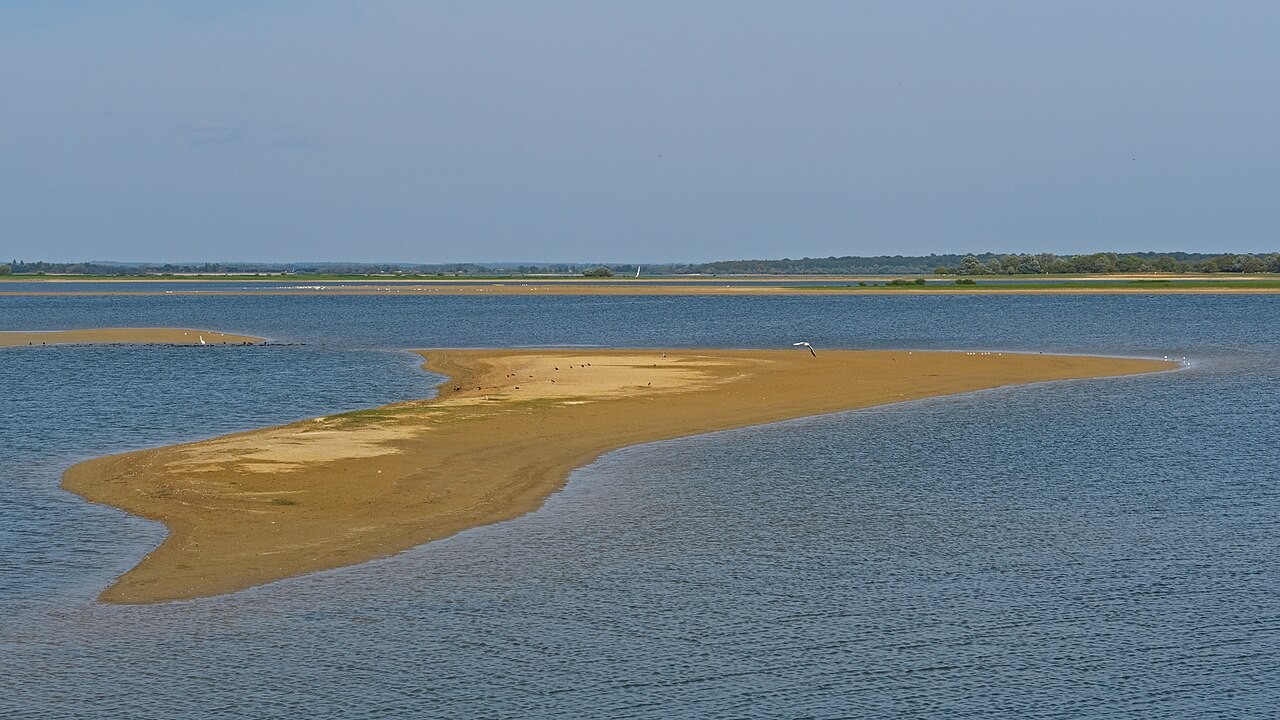
Open water and shores of Lac du Der-Chantecoq in Grand Est
Andreas Eichler · CC BY-SA 4.0

Large lakes, river valleys and floodplains

The large reservoirs and floodplains of northeastern France are important for waterbirds and cranes. Lac du Der is the best-known example, but Champagne humide and broad river landscapes also offer plenty of space for geese, ducks, herons and birds of prey in autumn and winter.

Characteristic species

  • Common Crane
  • White-tailed Eagle
  • Great Egret
  • Black Tern
  • Common Goldeneye
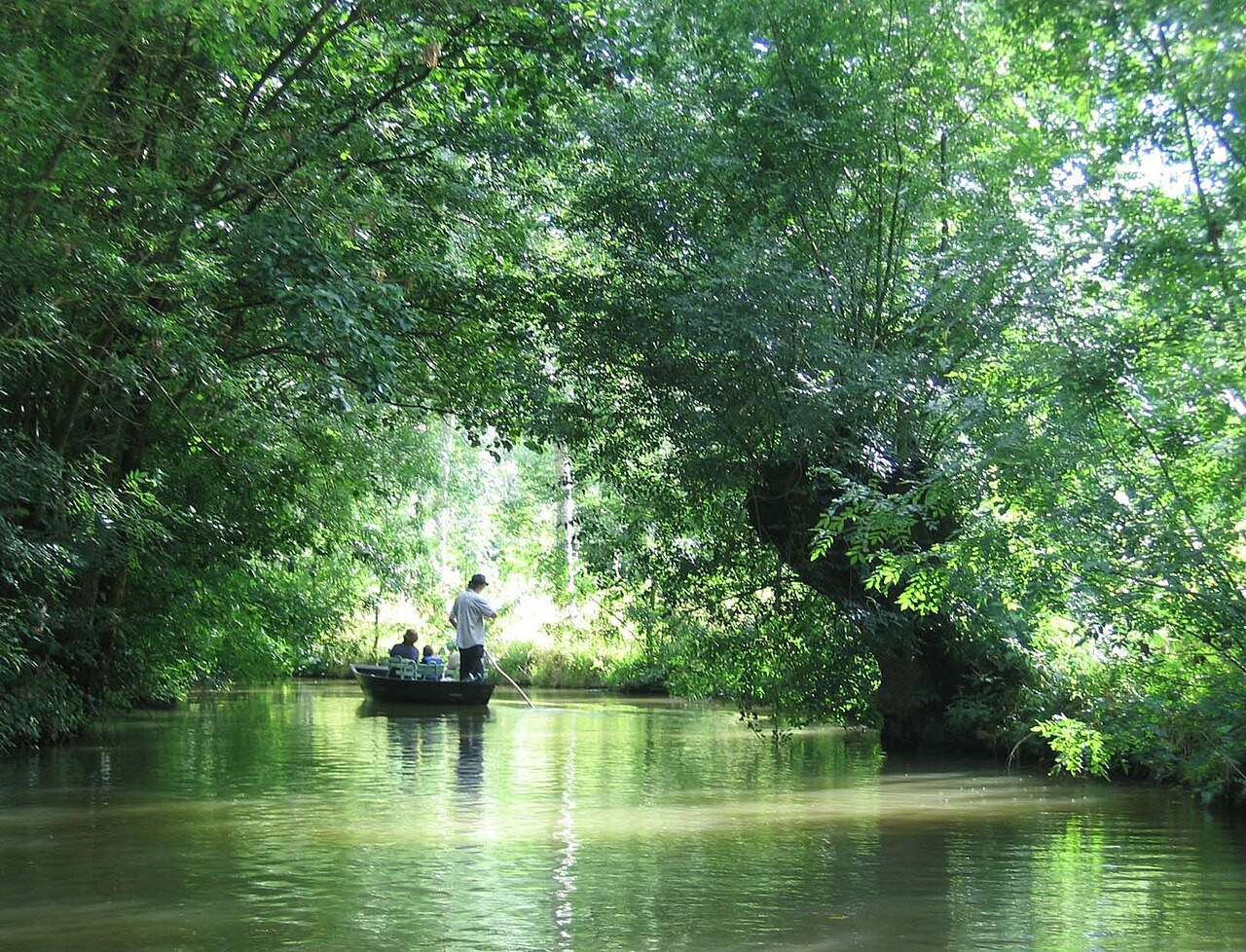
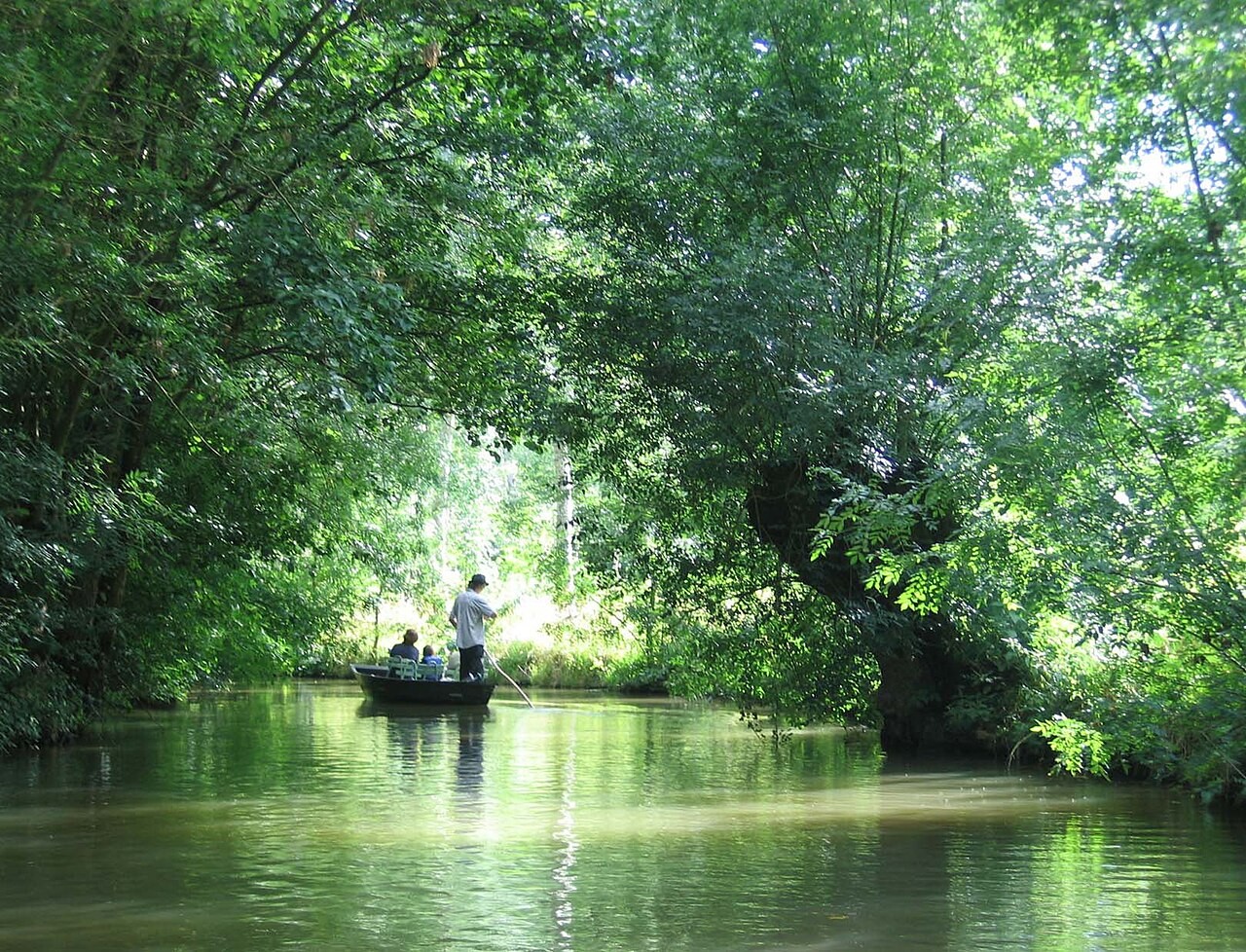
Green canal landscape in Marais Poitevin in western France
Gilbert Bochenek · CC BY 1.0

Bocage, lowland marshes and western wetlands

In Marais Poitevin and other western wetlands, canals, wet meadows, reedbeds and hedgerows create a fine-grained landscape. Birds are not always present in large flocks, but the mix of breeding birds, migrants and winter visitors makes a cycling or walking route especially varied.

Characteristic species

  • White Stork
  • Black-winged Stilt
  • Garganey
  • Bluethroat
  • Marsh Harrier

Birdwatching throughout the year

France bird calendar: what can you expect each season?

France does not have one single birding season. In January, Mediterranean waterbirds may winter in the Camargue, while snow and altitude shape conditions in the Pyrenees. In April and May, birdsong fills the landscape, autumn migration starts from August and large crane flocks arrive in the northeast in October and November.

WinterDecember to FebruarySpringMarch to MaySummerJune to AugustAutumnSeptember to November
  1. January

    Winter

    Winter birds in the Camargue and Champagne

    January is excellent for wintering ducks, geese, herons and flamingos. Large flocks gather on lagoons and salt pans in the Camargue. In Champagne humide, cranes, Common Goldeneyes and other waterbirds use open water and food-rich farmland.

    Recommended sitesCamargue, Lac du Der, Baie de Somme and the Atlantic estuaries.

  2. February

    Winter

    Cranes, raptors and the first returning birds

    The crane season continues at Lac du Der. In southern France, winter ducks and flamingos remain easy to find, while the first songbirds and birds of prey begin showing territorial behaviour in milder areas. Look for Hen Harriers over open marshes and farmland.

    Recommended sitesLac du Der, Camargue, Marais Poitevin and open landscapes around the Loire.

  3. March

    Spring

    Spring migration gets underway

    In March, coastal areas fill with the first migrants and birdsong and territorial behaviour increase. Waders and breeding waterbirds become active in the Camargue. Lower mountain valleys open up, although winter can still be firmly present on the higher passes.

    Recommended sitesBaie de Somme, Camargue, Marais Poitevin and the foothills of the Pyrenees.

  4. April

    Spring

    Songbirds and migrants along the coast

    April is an excellent month for birdsong and migration. Reedbeds are occupied by warblers and Bluethroats, while dunes and estuaries attract birds from northern Europe. In southern France, the first European Bee-eaters may arrive, especially when warm weather speeds up migration.

    Recommended sitesBassin d'Arcachon, Baie de Somme, Camargue, Brière and Marais Poitevin.

  5. May

    Spring

    Peak month for breeding and Mediterranean species

    Bird activity is at its highest in many places during May. Black-winged Stilts, Avocets and terns breed in wetlands, Bee-eaters hunt above warm sandy banks and mountain birds return to valleys and rocky slopes. Set out early before temperatures rise quickly in the south.

    Recommended sitesCamargue, Crau, Bassin d'Arcachon, Calanques and the lower Pyrenees.

  6. June

    Summer

    Young birds and raptors riding the thermals

    The breeding season is in full swing. Young herons and waders can be found in the marshes, while vultures and eagles use thermals above the Pyrenees, Cévennes and Baronnies. Early mornings are quieter and often best for birdsong in mountain areas.

    Recommended sitesPyrenees, Cévennes, Baronnies, Camargue and the Alps.

  7. July

    Summer

    Quiet morning walks in wetlands and mountains

    July calls for an early start. Southern France becomes hot around midday, but flamingos, herons, terns and Bee-eaters are active in the morning. Alpine meadows in the Alps and Pyrenees are accessible, with Alpine Choughs, Rock Thrushes and raptors all possible.

    Recommended sitesRéserve du Teich, Camargue, Parc national des Pyrénées and Vanoise.

  8. August

    Summer

    Autumn migration begins along the coast

    From August onwards, the first waders and other migrants return to Atlantic bays and Mediterranean wetlands. Young birds are less secretive, while Great Terns, Black-headed Gulls, Avocets and herons gather at suitable roosts. Wind direction can strongly influence migration.

    Recommended sitesBaie de Somme, Bassin d'Arcachon, Baie de l'Aiguillon and Camargue.

  9. September

    Autumn

    Autumn migration over estuaries and mountain passes

    September is a broad migration month. Coastal areas receive waders, terns and songbirds, while raptors may travel along mountain ranges. Bee-eaters often remain in the south into September. Look for open viewpoints and plan several habitats in one day.

    Recommended sitesBaie de Somme, Calanques, Pyrenees, Camargue and the Atlantic coast.

  10. October

    Autumn

    Cranes arrive at Lac du Der

    October is one of the best months to experience bird migration in France. The first large crane flocks arrive in Champagne, while coastal areas fill with ducks, waders and passing songbirds. Around sunrise, departing cranes are at their most impressive.

    Recommended sitesLac du Der, Baie de Somme, Marais Poitevin and the Camargue.

  11. November

    Autumn

    Large flocks of winter birds

    Winter visitors arrive in November and the crane season at Lac du Der often reaches a peak. Ducks and flamingos increase in the Camargue. Along the coast, high tide and wind can produce excellent chances for large flocks of waders and roosting seabirds.

    Recommended sitesLac du Der, Camargue, Baie de Somme, Marais Poitevin and Bassin d'Arcachon.

  12. December

    Winter

    Flamingos, geese and cranes

    December is a strong month for wintering waterbirds. Flamingos and ducks are easy to find in the Camargue, geese and waders gather in northern and western France, and cranes remain at Lac du Der. Open water and undisturbed roosts are key.

    Recommended sitesCamargue, Lac du Der, Baie de Somme, Baie de l'Aiguillon and Brenne.

Seasonal information and site examples: Parc naturel régional de Camargue, Office de tourisme Lac du Der, Parc du Marquenterre, Réserve ornithologique du Teich and Parc naturel régional du Marais poitevin.

Birding sites in France

The best birding sites in France: where can you go birdwatching?

From flamingos in the Camargue to cranes at Lac du Der and vultures above the Pyrenees, France has birding sites for every kind of birder. This selection combines well-known nature areas with good visitor facilities, clear viewing points and strong chances of finding characteristic species.

Flamingos on a lagoon in the Camargue
Photo: Compo, Wikimedia Commons · CC BY-SA 4.0

Provence and southern France

Lagoon · salt pan · reedbed

The Camargue

Pont de Gau, La Capelière, Vigueirat and the Étangs

For many birders, the Camargue is the first place that comes to mind when thinking about birdwatching in France. In the open delta landscape, flamingos, Black-winged Stilts, Avocets, herons and ducks are relatively easy to find. Combine Parc ornithologique du Pont de Gau with La Capelière or Marais du Vigueirat. Many areas are private or sensitive, so stay on marked routes and check access arrangements in advance.

Look for
Greater Flamingo, Black-winged Stilt, Glossy Ibis, Purple Heron and European Bee-eater.
Plan around
Early morning, water levels, summer heat and local access rules.
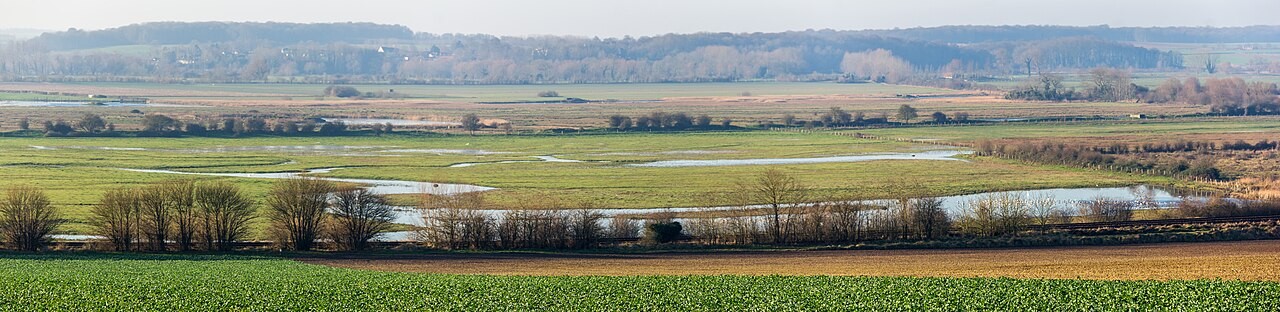
Salt marsh in Baie de Somme near Noyelles-sur-Mer
Photo: Raimond Spekking, Wikimedia Commons · CC BY-SA 4.0

Hauts-de-France

Mudflat · dune · polder

Baie de Somme and Parc du Marquenterre

One of northern France's best-known migration areas

Baie de Somme is an excellent destination if you want to see many species without long mountain hikes. At Parc du Marquenterre, paths and hides run alongside pools, reedbeds, dunes and grasslands. The bay provides feeding grounds for waders at low tide and safe roosts at high tide. More than 300 bird species have been recorded in the park, with major differences between the breeding season, migration and winter.

Look for
Eurasian Spoonbill, Avocet, Spotted Redshank, Bar-tailed Godwit and Bearded Reedling.
Plan around
A full morning or day, the tide in the bay and the park's opening hours.
Landscape around Lac du Der-Chantecoq in Grand Est
Photo: Andreas Eichler, Wikimedia Commons · CC BY-SA 4.0

Grand Est

Large lake · farmland · marsh

Lac du Der-Chantecoq

France's best destination for cranes

Lac du Der is one of the most accessible major birding sites in France. According to regional visitor information, the lake and surrounding wetlands attract more than 310 bird species. The area has several observatories and routes along the dikes. Crane migration is the main attraction, but herons, ducks, terns and birds of prey can also be found in summer and winter.

Look for
Common Crane, Common Goldeneye, White-tailed Eagle, Great Egret and Black Tern.
Plan around
Mid-October to mid-March, with the first hours of the day best for departing cranes.
Canals and green marshes in Marais Poitevin
Photo: Gilbert Bochenek, Wikimedia Commons · CC BY 1.0

Vendée, Charente-Maritime and Deux-Sèvres

Marsh · canal · coastal bay

Marais Poitevin and Baie de l'Aiguillon

Western France for migrants, storks and waders

Marais Poitevin consists of wet meadows, canals, hedgerows and coastal marshes. Large numbers of waterbirds gather in and around Baie de l'Aiguillon. Réserve naturelle nationale Michel Brosselin near Saint-Denis-du-Payré is set up for quiet observation and can only be visited with a guide. For more independent exploring, the regional park has several viewing platforms and walking and cycling routes.

Look for
White Stork, Black-winged Stilt, Garganey, Eurasian Spoonbill and Spotted Redshank.
Plan around
Spring and autumn for migration, winter for waterbirds, and book guided reserves in advance.
Bassin d'Arcachon on the Atlantic coast of France
Photo: Vertounoir, Wikimedia Commons · CC BY-SA 4.0

Gironde and Nouvelle-Aquitaine

Lagoon · salt marsh · reedbed

Réserve ornithologique du Teich

An accessible birding site on Bassin d'Arcachon

Réserve ornithologique du Teich is particularly suitable for birders who want to see many species on a compact, well-designed trail. A roughly 6-kilometre loop leads past twenty hides and several elevated viewpoints. The reserve includes reedbeds, prairies, marshes and lagoons. At high tide, birds are closer to the viewing points, while spring and autumn migration bring extra variety.

Look for
Eurasian Spoonbill, Little Egret, Avocet, Spotted Redshank and White Stork.
Plan around
Three to four hours for the full loop, ideally around high tide, with a guide booked in advance.
Rocky Calanques near Cassis in southern France
Photo: Tom Chirossel, Wikimedia Commons · CC BY-SA 4.0

Bouches-du-Rhône

Cliff · maquis · sea

Parc national des Calanques

Mediterranean coastal birds between Marseille and Cassis

The Calanques are not a classic wetland, but they are interesting for their combination of high limestone cliffs, scrub and warm air currents. In the early morning, look for Peregrine Falcons, Blue Rock Thrushes and Mediterranean warblers. Short-toed Snake Eagles and other raptors may appear above the slopes. Check access restrictions, fire risks and walking routes in advance, especially during the hot summer months.

Look for
Blue Rock Thrush, Peregrine Falcon, Short-toed Snake Eagle, Booted Eagle and Subalpine Warbler.
Plan around
Early morning, cool weather, access rules and fire safety measures.
Mountain valley in Parc national des Pyrénées near the Aspe Valley
Photo: Myrabella, Wikimedia Commons · CC BY-SA 3.0

Occitanie and Nouvelle-Aquitaine

Mountain valley · cliff · forest

Parc national des Pyrénées

Griffon Vultures, mountain birds and spectacular views

In the Pyrenees, you can see large birds of prey from accessible valleys, while higher routes produce cliff and alpine meadow species. Griffon Vultures are often found by slowly scanning for circling birds above slopes and gorges. The Ossau and Aspe valleys are well-known starting points, but many species require patience, good weather and a solid hike.

Look for
Griffon Vulture, Egyptian Vulture, Golden Eagle, Alpine Chough and Wallcreeper.
Plan around
Thermals from late morning, hiking fitness, the weather forecast and local park rules.
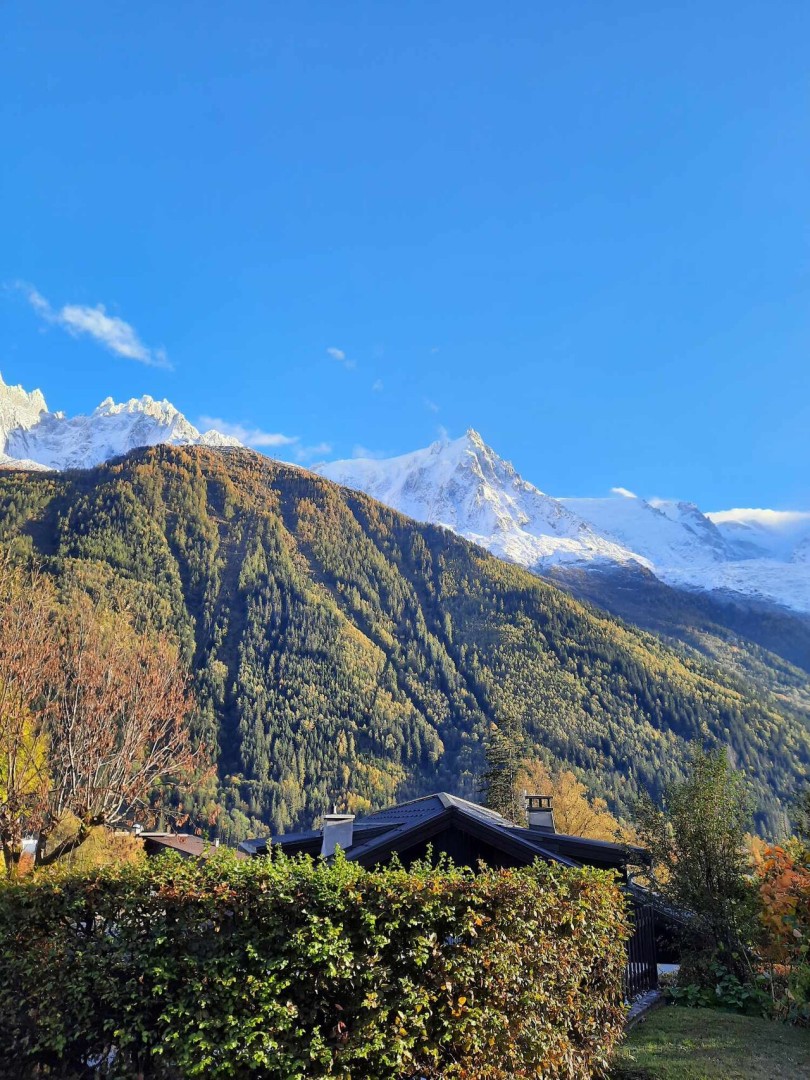
French Alps with high peaks and mountain scenery
Photo: Orgio89, Wikimedia Commons · CC0 1.0

Savoie and the French Alps

Alpine meadow · cliff · conifer forest

Parc national de la Vanoise

Alpine Choughs, eagles and birds above the treeline

Vanoise is a good choice if you want to combine birdwatching with a classic mountain holiday. Valleys hold forest birds and woodpeckers, while Alpine Choughs, Golden Eagles and cliff birds appear higher up. Walking routes and mountain lifts provide access to several altitude zones, but conditions can change quickly. Also watch for migration along passes and ridges.

Look for
Alpine Chough, Golden Eagle, Rock Thrush, Black Woodpecker and sometimes Bearded Vulture.
Plan around
June to September, stable weather, an early start and confirmed mountain access.

Popular birds of France

Five remarkable French birds and where to see them

From the pink flamingo in the Camargue to the crane at Lac du Der, France has species that make every birding trip extra special. These five birds are distinctive, closely linked to characteristic French landscapes and realistic to find with good planning.

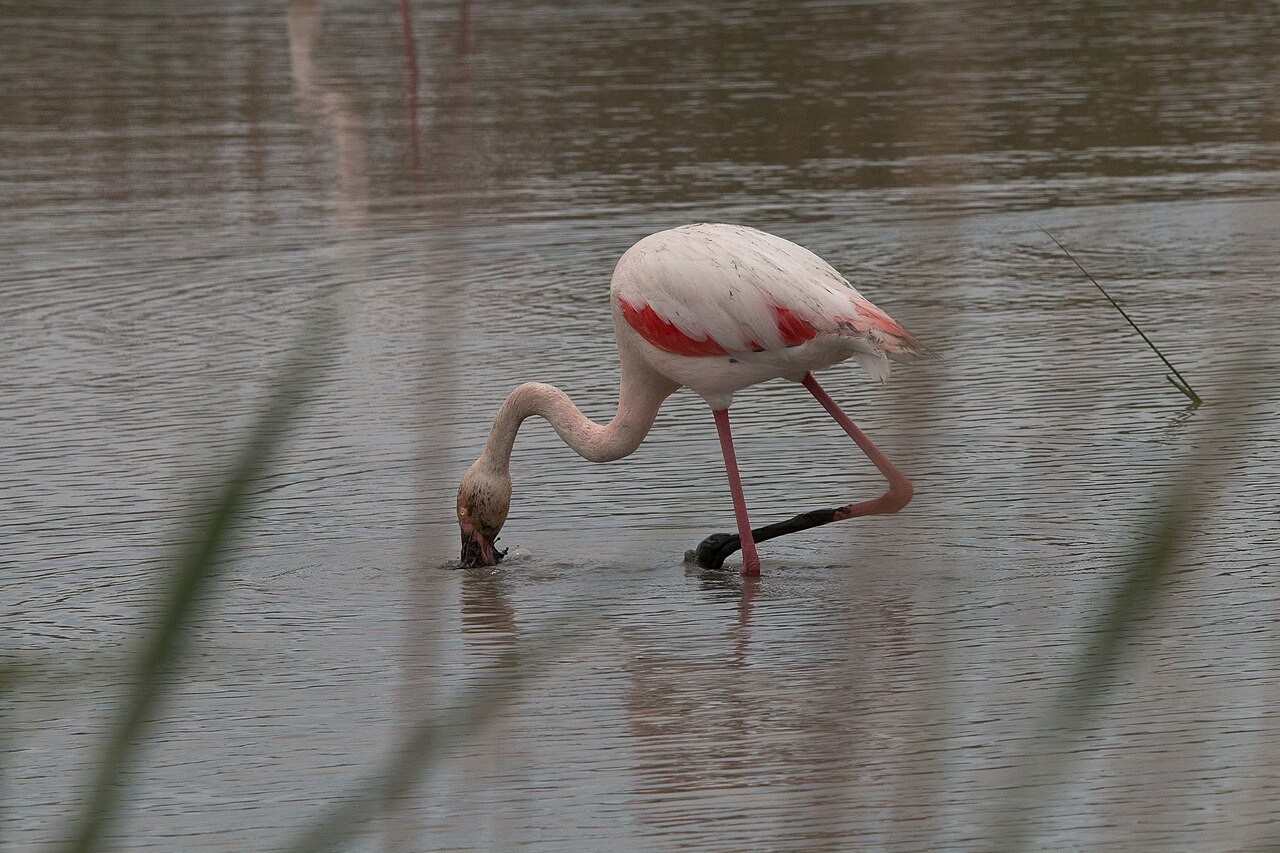
  1. Flamingo in the Camargue in southern France
    Photo: Ducrot Nathalie, Wikimedia Commons, CC BY-SA 4.0

    Greater Flamingo

    The flamingo is the best-known bird of the Camargue and one of France's most recognisable species. In shallow water, flocks use their distinctive bills to search for food. The combination of pink birds, blue lagoons and white salt pans makes this a species you will not want to miss on a birding trip through southern France.

    Where can you see flamingos in France?

    • Camargue: lagoons, salt pans and rice fields around Saintes-Maries-de-la-Mer and Salin-de-Giraud
    • Pont de Gau: an accessible site with walking trails and good chances of seeing different ages and plumages
    • La Capelière and the Étangs: use official routes and respect closed areas around breeding colonies
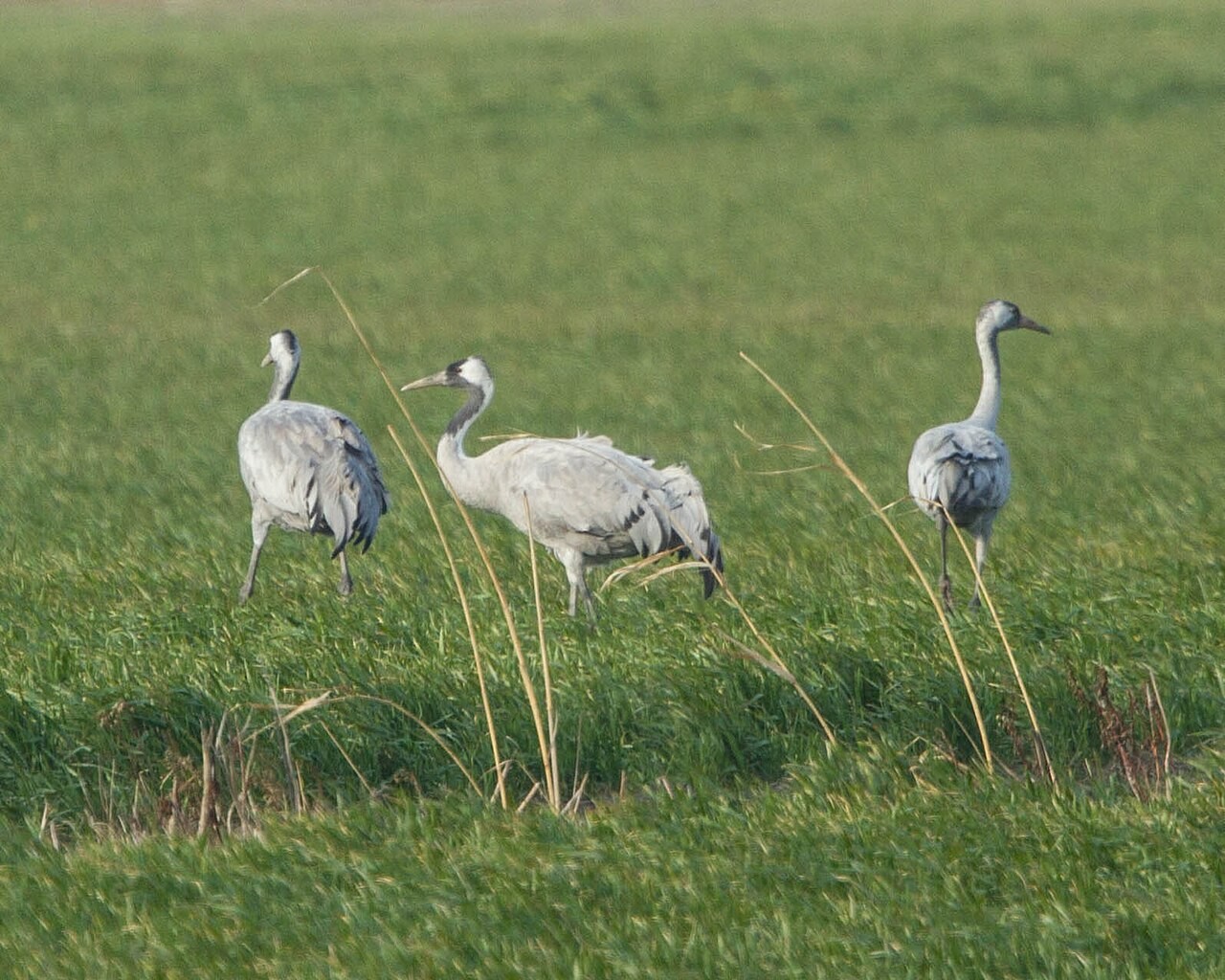
  2. Common Crane in southern France
    Photo: Ron Knight, Wikimedia Commons, CC BY 2.0

    Common Crane

    The Common Crane is famous for its loud call and enormous formations above the French landscape. Lac du Der is the classic destination, where birds leave their roosts at sunrise. You can often hear them before the first flock comes into view.

    Where can you see cranes in France?

    • Lac du Der-Chantecoq: roughly mid-October to mid-March, with observatories around the lake and along the dikes
    • Champagne humide: surrounding lakes, farmland and wetlands are used for feeding
    • Camargue and Marais Poitevin: smaller numbers can be seen in winter and during migration
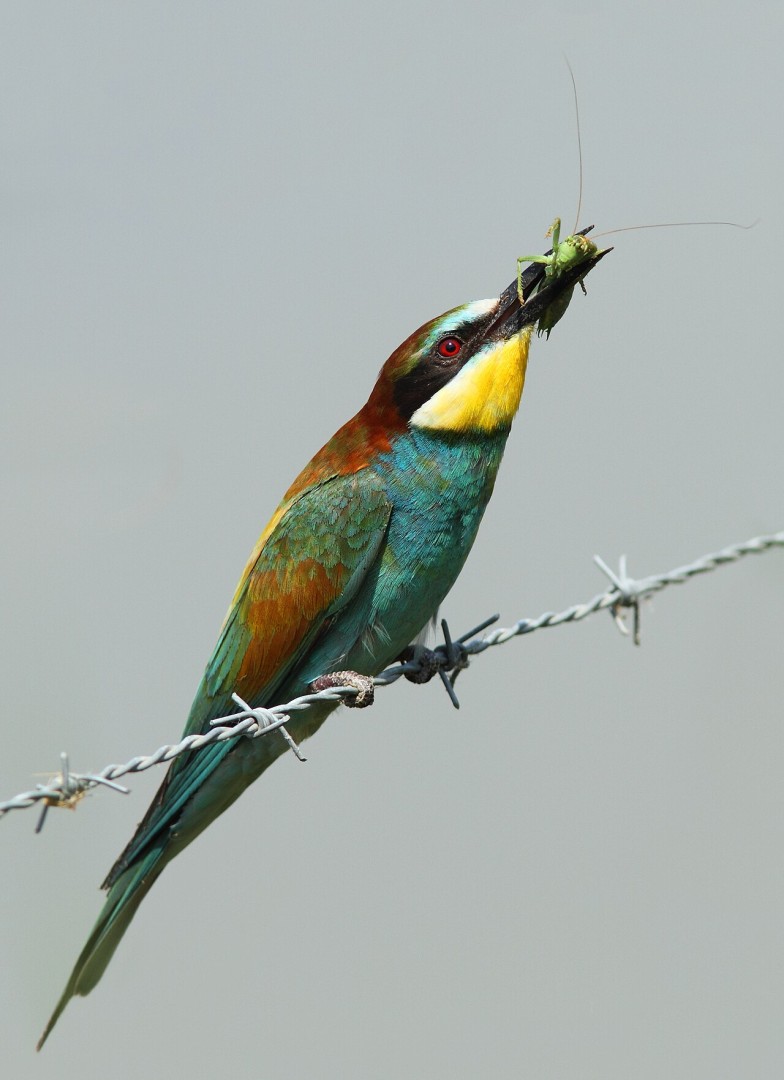
  3. European Bee-eater with prey in the Camargue
    Photo: Bouke ten Cate, Wikimedia Commons, CC BY-SA 4.0

    European Bee-eater

    With its red, yellow and turquoise colours, the European Bee-eater is one of France's most spectacular summer birds. It hunts from bare branches or wires and repeatedly returns to a favourite lookout. The species is local and seasonal, but southern France offers good chances if you are in the right place at the right time.

    Where can you see Bee-eaters in France?

    • Camargue: especially around Marais du Vigueirat, Crau and other warm open areas with sandy banks
    • Provence and Occitanie: look for colonies along rivers, gravel pits and steep sandy banks
    • Marshes and river areas: May to August is the best period, with extra chances early in the morning
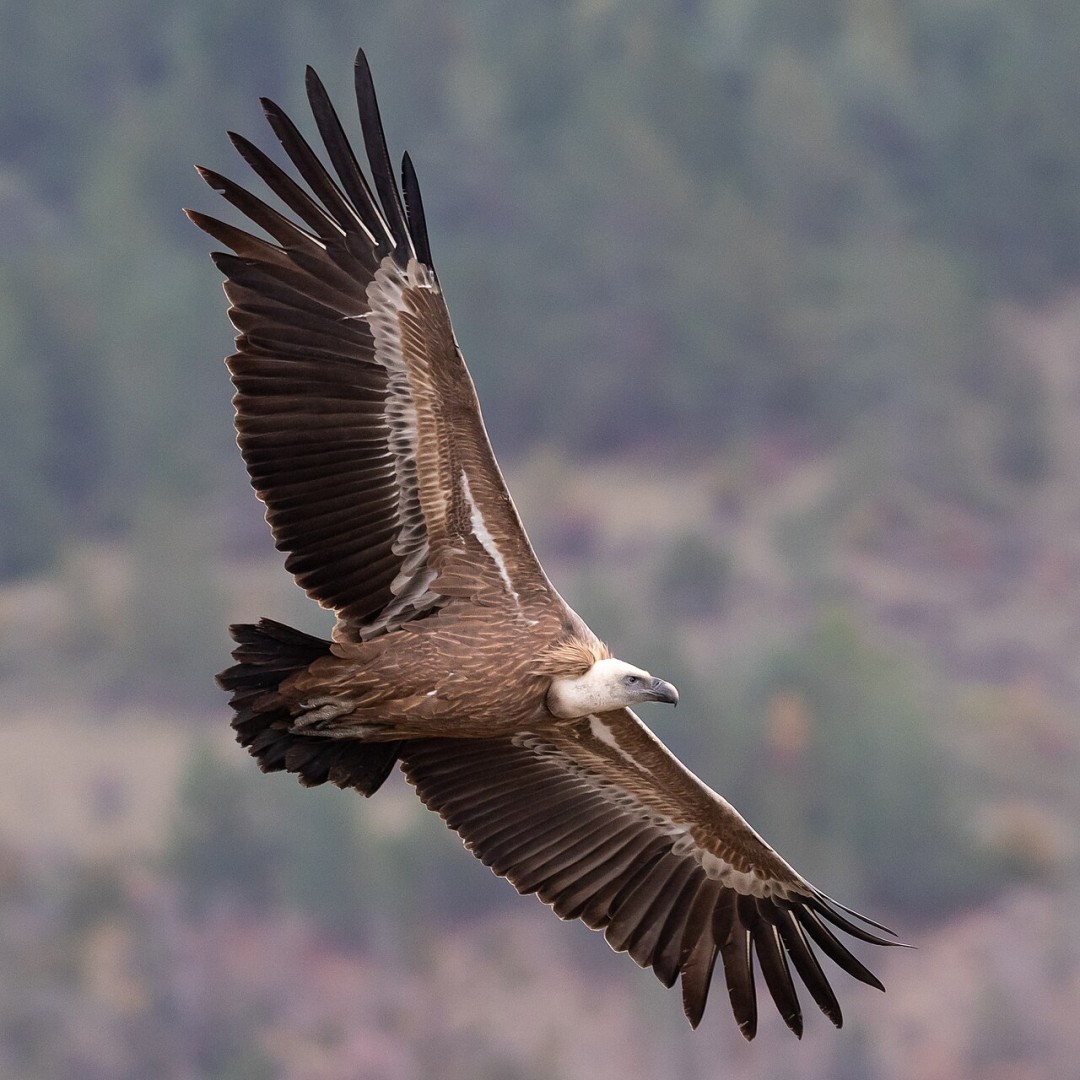
  4. Griffon Vulture above Parc naturel régional des Baronnies provençales
    Photo: Scarabinol, Wikimedia Commons, CC BY 4.0

    Griffon Vulture

    The Griffon Vulture is one of the most impressive birds of prey you can see in France. Its broad wings, short tail and slow circles make it easy to recognise against a blue sky. Unlike many rare mountain birds, Griffon Vultures are fairly reliable at suitable sites, especially once thermals begin to rise.

    Where can you see Griffon Vultures in France?

    • Parc national des Pyrénées: the Ossau and Aspe valleys are well-known areas for colonies and passing birds
    • Grands Causses and Parc national des Cévennes: look above gorges, limestone plateaus and extensively grazed landscapes
    • Baronnies provençales: around Rémuzat, colonies and thermal slopes are well known among birders
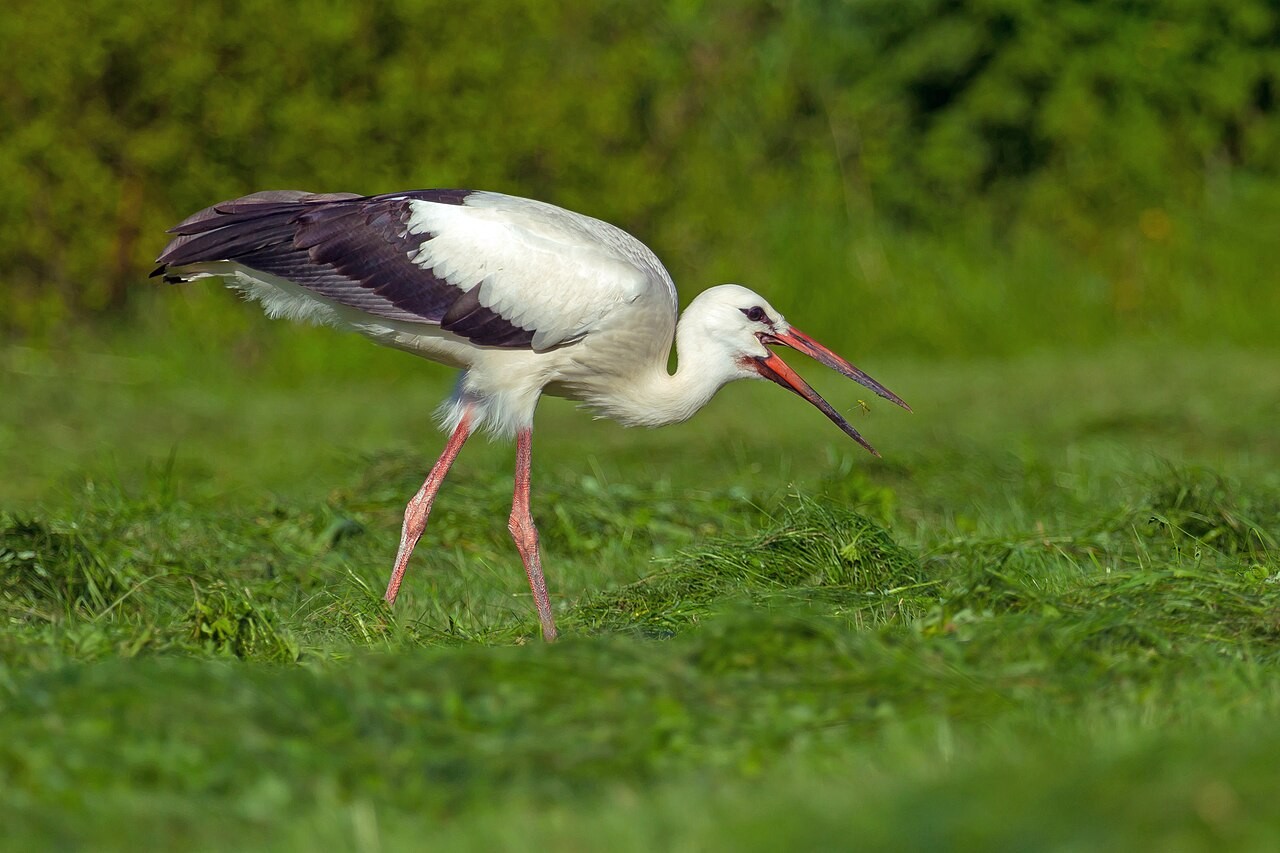
  5. White Stork in flight
    Photo: Andreas Trepte, Wikimedia Commons, CC BY-SA 2.5. Required credit: Andreas Trepte, www.avi-fauna.info.

    White Stork

    The White Stork is part of the rural landscape of Alsace and is also a striking presence in several French wetlands. Look for nests on roofs and tall trees, but also watch wet meadows for feeding birds. In spring and summer, adults and young birds can often be seen together.

    Where can you see White Storks in France?

    • Alsace: villages and stork centres in Bas-Rhin and Haut-Rhin are the best-known starting points
    • Bassin d'Arcachon: Réserve ornithologique du Teich offers good chances in a compact wetland
    • Marais Poitevin and Atlantic wetlands: look along wet meadows, ditches and quiet village edges

Helpful tips and information

Practical questions about birdwatching in France

Want to know which are the best birding sites in France, when to see flamingos or cranes and which nature areas are suitable for a first birding trip? Below you will find practical answers about seasons, transport, reservations, mountain birds and planning your own route.

For a first birding trip, the Camargue, Baie de Somme with Parc du Marquenterre and Lac du Der are the most logical starting points. They combine high species diversity with official walking routes, observatories and visitor information. The Camargue is especially good for flamingos, herons and Mediterranean waterbirds. Baie de Somme is excellent for waders and migrants. Lac du Der is the classic destination for cranes.

If you mainly want to see mountain birds, choose the Pyrenees, Cévennes or French Alps. For a compact day route with plenty of viewing opportunities, Réserve ornithologique du Teich near Bassin d'Arcachon is particularly suitable. Check the official visitor information for Parc de Camargue, Parc du Marquenterre and Lac du Der before you go.

April and May are usually the best months for songbirds, breeding behaviour and spring migration. September and October are excellent for autumn migration along the coast and in wetlands. For cranes at Lac du Der, the best period runs roughly from mid-October to mid-March, with large numbers in autumn and winter. The Camargue is interesting all year, but winter and spring often offer a good combination of flamingos, ducks, waders and breeding birds.

For mountain birds, June to September is usually the most accessible period because higher routes are more often free of snow. Southern France is hot during the day in July and August, so an early start is essential. In FaunaMap, first choose your site and then check which species are historically and currently expected there each month.

The best place to see flamingos in France is the Camargue, the large Rhône delta. Look around lagoons, salt pans and shallow water near Saintes-Maries-de-la-Mer and Salin-de-Giraud. Parc ornithologique du Pont de Gau is an accessible choice for visitors who want to see flamingos at close range without entering sensitive breeding areas.

Flamingos can also be found around La Capelière, Étang de Vaccarès and several coastal sites. Numbers and locations change with water levels, food availability and season. Always stay on official paths and keep your distance from colonies. Parc naturel régional de Camargue describes the main birding sites and visitor rules.

At Lac du Der, cranes can usually be seen from around mid-October to mid-March. Autumn migration starts in October and can bring large numbers in November. Many birds remain in Champagne humide during winter when food and open water are available. In February and March, the last groups leave for the north.

The best experience is often at sunrise. Cranes spend the night at quiet roosts and then fly to surrounding farmland. Use official observatories and dikes, stay on public roads and do not drive towards flocks on farmland. Check current route and birdwatching guidance from the Lac du Der tourist office.

Yes, but you need to choose your destination carefully. Le Teich on Bassin d'Arcachon is one of the most practical options because you can travel from an urban area to a compact birding site with a marked trail. Baie de Somme is also possible by train towards Noyelles-sur-Mer or Rue, followed by local transport, cycling or an organised excursion.

For the Camargue, Arles can be used as a base, but the best birding sites are spread out and the final kilometres often require a bicycle, taxi or excursion. Lac du Der and the Pyrenees are possible without a car, but less straightforward because of the distances between stations, villages and viewing points. Always plan the final connection in advance using the official visitor information for your chosen site.

It depends on the site. At Réserve ornithologique du Teich, you can walk independently, but guided tours and special activities require a reservation. Parc du Marquenterre has admission, opening hours and a programme of guided excursions. Sensitive reserves such as parts of the Camargue and Réserve naturelle nationale Michel Brosselin in Marais Poitevin can only be visited on designated routes or with a guide.

Before leaving, always check opening hours, admission fees, temporary closures, dog rules and booking requirements. This is not only practical, it also prevents you from entering resting areas or breeding colonies. For current information, use the site manager's website, such as Réserve du Teich or Parc naturel régional du Marais poitevin.

The Pyrenees are one of the best areas for Griffon Vultures, especially in broad valleys and around cliffs where colonies breed. Grands Causses and Parc national des Cévennes are also strong for Griffon Vultures and sometimes Cinereous Vultures. In the Baronnies provençales near Rémuzat, vultures are often easy to see thanks to the combination of cliffs and thermals.

On sunny days, look from late morning for large birds circling slowly. A telescope is useful, but binoculars are often enough to recognise the characteristic wing shape. Do not approach nesting cliffs and follow closures during the breeding season. Parc national des Pyrénées provides background information about habitat and protection.

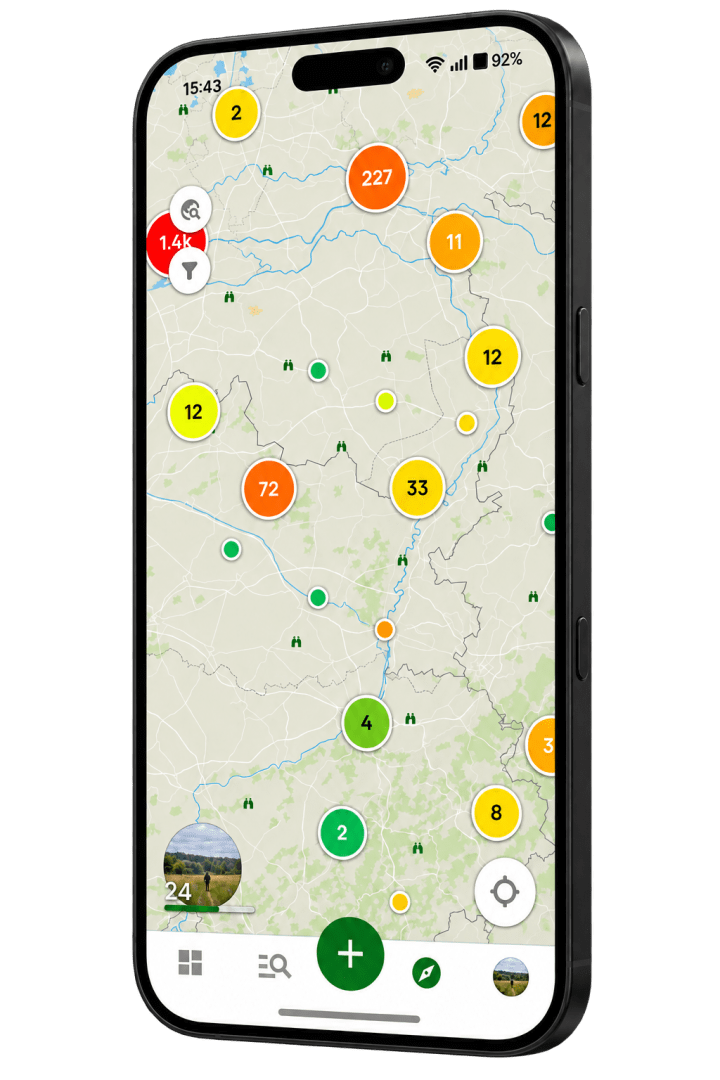
In FaunaMap, you can find recent bird sightings in France on an interactive map. Choose a site or birdwatching location in advance, explore hotspots and see which species are expected based on historical data for a location. This is useful when planning a route through places such as the Camargue, Baie de Somme or Lac du Der.

After your trip, you can keep track of your own sightings and bird list. This brings preparation, fieldwork and reviewing your observations together in one place, without having to switch between different sources.

View recent sightings in FaunaMap

Discover more while birdwatching

  • See recent bird sightingsSee which birds have recently been spotted near you.
  • Explore biodiverse nature areasFind the best places to spot birds and other wildlife.
  • Find sightings by speciesQuickly find sightings of the bird species you want to see.