Birding areas · migratory birds · bird species

Birdwatching in Belgium: the best birding sites by season

Birdwatching in Belgium means moving between the North Sea coast, polders, the Scheldt Valley, heathland, low-lying marshes and Ardennes forests within a short distance. Discover where to go birding, which Belgian nature reserves are easy to reach and which bird species you can expect each month.

  • Expected bird species by location
  • Birding hotspots worldwide
  • Keep your own species list
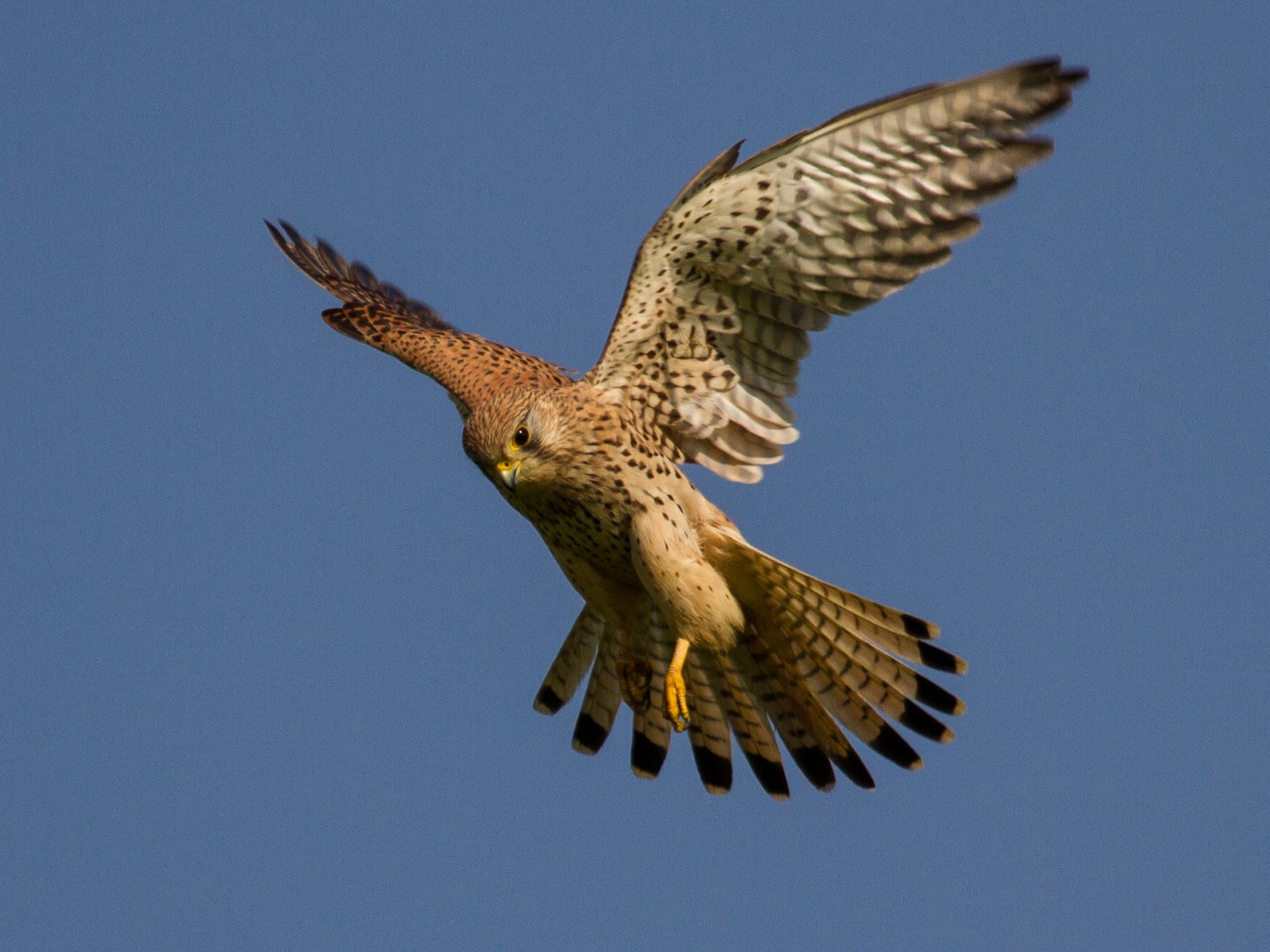
Common kestrel flying against a blue sky
Belgium's national birdThe common kestrel
Photo: Вых Пыхманн · Wikimedia Commons · CC BY-SA 3.0.

Why go birdwatching in Belgium?

Belgium is small, but remarkably diverse for birdwatchers

If you want to go birdwatching in Belgium, you do not need to travel far to reach a completely different landscape. Along the coast you will find mudflats, salt marshes and wet polders, while further inland you quickly reach river valleys, low-lying marshes, heathland and extensive forests.

The Belgian coast and the Scheldt estuaries lie on an important migration route. During migration, waders, terns and songbirds gather in nature reserves such as Het Zwin, Uitkerkse Polder and the Yser Estuary. In winter, shallow water, grasslands and sheltered pools attract large groups of ducks, geese and waders.

Further east, the birdlife changes again. In the Dijle Valley, Mechels Broek and Bourgoyen-Ossemeersen, you can find wetlands close to major cities. Kalmthoutse Heide, Hoge Kempen and the High Fens offer opportunities to see heathland birds, woodpeckers, birds of prey and specialist species of raised bogs.

Landscapes and biodiversity

Belgium's most important bird habitats

When birdwatching in Belgium, paying attention to habitat, water levels and season increases your chances of finding the right species. Together, these six landscape types form the foundation of Belgium's birding landscape.

Mudflats and salt marshes in Het Zwin nature reserve on the Belgian coast
Marc Ryckaert · Wikimedia Commons · CC BY-SA 4.0

North Sea coast, mudflats and salt marshes

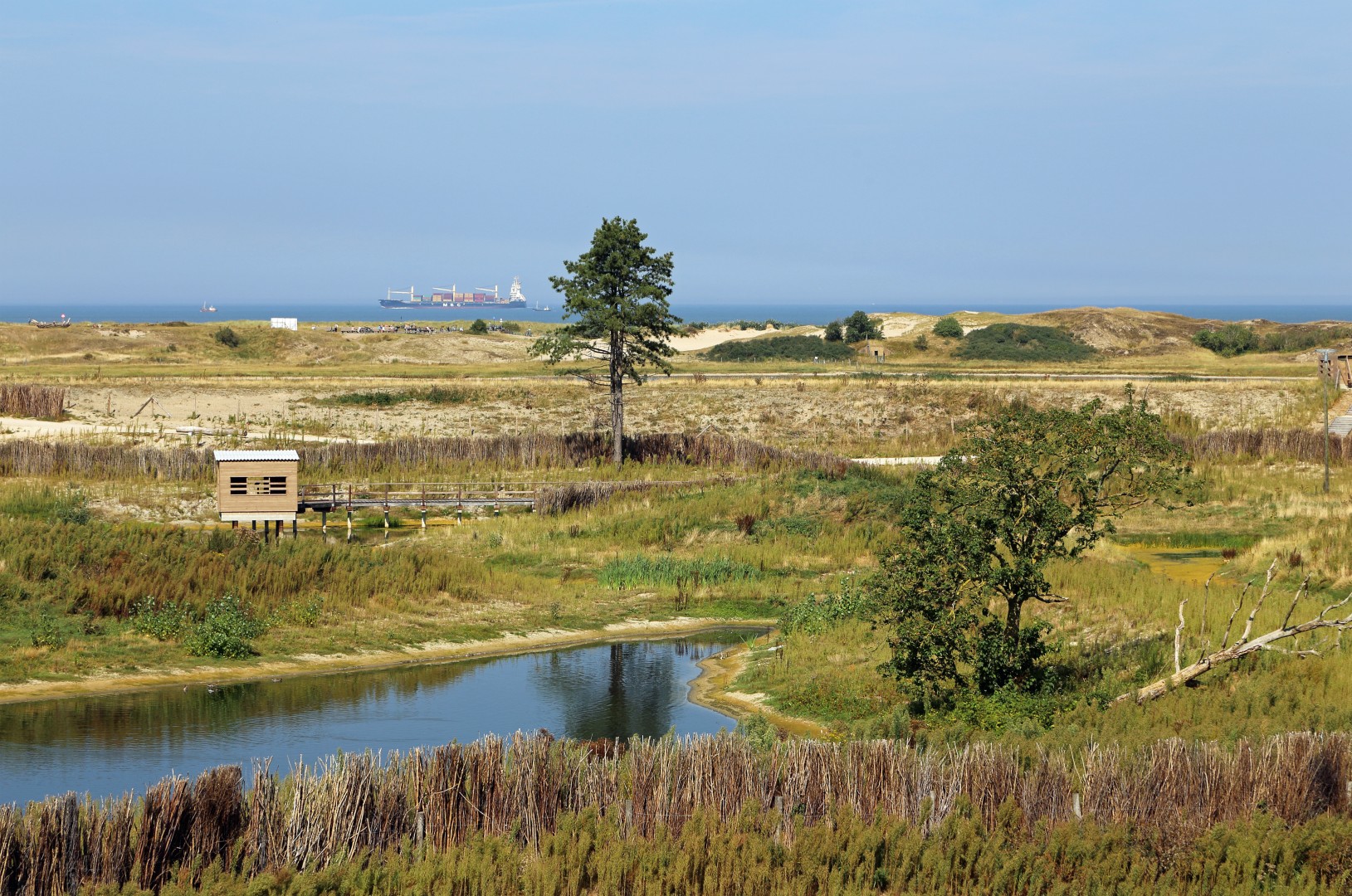
The Belgian coast is narrow but ecologically important. In Het Zwin, at the Yser Estuary and around the port of Zeebrugge, birds feed on mudflats, roost in salt marshes and find shelter in dunes and coastal polders. The tide determines where the flocks gather.

Typical species

  • Pied avocet
  • Dunlin
  • Ruddy turnstone
  • Sandwich tern
  • Common scoter
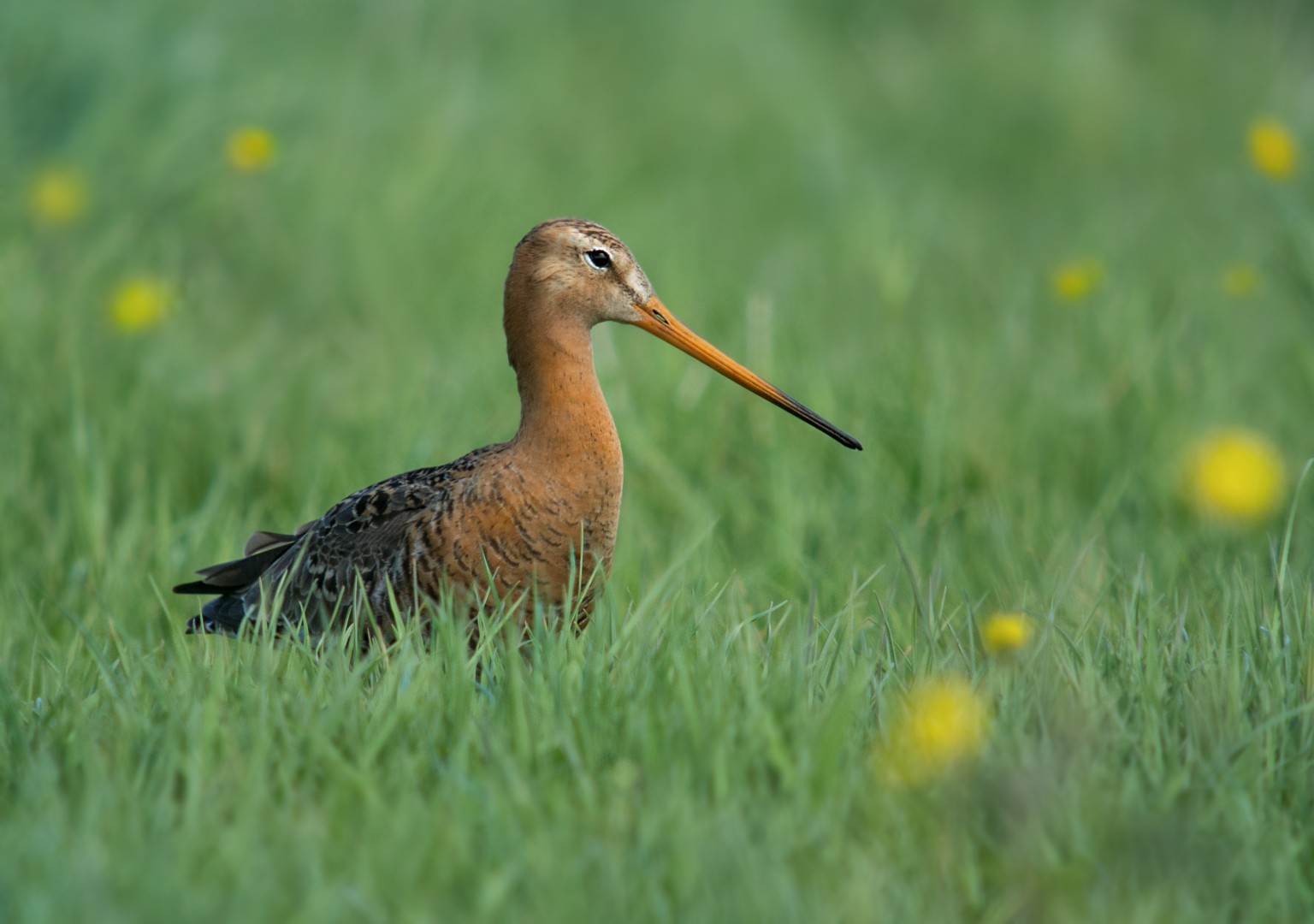
Black-tailed godwit flying above the Uitkerkse Polders in West Flanders
Frank Vassen · Wikimedia Commons · CC BY 2.0

Coastal polders and wet grasslands

Open grasslands with high water levels are mainly found along the coast and in the Yser Valley. Uitkerkse Polder and the area around De Blankaart attract waders, winter visitors and birds of prey hunting above the open landscape.

Typical species

  • Black-tailed godwit
  • Northern lapwing
  • European golden plover
  • Eurasian teal
  • Western marsh harrier
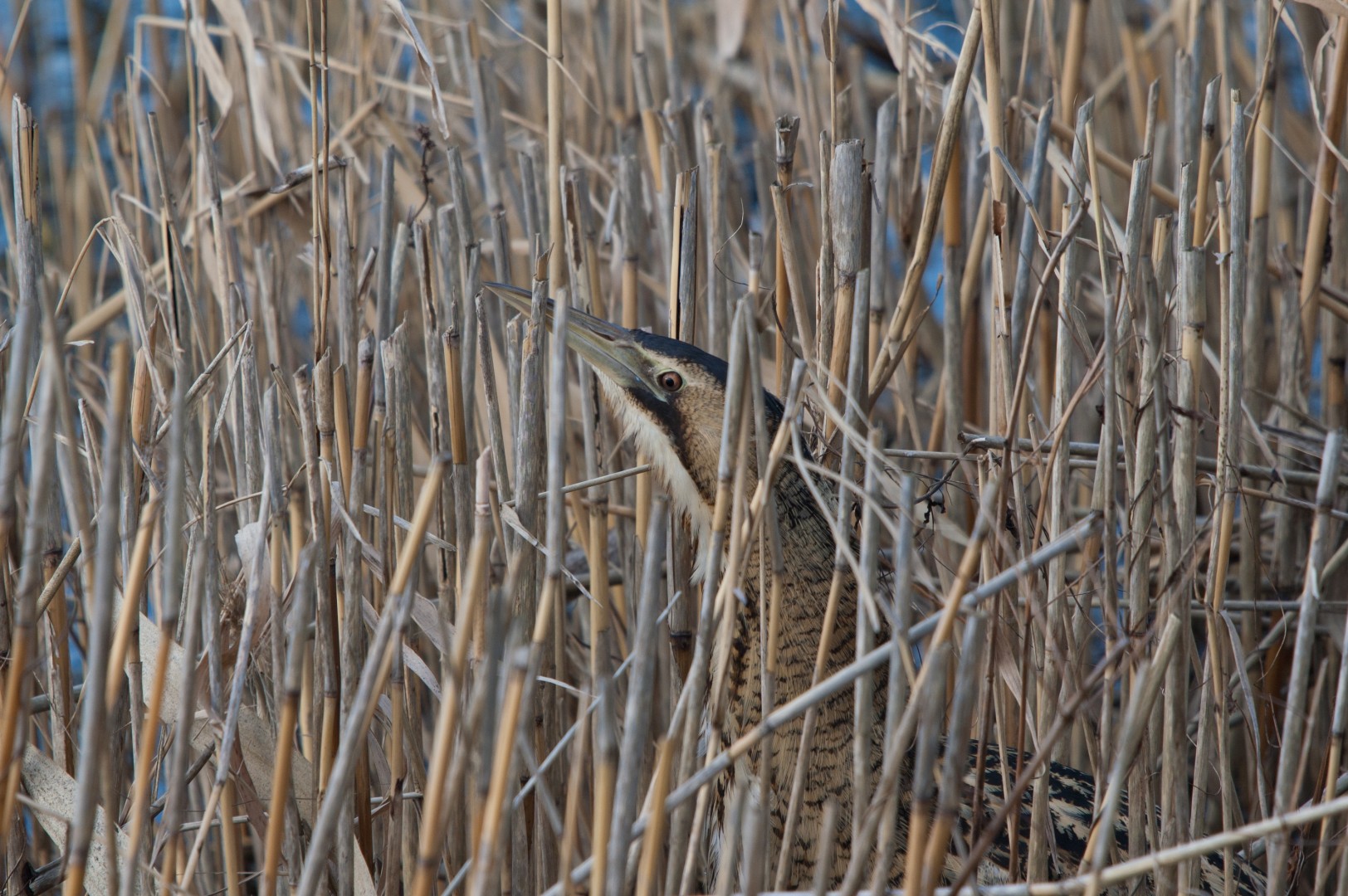
Eurasian bittern hidden among reed stems
Peter Nijland · Wikimedia Commons · CC BY-SA 4.0

Reedbeds, pools and open water

Reedbeds and shallow pools are among the most exciting habitats for birdwatchers. In De Blankaart, Bourgoyen-Ossemeersen, Mechels Broek and other Flemish wetlands, you may hear a bittern or water rail before you see it. Walk quietly and stay longer for the best results.

Typical species

  • Eurasian bittern
  • Bearded reedling
  • Bluethroat
  • Water rail
  • Great egret
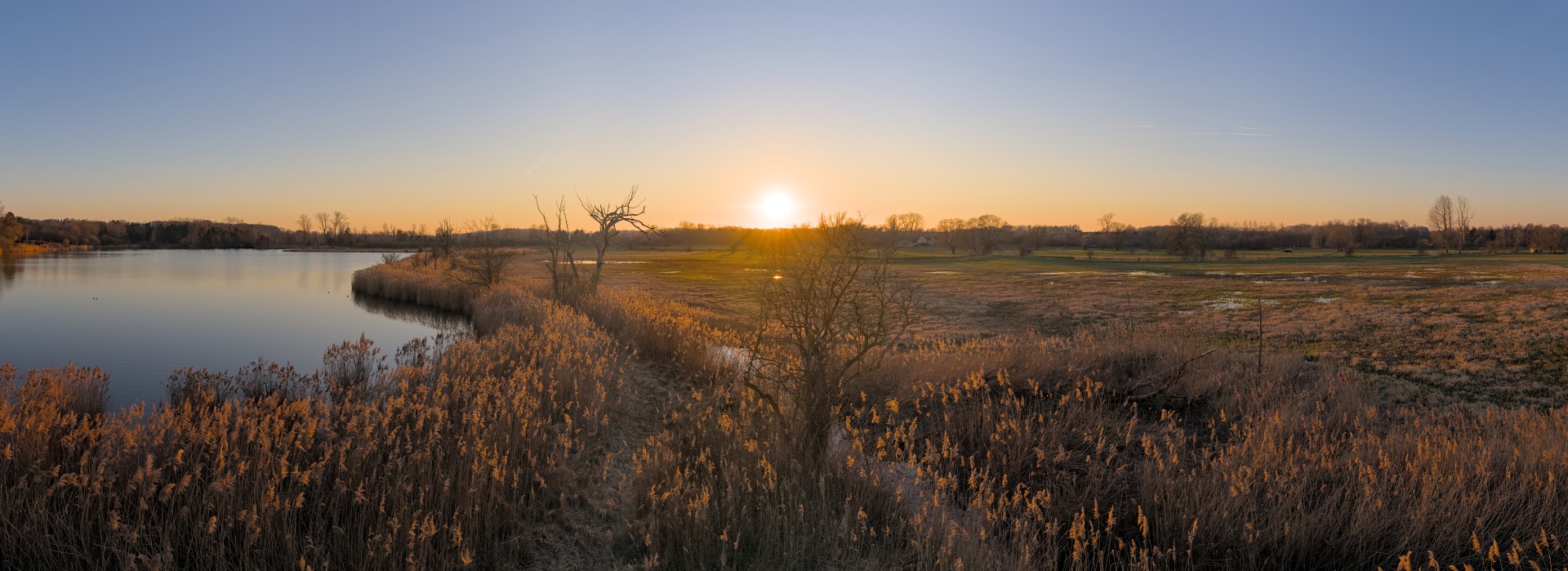
View over the Dijle Valley from a birdwatching tower near Oud-Heverlee
Trougnouf · Wikimedia Commons · CC BY 4.0

Rivers, valleys and floodplains

The Scheldt, Dijle, Demer and Meuse bring wet grasslands, old river channels and willow woods together. In the Dijle Valley and Mechels Broek, paths and viewing points offer views of marsh birds as well as woodland and riverside species. Diversity increases sharply during migration.

Typical species

  • Common kingfisher
  • Eurasian spoonbill
  • Sand martin
  • Osprey
  • Common redshank
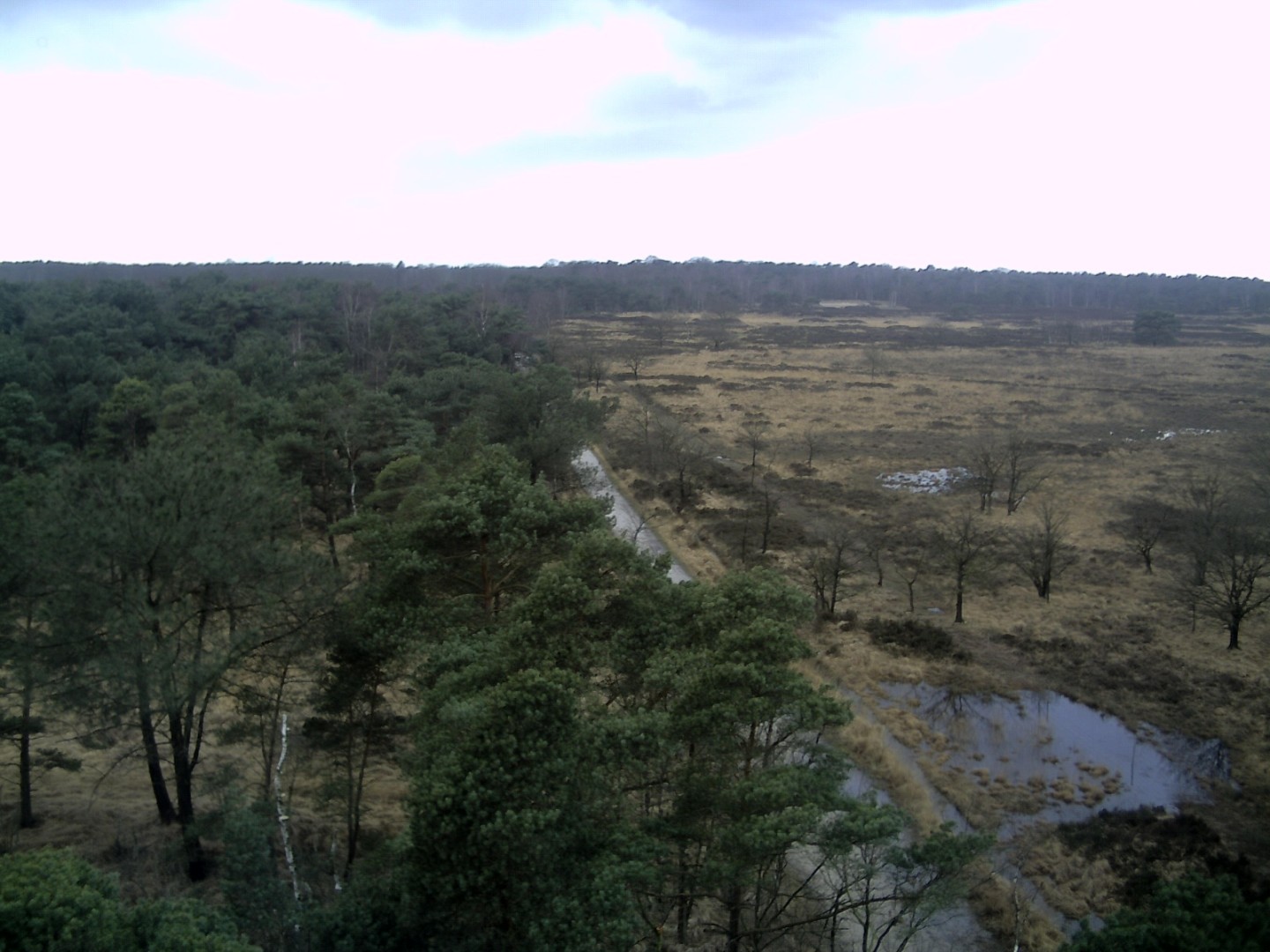
Heathland and pools in Kalmthoutse Heide
EGS · Wikimedia Commons · public domain

Heathland, pools and raised bogs

At Kalmthoutse Heide, Hoge Kempen, Hageven and the High Fens, the soundscape changes as forest gives way to open heathland. Pools and wet heath attract insect-eating birds and waders, while woodland edges are important for woodpeckers and birds of prey.

Typical species

  • Red-backed shrike
  • European stonechat
  • Woodlark
  • European nightjar
  • Great grey shrike
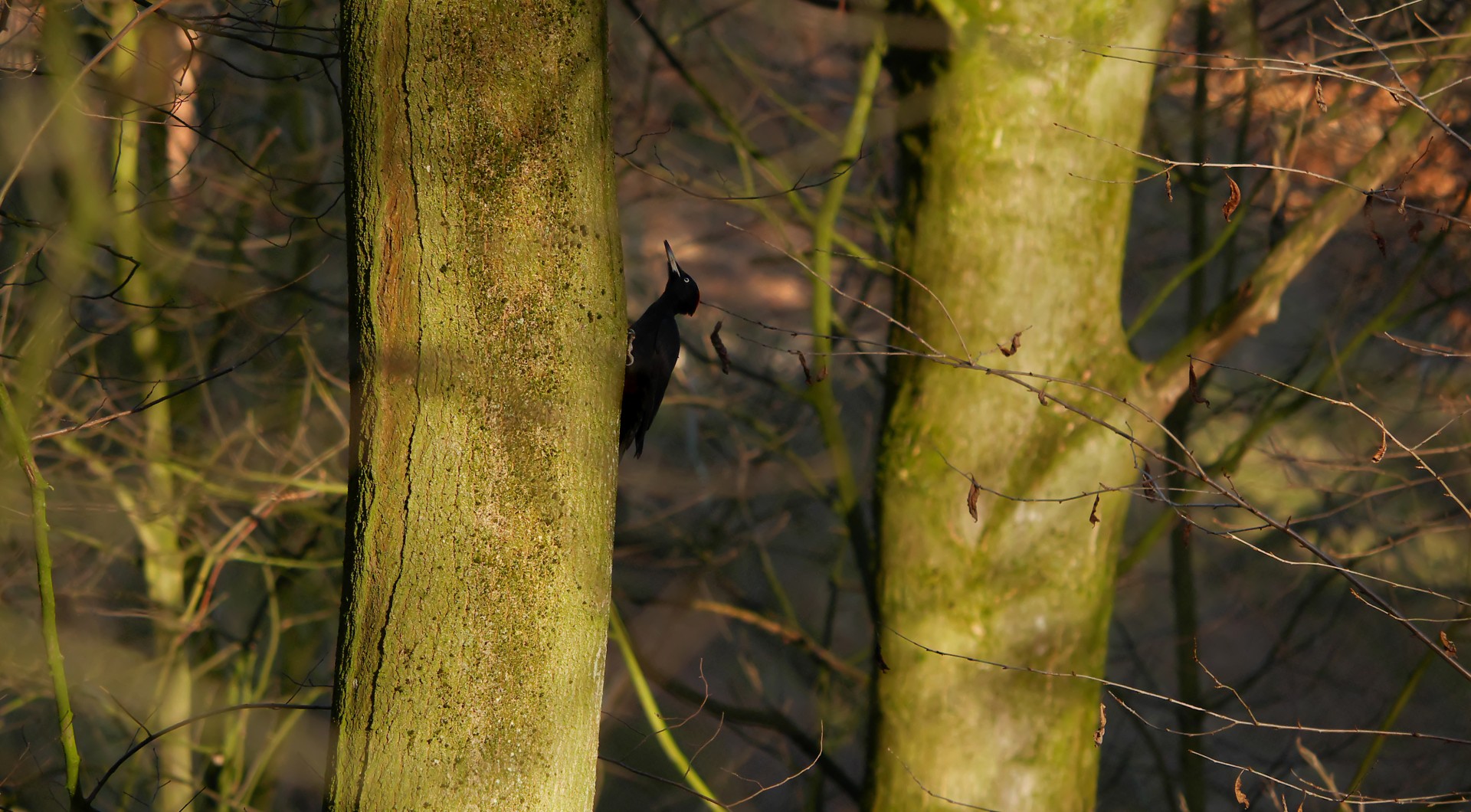
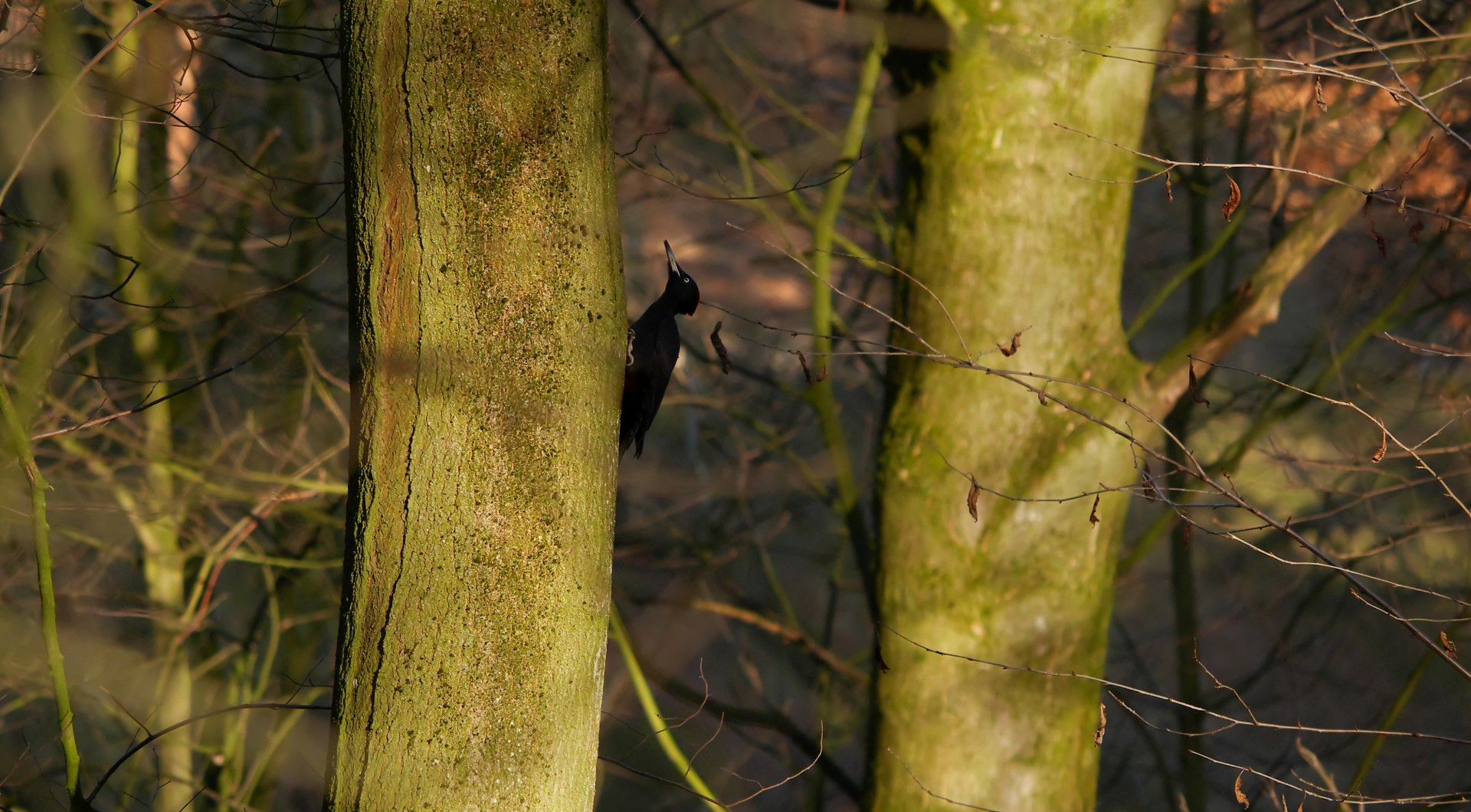
Black woodpecker on a tree trunk in a Brussels woodland
Frank Vassen · Wikimedia Commons · CC BY 2.0

Ardennes forests and ancient broadleaf woodland

In the Ardennes, Sonian Forest and woodland around the High Fens, old trees and quiet wooded valleys shape the birdlife. Set out early, listen for calling woodpeckers and scan open forest edges for birds of prey. In the east, the black stork is another special possibility.

Typical species

  • Black woodpecker
  • Middle spotted woodpecker
  • Common raven
  • European honey buzzard
  • Black stork

Birdwatching throughout the year

Belgium bird calendar: what can you expect each season?

Along the Belgian coast, the rhythm of the tide and bird migration is easy to see, while wetlands, heathland and Ardennes forests each have their own seasonal peak. Use this monthly calendar as a starting point and check FaunaMap before setting out to see which species and hotspots are currently active nearby.

WinterDecember - FebruarySpringMarch - MaySummerJune - AugustAutumnSeptember - November
  1. January

    Winter

    Winter ducks and coastal birds

    Het Zwin, Uitkerkse Polder, De Blankaart and the Scheldt Valley fill with winter visitors. Look for Eurasian wigeon, teal, golden plover, curlew and flocks of geese. On cold days, birds gather on open water and quiet grasslands.

    Recommended placesCoastal polders, mudflats, pools and floodplains; choose sheltered viewpoints in windy weather.

  2. February

    Winter

    Final winter flocks and early song

    Winter birds are still easy to find, but in mild years spring can already be heard. Look for skylark, mistle thrush and the first territorial woodpeckers. Ducks and waders remain the main attraction in wetlands.

    Recommended placesUitkerkse Polder, Bourgoyen-Ossemeersen, De Blankaart and woodland edges in Brabant.

  3. March

    Spring

    Spring migration begins

    The first migrants return. Song thrushes, chiffchaffs and skylarks become more active, while black-tailed godwits and other waders arrive in the polders. Along the coast, early migrants may stop to rest after a night flight.

    Recommended placesWet grasslands, coastal dunes, reedbeds and open woodland edges.

  4. April

    Spring

    Spring migration and busy wetlands

    April is a strong month for migrant birds in Belgium. Blackcaps, willow warblers, reed warblers, wheatears and barn swallows appear in many places. Mudflats, salt marshes and pools attract waders travelling to northern breeding grounds.

    Recommended placesHet Zwin, Yser Estuary, Scheldt Valley, Dijle Valley and Uitkerkse Polder.

  5. May

    Spring

    Peak month for songbirds

    Birdsong reaches its peak in May. Listen for nightingale, marsh warbler, grasshopper warbler and golden oriole. Stonechats and woodlarks stand out on heathland, while bluethroats and reedbed birds defend their territories in wetlands.

    Recommended placesKalmthoutse Heide, Bourgoyen-Ossemeersen, Hoge Kempen, Sonian Forest and the High Fens.

  6. June

    Summer

    Breeding season and young birds

    Territorial behaviour, feeding flights and fledged young make June exciting. Look for kingfishers along quiet waterways, woodpeckers in old forests and terns over coastal waters. Stay on the paths and keep extra distance from breeding colonies and reedbeds.

    Recommended placesDijle Valley, Mechels Broek, Het Zwin, Ardennes forests and reed marshes.

  7. July

    Summer

    First autumn migrants

    Young waders begin moving south as early as July. Along the coast and in estuaries, greenshanks, wood sandpipers and little stints appear. Spoonbills and herons use shallow pools as water levels slowly fall.

    Recommended placesHet Zwin, Yser Estuary, Scheldt Valley, De Blankaart and coastal polders.

  8. August

    Summer

    Waders and raptor migration

    Autumn migration gets underway. Check open water for spotted redshank, greenshank and ruff. Honey buzzards, ospreys and other migrating raptors may pass over polders and valleys. Swallows gather before departure.

    Recommended placesWest Flanders coast, Scheldt and Dijle valleys, open heathland and high viewpoints.

  9. September

    Autumn

    Visible migration along the coast

    September combines heavy songbird migration with the first larger movements of raptors. Wheatears, stonechats, whinchats and pipits use dunes, dikes and fields as stopover sites. Wind direction makes a major difference.

    Recommended placesCoastal dunes, Het Zwin, Yser Estuary, Kalmthoutse Heide and the High Fens.

  10. October

    Autumn

    Peak of autumn migration

    October is often the best month for visible bird migration. Finches, thrushes, meadow pipits and raptors move across the country. In favourable conditions, cranes may fly over the High Fens, while the coast receives many resting migrants.

    Recommended placesCoastal dikes, open fields, High Fens, heathland and elevated viewpoints.

  11. November

    Autumn

    Winter visitors begin to arrive

    The first large winter flocks appear in coastal polders, wetlands and river valleys. Eurasian wigeon, greater white-fronted goose, barnacle goose, golden plover and curlew are good target species. In calm weather, large flocks are easy to scan from dikes and viewpoints.

    Recommended placesUitkerkse Polder, De Blankaart, Het Zwin and the Scheldt Valley.

  12. December

    Winter

    Winter birds in open landscapes

    Belgium becomes an important wintering landscape for birds from further north. Look for flocks of geese and ducks in grasslands and scan reedbeds for hen harriers. In forests, bullfinches, crossbills and woodpeckers stand out during quiet morning walks.

    Recommended placesCoastal polders, wetlands, High Fens, Ardennes forests and large river valleys.

Seasonal information and area examples: Natuurpunt, Aves Natagora, INBO and Ostbelgien.

Birding areas in Belgium

The best birding sites in Belgium: where can you go birdwatching?

From the salt creeks of Het Zwin to the raised bogs of the eastern cantons, Belgium offers a surprisingly wide range of birding areas. Below are popular and reasonably accessible sites spread across the country. Each area has a different landscape, target species and ideal time of year for birdwatching.

Mudflats and salt marshes in Het Zwin near Knokke-Heist
Photo: Marc Ryckaert · Wikimedia Commons · CC BY-SA 4.0

West Flanders

Salt marsh · mudflat · dune

Het Zwin

Coastal nature near Knokke-Heist

Het Zwin is one of Belgium's best-known birding sites, combining salt marshes, mudflats, dunes and open water. Walk to the viewing points in Zwin Nature Park or explore the freely accessible sections along the dike. Many migrants stop here in spring and autumn, while spoonbills, avocets and terns feed in the area.

Look for
Pied avocet, spoonbill, terns, white stork and waders.
Plan around
The tide, wind direction, opening hours and current trail access.
Black-tailed godwit above Uitkerkse Polder in Belgium
Photo: Frank Vassen · Wikimedia Commons · CC BY 2.0

West Flanders

Polder · grassland · wet meadow

Uitkerkse Polder

Open birding area between Blankenberge and Zuienkerke

Uitkerkse Polder is one of the best places in Belgium to see meadow birds and winter visitors in open country. The unobstructed horizon makes flocks of lapwings, golden plovers and geese easy to scan. In spring, black-tailed godwits and redshanks feed along wet ditches and flooded fields.

Look for
Black-tailed godwit, northern lapwing, golden plover, redshank and marsh harrier.
Plan around
Spring for meadow birds, winter for geese and ducks; bring windproof clothing.
Eurasian bittern among reeds, a typical species of wetlands such as De Blankaart
Species photo: Peter Nijland · Wikimedia Commons · CC BY-SA 4.0

West Flanders

Reed marsh · lake · hide

De Blankaart

Wetland nature reserve near Diksmuide

De Blankaart is a strong choice if you want to combine marsh birds, open water and winter waterbird flocks. Reedbeds, ponds and wet grasslands attract birds throughout the year. The bittern remains a target species for patient birdwatchers, but great egrets, spoonbills, kingfishers and several duck species are also possible.

Look for
Eurasian bittern, water rail, great egret, spoonbill and kingfisher.
Plan around
Early morning for birdsong and winter for larger waterbird flocks.
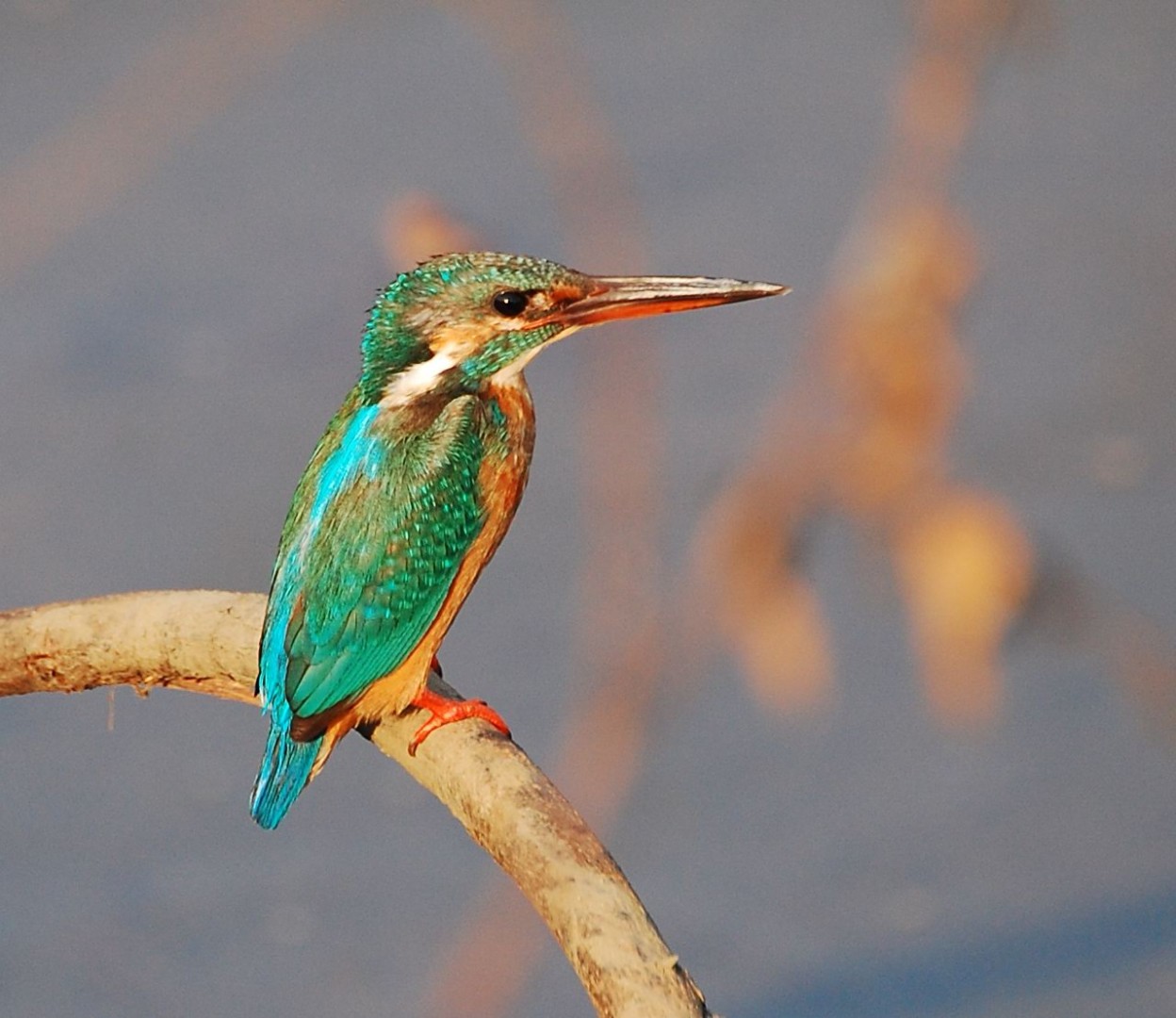
Common kingfisher, a typical species of ditches and waterways in Bourgoyen-Ossemeersen
Species photo: Challiyan · Wikimedia Commons · CC BY-SA 4.0

East Flanders

Low-lying marsh · grassland · city edge

Bourgoyen-Ossemeersen

Accessible birding area on the edge of Ghent

Bourgoyen-Ossemeersen is an excellent choice for a short bird walk close to the city. Watercourses, wet grasslands and scrub are close together in this open lowland landscape. In a single morning you may see winter ducks and waders alongside songbirds, herons and a hunting marsh harrier.

Look for
Eurasian teal, Eurasian wigeon, bluethroat, kingfisher and great egret.
Plan around
Early spring mornings or calm winter weather for open water.
View over the Dijle Valley from a birdwatching tower in Oud-Heverlee
Photo: Trougnouf · Wikimedia Commons · CC BY 4.0

Flemish Brabant

River valley · marsh · woodland edge

Dijle Valley and Mechels Broek

Bird-rich valleys between Leuven and Mechelen

The Dijle Valley and Mechels Broek are strong choices for birdwatchers who want to combine river landscapes and marshes in one outing. From walking trails and viewing towers, you can look across wet grasslands, old river channels and reedbeds. Spring brings plenty of song, while migration adds extra waders and raptors.

Look for
Kingfisher, spoonbill, black-tailed godwit, water rail and passing osprey.
Plan around
Spring for songbirds, autumn for migration and calm weather for valley views.
Open heathland and pools in Kalmthoutse Heide
Photo: EGS · Wikimedia Commons · public domain

Antwerp

Heathland · pool · woodland edge

Kalmthoutse Heide

Cross-border park with open landscapes and quiet pools

Kalmthoutse Heide is one of the best-known heathland areas for birdwatching in Flanders. On warm mornings, woodlarks and stonechats can be heard above the purple heath, while woodland edges offer chances of woodpeckers and raptors. The open landscape often makes birds in flight easy to spot.

Look for
Woodlark, stonechat, red-backed shrike, nightjar and black woodpecker.
Plan around
Early mornings in spring and summer; stay on marked trails and follow drought and fire rules.
Black woodpecker in a Brussels woodland
Species photo: Frank Vassen · Wikimedia Commons · CC BY 2.0

Brussels and Flemish Brabant

Ancient woodland · beech · woodland edge

Sonian Forest

Large forest habitat close to Brussels

Sonian Forest is ideal for birdwatchers who want to see woodland birds without travelling to the Ardennes. The old beech forests support woodpeckers, nuthatches and tits. Set out early along quiet woodland edges and listen for calling birds before visitor numbers increase.

Look for
Black woodpecker, middle spotted woodpecker, goshawk, nuthatch and tawny owl.
Plan around
March to June for song and territorial behaviour; choose quiet trails away from busy recreational routes.
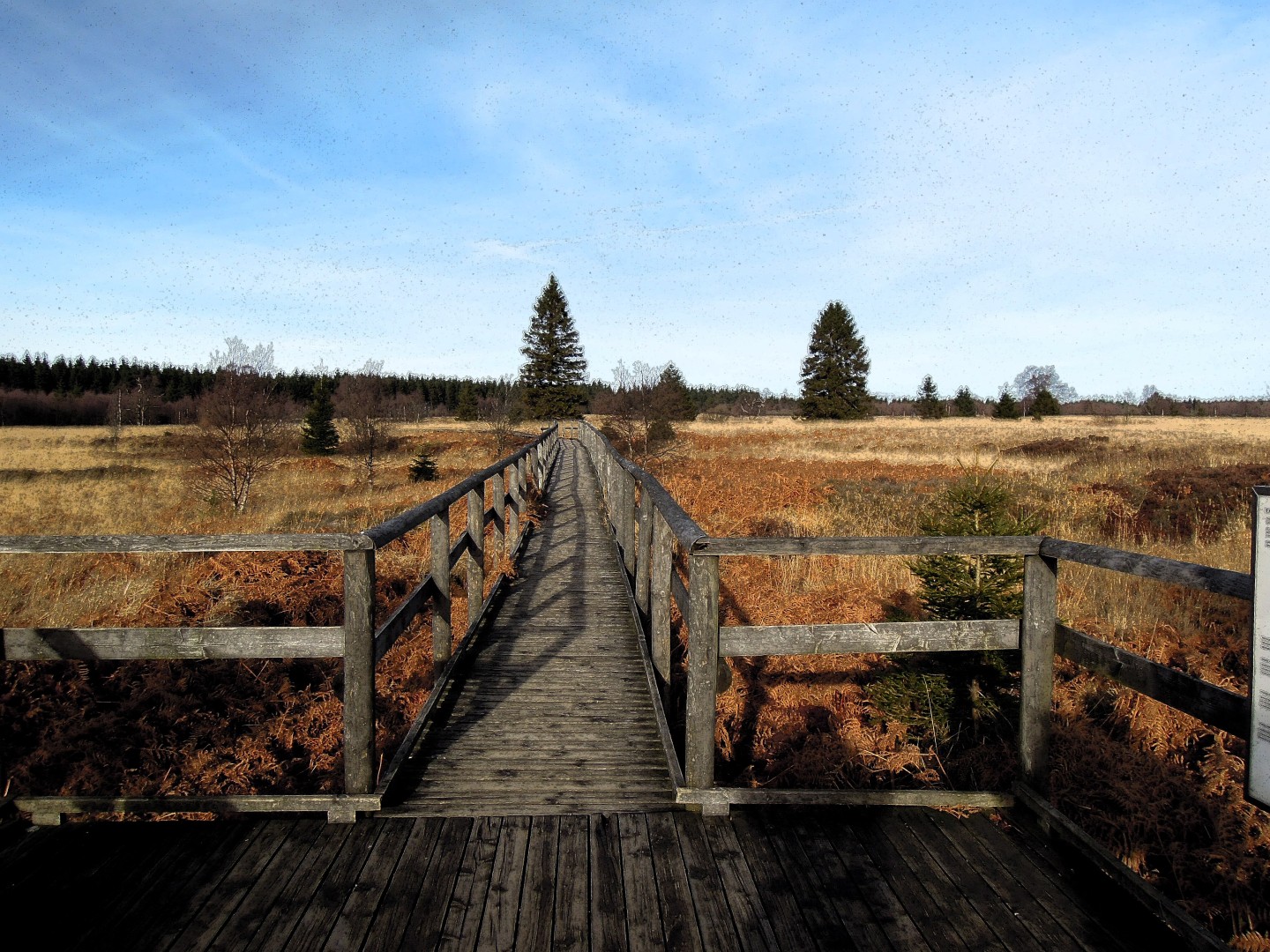
Raised bog landscape in the High Fens in eastern Belgium
Photo: Horst J. Meuter · Wikimedia Commons · CC BY-SA 4.0

Liège and eastern Belgium

Raised bog · heathland · forest

The High Fens

Raised bogs, open plateaus and Ardennes forests

The High Fens are a special destination for a birding trip in Belgium. The open bog landscape, stream valleys and surrounding forests offer chances of red-backed shrike, stonechat, raven, black woodpecker and black stork. During spring and autumn migration, cranes may also fly over or rest in the bogs.

Look for
Red-backed shrike, raven, black woodpecker, hen harrier and crane.
Plan around
Always check current access conditions, follow boardwalks and respect closed bog zones.

Remarkable birds of Belgium

Five remarkable Belgian birds and where to see them

From white storks in Het Zwin to the hidden Eurasian bittern in reed marshes, these five species show how varied birdwatching in Belgium can be. They appeal to experienced birders, but with the right choice of location they are also realistic targets for anyone planning a focused first birding trip.

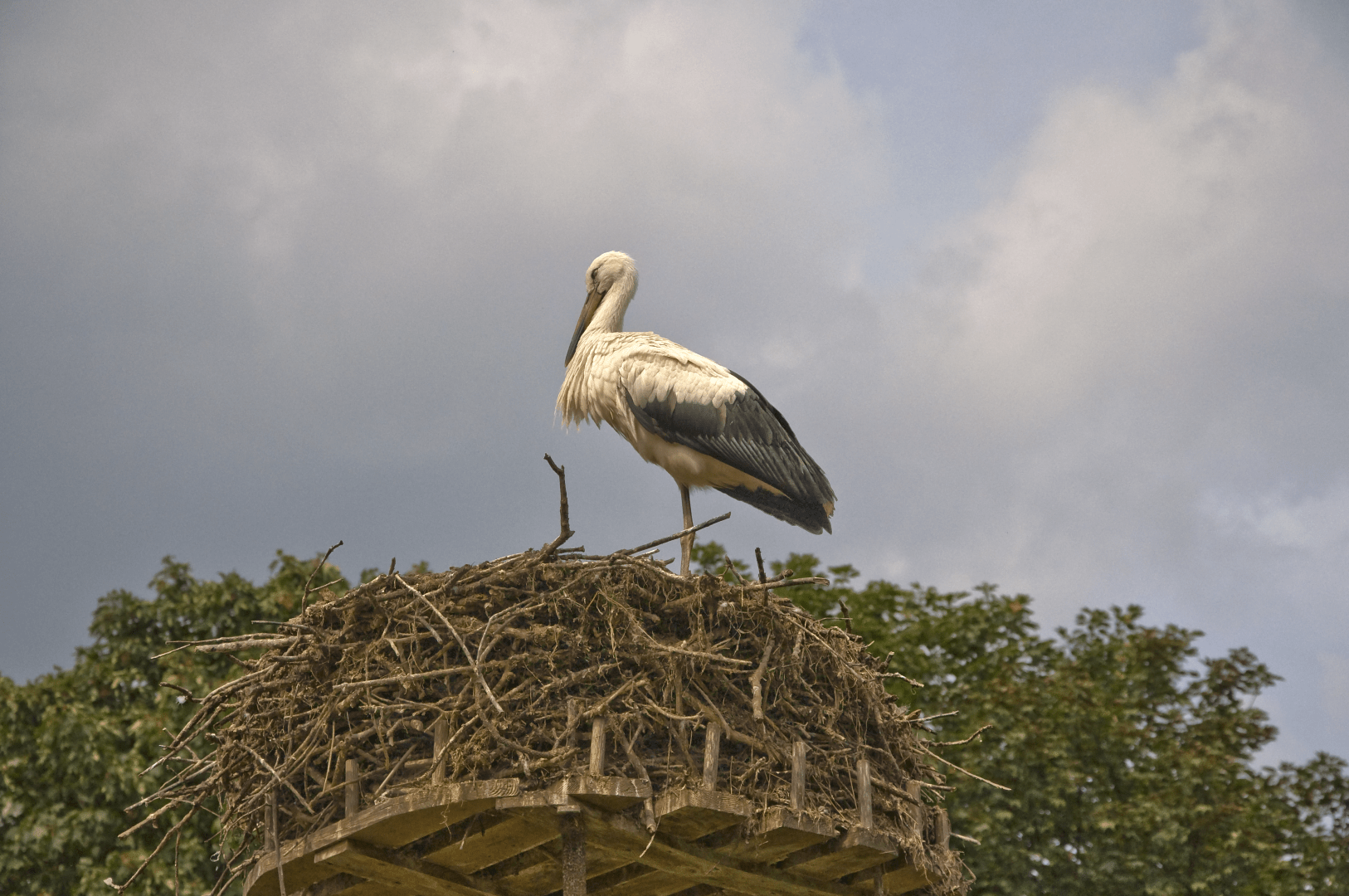
  1. White stork in Het Zwin near Knokke-Heist
    Photo: Paul Hermans · Wikimedia Commons, CC BY-SA 3.0

    White stork

    The white stork is one of the most recognisable birds in Het Zwin. In spring and summer, its large nests and soaring flights are a major attraction. Away from the breeding area, you can also see storks feeding above polders and wet grasslands.

    Where can you see white storks in Belgium?

    • Het Zwin: the best-known place to see nests, flying birds and feeding storks
    • Coastal and Scheldt polders: especially during spring and summer
    • Wetlands around Mechelen: individual birds in open grassland and around pools
  2. Eurasian bittern hidden among reed stems
    Photo: Peter Nijland · Wikimedia Commons, CC BY-SA 4.0

    Eurasian bittern

    The Eurasian bittern is a specialist of extensive reedbeds. Often you hear its deep call or notice movement among the stems before you see it. Check reed edges, muddy margins and open water, but do not expect an easy species. Patience, silence and a good hide make all the difference.

    Where can you see Eurasian bitterns in Belgium?

    • De Blankaart: reed marsh, open water and quiet viewpoints in West Flanders
    • Bourgoyen-Ossemeersen: promising reedbeds and ditches close to Ghent
    • Mechels Broek and other Flemish wetlands: search during quiet early mornings
  3. Black woodpecker on a tree trunk in Brussels
    Photo: Frank Vassen · Wikimedia Commons, CC BY 2.0

    Black woodpecker

    The black woodpecker is an impressive woodland bird with a loud call and powerful drumming. In mature forests, it may suddenly fly across an open path or climb low along tree trunks. Those who start early and listen carefully have several opportunities to find it in Belgium.

    Where can you see black woodpeckers in Belgium?

    • Sonian Forest: extensive ancient broadleaf woodland close to Brussels
    • Ardennes and High Fens: search quiet forests with thick, old trees
    • Kalmthoutse Heide and woodland edges around Antwerp: possible flying or calling birds
  4. Common kingfisher on a branch above the water
    Photo: Challiyan · Wikimedia Commons, CC BY-SA 4.0

    Common kingfisher

    The blue flash of a kingfisher is one of the finest moments in Belgian birdwatching. Look for gently flowing water, overhanging branches and steep banks. The species can be present all year, but is often easier to spot in winter along leafless waterways.

    Where can you see kingfishers in Belgium?

    • Dijle Valley and Mechels Broek: waterways, old river channels and viewing points
    • Bourgoyen-Ossemeersen: ditches and pools on the edge of Ghent
    • Ardennes valleys: quiet stream valleys with overhanging banks
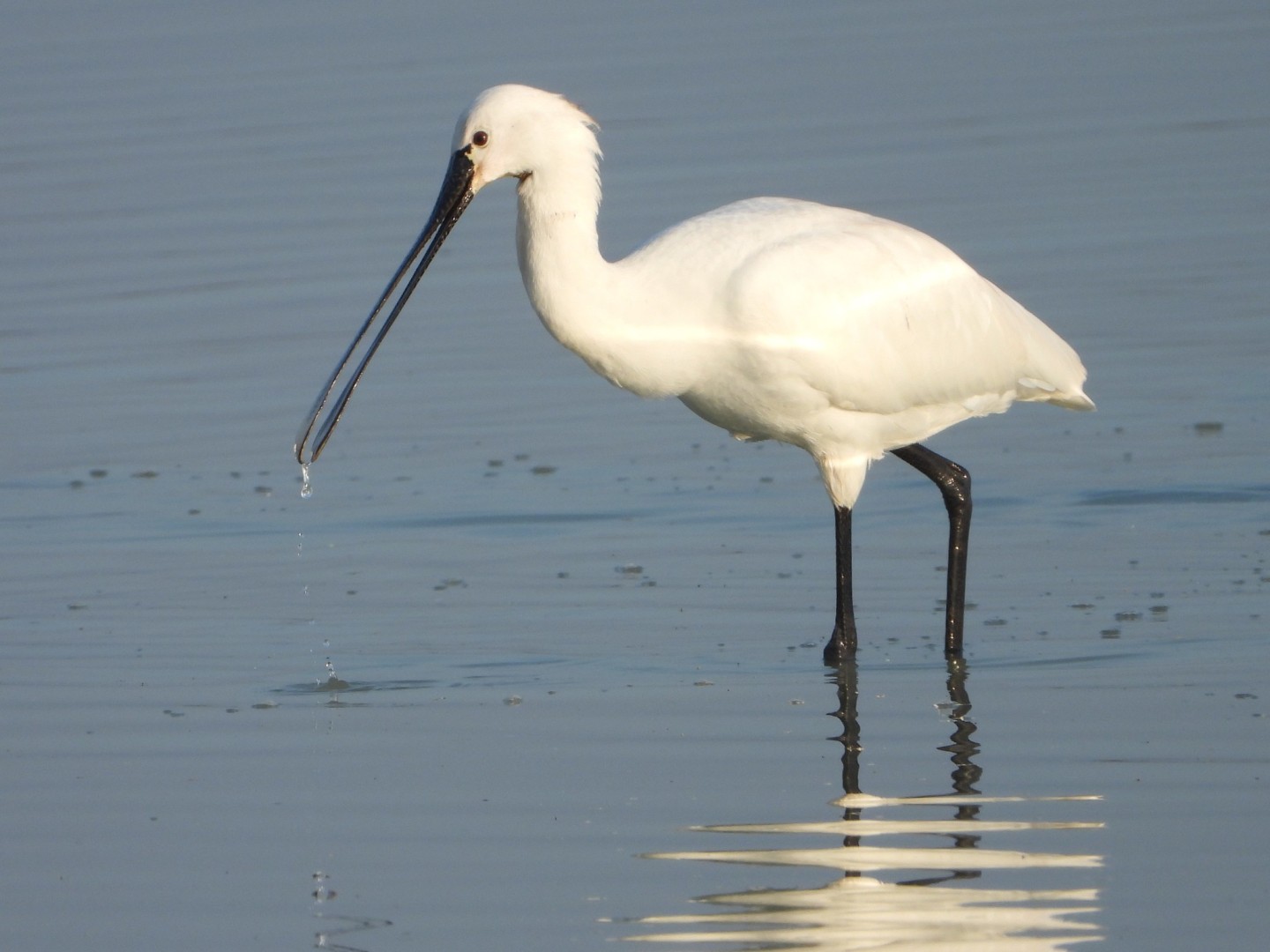
  5. Eurasian spoonbill in shallow water
    Photo: Thomas Ebner · Wikimedia Commons, CC BY 4.0

    Eurasian spoonbill

    With its white plumage and broad, flat bill, the Eurasian spoonbill is a striking sight in shallow wetlands. In Belgium, your chances increase during migration and in areas with muddy margins, pools and quiet roosting or breeding sites. Look for feeding groups along the water's edge.

    Where can you see spoonbills in Belgium?

    • Het Zwin: coastal water, salt marshes and open pools rich in food
    • De Blankaart and the Yser Valley: resting and feeding habitat for waterbirds
    • Scheldt Valley and Dijle Valley: especially interesting during migration and low water levels

Useful tips and information

Practical questions about birdwatching in Belgium

Want to know where to go birdwatching in Belgium, when migrants pass through or how to plan a visit to a nature reserve? Below you will find answers for a first bird walk, a focused birding trip and visits to the coast, Flemish wetlands or the Ardennes.

For a first birding trip, a combination of Het Zwin, Uitkerkse Polder, a Flemish wetland and the High Fens is a strong choice. Het Zwin introduces you to coastal birds and tidal habitats, Uitkerkse Polder to meadow birds and winter visitors, and the Dijle Valley or Bourgoyen-Ossemeersen to river and marsh birds. The High Fens adds heathland, raised bog and Ardennes woodland.

If you want to limit travel time between different landscapes, choose a base in West Flanders or Flemish Brabant. Use FaunaMap to see which birding sites, hotspots and expected species fit naturally into each day's route. For current access and visitor rules, also check the information from Het Zwin, Natuurpunt and Ostbelgien.

Spring and autumn are the best seasons for migratory birds. In April and May, songbirds, waders and swallows travel towards their breeding grounds. From August to October, autumn migration builds, with October often bringing large numbers of finches, thrushes, pipits and raptors. The coast, polders and river valleys act as important stopover sites.

The best month depends on your target species. Choose April for coastal migration and waders, May for songbirds, September for visible coastal migration and October for broad variety. Wind direction, rain and visibility have a major influence. Before leaving, check FaunaMap to see which species have recently been reported at a site and how that fits its historical patterns.

The best chances are in open coastal polders, wet grasslands, large wetlands and the Scheldt Valley. Uitkerkse Polder is good for geese, lapwings and golden plovers. Het Zwin, De Blankaart and other West Flemish wetlands hold winter ducks, waders and herons. Bourgoyen-Ossemeersen and Mechels Broek can also produce plenty of birds in cold or calm weather.

Preferably go on a day with good visibility and little wind. Large flocks are often easier to scan from dikes, viewing mounds and official birdwatching points than from open fields. Respect quiet zones and never enter a closed grassland or salt marsh.

Bourgoyen-Ossemeersen is a practical choice from Ghent because the reserve lies on the edge of the city and offers a rewarding bird walk without a long journey. Parts of Sonian Forest are also accessible from Brussels. Public transport and the coastal tram are useful for Het Zwin and Uitkerkse Polder, although the final section may require walking or cycling.

Before you leave, check the current timetable, the distance from the stop to the entrance and visitor centre opening hours. With FaunaMap, you can select birding sites along a walking or cycling route in advance, so you do not discover on arrival that an interesting section is far away.

At low tide, waders feed on mudflats and exposed sandbanks. You will see more feeding activity, but birds may be spread out. As the tide rises, flocks move towards higher salt marshes, inland pools and roosting sites. Around high tide, large groups are therefore often more concentrated and easier to watch from a dike or viewing point.

For Het Zwin and other coastal sites, it is wise to combine the tide table with wind direction and the weather forecast. Stay on the paths, keep your distance from resting birds and use a telescope from an official viewpoint. The map of Het Zwin shows viewing points, paths and freely accessible areas.

For Eurasian bittern, choose extensive reed marshes such as De Blankaart, Bourgoyen-Ossemeersen and Mechels Broek. Check reed edges and open water, but expect a species that can stay hidden for a long time. Kingfishers occur along quiet streams, ditches and river channels in the Dijle Valley, Mechels Broek and the Ardennes.

Black woodpeckers are associated with old forests. Sonian Forest, the Ardennes and woodland around the High Fens are good starting points. Listen early for calls and drumming and look for large nest holes in thick trunks. FaunaMap can show which of these species are historically and currently associated with a site.

The High Fens are excellent for birdwatchers who want to combine raised bog, heathland and Ardennes woodland. You may find red-backed shrike, stonechat, raven, black woodpecker, hen harrier and, during migration, crane. The most sensitive bog zones are not freely accessible, however. Use marked paths and boardwalks only and follow local instructions.

Access and route choices can change temporarily because of fire risk, works, hunting or nature management. Always check the latest information on Ostbelgien before setting out. A quiet walk on an official trail usually delivers more than a long route through closed or vulnerable areas.

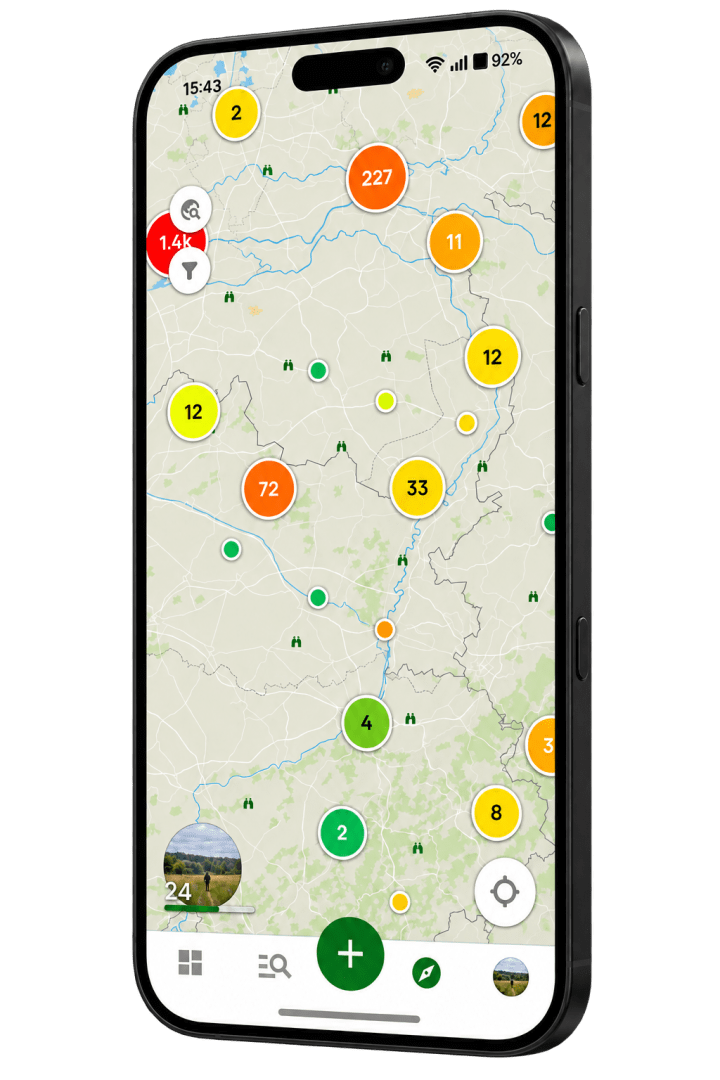
On FaunaMap, you can find current bird sightings in Belgium on an interactive world map. You can easily record your own field observations, even without an internet connection, and synchronise them later. You can also see birdwatching sites, interesting hotspots and the species expected at each location based on more than twenty years of historical data.

Open FaunaMap before you leave to choose an area and route. Record what you see during your walk so your personal species list becomes more valuable over time.

View current sightings in FaunaMap

Discover more while birdwatching

  • See recent bird sightingsSee which birds have recently been spotted near you.
  • Explore biodiverse nature areasFind the best places to spot birds and other wildlife.
  • Find sightings by speciesQuickly find sightings of the bird species you want to see.