Birding areas · migration · bird species

Birdwatching in Scotland: the best birding sites and species

Birdwatching in Scotland means seabirds above rugged cliffs, golden eagles over quiet glens, puffins on remote islands and special woodland birds in the Cairngorms. Discover the best places for birding in Scotland, find out what to expect in each season and plan your own birdwatching trip through nature reserves from the North Sea to the Outer Hebrides.

  • Expected bird species by location
  • Birding hotspots worldwide
  • Keep your own species list
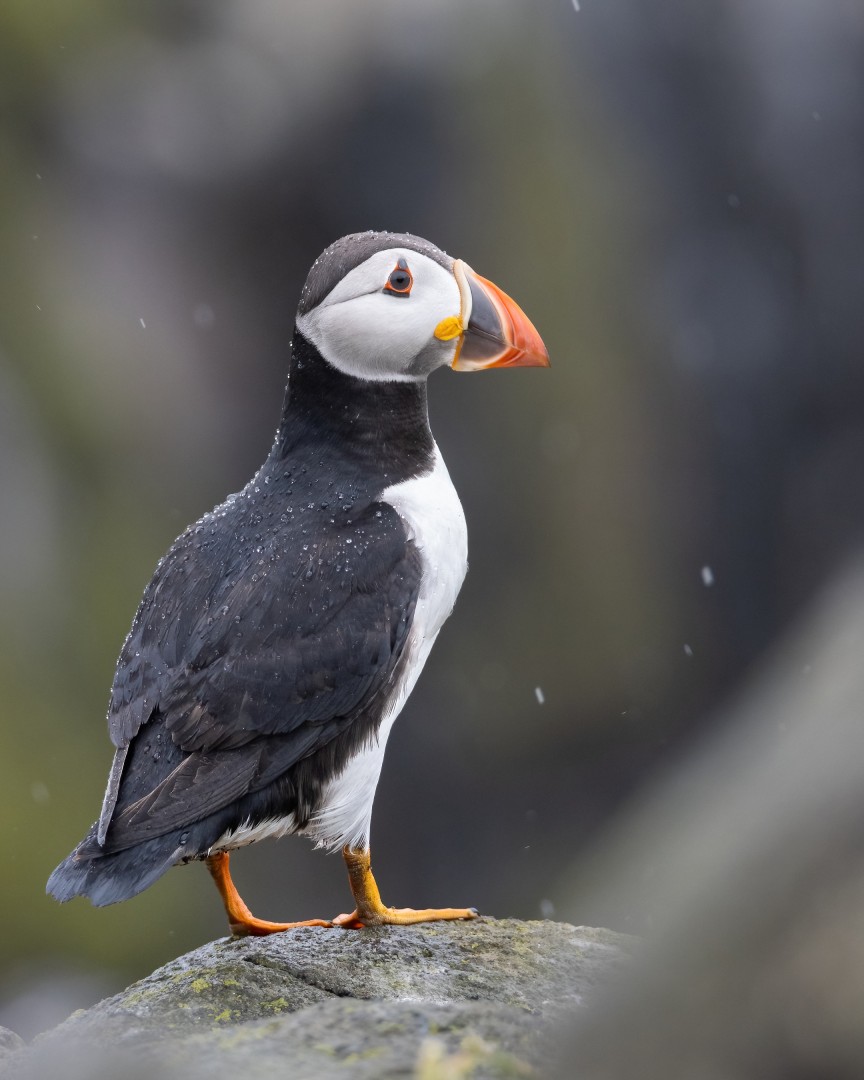
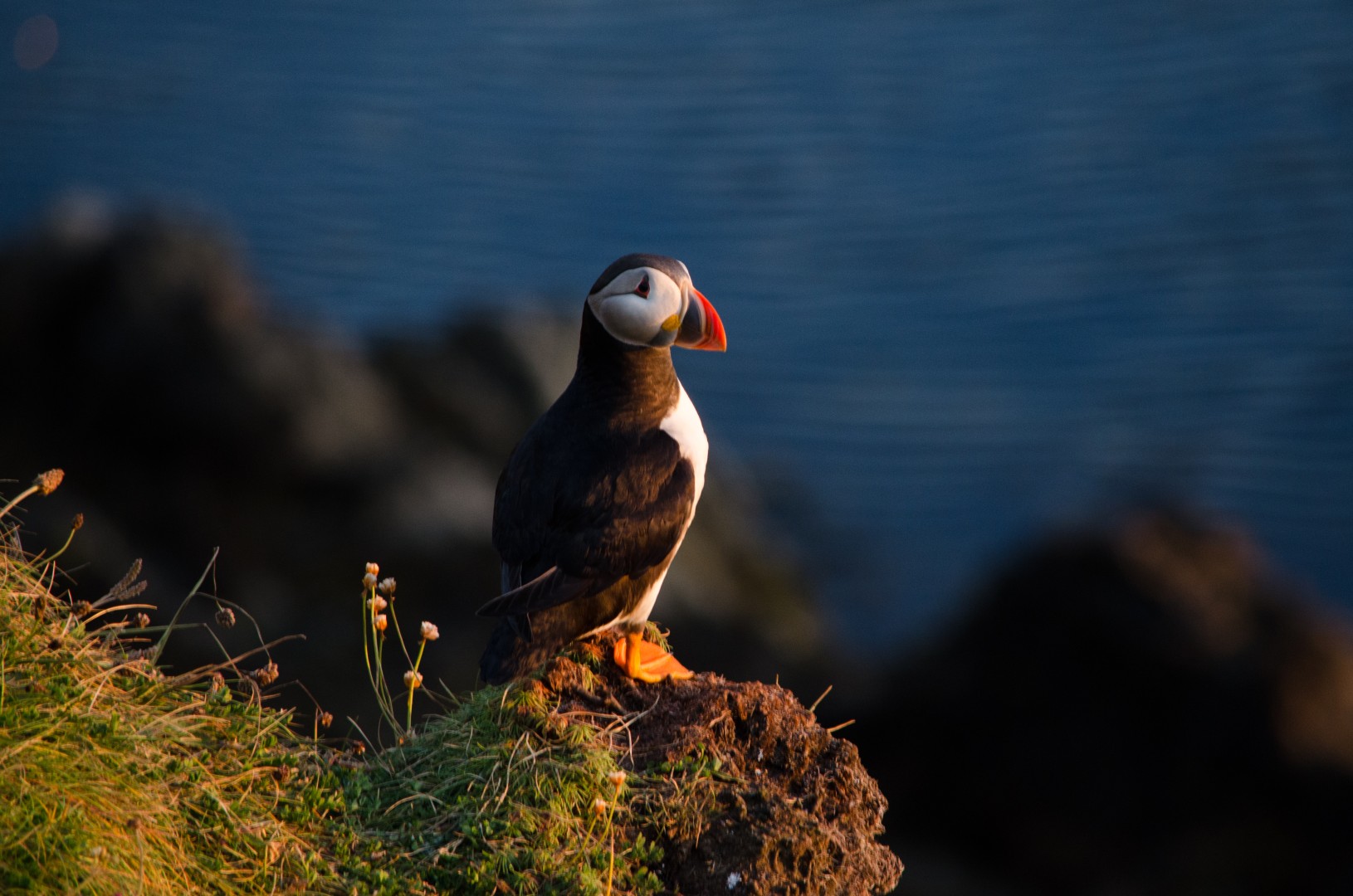
Atlantic puffin on a cliff at Westray in the Orkney Islands
Iconic bird of ScotlandAtlantic puffin
Photo: Atlantic puffin on Westray, RoryCB via Wikimedia Commons · CC BY 2.0.

Why go birdwatching in Scotland?

Scotland brings seabirds, birds of prey and mountain birds together

Few European destinations combine so many different bird habitats in one trip. Along the coast, huge colonies hold puffins, guillemots, razorbills and gannets. In the Highlands and on the islands, you can look for golden eagles, white-tailed eagles, harriers and divers. The ancient pinewoods of the Cairngorms are home to species that are difficult to find in many other parts of the United Kingdom.

The landscape has a strong influence on what you see. On a clear morning above a sea loch, you may watch eagles hunting, then count thousands of seabirds from a cliff a few hours later. In spring, migrant and breeding birds return to the islands, machair and wetlands. From May to July, coastal colonies are at their busiest, with chicks on the ledges and puffins around their burrows.

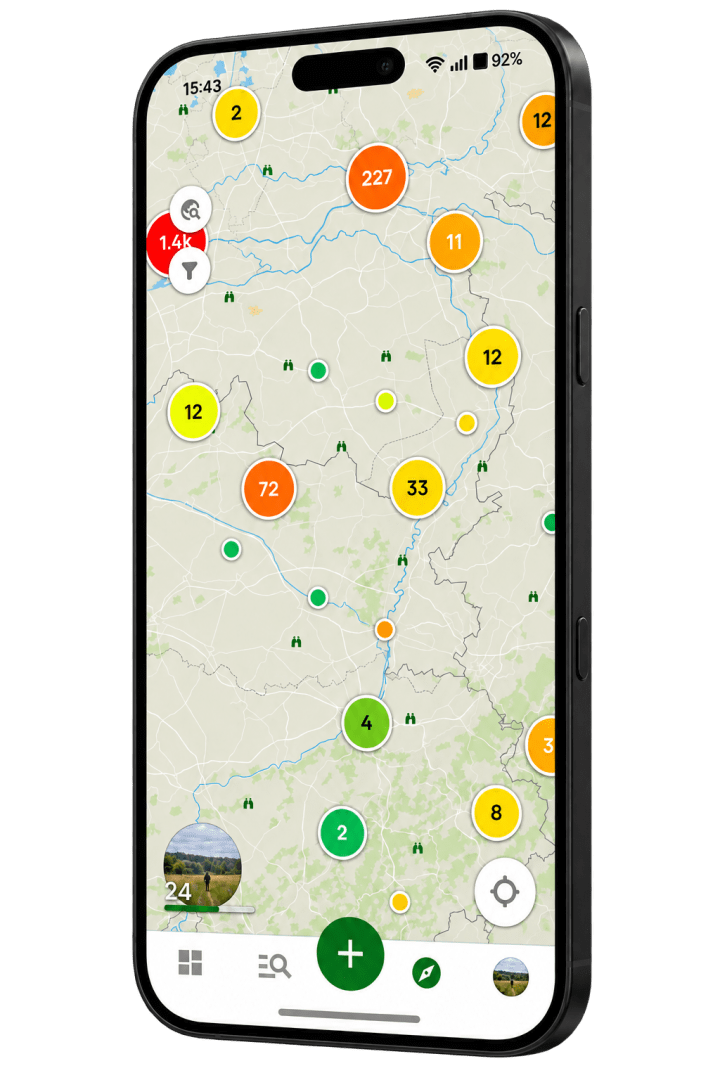
Autumn and winter bring a different Scotland. Estuaries, lochs and coastal marshes fill with geese, swans, ducks and waders. In the Cairngorms, short days are ideal for woodland birds and raptors, while the Solway coast and Islay can host large numbers of wintering geese. With FaunaMap, plan your route using birding viewpoints, hotspots, recent sightings and expected species for each location.

Landscapes and biodiversity

The most important bird habitats in Scotland

If you want to go birdwatching in Scotland, it helps to choose the right landscape first. Seabirds need cliffs and islands, divers favour quiet lochs, crossbills depend on ancient pinewoods and geese gather in extensive wetlands. Together, these six habitats form the basis of a birding trip through Scotland.

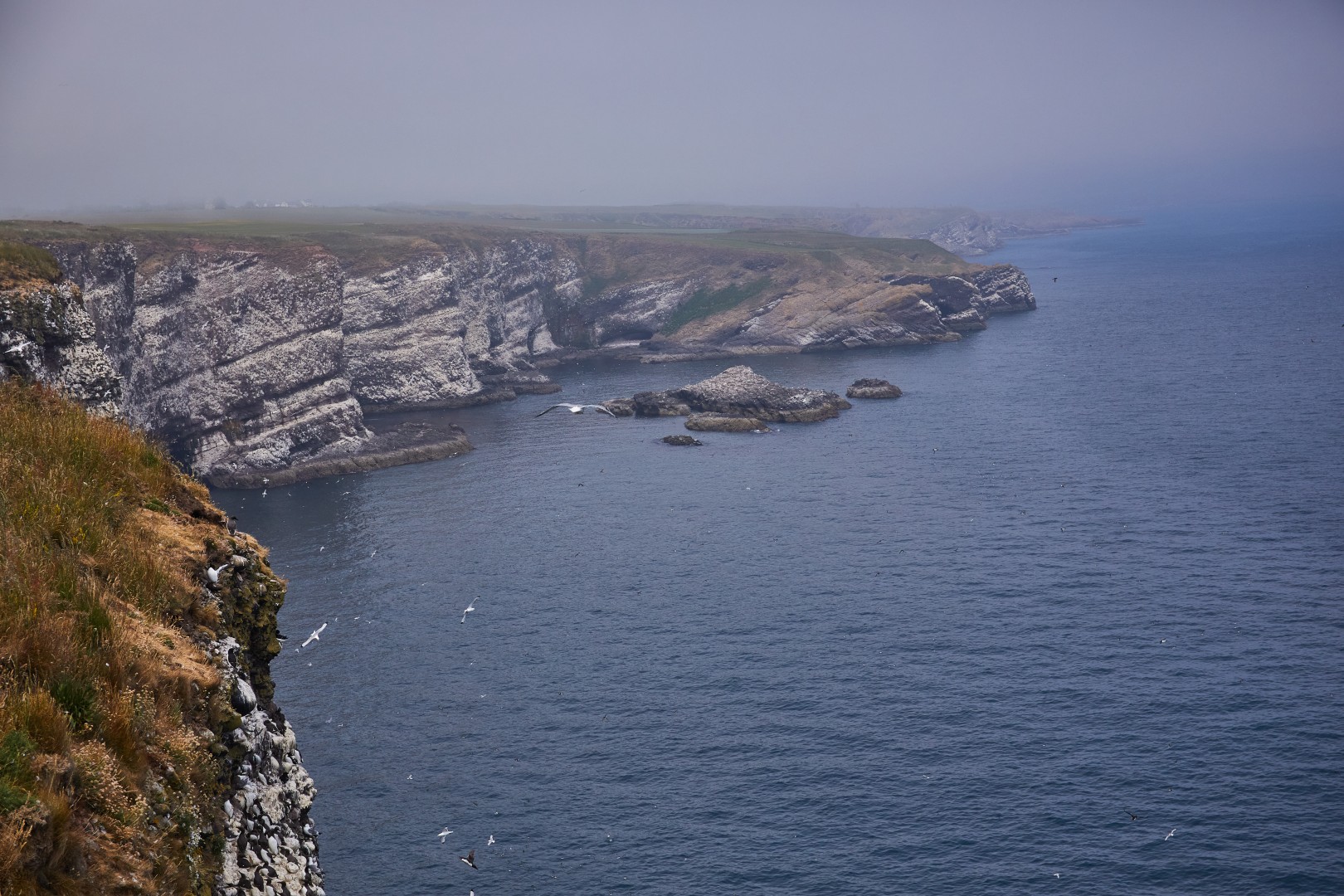
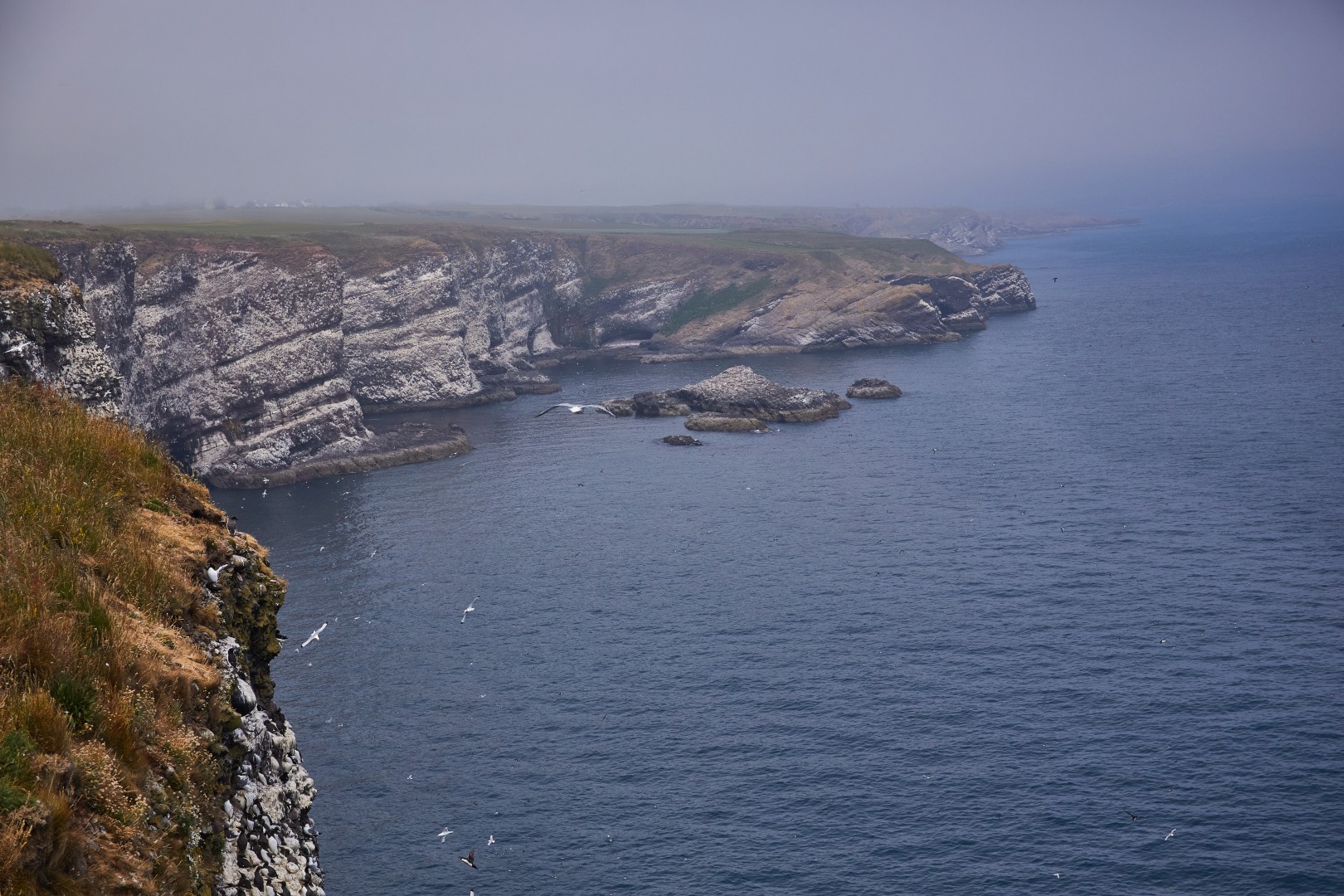
Sea cliffs at Fowlsheugh on the east coast of Scotland
Thomas Fuhrmann via Wikimedia Commons · CC BY-SA 4.0

Sea cliffs and breeding islands

The steep coasts of Aberdeenshire, Fife, the Scottish Borders and the northern islands become seabird cities in spring and summer. Rocky ledges provide safe nest sites, while rich seas support the colonies. More than 115,000 seabirds breed at Fowlsheugh during the season.

Key species

  • Atlantic puffin
  • Common guillemot
  • Razorbill
  • Black-legged kittiwake
  • Northern fulmar
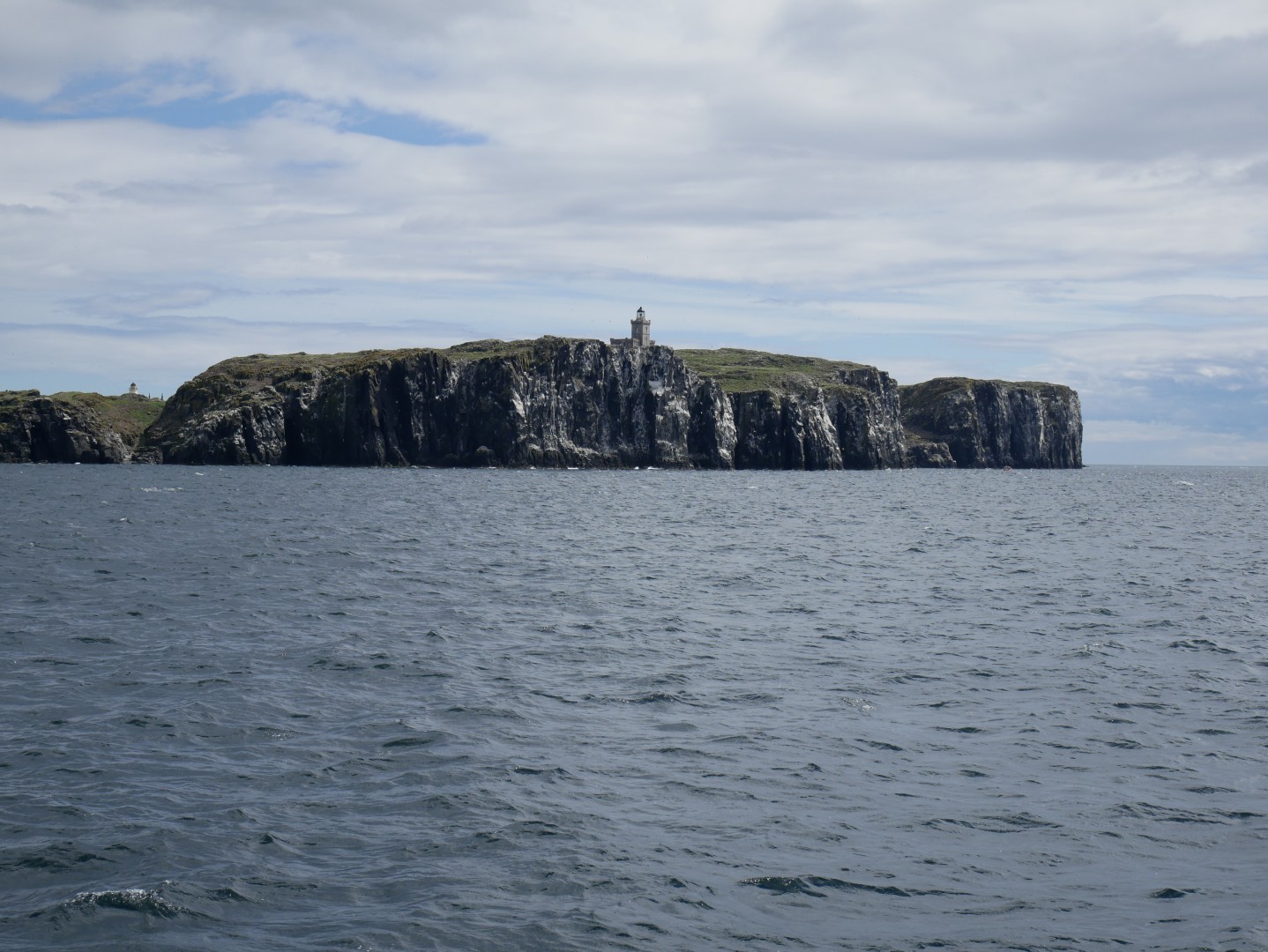
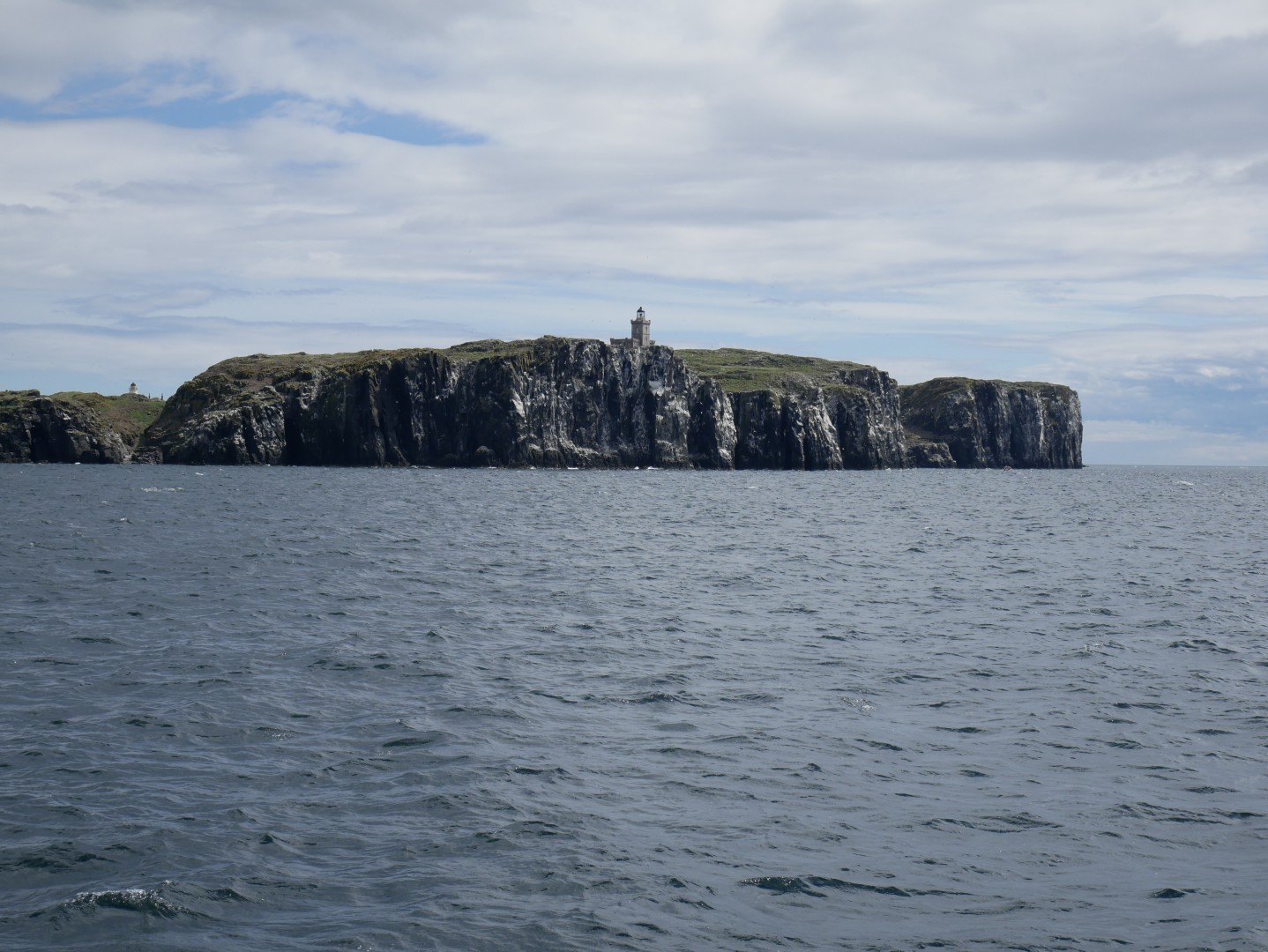
The Isle of May in the Firth of Forth
CopiousEdits via Wikimedia Commons · CC BY-SA 4.0

Rocky coasts, sea lochs and islands

Along the west coast and across the Hebrides, rocky bays, sea lochs and small islands follow one another. This is the habitat of white-tailed eagles, black guillemots, eiders and divers. Watch from a quiet coastal road or take a boat, but be prepared for quickly changing weather and strong winds.

Key species

  • White-tailed eagle
  • Black guillemot
  • Red-throated diver
  • Common eider
  • Great skua
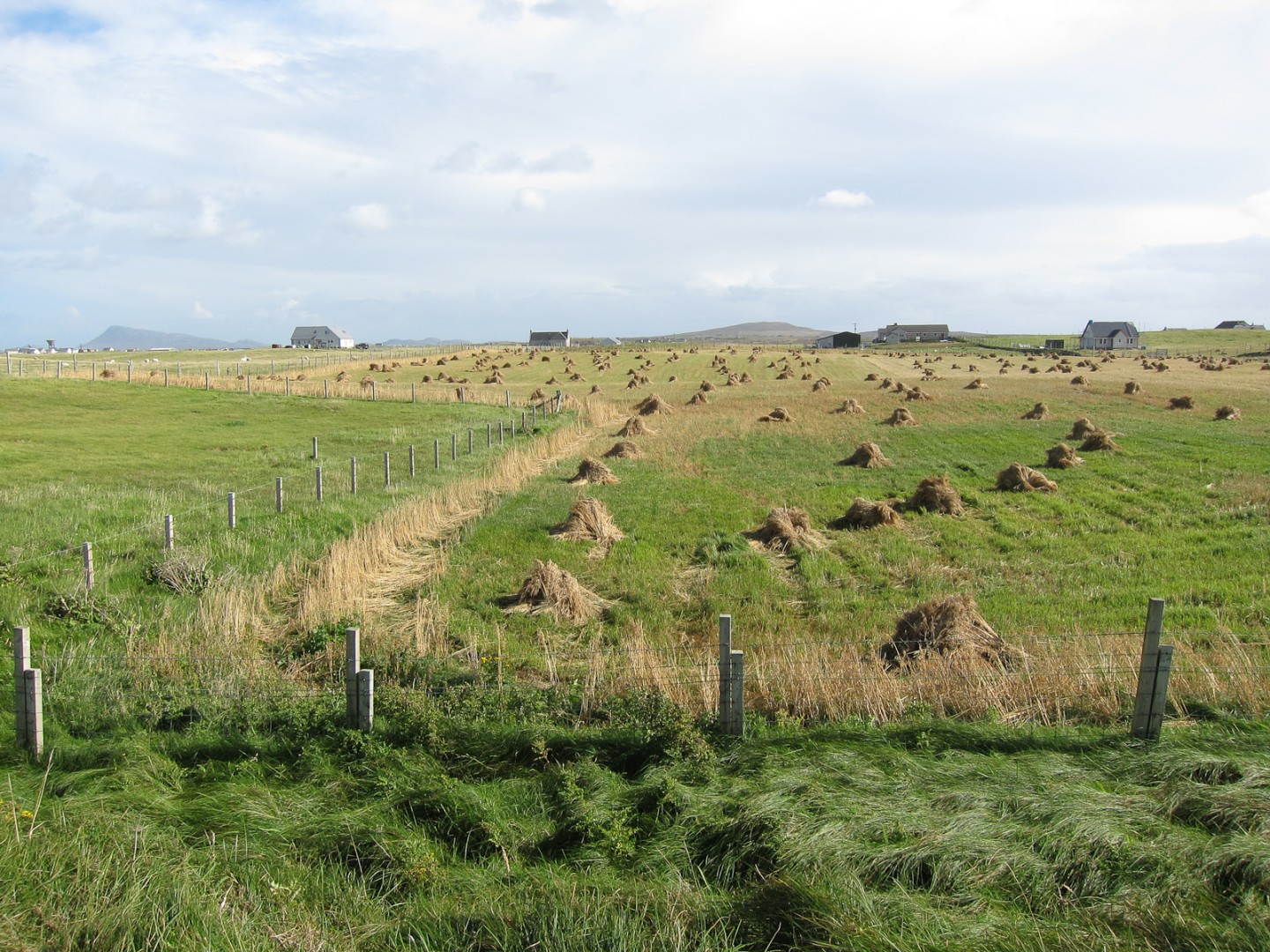
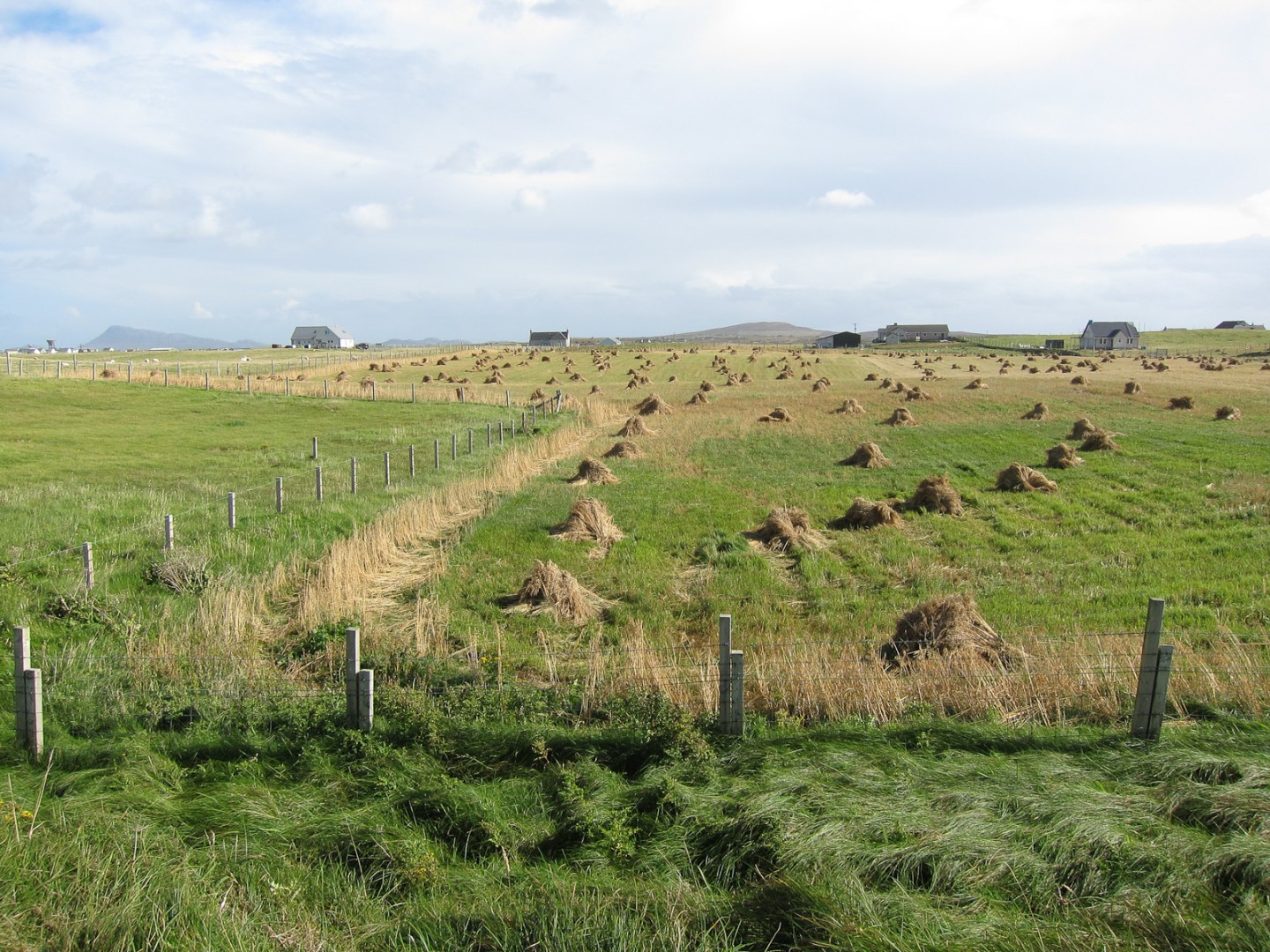
Machair landscape on South Uist in the Outer Hebrides
Hugh Venables via Geograph and Wikimedia Commons · CC BY-SA 2.0

Machair, dunes and coastal grassland

The flower-rich machair of the Outer Hebrides is one of Scotland’s most distinctive coastal landscapes. Low-intensity farming, low dunes and wet hollows provide food and cover for breeding waders and songbirds. In the evening, the call of a corncrake may rise from the grass.

Key species

  • Corncrake
  • Black-winged stilt
  • Ringed plover
  • Dunlin
  • Short-eared owl
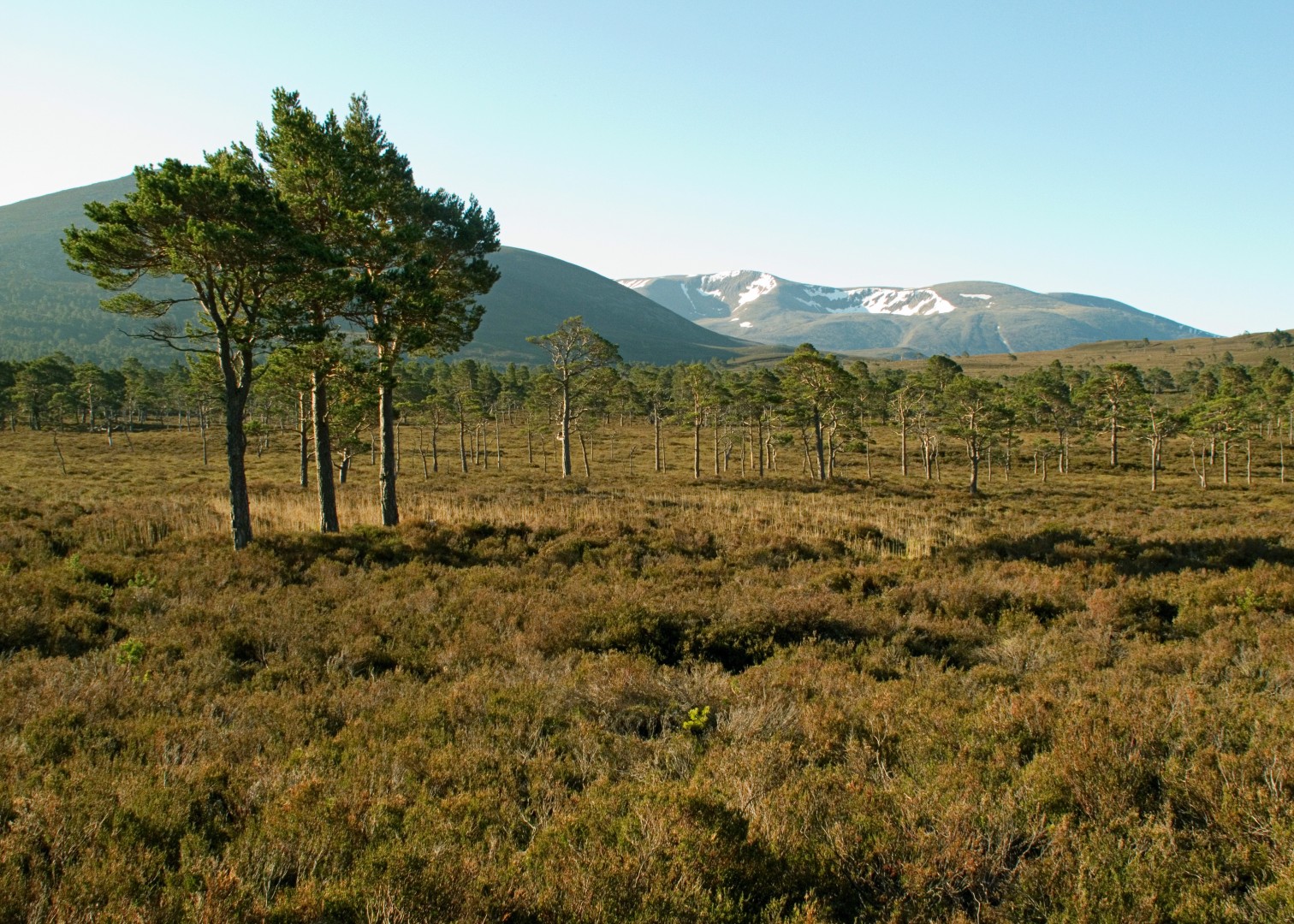
Ancient Caledonian pinewood in the Scottish Highlands
jeff collins via Geograph and Wikimedia Commons · CC BY-SA 2.0

Caledonian pinewoods

The remaining pinewoods of the Cairngorms support a distinctive woodland bird community. Walk slowly, listen for short calls between the treetops and check open areas with berries and pine cones. The best sightings often come early in the day, when the forest is still quiet.

Key species

  • Scottish crossbill
  • Crested tit
  • Capercaillie
  • Eurasian woodcock
  • Eurasian siskin
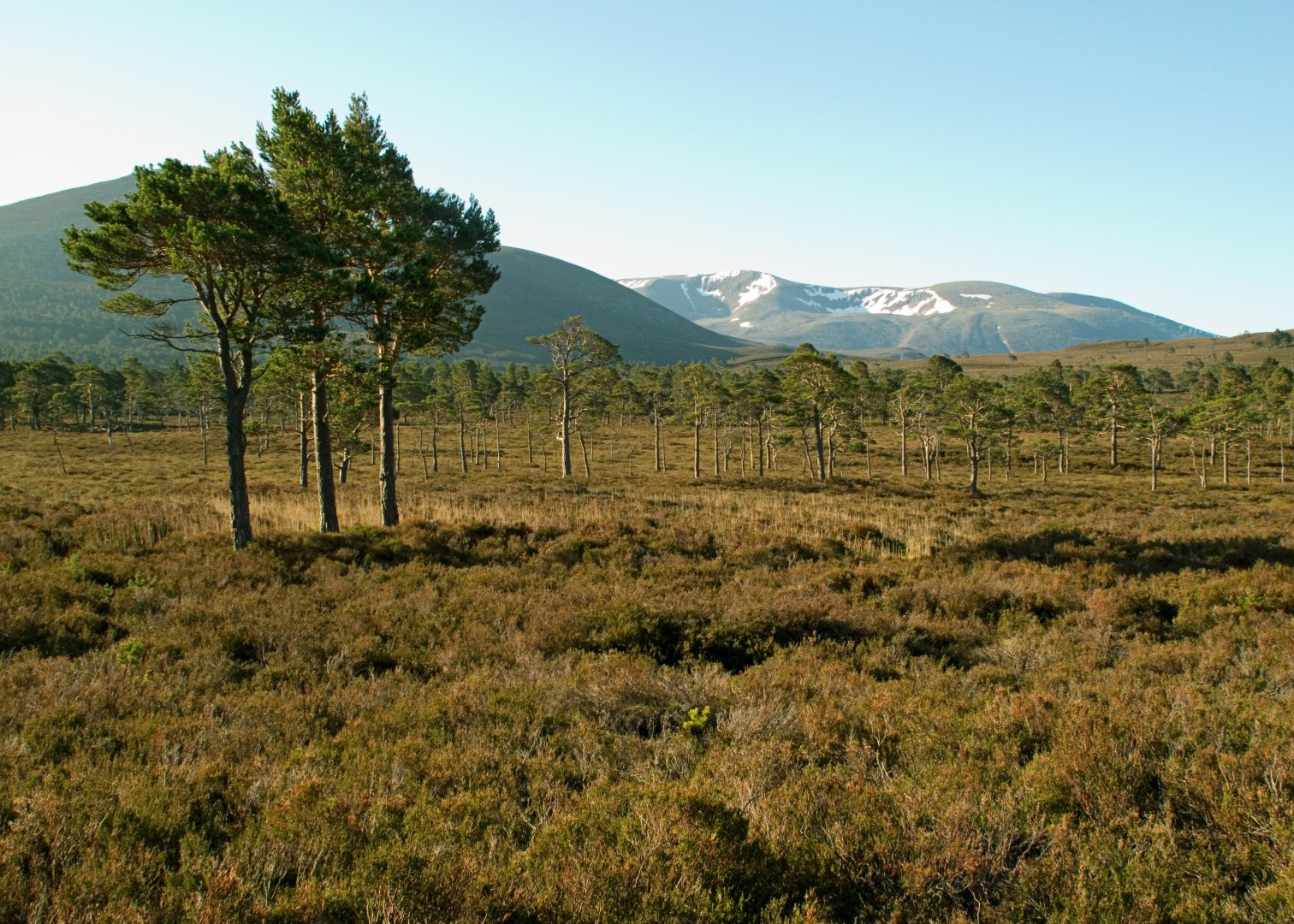
Forest and peatland landscape in the Cairngorms
Peter Mulligan via Wikimedia Commons · CC BY 2.0

Moorland, peatlands and mountain plateaus

The open moors and high plateaus of the Highlands provide space for species adapted to wind, cold and sparse vegetation. In the valleys, look for birds of prey and rough grassland species. Higher up, summer days can produce snow buntings, dotterels and ptarmigan, although these birds require patience and good weather.

Key species

  • Golden eagle
  • Rough-legged buzzard
  • Red grouse
  • Dotterel
  • Snow bunting
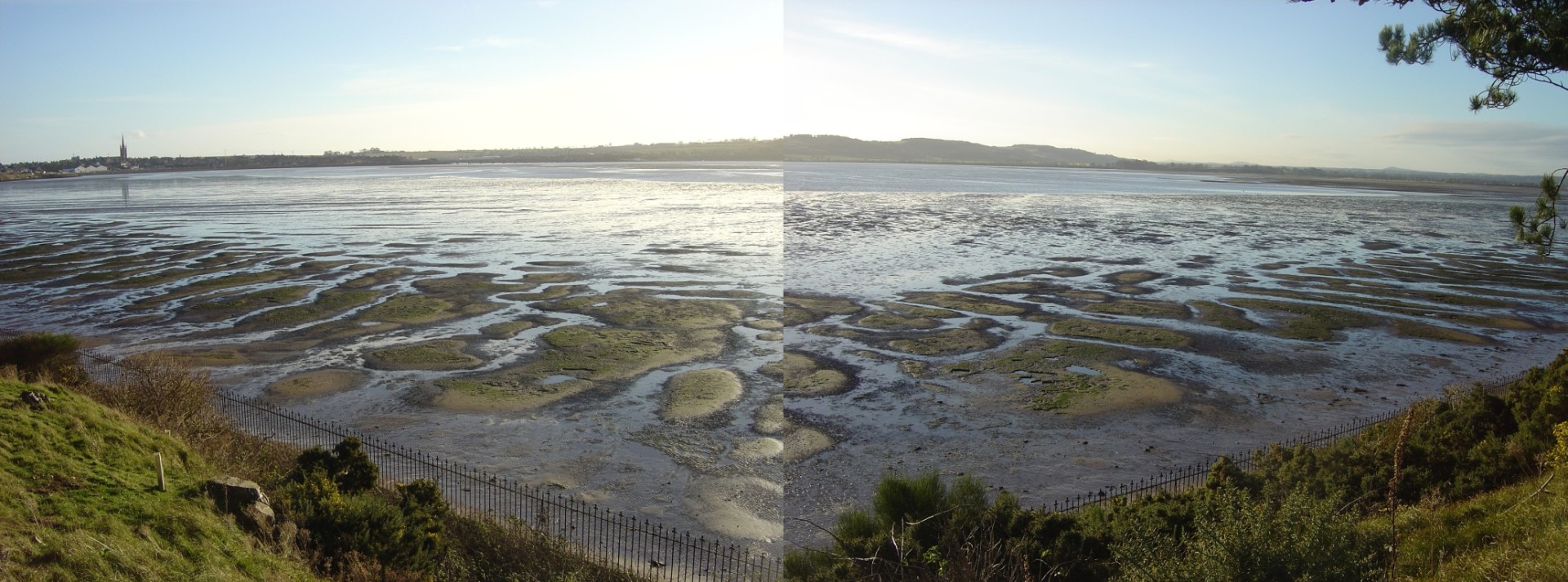
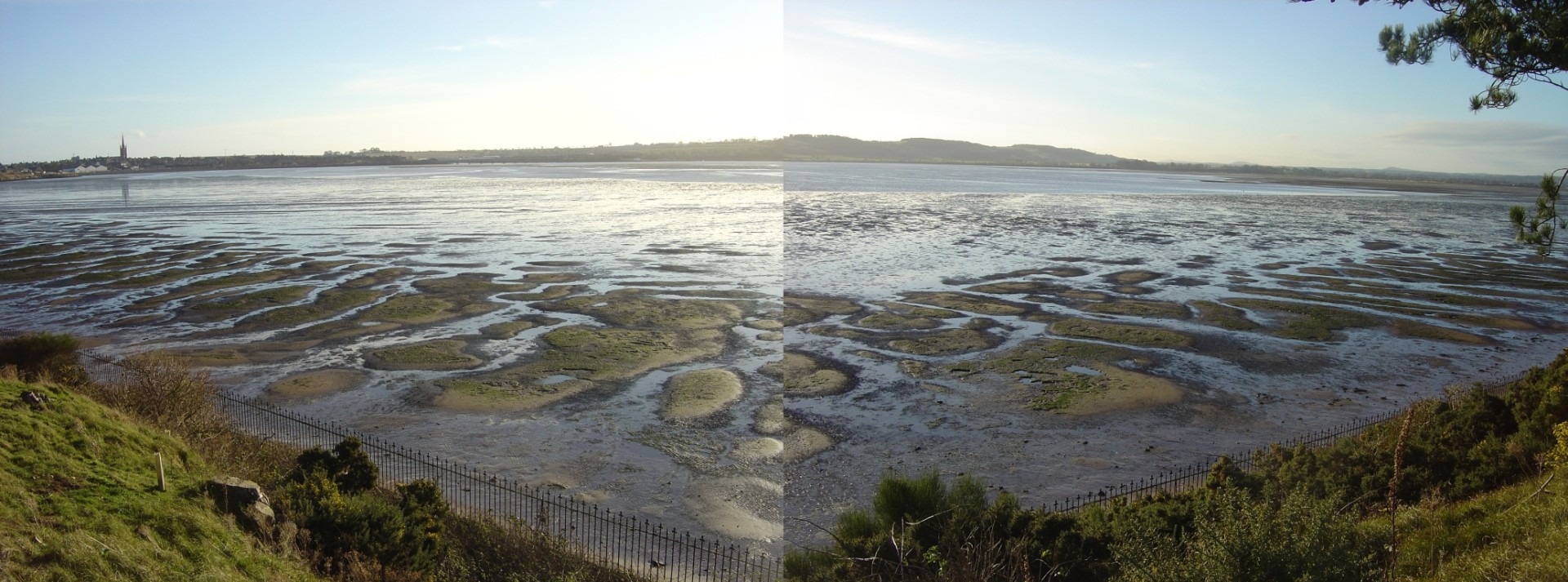
Tidal landscape at Montrose Basin on the east coast of Scotland
friedfish via Wikimedia Commons · public domain

Estuaries, wetlands and inland lochs

Estuaries such as Montrose Basin, wetlands such as Loch of Strathbeg and the large inland lochs are interesting throughout the year. In autumn and winter, geese, swans, ducks and waders gather on open water and mudflats. In spring, breeding terns, ospreys and wetland birds join them.

Key species

  • Greater white-fronted goose
  • Bewick’s swan
  • Osprey
  • Bar-tailed godwit
  • European golden plover

Birdwatching throughout the year

Scotland bird calendar: what can you expect each season?

Scotland does not have one single birding peak. Seabird colonies are spectacular in May and June, geese and migrants arrive in autumn, and estuaries and coastal lochs become important wintering sites. Use this calendar to match your visit to the species you most want to see.

WinterDecember to FebruarySpringMarch to MaySummerJune to AugustAutumnSeptember to November
  1. January

    Winter

    Geese, divers and winter estuaries

    In January, the Solway coast, Islay, Montrose Basin and other estuaries are good for large flocks of geese and ducks. Also look for red-throated divers, sawbills, golden plovers and hunting hen harriers over open ground.

    Recommended placesCaerlaverock, Montrose Basin, Islay, Loch of Strathbeg and sheltered sea lochs.

  2. February

    Winter

    Winter visitors and early coastal birds

    Winter flocks remain, while the first signs of the breeding season appear along the coast. Eiders, black guillemots and purple sandpipers are worth looking for on rocky shores. In the woods, crossbills may be actively feeding.

    Recommended placesMoray Firth, Montrose, the Cairngorms and the east coast near St Abb’s Head.

  3. March

    Spring

    Migrant birds return

    The first summer visitors return to woods, wetlands and islands. Common sandpipers, godwits and other waders move along the coast. In the Highlands, birds of prey begin display flights and quiet lochs become attractive to divers.

    Recommended placesOuter Firth of Forth, Montrose Basin, the Outer Hebrides and lowland Highland lochs.

  4. April

    Spring

    Puffins and ospreys arrive

    From April, puffins return to breeding islands such as the Isle of May and the Treshnish Isles. Ospreys also return to familiar nesting sites. In the pinewoods, crested tits are singing and crossbill activity increases.

    Recommended placesIsle of May, Loch Garten, the Cairngorms and the western islands.

  5. May

    Spring

    Peak month for seabirds and songbirds

    May is one of the best months for birdwatching in Scotland. The cliffs fill with guillemots, razorbills, kittiwakes and northern fulmars. On the islands, machair and reedbeds come alive with song, with chances of corncrake, meadow pipit and short-eared owl.

    Recommended placesFowlsheugh, St Abb’s Head, Isle of May, Shetland and the Outer Hebrides.

  6. June

    Summer

    Breeding colonies at their busiest

    In June, seabird colonies are at their most lively. Puffins carry food to their burrows, young guillemots gather on the ledges and predators such as great skuas patrol above the cliffs. Long days leave plenty of time for a boat trip or coastal walk.

    Recommended placesFowlsheugh, Isle of May, Staffa, Shetland and St Kilda.

  7. July

    Summer

    Young seabirds and mountain species

    July remains excellent for seabirds, although the first young birds are already leaving the colonies. In the mountains, snow buntings, dotterels and ptarmigan are possible in stable weather. On Mull and in the Highlands, birds of prey remain interesting throughout the year.

    Recommended placesHighland plateaus, the Cairngorms, Mull, Fowlsheugh and the northern islands.

  8. August

    Summer

    Autumn migration begins

    From August, waders and songbirds move along the coast. Birds gather on mudflats, beaches and estuaries to refuel. Breeding colonies become quieter, but puffins and razorbills are still present on some islands.

    Recommended placesMontrose Basin, the Moray Firth, the Outer Hebrides and Shetland.

  9. September

    Autumn

    Migration along the coast and islands

    September is good for visible migration, especially when winds blow along the coast. Look for waders, pipits, wheatears and birds of prey. In the north, seabirds and rare visitors can add plenty of species to your list.

    Recommended placesShetland, Orkney, the east coast, Outer Firth of Forth and the Hebrides.

  10. October

    Autumn

    Geese return

    In October, large numbers of geese arrive from the north. Pink-footed geese, barnacle geese and brent geese move into grasslands and coastal marshes. Wetlands are also good for migrant waders, while thrushes and finches increase in the woods.

    Recommended placesLoch of Strathbeg, Montrose Basin, Caerlaverock, Islay and the Solway coast.

  11. November

    Autumn

    Winter birds on open water

    November brings many ducks, geese and swans to Scottish lochs and estuaries. Look for goldeneyes, scaup and sawbills on sheltered waters. In open country, hen harriers and short-eared owls may hunt low over the fields.

    Recommended placesCaerlaverock, Montrose Basin, Loch of Strathbeg, Islay and the Moray Firth.

  12. December

    Winter

    Geese, coastal waders and birds of prey

    In December, large skeins of geese are one of the most striking wildlife spectacles. Along the coast, purple sandpipers and turnstones feed between the rocks. In the Highlands, short days offer good chances of winter raptors and flocks of crossbills.

    Recommended placesSolway Firth, Islay, Caerlaverock, Montrose and the Cairngorms.

Seasonal information and area examples: NatureScot Isle of May, RSPB Fowlsheugh, RSPB Loch of Strathbeg, WWT Caerlaverock and Cairngorms National Park.

Birding areas in Scotland

The best birding sites in Scotland: where can you go birdwatching?

From North Sea seabird cliffs to ancient pinewoods and flower-rich machair, Scotland has birding areas for every type of birder. Below are six locations that are popular, represent a distinct landscape and offer plenty of opportunities to explore independently. Always check opening times, boat connections, access rules and temporary closures before you leave.

Sea cliffs at Fowlsheugh on the Scottish east coast
Photo: Thomas Fuhrmann via Wikimedia Commons · CC BY-SA 4.0

Aberdeenshire

Sea cliffs · seabirds

Fowlsheugh

One of the largest seabird colonies on mainland Scotland

Fowlsheugh lies south of Aberdeen and is one of the most impressive places to watch seabirds without taking a boat trip. A coastal path of around three kilometres crosses grassland to viewpoints above the cliffs. During the breeding season, the ledges are packed with guillemots, razorbills and kittiwakes. Puffins are less numerous, but they are among the birds many visitors come specifically to see.

Look for
Common guillemot, razorbill, kittiwake, Atlantic puffin and northern fulmar.
Plan around
May to early August, calm weather and enough time for the coastal walk.
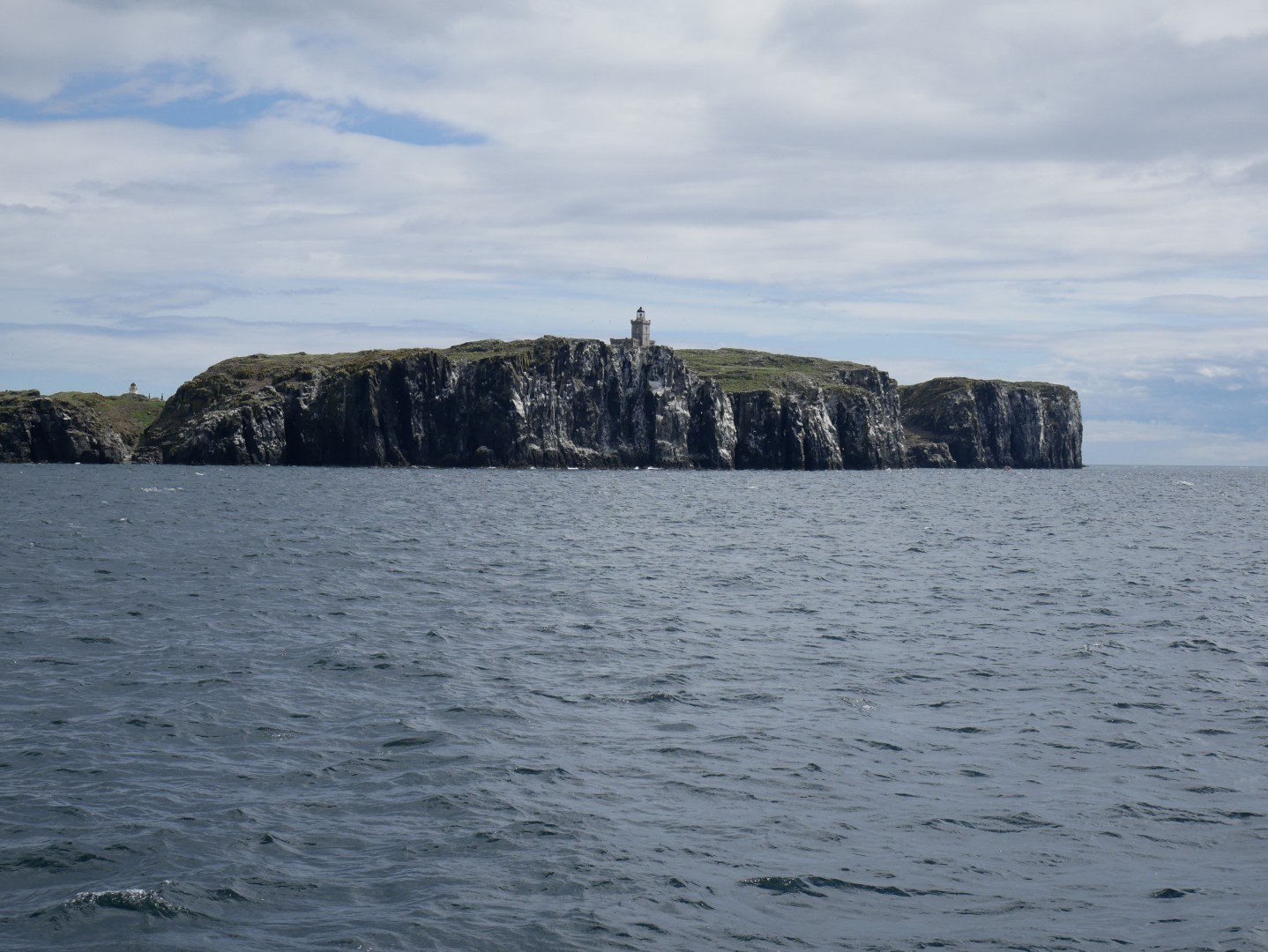
Isle of May in the Firth of Forth
Photo: CopiousEdits via Wikimedia Commons · CC BY-SA 4.0

Fife

Island · cliffs · burrows

Isle of May

Puffins and razorbills on an accessible nature reserve

Isle of May National Nature Reserve lies at the mouth of the Firth of Forth and is a top destination for anyone who wants to see puffins in Scotland. From Anstruther, North Berwick or other departure points, you travel to the island by boat. The colony is most active between April and July. Stay on the marked paths, as breeding seabirds and young birds are sensitive to disturbance.

Look for
Atlantic puffin, razorbill, guillemot, kittiwake, common eider and grey seal.
Plan around
A booked boat, calm weather, waterproof clothing and sturdy walking shoes.
Tidal landscape at Montrose Basin in Angus
Photo: friedfish via Wikimedia Commons · public domain

Angus

Estuary · mudflats · wetlands

Montrose Basin

An accessible tidal wetland with large numbers of migrant birds

Montrose Basin is a sheltered estuary of the South Esk, close to Montrose. Its mudflats provide food for waders and attract large numbers of geese and other waterbirds in autumn and winter. From the visitor centre, you can look across the basin and scan the mudflats with binoculars and telescopes. Its location near Montrose makes it one of the more practical birding sites for travellers using trains or buses.

Look for
Pink-footed goose, barnacle goose, curlew, bar-tailed godwit, redshank and osprey.
Plan around
Autumn and winter, the tide and the visitor centre’s current opening times.
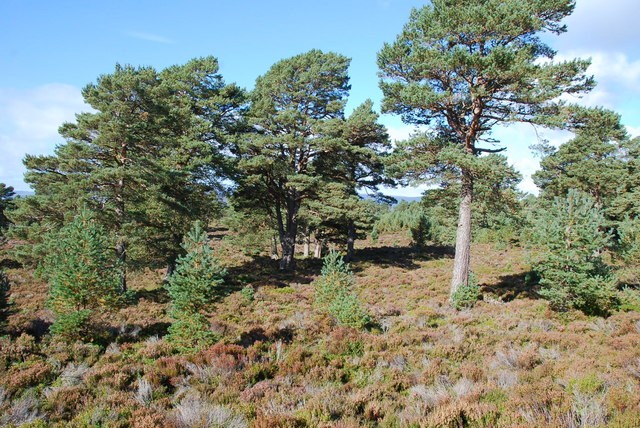
Caledonian pinewood in the Cairngorms
Photo: Peter Mulligan via Wikimedia Commons · CC BY 2.0

Cairngorms National Park

Pinewood · loch · moorland

Loch Garten and Abernethy

A classic destination for woodland birds and ospreys

RSPB Loch Garten lies in the heart of the Caledonian pinewood near Boat of Garten. Paths lead through ancient Scots pine and along open water. In spring and summer, you can watch ospreys, while crested tits, siskins, woodpeckers and crossbills move through the treetops. The Nature Centre and walking routes make the area suitable for both beginners and experienced birders.

Look for
Osprey, crested tit, Scottish crossbill, siskin, bullfinch and common goldeneye.
Plan around
April to October for the Nature Centre, early in the day for woodland birds.
Machair landscape on South Uist in the Outer Hebrides
Photo: Hugh Venables via Geograph and Wikimedia Commons · CC BY-SA 2.0

Outer Hebrides

Machair · beach · wetland

South Uist and the machair

Flower-rich coastal plains with corncrakes and special waders

The west coast of South Uist and the other Outer Hebrides has an open landscape of machair, dunes, beaches and freshwater lochs. During the breeding season, look for corncrakes, ringed plovers, dunlin and short-eared owls. The area is extensive and sparsely populated, so quiet coastal walks often produce more than driving quickly from one viewpoint to the next.

Look for
Corncrake, short-eared owl, ringed plover, dunlin and red-throated diver.
Plan around
May to July, wind direction, ferry connections and long walks without facilities.
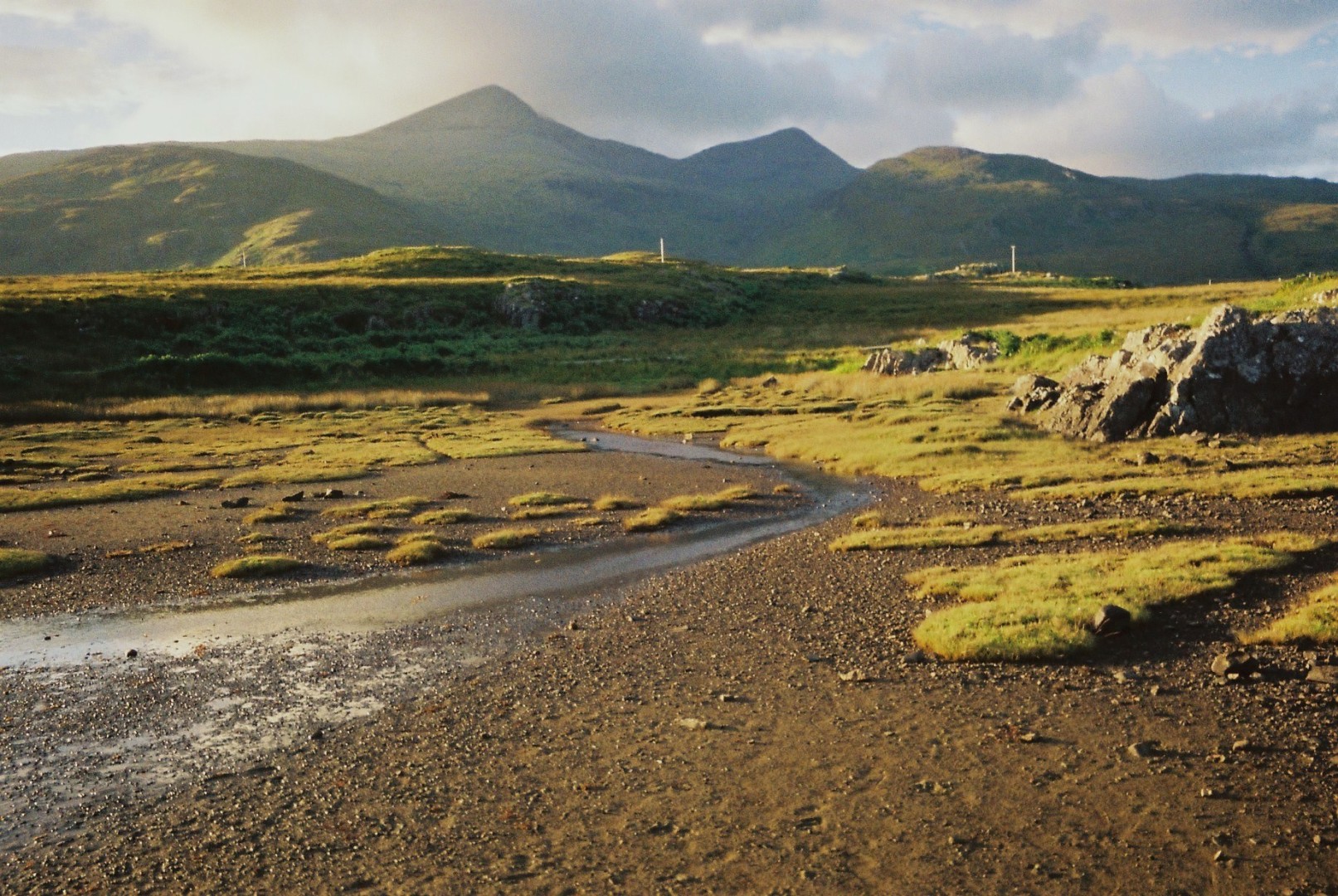
Landscape with Loch Scridain and Ben More on the Isle of Mull
Photo: Dirk Elsthout via Wikimedia Commons · CC0 1.0

Argyll and the western islands

Glens · sea lochs · islands

Isle of Mull

One of the best places to see two species of eagle

The Isle of Mull is known for its combination of rugged glens, sea lochs, coastal grassland and good chances of seeing birds of prey. From quiet roads and viewpoints, scan the hills for golden eagles. White-tailed eagles are possible along the coast and on boat trips. Otters, harriers, owls and migrant birds also make Mull a rewarding destination for a multi-day birding trip.

Look for
Golden eagle, white-tailed eagle, hen harrier, short-eared owl and Atlantic puffin.
Plan around
May to September, book the ferry in advance and allow time for changeable weather.

Popular birds of Scotland

Five iconic Scottish birds and where to spot them

From the imposing golden eagle and returning white-tailed eagle to the colourful Atlantic puffin and scarce Scottish crossbill, these are five species that make a birding trip through Scotland especially memorable. They represent different landscapes and are realistic targets for field birders in the right place and season.

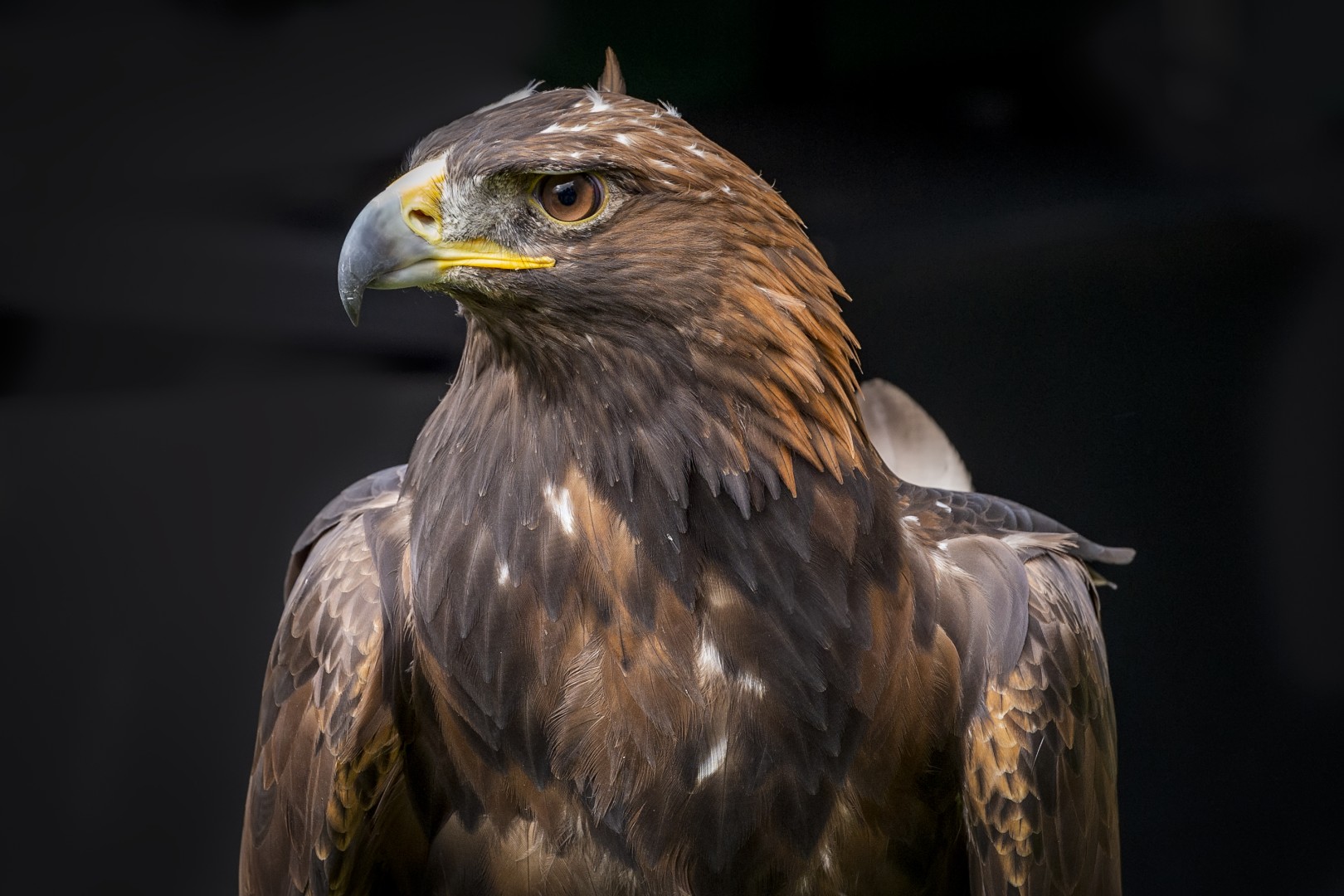
  1. Golden eagle in Langholm, Scotland
    Photo: Caroline Legg, Wikimedia Commons, CC BY 2.0

    Golden eagle

    The golden eagle is a symbol of Scotland’s open Highlands. Do not just look for a large bird of prey. Watch for broad wings, pale feathers at the back of the head and a steady glide above hillsides and glens. Clear days with little wind often provide the best conditions.

    Where can you see golden eagles in Scotland?

    • Isle of Mull · quiet roads and open glens with views across the hills
    • Skye and the western Highlands · mountain slopes, sea lochs and rugged coastal areas
    • Glen Affric, Argyll and Galloway · areas with suitable hunting grounds and woodland edges
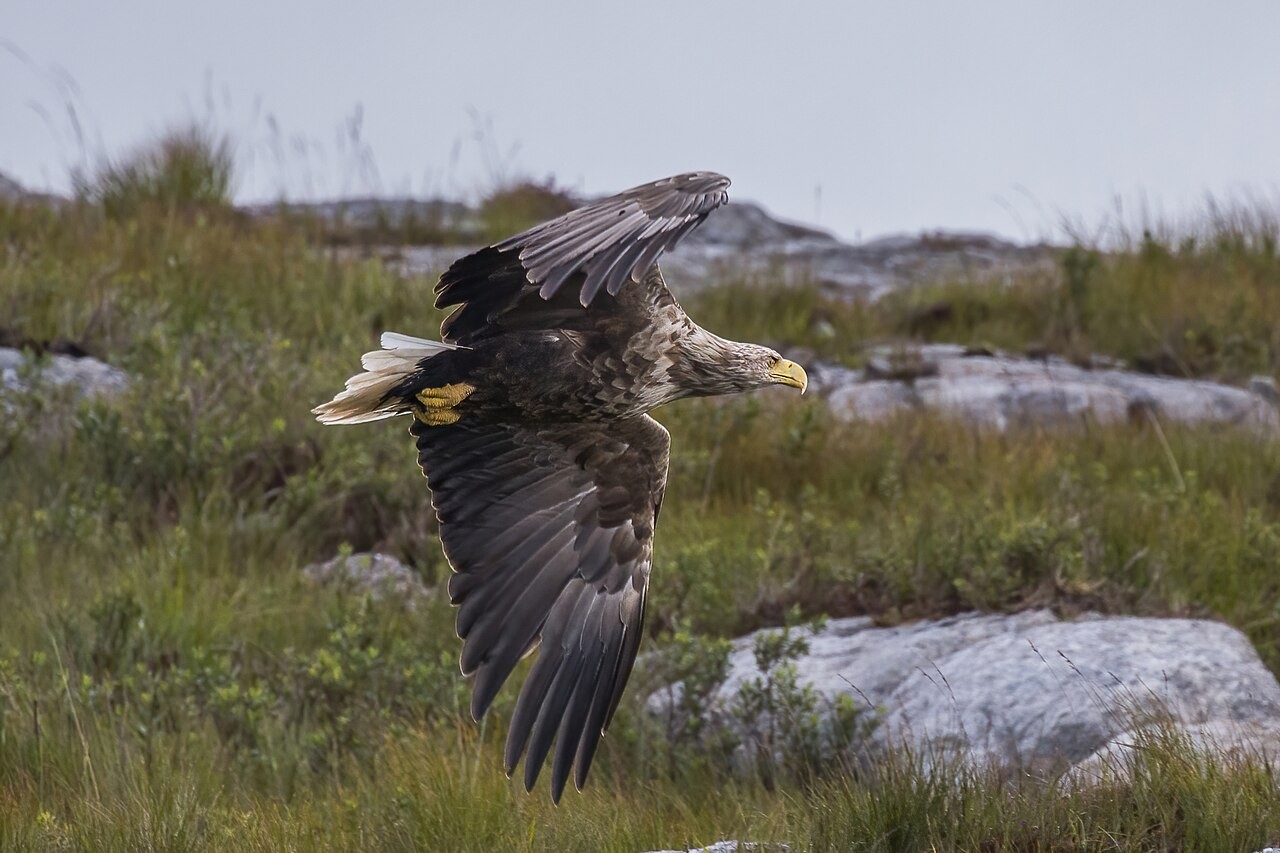
  2. White-tailed eagle flying above the Sound of Mull, Scotland
    Photo: Charles J. Sharp, Wikimedia Commons, CC BY-SA 4.0

    White-tailed eagle

    The white-tailed eagle is the United Kingdom’s largest bird of prey, with strikingly broad wings. Adults develop a pale head and white tail, while young birds are entirely brown. Look above sea lochs, islands and fish-rich waters, especially on the west coast.

    Where can you see white-tailed eagles in Scotland?

    • Isle of Mull · a well-known destination for sightings from land and boat trips
    • Ardnamurchan and Loch Sunart · western coast with suitable sea lochs
    • Skye, Rum and the Outer Hebrides · scan the coast and quiet islands
  3. Atlantic puffin on the Isle of May in Scotland
    Photo: Apotnis, Wikimedia Commons, CC BY-SA 4.0

    Atlantic puffin

    The Atlantic puffin is one of Scotland’s best-loved birds. During the breeding season, puffins return to burrows on islands and cliffs. Look for their fast, low flight over the sea, colourful breeding plumage and birds flying back to the nest with fish in their bills.

    Where can you see puffins in Scotland?

    • Isle of May · a good choice from Anstruther or North Berwick
    • Staffa and the Treshnish Isles · western islands with short boat trips in season
    • Shetland, Orkney and St Kilda · impressive colonies, with St Kilda being a very remote destination
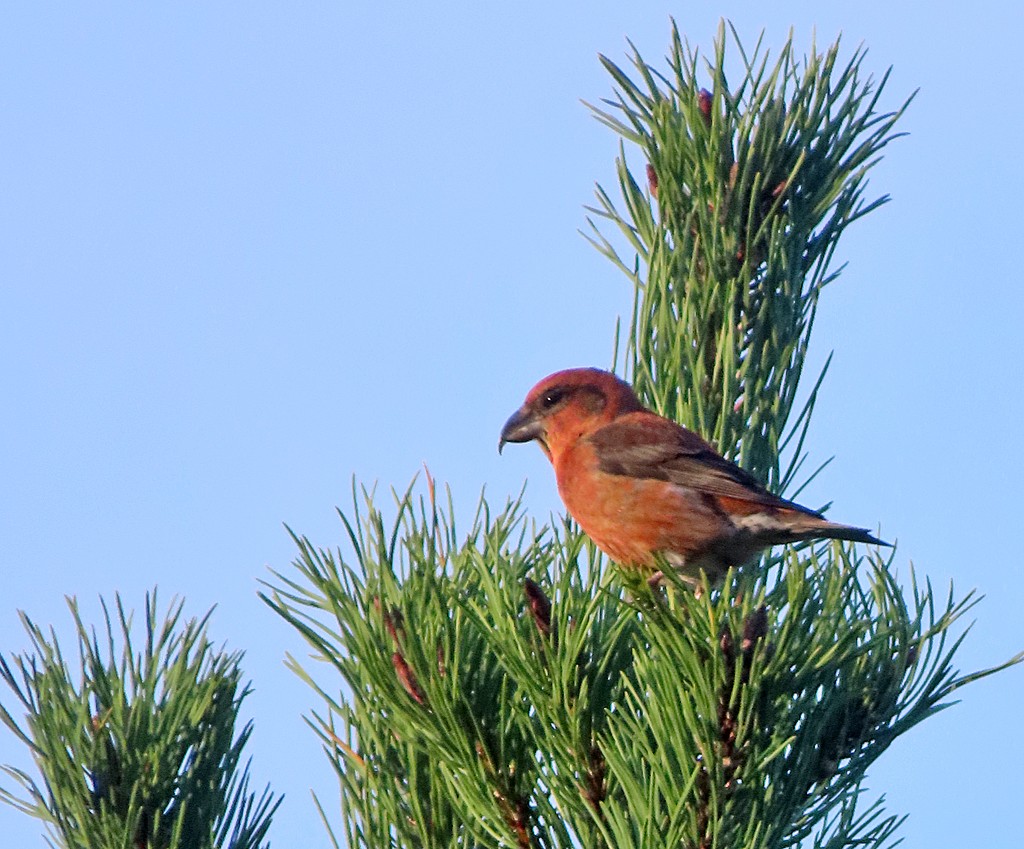
  4. Scottish crossbill in a pinewood in the Cairngorms
    Photo: Anne Burgess, Geograph and Wikimedia Commons, CC BY-SA 2.0

    Scottish crossbill

    The Scottish crossbill is associated with Caledonian pinewoods and is considered the only bird species found exclusively in Scotland. It often stays high in the treetops and can be difficult to see. Learn its call, watch open areas and look for birds working on pine cones.

    Where can you see Scottish crossbills in Scotland?

    • Abernethy and Loch Garten · ancient Scots pine and well-known woodland trails
    • Glenmore Forest Park and Rothiemurchus · strong areas in the Cairngorms
    • Speyside and other Caledonian pinewoods · listen for calls above open woodland edges
  5. Coastal landscape of the Isle of May as habitat for razorbills and guillemots
    Photo of the breeding habitat: CopiousEdits, Wikimedia Commons, CC BY-SA 4.0

    Razorbill

    The razorbill is a compact seabird of the North Atlantic cliffs. It looks like a small penguin, but it is an excellent flyer and diver. During the breeding season, razorbills usually gather on ledges and rocky plateaus, often alongside guillemots and kittiwakes.

    Where can you see razorbills in Scotland?

    • Isle of May · steep west cliffs and rocky breeding sites in the Firth of Forth
    • St Abb’s Head · one of the most accessible seabird colonies on the mainland
    • Fowlsheugh, Shetland and Orkney · large colonies during spring and summer

Useful tips and information

Practical questions about birdwatching in Scotland

Want to know when seabird colonies are busiest, where to see puffins and eagles or how to plan a birding trip through the Highlands? Below you will find practical answers for birders who want to explore Scotland independently.

For seabirds, the period from May to July is usually the most spectacular. Puffins, razorbills, guillemots, kittiwakes and northern fulmars breed on the cliffs and islands. April to June is excellent for songbirds, ospreys, birds of prey and migrants in the Highlands and wetlands.

If you mainly want to see geese and winter birds, travel between October and March. The Solway coast, Islay, Montrose Basin, Caerlaverock and Loch of Strathbeg then attract large numbers of geese, swans and ducks. For a broad species list, May and June are often the best months, but weather and access to the islands strongly affect what is possible. Before travelling, check the area information from NatureScot and RSPB Scotland.

Well-known locations include the Isle of May in the Firth of Forth, Staffa and the Treshnish Isles on the west coast, as well as several colonies in Shetland and Orkney. The Isle of May is a practical choice for many visitors because you can reach it by boat from Anstruther or North Berwick. The best period there runs roughly from April to July.

On the islands, paths, boat departures and weather conditions are all important. Keep away from burrows and cliff edges and never leave the marked routes. The official Isle of May visitor information lists current boat options and seasonal rules. For an overview of other seabird sites, you can also read the information from the National Trust for Scotland.

For both eagle species, the Isle of Mull is one of the best-known destinations. Its combination of open glens, hills, coast and sea lochs makes it possible to look for both golden eagles and white-tailed eagles. Ardnamurchan, Loch Sunart, Skye, the western Highlands and parts of the Outer Hebrides can also be productive.

A sighting is never guaranteed. Golden eagles often hunt over wide slopes and may remain at a great distance. White-tailed eagles mainly use coasts and fish-rich waters. Scan high above ridgelines, woodland edges and islands, and use a telescope when possible. Consult the species information from NatureScot for golden eagles and RSPB for white-tailed eagles.

The Cairngorms are the main region for Scottish crossbills, crested tits and other Caledonian pinewood birds. Good starting points include Abernethy, Loch Garten, Glenmore Forest Park and Rothiemurchus. The national park organisation also lists woodcocks, goldeneyes and ospreys among the characteristic birds of the area.

Start early, move slowly and learn the call of the crossbill. The birds often stay high in the treetops and are easier to find when they come to a drinking place or open woodland edge. Read the information about birds in the Cairngorms and the current visitor information for RSPB Loch Garten.

Yes, but you need to choose your route carefully. St Abb’s Head is on the mainland and relatively easy to reach from the A1. Montrose Basin is close to Montrose, with train and bus connections in the area. The Isle of May can be reached by public transport to Anstruther or North Berwick, followed by a boat trip.

Some areas around Edinburgh, Glasgow and Loch Lomond are also possible without a car, although the final kilometres to a viewpoint may require a walk or local bus. Always check current timetables and boat connections. The official information for St Abb’s Head, Isle of May and the Scottish Wildlife Trust can help you plan transport.

Start by booking a boat from Anstruther, North Berwick or another official departure point. The island is open seasonally and most visitors go between April and September. For puffins, razorbills and guillemots, April to July is generally the most interesting period.

Bring sturdy shoes, warm clothing and waterproofs. Some paths are easy to walk, but other sections are steep and close to cliff edges. There are no extensive catering facilities on the island, so bring enough food and water. Biosecurity measures may apply because of avian influenza. Check the latest visitor information from NatureScot shortly before you leave.

Scotland has broad access rights to the countryside when you behave responsibly under the Scottish Outdoor Access Code. This includes keeping your distance from nests, colonies and resting birds, keeping dogs under control and respecting closed areas. Access does not mean you can go everywhere: nature reserves may introduce temporary restrictions during the breeding season.

Stay on paths near colonies, do not approach breeding seabirds and avoid noise near raptor territories. RSPB reserves and national nature reserves may have local rules for dogs, parking, hides and sensitive habitats. Read the manager’s guidance in advance, for example at RSPB reserves in Scotland and the Isle of May.

The Solway Firth is one of the best winter regions, with Caerlaverock as an accessible starting point for geese, swans, ducks and waders. WWT Caerlaverock is known for large numbers of barnacle geese from Svalbard and wintering groups of Bewick’s swans. On the east coast, Montrose Basin and Loch of Strathbeg are strong choices. Strathbeg is known for thousands of pink-footed geese and supports more than 20,000 waterbirds in winter.

Islay is also famous for wintering geese, while the Moray Firth and other sheltered sea lochs offer good chances of divers and sea ducks. At wetlands, plan around the tide and light, bring a telescope and stay at official viewpoints. See the latest information from WWT Caerlaverock and RSPB Loch of Strathbeg. For recent sightings, hotspots and expected species by location, you can use FaunaMap.

Explore birding areas and recent sightings in FaunaMap

Discover more while birdwatching

  • See recent bird sightingsSee which birds have recently been spotted near you.
  • Explore biodiverse nature areasFind the best places to spot birds and other wildlife.
  • Find sightings by speciesQuickly find sightings of the bird species you want to see.