Birding areas · migration · bird species

Birdwatching in the United States: best birding areas

Birdwatching in the United States takes you through almost every landscape imaginable. From Arctic tundra in Alaska and migration hotspots along the Atlantic coast to prairie wetlands, desert rivers, the Everglades and the islands of Hawaii: discover where to go birding, which species to expect each season and how to plan your birding trip across the USA.

  • Expected bird species by location
  • Birding hotspots worldwide
  • Keep your own life list
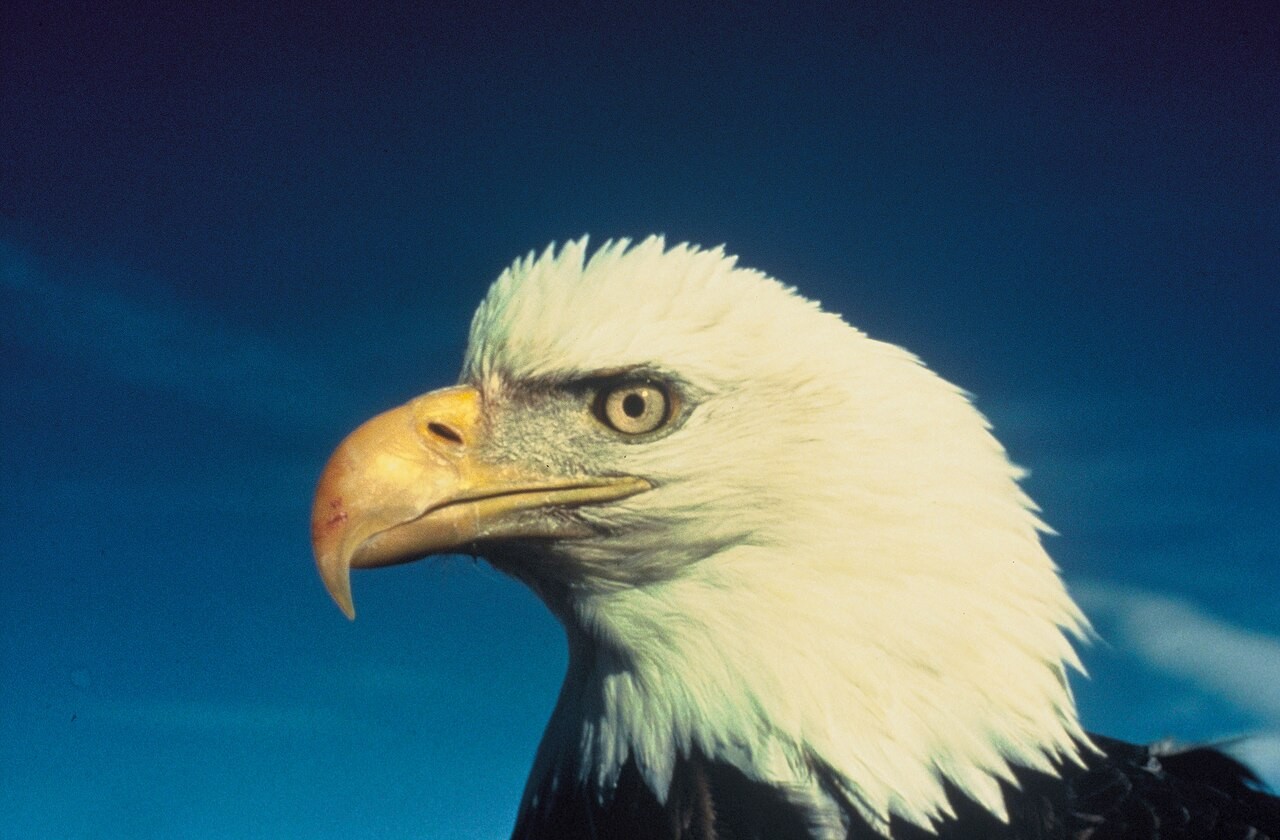
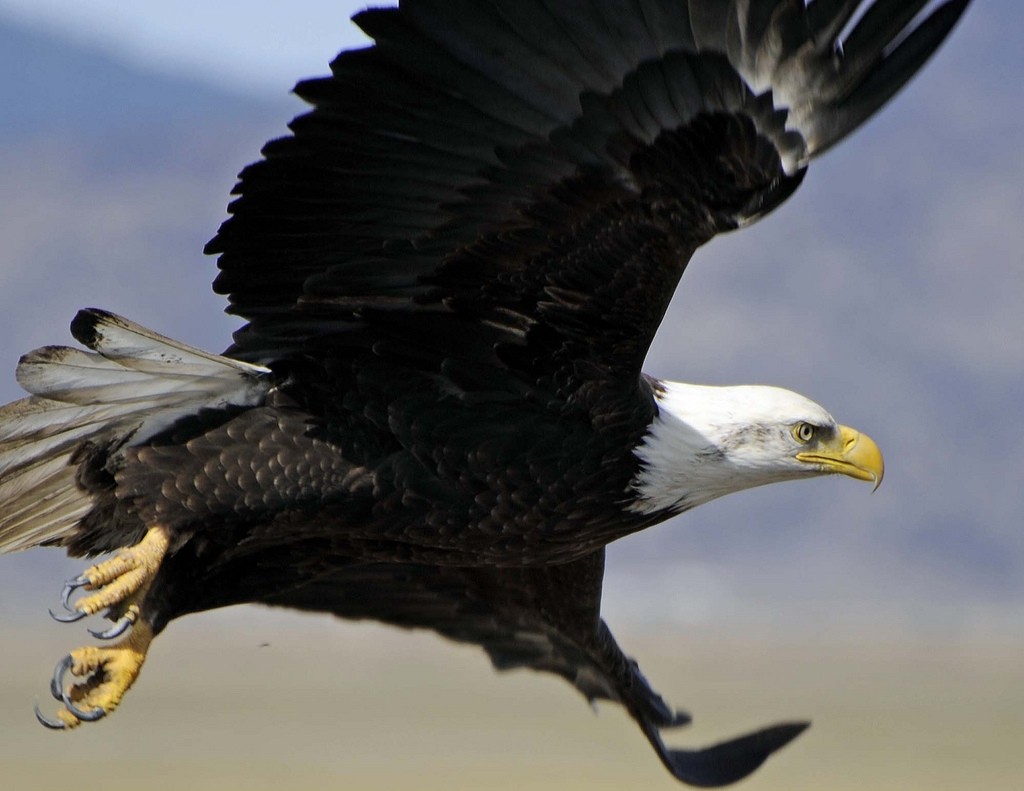
Bald Eagle flying with its wings spread
National bird of the United StatesThe Bald Eagle
Photo: George Gentry / U.S. Fish and Wildlife Service Headquarters via Wikimedia Commons · CC BY 2.0.

Why go birdwatching in the United States?

The United States brings together four major flyways and incredible habitat diversity

The United States is a dream destination for birders because you can travel from Arctic breeding grounds to subtropical wetlands within one country. This geographic range creates an exceptional mix of resident birds, winter visitors, breeding species and migrants.

In spring, millions of birds travel north along the Pacific, Central, Mississippi and Atlantic Flyways. In autumn, they make the journey south again. Coastlines, islands, the Great Lakes, river deltas and national wildlife refuges act as important stopover and feeding sites. That is why a narrow coastal strip such as Cape May, or a woodland edge along Lake Erie, can suddenly produce far more species during migration than the landscape alone might suggest.

The United States is also a practical choice for a first birding trip. There are many public nature areas, well-marked trails, observation blinds, boardwalks and scenic drives through wetlands. Extend your trip to Alaska or Hawaii and you will find a completely different range of species. With FaunaMap, you can check recent sightings, hotspots, birding locations and expected species by location before you travel.

Landscapes and biodiversity

The most important bird habitats in the United States

Choosing a birding area based on habitat, season and migration route increases your chances of finding unusual species. Together, these six landscape types form the heart of American birding, each with its own mix of breeding birds, winter visitors and migrants.

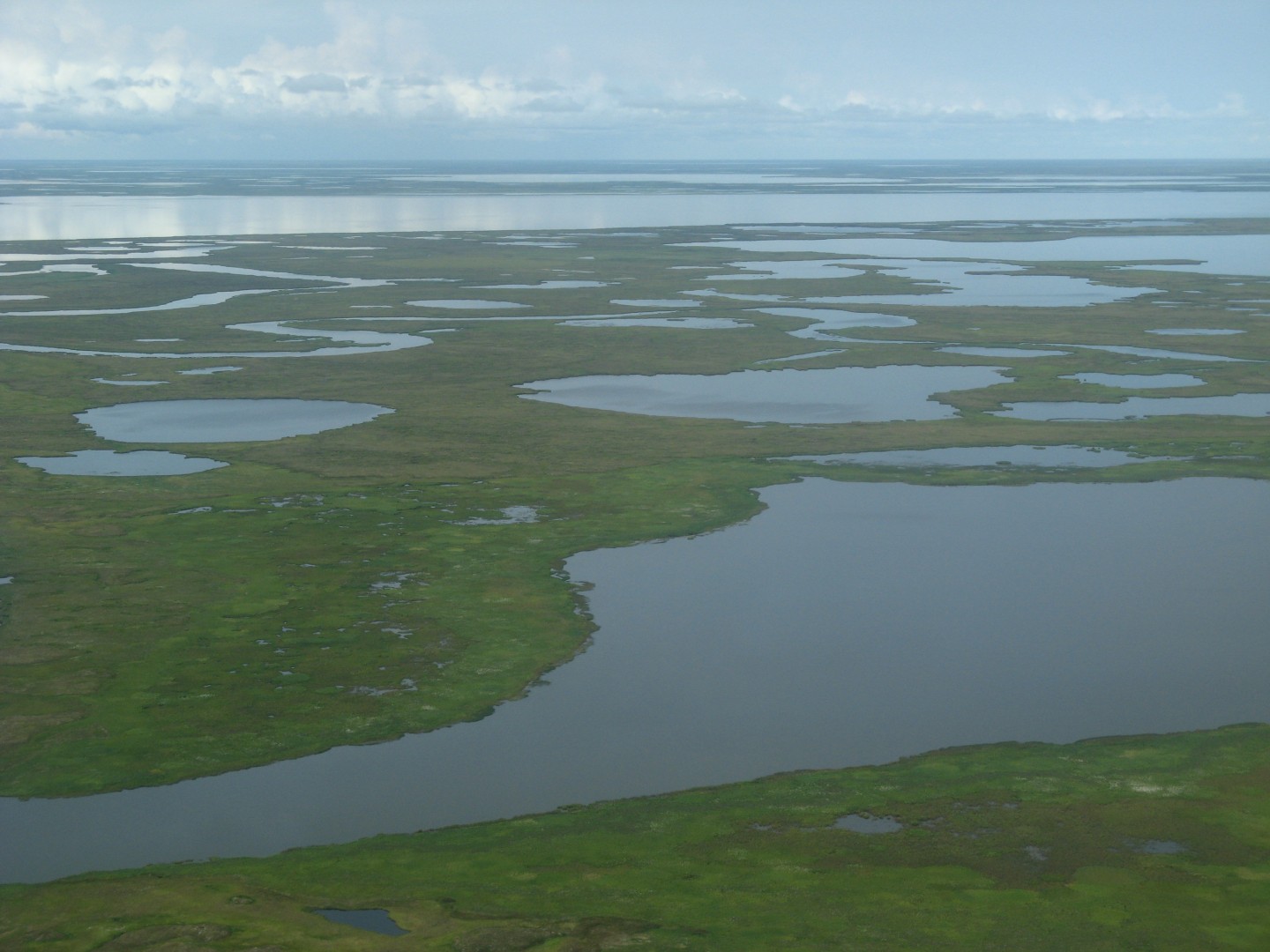
Tundra with lakes on the coastal plain of Alaska
Andrea Pokrzywinski via Wikimedia Commons · CC BY 2.0

Arctic tundra & boreal Alaska

Alaska has a short breeding season, but the long summer days trigger an incredible burst of activity. Shallow tundra lakes, river valleys and boreal forests attract loons, shorebirds, songbirds and birds of prey. Tundra landscapes are relatively accessible around Anchorage, while areas farther north demand much longer travel and tougher conditions.

Notable species

  • Red-throated Loon
  • Yellow-billed Loon
  • Snowy Owl
  • Pacific Golden-Plover
  • Smith's Longspur
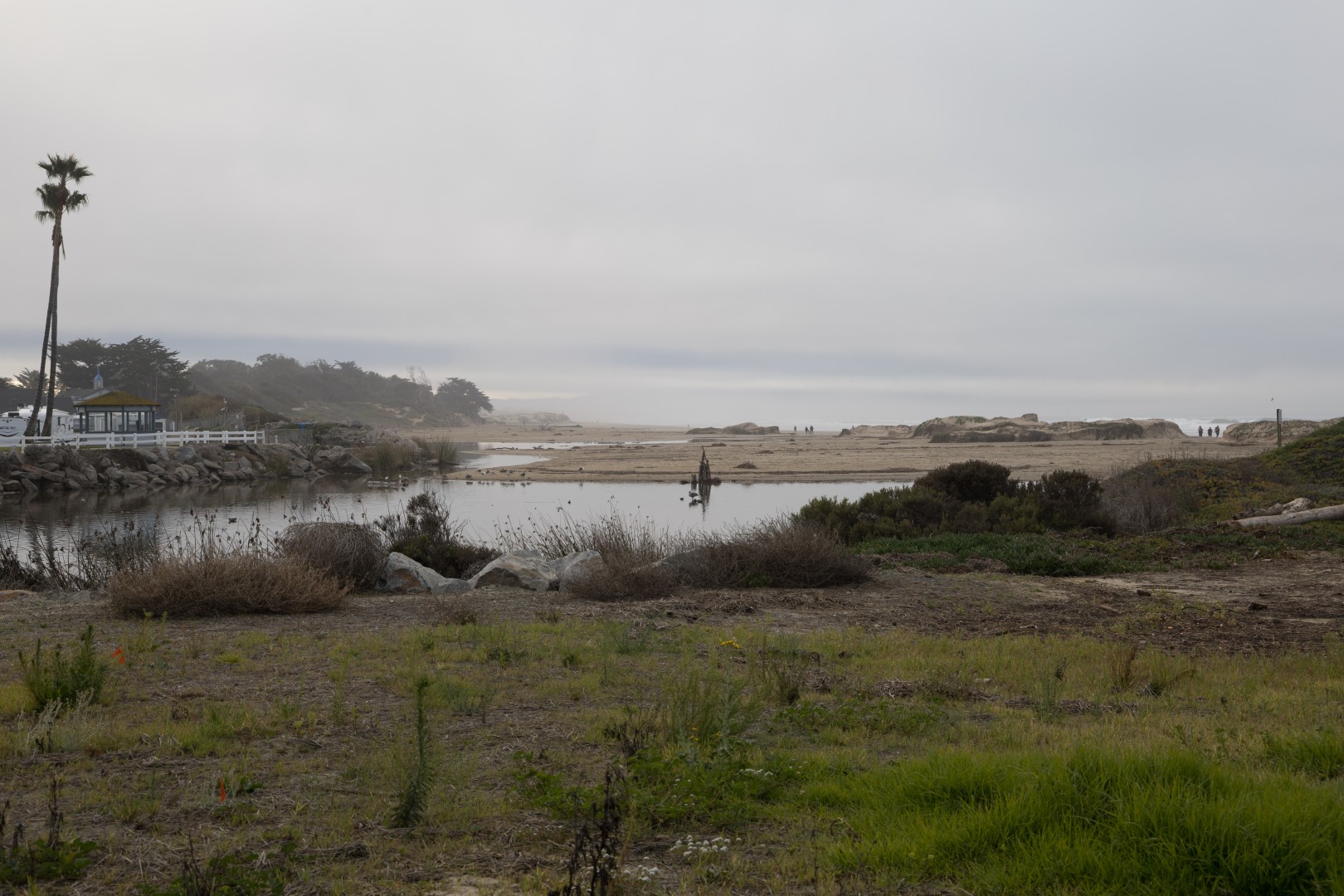
Tidal estuary of Pismo Creek on the California coast
Clyde Charles Brown via Wikimedia Commons · CC BY-SA 4.0

Pacific coast, estuaries & redwood forests

Along the Pacific coast, rocky shores, sandy beaches, tidal channels, salt marshes and conifer forests follow one another. Estuaries such as Elkhorn Slough and the wetlands around San Francisco Bay are important for shorebirds and waterfowl. Offshore waters and coastal cliffs also bring seabirds and birds of prey into view.

Notable species

  • Brown Pelican
  • Black Oystercatcher
  • Marbled Murrelet
  • Brandt's Cormorant
  • Surfbird
Prairie potholes and grassland in North Dakota
Krista Lundgren / U.S. Fish and Wildlife Service Mountain-Prairie via Wikimedia Commons · CC BY 2.0

Prairie potholes & Great Plains

The shallow seasonal wetlands of North Dakota, South Dakota, Nebraska and the northern Great Plains lie like blue islands in open grassland. In spring, they are important breeding grounds for ducks and shorebirds. During migration, large numbers of waterfowl gather on the ponds, fields and riverbanks.

Notable species

  • Blue-winged Teal
  • American Avocet
  • Wilson's Phalarope
  • Upland Sandpiper
  • Chestnut-collared Longspur
Misty temperate forest along the Appalachian Trail in Tennessee
Brian Stansberry via Wikimedia Commons · CC BY 3.0

Eastern forests & Appalachian Mountains

The deciduous forests of the Appalachians are especially rewarding for birders in May. Warblers, vireos and thrushes fill the treetops with song. Migrating raptors and songbirds can gather along slopes, mountain passes and forest edges. Early mornings are the best time to separate the different calls above the canopy.

Notable species

  • Scarlet Tanager
  • Wood Thrush
  • Blackburnian Warbler
  • Cerulean Warbler
  • Pileated Woodpecker
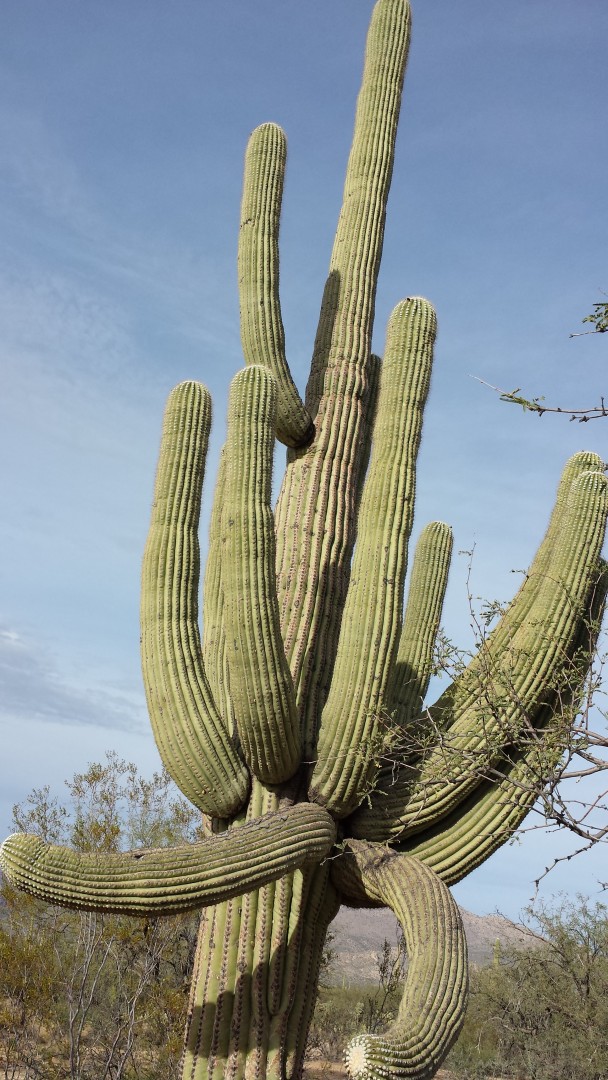
Saguaro in the Sonoran Desert of the southwestern United States
Cmcmahon via Wikimedia Commons · CC BY-SA 3.0

Desert, canyon & riparian oases

In Arizona, New Mexico, Nevada and West Texas, water determines where birds gather. Rivers, springs, cottonwoods and irrigation canals form green corridors through an otherwise dry landscape. During migration, small oases can attract a surprising number of species, while Arizona's summer rains bring extra activity from hummingbirds, woodpeckers and flycatchers.

Notable species

  • Gila Woodpecker
  • Vermilion Flycatcher
  • Costa's Hummingbird
  • Abert's Towhee
  • Elf Owl
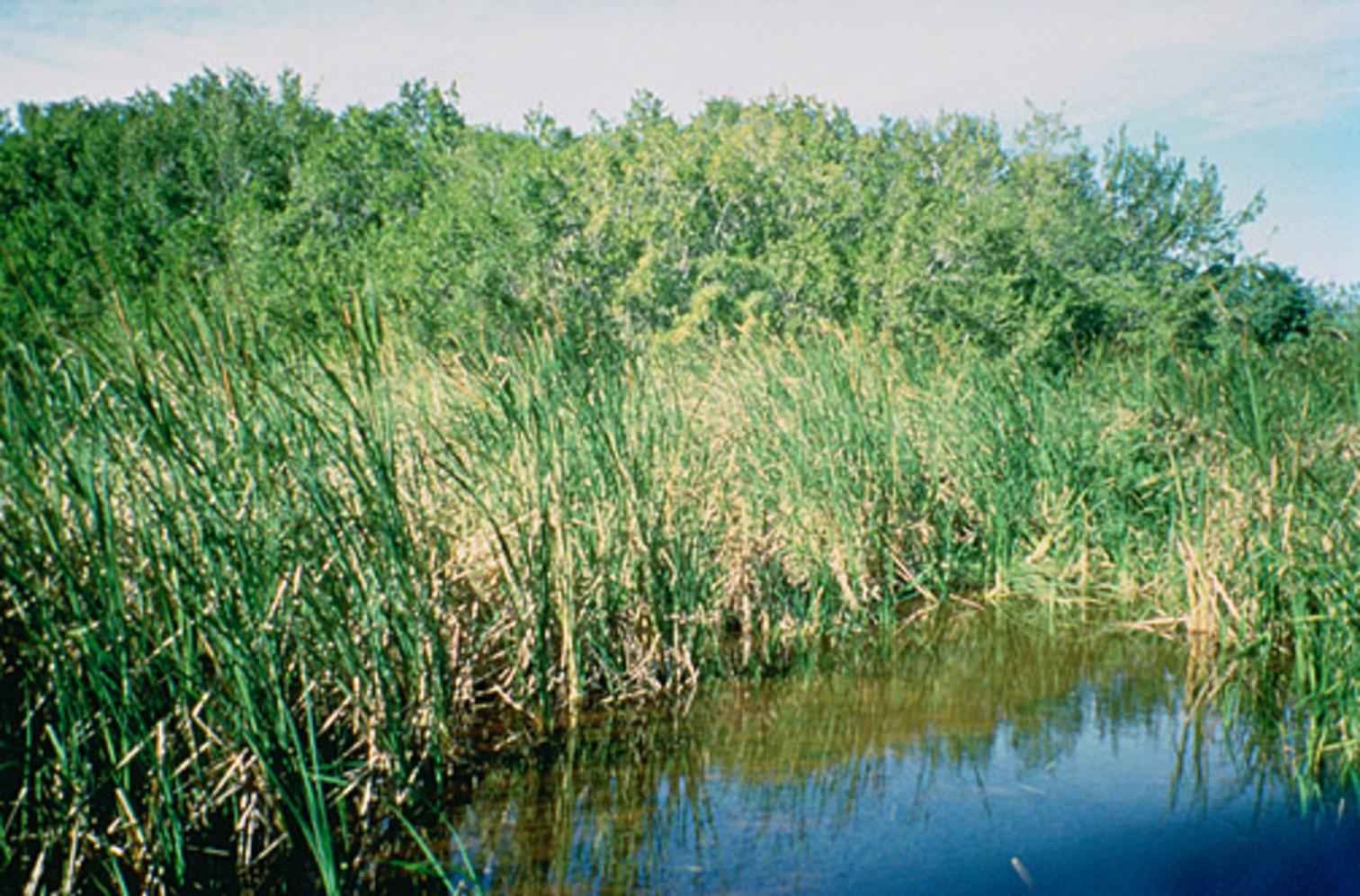
Expansive wetland landscape in Everglades National Park
Daniel Miguel / Everglades National Park via Wikimedia Commons · public domain

Everglades & Atlantic and Gulf Coast wetlands

Subtropical marshes, mangroves, cypress swamps and brackish coastal lagoons make Florida and the Gulf Coast some of the most distinctive birding regions in the USA. Shallow water is important for herons, ibises and spoonbills, while reeds, sawgrass and open prairie provide habitat for rails and raptors.

Notable species

  • Roseate Spoonbill
  • Wood Stork
  • Anhinga
  • Limpkin
  • Snail Kite

Birdwatching throughout the year

Birding calendar for the United States: what can you expect each season?

Because the United States spans several climate zones, bird activity varies widely by region. Still, spring migration, fall migration, winter wetlands and Alaska's short breeding season are useful reference points for any birding trip.

WinterDecember - FebruarySpringMarch - MaySummerJune - AugustFallSeptember - November
  1. January

    Winter

    Winter wetlands and Bald Eagles

    In Florida, Texas, California and along the southern Mississippi River, waterfowl, herons, ibises and raptors gather in large numbers. In the north, open water and rivers are worth checking for ducks, mergansers and wintering Bald Eagles.

    Recommended areasEverglades, Lower Rio Grande Valley, Great Salt Lake, Mississippi River and Pacific wetlands.

  2. February

    Winter

    Cranes and winter visitors in the South

    Bosque del Apache and other New Mexico wetlands attract large flocks of Sandhill Cranes and Snow Geese. Whooping Cranes winter along the Texas coast, while Florida's wading birds are easiest to find on cool, dry mornings.

    Recommended areasBosque del Apache, Aransas area, Everglades and the Texas coastal marshes.

  3. March

    Spring

    Early spring migration along the Gulf Coast

    The first songbirds reach the Gulf Coast and the Lower Rio Grande Valley. Migrating shorebirds appear in wetlands, while hummingbirds and flycatchers become more active in the West. Farther north, many winter visitors slowly begin moving toward their breeding grounds.

    Recommended areasSouth Texas, Louisiana wetlands, Florida and the California coast.

  4. April

    Spring

    Warblers and shorebirds on migration

    April is a strong migration month across many southern states. Forest edges, islands and coastal marshes act as fuel stops for warblers, vireos, thrushes and flycatchers. Along the coast, shorebirds rest before continuing north.

    Recommended areasTexas coast, Cape May, Florida Keys, Gulf Coast and wetlands along the Mississippi Flyway.

  5. May

    Spring

    Peak month for songbirds in the East

    Spring migration often peaks around the Great Lakes and in the Appalachians. The Magee Marsh boardwalk, forest edges near Lake Erie and mountain passes in the East can produce dozens of species in a single morning. Breeding activity also starts to build in Alaska.

    Recommended areasMagee Marsh, Cape May, Appalachian Mountains and city parks along the migration route.

  6. June

    Summer

    Breeding season and long days in Alaska

    In Alaska, the long days are ideal for finding breeding birds in wetlands, boreal forest and coastal areas. Across the rest of the country, territorial songbirds are singing, adults are feeding young and hummingbirds are common around flower-rich habitats.

    Recommended areasPotter Marsh, Denali area, boreal forests, Rocky Mountains and western riparian woodlands.

  7. July

    Summer

    Alaska, mountains and desert rivers

    July is excellent for breeding birds in Alaska and high-elevation mountain regions. In Arizona, summer rains bring extra activity around springs and riparian corridors. Along the coast, the first southbound shorebirds begin appearing on mudflats and in estuaries.

    Recommended areasAlaska, Rocky Mountains, Sonoran Desert, Great Basin and Pacific estuaries.

  8. August

    Summer

    The start of fall migration

    The first migrants begin leaving their breeding grounds. More shorebirds appear along the Atlantic and Pacific coasts, while coastal marshes and riverbanks temporarily attract large numbers of young birds. In the Southwest, monsoon storms can produce unexpected sightings.

    Recommended areasMonterey Bay, Elkhorn Slough, Cape May, Texas coast and Arizona.

  9. September

    Fall

    Raptors, warblers and coastal migration

    September brings visible migration along headlands, mountain passes and coastlines. Raptors and songbirds concentrate around Cape May, while West Coast estuaries provide stopover habitat for shorebirds and seabirds. Hummingbirds move toward their wintering grounds in the South and West.

    Recommended areasCape May, Great Lakes, Monterey Bay, Appalachian ridges and Gulf Coast.

  10. October

    Fall

    The peak of fall migration

    For many regions, October is the best month for a broad mix of migrants. Check forest edges, points of land and wetlands for finches, thrushes, raptors and migrating ducks. Along the coast, offshore winds can bring unusual seabirds closer to shore.

    Recommended areasCape May, Lake Erie, Point Reyes, Texas coast and the Pacific Northwest.

  11. November

    Fall

    Cranes, geese and the first winter visitors

    Large flocks of Sandhill Cranes and Snow Geese arrive in New Mexico. Winter ducks return to the Gulf Coast, while Bald Eagles become easier to find along rivers. In the East, late migrants and early winter visitors may be present at the same time.

    Recommended areasBosque del Apache, Aransas, Great Salt Lake, Chesapeake Bay and Mississippi River.

  12. December

    Winter

    Winter in Florida, Texas and the wetlands

    The southern half of the United States offers plenty of active birdlife in December, often in pleasant temperatures. The Everglades, South Texas and the California coast are strong areas for wading birds, ducks, shorebirds and raptors. In Alaska and the north, focus shifts to sheltered open water and hardy winter species.

    Recommended areasEverglades, Lower Rio Grande Valley, Bosque del Apache, California coast and Great Lakes.

Seasonal information and area examples: the U.S. Fish & Wildlife Service overview of the four flyways, the National Wildlife Refuge System and the official area pages for the birding destinations below.

Birding areas in the United States

The best birding areas in the United States: where should you go birdwatching?

From subtropical marshes and saltwater lagoons to prairie wetlands, mountain forests and migration coastlines, the best birding destinations in America are spread across the country. This selection combines well-known locations with practical access, high species diversity and a distinct character.

Wetland landscape in Everglades National Park, Florida
Photo: McCrensky Debbie / U.S. Fish and Wildlife Service via Wikimedia Commons · public domain

Florida

Subtropical marsh · mangrove

Everglades National Park

Anhinga Trail, Shark Valley and Flamingo

The Everglades are one of the best places to go birdwatching in Florida. Around the Anhinga Trail, you will often find Anhingas, herons, ibises and Purple Gallinules. Shark Valley offers wide views across the River of Grass, while Flamingo provides access to mangroves, coastal lagoons and Florida Bay.

Look for
Roseate Spoonbill, Wood Stork, Anhinga, Limpkin and Purple Gallinule.
Plan around
Early morning, the dry season, water levels and official trail information.
Forest and marsh at Cape May National Wildlife Refuge in New Jersey
Photo: Zeete via Wikimedia Commons · CC BY-SA 4.0

New Jersey

Coast · forest · marsh

Cape May

Cape May Point, Higbee Beach and the refuge

Cape May is one of the best-known migration hotspots in the United States. The peninsula at the southern tip of New Jersey funnels migrants along forest edges, beaches and wetlands. In fall, raptors can move along the coast, while songbirds and shorebirds rest in the shrubs and marshes.

Look for
Raptors, warblers, Red Knot, Black Skimmer and Bald Eagle.
Plan around
Wind direction, September and October, tides and several nearby sites.
Aerial view of Magee Marsh Wildlife Area on Lake Erie in Ohio
Photo: NASA, METI, AIST, Japan Space Systems and U.S./Japan ASTER Science Team via Wikimedia Commons · public domain

Ohio

Lake Erie · swamp forest

Magee Marsh Wildlife Area

One of the best places for spring migration

The long boardwalk through Magee Marsh is famous for spring migration along Lake Erie. Migrating songbirds follow the shoreline and feed in the trees before continuing north. Nearby wetlands and Ottawa National Wildlife Refuge make it easy to spend a full day birding in the area.

Look for
Blackburnian Warbler, Prothonotary Warbler, Scarlet Tanager and vireos.
Plan around
Early May, an early start on the boardwalk and current visitor rules.
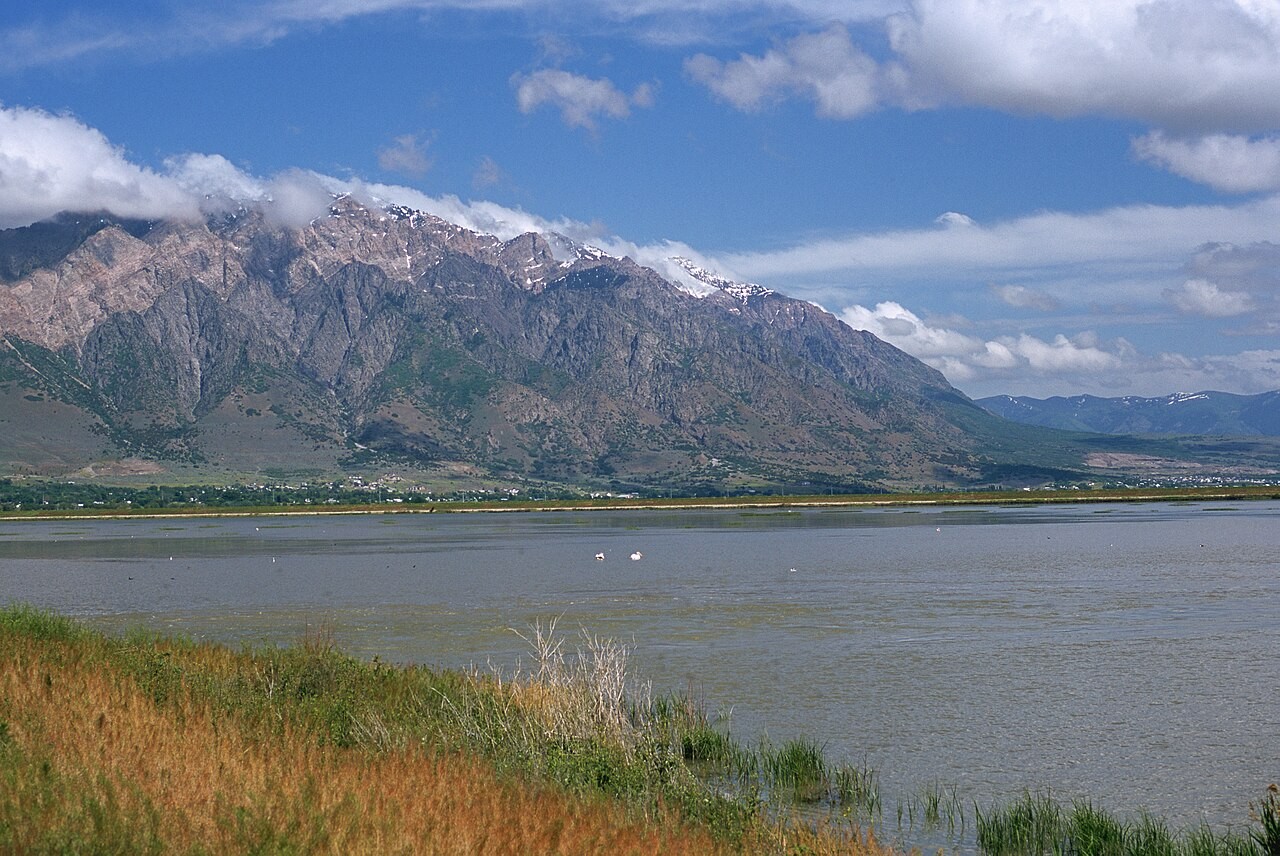
Open wetlands at Bear River Migratory Bird Refuge in Utah
Photo: Brett Billings / U.S. Fish and Wildlife Service via Wikimedia Commons · public domain

Utah

Salt marsh · Great Salt Lake

Bear River Migratory Bird Refuge

Shallow wetlands north of Great Salt Lake

Bear River is an excellent choice if you want to see large numbers of waterfowl and shorebirds. The shallow saltwater and freshwater marshes lie at the north end of Great Salt Lake and provide food for ibises, avocets, phalaropes and pelicans. The driving loop and open views make the refuge accessible to beginners and experienced birders alike.

Look for
American Avocet, White-faced Ibis, Wilson's Phalarope, pelicans and Snowy Plover.
Plan around
Spring and summer, water levels, heat and current road conditions.
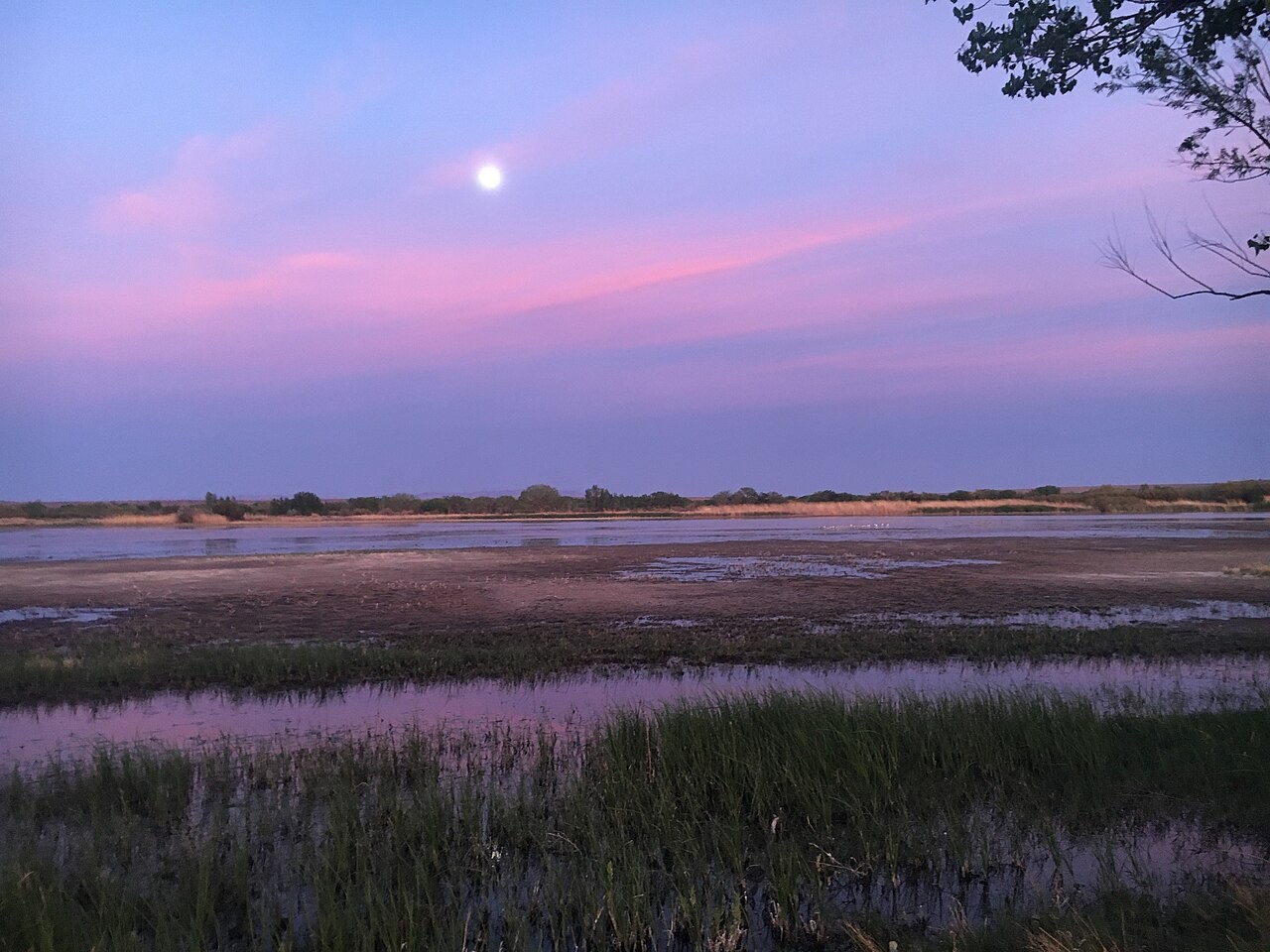
Sunset over Bosque del Apache National Wildlife Refuge in New Mexico
Photo: JacobW27 via Wikimedia Commons · CC BY-SA 4.0

New Mexico

River valley · wetlands · farmland

Bosque del Apache National Wildlife Refuge

Cranes and geese in the Rio Grande Valley

Bosque del Apache is a classic destination for birdwatching in New Mexico. In winter, Sandhill Cranes and Snow Geese gather in the wetlands and fields. The combination of a driving loop, viewing areas and open landscapes makes it possible to see many birds in a short time without long hikes.

Look for
Sandhill Crane, Snow Goose, Bald Eagle, ducks and raptors.
Plan around
November to February, sunrise, sunset and current refuge rules.
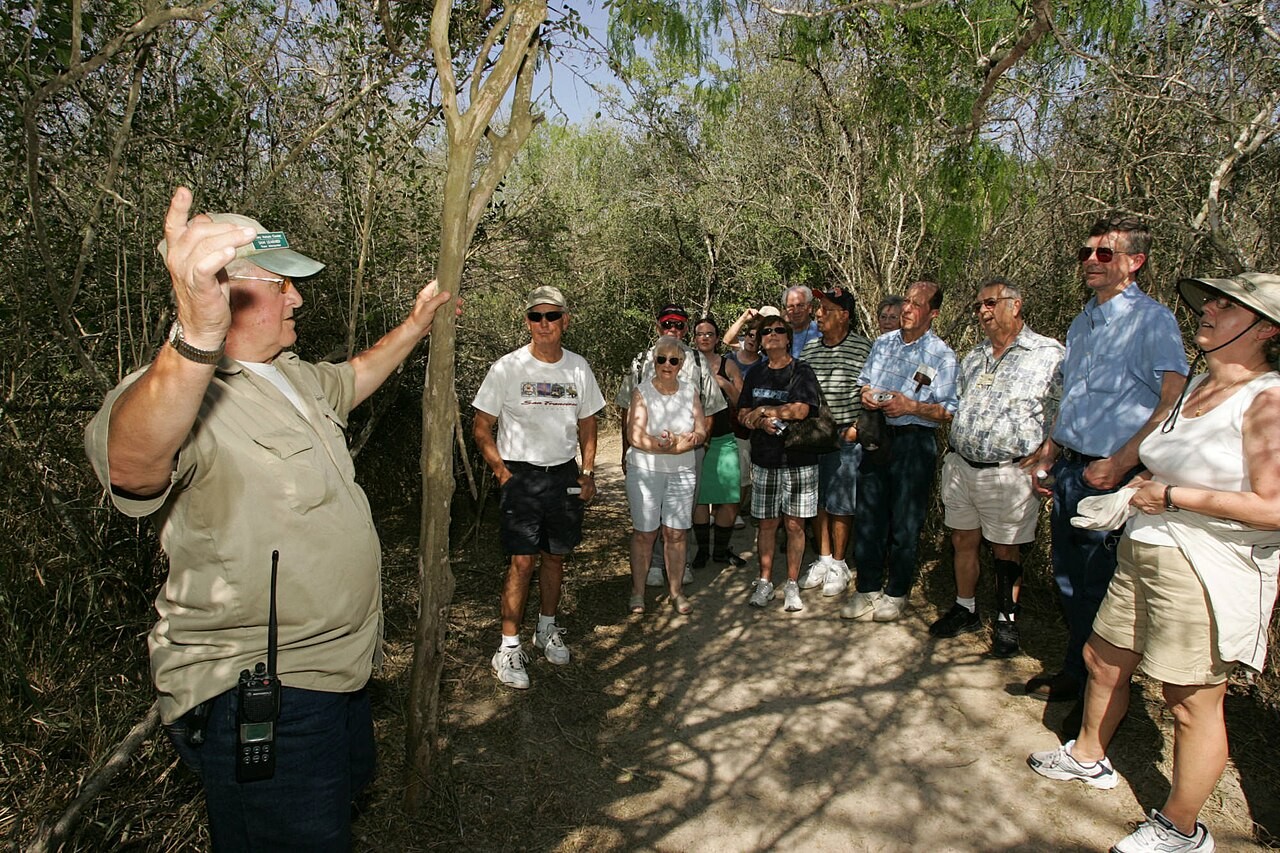
Palm trees and subtropical vegetation at Santa Ana National Wildlife Refuge in Texas
Photo: Steve Hillebrand / U.S. Fish and Wildlife Service via Wikimedia Commons · public domain

South Texas

Rio Grande · thornscrub · palm forest

Santa Ana National Wildlife Refuge

Subtropical bird species in the Lower Rio Grande Valley

The Lower Rio Grande Valley is one of Texas's most popular birding regions. At Santa Ana, Rio Grande habitats, subtropical thornscrub and open wetlands come together. This creates opportunities for species that are difficult to find elsewhere in the United States, along with many migrants in spring and fall.

Look for
Green Jay, Plain Chachalaca, Altamira Oriole, Great Kiskadee and Painted Bunting.
Plan around
Winter and migration, early morning, shaded trails and several refuge areas.
Water and shoreline vegetation at Elkhorn Slough in California
Photo: Calbear22 via Wikimedia Commons · public domain

California

Tidal estuary · coast

Elkhorn Slough and Monterey Bay

An accessible estuary on the central Pacific coast

Elkhorn Slough is a tidal estuary with mudflats, salt marshes and quiet channels. The reserve is close to Monterey and offers several trails and observation areas. Combine the estuary with the Monterey Bay coast for seabirds, coastal migration and raptors over open water.

Look for
Brown Pelican, shorebirds, ducks, raptors and migrants along the mudflats.
Plan around
Early morning, tides, calm weather and the reserve's walking trails.
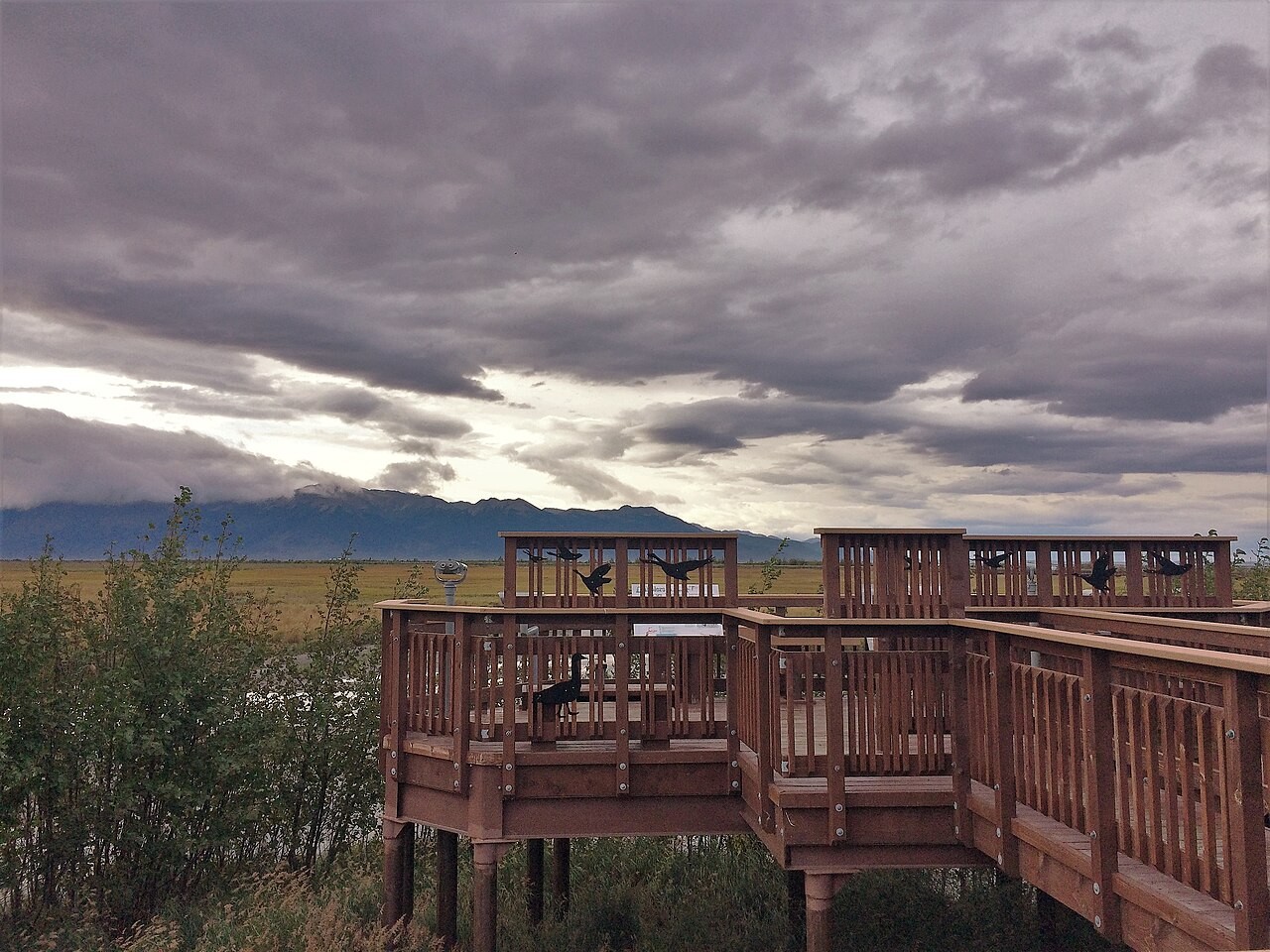
Boardwalk and wetlands at Potter Marsh near Anchorage, Alaska
Photo: Enrico Blasutto via Wikimedia Commons · CC BY-SA 4.0

Alaska

Boreal marsh · coastal plain

Potter Marsh near Anchorage

One of Alaska's most accessible birding areas

Potter Marsh sits on the edge of Anchorage and offers an easy introduction to birdwatching in Alaska thanks to its boardwalk. In summer, the wetlands are busy with breeding birds, waterfowl and songbirds. The mountains create a spectacular backdrop, but keep your attention low as well, around the reeds and open water.

Look for
Trumpeter Swan, Arctic Tern, Red-necked Grebe, Sandhill Crane and Bald Eagle.
Plan around
May to August, long daylight hours, wind and boardwalk conditions.

Popular birds of the United States

Five remarkable American birds and where to find them

From the official national bird and the rare Whooping Crane to colorful songbirds and spectacular winter visitors, these five species belong on many birders' lists. The images show the bird or the habitat where you are most likely to find it.

  1. Bald Eagle with a white head and tail
    Photo: U.S. Fish and Wildlife Service via Wikimedia Commons, public domain

    Bald Eagle

    The Bald Eagle is the official national bird of the United States and one of North America's most recognizable raptors. Adults are easy to identify by their white head and tail, while juveniles remain completely brown for several years. Look around large lakes, rivers, coastal waters and wetlands with plenty of fish or waterfowl.

    Where can you see a Bald Eagle?

    • Alaska: along coasts, rivers and fish-rich bays
    • Mississippi River and Great Lakes: especially around open water in winter
    • Chesapeake Bay, Florida and Pacific Northwest: in forest edges near large bodies of water
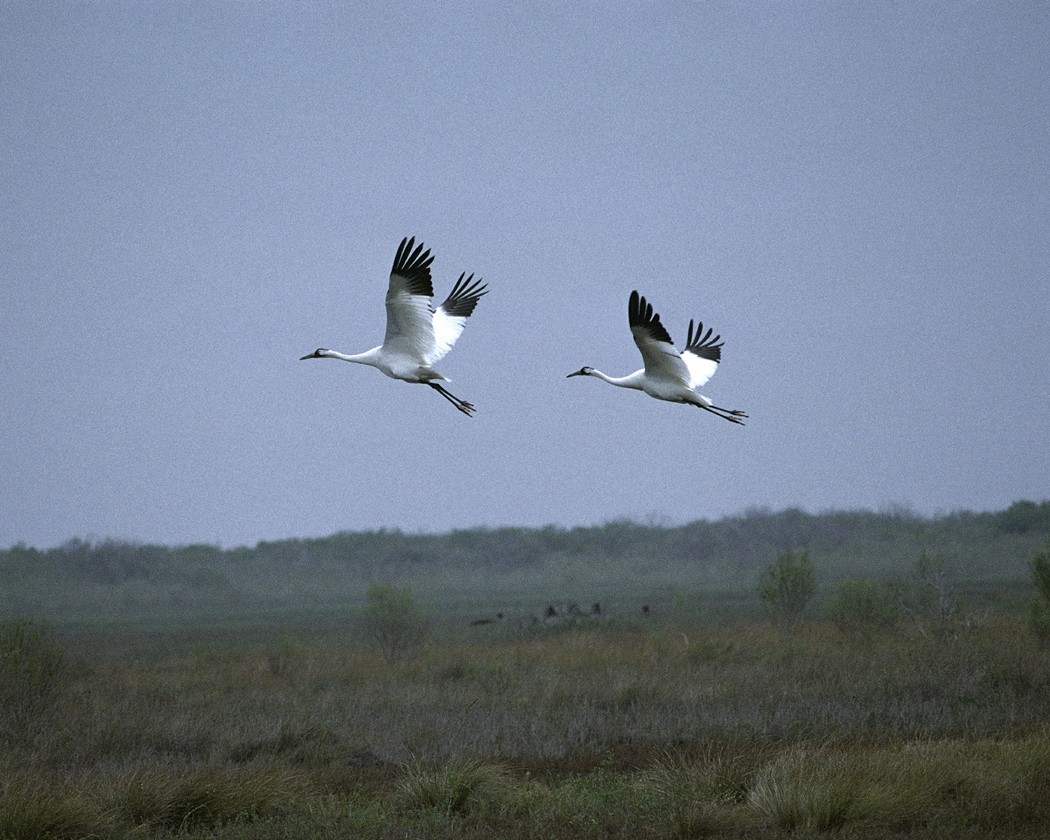
  2. Two Whooping Cranes flying over Aransas National Wildlife Refuge in Texas
    Photo: Steve Hillebrand / U.S. Fish and Wildlife Service Headquarters via Wikimedia Commons, CC BY 2.0

    Whooping Crane

    The Whooping Crane is one of the most remarkable birds in the United States. Intensive conservation work brought the species back from the brink of extinction, but it remains rare. The wintering population along the Texas coast offers birders the best-known chance to see this large white crane with a red crown and black wingtips.

    Where can you see a Whooping Crane?

    • Aransas National Wildlife Refuge: the main wintering area along the Texas Gulf Coast
    • Rockport and Fulton: starting points for official tours and sightings in the region
    • Winter months: the best period, with extra care around distance and disturbance
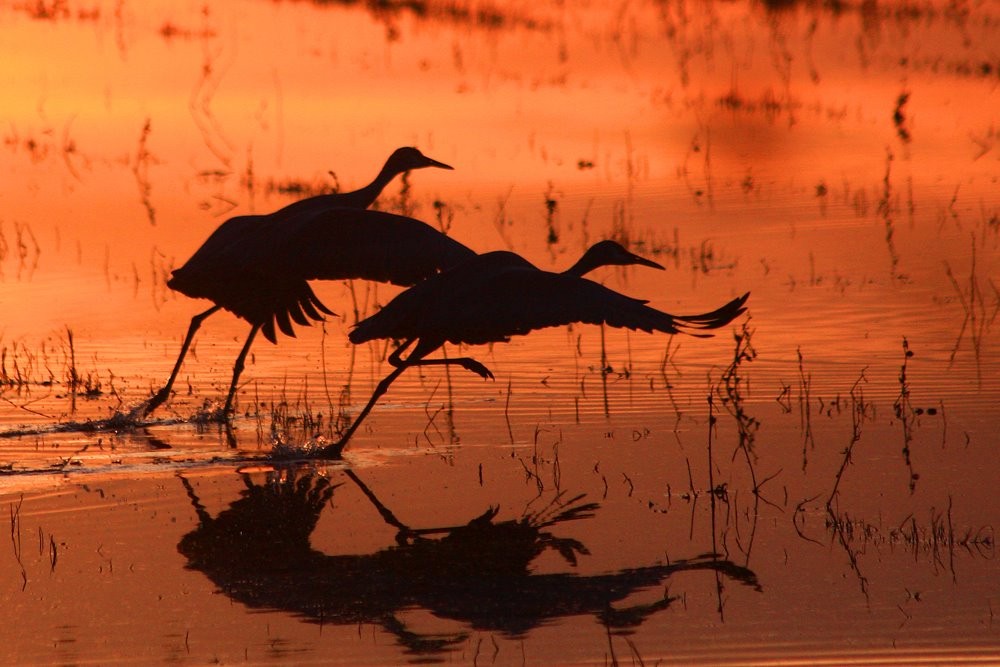
  3. Group of Sandhill Cranes at Bosque del Apache in New Mexico
    Photo: U.S. Fish and Wildlife Service Headquarters via Wikimedia Commons, CC BY 2.0

    Sandhill Crane

    The Sandhill Crane is larger and more common than the Whooping Crane, but no less impressive. Large groups roost in shallow water before flying to fields and grasslands at sunrise. Their rattling calls often give them away before you see the birds.

    Where can you see Sandhill Cranes?

    • Bosque del Apache, New Mexico: large winter flocks around wetlands and agricultural fields
    • Platte River, Nebraska: spectacular spring migration through open river country
    • Monte Vista, Colorado and California's Central Valley: important stopover and wintering areas
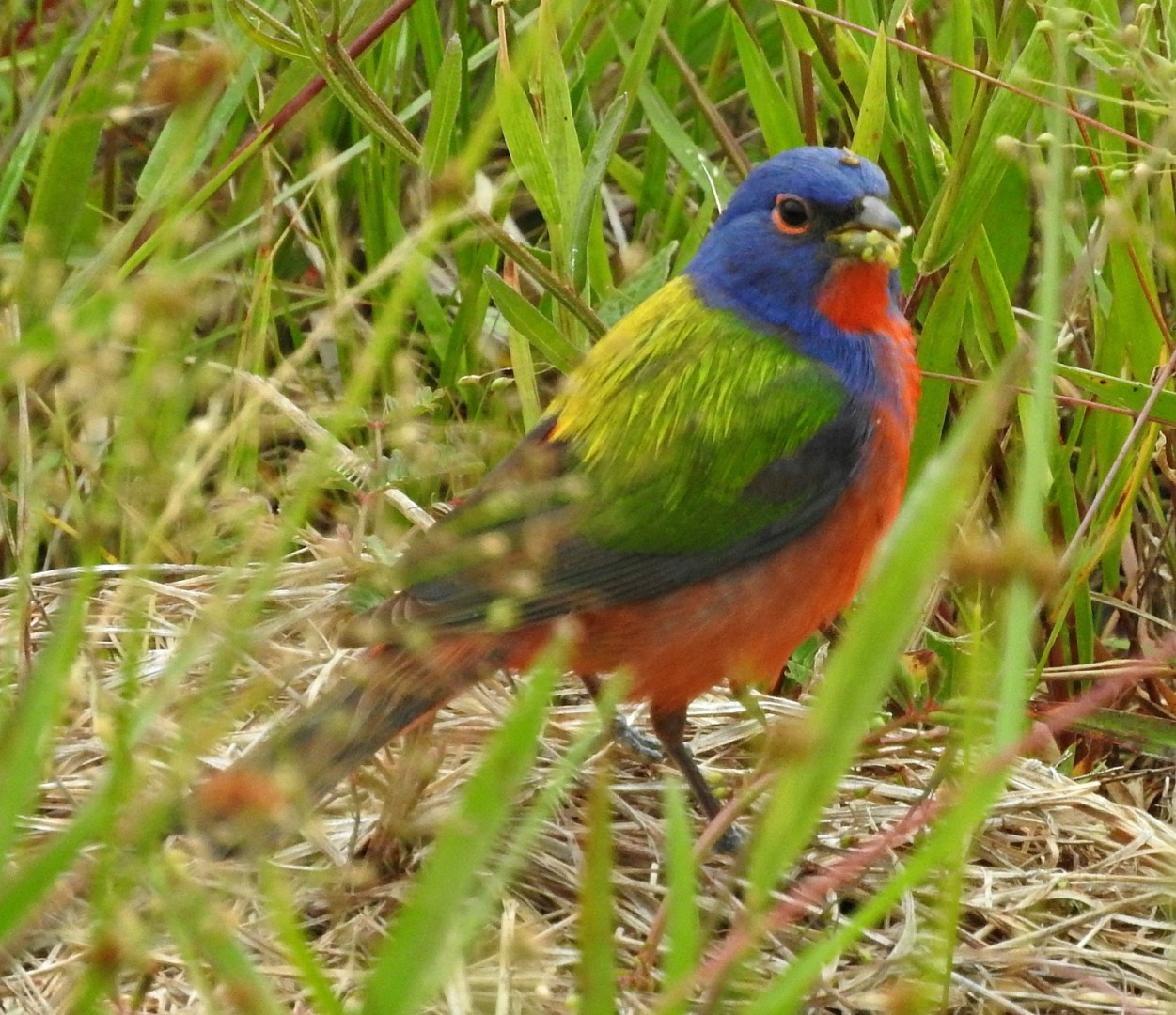
  4. Male Painted Bunting in grass
    Photo: Bruce Hallman / U.S. Fish and Wildlife Service Midwest Region via Wikimedia Commons, CC BY 2.0

    Painted Bunting

    The male Painted Bunting is one of the most colorful songbirds in the United States. Its combination of blue, red and green makes it a favorite among birders. It often stays low in shrubs, along forest edges and near open grassland. Patience and early light can make all the difference when trying to get a good look.

    Where can you see a Painted Bunting?

    • Lower Rio Grande Valley, Texas: one of the best regions for colorful South Texas species
    • Texas Gulf Coast: especially during migration and in shrub-rich coastal habitats
    • Florida and the South Carolina coast: breeding areas and wintering sites in the Southeast
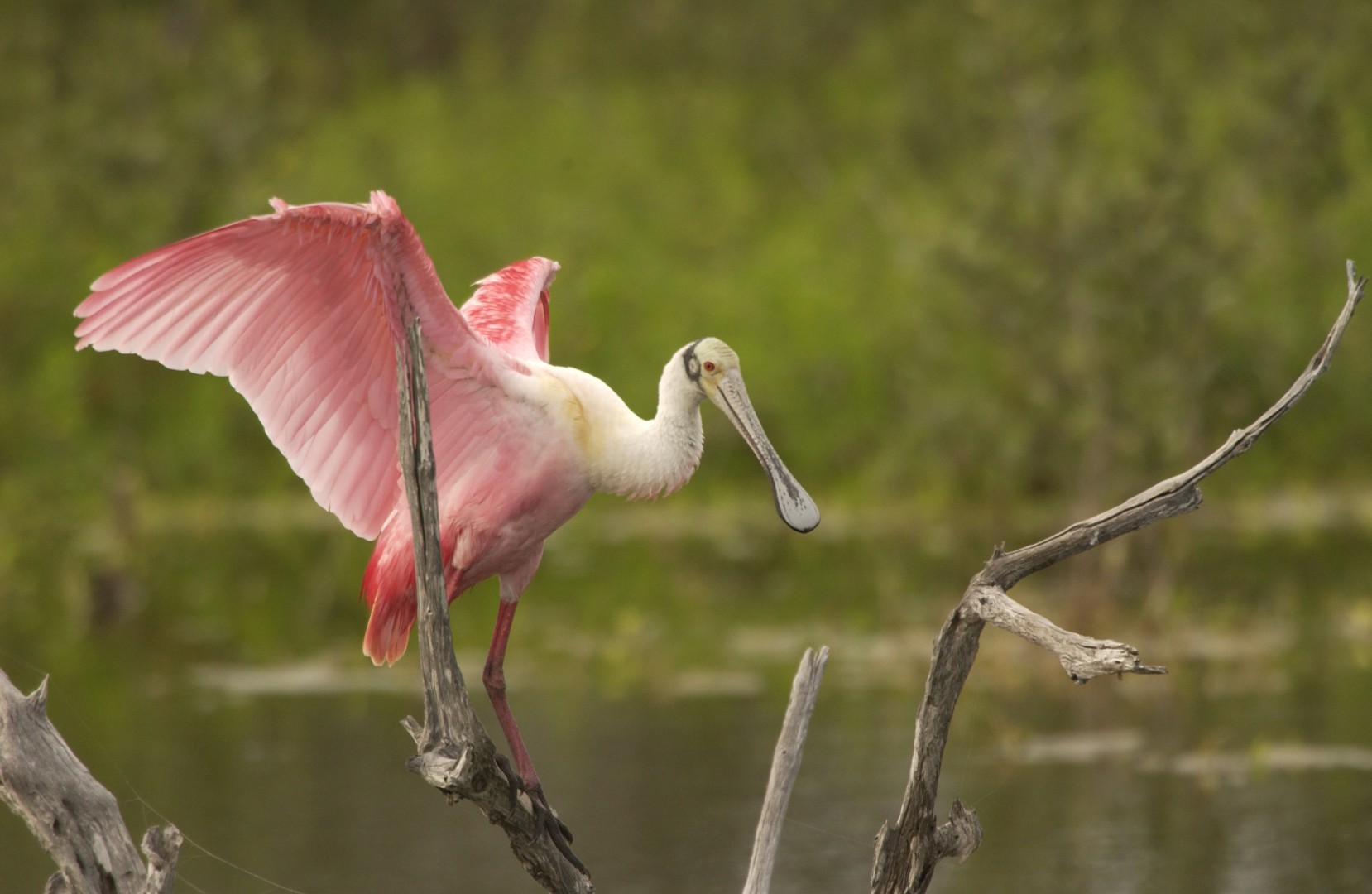
  5. Roseate Spoonbill with spread wings on a branch in a wetland
    Photo: Ryan Hagerty / U.S. Fish and Wildlife Service via Wikimedia Commons, public domain

    Roseate Spoonbill

    The Roseate Spoonbill is a striking wading bird of shallow wetlands. It sweeps its broad, spoon-shaped bill through the water to find small aquatic animals. The species is a favorite among photographers and birders exploring the subtropical wetlands of Florida and the Gulf Coast.

    Where can you see a Roseate Spoonbill?

    • Everglades and Florida Bay: shallow water, mangroves and muddy shorelines
    • Texas Gulf Coast: coastal lagoons, estuaries and wetlands around Laguna Madre
    • Louisiana marshes: extensive brackish marshes with large wading bird colonies

Helpful tips and information

Practical questions about birdwatching in the United States

Want to know where you have the best chance of seeing migrants in America, which areas are best for a first birding trip or when to find iconic national bird species? Below you will find answers about birding areas, seasons, migration routes, access and recent sightings.

That depends on the birds you want to see. For large numbers of waterfowl, Everglades National Park, Bear River Migratory Bird Refuge, Bosque del Apache and the Great Lakes wetlands are strong choices. For spring migration, Magee Marsh, Cape May, the Gulf Coast and the Lower Rio Grande Valley are especially rewarding. If you are looking for specialty birds of the United States, consider South Texas, Arizona, Alaska or the Pacific coast.

Start by choosing a region, then choose a habitat. In FaunaMap, you can see recent sightings, birding locations, hotspots and expected species for each place. This makes it easier to choose a destination that fits your travel dates and target birds.

For many birding trips, April and May, followed by September and October, are the best months because of spring and fall migration. The exact peak varies by region. Lake Erie and the Appalachians are excellent for songbirds in May, Cape May is especially productive for raptors in fall and South Texas can deliver many species during both migration and winter.

For Bald Eagles, Sandhill Cranes, Snow Geese and other winter visitors, November through February are good months. Alaska is most interesting from roughly May through August, when the breeding season and long days bring intense activity. Always check local conditions because water levels, wind and weather systems can change bird activity from one day to the next.

Bald Eagles live across much of the United States and are mainly associated with open water that provides fish, waterfowl or carrion. Alaska, the Great Lakes, the Mississippi River, Chesapeake Bay, Florida and the Pacific Northwest are good regions for targeted searches. In winter, sightings are often easier because birds gather around open water and productive rivers.

Check tall trees along shorelines, sandbars, ice-free parts of lakes and quiet marsh edges. Always keep your distance from nests and communal roosts. The National Park Service describes the species' habitat and behavior; FaunaMap helps you find recent locations and birding points.

The best-known and most accessible location is Aransas National Wildlife Refuge on the Texas coast. The main wild population winters there in wetlands, prairies and coastal habitats. Your best chances are in winter, when the birds are present before returning to their breeding grounds.

Plan your visit using the official refuge information and respect closed areas and distance rules. Official tours and viewing opportunities are also available around Rockport and Fulton. Do not only scan open water. Look for white heads and black wingtips above the palmettos and coastal prairie. See the visitor information for Aransas National Wildlife Refuge.

Texas sits at the crossroads of several landscapes and migration routes. In the Lower Rio Grande Valley, subtropical thornscrub, the Rio Grande, farmland, wetlands and dry habitats occur close together. As a result, you can find species that are rare or absent across much of the rest of the United States, including Green Jay, Plain Chachalaca and Altamira Oriole.

The Texas Gulf Coast is also important during migration. Coastal marshes, islands and lagoons attract songbirds, shorebirds, terns and seabirds. Aransas adds Whooping Crane to the list. For a birding trip in Texas, combine several refuges and viewing areas, and check FaunaMap in advance to see which species have recently been reported in the region.

The four major flyways are the Pacific Flyway along the West Coast, the Central Flyway across the Great Plains, the Mississippi Flyway along the Mississippi River and the Atlantic Flyway along the East Coast. Birds do not use these broad geographic routes like narrow highways. Instead, they follow coastlines, rivers, mountain passes, wetlands and other suitable stopover sites within them.

For birders, the flyway system is useful. California and the West Coast are important in the Pacific Flyway; the Central Flyway includes Texas, the Great Plains and New Mexico; the Mississippi Flyway follows major river and wetland systems; and the Atlantic Flyway includes Cape May, Florida and the New England coast. View the official flyway map from the U.S. Fish & Wildlife Service.

Rules vary by land manager. Many national wildlife refuges are free to visit during the day, but parking, a driving loop, boat trip or special activity may require a fee or reservation. National parks may charge an entrance or vehicle fee. Before leaving, check the area's official website for opening hours, access roads, temporary closures, dog rules and any reservation requirements.

For ordinary birdwatching, you usually do not need a separate permit if you stay on public trails and at designated viewpoints. Closed breeding areas, colonies, nests and roosts exist to protect birds. Follow local instructions and never fly a drone near birds or sensitive habitats.

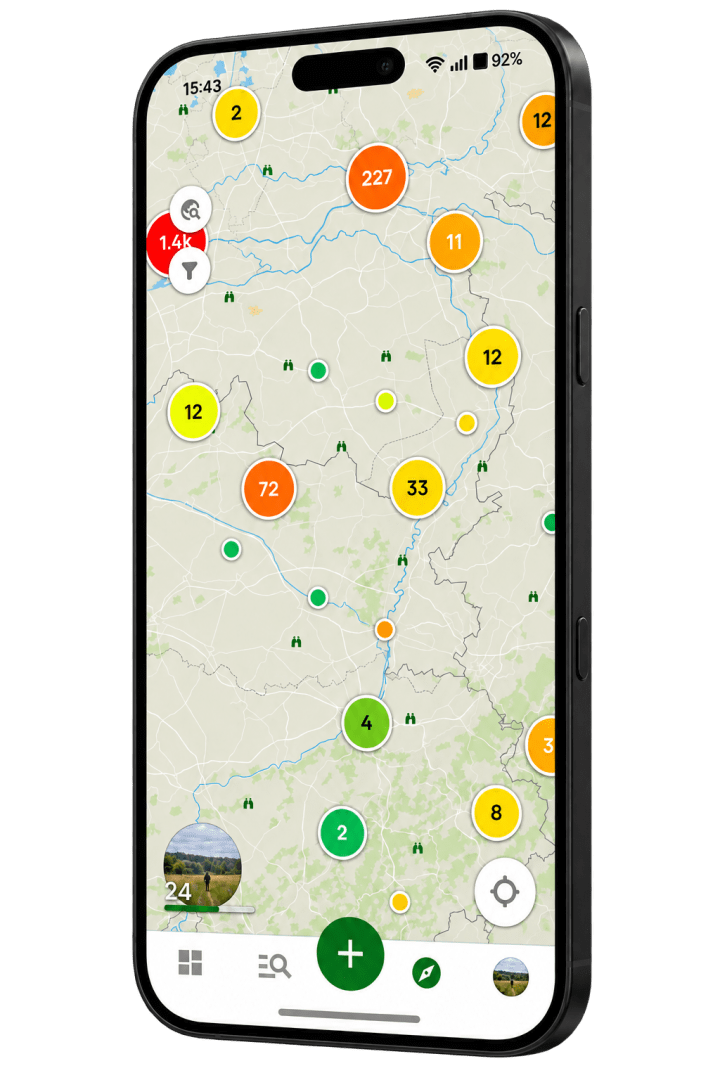
In FaunaMap, you can find recent bird sightings in the United States on an interactive map. Search by region for birding locations, hotspots and species that are expected at a site based on historical data. This is useful when you are on a road trip and want to quickly decide which wetlands, coastal areas or forests are most promising that day.

Open FaunaMap before you leave, search for a nature area or town and compare several viewing points. You can also add your own sightings and keep track of your American life list.

View recent sightings in FaunaMap

Discover more while birdwatching

  • See recent bird sightingsSee which birds have recently been spotted near you.
  • Explore biodiverse nature areasFind the best places to spot birds and other wildlife.
  • Find sightings by speciesQuickly find sightings of the bird species you want to see.