Birding areas · migration · bird species

Birdwatching in Greece: best birding sites and seasons

Birdwatching in Greece means combining delta wetlands, mountain lakes, olive groves, rocky gorges and islands filled with migrating birds in one trip. Discover where to go birding in Greece, which nature reserves offer the best chances and when to look for Dalmatian Pelicans, birds of prey, waders, European Bee-eaters and Eleonora's Falcons.

  • Recent sightings and expected species
  • Birding sites and hotspots worldwide
  • Keep track of your own species list
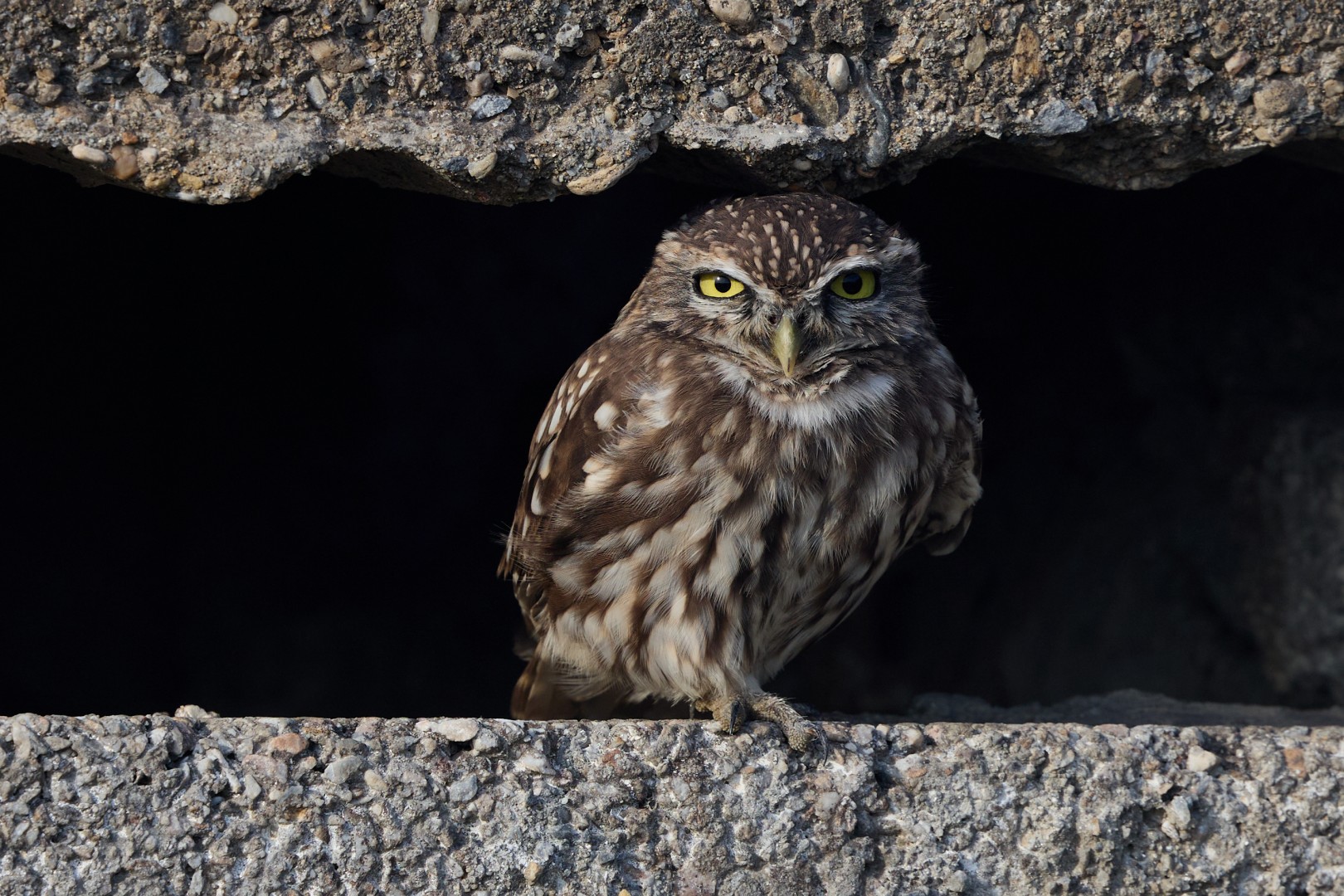
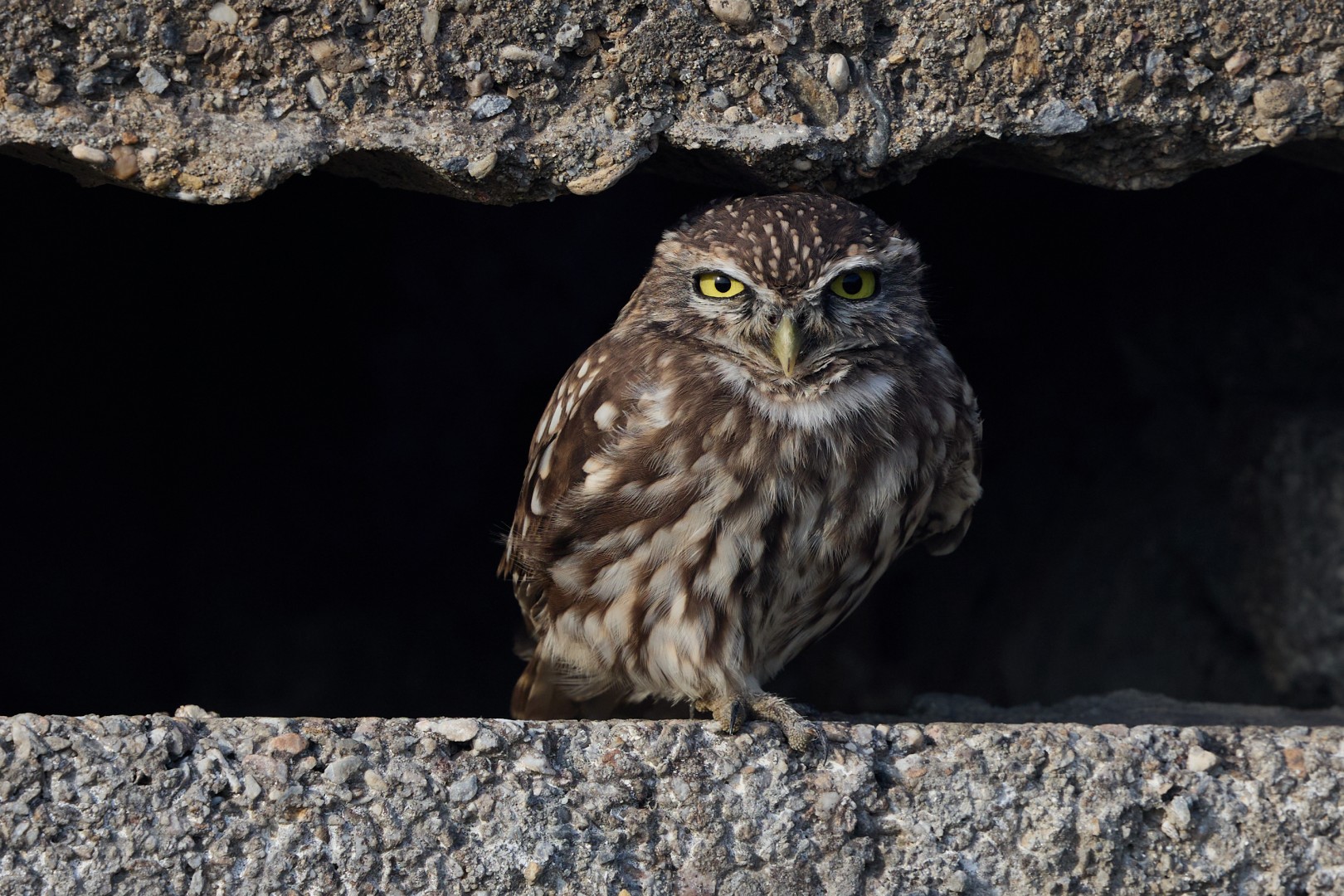
Little Owl in a rock crevice on Samos, Greece
Cultural symbol of GreeceThe Little Owl
Photo: Hobbyfotowiki, Wikimedia Commons · CC0 1.0.

Why go birdwatching in Greece?

Greece is a crossroads for migration, wetlands and mountain birds

Greece lies between Europe and the eastern Mediterranean, making it a natural crossroads for birds migrating between Europe and Africa. Deltas, lagoons and lakes sit alongside dry hills, mountain forests and hundreds of islands. This makes the country appealing to both beginner birdwatchers and experienced birders who want to explore many different habitats in one birding trip.

In the northeast, the Evros Delta, Nestos Delta and lagoons of Thrace are important resting and feeding areas during migration. In spring, reedbeds, mudflats and coastal scrub can produce dozens of species in a short time. In autumn, birds of prey, songbirds and waders move along the coast and across mountain passes. If you are mainly looking for winter birds, large concentrations of waterfowl can be found at Kerkini, Prespa, Amvrakikos and the lagoons of western Greece.

The mountain regions add species you would not normally expect in a coastal lagoon. In the Pindus range, Dadia, Crete and the higher parts of Macedonia, soaring raptors, Black Storks, Wallcreepers and mountain songbirds are key targets. For independent birding, the choice of site, season, wind and time of day all matter. FaunaMap brings recent sightings, birding locations, hotspots and expected species together for each area.

Landscapes and biodiversity

The most important bird habitats in Greece

In Greece, the habitat largely determines which birds you can see. Choose a delta for waders and winter waterfowl, a mountain lake for pelicans and herons, or dry hills and gorges for raptors and Mediterranean songbirds. Together, these six landscape types provide a practical basis for planning a birding trip through Greece.

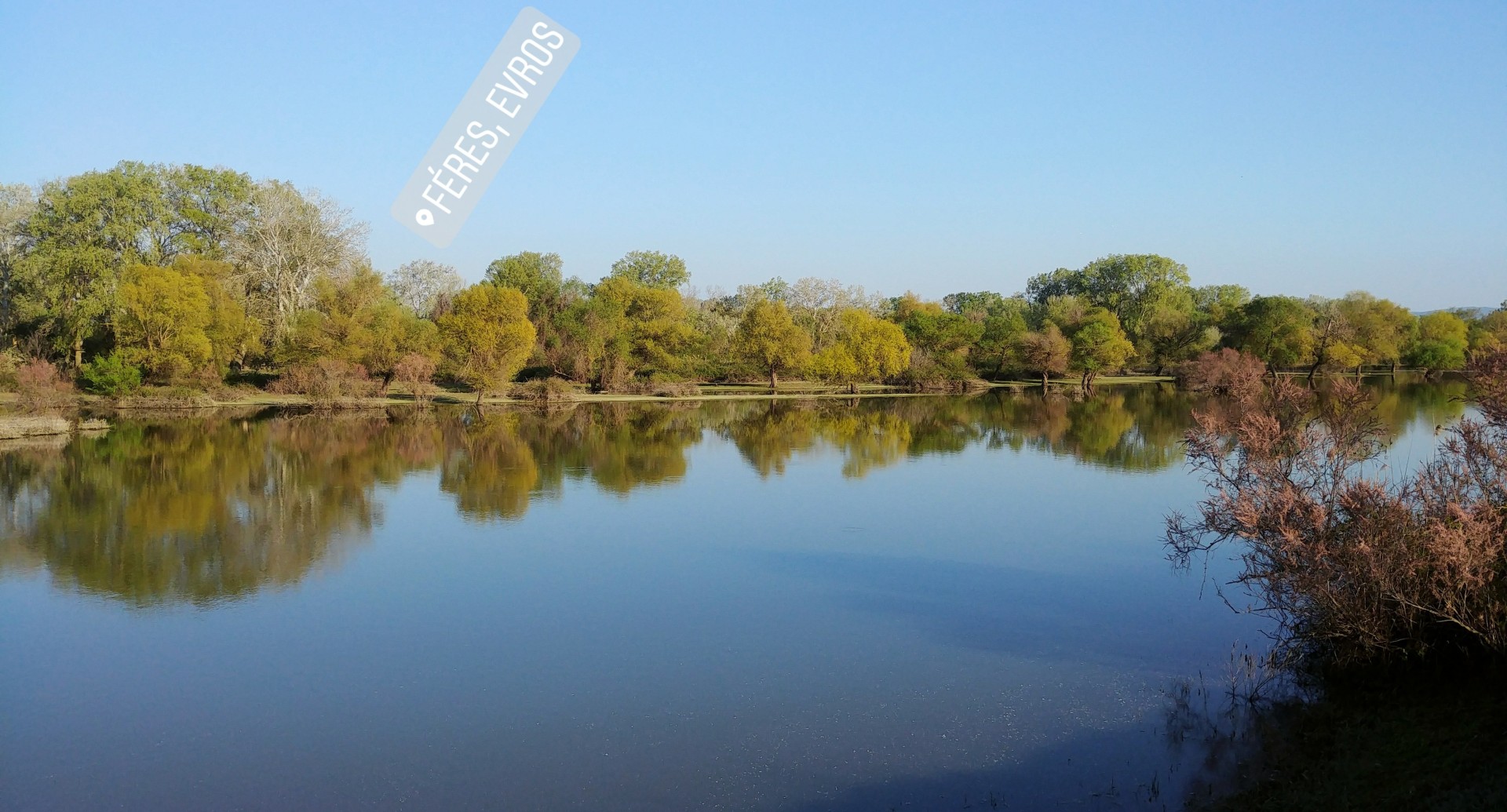
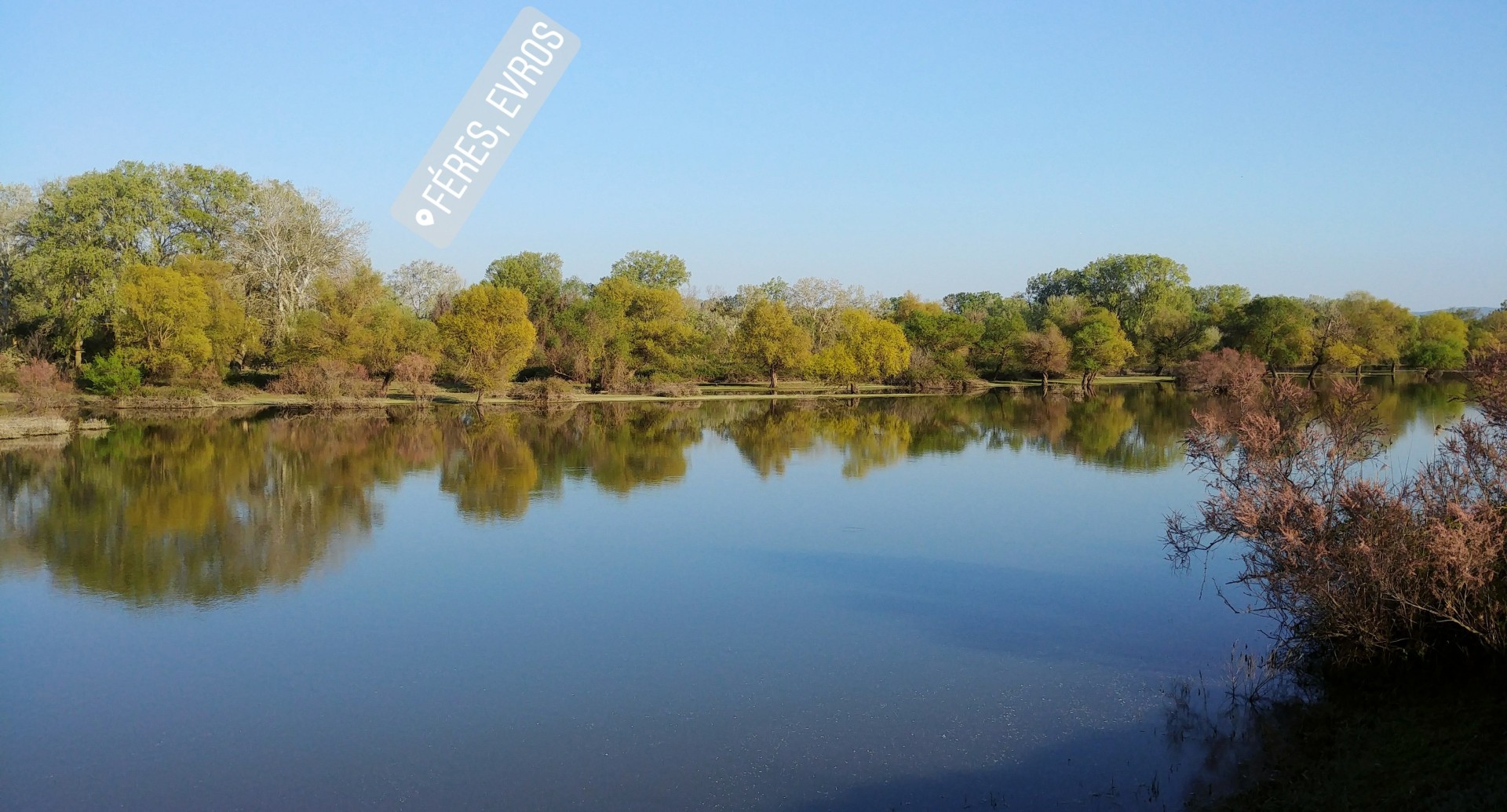
Water and riverine woodland in the Evros Delta in northeastern Greece
Peihas, Wikimedia Commons · CC BY-SA 4.0

Deltas, lagoons and salt marshes

The Evros Delta and coastal wetlands of Thrace include river channels, reedbeds, freshwater pools, salt lagoons and open mudflats. Large numbers of waterbirds gather here in winter, while shallow shores and scrub edges become important stopovers during migration.

Typical species

  • Greater Flamingo
  • Dalmatian Pelican
  • Pygmy Cormorant
  • Glossy Ibis
  • White-tailed Eagle
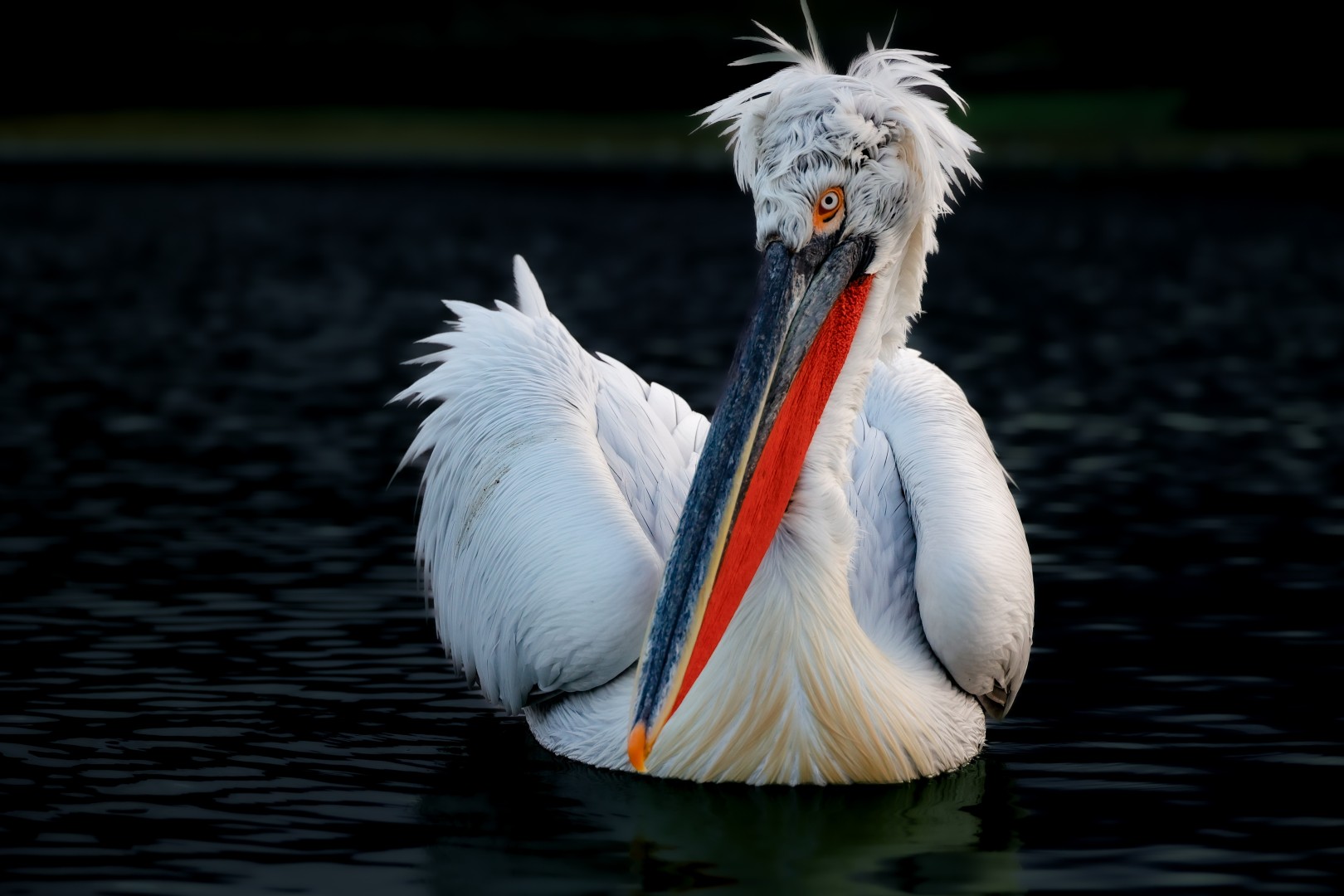
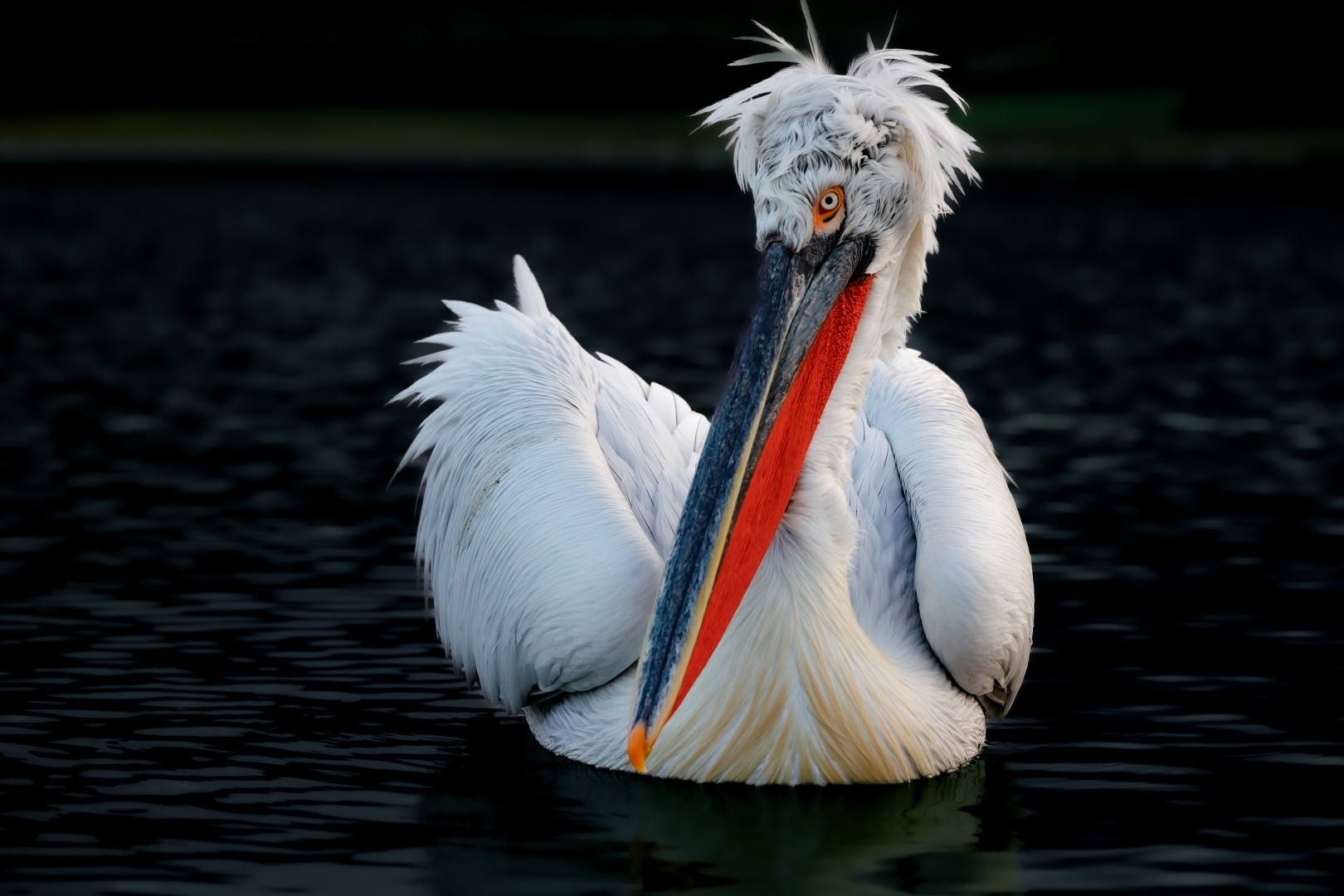
Dalmatian Pelican on Lake Kerkini in Greece
Wkkasimag, Wikimedia Commons · CC BY 4.0

Large lakes and reedbeds

Lakes such as Kerkini and Prespa combine open water with reeds, flooded shores and riverside trees. They support waterbirds throughout the year, with extra opportunities in winter and during spring migration. Kerkini is also one of Europe's best-known sites for Dalmatian Pelicans.

Typical species

  • Dalmatian Pelican
  • Pygmy Cormorant
  • Great Egret
  • Ferruginous Duck
  • White-tailed Eagle
View across the Ambracian Gulf and its lagoons in western Greece
Thiodor2012, Wikimedia Commons · CC BY-SA 2.0

Brackish lagoons and river mouths

Around the Amvrakikos Gulf, the Messolonghi lagoons and the Axios Delta, open water, mudflats, salt pans and reedbeds alternate. The brackish conditions attract seabirds as well as freshwater and marsh species. Watch from levees and official viewpoints, especially in calm weather and at low tide.

Typical species

  • Greater Flamingo
  • Eurasian Spoonbill
  • Black-winged Stilt
  • Pied Avocet
  • Mediterranean Gull
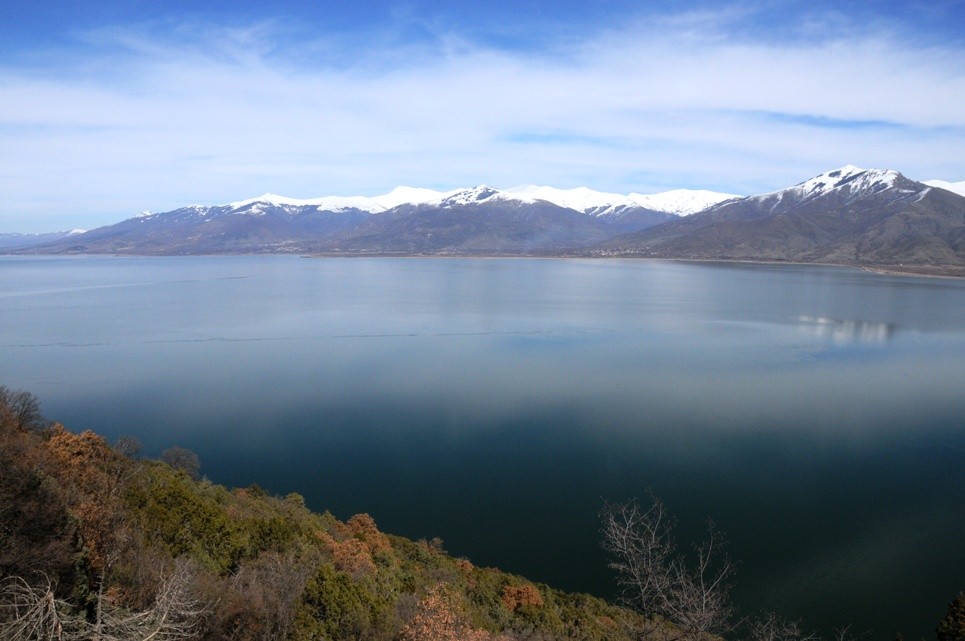
Megali Prespa with mountains and shoreline in northern Greece
anjči, Wikimedia Commons · CC BY 2.0

Mountain lakes and high valleys

The Prespa lakes lie high between mountains, combining quiet shores with traditional farmland, marshes and rocky slopes. Mikri Prespa is especially known for pelicans and colonial waterbirds. In the surrounding valleys, Black Storks and birds of prey may appear above the forest edges.

Typical species

  • Dalmatian Pelican
  • Great White Pelican
  • Black Stork
  • Golden Eagle
  • Alpine Chough
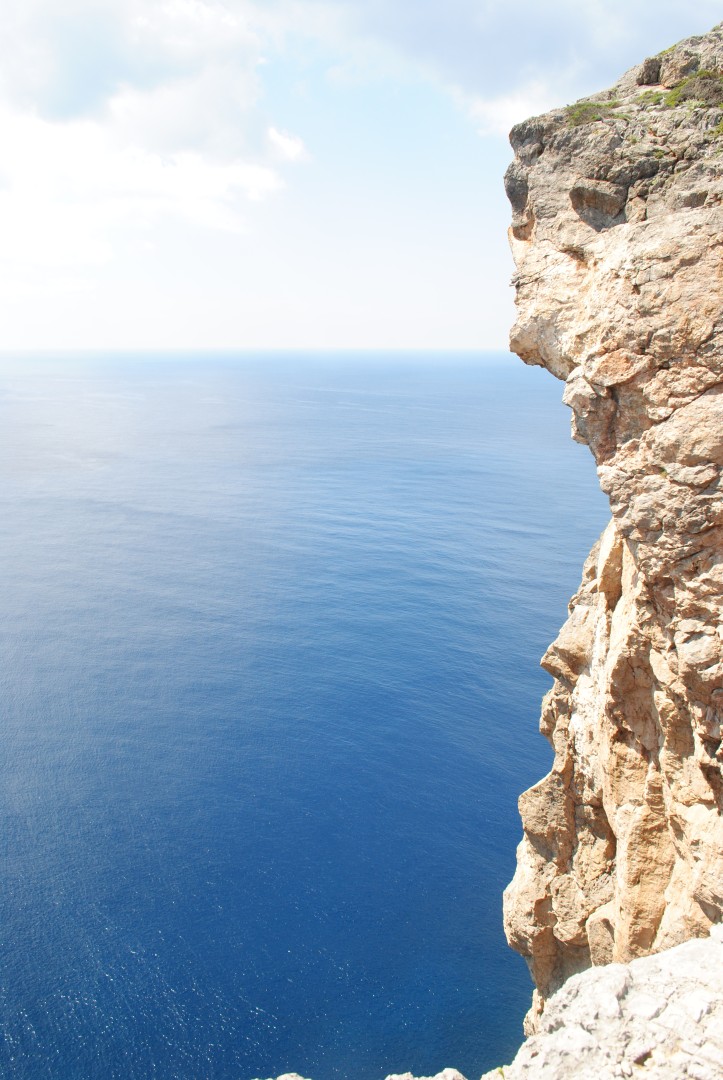
Mediterranean habitat on Antikythera, a Greek island on the migration route
Artemis Katsadoura, Wikimedia Commons · CC BY-SA 4.0

Mediterranean scrub and olive groves

Dry hills, phrygana, olive groves and low scrub are surprisingly rich in songbirds in spring and autumn. On islands such as Lesvos and Antikythera, this habitat offers cover and food for migrants crossing the Aegean Sea.

Typical species

  • Sardinian Warbler
  • Cirl Bunting
  • Eurasian Hoopoe
  • Subalpine Warbler
  • Eleonora's Falcon
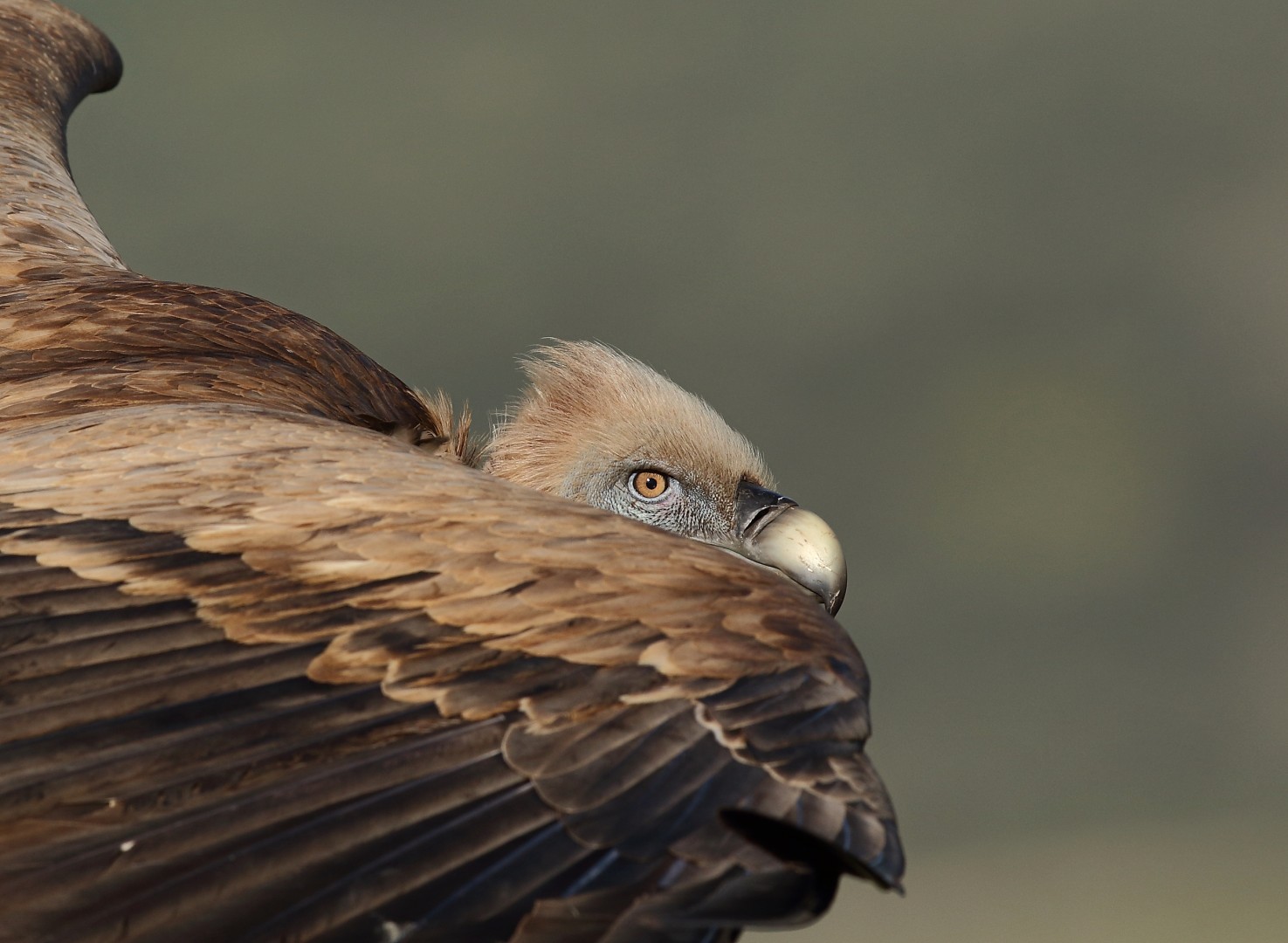
Griffon Vulture in the Greek mountains as an impression of forests and gorges
Antonis Tsaknakis, Wikimedia Commons · CC BY-SA 4.0

Mountain forests, gorges and cliffs

In Dadia, northern Pindus, the Greek mountain ranges and Crete, elevation and thermals shape the birdlife. Search forest edges for songbirds in the morning, then watch open slopes for raptors later in the day. Keep extra distance from cliffs during the breeding season.

Typical species

  • Griffon Vulture
  • Egyptian Vulture
  • Short-toed Snake Eagle
  • Golden Eagle
  • Wallcreeper

Birdwatching throughout the year

Greece bird calendar: what can you expect each season?

The best time for birdwatching in Greece depends on what you want to see. Spring and autumn bring the greatest variety through migration, winter concentrates waterbirds in the wetlands and summer is ideal for breeding birds, mountain habitats and islands with Eleonora's Falcons.

WinterDecember – FebruarySpringMarch – MaySummerJune – AugustAutumnSeptember – November
  1. January

    Winter

    Winter waterbirds in the deltas

    Evros, Kerkini, Amvrakikos, Axios and Messolonghi attract large numbers of ducks, geese, herons and grebes in January. Dalmatian Pelicans are present in several wetlands, while flamingos can often be watched well in shallow lagoons.

    Recommended sitesEvros Delta, Lake Kerkini, Amvrakikos and the lagoons of western Greece.

  2. February

    Winter

    Pelicans, raptors and the first song

    The wetlands remain excellent for winter birds, while the first territorial singing starts in milder areas. On sunny days, Griffon Vultures and other raptors are active above mountain slopes. Plan observations from levees and official viewpoints.

    Recommended sitesKerkini for pelicans, Dadia for raptors and the coastal lagoons of Thrace.

  3. March

    Spring

    Spring migration gets underway

    In March, the first migrants appear in coastal scrub, reedbeds and river deltas. Herons, waders and raptors use the wetlands as stopovers. In the mountains, longer days increase activity around breeding territories.

    Recommended sitesEvros Delta, Axios Delta, Kalloni on Lesvos and open valleys around Prespa.

  4. April

    Spring

    Peak month for bird migration

    April is one of the best months for birdwatching in Greece. Islands and coastal areas receive a steady flow of songbirds, pipits, flycatchers and raptors. On calm days, lagoons and olive groves can produce unexpected species.

    Recommended sitesKalloni, Antikythera, Evros Delta, Messolonghi and the Thracian coast.

  5. May

    Spring

    Late migrants and colourful summer visitors

    Many breeding birds have now returned. European Bee-eaters, Hoopoes, Rollers and other birds of warm open landscapes become easier to find, while pelicans and herons are breeding in wetlands. In the mountains, early morning is ideal for song.

    Recommended sitesDadia, Evros, Prespa, northern Greece and Mediterranean valleys.

  6. June

    Summer

    Breeding season in wetlands and mountains

    June is a good month for colonial waterbirds, mountain songbirds and raptors. Start early to avoid the heat and keep a respectful distance from breeding colonies. On the Greek islands, Eleonora's Falcons are regularly active around cliffs and coastal slopes.

    Recommended sitesLake Kerkini, Prespa, Dadia, Pindus and the Aegean islands.

  7. July

    Summer

    Mountain birds and island cliffs

    The hottest period calls for an early start but offers good opportunities at higher elevations. Look for Wallcreepers and mountain species along cool gorges, or watch Falcons and vultures from a distance above islands and dry mountain slopes.

    Recommended sitesNorthern Pindus, Prespa, Crete, Skyros and other quiet Aegean islands.

  8. August

    Summer

    The autumn migration begins

    From August onwards, the first waders and swallows begin moving south. Coastal wetlands become important again, while Eleonora's Falcons take advantage of songbirds migrating over the sea. Visit wetlands early in the morning or towards evening.

    Recommended sitesKalloni, Evros Delta, Axios Delta, Amvrakikos and island coasts.

  9. September

    Autumn

    Raptor migration and coastal passage

    September is excellent for visible migration along islands, mountain passes and coastlines. Raptors, European Bee-eaters, swallows and waders move south. Wind direction and cloud cover can make the difference between a quiet day and a spectacular one.

    Recommended sitesAntikythera, Kalloni, Evros, Dadia and open mountain passes.

  10. October

    Autumn

    Autumn migration in full swing

    October is one of the best months for a birding trip to Greece. Waders and herons rest in wetlands, songbirds gather in scrub and raptors migrate overhead. Combining coast, lagoon and mountain slopes offers plenty of variety.

    Recommended sitesLesvos, Evros Delta, Messolonghi, Axios and the western coast.

  11. November

    Autumn

    Winter visitors return

    In November, attention shifts towards the wetlands. Geese, ducks, flamingos, pelicans and raptors increase in number, while the last autumn migrants may still appear in coastal scrub. Quiet viewpoints over open water are particularly effective now.

    Recommended sitesEvros Delta, Kerkini, Amvrakikos, Prespa and the lagoons of Thrace.

  12. December

    Winter

    Large flocks on open water

    December is a good month for combining winter birds and wetland nature with milder temperatures than in northern Europe. Look for groups of ducks, geese and herons, as well as flamingos and pelicans in the larger deltas and lagoons.

    Recommended sitesEvros, Lake Kerkini, Porto Lagos, Amvrakikos and Messolonghi.

Seasonal information and site examples: Hellenic Ornithological Society, NECCA and Visit Greece on birdwatching in Skyros.

Birding areas in Greece

The best birding sites in Greece: where can you go birdwatching?

From the Evros Delta in Thrace to the pelican lakes of Macedonia and the lagoons of western Greece, the best birding sites in Greece vary widely in landscape, accessibility and season. Below are popular and diverse locations where you can explore independently, with extra attention to target species, viewing strategy and practical preparation.

Wetland landscape in the Evros Delta in northeastern Greece
Photo: Peihas · Wikimedia Commons · CC BY-SA 4.0

Eastern Thrace

Delta · lagoon · reedbed

Evros Delta

One of the most important wetlands on Greece's northeastern border

The Evros Delta includes river channels, freshwater marshes, salt lagoons, reedbeds and open grassland. In winter, it is excellent for ducks, geese, flamingos, pelicans and raptors. During spring and autumn migration, levees, scrub edges and shallow pools can temporarily attract additional species. Use the official information points and stay on permitted routes, as parts of the border area are sensitive or have restricted access.

Look for
Greater Flamingo, Dalmatian Pelican, Pygmy Cormorant, Glossy Ibis and White-tailed Eagle.
Plan around
Winter flocks, spring migration and the opening hours of information centres.
Dalmatian Pelican on Lake Kerkini in northern Greece
Photo: Wkkasimag · Wikimedia Commons · CC BY 4.0

Central Macedonia

Lake · reedbed · river forest

Lake Kerkini

An accessible lake with pelicans and large bird colonies

Lake Kerkini is one of Greece's best-known birding destinations. The reservoir, Strymonas River and surrounding marshes provide food and breeding habitat for hundreds of bird species. Dalmatian Pelicans are the main attraction, but Pygmy Cormorants, herons, raptors and winter ducks also make the area worthwhile. You can see plenty from the shore, while a local boat trip can offer a different view of the lake without approaching breeding colonies.

Look for
Dalmatian Pelican, Pygmy Cormorant, Great Egret, White-tailed Eagle and Ferruginous Duck.
Plan around
Early morning, winter waterfowl and current access rules around breeding areas.
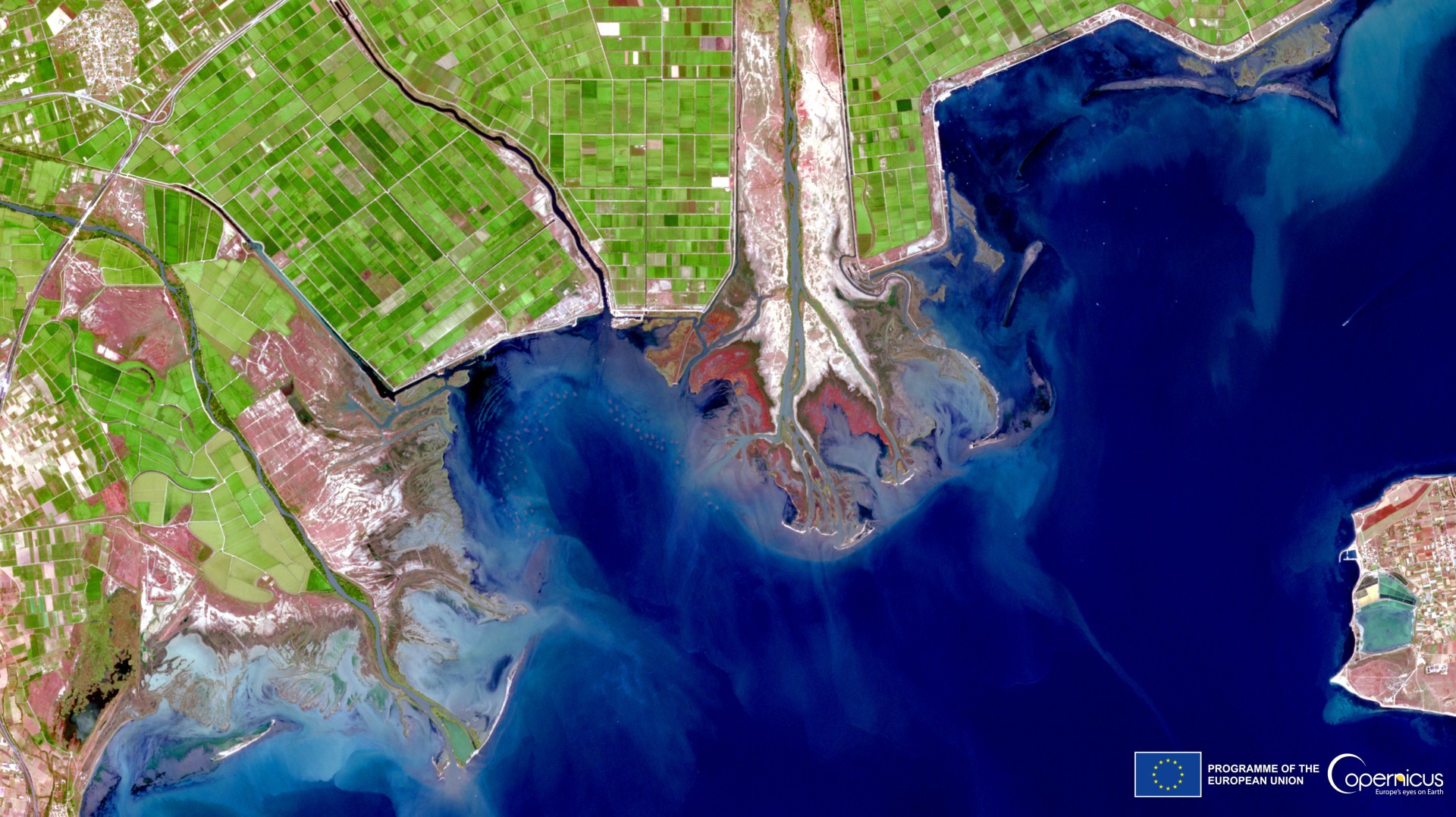
Satellite image of the Axios-Loudias-Aliakmonas Delta in Greece
Image: Copernicus Sentinel-2 via Wikimedia Commons · Copernicus attribution required

Thessaloniki

Delta · mudflat · salt marsh

Axios-Loudias-Aliakmonas

Bird-rich delta within easy reach of Thessaloniki

Axios-Loudias-Aliakmonas National Park is a practical choice if you are looking for a birding site close to Thessaloniki. River mouths, mudflats, salt marshes, shallow water and open coastal habitat attract waders, herons, terns and flamingos. The area around Chalastra and the western Thermaic Gulf coast offers several places to watch from the levee. Always check which roads and paths are open.

Look for
Greater Flamingo, Eurasian Spoonbill, Pied Avocet, Black-winged Stilt, Glossy Ibis and Mediterranean Gull.
Plan around
Low tide, calm morning light and enough time to combine several levee viewpoints.
View across the Ambracian Gulf in western Greece
Photo: Thiodor2012 · Wikimedia Commons · CC BY-SA 2.0

Epirus and western Greece

Lagoon · delta · brackish water

Amvrakikos Gulf

Shallow lagoons between Arta, Preveza and the river deltas

The Amvrakikos Gulf is a sheltered wetland complex of lagoons, reedbeds, mudflats and river mouths. It is interesting for pelicans, flamingos, spoonbills, herons and raptors. The large scale makes a telescope especially useful. Choose quiet sections of levee, scan fishponds and lagoons, and plan several stops because birds move according to water levels and wind.

Look for
Dalmatian Pelican, Greater Flamingo, Eurasian Spoonbill, Glossy Ibis and Osprey.
Plan around
Winter and migration, calm weather and the route to official viewpoints in the protected area.
Megali Prespa with mountains on the Greek side of the lake
Photo: anjči · Wikimedia Commons · CC BY 2.0

Western Macedonia

Mountain lake · marsh · rock

Prespa National Park

High-altitude lakes and pelicans in a cross-border mountain landscape

Prespa lies at high elevation and combines lakes with marshes, traditional farmland and steep mountain slopes. Mikri Prespa is best known for its pelican colonies and other waterbirds. Around the villages, shores and accessible roads, you may also find Black Storks, raptors and mountain songbirds. The area is quieter than many coastal destinations, but distances and elevation changes call for careful day planning.

Look for
Dalmatian Pelican, Great White Pelican, Black Stork, Golden Eagle and Alpine Chough.
Plan around
Spring to summer, early morning and local rules around nesting colonies.
Messolonghi lagoon in western Greece
Photo: Mesologi · Wikimedia Commons · use permitted with attribution

Western Central Greece

Salt pan · lagoon · mudflat

Messolonghi-Aitoliko Lagoons

Open coastal habitat with salt pans and roads through the wetland

The Messolonghi and Aitoliko lagoons are a good destination for birders who want to watch coastal birds from roads and levees. Around Tourlida, the salt pans and shallow lagoons, you can find waders, flamingos, spoonbills, terns and herons. The flat landscape offers wide views, but on sunny days heat haze can distort the view across the water. A telescope and early light make a big difference.

Look for
Greater Flamingo, Eurasian Spoonbill, Pied Avocet, Black-winged Stilt, Glossy Ibis and sandpipers.
Plan around
Winter and spring or autumn migration, with stops at salt pans and open lagoon shores.
Griffon Vulture as an impression of the mountain and forest landscape of Dadia
Atmospheric image: Antonis Tsaknakis · Wikimedia Commons · CC BY-SA 4.0

Eastern Thrace

Forest · open hills · raptors

Dadia-Lefkimi-Soufli

One of Greece's best-known areas for raptors

The landscape around Dadia consists of open pine forests, hills, ravines and traditional farmland. The combination of forest and open slopes with strong thermals makes the area attractive to vultures, eagles, Short-toed Snake Eagles and Black Storks. The official raptor observation post is an important starting point. Book ahead and check whether the minibus and observation post are open, as fire risk and weather conditions can affect access.

Look for
Griffon Vulture, Egyptian Vulture, Black Stork, Short-toed Snake Eagle and Golden Eagle.
Plan around
Morning for forest birds, thermals later in the day and official access information before you leave.
Evening view of Kalloni Gulf on Lesvos
Photo: RITOS80 · Wikimedia Commons · CC BY-SA 4.0

Lesvos, North Aegean Islands

Coastal wetland · salt pan · olive grove

Kalloni Gulf

A classic destination for spring migration on Lesvos

Kalloni Gulf is popular with birders because it combines salt pans, shallow coastal waters, river mouths, dry hills and olive groves. Around Skala Kallonis and the salt pans, you can find large numbers of migrants in spring and autumn. The island is well suited to an independent birding trip, but a hire car makes it easier to combine several habitats in one day.

Look for
Greater Flamingo, waders, herons, Eurasian Hoopoe, European Bee-eater and Mediterranean songbirds.
Plan around
April–May for spring migration, September–October for autumn migration and calm morning light.

Popular birds of Greece

Five remarkable Greek birds and where to see them

From the enormous Dalmatian Pelican and soaring Griffon Vulture to the colourful European Roller, fast-flying Eleonora's Falcon and characteristic Little Owl, these are five species that can make a birding trip through Greece especially memorable. They are distinctive, fascinating and realistic target species in the right place and season.

  1. Dalmatian Pelican on Lake Kerkini in Greece
    Photo: Wkkasimag, Wikimedia Commons, CC BY 4.0

    Dalmatian Pelican

    The Dalmatian Pelican is one of Greece's most impressive bird species. With its enormous bill, silver-grey wings and distinctive crest, it is easiest to identify on open water. Lake Kerkini is the best-known destination, but Prespa, Amvrakikos, Axios and the lagoons around Porto Lagos are also important.

    Where can you see Dalmatian Pelicans in Greece?

    • Lake Kerkini · from the shores and on responsible boat trips
    • Prespa National Park · especially around Mikri Prespa and the surrounding wetlands
    • Amvrakikos, Axios and Porto Lagos · large wetlands with wintering and migrating birds
  2. Griffon Vulture in Greece
    Photo: Antonis Tsaknakis, Wikimedia Commons, CC BY-SA 4.0

    Griffon Vulture

    The Griffon Vulture is one of the best reasons to include mountain habitats in a birding holiday in Greece. Look for broad wings, a short tail and effortless soaring above gorges and open slopes. The species is most likely in areas with extensive grazing and reliable thermals.

    Where can you see Griffon Vultures in Greece?

    • Dadia-Lefkimi-Soufli · forest edges, open hills and the official raptor observation post
    • Crete · mountain gorges and open landscapes around places such as Giouchtas and the southern mountains
    • Northern Pindus and Prespa · watch from open slopes with a clear view of thermals
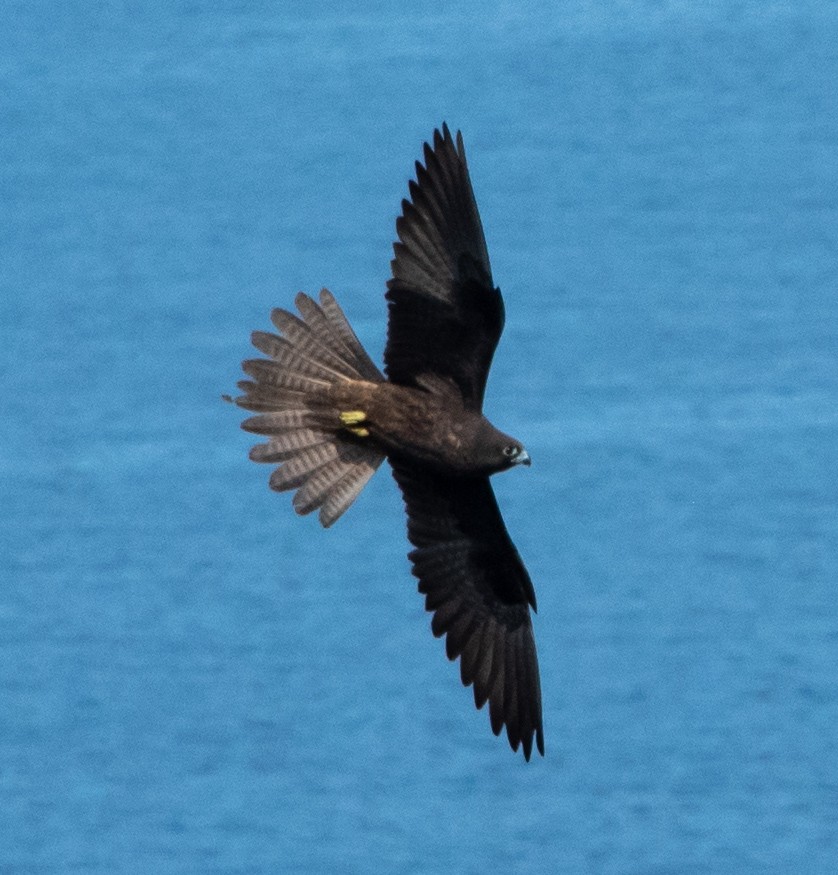
  3. Eleonora's Falcon in dark morph
    Photo: Don Loarie, Wikimedia Commons, CC BY 2.0

    Eleonora's Falcon

    This elegant falcon is closely associated with the Greek islands. It breeds on rocky coasts and uses late summer and early autumn to intercept migrating birds over the sea. Light and dark morphs can occur together. Keep well away from nesting cliffs and look for fast, purposeful flights along the coast.

    Where can you see Eleonora's Falcons in Greece?

    • Skyros and the Sporades · well-known island areas with rocky breeding coasts
    • Aegean islands and Crete · watch from quiet viewpoints along cliffs and sea passages
    • Antikythera and other migration islands · especially interesting during autumn migration
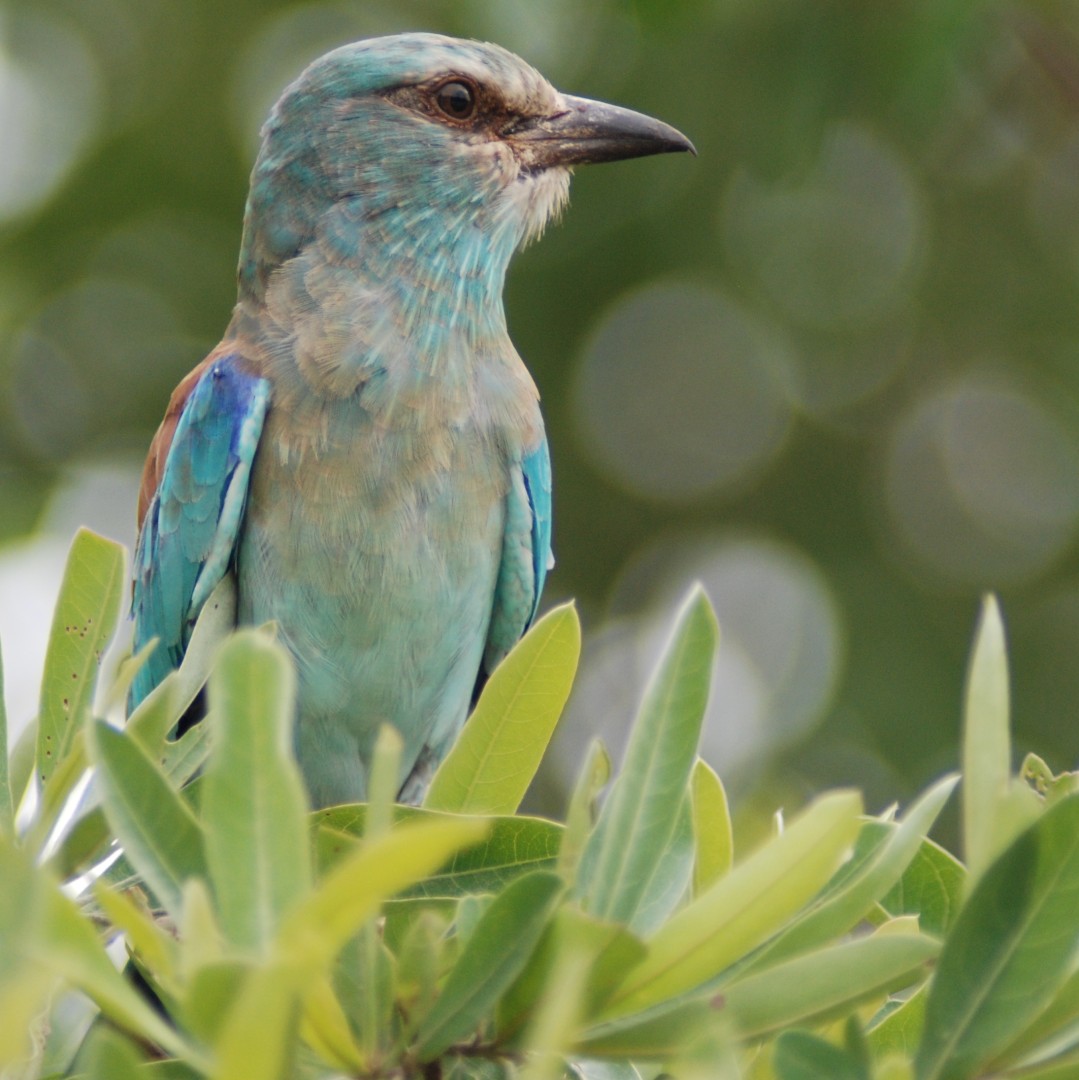
  4. European Roller on a branch
    Photo: Gouldingken, Wikimedia Commons, CC BY 3.0

    European Roller

    The European Roller stands out with turquoise, blue and chestnut plumage. In Greece, it is associated with warm open landscapes containing scattered trees, farmland and extensively grazed meadows. On sunny days, look for one perched on an exposed branch or telephone wire, but remember that its distribution is local and often seasonal.

    Where can you see European Rollers in Greece?

    • Thrace and the Evros region · open farmland and forest edges in the northeast
    • Northern and central Greece · warm valleys with old trees and extensive agriculture
    • Wetland surroundings · combine river valleys and open country in May and June
  5. Little Owl on Samos, Greece
    Photo: Hobbyfotowiki, Wikimedia Commons, CC0 1.0

    Little Owl

    The Little Owl is not officially designated as Greece's national bird, but its association with Athena and classical antiquity makes it a powerful cultural symbol. In the field, this small owl is often easier to find than many other owls. Search olive groves, village edges, ruins and open farmland around sunrise or in the last light of the day.

    Where can you see Little Owls in Greece?

    • Lesvos and Samos · olive groves, dry slopes and village edges
    • Crete and mainland Greece · open farmland with old trees and stone buildings
    • Quiet nature areas · listen at dusk and avoid bright lights near roosting sites

Useful tips and information

Practical questions about birdwatching in Greece

Want to know when bird migration is strongest in Greece, where to see pelicans and raptors or how to visit nature reserves independently? Below you will find answers to practical questions about birding sites, access, seasons, protected wetlands and current information for planning your birding trip.

For the greatest variety, April and May, followed by September and October, are usually the best months. In spring, songbirds, raptors and waders migrate north, and islands such as Lesvos and Antikythera can produce an exceptional range of species. Autumn migration is also strong, especially along coasts, wetlands and mountain passes.

If you mainly want to see pelicans, flamingos and winter ducks, travel from November through February. June to August is interesting for Eleonora's Falcon, mountain birds and breeding colonies, but start early because of the heat. Check the Hellenic Ornithological Society information and local access rules from NECCA.

The best chances are at the Evros Delta, the coastal wetlands of Thrace, the Axios Delta, Kalloni Gulf on Lesvos, Messolonghi and small islands along the route between Europe and Africa. In spring, reedbeds, olive groves, scrub edges and freshwater pools are important. In autumn, coastlines and mountain passes can be especially productive in favourable winds.

Do not plan only around a famous nature reserve. Also explore the surrounding landscape. A quiet track beside a lagoon, a tree-lined village edge or a levee with a clear view can produce more during a migration wave than a busy viewpoint. The Hellenic Ornithological Society describes the protection of important bird areas in Greece; use FaunaMap to compare recent sightings and expected species for each location.

Lake Kerkini is the best-known and most accessible destination for Dalmatian Pelicans. From the shore and on responsible boat trips, you can often watch the birds well without approaching breeding sites. Prespa National Park, the Amvrakikos Gulf, the Axios Delta and the lagoons around Porto Lagos are also important pelican areas.

The best period depends on the location, but winter and spring are productive at many wetlands. Use a telescope, keep your distance from colonies and follow local guidance. The NECCA information on Kerkini highlights the lake's importance for hundreds of bird species and Dalmatian Pelicans.

Dadia-Lefkimi-Soufli is one of the best-known areas for raptors, thanks to its combination of forest, open hills and thermals. In Crete, Griffon Vultures are likely above mountain gorges and dry slopes. Northern Pindus, Prespa and other mountain areas in northern Greece offer chances for Golden Eagle, Short-toed Snake Eagle, Black Stork and smaller raptors.

Watch forest edges for activity early in the day, then use open viewpoints to follow thermals later on. Never approach a nest or cliff to get a better view. Check the official information about Dadia in advance, as fire risk, works and weather conditions can change access.

Lesvos is the best-known choice for spring migration, with Kalloni Gulf, salt pans, olive groves and river mouths. Skyros and other Aegean islands are interesting for Eleonora's Falcon and seabirds. Antikythera lies on an important migration route and is particularly suitable in spring and autumn for birders focusing on island passage. Crete combines mountain birds, vultures and Mediterranean species with major differences between the northern and southern coasts.

On the islands, a hire car is often useful because good viewing spots are spread out and public transport does not always reach wetlands or mountain passes. Skyros specifically promotes birdwatching as a nature activity. Book ferries and accommodation well in advance for spring trips.

Yes, many birding areas can be visited independently. Lake Kerkini, the Axios Delta, Messolonghi and parts of Kalloni Gulf have roads, levees or public viewpoints where you can start with binoculars and a telescope. A car makes it easier to combine several habitats in one day. In the Evros Delta and Dadia, it is sensible to check information centres and any guided routes in advance.

A guide is especially useful when you have limited time, are looking for rare species or are visiting an area with significant access restrictions. For a first exploration, select an area in FaunaMap, check recent sightings and see which species have historically been expected at that location.

Stay on marked roads and paths, respect temporary closures and keep a generous distance from nests, colonies and resting flocks. Do not cross fences or levees closed to visitors, fly drones near breeding areas or play bird calls. During dry summers, nature reserves or observation posts may close temporarily because of fire risk.

The exact rules vary by national park and management organisation. Check the current information from NECCA and the local management units before you leave. When in doubt, keeping your distance is always the best choice, even when a bird appears close.

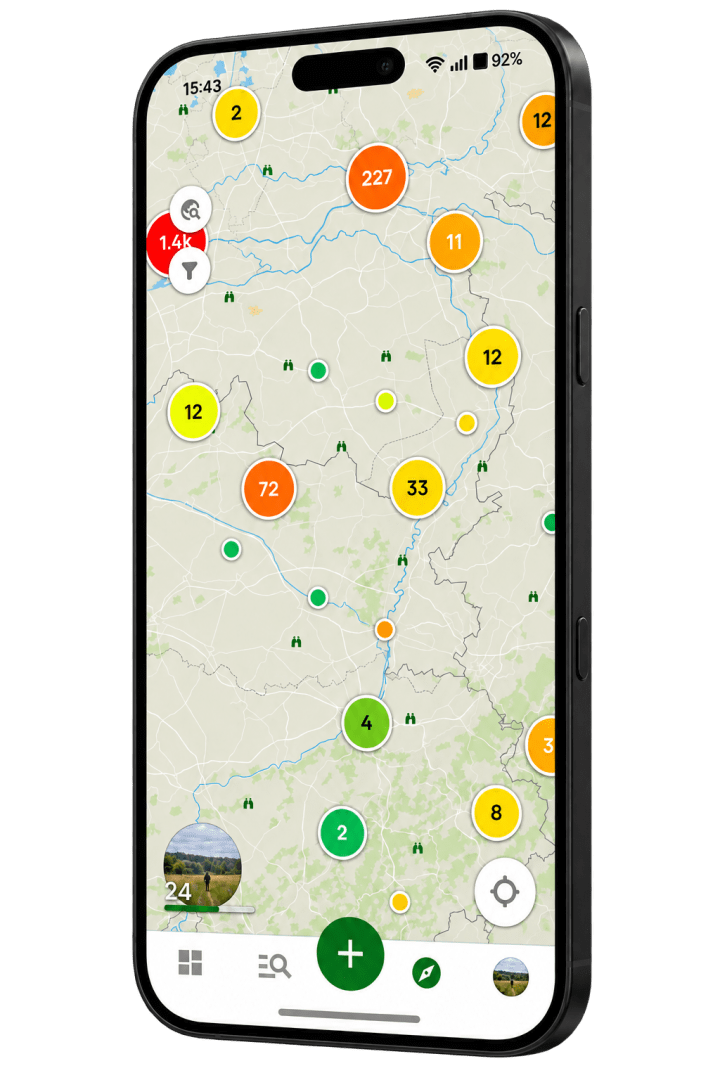
In FaunaMap, you can find recent bird sightings in Greece on an interactive map. Browse birding locations, hotspots and places with expected species, and record your own sightings. This is useful in a country where water levels, wind, migration and local access determine which part of a site works best on a particular day.

Open FaunaMap before heading to Kerkini, Evros, Lesvos, Prespa or one of Greece's deltas. This lets you combine the general seasonal information on this page with current information for the exact location.

View recent sightings in FaunaMap

Discover more while birdwatching

  • See recent bird sightingsSee which birds have recently been spotted near you.
  • Explore biodiverse nature areasFind the best places to spot birds and other wildlife.
  • Find sightings by speciesQuickly find sightings of the bird species you want to see.