Birdwatching · birding areas · bird species

Birdwatching in Costa Rica: the best birding areas and species

Birdwatching in Costa Rica lets you combine cloud forest, tropical rainforest, dry forest, mangroves and high-elevation mountain forest in a single trip. Discover where to spot quetzals, scarlet macaws, toucans, hummingbirds and migratory birds, which nature reserves are easy to reach and when conditions are best for a birding trip through Costa Rica.

  • Expected bird species by location
  • Birding hotspots worldwide
  • Keep track of your own species list
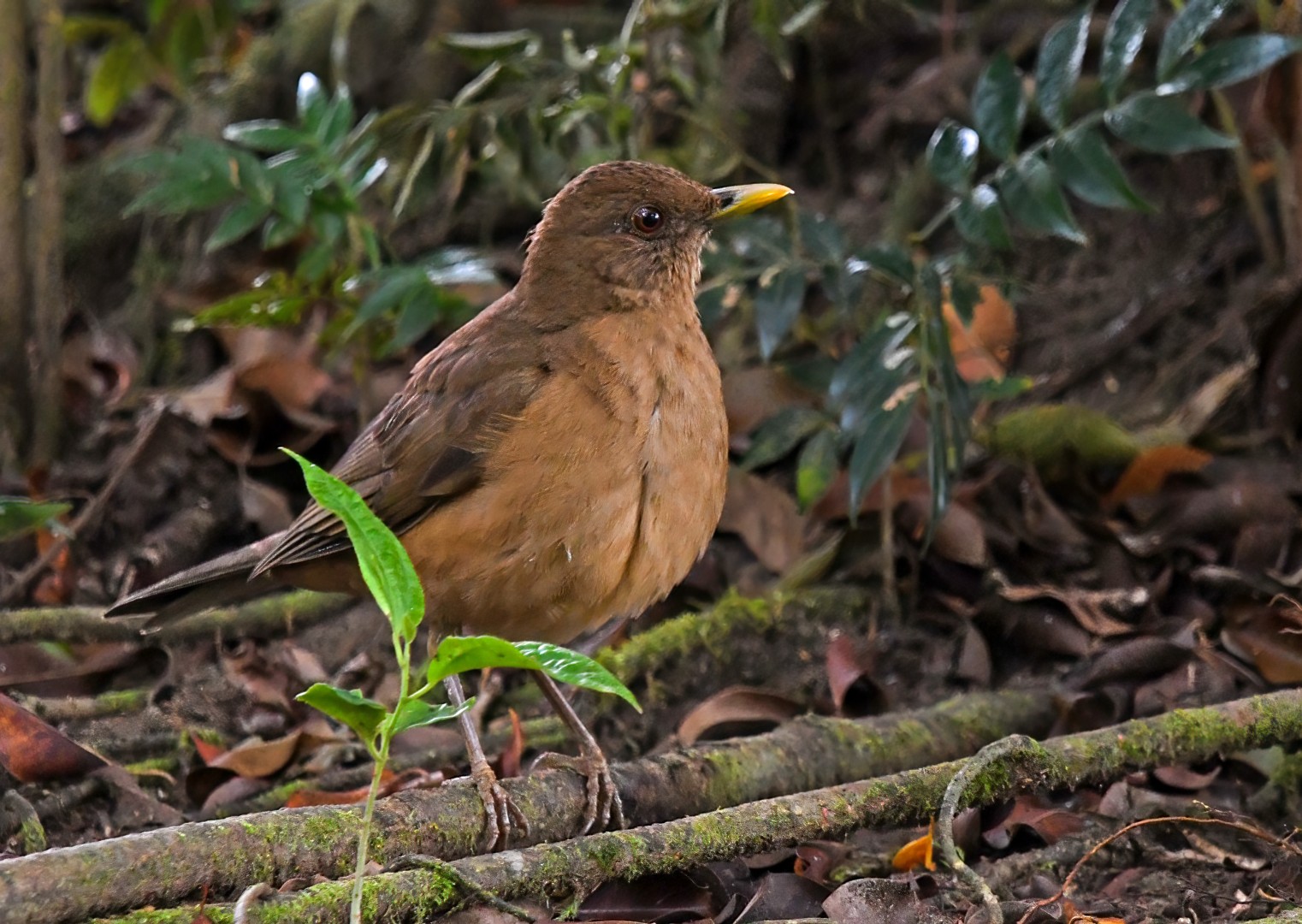
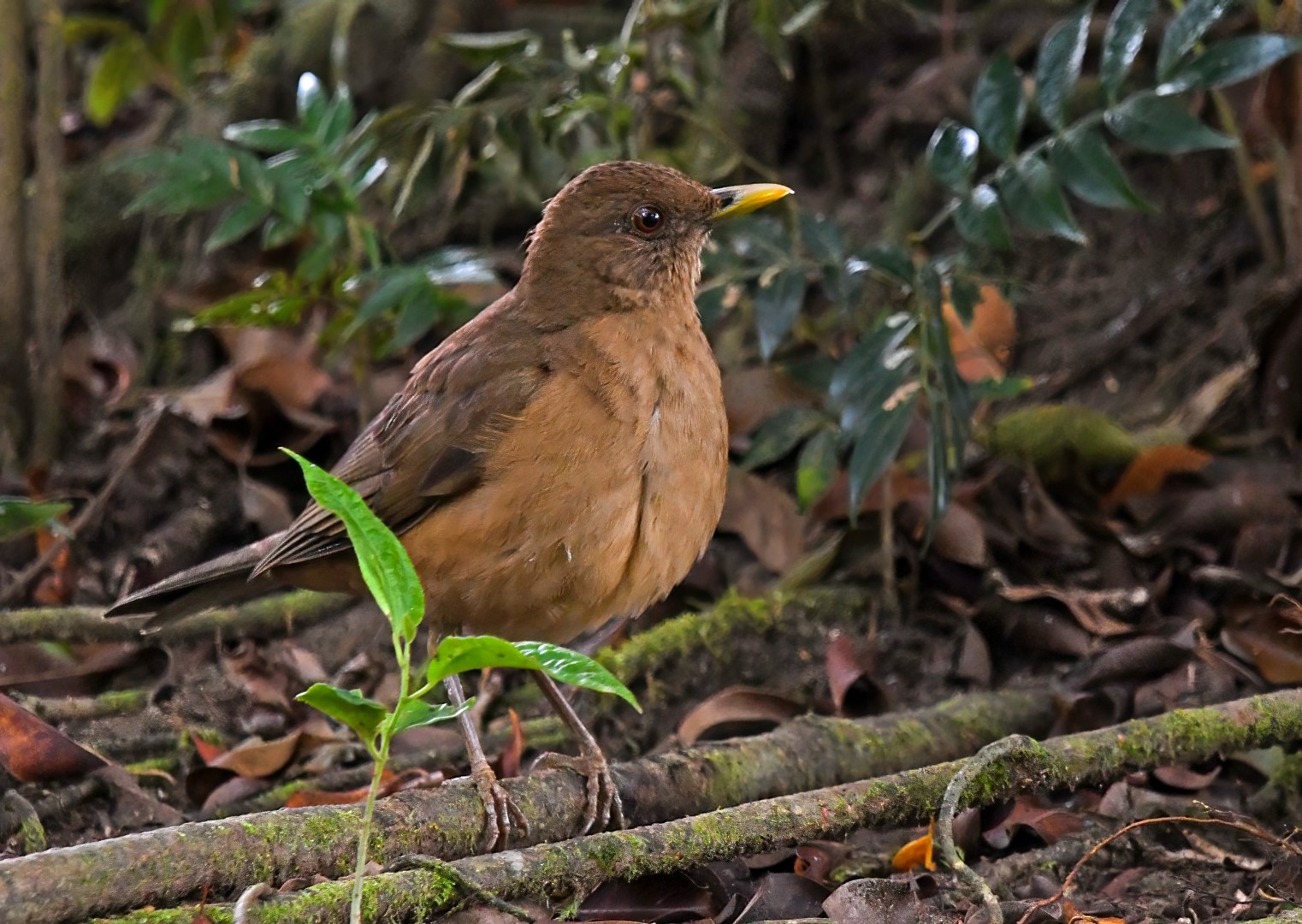
Yigüirro, the national bird of Costa Rica, on the forest floor
National bird of Costa RicaYigüirro (Turdus grayi)
Photo: Gerrit van Dorp · Wikimedia Commons · CC BY-SA 4.0.

Why go birdwatching in Costa Rica?

From cloud forest to mangroves: Costa Rica is a top destination for birdwatchers

Costa Rica has an exceptional variety of birds for a relatively small country. Two coastlines, volcanic mountain ranges and major changes in elevation bring lowland rainforest, dry forest, cloud forest and wetlands close together. This means that a Costa Rica itinerary can deliver a remarkable number of different bird species in a short amount of time.

The Pacific side has a clear dry season, with open dry forest in Guanacaste and bird-rich transition zones around Carara. On the Caribbean side, humid forests, waterways and lagoons dominate. Drive higher towards Monteverde, Braulio Carrillo or the Talamanca range and you reach cooler mountain forest, home to quetzals, mountain hummingbirds, tanagers and species rarely found in the lowlands.

Migration also makes Costa Rica special. From August to November, a remarkable stream of raptors passes along the Caribbean slope, estimated by the Costa Rican Tourism Institute at around three million birds. FaunaMap helps you check recent sightings, birding spots, hotspots and expected species at each location before you head out.

Landscapes and biodiversity

The main bird habitats in Costa Rica

If you want to go birdwatching in Costa Rica, do not focus only on national parks. Elevation, rainfall and vegetation type are just as important. These six habitats influence which species you can expect and explain why an itinerary covering several regions is far more rewarding than staying in one place.

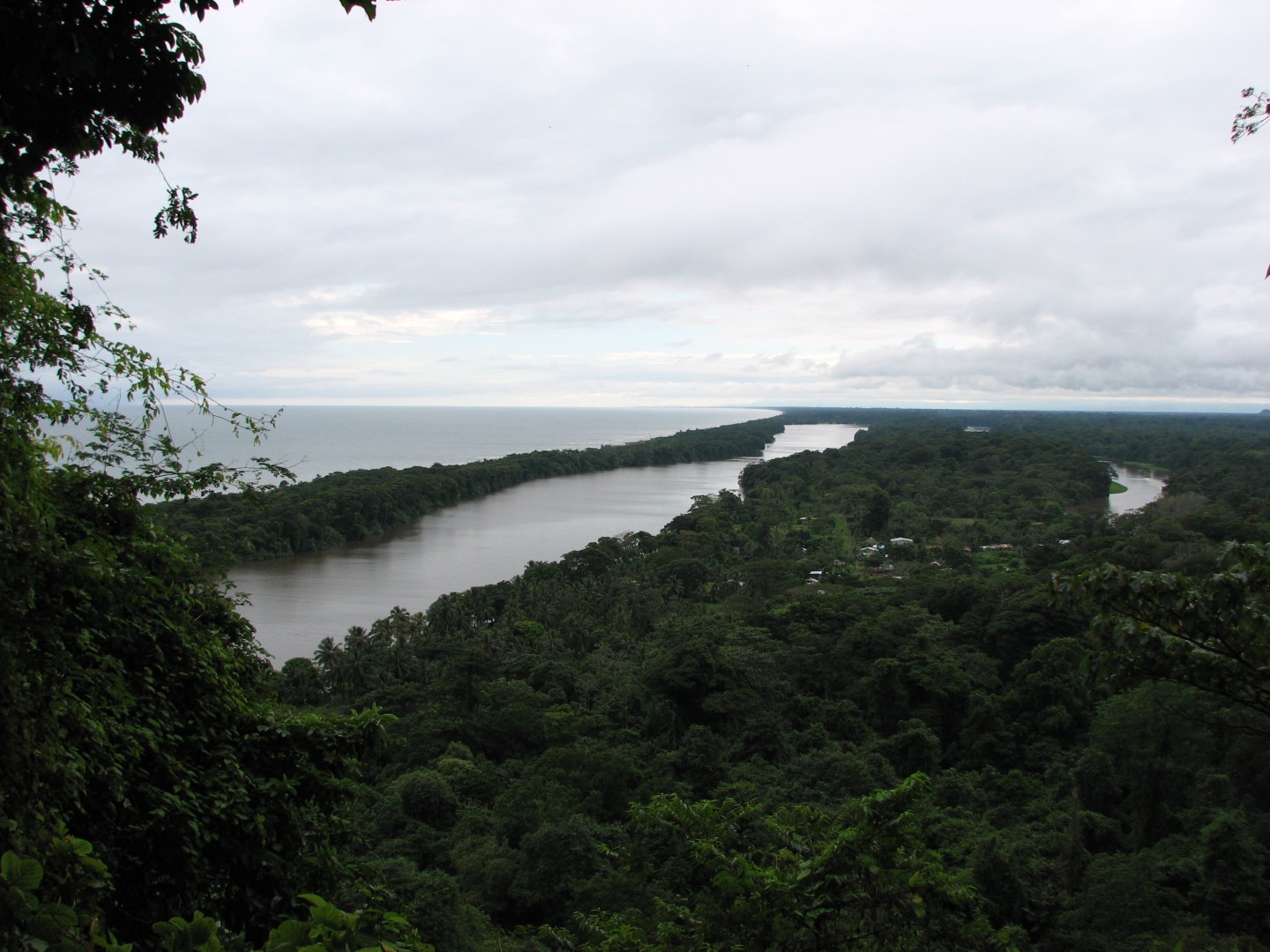
Canals, coast and lowland rainforest in Tortuguero National Park
Leyo · Wikimedia Commons · CC BY-SA 2.5 CH

Caribbean lowland rainforest, canals & wetlands

The humid forests and waterways of Tortuguero, Sarapiquí and the northern lowlands stay green all year. Exploring the canals by boat can reveal species that are difficult to find in dense forest, while forest edges and lodges often attract surprisingly many birds. Early mornings are the quietest and offer the best light.

Typical species

  • Keel-billed toucan
  • Great green macaw
  • Agami heron
  • Green ibis
  • Black-cheeked woodpecker
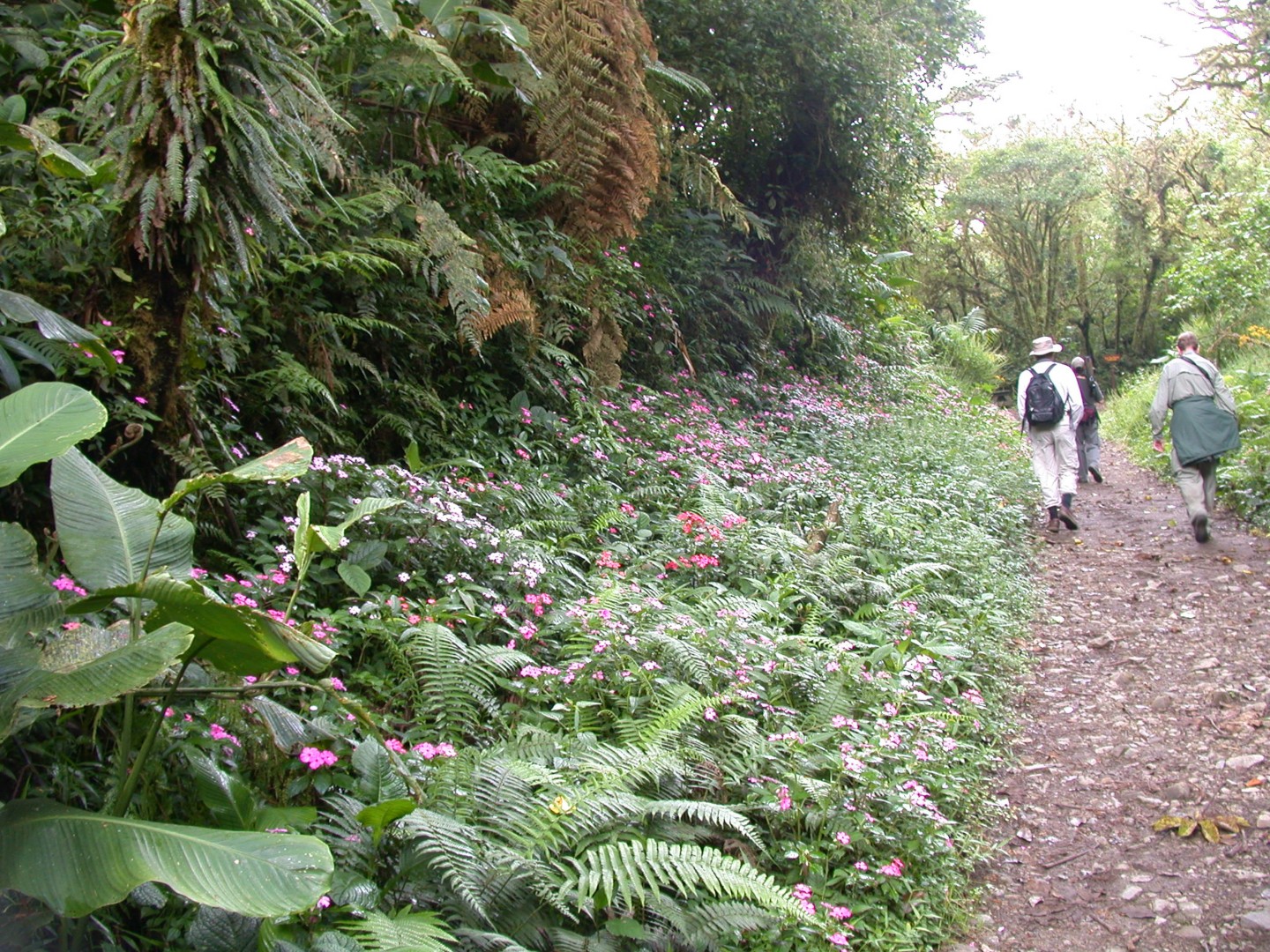
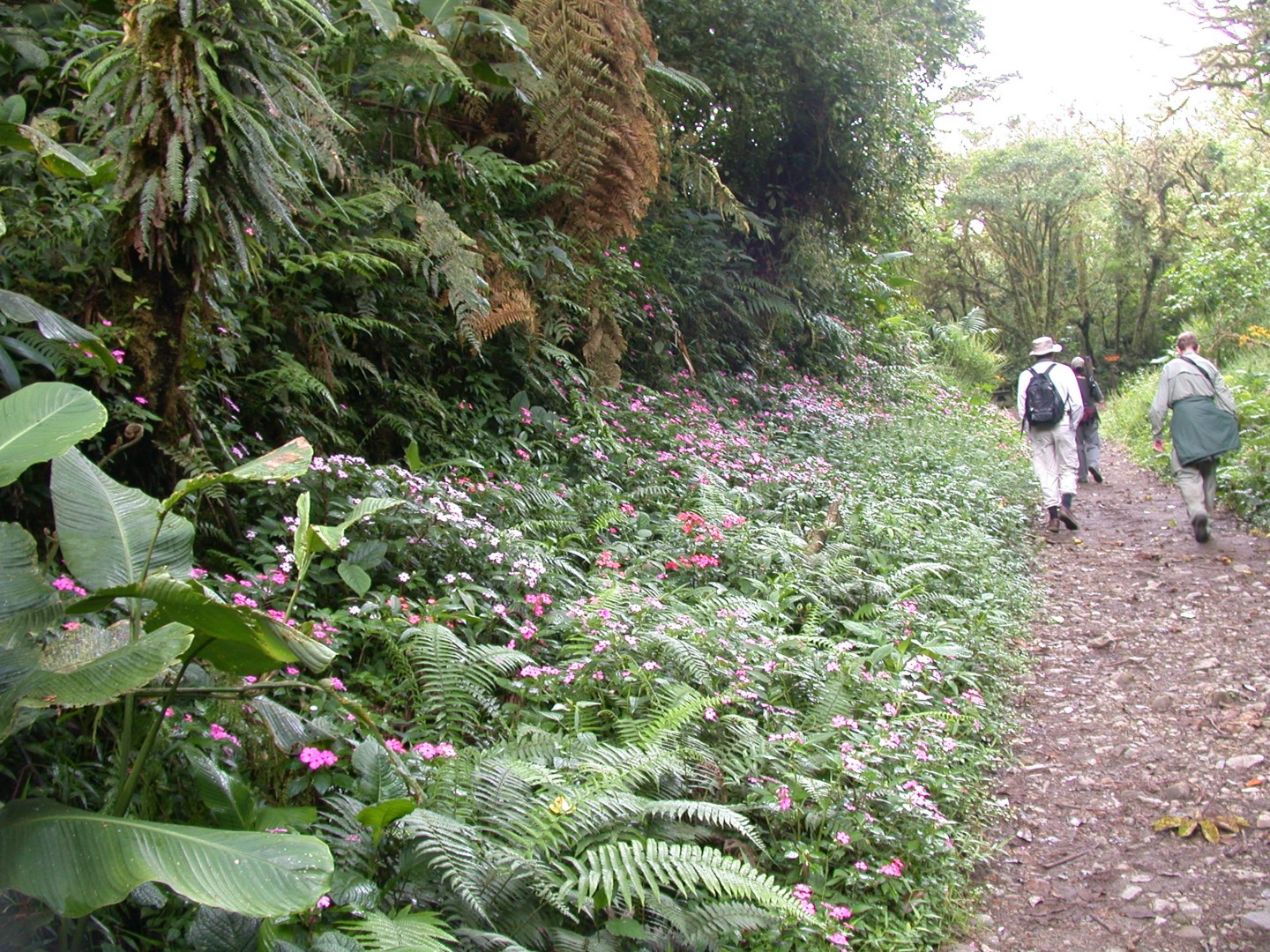
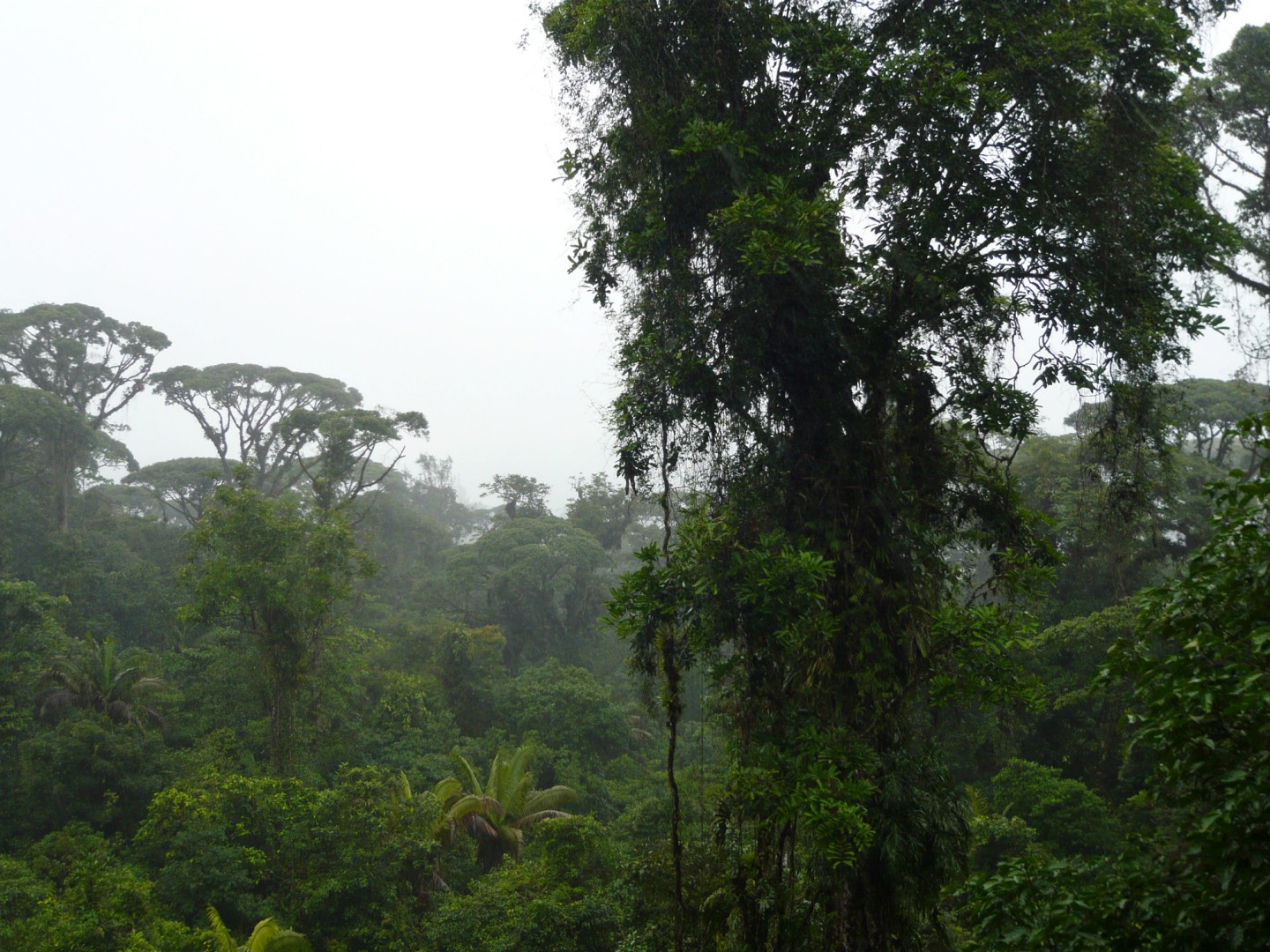
Walking trail through the cloud forests of Monteverde Cloud Forest Reserve
sussexbirder, Ron Knight · Wikimedia Commons · CC BY 2.0

Cloud forest & mountain forest

In Monteverde, Braulio Carrillo and other mountain forests, mist, epiphytes and elevation shape the birdlife. Dense vegetation rewards patient listening and frequent scanning of the canopy. Fruit trees and mixed flocks can produce quetzals, toucanets, bellbirds and several hummingbird species in a single morning.

Typical species

  • Resplendent quetzal
  • Three-wattled bellbird
  • Northern emerald-toucanet
  • Black guan
  • Fiery-throated hummingbird
Landscape above Carara National Park on Costa Rica’s Pacific coast
Reinrosemary · Wikimedia Commons · CC BY-SA 4.0

Pacific dry forest & transitional forest

From Guanacaste to Carara, the forest changes dramatically with the seasons. During the dry months, trees lose their leaves and clearings become easier to scan, while Carara forms a transition between dry and humid Pacific forest. Set out early for parrots, motmots, trogons and birds along the river.

Typical species

  • Scarlet macaw
  • Turquoise-browed motmot
  • Orange-fronted parakeet
  • White-throated magpie-jay
  • Fiery-billed aracari
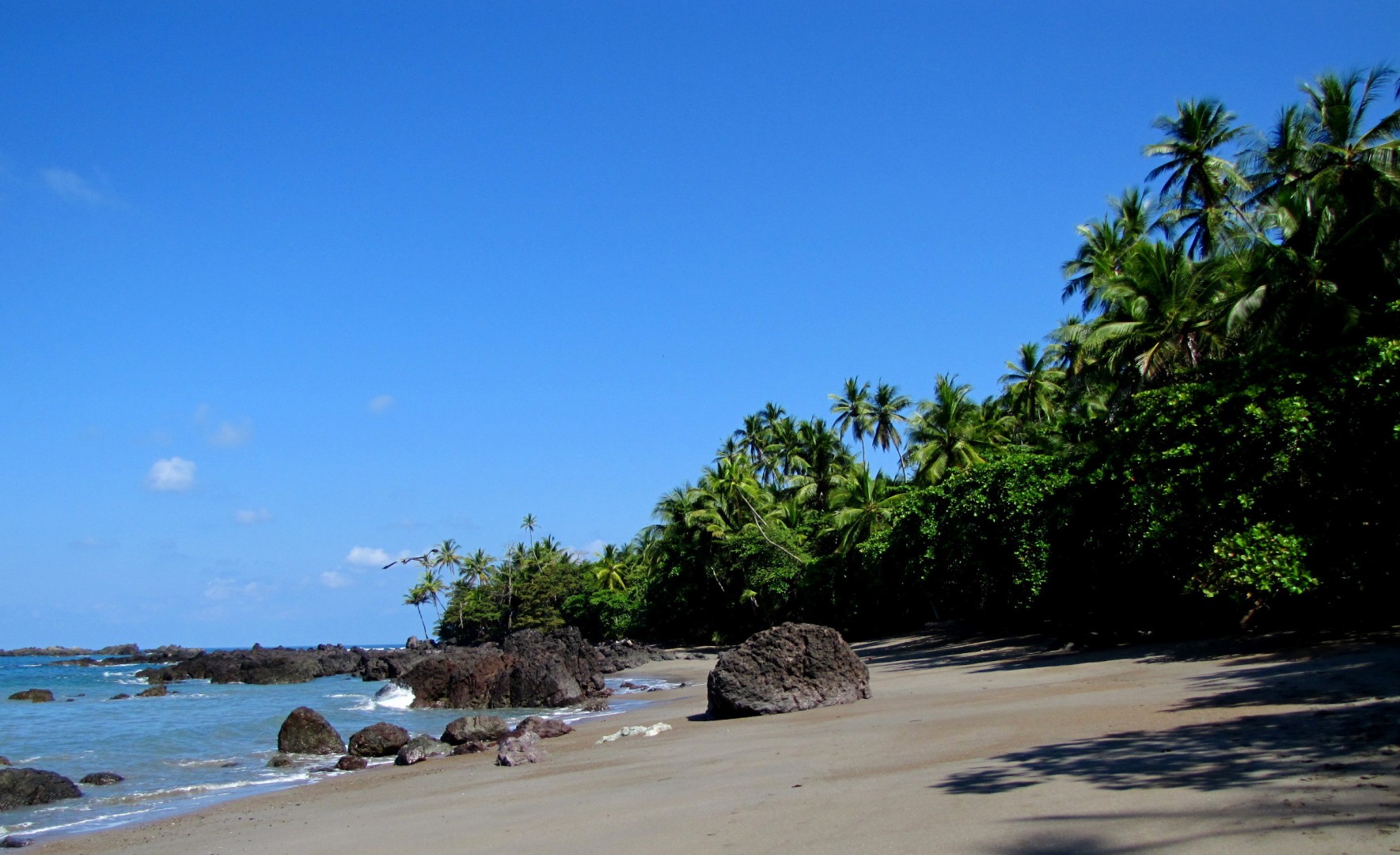
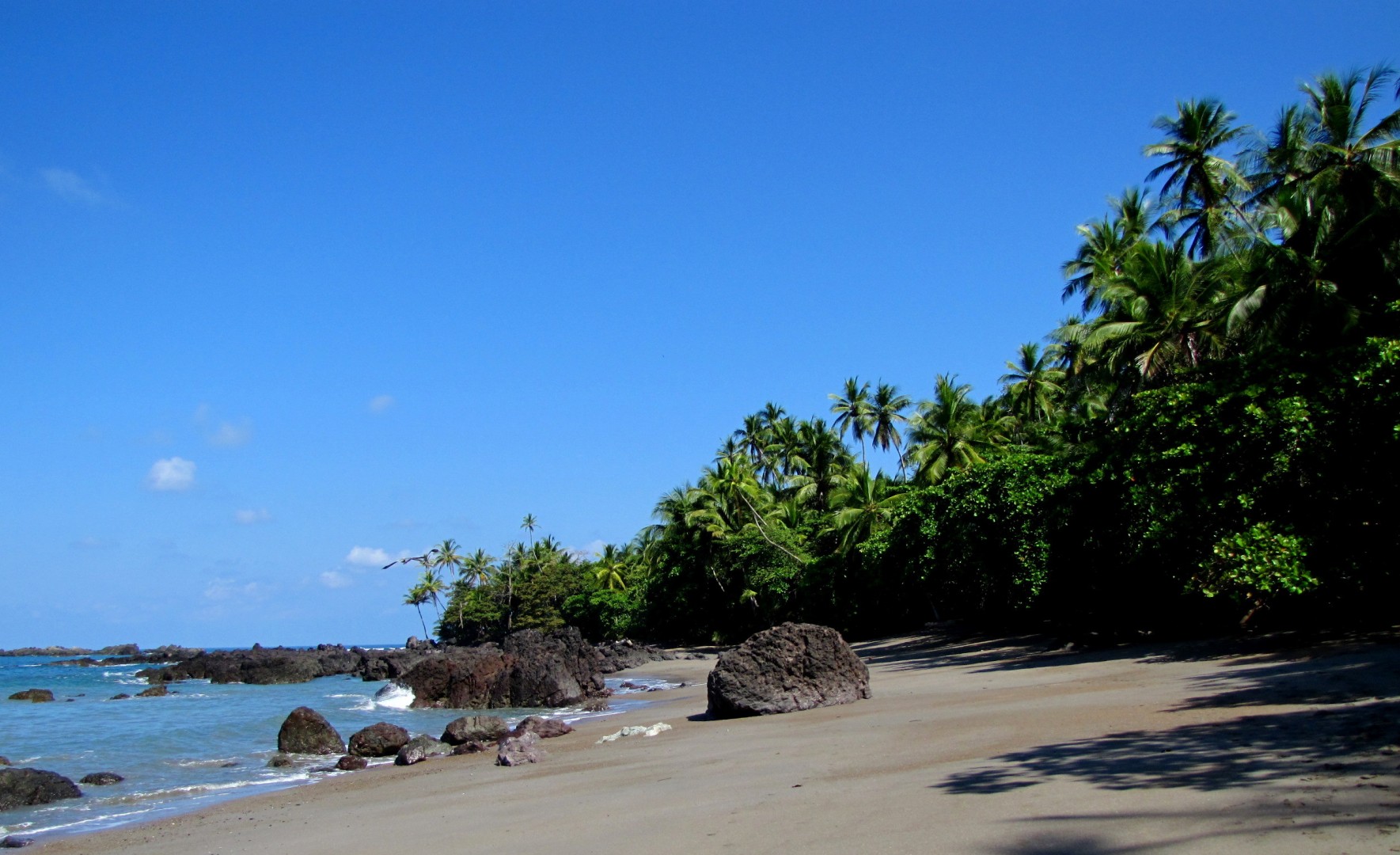
Tropical coast and forest at the edge of Corcovado National Park on the Osa Peninsula
José R. · Wikimedia Commons · CC BY 3.0

Mangroves, estuaries & coastal forest

Along the Pacific coast, mangroves, river mouths, mudflats and coastal forest meet. The estuaries of Térraba-Sierpe, the Golfo Dulce and the coast around Osa are especially interesting for birds that depend on shallow water and tides. Scan both the muddy shores and the treetops above the beach.

Typical species

  • Mangrove hummingbird
  • Scarlet macaw
  • American pygmy kingfisher
  • Bare-throated tiger heron
  • Magnificent frigatebird
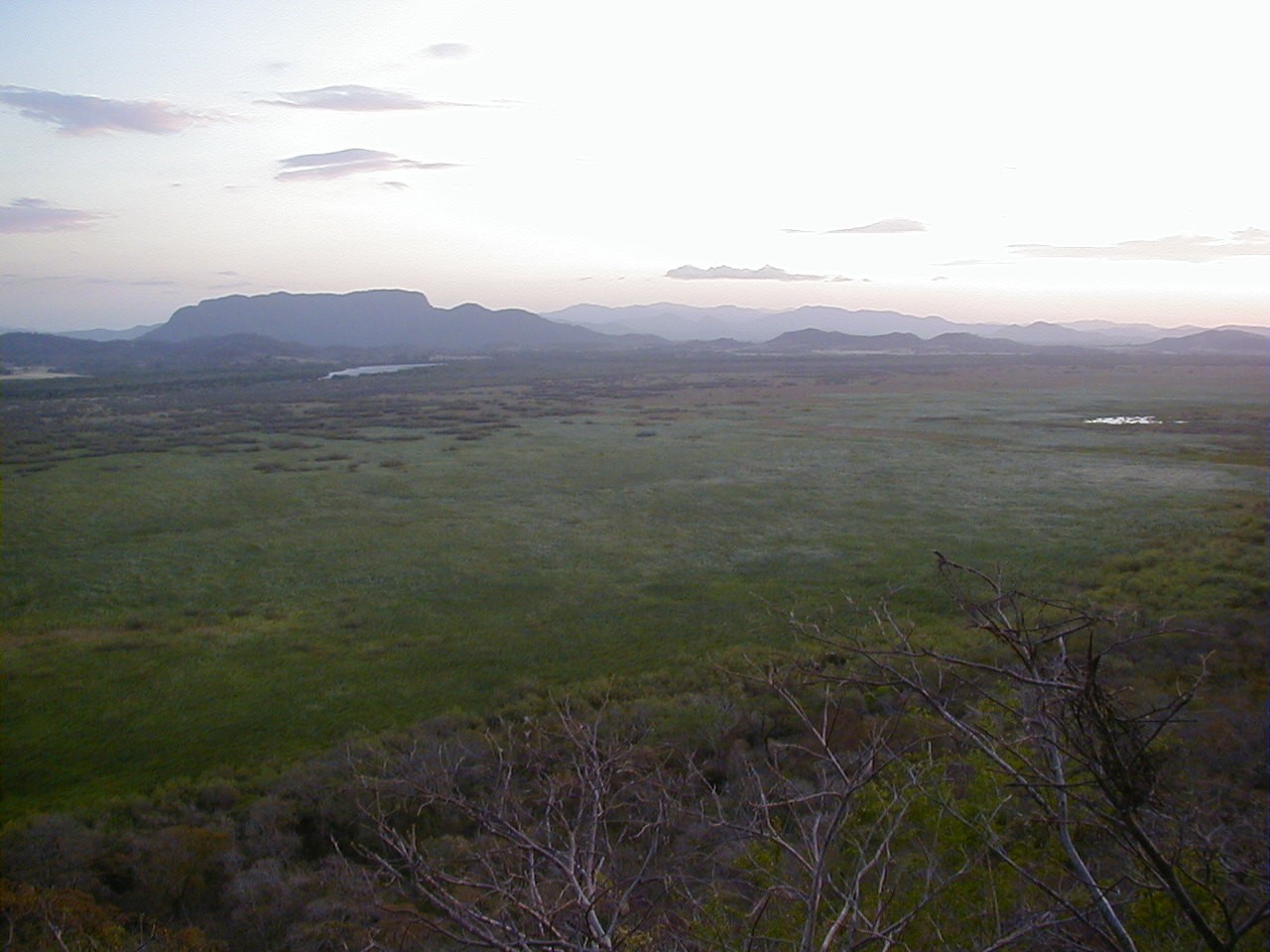
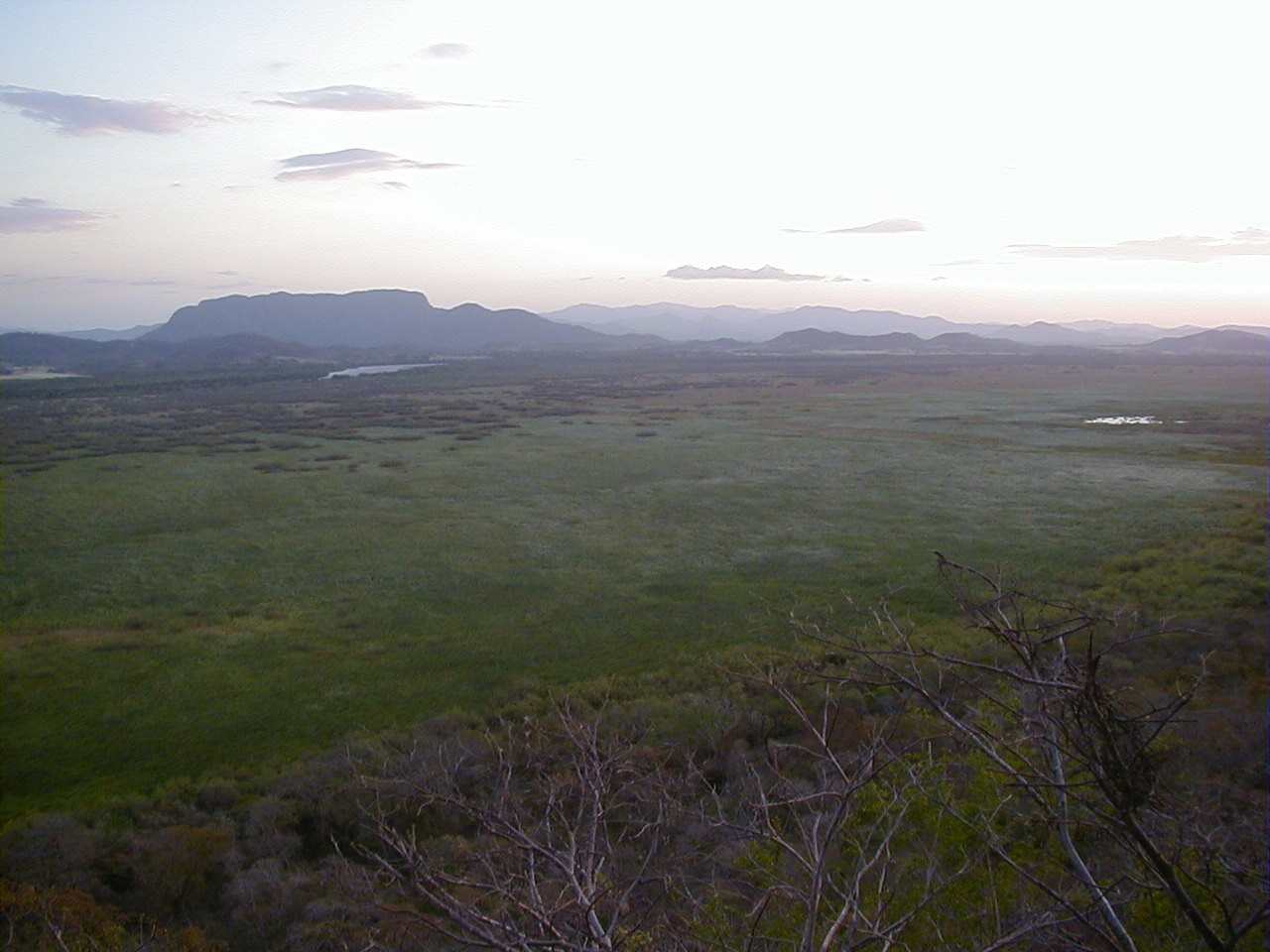
Wetland along the Tempisque River in Palo Verde National Park
Debivort · Wikimedia Commons · CC BY-SA 2.5

Seasonal wetlands & river deltas

Palo Verde and other wetlands in the Tempisque Valley change with the water level. During the drier months, open pools and muddy shores attract large numbers of herons, storks, ibises and shorebirds. The combination with dry forest makes these areas ideal for birdwatchers who want to see wetland and forest species in one day.

Typical species

  • Jabiru
  • Wood stork
  • Roseate spoonbill
  • Black-necked stilt
  • Northern jacana
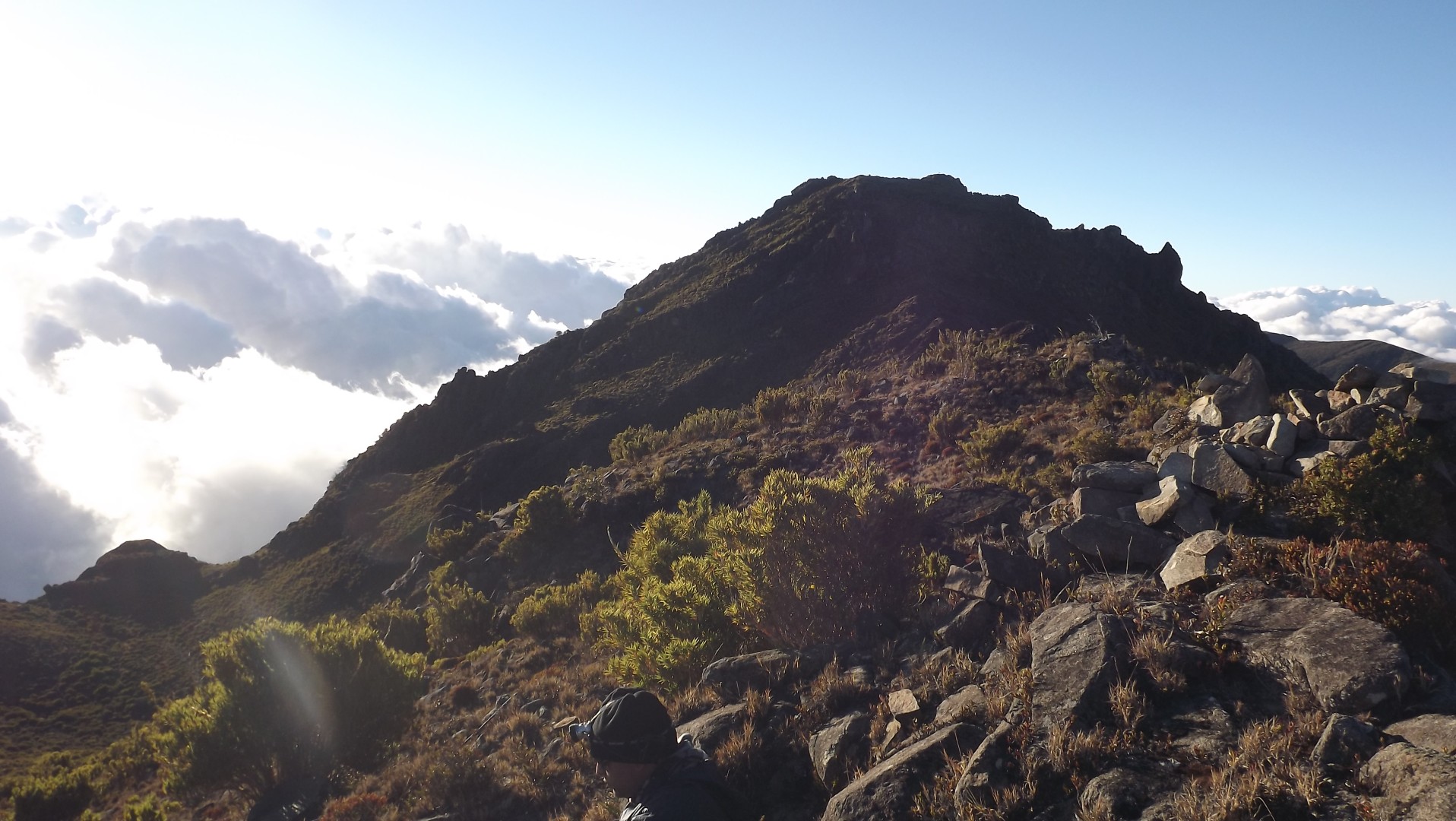
Mountain ridge of Cerro Ventisqueros with clouds and highland vegetation in the Cordillera de Talamanca
Natemodelo82 · Wikimedia Commons · CC BY-SA 3.0

Highlands, páramo & Talamanca

Above the treeline and in the cool mountain forests of the Cordillera de Talamanca, birding takes on a different rhythm. The air is thinner, weather can change quickly and many species stay among low shrubs or in the canopy. This is the habitat of quetzals, mountain hummingbirds and species that do not occur in the lowlands.

Typical species

  • Resplendent quetzal
  • Fiery-throated hummingbird
  • Volcano junco
  • Sooty thrush
  • Flame-colored tanager

Birdwatching throughout the year

Costa Rica birding calendar: what can you expect each season?

Costa Rica does not have four European-style seasons. On the Pacific side, the main distinction is between the dry season and the green season, while the Caribbean coast follows a different rainfall pattern. For birdwatchers, the arrival of migrants, the breeding season and visible raptor migration are also important.

Dry seasonDecember to FebruaryTransition to green seasonMarch to MayGreen seasonJune to AugustFall migrationSeptember to November
  1. January

    Dry season

    Dry Pacific coast and winter visitors

    January is often sunny and relatively dry on the Pacific side. This makes Carara, Guanacaste and Palo Verde appealing for a first taste of Costa Rican birdwatching. North American winter visitors are present, and parrots, motmots, herons and raptors are easier to find in open landscapes.

    Recommended placesCarara, Palo Verde, Guanacaste and the dry forests around the Gulf of Nicoya.

  2. February

    Dry season

    Quetzals on clear mountain mornings

    February combines good travel conditions on the Pacific with strong opportunities in the highlands. Start early in San Gerardo de Dota, Los Quetzales or Monteverde for quetzals, mountain hummingbirds and mixed flocks. In the lowlands, waterbirds and coastal species remain active while pools and lagoons still hold water.

    Recommended placesLos Quetzales, San Gerardo de Dota, Monteverde and Palo Verde.

  3. March

    Transition to green season

    Final dry weeks and plenty of birdsong

    The Pacific side is often still dry in March, although the first signs of the green season appear. Resident birds begin singing more strongly and activity around fruit trees increases in mountain forests. It is a good month to combine Carara or Monteverde with another region.

    Recommended placesCarara, Monteverde, Arenal and the central mountain ranges.

  4. April

    Transition to green season

    First rains and the breeding season

    April is often a transition month on the Pacific side. The first showers bring fresh greenery and encourage singing, territorial behaviour and nest building. Quetzals remain interesting in the highlands, while dry-forest species become more active around water and flowering trees.

    Recommended placesCarara, Guanacaste, Monteverde and the Arenal area.

  5. May

    Transition to green season

    Green forest and active resident birds

    As the rainy season begins, the landscape quickly turns greener. Many resident species become territorial and are easiest to hear in the early morning. Around lodges and gardens, tanagers, hummingbirds, woodpeckers and thrushes can be seen at close range, while mountain forests remain cool and misty.

    Recommended placesMonteverde, Arenal, Sarapiquí and gardens in the Central Valley.

  6. June

    Green season

    Cloud forest, lowlands and mixed flocks

    June is a strong month for anyone who wants to experience Costa Rica at its greenest. Mixed flocks are active in the rainforest, while birds move through several layers of the forest in cloud-forest habitats. Plan shorter walks in the morning and expect showers later in the day.

    Recommended placesMonteverde, Braulio Carrillo, Arenal and Tortuguero.

  7. July

    Green season

    A short dry spell on the Pacific

    The Pacific side can experience a short drier period in July. This sometimes creates an extra window for walks in Carara and Palo Verde, while the forest remains lush and green. The Caribbean side is often wetter, with good opportunities for forest birds along canals and woodland edges.

    Recommended placesCarara, Palo Verde, Arenal and the Caribbean lowlands.

  8. August

    Green season

    Start of the raptor migration

    From August onwards, raptor migration increases along the Caribbean slope. Groups can be seen riding thermals above clearings, mountain passes and coastal forests. Resident birds remain active in rainforest and mountain habitats. An itinerary combining Braulio Carrillo and Tortuguero offers several opportunities in one day.

    Recommended placesBraulio Carrillo, the Caribbean slope, Tortuguero and Sarapiquí.

  9. September

    Fall migration

    Visible migration along the Caribbean coast

    September is an interesting month for combining raptor migration with tropical forest birding. Large numbers of migrants can pass above the Caribbean lowlands. Along the coast and in wetlands, increasing numbers of shorebirds, herons and other waterbirds also appear.

    Recommended placesTortuguero, Sarapiquí, Braulio Carrillo and Caribbean viewpoints.

  10. October

    Fall migration

    Peak month for raptors and coastal birds

    October is one of the most interesting months for visible migration in Costa Rica. Watch for groups of raptors above the Caribbean slope and search beaches, river mouths and lagoons for shorebirds. Trails can be muddy after rain, but the forest is at its lushest.

    Recommended placesCaribbean coast, Tortuguero, Térraba-Sierpe and Palo Verde.

  11. November

    Fall migration

    Transition towards a drier Pacific

    On the Pacific side, drier periods gradually become more common in November. This makes Carara, Guanacaste and the Central Valley more appealing, while the last migrants may still be present. Highland weather remains changeable, and a local guide can help you find sheltered areas.

    Recommended placesCarara, Guanacaste, Monteverde and the Central Valley.

  12. December

    Dry season

    Best travel conditions on the Pacific

    December marks the start of the dry season in many regions. Roads and trails on the Pacific side are often easier to plan, and winter visitors from North America have returned. Combine a dry-forest destination with a highland location for a varied first species list.

    Recommended placesCarara, Palo Verde, Monteverde, Los Quetzales and Arenal.

Seasonal information and destination examples: Visit Costa Rica, the Costa Rican Tourism Institute and SINAC.

Birding areas in Costa Rica

The best birding areas in Costa Rica: where can you go birdwatching?

Costa Rica has many bird-rich destinations, but this selection is especially useful for travellers who want to combine biodiversity, iconic species and easy access. The areas are spread across the country and represent different elevations, climate zones and landscapes. Always check current opening hours, access rules and road conditions with the official managing authority before you leave.

Walking trail through the Monteverde Cloud Forest Reserve in Costa Rica
Photo: sussexbirder, Ron Knight · Wikimedia Commons · CC BY 2.0

Cordillera de Tilarán

Cloud forest · highlands

Monteverde Cloud Forest Reserve

A classic destination for quetzals and cloud-forest birds

Monteverde’s trails pass through cool, humid forest filled with ferns, bromeliads and epiphytes. Start early, when the mist lifts and birds become active around fruiting trees. The reserve is excellent for quetzals, toucanets, bellbirds, tanagers and hummingbirds. Because of the terrain and dense vegetation, many species first appear as silhouettes or are heard before they come into view.

Look for
Resplendent quetzal, Three-wattled bellbird, Northern emerald-toucanet and Black guan.
Plan for
An early start, misty weather, reserve entry and possibly a local bird guide.
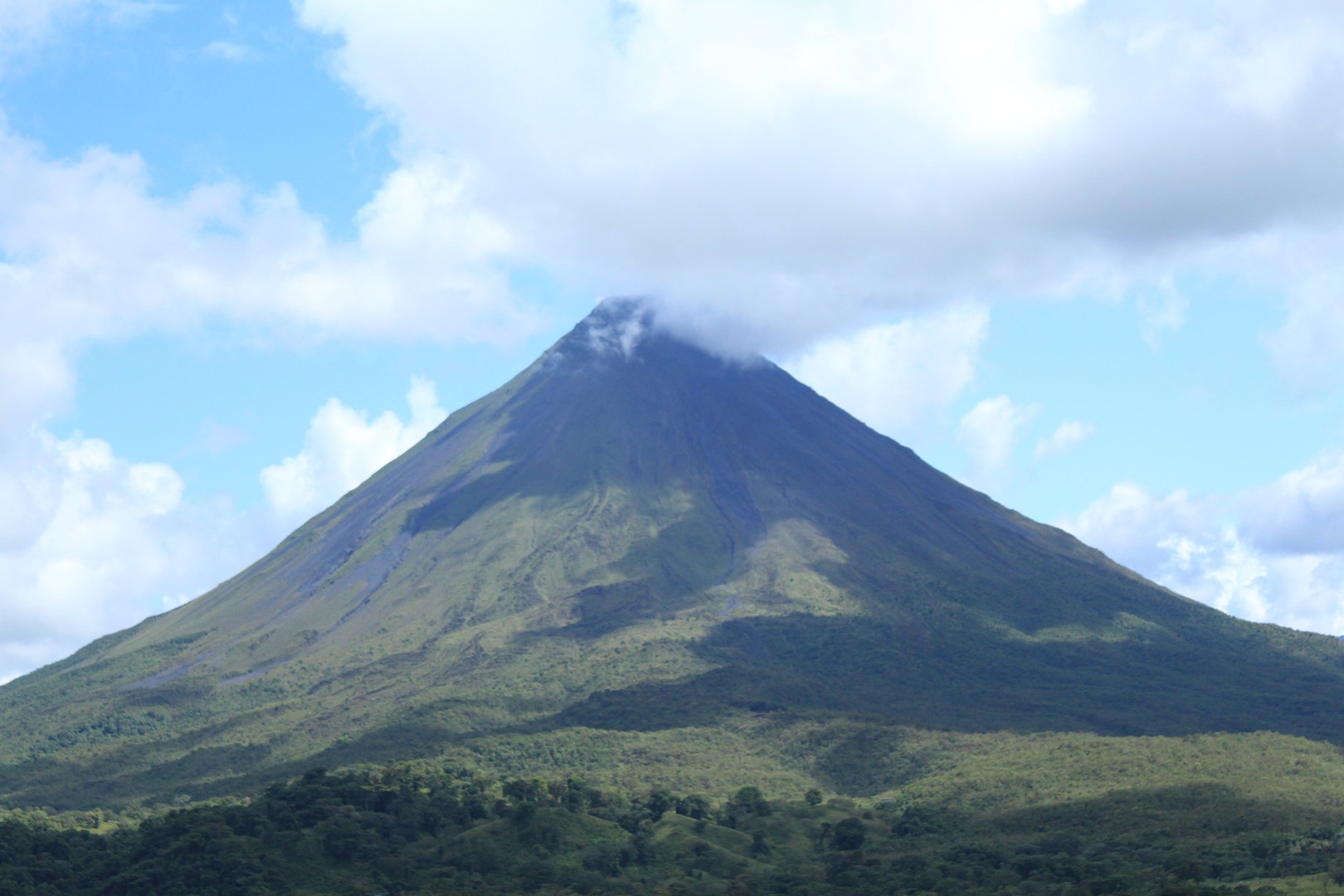
Arenal Volcano and the surrounding natural area in Costa Rica
Photo: BNP-CR506 · Wikimedia Commons · CC BY-SA 4.0

Alajuela · La Fortuna

Lowlands · foothills · volcano

Arenal and La Fortuna

Volcanic slopes with forest at several elevations

Around La Fortuna, lowland forest, riverbanks, gardens and the slopes of Arenal come together. This makes it a practical destination for birdwatchers who want to see many species without constantly changing regions. Walk early along forest edges and quiet trails and look for toucans, motmots, jacamars, tanagers and hummingbirds. The volcano is often cloudy, but those humid conditions are ideal for forest birds.

Look for
Keel-billed toucan, Broad-billed motmot, Rufous-tailed jacamar and Crimson-collared tanager.
Plan for
Morning light, changes in elevation, rain showers and the distance between trails and lodges.
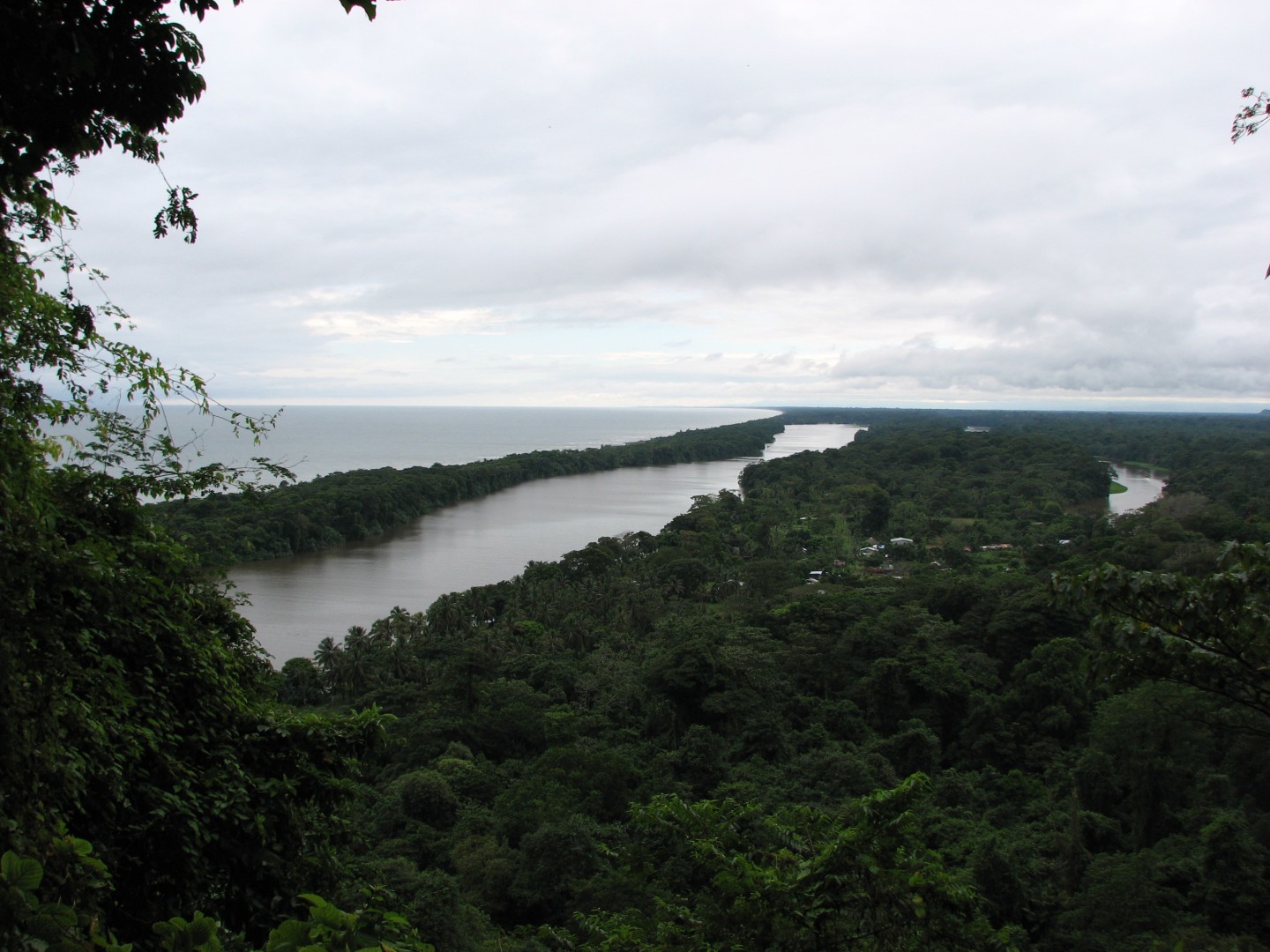
View over the canals and coast of Tortuguero National Park
Photo: Leyo · Wikimedia Commons · CC BY-SA 2.5 CH

Caribbean coast

Canals · rainforest · coast

Tortuguero National Park

Birdwatching from the water and along the forest edge

Tortuguero is one of Costa Rica’s most distinctive birding destinations. The combination of canals, lagoons, swamp forest and coast makes a boat trip especially productive. Watch kingfishers and herons along the banks, but keep scanning the canopy for toucans, woodpeckers and parrots. The area is wet, so a waterproof binocular cover and protection for your camera are well worth bringing.

Look for
Keel-billed toucan, Great tinamou, Green ibis, Agami heron and Black-cheeked woodpecker.
Plan for
An early canoe or boat trip, rain protection and the current park rules.
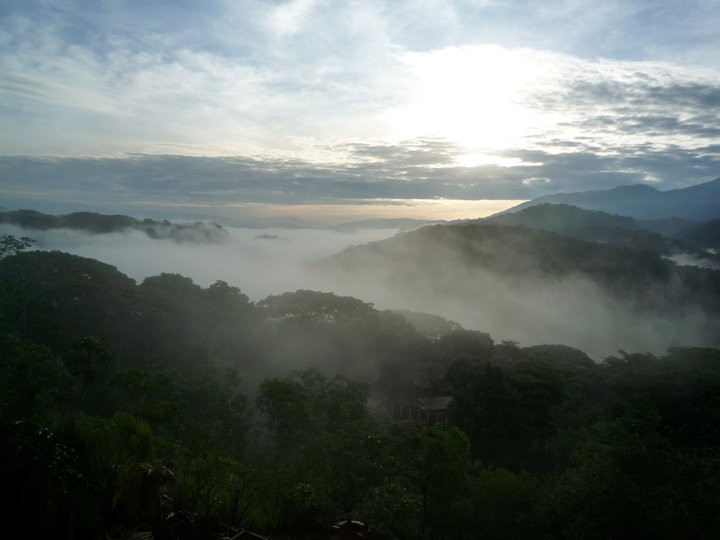
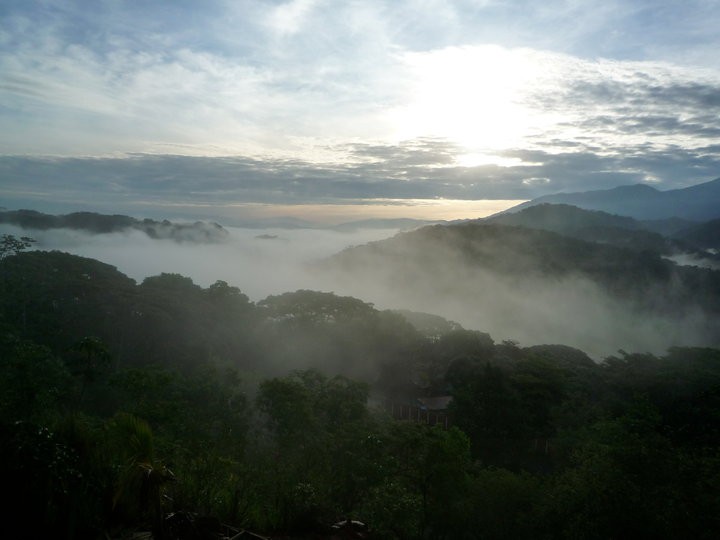
Misty mountain rainforest in Braulio Carrillo National Park
Photo: Haakon K · Wikimedia Commons · CC BY-SA 3.0

San José · Caribbean slope

Mountain forest · cloud forest

Braulio Carrillo and Zurquí

One of the most convenient mountain areas from San José

Braulio Carrillo lies between the Central Valley and the Caribbean lowlands. The road over Zurquí Pass and accessible forest edges make it a logical stop at the beginning or end of a birding trip. Changes in elevation create different bird communities within a short distance. Scan the canopy patiently and listen for mixed flocks in the mist.

Look for
Black guan, Fiery-throated hummingbird, Northern emerald-toucanet and Three-wattled bellbird.
Plan for
An early departure from San José, rapidly changing weather and traffic on the mountain road.
Landscape above Carara National Park on the Pacific coast
Photo: Reinrosemary · Wikimedia Commons · CC BY-SA 4.0

Central Pacific · Tárcoles

Transitional forest · river

Carara National Park

One of the best places to see scarlet macaws

Carara is popular because it is relatively easy to reach while protecting a remarkably rich transition between dry and humid forest. Early morning is ideal for noisy groups of scarlet macaws, as well as motmots, trogons, manakins and birds along the Tárcoles River. The trails can be hot and humid, so an early start makes a real difference.

Look for
Scarlet macaw, Turquoise-browed motmot, Fiery-billed aracari and Orange-collared manakin.
Plan for
The first hours after sunrise, plenty of water and official trail access.
Beach and tropical coastal forest in Corcovado National Park on the Osa Peninsula
Photo: José R. · Wikimedia Commons · CC BY 3.0

Osa Peninsula

Old-growth forest · coast · river

Corcovado National Park

Rainforest birds in one of Costa Rica’s wildest regions

Corcovado is harder to visit than Carara or Arenal, but the reward is an exceptional combination of lowland rainforest, rivers and coast. On the Osa Peninsula, you may see large groups of scarlet macaws, trogons, manakins and understorey species. Plan access carefully and allow for boat connections, long walks and sectors that cannot be reached without preparation.

Look for
Scarlet macaw, Black-cheeked ant-tanager, Great curassow and Baird’s trogon.
Plan for
Park access, transport by boat or car, accommodation and local safety rules.
Wetland along the Tempisque River in Palo Verde National Park
Photo: Debivort · Wikimedia Commons · CC BY-SA 2.5

Guanacaste · Tempisque

Wetlands · dry forest

Palo Verde National Park

Waterbirds, seasonal lagoons and dry forest in one destination

Palo Verde is a strong choice if you want to see large numbers of waterbirds. During the dry months, seasonal wetlands along the Tempisque River attract herons, storks, ibises, spoonbills and shorebirds. Combine the open wetlands with the nearby dry forest for motmots, woodpeckers and raptors. The sun can be intense, so start early and bring plenty of water.

Look for
Jabiru, Wood stork, Roseate spoonbill, Black-necked stilt and Northern jacana.
Plan for
Water levels, the dry season, heat and current road conditions.
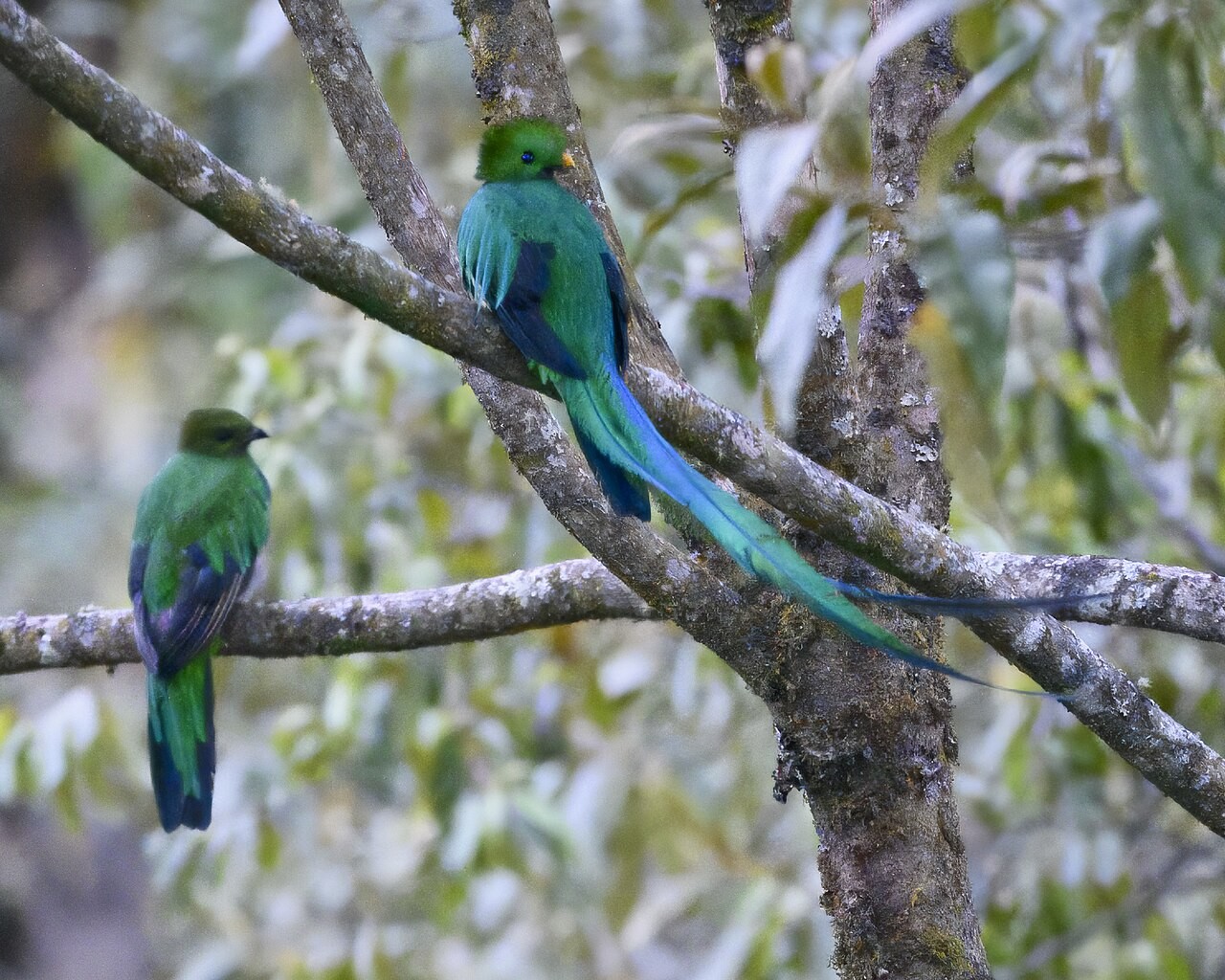
Two resplendent quetzals among moss-covered branches in the mountain cloud forest of San Gerardo de Dota, Costa Rica
Photo: Laura Wolf · Wikimedia Commons · CC BY 2.0

Talamanca · San Gerardo de Dota

Highlands · mountain forest

Los Quetzales and San Gerardo de Dota

The best-known route for anyone hoping to see a quetzal

The cool mountain forests around San Gerardo de Dota and Los Quetzales are among the best places to specifically search for the resplendent quetzal. Set out early and watch fruiting trees, listen for calls and scan movement in the canopy. Even without a quetzal, the area is rewarding for its many hummingbirds, tanagers and mountain species. Bring warm, waterproof clothing because the weather can change quickly.

Look for
Resplendent quetzal, Fiery-throated hummingbird, Volcano junco and Flame-colored tanager.
Plan for
The first morning hours, high elevation, changeable weather and possibly a specialist guide.

Popular birds of Costa Rica

Five remarkable birds of Costa Rica and where to spot them

From the colourful quetzal and noisy scarlet macaw to the iridescent Fiery-throated hummingbird and the familiar national bird, these five species are high on the list for many visitors to Costa Rica. For each species, you will learn which regions offer the best chances and what to look out for in practice.

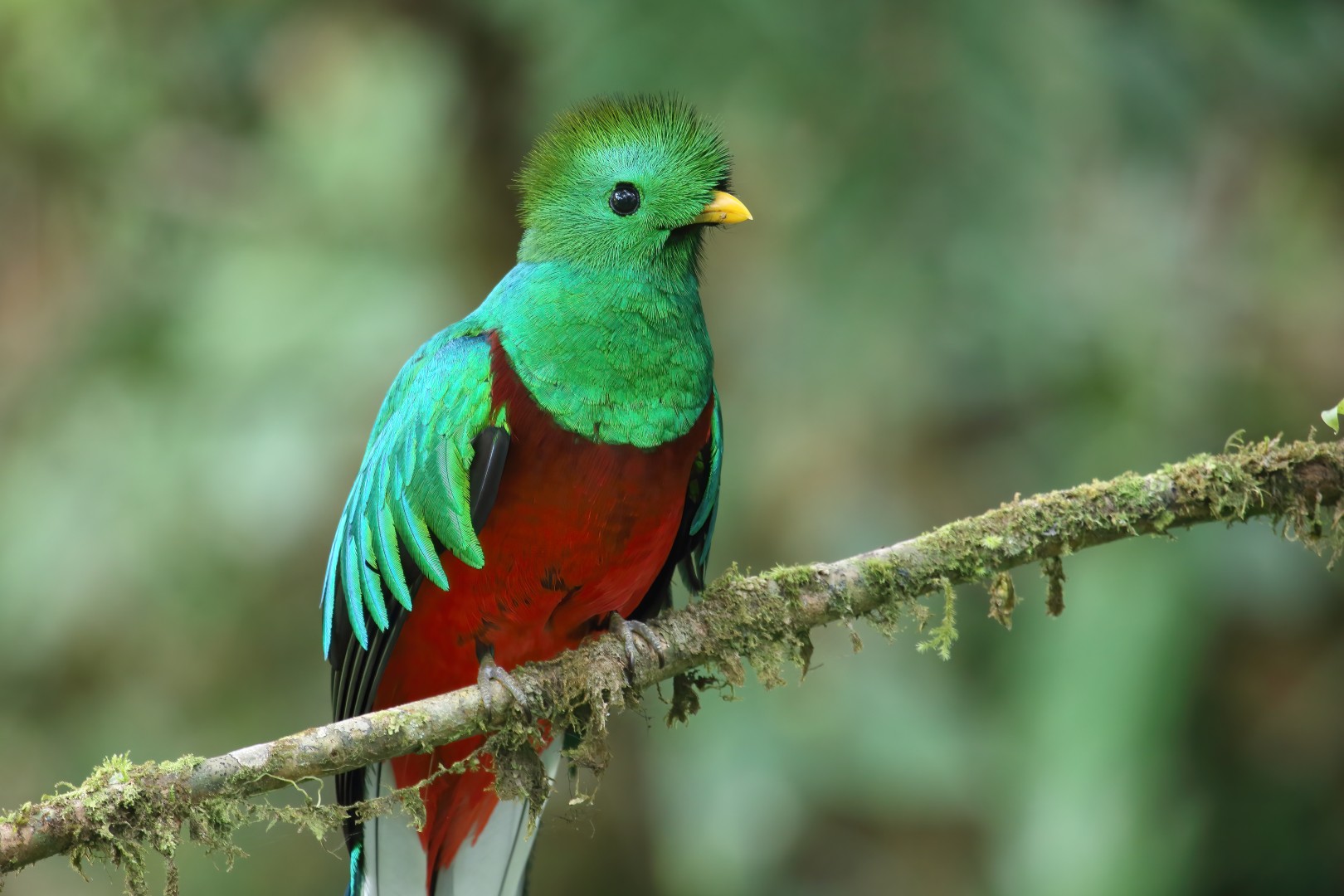
  1. Resplendent quetzal in the cloud forests of Monteverde
    Photo: Cephas, Wikimedia Commons, CC BY-SA 4.0

    Resplendent quetzal

    For many visitors, the resplendent quetzal is Costa Rica’s ultimate bird. The male stands out with green plumage, a red breast and long tail feathers. Do not look for it in open country, but in cool mountain forest around fruiting trees. An early start and patience matter, as the bird may sit quietly above you for a long time.

    Where can you see quetzals in Costa Rica?

    • San Gerardo de Dota and Los Quetzales · the most focused choice for a quetzal trip
    • Monteverde and Santa Elena · cloud forest with several other interesting mountain species
    • Cerro de la Muerte and other Talamanca highlands · cool mountain forest and fruiting trees
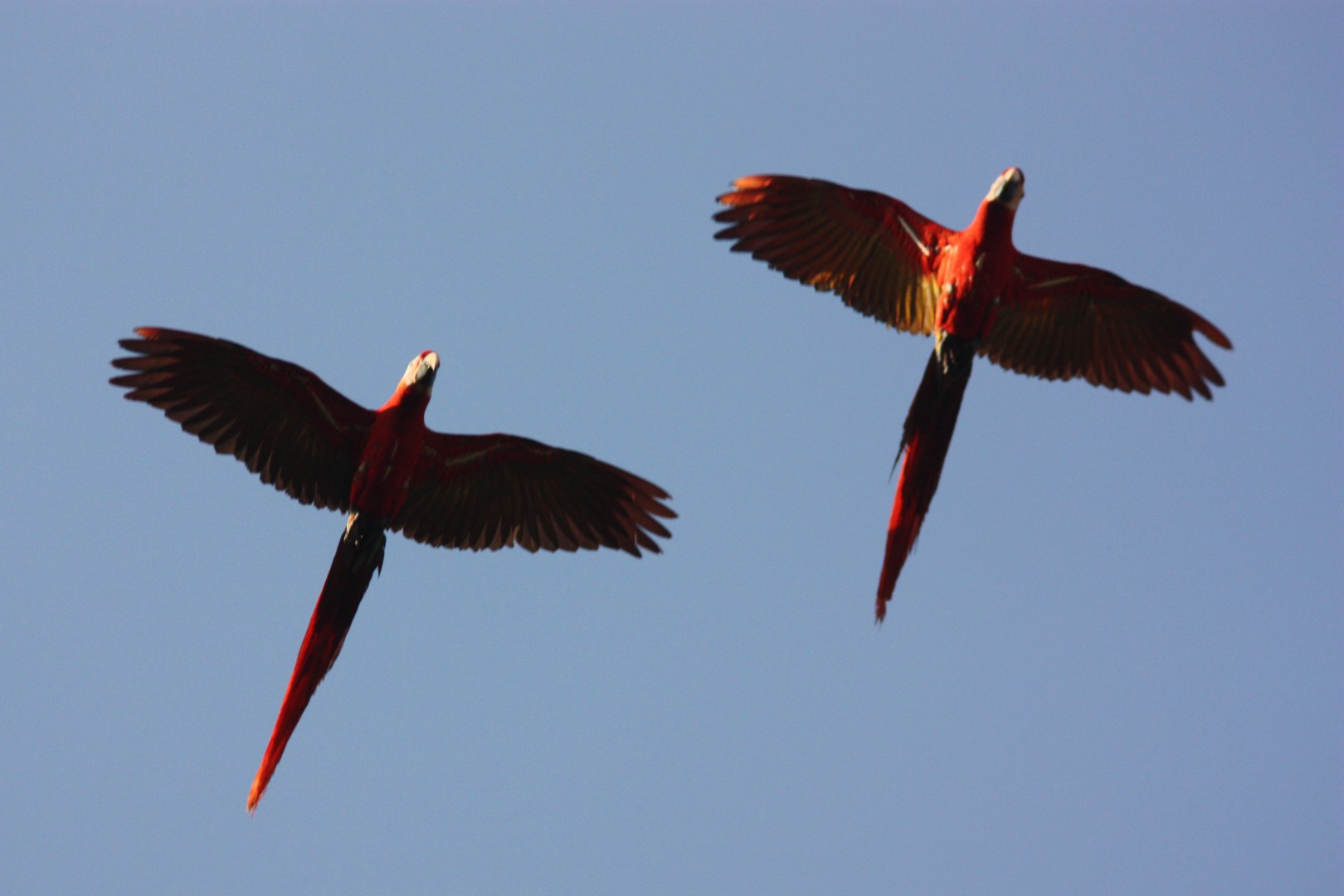
  2. Two scarlet macaws above the Osa Peninsula in Costa Rica
    Photo: Charles J. Sharp, Wikimedia Commons, CC BY-SA 3.0

    Scarlet macaw

    The scarlet macaw, known in Costa Rica as lapa roja, is one of the most striking birds on the Pacific coast. Its red, yellow and blue plumage can be seen from a long way off, while its call often gives away a group flying above the forest. Look early in the morning around tall trees, riverbanks and known roosting sites.

    Where can you see scarlet macaws in Costa Rica?

    • Carara and Tárcoles · the best-known and most accessible region for this species
    • Osa Peninsula and Corcovado · extensive rainforest with plenty of suitable food trees
    • The central and southern Pacific coast · watch for flying groups along rivers and coastal forest
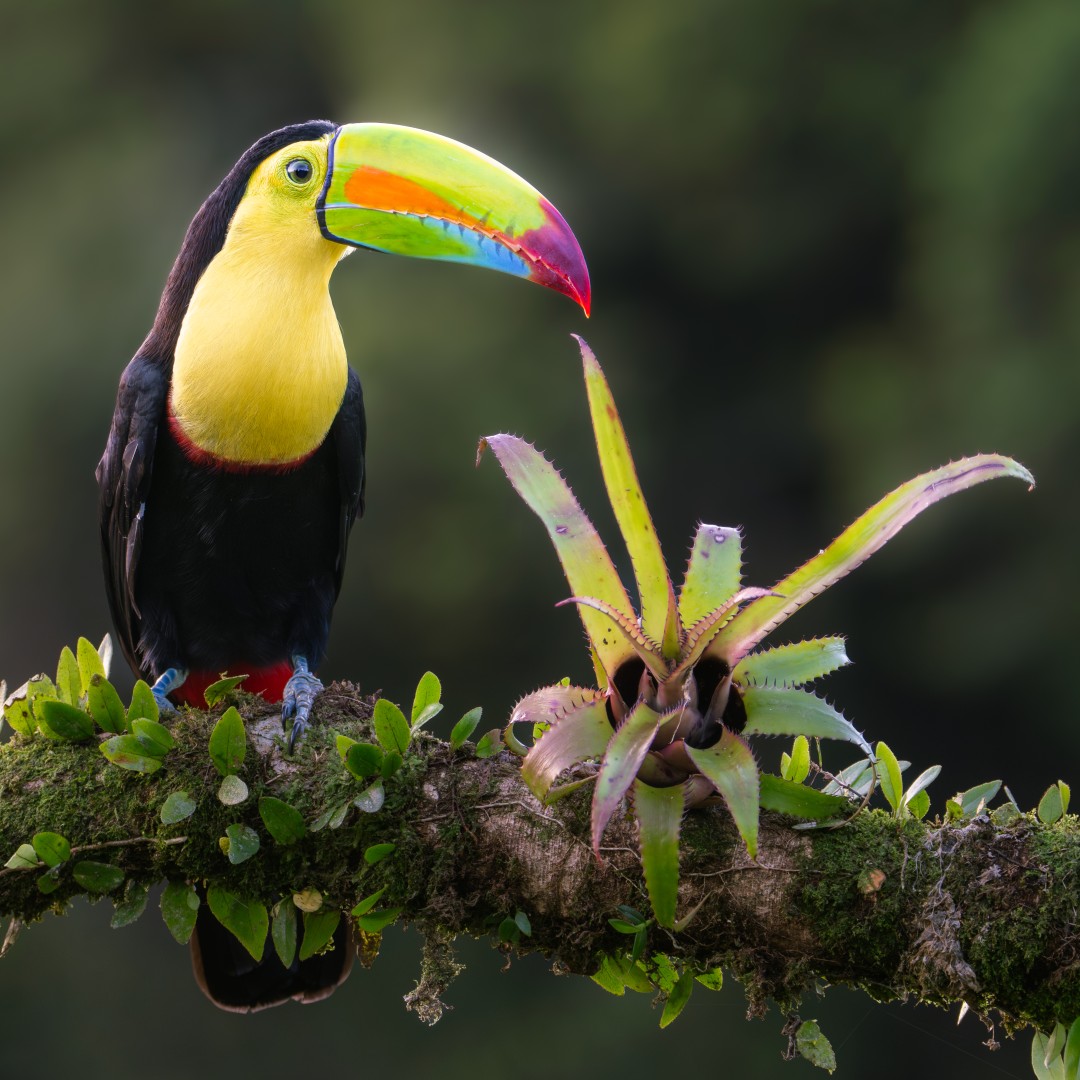
  3. Keel-billed toucan in Costa Rica
    Photo: Chris Down, Wikimedia Commons, CC BY 4.0

    Keel-billed toucan

    The Keel-billed toucan is the colourful toucan many travellers associate with tropical Costa Rica. Its large, bright bill makes it easy to recognise, but its call and movement through the treetops are just as distinctive. Search along forest edges, clearings and fruiting trees, especially during the first hours of the day.

    Where can you see Keel-billed toucans?

    • Tortuguero · canals, lowland rainforest and open spots along the water
    • Arenal and La Fortuna · forest edges, gardens and the volcano foothills
    • Sarapiquí and the northern lowlands · fruiting trees and lodges often offer good chances
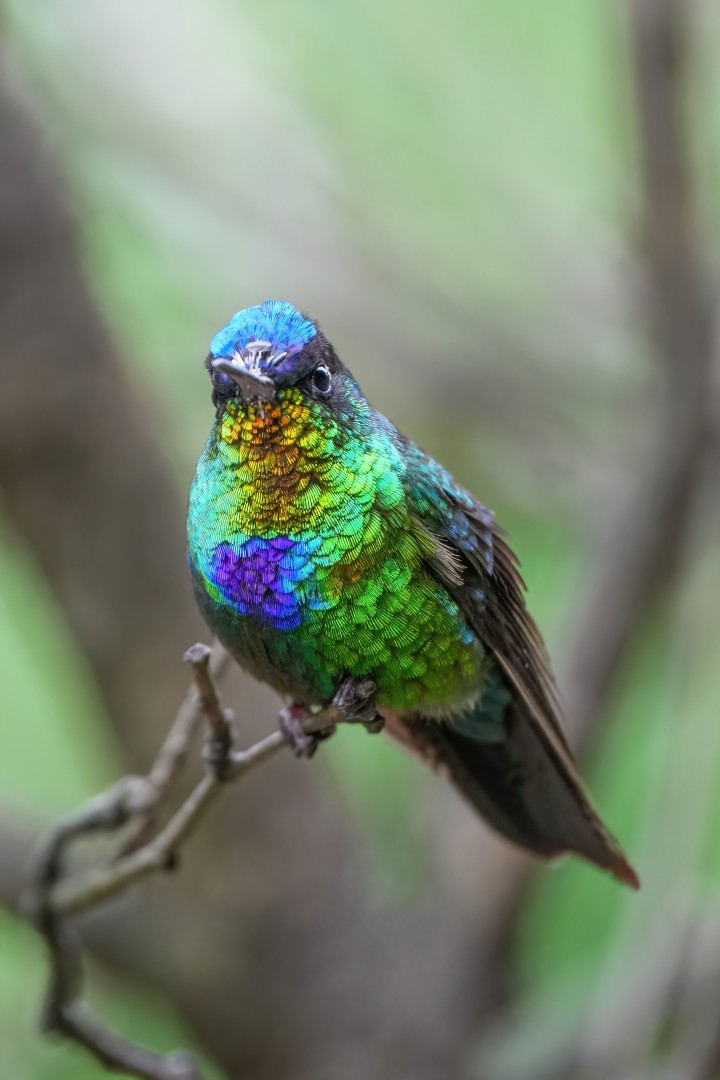
  4. Fiery-throated hummingbird in Los Quetzales National Park
    Photo: Giles Laurent, Wikimedia Commons, CC BY-SA 4.0

    Fiery-throated hummingbird

    This mountain hummingbird is especially striking because of the metallic colours on its throat and breast, which change as the light hits from a different angle. The species is associated with Costa Rica’s highlands and is often seen around flowers, shrubs and productive forest edges. Watch carefully for a short time, as hummingbirds can disappear from view in an instant.

    Where can you see this mountain hummingbird?

    • Los Quetzales and San Gerardo de Dota · a core area in the Talamanca highlands
    • Cerro de la Muerte · cool mountain forest with plenty of flowers and other hummingbirds
    • Braulio Carrillo and higher parts of Monteverde · search along forest edges and flowering plants
  5. Yigüirro, the national bird of Costa Rica
    Photo: Gerrit van Dorp, Wikimedia Commons, CC BY-SA 4.0

    Yigüirro, the national bird

    The yigüirro, known in English as the Clay-colored Thrush, is not Costa Rica’s most colourful species, but it is a bird of great cultural importance. It was declared the national bird in 1977 and is known for its melodic song at the start of the rainy season. Because it uses gardens, parks, coffee plantations and forest edges, it is often one of the first birds visitors see.

    Where can you see the yigüirro in Costa Rica?

    • San José and the Central Valley · parks, gardens, coffee areas and hotel grounds
    • La Fortuna and Sarapiquí · forest edges, gardens and open spaces around lodges
    • Almost anywhere in the country · listen especially in April and May for the song that announces the rain

Useful tips and information

Practical questions about birdwatching in Costa Rica

Want to know when to visit Costa Rica, where to find a quetzal or scarlet macaw and how to combine the country’s main birding areas? Below you will find practical answers for birdwatchers planning to explore independently, as well as travellers organising their first birding trip through Costa Rica.

For a first birding trip, December through April is often practical on the Pacific side. The dry season usually brings more predictable mornings and makes areas such as Carara, Palo Verde and Guanacaste easy to combine. During this period, the highlands are also a good place to search for quetzals.

The green season from May through November has different advantages. The landscape is lush, resident birds are active with singing and breeding, and there are often fewer visitors. September and October are interesting for raptor migration along the Caribbean slope. Because weather varies considerably by coast and elevation, an itinerary covering several regions matters more than choosing one perfect month. Visit Costa Rica provides an overview of birding areas and seasonal information.

The Costa Rican Tourism Institute lists 925 bird species in an overview from 2020. This is a national figure, not the number you should expect in one national park. In practice, your species list depends on the combination of habitats, elevation, season, weather and the time you spend in each area.

For many visitors, the combination of habitats is exactly why Costa Rica is so appealing. An itinerary including Carara, Arenal, Tortuguero and Los Quetzales offers a very different birding experience from staying only in the Central Valley. Taxonomy and national bird lists can change, so use the figure as an indication of the country’s exceptional diversity. View the biodiversity figures from ICT Costa Rica.

San Gerardo de Dota and Los Quetzales National Park are the most focused choices for travellers visiting specifically for the resplendent quetzal. The cool Talamanca highlands provide suitable mountain forest and fruiting trees. Start early and search near places where wild laurels are producing fruit. A local guide often knows the calls, current fruiting trees and regular routes better than a first-time visitor.

Monteverde and the higher parts of the Cordillera Central are good alternatives. A sighting is never guaranteed, even in a well-known area. Plan more than one morning and enjoy other mountain species too, such as Fiery-throated hummingbird, Black guan and Northern emerald-toucanet. Costa Rica’s official birding guide highlights the main quetzal regions.

Carara National Park and the area around Tárcoles are among the best accessible places for many visitors hoping to see scarlet macaws. The birds often fly loudly over the forest or perch in tall trees along roads and rivers. Start early, when temperatures are cooler and birds are more active.

The Osa Peninsula and the area around Corcovado also support many scarlet macaws. There, you can combine the species with rainforest birds, but the logistics are more complicated. Never approach roosting or nesting sites too closely and do not use playback. Visit Costa Rica identifies Carara and Osa as important birding regions.

Independent birdwatching works well in accessible areas such as Carara, Arenal, Palo Verde, Monteverde and parts of the Central Valley. Even without a guide, you can see many common species, especially along forest edges, in gardens and near water. For canopy birds, secretive forest species and identifying calls, however, an experienced local guide can make a major difference.

In Tortuguero, boat and canoe routes are easier with someone who knows the area. Extra preparation is sensible for remote sectors of Corcovado. Check SINAC for current access rules, sectors, opening hours and any requirements for registration or guides.

Braulio Carrillo and the mountain road near Zurquí are logical choices for cloud forest and Caribbean-slope species. From the Central Valley, you can also travel to the Talamanca highlands for San Gerardo de Dota and Los Quetzales. Carara lies farther towards the Central Pacific and works well as a longer day trip or as a first stop on the way to the coast.

Allow for mountain roads, traffic and journey times that can change because of rain or roadworks. Leave early if you want to travel and birdwatch on the same day. Use the FaunaMap to select birding spots near your accommodation in advance, then check the official visitor information from the managing authority.

Bring binoculars with a waterproof cover or dry bag, a lightweight rain jacket, quick-drying clothes and shoes with good grip. Lightweight long trousers, insect repellent, sun protection and a cover for your phone or camera are practical in the lowlands and rainforest. In Monteverde and Los Quetzales, you will also need warm layers because mornings can be cool and misty.

Plan walks mainly in the morning and leave space in your schedule for showers. Bring spare batteries or a power bank and save field notes and maps offline. Stay on marked trails, do not touch nests or roosting sites and never use food or playback to bring birds closer.

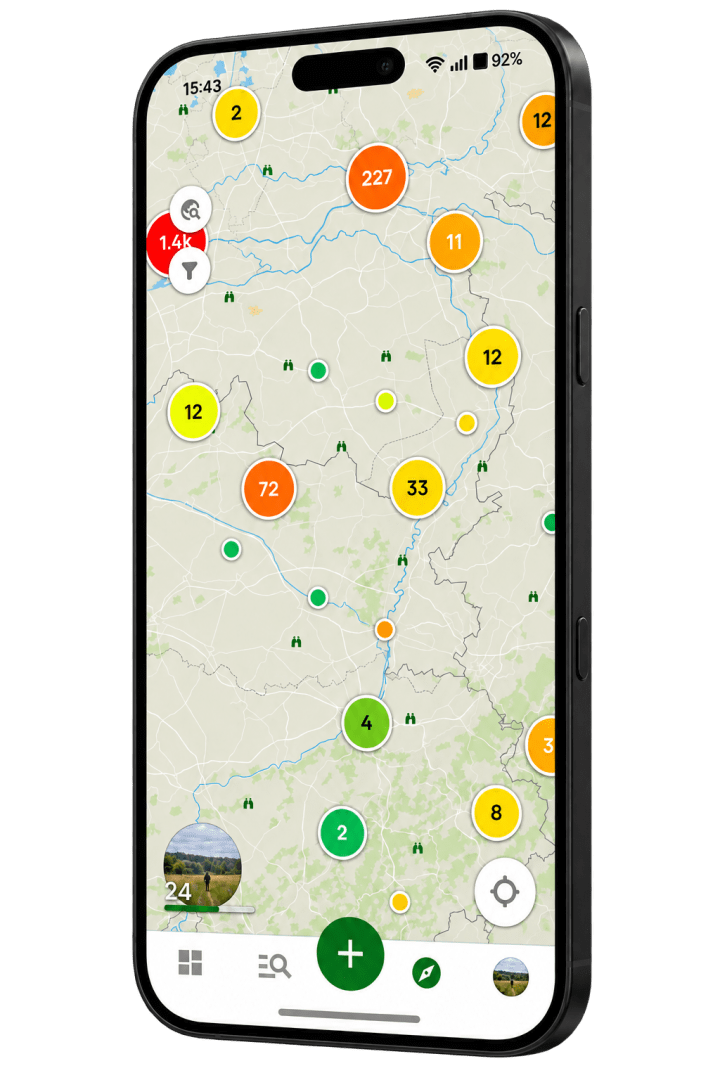
In FaunaMap, you can find recent bird sightings in Costa Rica on an interactive map. Browse birding spots, hotspots and sightings, and see which species are expected at each location based on historical data. This is useful when you have an extra morning while travelling, want to compare destinations or plan a route around a particular target species.

Use the map alongside official information from nature reserve managers. Opening hours, access rules, road conditions and temporary closures can change locally. Explore birding areas and sightings in FaunaMap

Discover more while birdwatching

  • See recent bird sightingsSee which birds have recently been spotted near you.
  • Explore biodiverse nature areasFind the best places to spot birds and other wildlife.
  • Find sightings by speciesQuickly find sightings of the bird species you want to see.