
Birding areas · bird migration · bird species

Birdwatching in Italy: the best birding areas and species

Birdwatching in Italy means travelling through one country from alpine cliffs and Apennine forests to rice fields, coastal lagoons and Mediterranean islands. Discover the best birding areas in Italy, learn which species to expect each season and plan a birding trip along wetlands, national parks and major migration routes.

  • Expected bird species by location
  • Birding hotspots worldwide
  • Keep your own species list
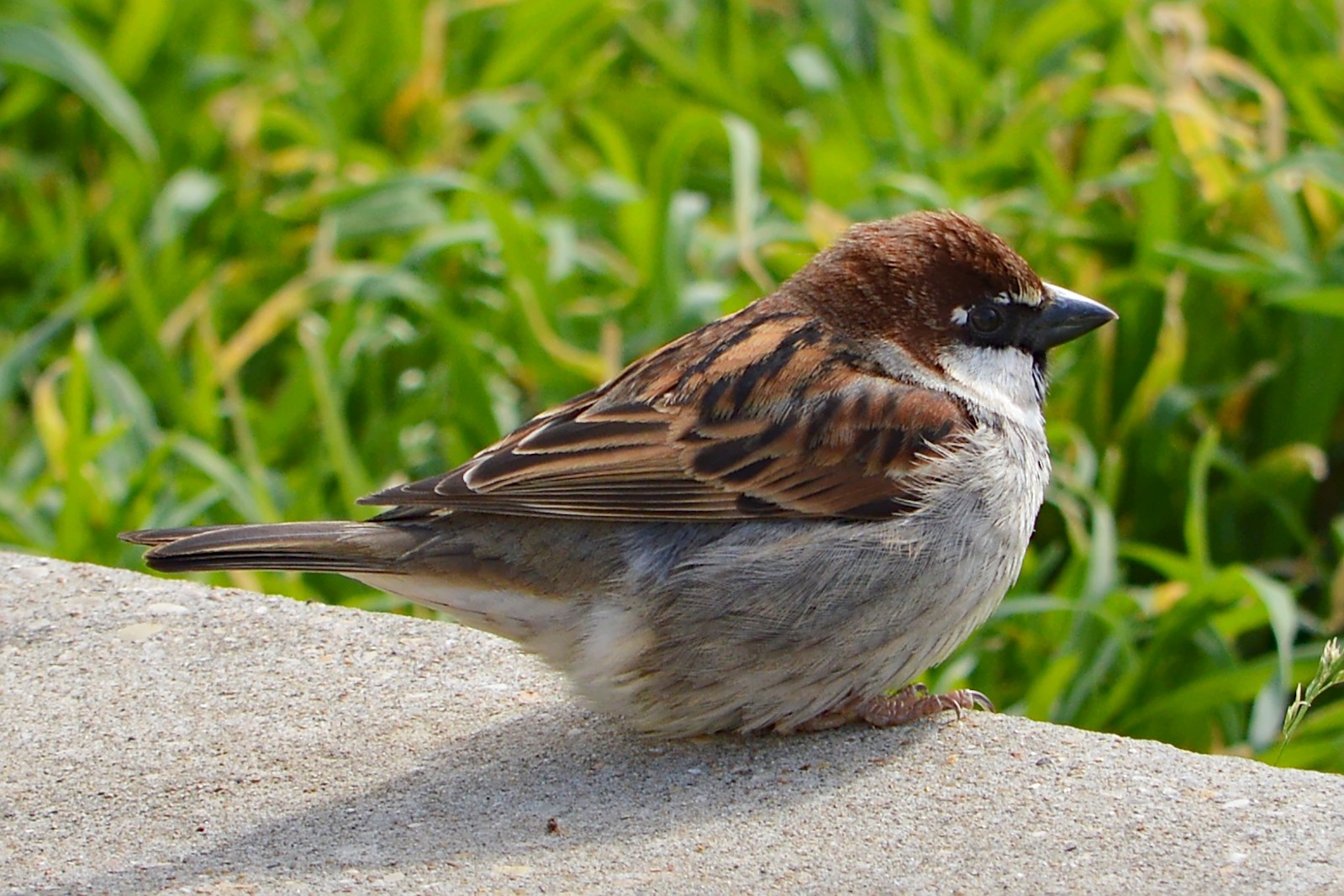
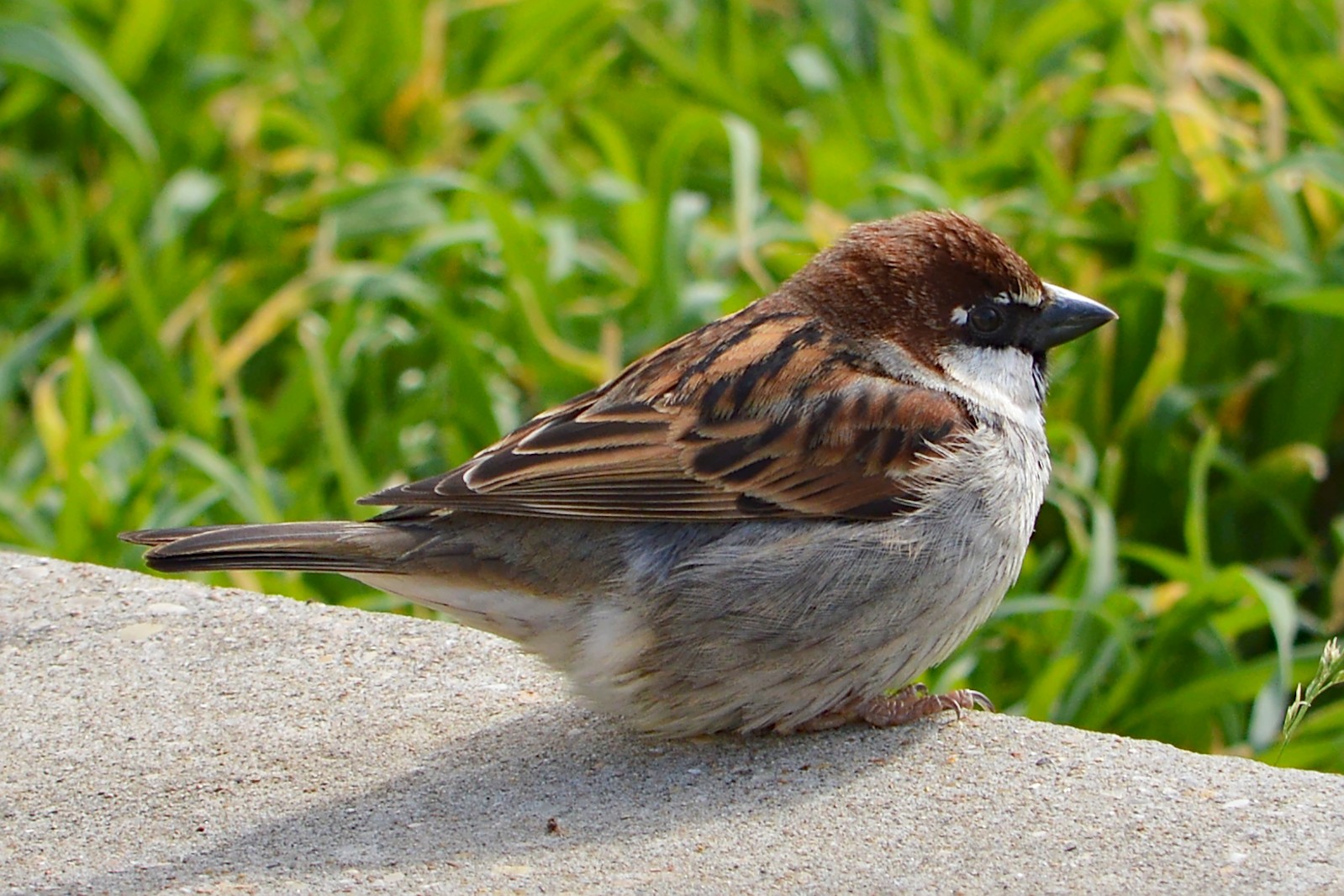
Italian Sparrow on a stone wall in Rome
Often referred to as the national birdThe Italian Sparrow
Photo: Ryan Hodnett · Wikimedia Commons · CC BY-SA 4.0.

Why go birdwatching in Italy?

Italy is a bird bridge between Europe and Africa

Italy combines a long coastline, major river deltas, Mediterranean islands, extensive wetlands and mountain ranges that rise well above the treeline. On one birding trip, you can therefore see flamingos, waders and herons as well as alpine species, birds of prey and colourful summer visitors.

Italy’s geographic position makes it especially important for bird migration. The Strait of Messina is a well-known bottleneck for raptors, storks and songbirds moving between Europe and Africa. Along the western and eastern coasts, islands, headlands and lagoons provide places for migrating birds to rest and feed.

For birders, this variety is especially practical. In the Po Delta, you can search for large numbers of waterbirds from dikes, cycle routes and viewing points. Sardinia and Puglia have lagoons and salt pans where flamingos and waders are often easy to see. In Gran Paradiso and other mountain areas, the focus shifts to Golden Eagle, Bearded Vulture, Wallcreeper and alpine grassland species. FaunaMap helps you view recent sightings, birding viewpoints, hotspots and expected species for each location.

Landscapes and biodiversity

The most important bird habitats in Italy

Italy does not have just one typical bird landscape. The best birding areas are created by the transition between different environments: a river delta beside rice fields, a coastal lagoon beside dunes or a mountain valley rising into rocky highlands. These six habitats can help guide your choice of location and season.

Mountain landscape in Gran Paradiso National Park in Italy
Tiia Monto · Wikimedia Commons · CC BY-SA 4.0

Alps & Apennines

In the Alps and higher Apennines, elevation, rocks, coniferous forest and alpine grasslands shape the birdlife. Start early along mountain slopes and stream valleys. On sunny days, birds of prey appear above the ridges, while Wallcreepers, Rock Ptarmigans and Black Grouse require much more patience.

Typical species

  • Golden Eagle
  • Bearded Vulture
  • Wallcreeper
  • Rock Ptarmigan
  • Black Grouse
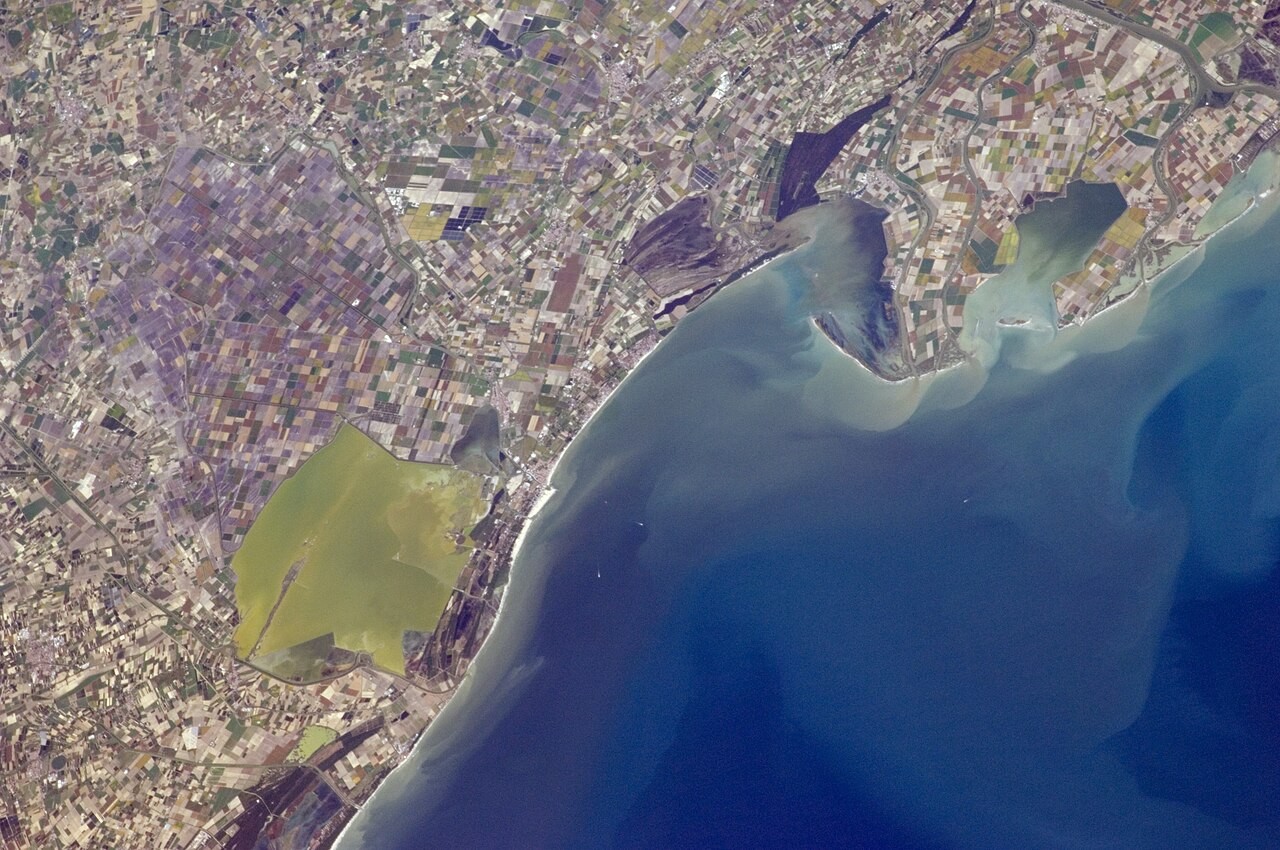
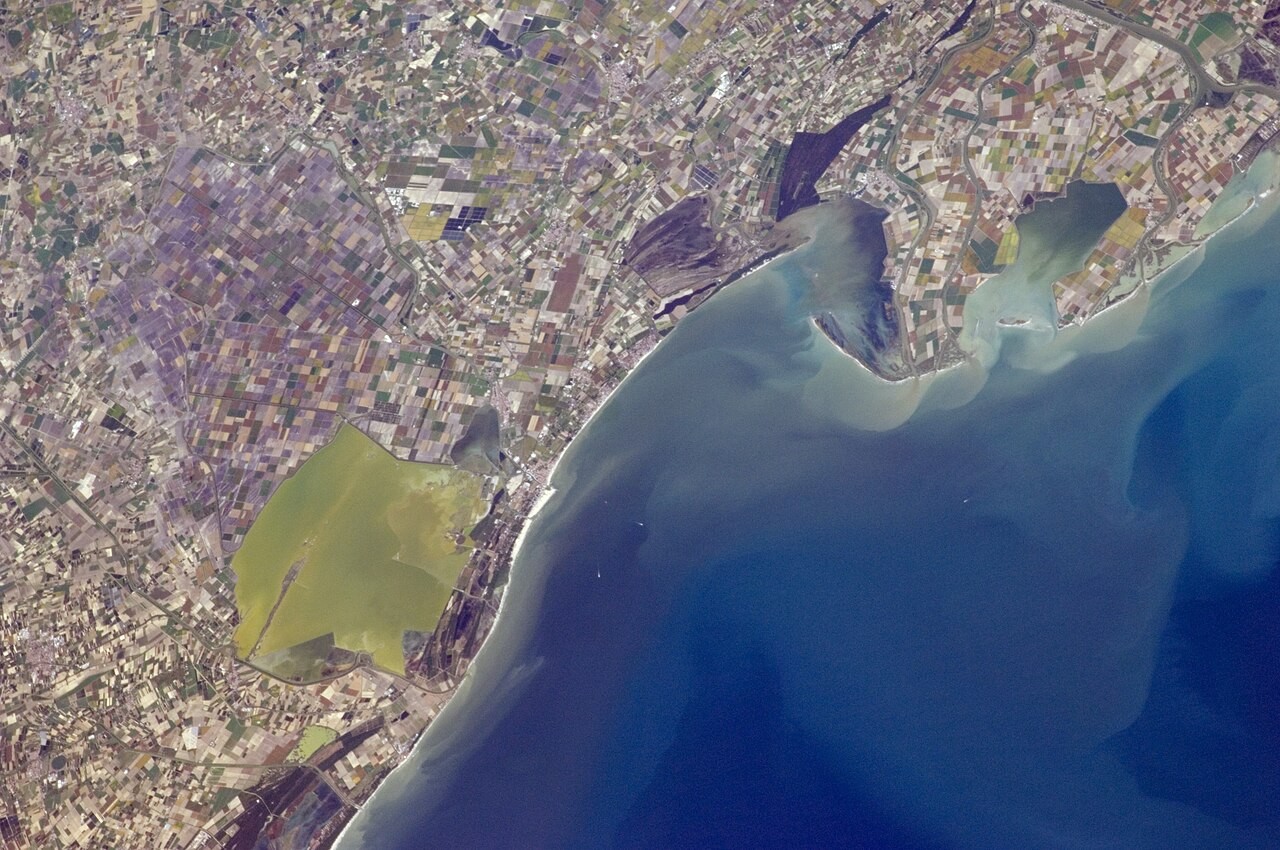
River delta and lagoons of the Po near Comacchio from the air
NASA · Wikimedia Commons · public domain

Rivers, lakes & gallery forests

Along the Po, Ticino, Mincio and other lowland rivers, you will find floodplain forests, reedbeds, gravel banks and quiet side channels. These transition zones are interesting during migration as well as the breeding season. Do not only scan the water, because herons, kites and Kingfishers also use trees, dikes and riverbanks.

Typical species

  • Black-crowned Night Heron
  • Purple Heron
  • Pygmy Cormorant
  • Osprey
  • Kingfisher
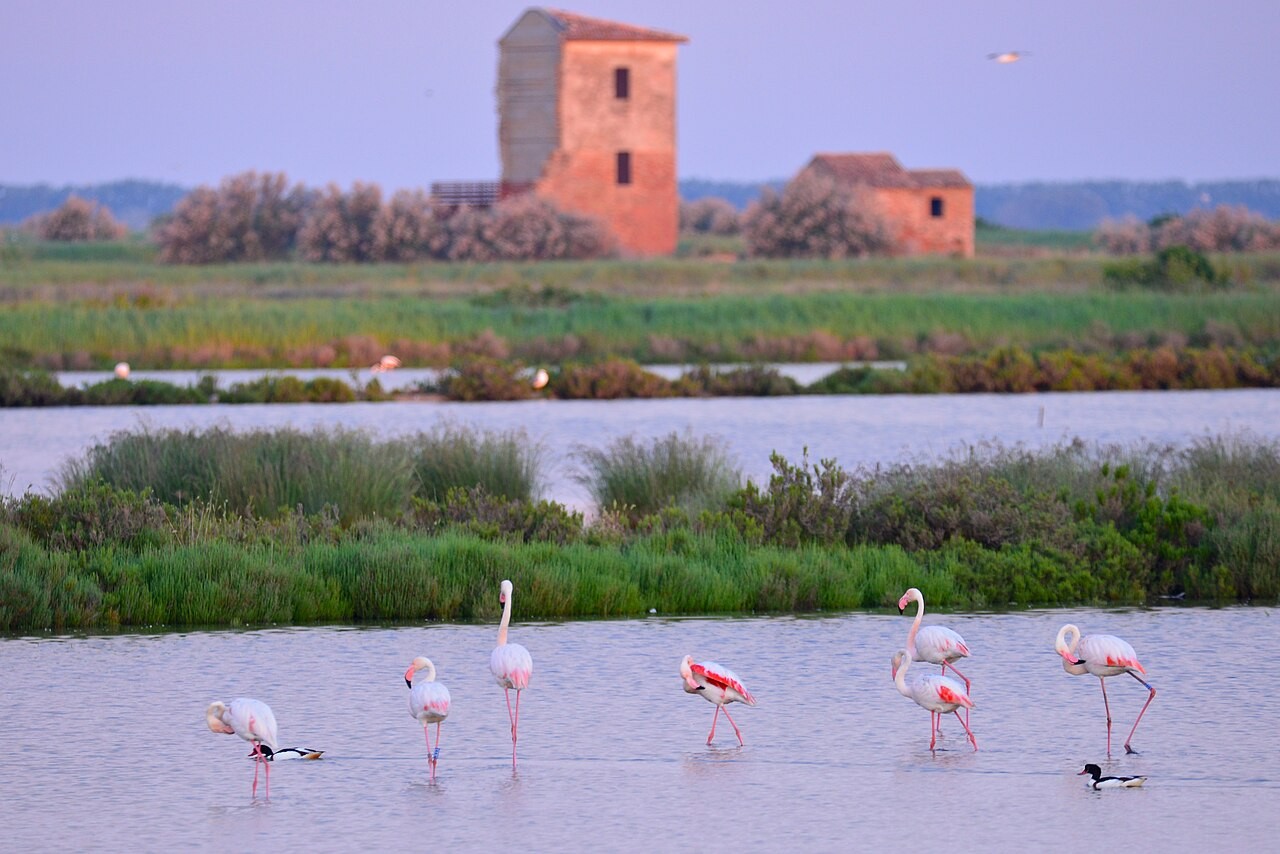
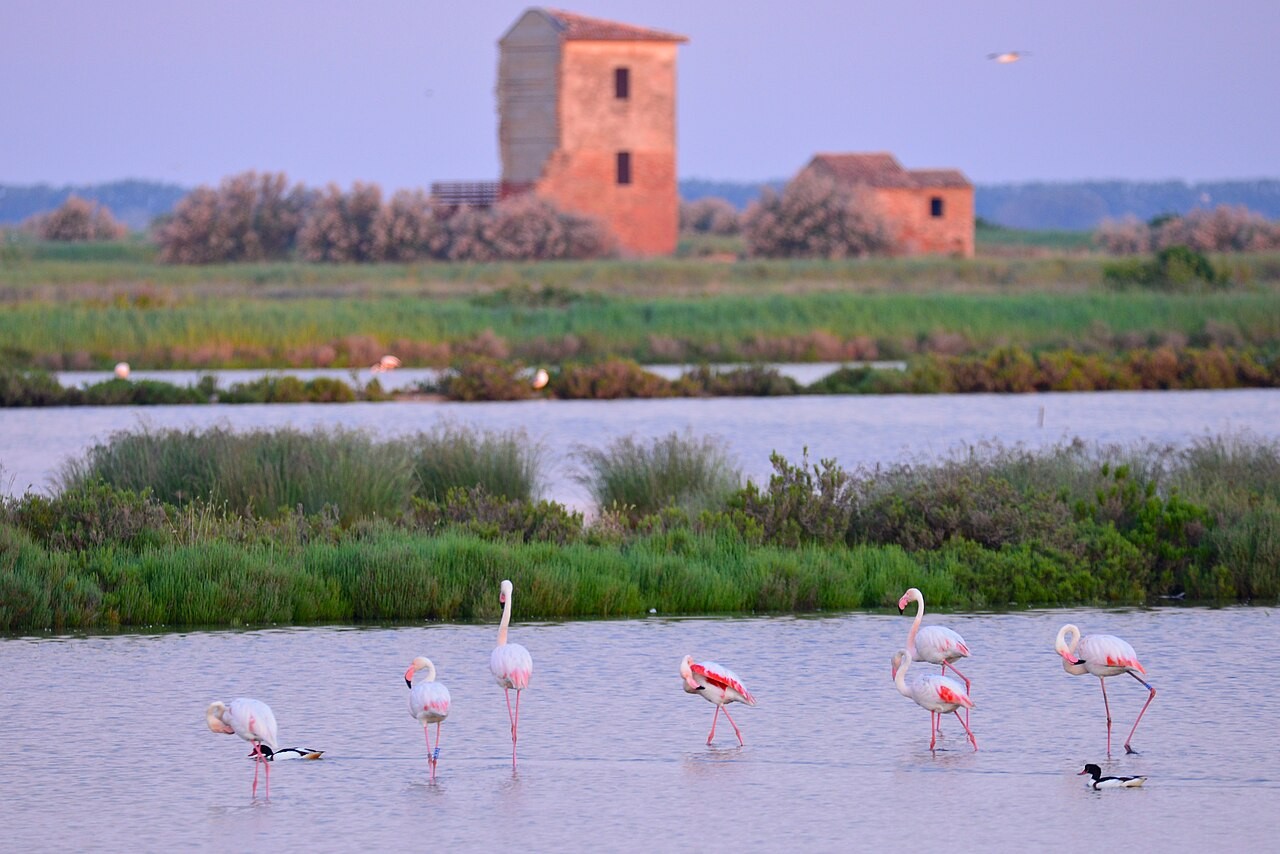
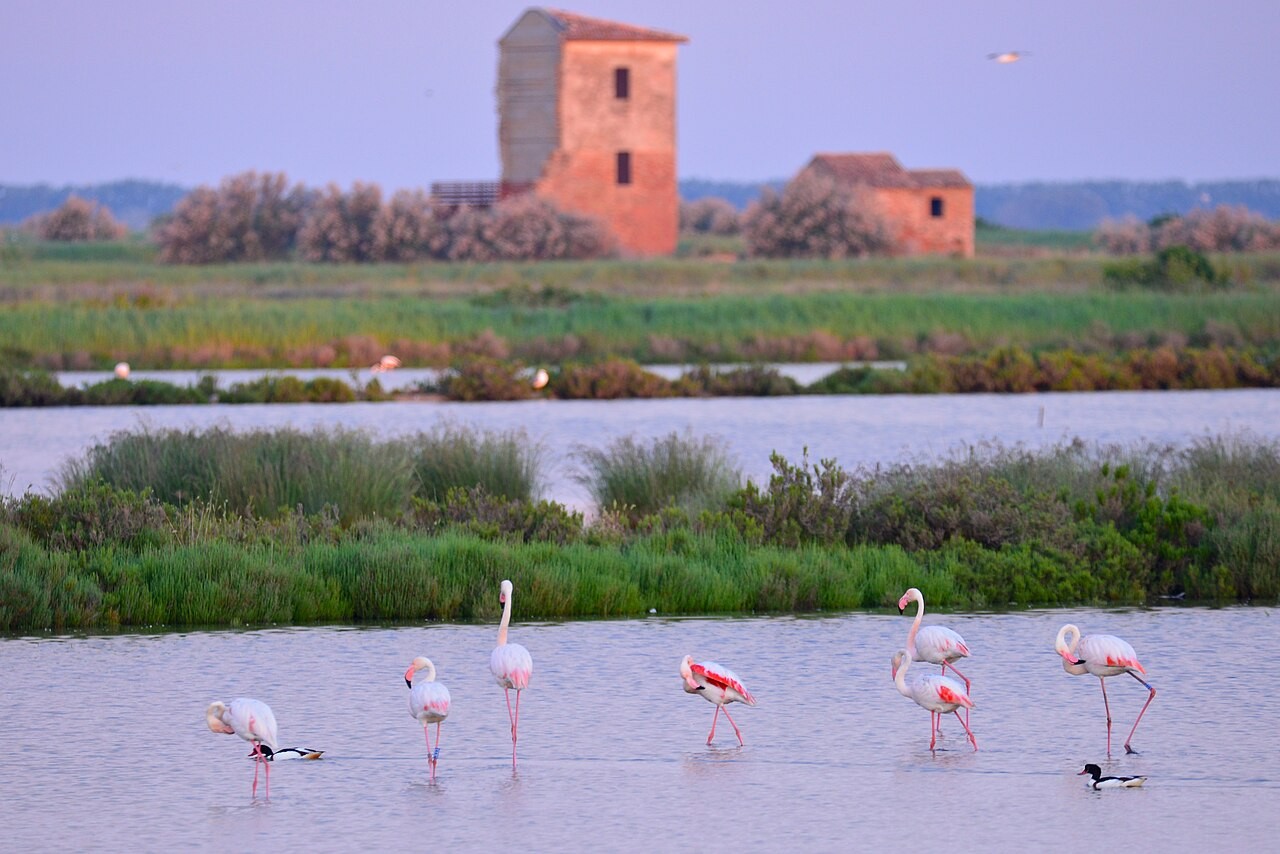
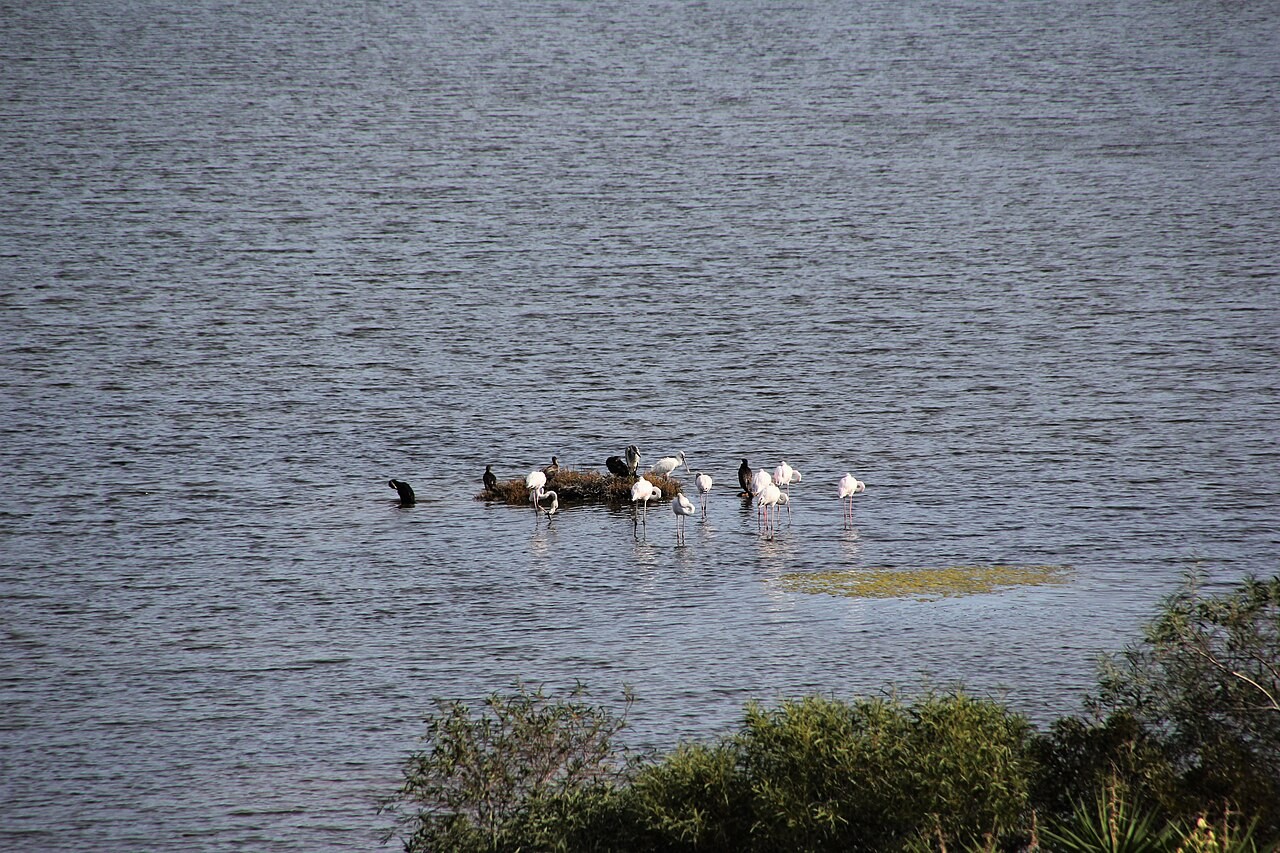
Flamingos and wetland landscape in the Po Delta in Italy
Mario Fornasari · Wikimedia Commons · CC BY 2.0

Rice fields & freshwater marshes

The rice fields of northern Italy and the freshwater marshes of the Po Valley form a bird world of their own. In spring, shallow temporary pools attract waders and herons. In summer, insect-rich ditches and reedbeds provide food for European Bee-eaters, swallows, harriers and breeding marsh birds.

Typical species

  • Great Egret
  • Little Bittern
  • Black-winged Stilt
  • Marsh Harrier
  • European Bee-eater
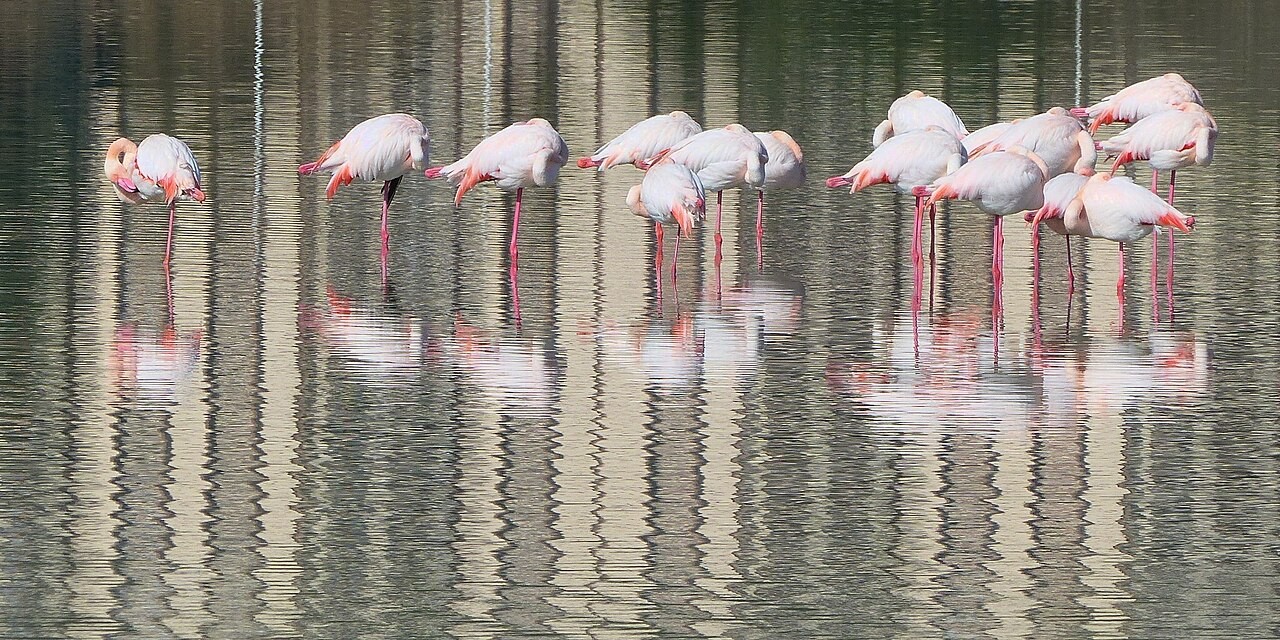
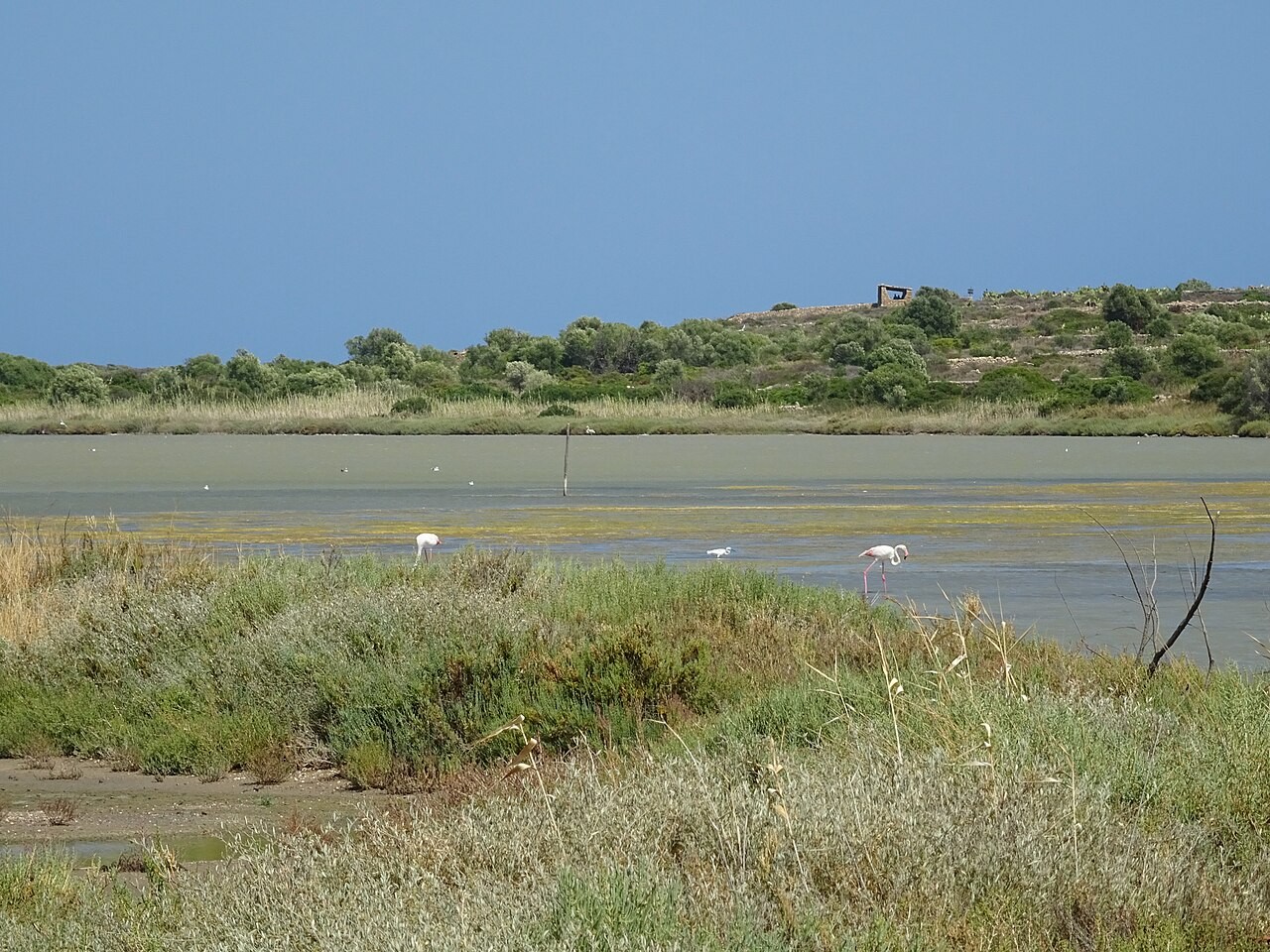
Greater Flamingos in the Molentargius nature reserve in Sardinia
SferaDue · Wikimedia Commons · CC BY-SA 4.0

Coastal lagoons & salt pans

Brackish lagoons, salt pans and shallow coastal lakes are among the best places to combine birdwatching in Italy with large numbers of birds. Water levels, salinity and the undisturbed islands determine which species you see. In Sardinia, Puglia, Sicily and along the northern Adriatic coast, flamingos, waders and terns are major attractions.

Typical species

  • Greater Flamingo
  • Black-winged Stilt
  • Avocet
  • Mediterranean Gull
  • Little Tern
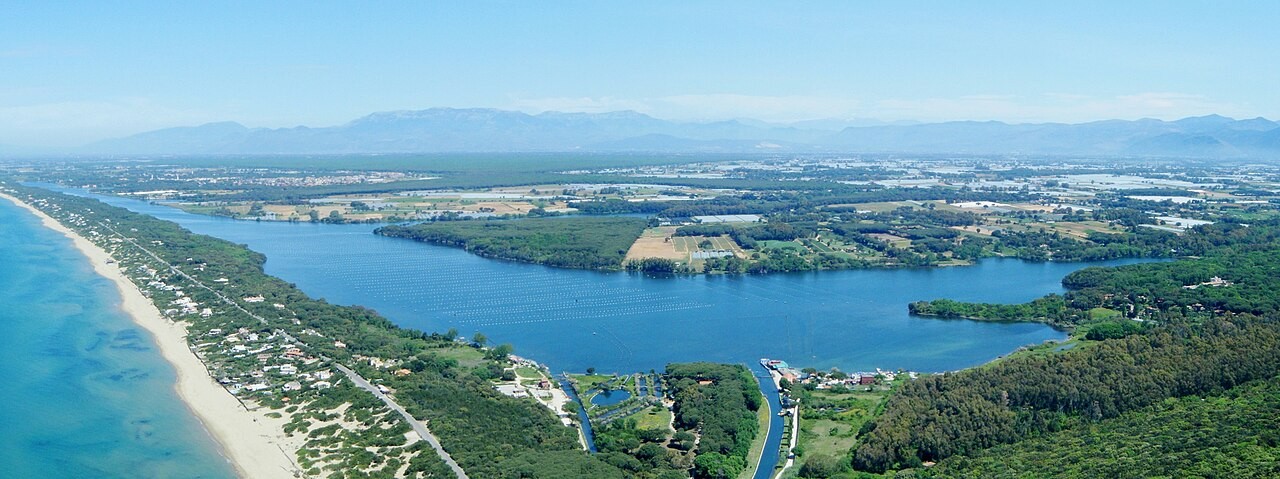
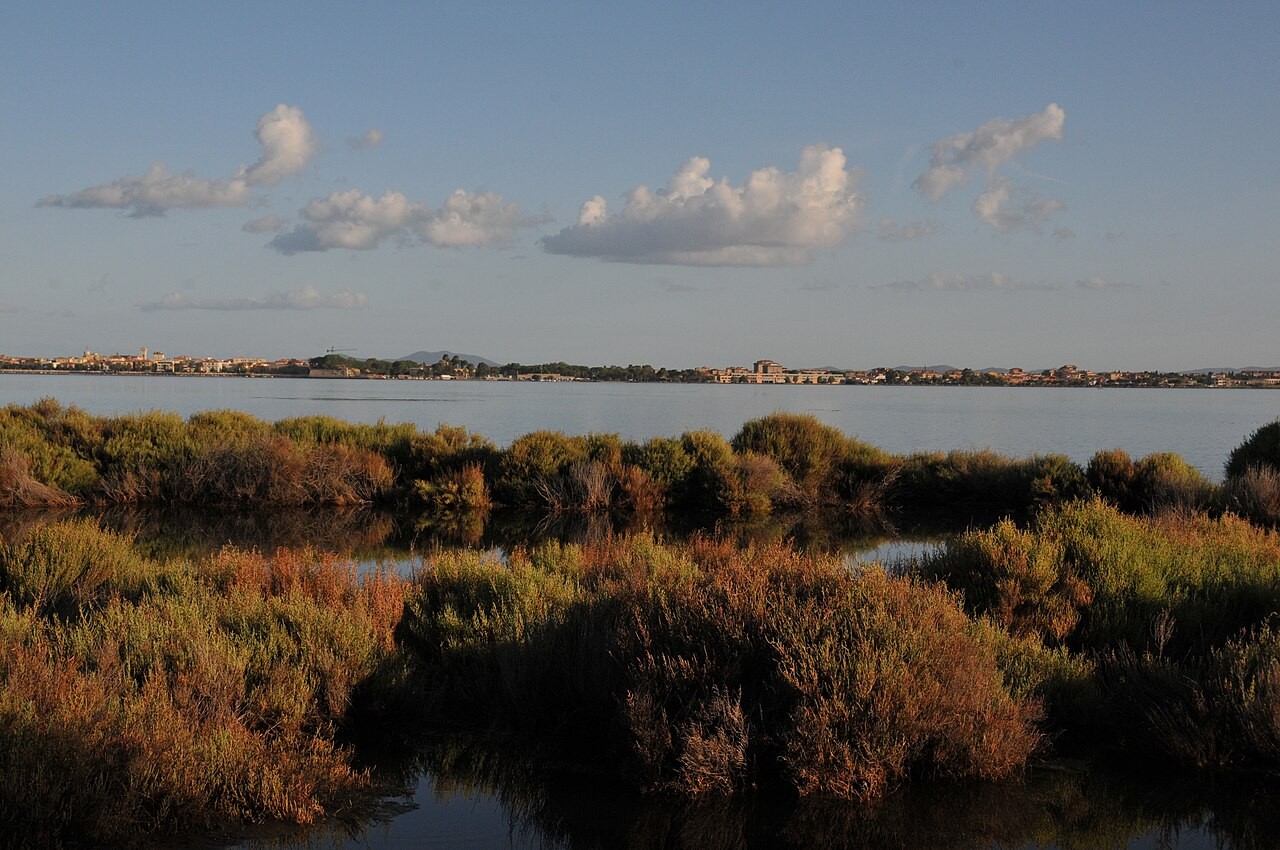
Lago di Sabaudia and the coastal dunes of Circeo National Park
Sparrer77 · Wikimedia Commons · CC BY-SA 4.0

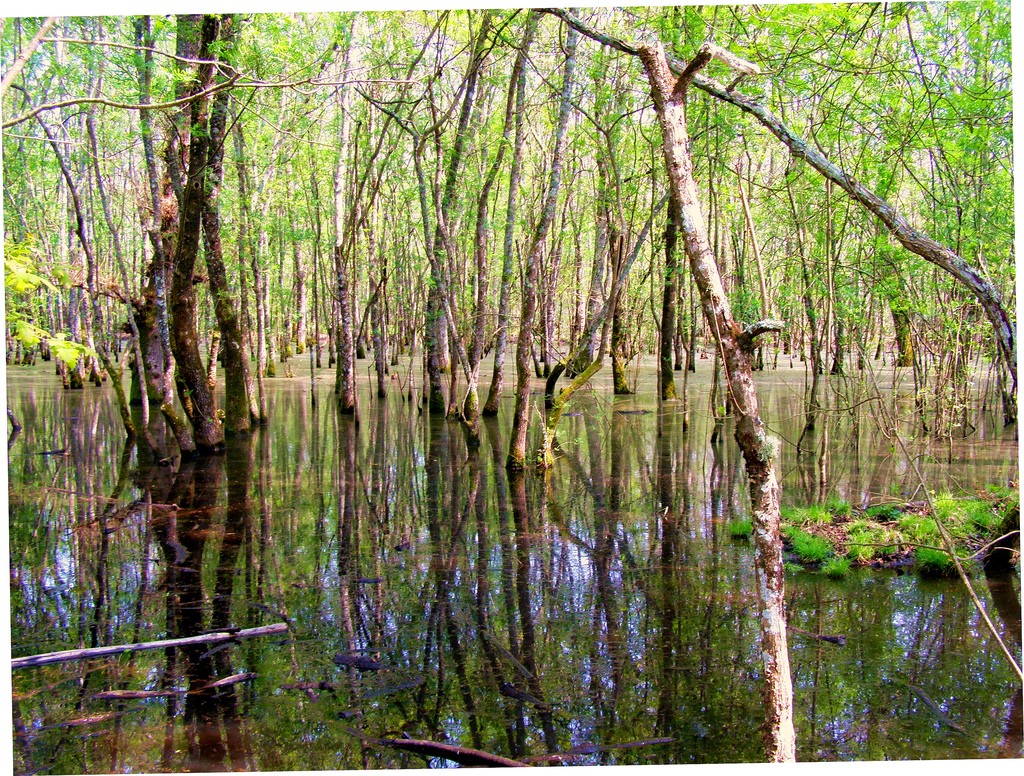
Coastal lakes, dunes & swamp forest

Behind the dunes and beaches of the Tyrrhenian coast, important coastal lakes and swamp forests remain. Circeo National Park is a good example. These areas are especially rich in ducks, grebes, cormorants, herons and migrating waders during the cooler months, while woodland edges also produce birds of prey and songbirds.

Typical species

  • Eurasian Teal
  • Eurasian Coot
  • Great Cormorant
  • Flamingo
  • Marsh Harrier
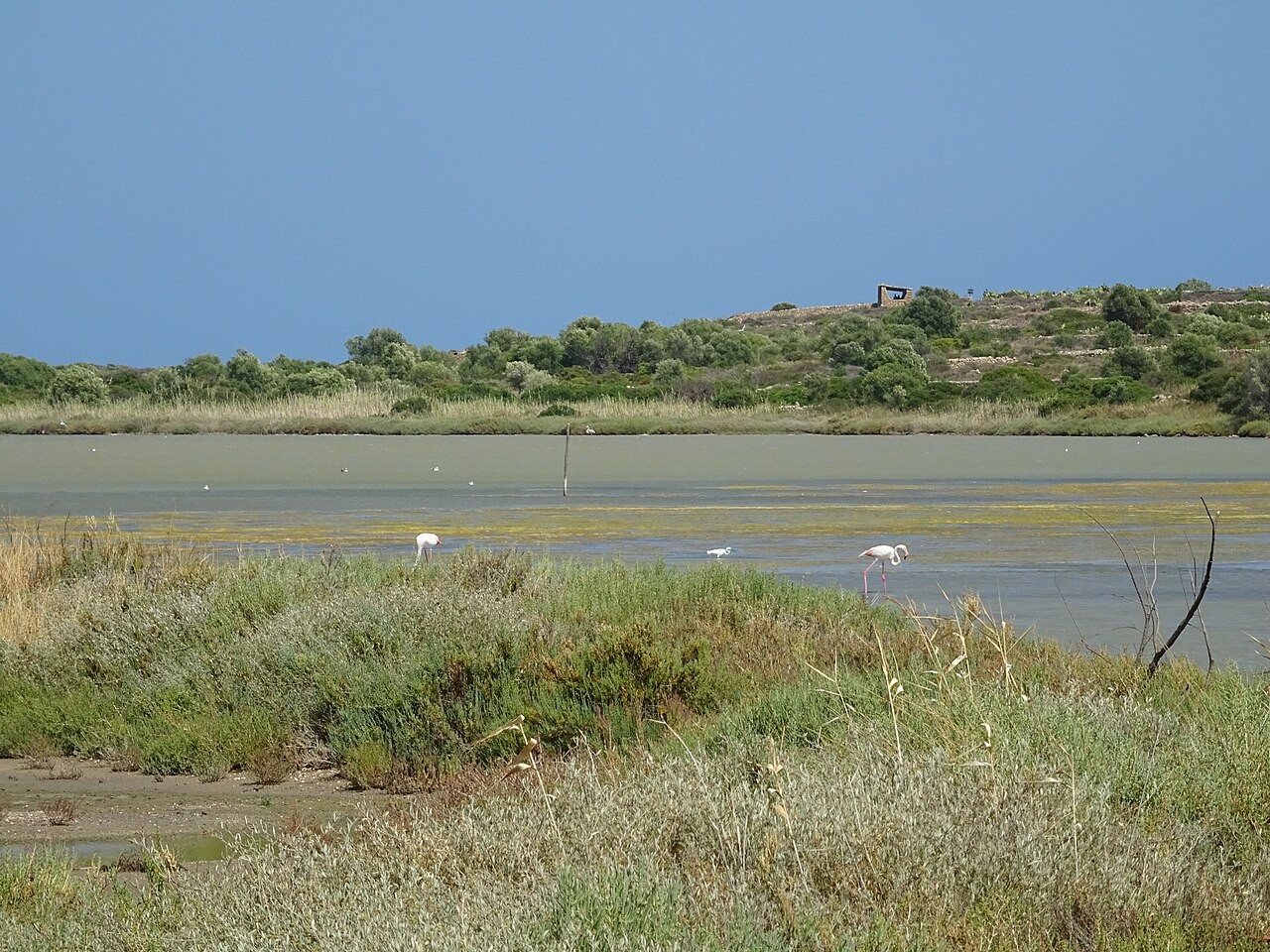
Lagoons and wetland in Vendicari nature reserve in Sicily
Einaz80 · Wikimedia Commons · CC BY-SA 4.0

Mediterranean scrub, rocky coast & islands

The warm scrub, cliffs and small islands of Sardinia and Sicily are important for species that are rarely seen in northwestern Europe. From sheltered islands, you can search for seabirds from the coast; in the maquis, birders listen for warblers and scan the cliffs for falcons and swifts.

Typical species

  • Eleonora’s Falcon
  • Sardinian Warbler
  • Blue Rock Thrush
  • Scopoli’s Shearwater
  • Audouin’s Gull

Birdwatching throughout the year

Italy birding calendar: what can you expect each season?

The best time for birdwatching in Italy depends on your goal. April and May are excellent for spring migration, southern migration hotspots are especially interesting for raptor passage, and many coastal wetlands are productive year-round for flamingos and winter visitors.

WinterDecember to FebruarySpringMarch to MaySummerJune to AugustAutumnSeptember to November
  1. January

    Winter

    Winter birds in the lagoons

    In the Po Delta, Orbetello, Circeo, Sardinian lagoons and the salt pans of Puglia, ducks, grebes, cormorants, herons and flamingos spend the winter. Calm mornings with little wind are ideal for scanning groups from dikes and official viewpoints.

    Recommended locationsCoastal lagoons, rice fields, river deltas and sheltered lakes; in the mountains, valleys are often more accessible than high passes.

  2. February

    Winter

    Late winter flocks and the first movement

    Many winter visitors are still present, while the first signs of spring appear in the south. Vendicari is known as a strong site for wintering and early migrating waterbirds. Cranes and birds of prey may also be seen in open areas.

    Recommended locationsVendicari, the Po Delta, Orbetello, Circeo and the wetlands around Cagliari.

  3. March

    Spring

    Spring migration begins

    The first swallows, pipits, wagtails and waders move north. The wetlands of Sicily and the Adriatic coast can already offer plenty of variety in March, while marsh birds begin singing and raptors follow the migration route.

    Recommended locationsVendicari, the Strait of Messina, Comacchio and salt pans along the Adriatic coast.

  4. April

    Spring

    Peak month for migration

    April is one of the best months for birdwatching in Italy. Songbirds, waders, herons and raptors pass through, especially along coasts, islands and southern mountain passes. In clear weather, soaring birds of prey above the Strait of Messina can be particularly impressive.

    Recommended locationsSicily, the Strait of Messina, Gargano, the Po Delta, the Tuscan coast and coastal lagoons.

  5. May

    Spring

    Summer visitors and breeding birds

    By May, many summer visitors have returned. European Bee-eaters, Eurasian Golden Orioles, Hoopoes, swifts and Mediterranean warblers are active, while Eleonora’s Falcons appear around their island colonies. Most birdsong is heard early in the morning.

    Recommended locationsSardinia, Sicily, Puglia, the Po Valley and warm valleys in central Italy.

  6. June

    Summer

    Alpine birds and Mediterranean colonies

    Mountain paths and meadows are generally accessible, and species of rocky slopes and the treeline are active. Along the coast, colonial birds, terns and gulls feed at sea. Plan mountain walks early, as heat and busy afternoons make birding more difficult.

    Recommended locationsGran Paradiso, Apennine mountain parks, Sardinian islands and coastal cliffs.

  7. July

    Summer

    Young birds and coastal wetlands

    In summer, many breeding birds are still territorial or are guiding their young. Shallow water in the Po Delta, the Adriatic lagoons and Sardinia remains attractive to flamingos, waders and herons. Early morning can be very productive in the mountains.

    Recommended locationsThe Po Delta, Comacchio, Molentargius, Gran Paradiso and mountain valleys in the Apennines.

  8. August

    Summer

    The first autumn migrants

    Visible migration increases from August onwards. Waders gather along mudflats and lagoons, while swallows, swifts and raptors prepare for their journey south. Eleonora’s Falcon actively hunts migrating birds around the islands during this period.

    Recommended locationsCoastal lagoons, Sicily, Sardinia, the Strait of Messina and the Po Delta.

  9. September

    Autumn

    Raptor and songbird migration

    September is a strong month for autumn migration along southern coasts and islands. Raptors may pass over the Strait of Messina, while new songbirds and pipits rest on headlands, beaches and in Mediterranean scrub.

    Recommended locationsThe Strait of Messina, Gargano, Sicily, Sardinia, Vendicari and the Tuscan coast.

  10. October

    Autumn

    Autumn peak in the wetlands

    In October, migrating waders, ducks and songbirds gather in wetlands that may lie close together. Pleasant temperatures and plenty of movement make this an appealing month for a birding trip along the Adriatic coast and through southern Italy.

    Recommended locationsThe Po Delta, Orbetello, Circeo, Vendicari, Molentargius and the salt pans of Puglia.

  11. November

    Autumn

    Wintering waterbirds arrive

    The first large winter flocks appear in the lagoons. Look for Eurasian Wigeons, Northern Pintails, Eurasian Teals, grebes and cormorants. In coastal areas, quiet viewpoints are important because many birds rest on open water and react quickly to disturbance.

    Recommended locationsOrbetello, Circeo, the Po Delta, Vendicari and the lagoons of Sardinia.

  12. December

    Winter

    Winter calm in the wetlands

    December suits anyone who wants to see large groups of waterbirds and winter visitors without the crowds of the breeding season. Flamingos remain in southern Italy, while ducks, geese and raptors use the open landscapes of the north.

    Recommended locationsThe Po Delta, Orbetello, Circeo, Molentargius, Santa Gilla and the wetlands of Puglia.

Seasonal information and location examples: LIPU on bird migration in Italy, Visit Comacchio, Circeo National Park and Gran Paradiso National Park.

Birding areas in Italy

The best birding areas in Italy: where can you go birdwatching?

From alpine valleys in the north to flamingo lagoons in Sardinia and migration islands in Sicily, Italy has birding areas for almost every specialism. Below are popular and relatively accessible locations representing different regions, habitats and bird species.

Panorama of Gran Paradiso National Park in northern Italy
Photo: Tiia Monto · Wikimedia Commons · CC BY-SA 4.0

Aosta Valley & Piedmont

Alps · rocks · coniferous forest

Gran Paradiso National Park

A strong choice for alpine bird species

Gran Paradiso is one of the best places in Italy to combine mountain birds with spectacular scenery. Along accessible valley routes and alpine meadows, look for Golden Eagle, Bearded Vulture, Wallcreeper, Black Woodpecker, Black Grouse and Rock Ptarmigan. The official park website also lists more than one hundred breeding bird species. Start early and be prepared for elevation, snow and changeable weather.

Look for
Golden Eagle, Bearded Vulture, Wallcreeper, Rock Ptarmigan and Black Grouse.
Plan around
June to September for higher routes, with valley routes as an alternative outside summer.
The lagoons of the Po Delta near Comacchio from the air
Photo: NASA · Wikimedia Commons · public domain

Emilia-Romagna & Veneto

Delta · lagoon · rice field

Po Delta and Valli di Comacchio

One of Italy’s best-known birding areas

The Po Delta is the starting point for many birders travelling through Italy. Valli di Comacchio, salt pans, rice fields, reedbeds and coastal forests form a large mosaic of water and land. Flamingos, herons, terns, waders, harriers and spoonbills can be found here in different seasons. Dikes, cycle routes, observation towers and boat trips let you combine several areas.

Look for
Greater Flamingo, Eurasian Spoonbill, Purple Heron, Black-winged Stilt and Pygmy Cormorant.
Plan around
Spring and autumn for migration, winter for large groups of ducks and geese.
Vegetation and water in the Orbetello Lagoon in Tuscany
Photo: Annalisa Perusi · Wikimedia Commons · CC BY-SA 4.0

Tuscany

Lagoons · salt water · maquis

Laguna di Orbetello

An accessible wetland destination on the Tyrrhenian coast

The Orbetello Lagoon lies between two landspits and combines open water with reeds, mudflats and coastal vegetation. From walking routes and cycle paths, you can search for flamingos, herons, waders, cranes and birds of prey. The area is especially appealing in autumn and winter, when many waterbirds rest in the lagoon.

Look for
Flamingo, Crane, Great Egret, Black-winged Stilt and Osprey.
Plan around
Early morning, winter flocks and the official routes around the lagoon.
Marsh and coastal lake in Circeo National Park
Photo: Seghene · Wikimedia Commons · CC BY-SA 3.0

Lazio

Coastal lakes · reeds · dunes

Circeo National Park

Coastal wetlands with more than 260 recorded bird species

The four coastal lakes of Circeo lie behind the dunes and, together with reedbeds, woodland and the promontory, form a remarkable birding area. Large numbers of ducks, grebes and cormorants gather in the cooler months. During migration, waders, herons and raptors join them. The park provides official information about wetlands, viewpoints and sensitive zones.

Look for
Eurasian Teal, Flamingo, Eurasian Coot, Marsh Harrier and Black-winged Stilt.
Plan around
Late autumn to early spring for waterbirds and resting winter visitors.
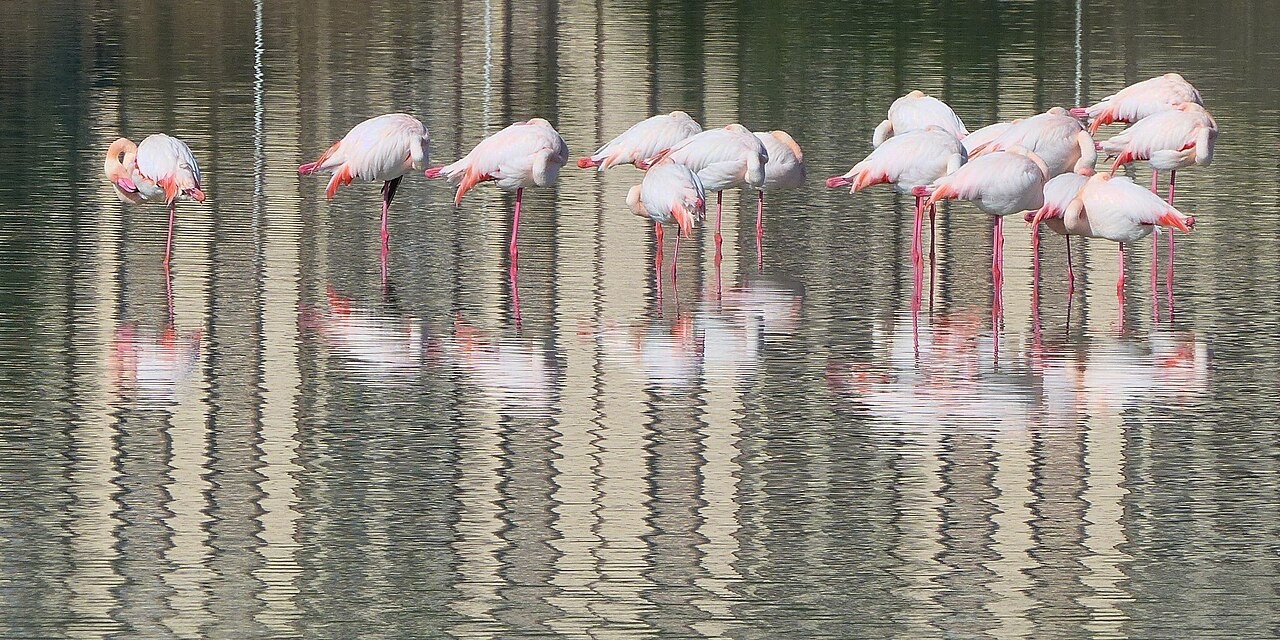
Greater Flamingos in an Italian saltwater wetland
Photo: Mario Fornasari · Wikimedia Commons · CC BY 2.0

Puglia

Salt pans · mudflats · open water

Saline di Margherita di Savoia

A classic destination for flamingos in southern Italy

The extensive salt pans along the Adriatic coast provide shallow water and food-rich edges for flamingos, waders, terns and herons. The landscape is open, so a telescope is very useful. Use permitted roads and official viewpoints, and note that access to parts of the saltworks is regulated.

Look for
Greater Flamingo, Black-winged Stilt, Avocet, Kentish Plover and Mediterranean Gull.
Plan around
Spring, autumn and winter; wind direction determines where birds gather.
Flamingos at Parco Naturale Regionale Molentargius near Cagliari
Photo: SferaDue · Wikimedia Commons · CC BY-SA 4.0

Sardinia

Urban lagoon · salt pan · reeds

Molentargius-Saline near Cagliari

One of the easiest places to see flamingos

Molentargius lies right beside Cagliari, making it attractive for birders who want to combine nature with a city break. The salt pans and shallow lakes attract Greater Flamingos, Black-winged Stilts, Avocets, terns and several heron species. Stay on permitted paths, as parts of the park are important breeding and resting areas.

Look for
Greater Flamingo, Black-winged Stilt, Avocet, Little Egret and Little Tern.
Plan around
Early morning or late afternoon, with extra care during the summer heat.
Lagoons and wetland landscape in Vendicari nature reserve in Sicily
Photo: Einaz80 · Wikimedia Commons · CC BY-SA 4.0

Sicily

Lagoon · marsh · coast

Vendicari Wildlife Reserve

A well-known stopover for migrants between Africa and Europe

Vendicari in Sicily includes coastal lagoons, marshes, beaches and low Mediterranean vegetation. Its position in southeastern Sicily makes it attractive during spring and autumn migration. In winter and early spring, look for ducks, flamingos, herons and waders around the water bodies. The reserve has several viewpoints, although some areas may have seasonal or temporary access restrictions.

Look for
Flamingo, Eurasian Spoonbill, Black-winged Stilt, Little Ringed Plover and Purple Heron.
Plan around
February to April for migration, with winter a strong period for waterbirds.
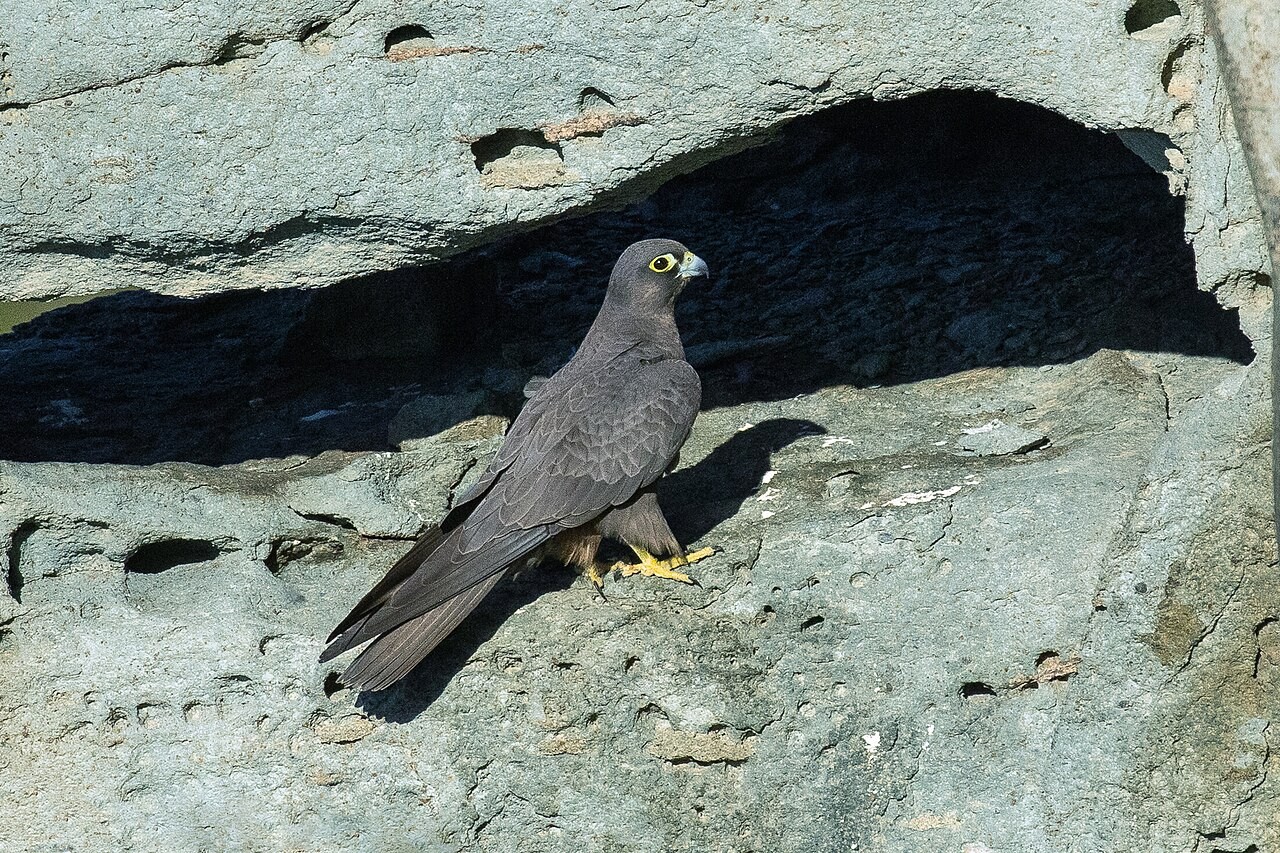
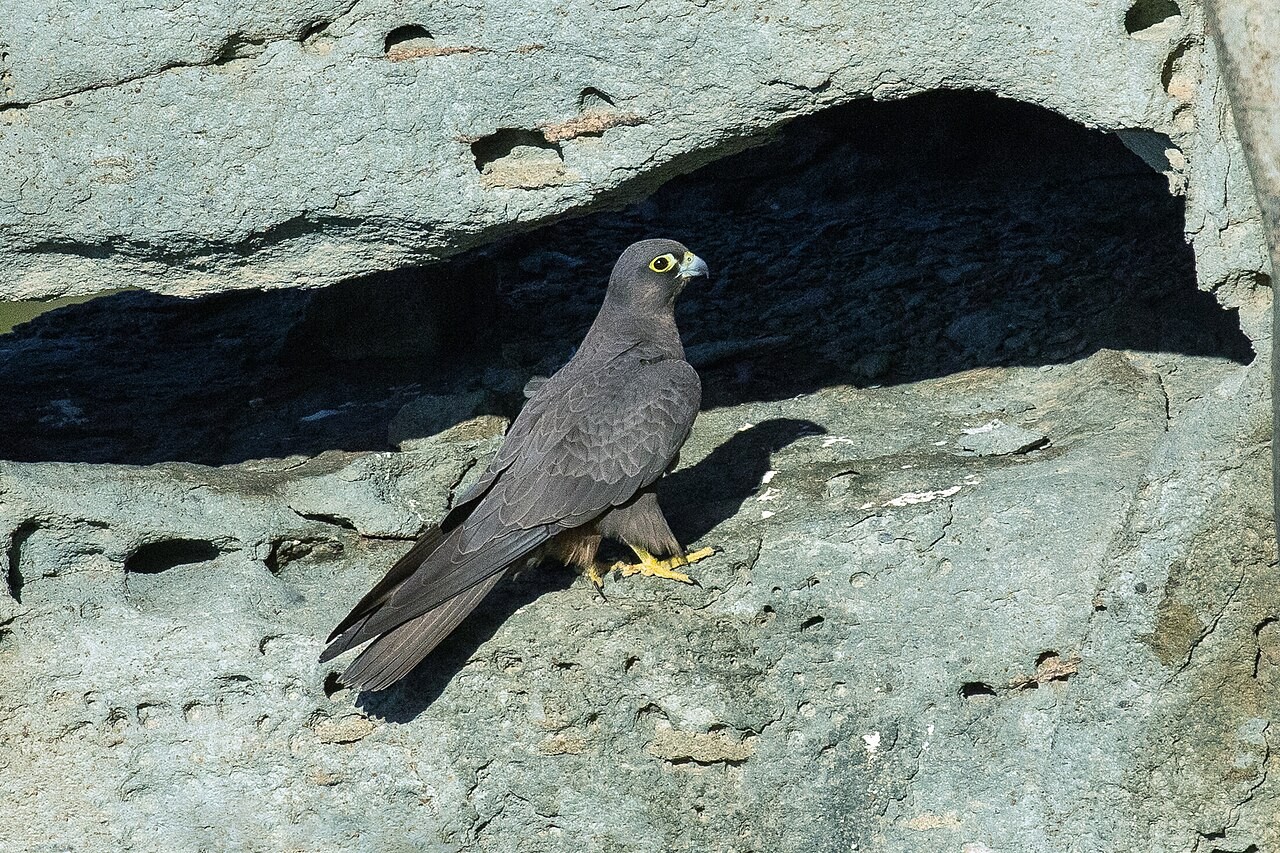
Eleonora’s Falcon near Carloforte in Sardinia
Photo: Francesco Veronesi · Wikimedia Commons · CC BY-SA 2.0

Sardinia

Island · cliff · sea

Isola di San Pietro and Carloforte

A destination for Eleonora’s Falcon and seabirds

Around Carloforte and the coast of Isola di San Pietro, rocky cliffs and small islands support breeding Eleonora’s Falcons. The species is often seen in flight above the sea and cliffs, but requires a good telescope and patient observation. Combine the cliffs with coastal maquis and, in windy conditions, look for shearwaters and gulls at sea.

Look for
Eleonora’s Falcon, Blue Rock Thrush, Audouin’s Gull and Scopoli’s Shearwater.
Plan around
May to September, with extra care for breeding birds and distance from cliffs.

Popular birds of Italy

Five special Italian birds and where to see them

From the Italian Sparrow and Greater Flamingo to Eleonora’s Falcon, the colourful European Bee-eater and the Eurasian Spoonbill, these are five species that make a birding trip through Italy especially rewarding. They represent different landscapes and, with the right location and timing, are realistic targets for birders.

  1. Italian Sparrow in Rome
    Photo: Ryan Hodnett · Wikimedia Commons, CC BY-SA 4.0

    Italian Sparrow

    The Italian Sparrow, Passer italiae, is a familiar resident of villages, cities and farmland. It is often described as Italy’s national bird, although that status has never been officially established. Look for the dark breast band and chestnut-brown head in males; transitional forms with other sparrows can occur in different regions.

    Where can you see Italian Sparrows in Italy?

    • Rome and other cities, parks, squares and green urban edges are often the easiest places
    • Northern and central Italy, villages, vineyards and farmland offer many opportunities
    • River valleys and coastal towns, look for feeding flocks along terraces, hedges and fields
  2. Greater Flamingos in the Po Delta in Italy
    Photo: Mario Fornasari · Wikimedia Commons, CC BY 2.0

    Greater Flamingo

    Flamingos are among Italy’s most photogenic bird species. In shallow lagoons and salt pans, they often move through the water in groups, so from a dike or viewpoint you may see dozens of birds at once. Look for black wing tips in flight and watch for young birds, which are still mostly grey.

    Where can you see flamingos in Italy?

    • Molentargius and Santa Gilla, near Cagliari in Sardinia, are well-known and relatively accessible sites
    • Valli di Comacchio, the salt pans and other wetlands in the Po Delta
    • Saline di Margherita di Savoia and Orbetello, especially interesting during migration and winter
  3. Eleonora’s Falcon near Carloforte in Sardinia
    Photo: Francesco Veronesi · Wikimedia Commons, CC BY-SA 2.0

    Eleonora’s Falcon

    This slender falcon is closely associated with rocky Mediterranean islands. In summer, it hunts above the sea and cliffs, often making fast turns and long glides. Because it breeds while many songbirds are migrating across the Mediterranean, late summer is a special time to look for it.

    Where can you see Eleonora’s Falcon in Italy?

    • Carloforte and Isola di San Pietro, scan the coast for birds flying above the cliffs
    • The eastern and northern coasts of Sardinia, with suitable cliffs and small islands
    • Sicily and the surrounding islands, especially where protected cliff colonies meet sea views
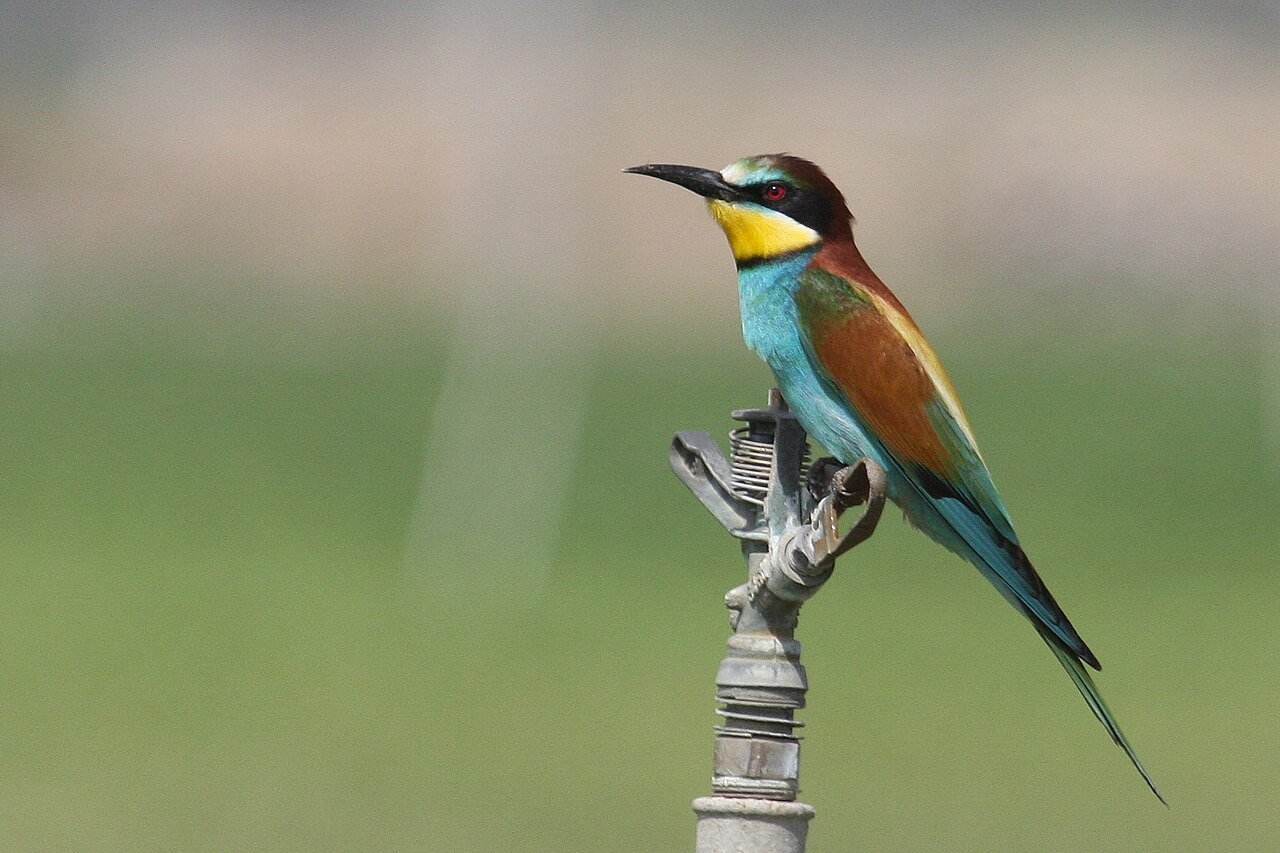
  4. European Bee-eater with colourful plumage
    Photo: Shah Jahan · Wikimedia Commons, CC BY 3.0

    European Bee-eater

    The European Bee-eater is one of the most colourful summer visitors you can see during a birding trip through southern Europe. Its soft call often reveals a group before you see the birds hunting over open ground. Search sandy banks, warm river slopes and insect-rich farmland, but keep your distance from nest holes.

    Where can you see European Bee-eaters in Italy?

    • The Po Delta and northern Italian river areas, especially during the warmer months
    • Sicily, Sardinia and Puglia, where open landscapes and insect-rich edges provide suitable habitat
    • Tuscany and central Italy, with opportunities along rivers, quarries and dry grasslands
  5. Eurasian Spoonbill in a shallow wetland in Sardinia
    Photo: Gianni Careddu · Wikimedia Commons, CC BY-SA 4.0

    Eurasian Spoonbill

    The Eurasian Spoonbill is a striking wetland bird that is easy to recognise by its long, flat bill. In Italy, it is especially interesting in deltas, lagoons and shallow coastal lakes. Watch feeding birds sweep their bills from side to side through the water, and also check islands and mudflats for resting flocks.

    Where can you see Eurasian Spoonbills in Italy?

    • The Po Delta and Valli di Comacchio, with shallow lagoons, reedbeds and salt pans
    • Sardinia, including coastal lagoons near Cagliari and wetlands in the northeast
    • Orbetello and other Tyrrhenian coastal areas, especially during migration and winter

Useful tips and information

Practical questions about birdwatching in Italy

Want to know when to visit Italy, where to see flamingos or how to explore a birding area without a car? Below you will find answers to common questions about birding trips, migration, national parks, wetlands and practical access.

For many birders, April and May are the best months for birdwatching in Italy. During this period, songbirds, waders, herons and raptors migrate through, while many breeding birds have returned. The Po Delta, Sicily, Sardinia, the Strait of Messina and coastal lagoons are particularly interesting.

Autumn, especially September and October, is also excellent for visible migration and resting birds along coasts and islands. Anyone mainly interested in flamingos, ducks and other waterbirds can also have a good experience in winter at Orbetello, Circeo, Vendicari, Molentargius and the salt pans of Puglia. The LIPU information on migration routes is a useful addition when planning your trip.

The best-known sites are Molentargius near Cagliari, Santa Gilla in Sardinia, Valli di Comacchio in the Po Delta, the salt pans of Margherita di Savoia in Puglia and the Orbetello Lagoon in Tuscany. Vendicari in Sicily can also produce flamingo sightings at the right time of year.

Molentargius is the easiest choice for many visitors because the nature reserve lies directly beside Cagliari. In the Po Delta, the salt pans and lagoons are especially scenic, although access to some areas is regulated. Check the information from Parco Molentargius or Salina di Comacchio before you go.

The Strait of Messina is Italy’s best-known migration bottleneck. Especially in spring, raptors, storks and other migrants may follow the narrow passage between Sicily and Calabria. In autumn, the coasts, islands, Gargano and various headlands are also interesting.

For a successful migration watch, weather, wind and visibility matter more than any fixed guarantee. Choose an official viewpoint, bring a telescope and allow several hours. LIPU describes Italy’s migration corridors and explains why these areas are vulnerable.

Gran Paradiso National Park is a strong choice for birders looking for alpine species. In valleys, coniferous forests, cliffs and mountain meadows, you can search for Golden Eagle, Bearded Vulture, Wallcreeper, Rock Ptarmigan, Black Grouse and several woodpeckers. Stelvio, the Dolomites and higher parts of the Apennines are also interesting, although the exact species vary with elevation and habitat.

The best period for higher mountain trails is usually June to September, depending on snow and local conditions. Start early, use a telescope from open slopes and check which routes are accessible in advance. The official Gran Paradiso fauna page provides an overview of characteristic mountain birds.

Yes, although the options vary greatly by region. Molentargius is one of the easiest birding areas to visit without a rental car because it is next to Cagliari. The Venice Lagoon, parts of Rome and several coastal towns can also be reached by train, bus, boat or bicycle. For the Po Delta, Vendicari and remote mountain parks, a car or organised excursion is often more practical.

When using public transport, allow extra time for the final journey to a viewpoint. Check ferries, bus routes, opening hours and walking distances with the official site manager. You can also use FaunaMap to find several birding viewpoints in the same area, so you are not dependent on one difficult-to-reach location.

There is no single entry policy for all Italian nature reserves. Many hiking routes in national parks are free to access, but visitor centres, car parks, boat trips, excursions and special reserves may charge a fee. In some sensitive wetlands, access is only permitted with a guide or along designated routes.

For example, the FAQ of Abruzzo, Lazio and Molise National Park explains that the park itself has no general admission ticket, while some visitor centres may charge entry. Access to the Comacchio salt pans is regulated and may involve guided tours. Always check the current rules before setting out.

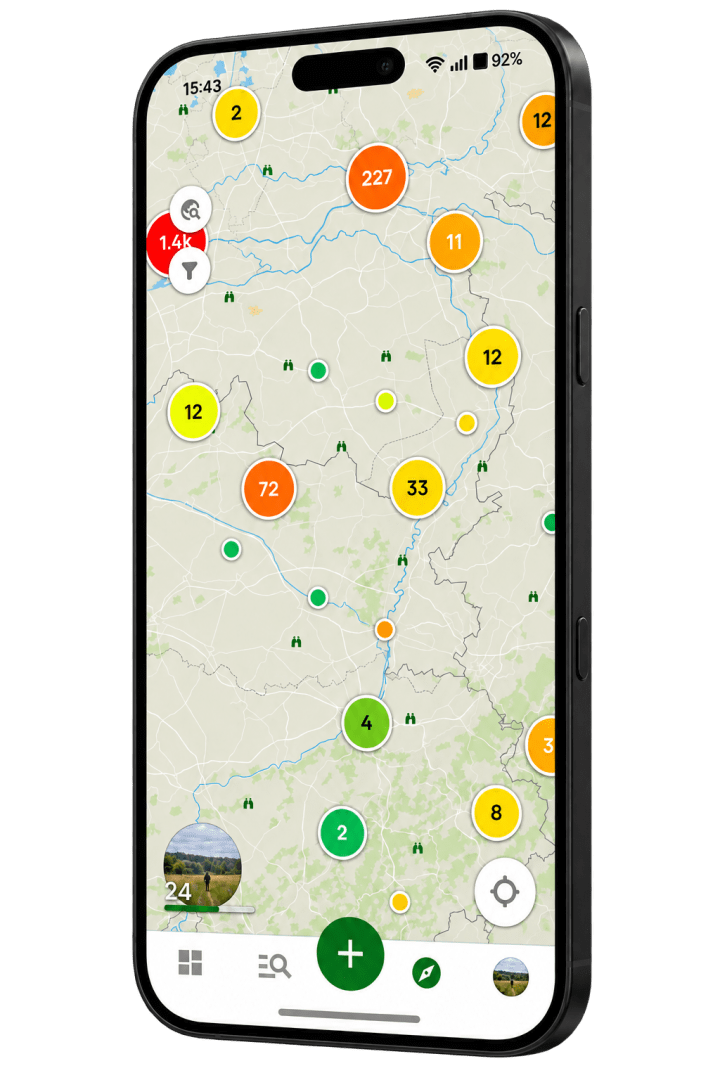
In FaunaMap, you can find recent bird sightings in Italy on an interactive map. Search for birding viewpoints, hotspots and locations where particular species are expected. You can also add your own sightings and keep a personal species list.

This is especially useful in large areas such as the Po Delta, where water levels, wind and season determine where birds gather. Open FaunaMap before setting out, choose a region and compare several viewpoints with the expected bird species.

View recent sightings in FaunaMap

Stay on marked paths, use official viewpoints and keep a generous distance from breeding colonies and resting flocks. Do not walk onto islands, into reedbeds or towards cliff edges when these areas are closed. Do not fly drones over nature reserves, avoid playing bird calls and only bring dogs where the site manager allows them.

Pay particular attention to temporary closures during the breeding season and regulated access in salt pans and reserves. The coastal lakes and marshes of Circeo National Park are important for large numbers of waterbirds. The official page about the wetlands and wildlife of Circeo and visitor information for Vendicari show why keeping your distance and minimising disturbance are essential.

Discover more while birdwatching

  • See recent bird sightingsSee which birds have recently been spotted near you.
  • Explore biodiverse nature areasFind the best places to spot birds and other wildlife.
  • Find sightings by speciesQuickly find sightings of the bird species you want to see.