Birding sites · migration · bird species

Birdwatching in Sweden: the best birding sites by season

Birdwatching in Sweden takes you from coastal wetlands and lakes to boreal forests and the mountains of Swedish Lapland. Find out where to see cranes and migrating birds in spring, watch raptor migration in autumn and discover Arctic breeding birds in summer. This guide helps you plan a birding trip to Sweden by region and season, with nature reserves, notable species and practical information.

  • Expected bird species by location
  • Birding hotspots worldwide
  • Keep your own life list
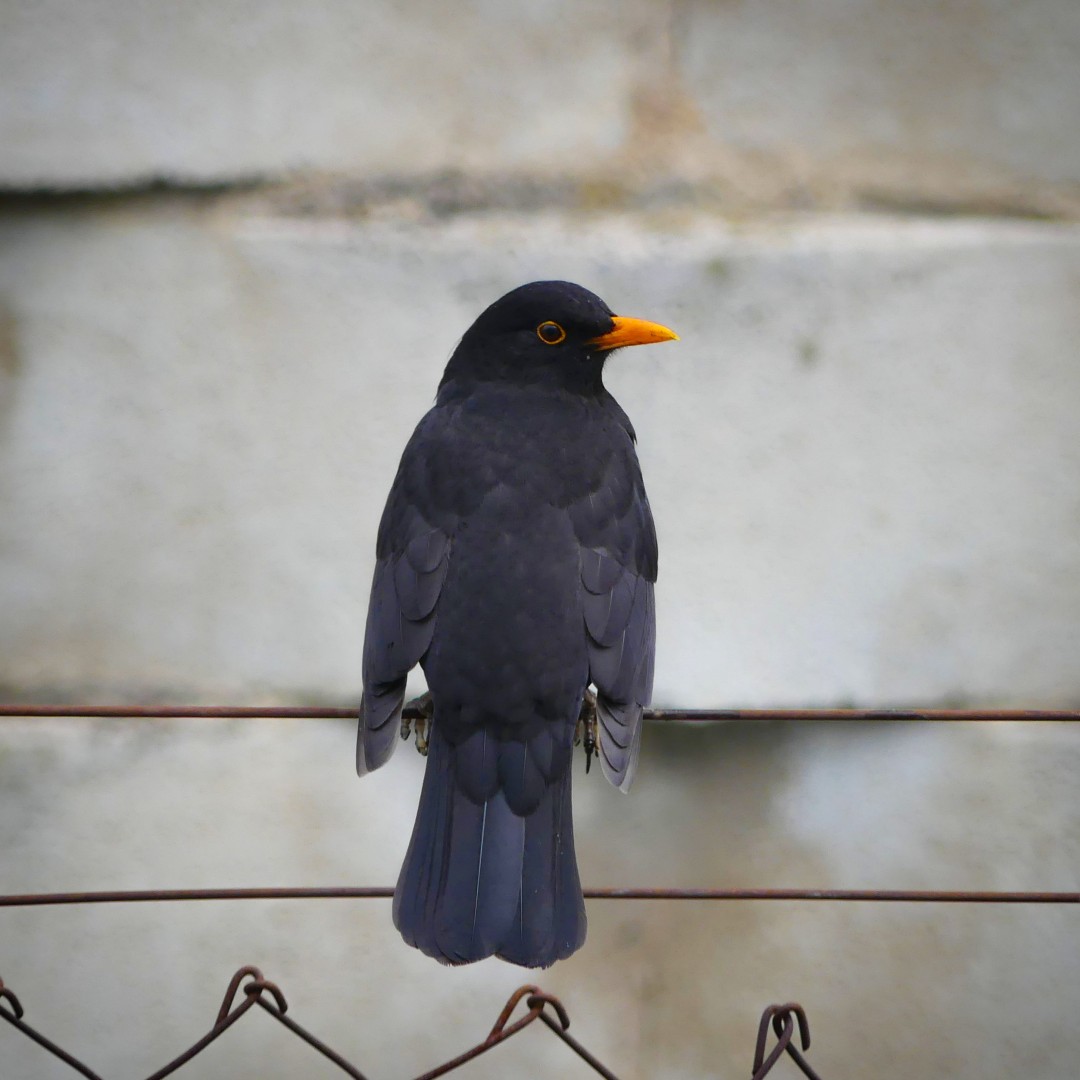
Eurasian blackbird (Turdus merula), Sweden's national bird
Sweden's national birdThe blackbird
Photo: WikiPokos, Wikimedia Commons · CC0 1.0 · Species information: SVT.

Why go birdwatching in Sweden?

Sweden combines migration, taiga and Arctic nature

Sweden appeals to birdwatchers because it links several migration corridors and habitats from Skåne to Lapland. On one birding trip you can combine coastal birds at Falsterbo, cranes at Hornborgasjön and bluethroats north of the Arctic Circle.

In the south, the best-known migration sites are close to the coast. Falsterbo and Ottenby attract large numbers of songbirds, waders and raptors in spring and autumn. Wind direction affects how many birds pass along the coast, while shallow lakes and coastal meadows provide shelter and food.

Farther north, the landscape changes into vast coniferous forests, river deltas, archipelago coasts and mountain areas. Here, boreal and Arctic species meet during the brief summer, including western capercaillie, black woodpecker, bluethroat, dotterel and golden eagle. FaunaMap helps you combine recent sightings, birding locations, hotspots and expected species before heading out.

Landscapes and biodiversity

The main bird habitats in Sweden

Choosing a Swedish birding site based on habitat, season and migration route increases your chances of finding special species. From the southern archipelago coast to the mountains of Lapland, these six landscape types form the foundation of Swedish birding.

Archipelago coast and islands in the Stockholm archipelago
Photo: Fanny Schertzer, Wikimedia Commons · CC BY-SA 3.0

Archipelago coast, islands & open sea

The archipelago coasts of Stockholm, Bohuslän and Norrbotten offer sheltered bays, rocky islands and shallow water. In spring, terns and eiders breed among the islands; during migration and winter, sea ducks gather along the outer coast while white-tailed eagles patrol above the water.

Typical species

  • Common eider
  • White-tailed eagle
  • Velvet scoter
  • Common tern
  • Black guillemot
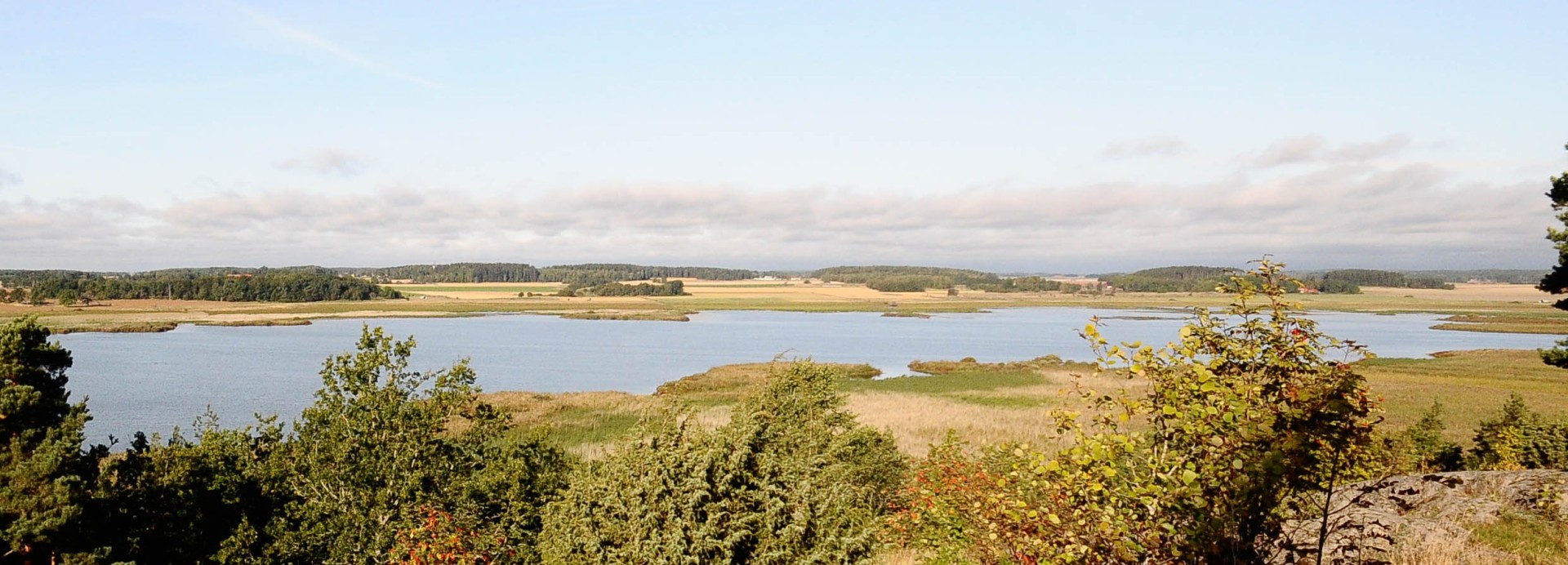
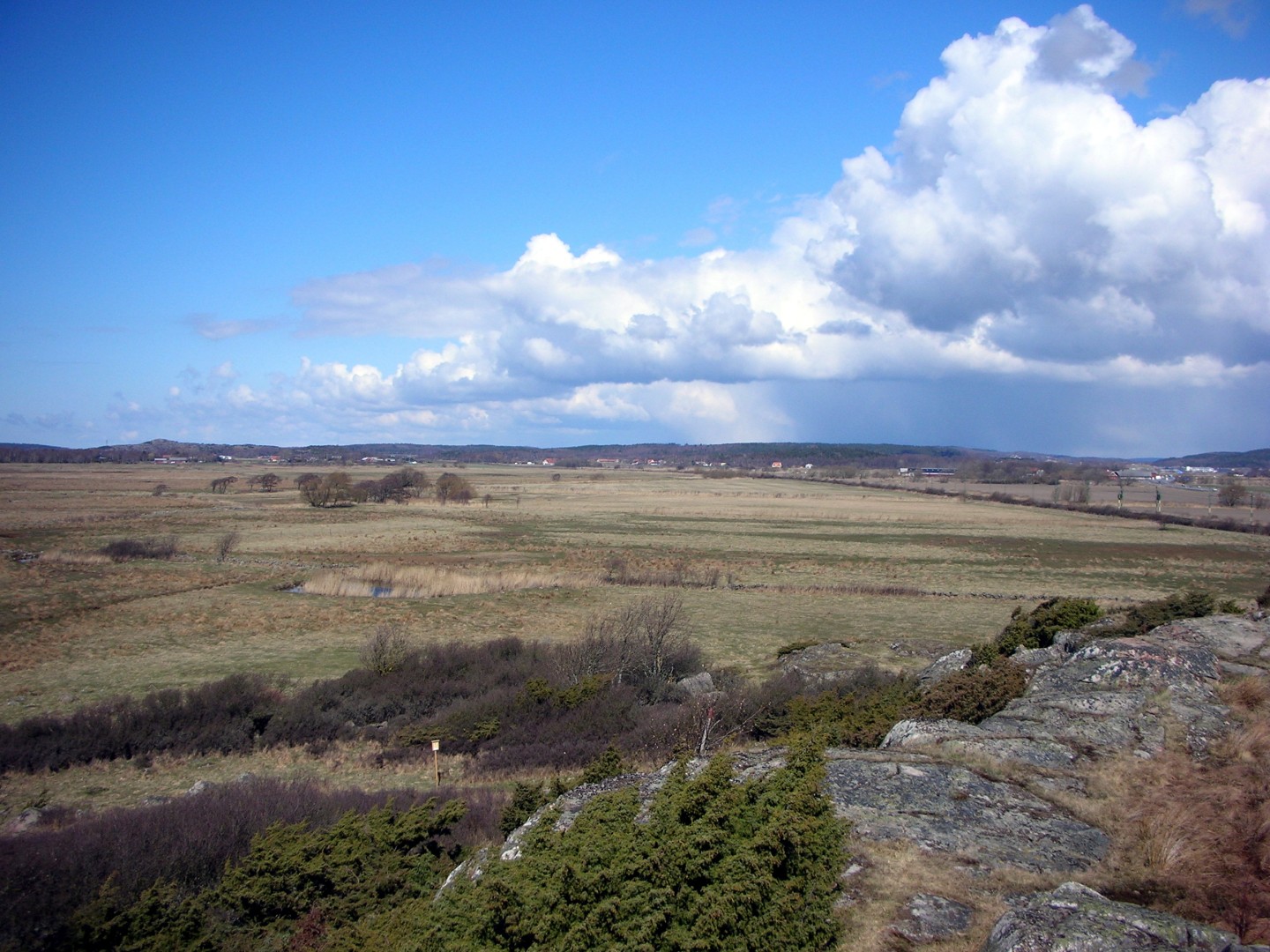
Shallow water, reeds and open grassland at Hjälstaviken
Photo: Hanserfaust, Wikimedia Commons · public domain

Shallow lakes, reeds & wetlands

Shallow lakes such as Hjälstaviken, Tåkern and Hornborgasjön combine reedbeds, wet meadows and open water. Especially during spring and autumn migration, hides and observation towers are excellent for ducks, waders, geese and elusive wetland birds.

Typical species

  • Great bittern
  • Western marsh harrier
  • Bearded reedling
  • Common crane
  • Northern shoveler
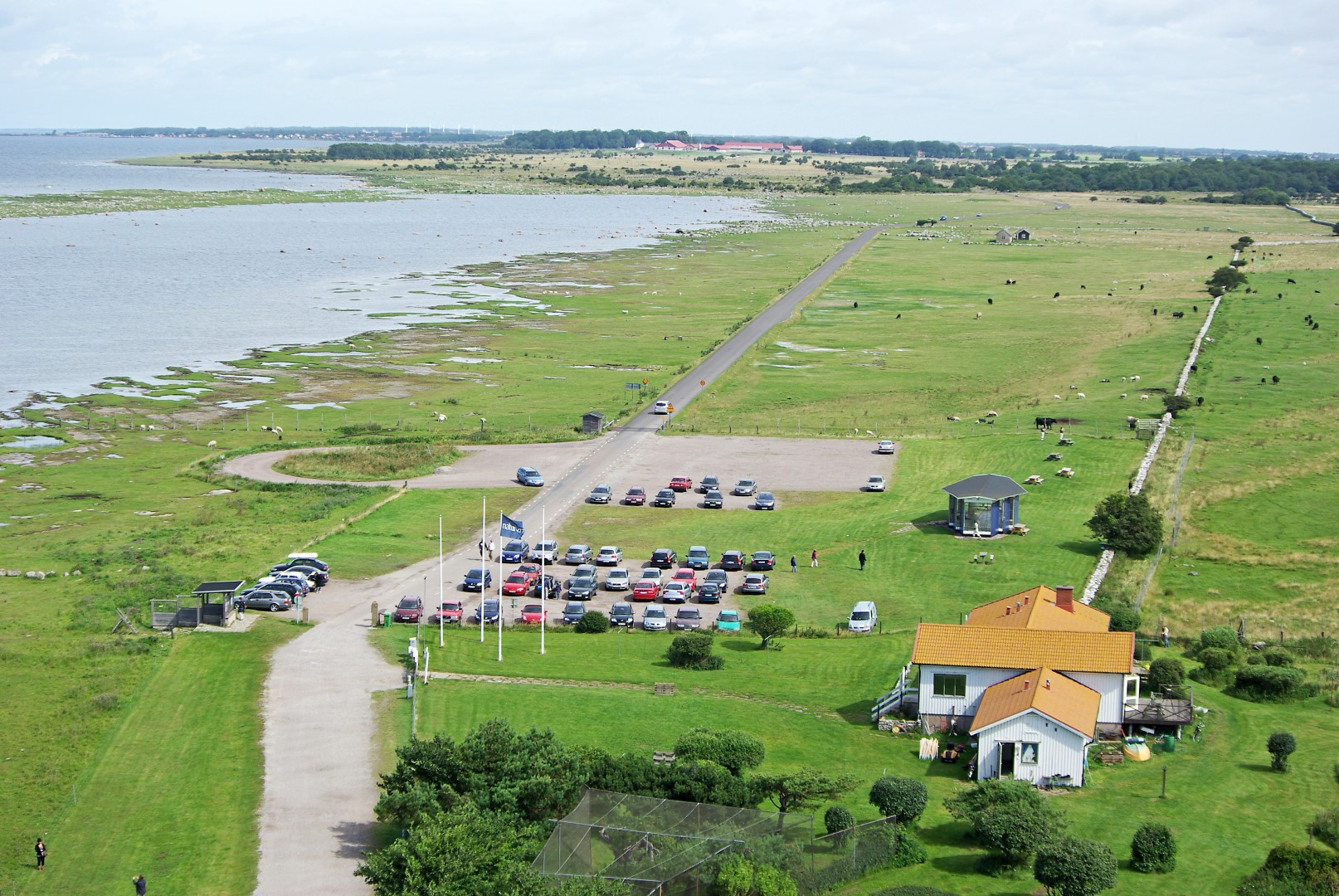
Landscape around the Ottenby bird observatory on Öland
Photo: Ann Louise Hagevi, Wikimedia Commons · CC BY-SA 3.0

Coastal meadows, mudflats & migration routes

The southern tip of Öland and the coast of Skåne act as natural funnels for birds crossing the Baltic Sea. Low coastal meadows, dune scrub and shallow bays give migrants space to rest and feed, while wind and visibility can change the number of species dramatically from one day to the next.

Typical species

  • Bar-tailed godwit
  • Dunlin
  • Knot
  • Northern wheatear
  • Ringed plover
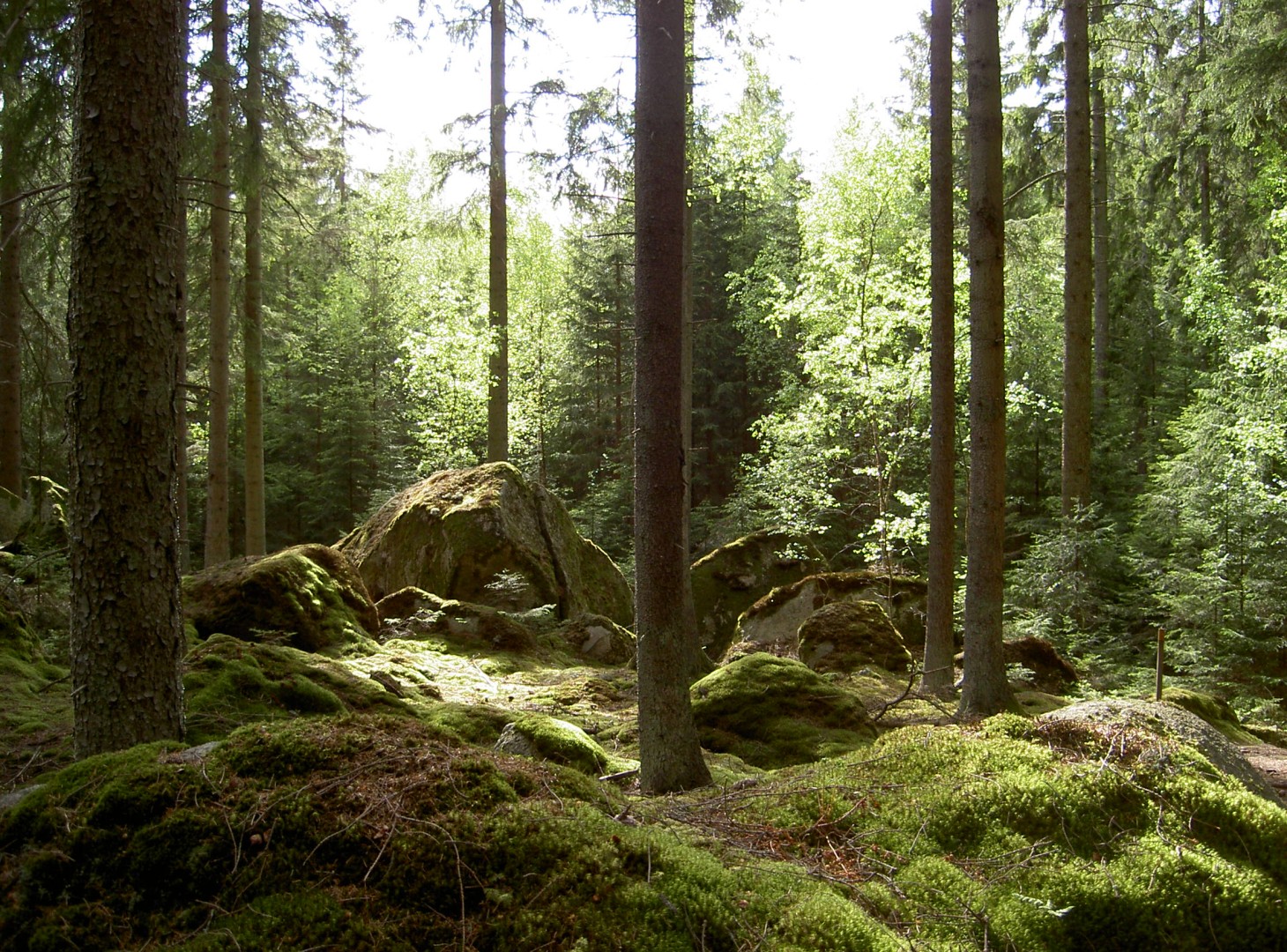
Boreal coniferous forest with spruce, birch and mossy rocks in Sweden
Photo: Tracy Houston Durrant, Wikimedia Commons · CC BY 4.0

Boreal forests & taiga

In the vast coniferous and mixed forests of central and northern Sweden, birdwatching often starts with listening. Look for clearings, old trees and forest tracks for woodpeckers, grouse and birds of prey. Extra distance is especially important around leks and nests.

Typical species

  • Western capercaillie
  • Black grouse
  • Black woodpecker
  • Siberian jay
  • Hazel grouse
Gammelstadsviken nature reserve in Norrbotten with open water and forest edge
Photo: ShadySandwich, Wikimedia Commons · CC BY-SA 4.0

River deltas, coastal wetlands & northern farmland

The Umeälven and Luleälven deltas connect rivers, coastal meadows, mudflats and farmland. In spring, large groups of swans, geese and cranes rest here, followed by waders and birds of prey. In Norrbotten, open water and food-rich shores remain important in autumn as well.

Typical species

  • White-tailed eagle
  • Osprey
  • Eurasian curlew
  • Whooper swan
  • Goosander
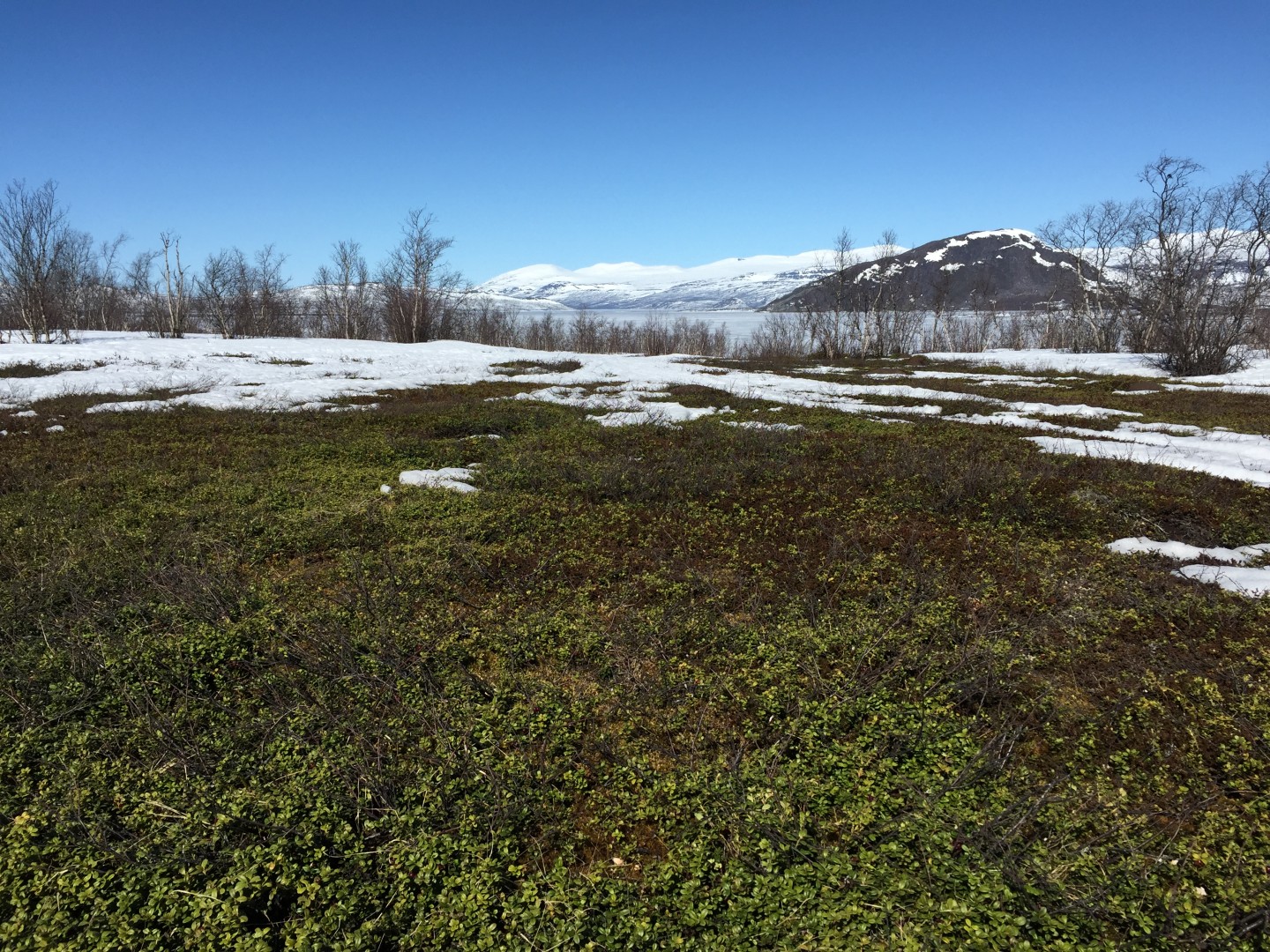
Mountain landscape in Abisko National Park with snow, dwarf birch and Torneträsk
Photo: Ffsv01, Wikimedia Commons · CC BY-SA 4.0

Fjäll, tundra & alpine valleys

Above the treeline in Abisko and other Lapland mountain areas, summer is short but the days are long. Walk along stream valleys, birch woodland and open slopes for species rarely seen in southern Sweden. Weather, lingering snow and local access rules determine where you can safely go birding.

Typical species

  • Bluethroat
  • Dotterel
  • Ring ouzel
  • Snow bunting
  • Golden eagle

Birdwatching through the year

Sweden bird calendar: what can you expect each season?

Sweden's birding year shifts noticeably from south to north. Migration begins along the Baltic coast in spring, Lapland comes alive in summer, and autumn brings raptors, geese and waders together along the coast, lakes and river deltas.

WinterDecember - FebruarySpringMarch - MaySummerJune - AugustAutumnSeptember - November
  1. January

    Winter

    Winter birds along the coast

    In southern Sweden, eiders, mergansers and other sea ducks remain in sheltered areas. Along the archipelago coast and at open lakes, you may find a white-tailed eagle, while blackbirds and thrushes also spend the winter in the south.

    Recommended sitesStockholm archipelago, Falsterbo, Getterön and ice-free coastal waters.

  2. February

    Winter

    Early movement in the south

    The days are becoming noticeably longer. On mild days, the first whooper swans, geese and larks appear in the south, while white-tailed eagles and wintering sea ducks are still easy to find around open water.

    Recommended sitesÖland, Falsterbo, Getterön, Hjälstaviken and large lakes around Stockholm.

  3. March

    Spring

    Cranes and the first spring migrants

    Migration gets underway at Ottenby from mid-March. By the end of the month, cranes gather around Hornborgasjön. Geese, swans, lapwings and the first songbirds also increase quickly when winds turn southerly.

    Recommended sitesOttenby, Hornborgasjön, Kvismaren and the southern coast of Skåne.

  4. April

    Spring

    Peak month for bird migration in Sweden

    April brings large numbers of migrants to the coast and wetlands. Hornborgasjön reaches crane season, while thousands of swans, geese and cranes may rest in the Umeälven delta. Öland sees more songbirds and waders arriving every day.

    Recommended sitesHornborgasjön, Ottenby, Falsterbo, Hjälstaviken and the Umeälven delta.

  5. May

    Spring

    Song, waders and breeding plumage

    May is one of the best months for birdwatching in Sweden. Reedbeds fill with song, waders pass through and bluethroats, ring ouzels and other species arrive in northern Sweden for the short breeding summer.

    Recommended sitesTåkern, Getterön, Hjälstaviken, Ottenby and the river delta near Umeå.

  6. June

    Summer

    The Arctic breeding summer begins

    Above the Arctic Circle, the days are long and birds are raising their young. In Abisko and other fjäll areas, bluethroats, dotterels, snow buntings and raptors are active. In taiga and wetlands, the most song is heard early in the morning.

    Recommended sitesAbisko, Norrbotten wetlands, the Umeälven delta and boreal forest edges.

  7. July

    Summer

    Breeding birds and the first southbound migrants

    In Lapland, long bright evenings and fledged young make July rewarding. From the second half of the month, the first waders appear along the northern coast on their way south. Keep your distance from nests, colonies and reindeer herds.

    Recommended sitesAbisko, the Norrbotten coast, archipelago shores and open mountain slopes.

  8. August

    Summer

    Autumn migration gets underway

    From August onward, migrant numbers rise quickly. Waders gather along the coast, songbirds move through scrub and the first raptors appear above Falsterbo. Wind and cloud cover can make or break a day's birding.

    Recommended sitesFalsterbo, Ottenby, Getterön, Tåkern and the coast of Öland.

  9. September

    Autumn

    Raptor migration over Falsterbo

    September is a strong month for visible migration. At Falsterbo, honey buzzards, common buzzards and sparrowhawks head south. On Öland and around coastal wetlands, wheatears, pipits, thrushes and waders stop to rest.

    Recommended sitesFalsterbo, Ottenby, Getterön, Kvismaren and the southern coastal dikes.

  10. October

    Autumn

    Geese, ducks and the final migration waves

    In October, Tåkern, Kvismaren and other wetlands fill with geese, ducks and resting waders. Raptor migration continues at Falsterbo, while open farmland can hold large groups of cranes and swans.

    Recommended sitesTåkern, Kvismaren, Falsterbo, Hjälstaviken and coastal meadows in southern Sweden.

  11. November

    Autumn

    Winter visitors take over

    The last northern migrants leave as wintering sea ducks, geese and white-tailed eagles become increasingly visible. Look for sheltered coastal waters, open lakes and wetlands that have not completely frozen.

    Recommended sitesGetterön, Stockholm archipelago, Falsterbo, Hjälstaviken and southern lakes.

  12. December

    Winter

    Quiet shores, open water and white-tailed eagles

    Winter days are short in the north, but birdwatching remains worthwhile in southern Sweden. White-tailed eagles search for open water, sea ducks gather along the coast and blackbirds remain familiar winter birds in towns and parks.

    Recommended sitesArchipelago coasts, Getterön, Falsterbo, Stockholm and ice-free river mouths.

Seasonal information and site examples: Öland, Falsterbo Bird Observatory, Naturum Hornborgasjön, Tåkern Field Station and Länsstyrelsen Västerbotten.

Birding sites in Sweden

The best birding sites in Sweden: where can you go birdwatching?

From Baltic migration hotspots and central Swedish wetlands to the mountains of Lapland, Sweden has birding sites for almost every type of birder. This selection combines popular, reasonably accessible locations with high species diversity or an iconic species worth seeking on a birding trip.

Ottenby bird station and landscape at the southern tip of Öland
Photo: Ann Louise Hagevi · Wikimedia Commons · CC BY-SA 3.0

Öland, Kalmar County

Coastal meadow · mudflat · scrub

Ottenby and the southern tip of Öland

Långe Jan, Ottenby Bird Observatory and Ottenbylund

Ottenby is one of the best-known places for birdwatching in Sweden. The southern tip of Öland acts as a funnel for birds migrating along the Baltic Sea. Walk through coastal meadows, scrub and shallow bays, and combine the lighthouse with the bird observatory. In spring and autumn, every change in wind can bring a new species.

Look for
Common eider, bar-tailed godwit, wheatear, ring ouzel and raptors.
Plan around
Wind direction, early mornings and the ringing station season from 15 March to 15 November.
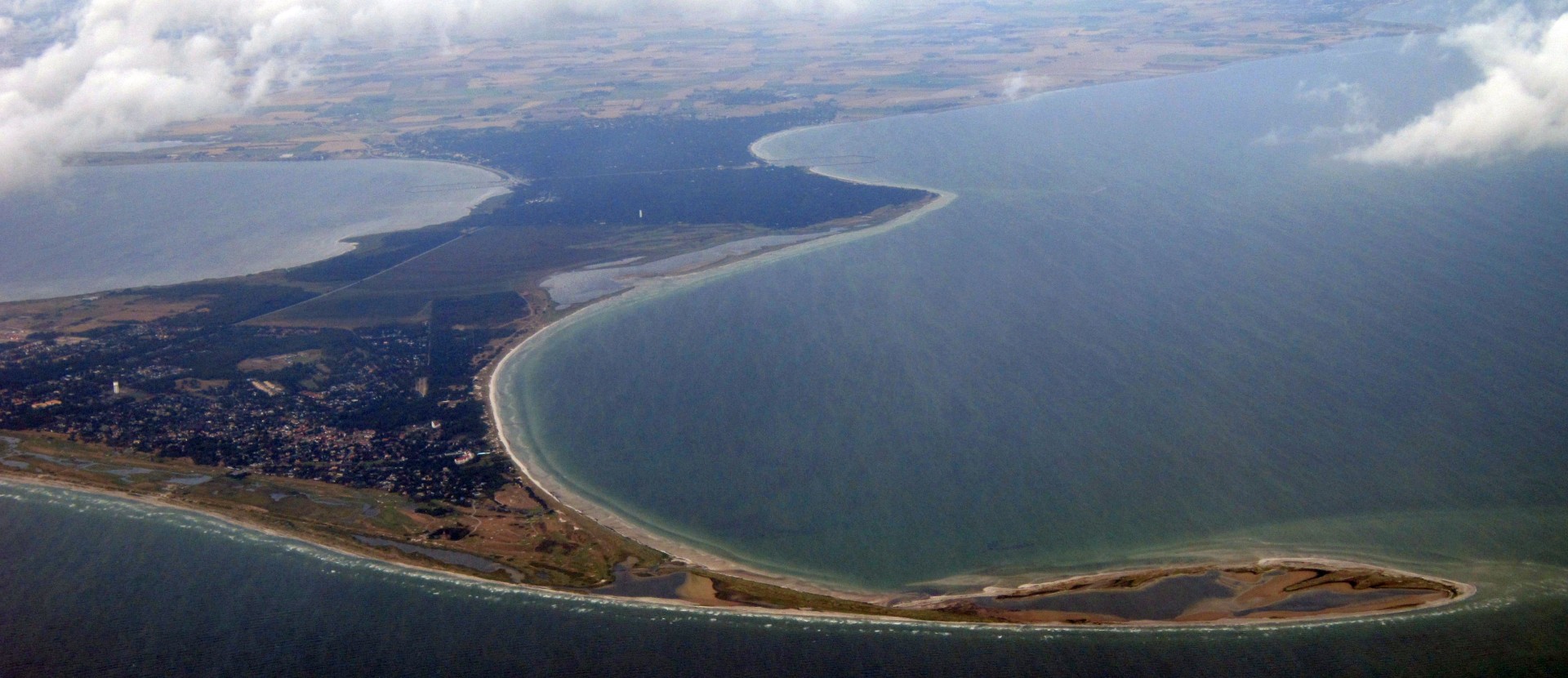
Aerial view of the Falsterbo peninsula in southern Sweden
Photo: My another account · Wikimedia Commons · CC0

Skåne

Coast · dunes · migration corridor

Falsterbo

Falsterbo Bird Observatory, the canal and the lighthouse

Falsterbo is Sweden's classic destination for visible autumn migration. The southwestern peninsula guides birds along the coast instead of across open sea. On good days at the lighthouse, canal and other official viewpoints, you can watch raptors and songbirds pass one after another. Conditions depend heavily on wind and visibility.

Look for
European honey buzzard, common buzzard, sparrowhawk, osprey and peregrine falcon.
Plan around
August to October, with close attention to wind direction and thermals.
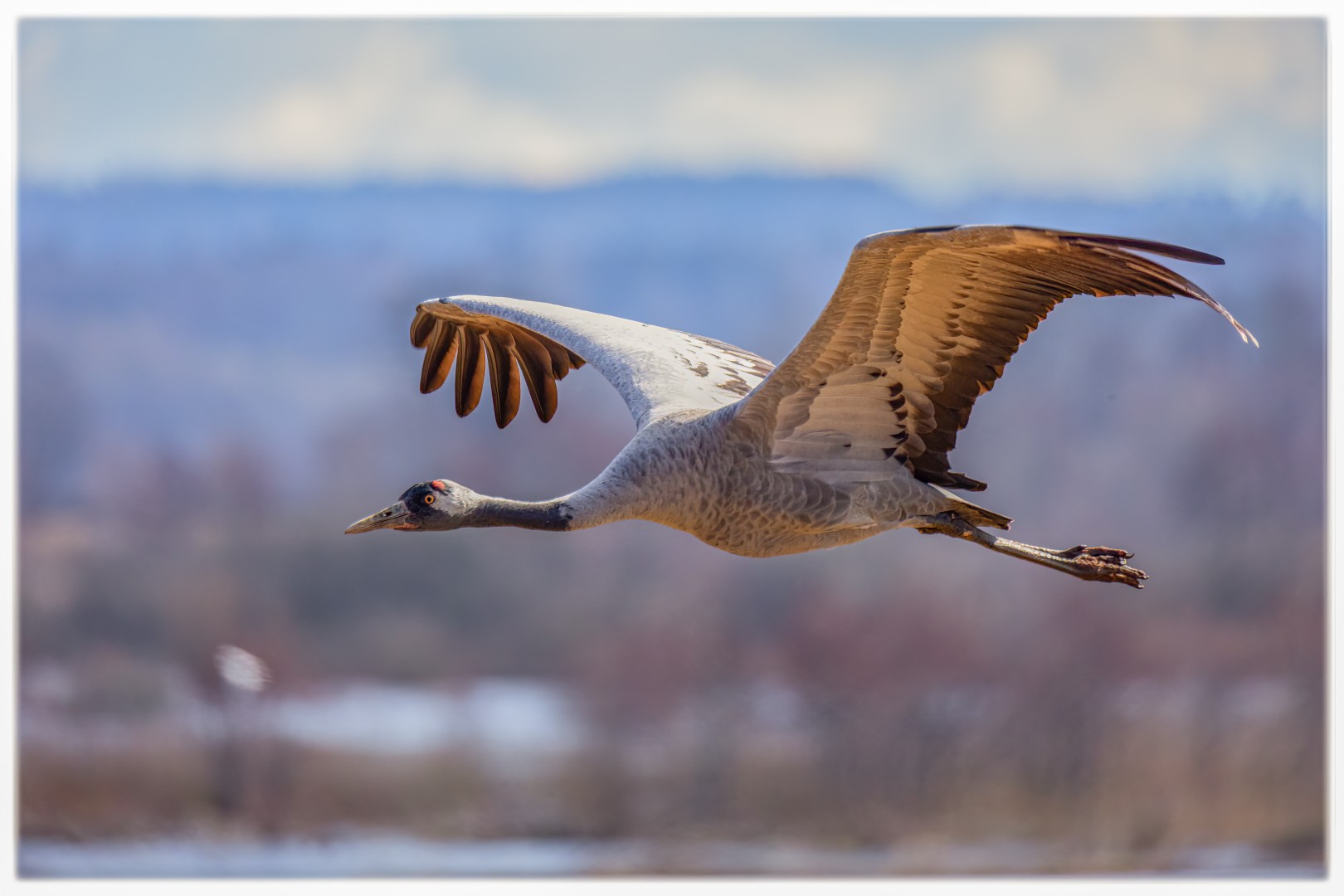
Common crane flying above Hornborgasjön nature reserve
Photo: Tjustorparn · Wikimedia Commons · CC BY-SA 4.0

Västra Götaland

Shallow lake · reeds · grassland

Hornborgasjön

Trandansen, Naturum and Fågeludden

Hornborgasjön is Sweden's best-known bird lake and is especially famous for its dancing cranes. In the last week of March and the first week of April, many thousands of cranes often rest here before continuing north. Outside the peak, the shallow shores, reedbeds and surrounding grasslands attract geese, swans, ducks and birds of prey.

Look for
Common crane, whooper swan, greater white-fronted goose and western marsh harrier.
Plan around
Early morning or evening, daily counts and extra time for parking during crane season.
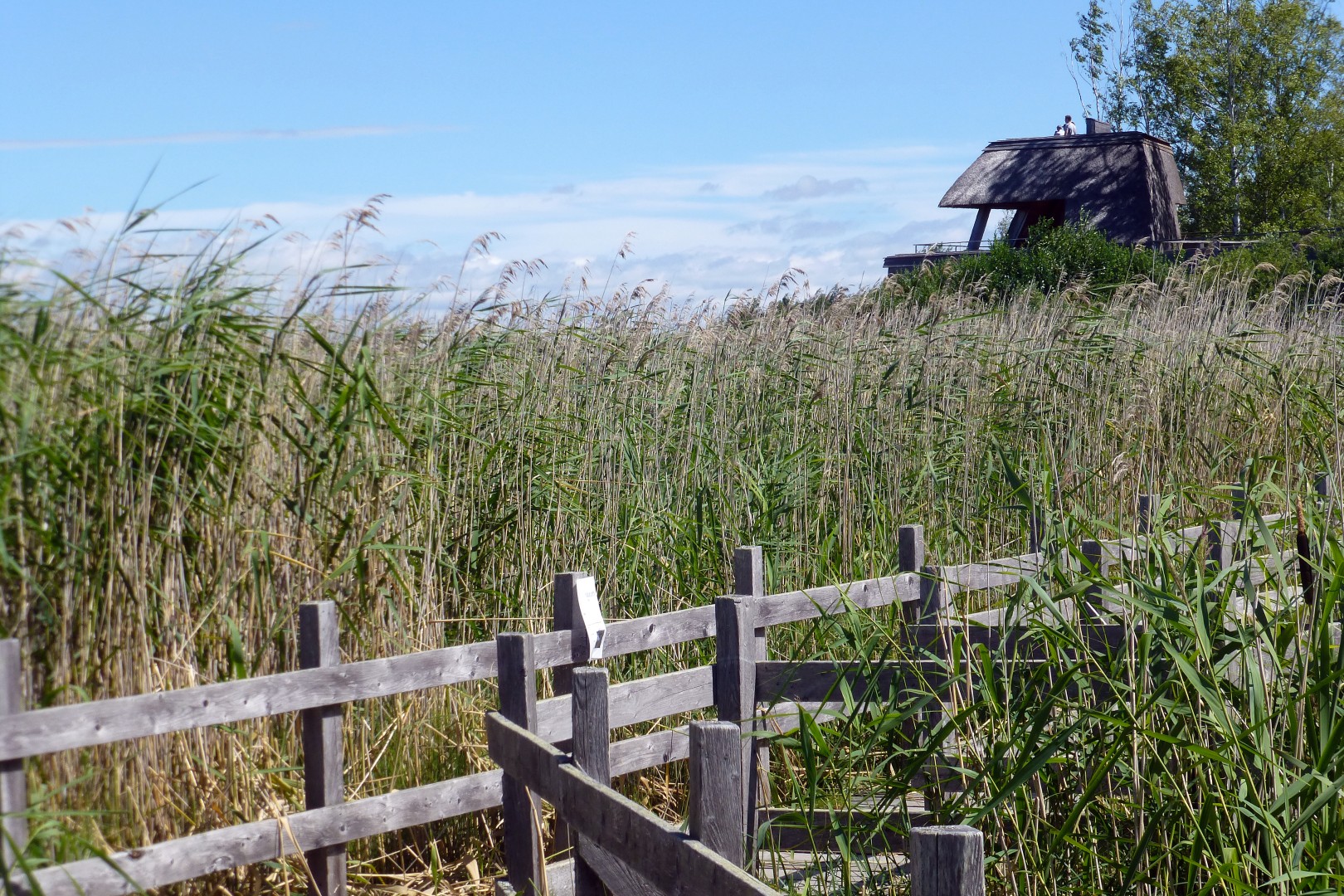
Birdwatching tower and boardwalks at Lake Tåkern
Photo: Nico-dk · Wikimedia Commons · CC BY-SA 3.0

Östergötland

Bird lake · reeds · hay meadows

Tåkern

Glänås, Hov, Svälinge and Väversunda

Tåkern is considered one of northern Europe's most important bird lakes. Around 280 bird species have been recorded, and in September and October the total number of birds can exceed one hundred thousand. Four visitor sites, hides and boardwalks make the area suitable for beginners and experienced birders alike.

Look for
Great bittern, bearded reedling, spotted crake, Eurasian wigeon and waders.
Plan around
Autumn for large numbers, and check access rules during the breeding season.
Coastal meadows and wetlands at Getterön nature reserve near Varberg
Photo: Wolfgangus Mozart · Wikimedia Commons · CC BY-SA 3.0

Halland, Varberg

Coastal meadow · lagoon · reeds

Getterön

Getterön nature reserve and Naturum Getterön

Just outside Varberg lies one of the easiest top birding sites on Sweden's west coast. Getterön has reedbeds, shallow pools, coastal meadows and several hides. According to the site manager, around 170 bird species rest or breed here each year. Naturum's panoramic windows are a useful starting point in changeable weather.

Look for
Avocet, bearded reedling, white-tailed eagle, peregrine falcon and black tern.
Plan around
Spring and autumn for waders, geese and migrants; stay on paths and near the hides.
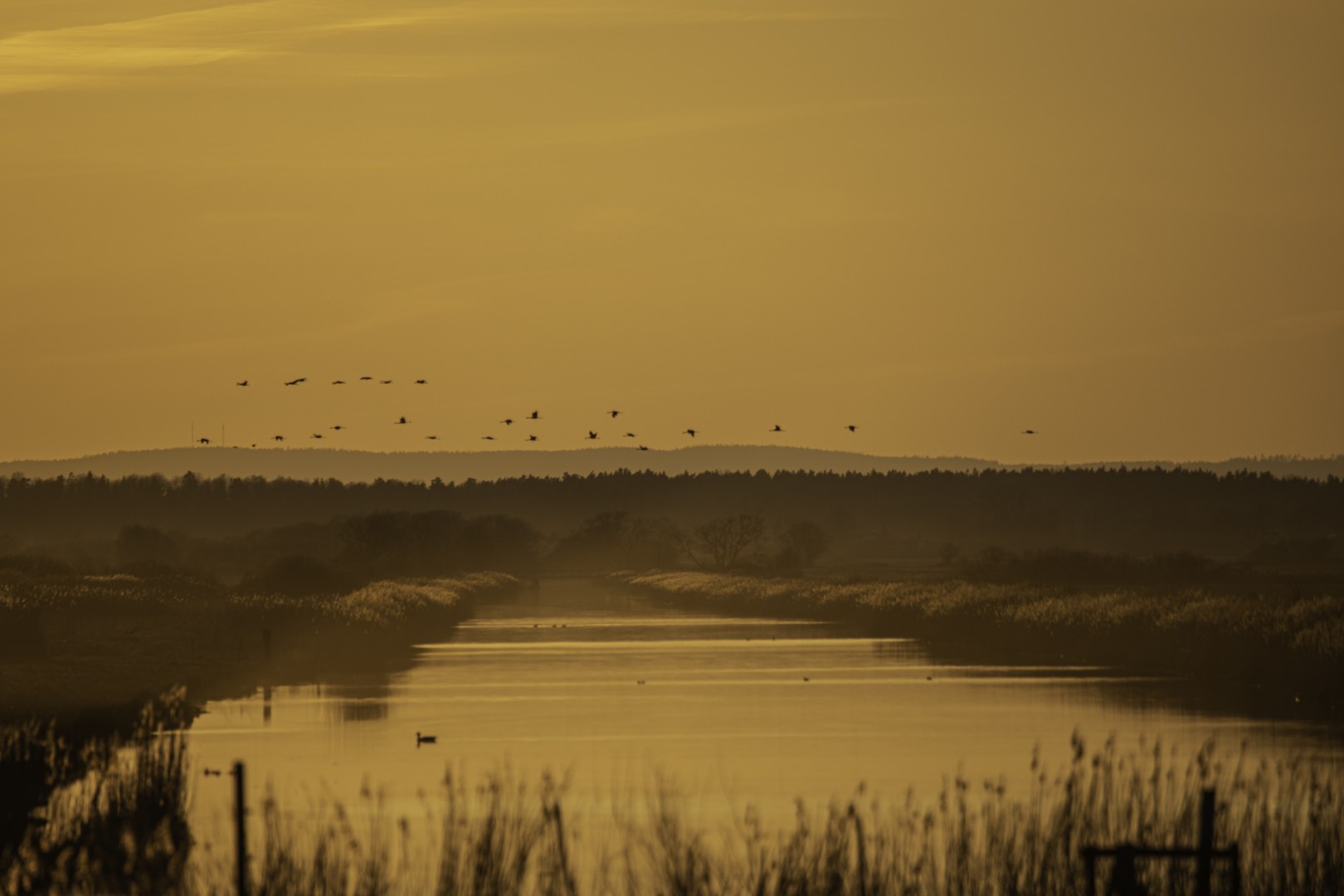
Kvismare canal in the evening with birds flying to their roost
Photo: Pernilla Frimodig · Wikimedia Commons · CC BY-SA 4.0

Örebro County

Wetland lake · reeds · grassland

Kvismaren

Öby kulle, Rysjön and Fågelsjön

Kvismaren is a restored wetland with shallow lakes, reedbeds and grazed shores. Around 200 bird species are recorded here each year. At dusk, geese and cranes fly to their roosts, while the bird towers at Rysjön and Fågelsjön provide a broad view across the area.

Look for
Common crane, geese, great bittern, bearded reedling and bluethroat.
Plan around
Spring and autumn; respect the quiet-zone rules from 1 March to 15 November outside marked routes.
View over shallow Lake Hjälstaviken in Uppland
Photo: Hanserfaust · Wikimedia Commons · public domain

Uppland, between Enköping and Uppsala

Reed lake · coastal meadow · deciduous woodland

Hjälstaviken

Hårby, Jungfrulunden, the hide and Kvarnberget

Hjälstaviken is one of the best bird lakes in central Sweden. The shallow, reed-filled lake lies in an old cultural landscape of wet meadows and deciduous woodland. From the tower at Hårby, the hide at Jungfrulunden and the viewpoint on Kvarnberget, one visit can cover several bird groups.

Look for
Great bittern, whooper swan, western marsh harrier, black-tailed godwit and bluethroat.
Plan around
April and May for spring migration; restrictions apply in parts of the wetland from 1 April to 15 August.
Open mountain landscape in Abisko National Park in Swedish Lapland
Photo: Ffsv01 · Wikimedia Commons · CC BY-SA 4.0

Norrbotten mountains, Swedish Lapland

Fjäll · birch woodland · Torneträsk

Abisko National Park

Naturum Abisko, Abiskojåkka and the Kungsleden

Abisko is the most accessible choice for combining Arctic birds with mountain scenery. Around Naturum, birch woodland, stream valleys and open slopes, you can see plenty of activity during the short summer. Long days allow early and late outings, but lingering snow and rapidly changing weather remain part of the experience.

Look for
Bluethroat, dotterel, ring ouzel, snow bunting and golden eagle.
Plan around
June and July, with sturdy walking shoes, layered clothing and a check of park regulations.

Popular birds of Sweden

Five special Swedish birds and where to see them

From the impressive common crane and white-tailed eagle to the Arctic bluethroat, secretive capercaillie and striking black woodpecker, these are five species that make a birding trip through Sweden especially memorable. Find out where to look for them and which habitat each species prefers.

  1. Common crane flying above Hornborgasjön in Sweden
    Photo: Tjustorparn, Wikimedia Commons, CC BY-SA 4.0

    Common crane

    The common crane is the sound of Swedish spring. Its powerful call, broad wings and graceful display make it one of the main reasons to visit Sweden in March or April. Large groups are often easy to see from official viewpoints.

    Where can you see cranes in Sweden?

    • Hornborgasjön · Trandansen is the best-known site, especially during the last week of March and first week of April
    • Kvismaren · cranes stop to rest and roost in the wetland during spring and autumn
    • Umeälven delta · large groups may gather with geese and swans in late April
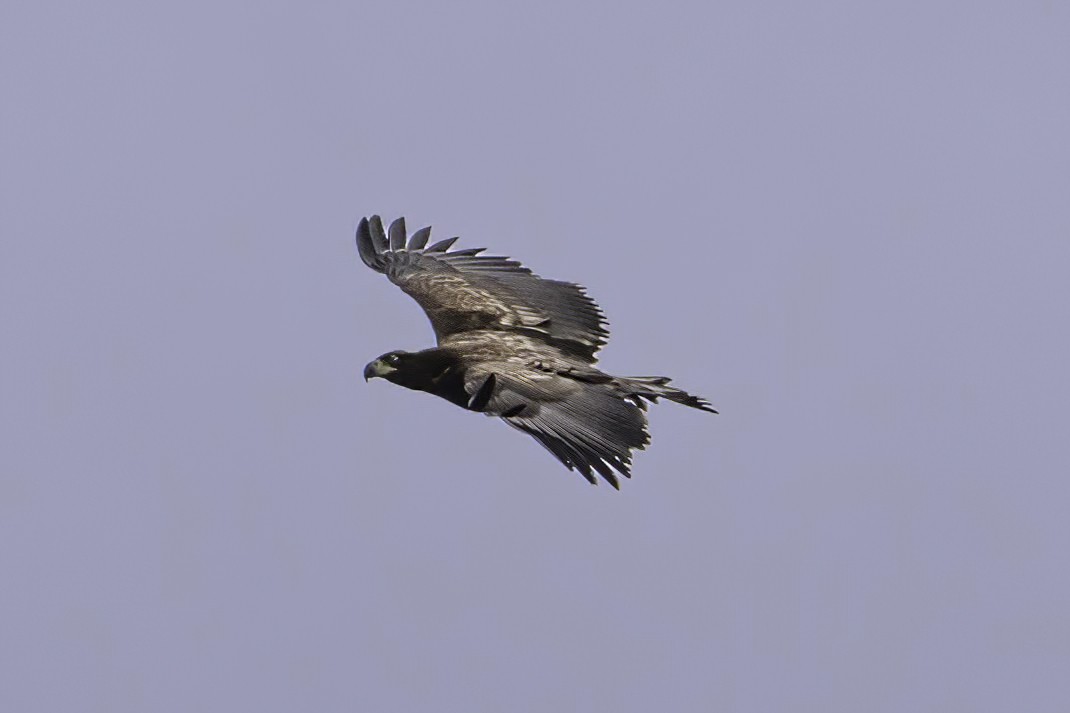
  2. White-tailed eagle flying above Bogesund near Vaxholm in Sweden
    Photo: Bengt Nyman, Wikimedia Commons, CC BY-SA 2.0

    White-tailed eagle

    The white-tailed eagle is the impressive raptor of Sweden's coast, large lakes and archipelagos. Adults stand out with their broad wings and white tail. Do not only scan the sky, but also watch groups of waterbirds that suddenly take flight.

    Where can you see white-tailed eagles in Sweden?

    • Stockholm archipelago · skerries, islands and open water offer opportunities all year
    • Getterön · the coastal wetlands near Varberg regularly attract white-tailed eagles
    • Gammelstadsviken and Luleå · scan the delta, coastal meadows and ice-free water in Norrbotten
    • Hjälstaviken · follow the species above the wetland from Kvarnberget and the tower
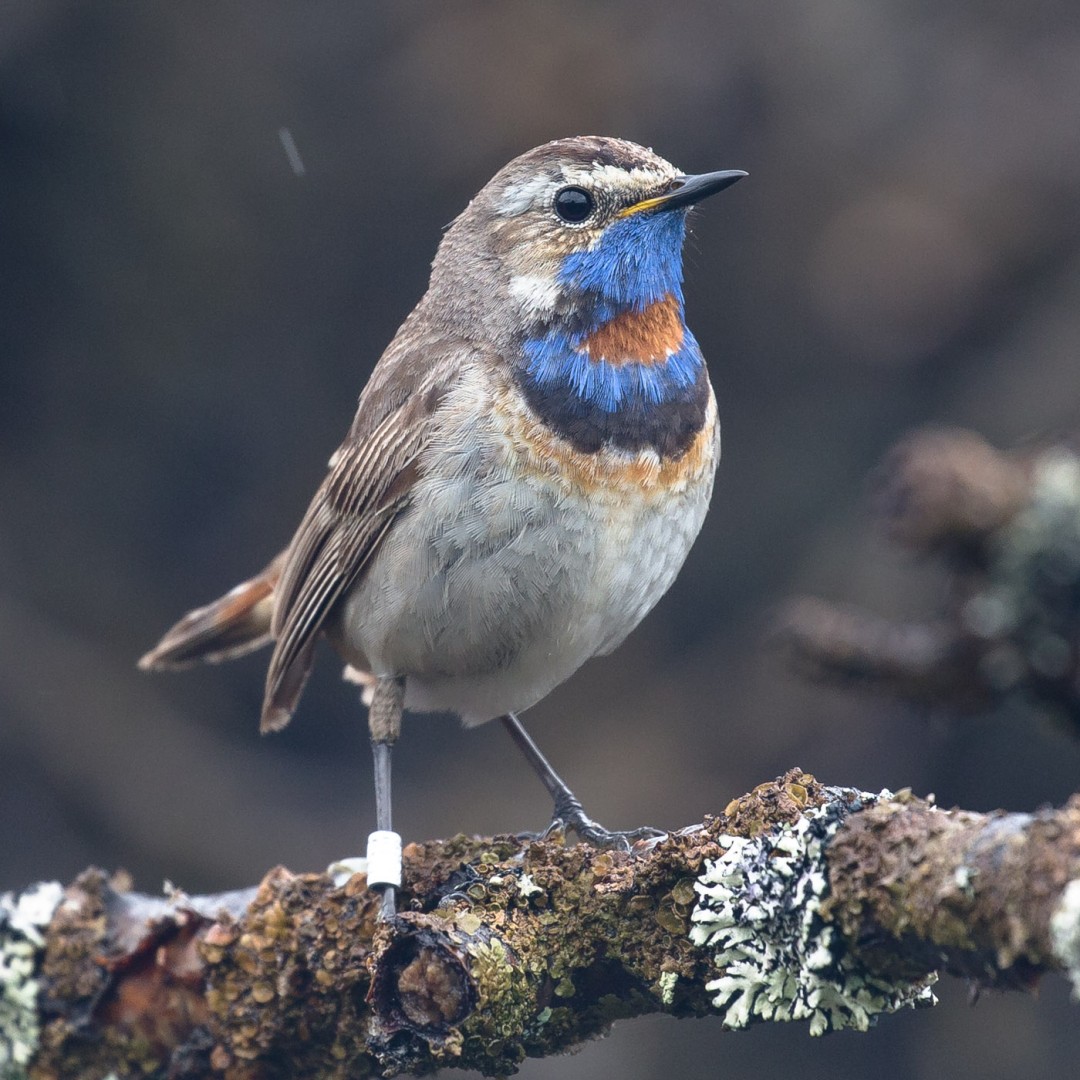
  3. Bluethroat with a blue throat in Sweden
    Photo: Ragnhild & Neil Crawford, Wikimedia Commons, CC BY-SA 2.0

    Bluethroat

    The bluethroat is one of northern Sweden's most loved songbirds. The male often appears briefly above a willow or reed stem, revealing its bright blue throat. In wetlands and birch woodland, getting out early is usually the best strategy.

    Where can you see bluethroats in Sweden?

    • Abisko · search low birch, stream valleys and damp scrub during the Arctic summer
    • Umeälven delta · riverbanks, willows and wet meadows are promising in May and June
    • Tåkern and Getterön · reed edges and scrub also provide suitable habitat in southern Sweden
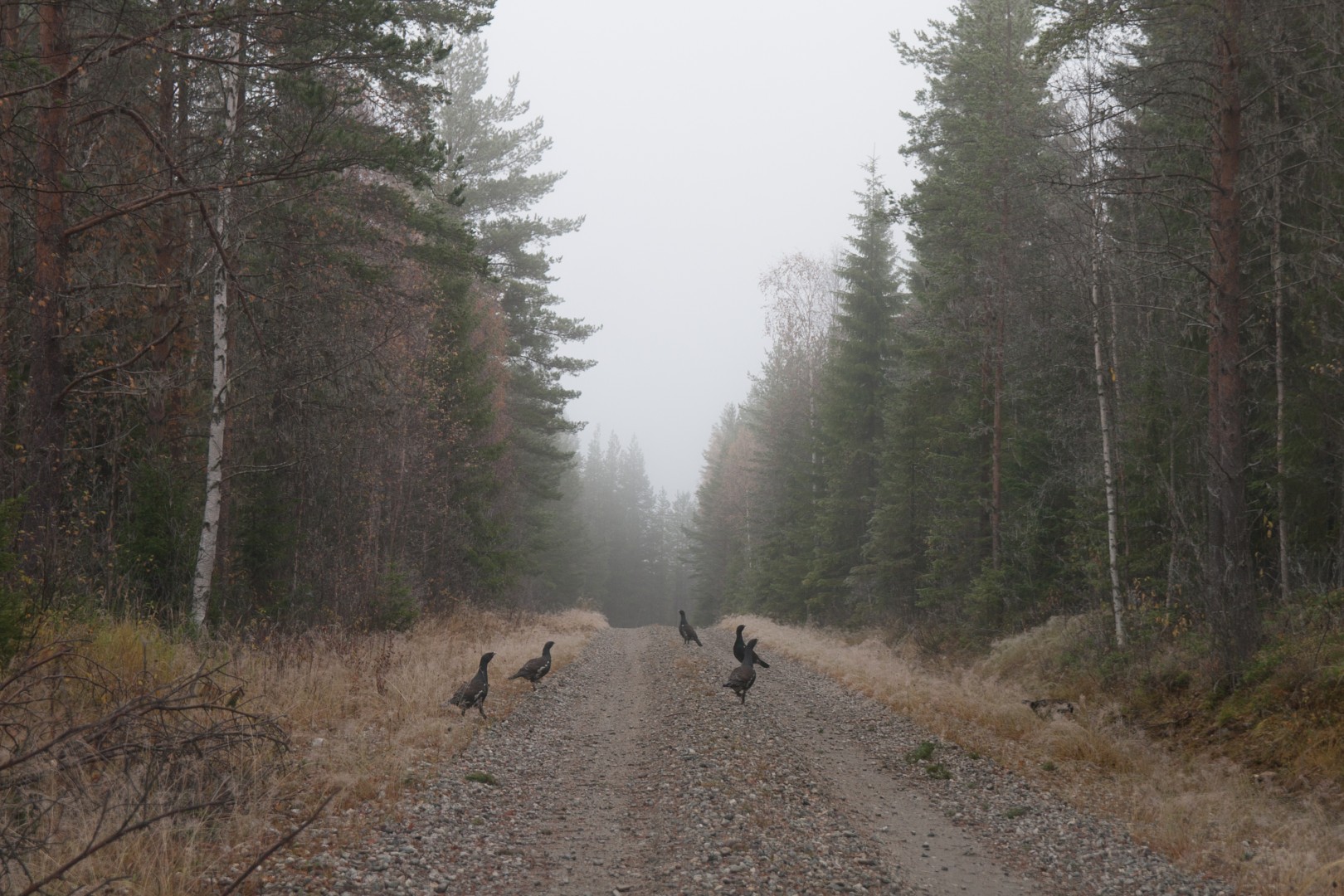
  4. Western capercaillie in a boreal forest in Västernorrland, Sweden
    Photo: caspar s, Wikimedia Commons, CC BY 2.0

    Western capercaillie

    The western capercaillie is one of the most characteristic birds of Sweden's taiga. In spring, males gather at a lek, but finding them requires silence, patience and respect for sensitive locations. Outside the display season, you may also encounter one along a quiet forest road.

    Where can you see capercaillies in Sweden?

    • Västernorrland · extensive coniferous forests and forest tracks provide good habitat
    • Dalarna and Värmland · search old taiga, clearings and forest edges with berry-rich undergrowth
    • Northern Sweden · ask local guides about responsible viewing and never publish exact lek locations
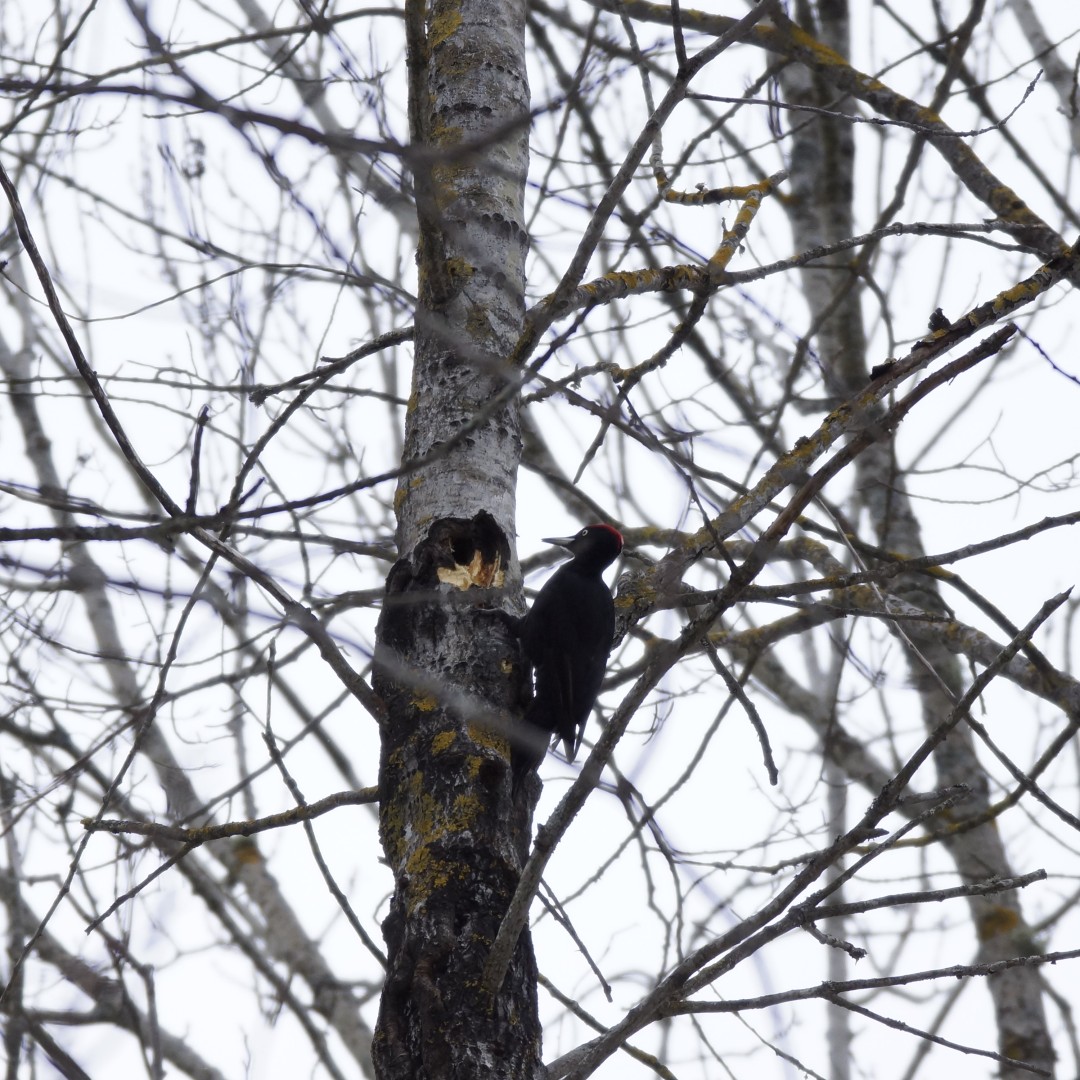
  5. Black woodpecker in a forest in Österåker, Sweden
    Photo: Alexandar Vujadinovic, Wikimedia Commons, CC BY-SA 4.0

    Black woodpecker

    Sweden's largest woodpecker is easy to recognise by its all-black plumage and red crown. Usually, you hear its powerful call or drumming first. Old trees, dead wood and quiet forests matter more than any particular viewing platform.

    Where can you see black woodpeckers in Sweden?

    • Tyresta National Park · accessible from the Stockholm region and rich in old forest
    • Norra Kvill · old spruce, boulders and dead wood in Småland
    • Tiveden and Värmland · listen in the morning along forest edges and quiet trails

Useful tips and information

Practical questions about birdwatching in Sweden

Want to know when to visit Sweden, how to reach the best-known birding sites or which rules apply in nature reserves? Below you will find practical answers about migration, Lapland, bird hides, access and recent sightings.

For the largest numbers of migrants, April and May are strong months in southern and central Sweden. Ottenby, Falsterbo, Hjälstaviken, Tåkern and the Umeälven delta then show a rapid succession of geese, swans, waders and songbirds. For raptor migration, Falsterbo is especially interesting from August to October.

Anyone looking for Arctic breeding birds should travel to Abisko and other parts of Lapland in June or July. In winter, the southern coast, archipelagos and ice-free lakes attract sea ducks, mergansers and white-tailed eagles. Before leaving, check the seasonal information for Öland and the migration data from Falsterbo.

Hornborgasjön is the best-known place to see cranes up close and in large numbers. The peak usually falls in the last week of March or the first week of April, although exact timing varies each spring. At Trandansen, you can watch the birds from official viewpoints without entering the resting area.

Kvismaren, Hjälstaviken and the Umeälven delta are also good choices. Kvismaren is especially interesting for autumn roosts, while cranes may rest with large groups of swans and geese in the Umeälven delta in late April. Check the latest crane information from Naturum Hornborgasjön before you leave.

Falsterbo is one of the best places in Sweden for visible autumn migration, especially for raptors. The southwestern peninsula forms a natural route along the coast. On days with favourable winds, you can watch honey buzzards, common buzzards, sparrowhawks, falcons and other migrants pass over the landscape.

Falsterbo is not the best choice for every species. For broad species diversity during spring and autumn migration, Ottenby and the southern tip of Öland are often stronger. Choose Falsterbo for raptors and visible migration, and combine your visit with the canal, lighthouse and official sites of the Falsterbo Bird Observatory.

For short walks and fixed viewpoints, Getterön, Tåkern and Hjälstaviken are good starting points. Getterön has hides and Naturum overlooking the reserve. Tåkern has several visitor sites with towers and boardwalks. Hjälstaviken has a surfaced route to the tower at Hårby and a well-maintained trail to the hide at Jungfrulunden.

Kvismaren also has several towers and platforms, including sites at Rysjön and Fågelsjön. Always check local rules, as access restrictions may change with the season. Practical information is available from Naturum Getterön, Naturum Tåkern and Länsstyrelsen Uppsala.

Yes. Many of the best-known birding sites are close to a visitor centre, car park, dyke or short walking route. Getterön is just outside Varberg, Tåkern has several easy visitor sites and at Hornborgasjön you can watch cranes from Trandansen. Ottenby is also easy to visit without a long walk, although combining several sites at the southern tip is worthwhile.

For a day with several types of birds, Hjälstaviken and Kvismaren work well because you can combine a tower, reedbed and open water. Hiking is still needed for mountain birds, but accessible routes also start near Naturum Abisko. Check parking, opening hours, surfaces and temporary closures for each site in advance.

Abisko National Park is the best-known and most accessible place for birdwatching in Swedish Lapland. The combination of birch woodland, wetlands, stream valleys, Torneträsk and open mountain slopes produces species such as bluethroat, ring ouzel, dotterel, snow bunting and golden eagle in June and July.

For wetlands and spring migration, the Umeälven delta, the coast around Luleå and Gammelstadsviken are interesting. In the mountains, be prepared for rapidly changing weather, lingering snow and local park regulations. Start with the official information from Abisko National Park and allow extra time to travel between habitats.

Sweden's right of public access gives people considerable freedom to enjoy nature, but that freedom is not unlimited. Nature reserves, national parks and bird protection areas may have their own regulations. During the breeding season, reedbeds, islands, colonies and sensitive shores may be temporarily closed.

All wild birds are protected. Stay on marked paths, keep your distance from nests and roosts, and leave a hide if birds become visibly disturbed. Check the manager's rules before you leave and read the information from Naturvårdsverket on protected areas and the Swedish national parks.

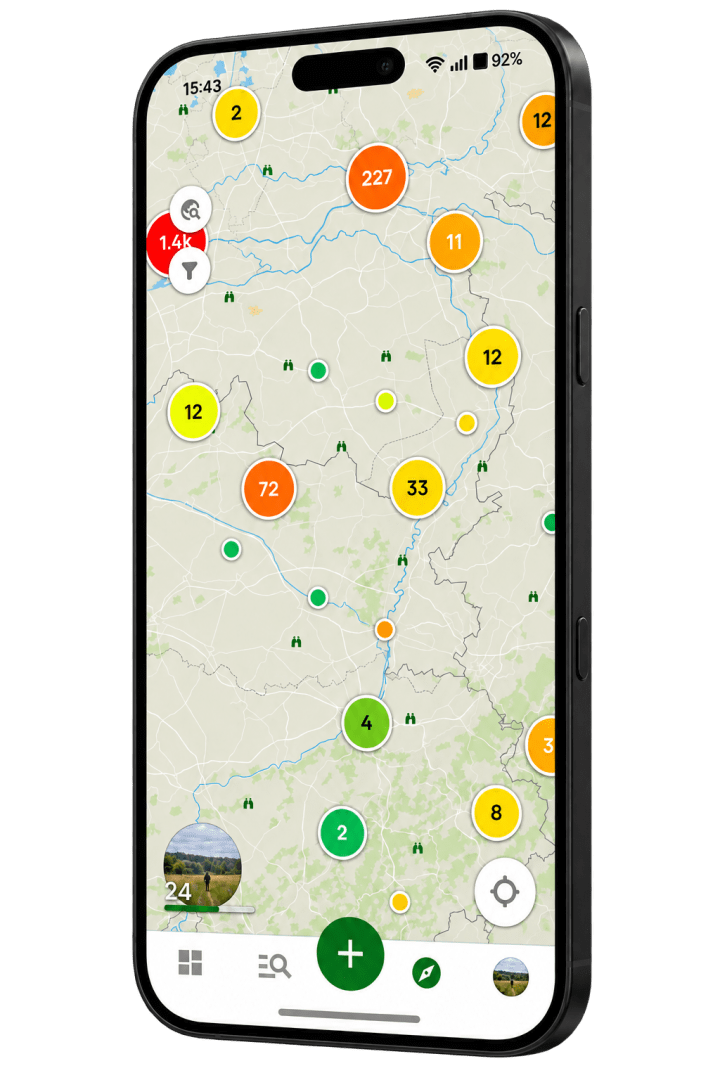
In FaunaMap, you can find recent bird sightings in Sweden on an interactive map. Search for birding locations and hotspots before your trip, see which species have historically been expected at a site and keep track of your own sightings and life list while travelling.

This is especially useful in a country as large as Sweden, where a difference of just a few dozen kilometres can mean a completely different habitat. Open FaunaMap before travelling to Ottenby, Falsterbo, Tåkern, Hornborgasjön or Abisko and adjust your route based on recent activity and the species you want to see.

View recent sightings in FaunaMap

Discover more while birdwatching

  • See recent bird sightingsSee which birds have recently been spotted near you.
  • Explore biodiverse nature areasFind the best places to spot birds and other wildlife.
  • Find sightings by speciesQuickly find sightings of the bird species you want to see.