Ecuador · national bird · Andes

The Andean Condor: Ecuador's National Bird

Meet the Andean Condor, an impressive sight soaring above the Ecuadorian Andes. Find out where to look for this iconic species in páramo, mountain passes and other birding areas. With FaunaMap, you can view expected bird species by location, discover new birdwatching spots and keep track of your sightings while travelling.

  • Explore birding areas in the Andes
  • See expected bird species by location
  • Keep your sightings organised
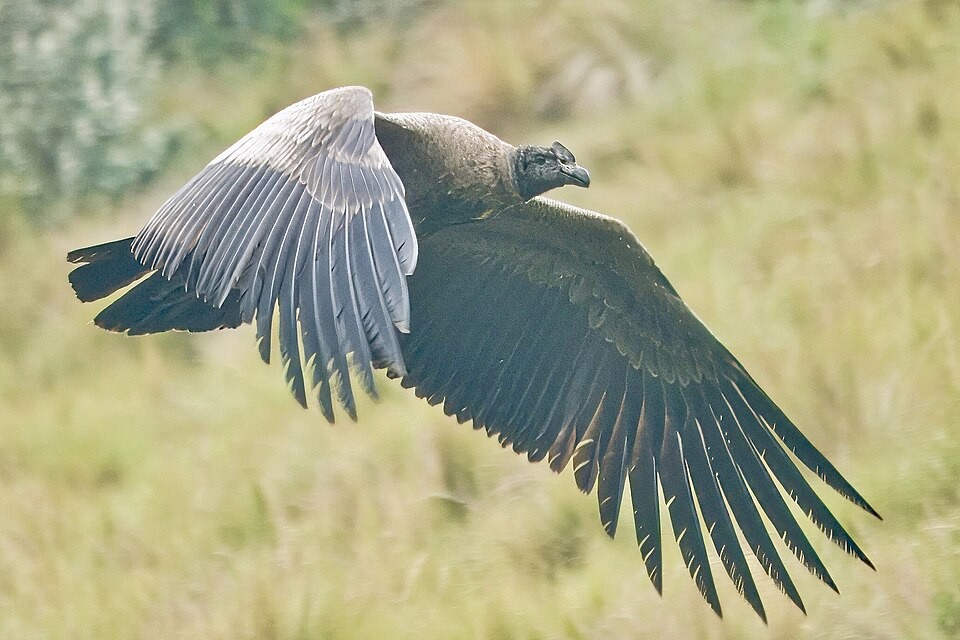
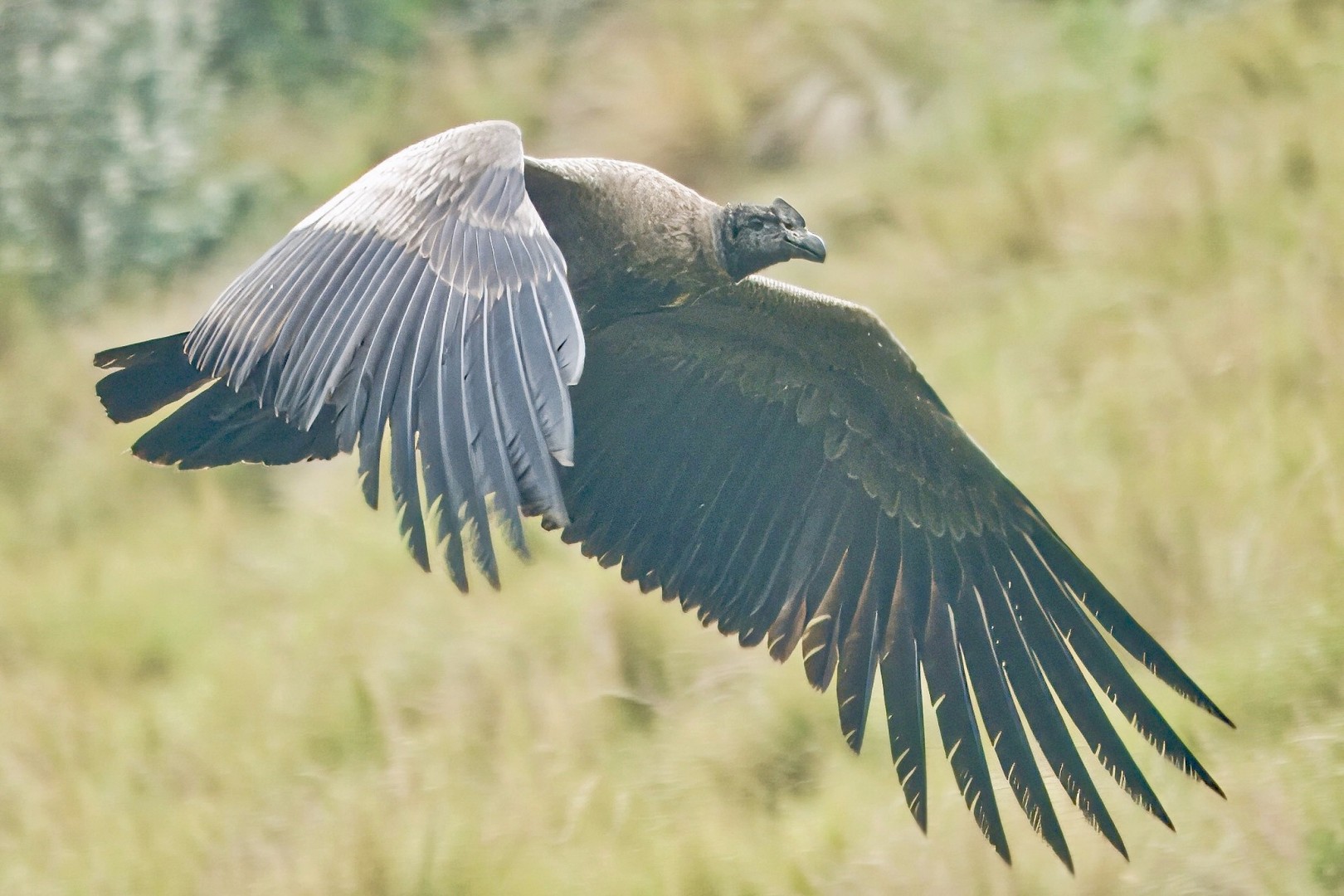
Andean Condor flying in Pichincha, Ecuador
National bird of EcuadorThe Andean Condor
Photo: Bill Levine · Wikimedia Commons · CC BY 4.0.

Why go birdwatching in Ecuador?

Four birding worlds in one trip, from Chocó to Galápagos

Ecuador is an exceptional birdwatching destination for anyone who wants to see many species without spending weeks travelling across one huge country. The western Chocó Andes, high páramo, eastern mountain slopes, Amazon rainforest and Galápagos Islands each support their own bird communities. A birding trip through Ecuador can therefore include hummingbirds and toucans in cloud forest, Andean Condors above volcanic highlands and Hoatzins along Amazonian rivers.

The Andes run from north to south through the country, creating a rapid succession of climate zones. Around Quito, lowland Chocó forest, montane cloud forest, páramo and the eastern slopes leading towards the Amazon are all within relatively easy reach. This makes Quito a practical base for birders who want to combine different habitats independently. Mindo is an accessible introduction to Ecuadorian birding, while Antisana and Papallacta add highland species.

For a more complete birding trip, southern Ecuador, the Manabí coast and the Amazon are also worth considering. Yasuní and Cuyabeno require more planning because of boat transfers and lodge transport. Galápagos is a separate destination with its own entry requirements, but it adds species found nowhere else in the world. FaunaMap helps you compare locations with recent sightings, birding spots, hotspots and expected species based on historical data.

Landscapes and biodiversity

The main bird habitats in Ecuador

If you want to go birdwatching in Ecuador with specific species in mind, start by choosing the right habitat. The transition from coast to Andes and from western to eastern slopes brings a different mix of birds each time. Together, these six habitat types form the foundation of a birding trip through Ecuador, with every landscape offering its own combination of birds, altitude, climate and accessibility.

Isla de la Plata off the Manabí coast in Machalilla National Park, Ecuador
Francesco Bailo · Wikimedia Commons · CC BY-SA 3.0

Pacific coast, estuaries and dry forest

The Manabí coast and Guayas region combine seasonal dry forest, mangroves, tidal waters and offshore islands. In Machalilla and on Isla de la Plata, you can look for Tumbesian forest birds as well as seabirds above rocky cliffs. During the wet months, the dry forest turns green; in the drier season, trails and open coastal landscapes are often easier to scan.

Typical species

  • Blue-footed Booby
  • Red-billed Tropicbird
  • Magnificent Frigatebird
  • Ecuadorian Mockingbird
  • Peruvian Pelican
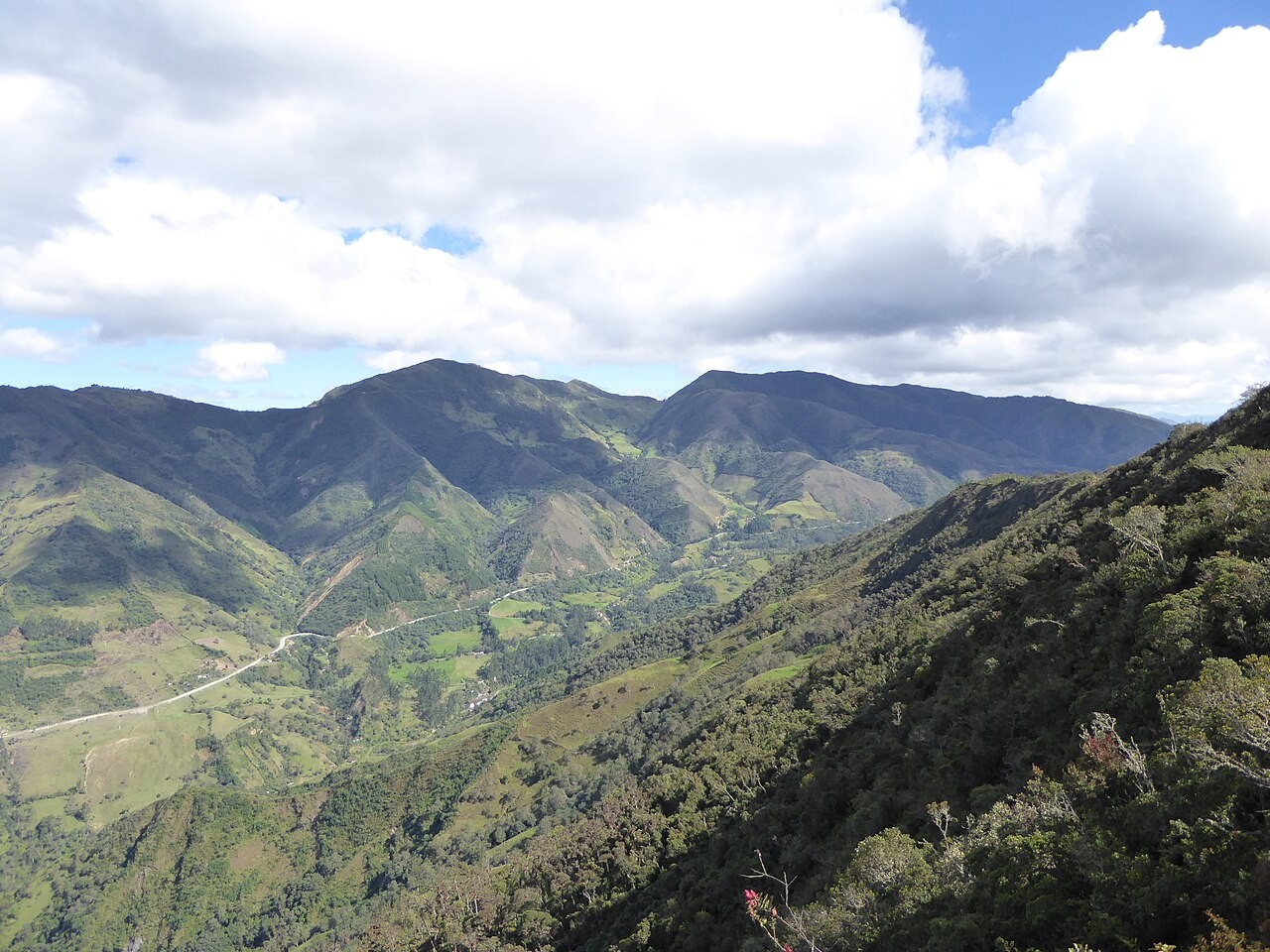
Cloud forest near Mindo in the Chocó-Andino region of Ecuador
Ayacop · Wikimedia Commons · public domain

Chocó-Andino cloud forest

The cloud forest around Mindo, Tandayapa and Mashpi is Ecuador's best-known birding landscape. Bromeliads, orchids, vines and fruiting trees provide food for a long list of hummingbirds, tanagers and toucans. The combination of reserves, lodges, feeding stations and trails makes this an excellent region for both beginners and experienced birders.

Typical species

  • Andean Cock-of-the-rock
  • Plate-billed Mountain-Toucan
  • Toucan Barbet
  • Violet-tailed Sylph
  • Golden-headed Quetzal
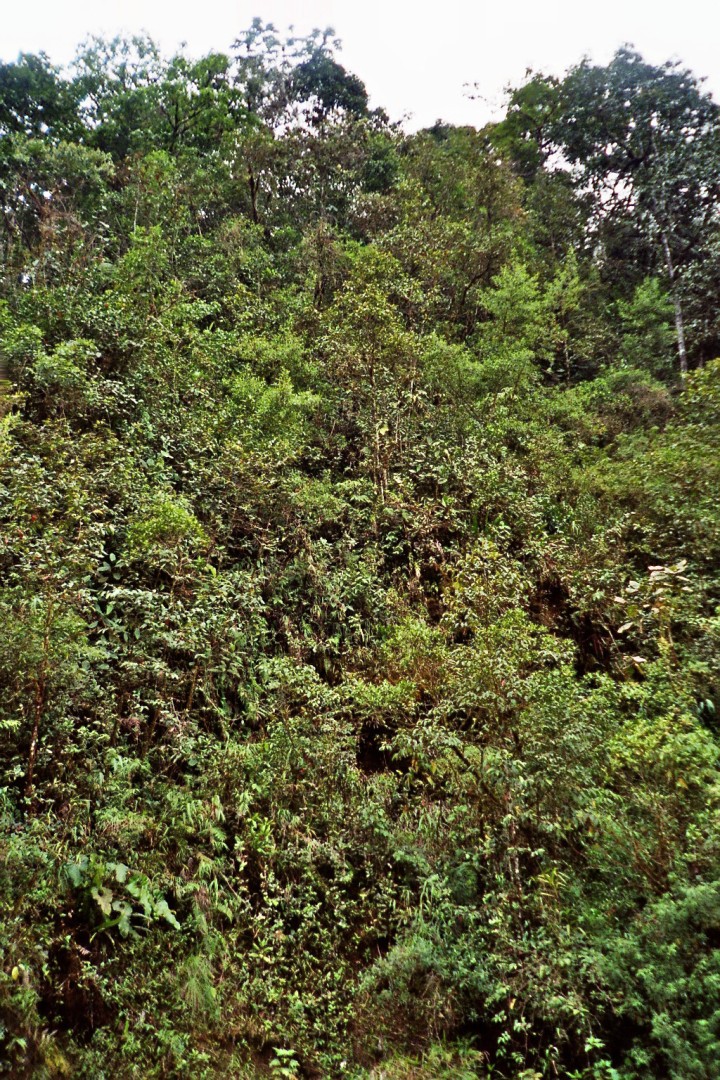
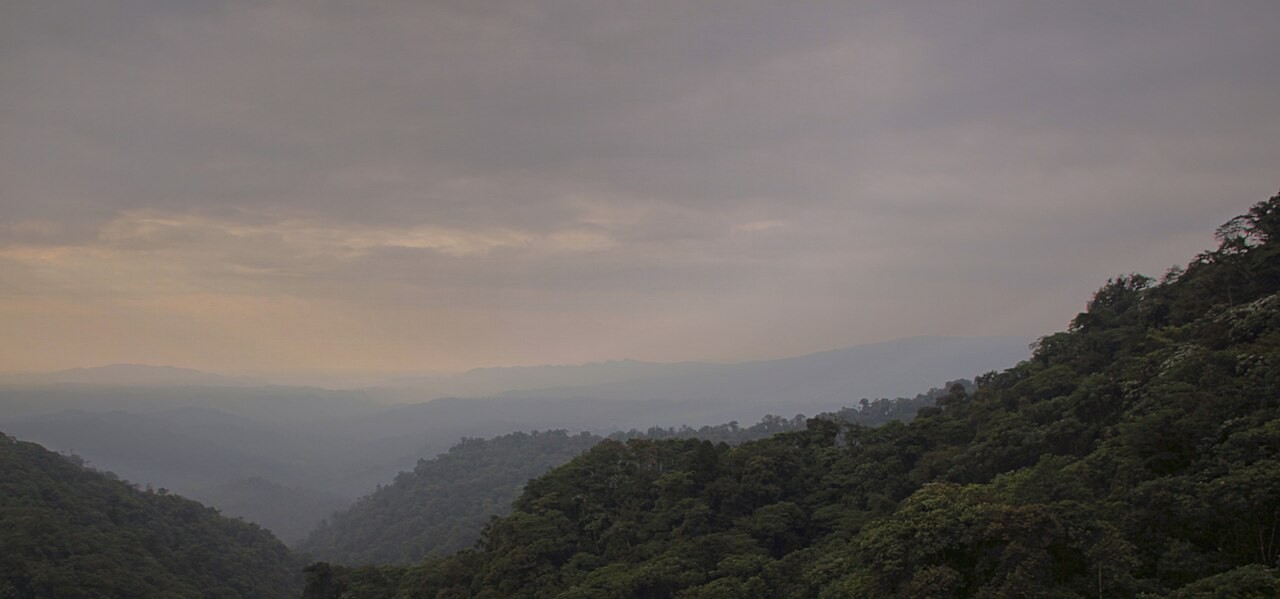
Montane cloud forest in Podocarpus National Park in southern Ecuador
Arabsalam · Wikimedia Commons · CC BY-SA 4.0

Andean forests and eastern mountain slopes

On the eastern side of the Andes, forests shift from cool cloud forest to increasingly tropical woodland. Podocarpus, the area around Loja and routes towards Zamora are ideal for birders who want to explore southern Ecuador as well as the better-known northern destinations. Changes in altitude create great variety, from hummingbirds and tanagers to motmots and elusive forest birds.

Typical species

  • Sword-billed Hummingbird
  • White-bellied Woodstar
  • Andean Motmot
  • Golden-plumed Parakeet
  • Rufous-bellied Nighthawk
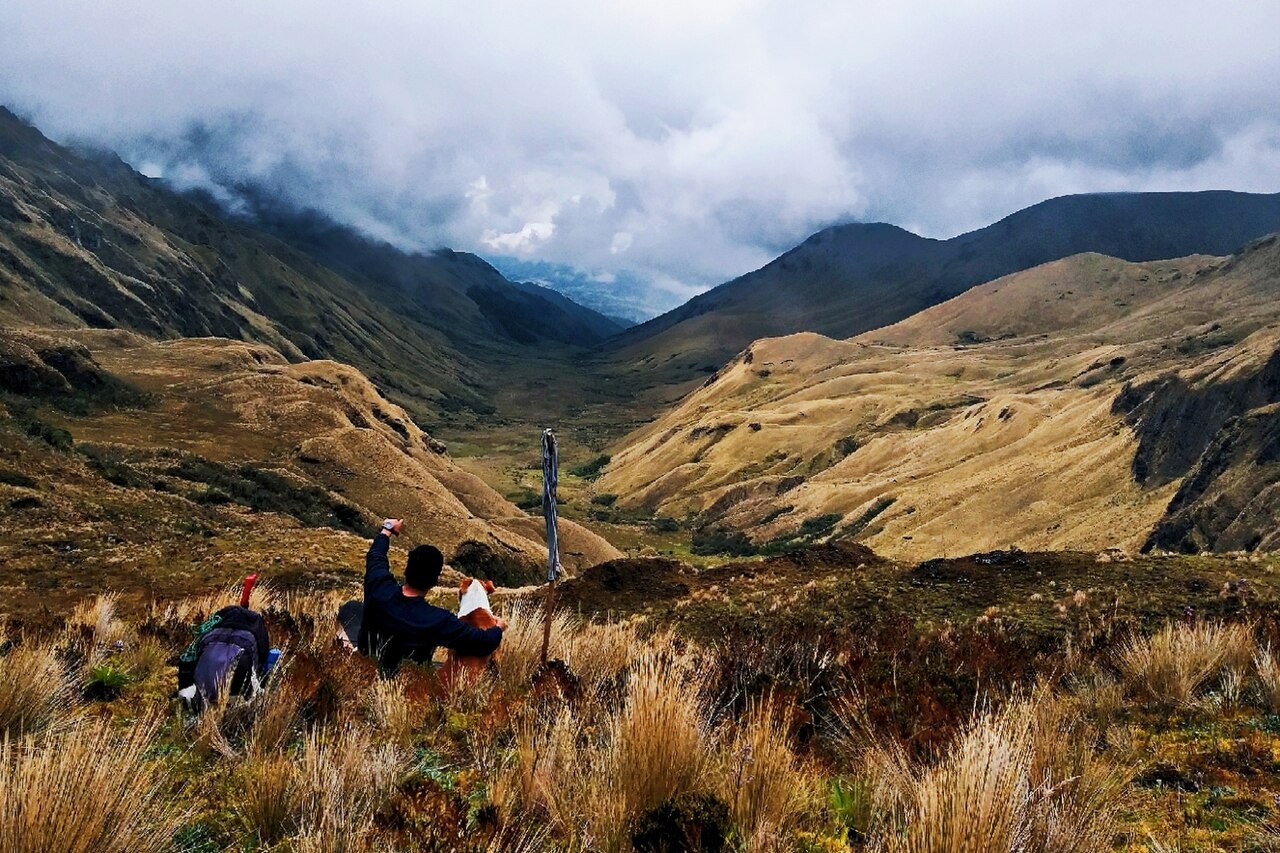
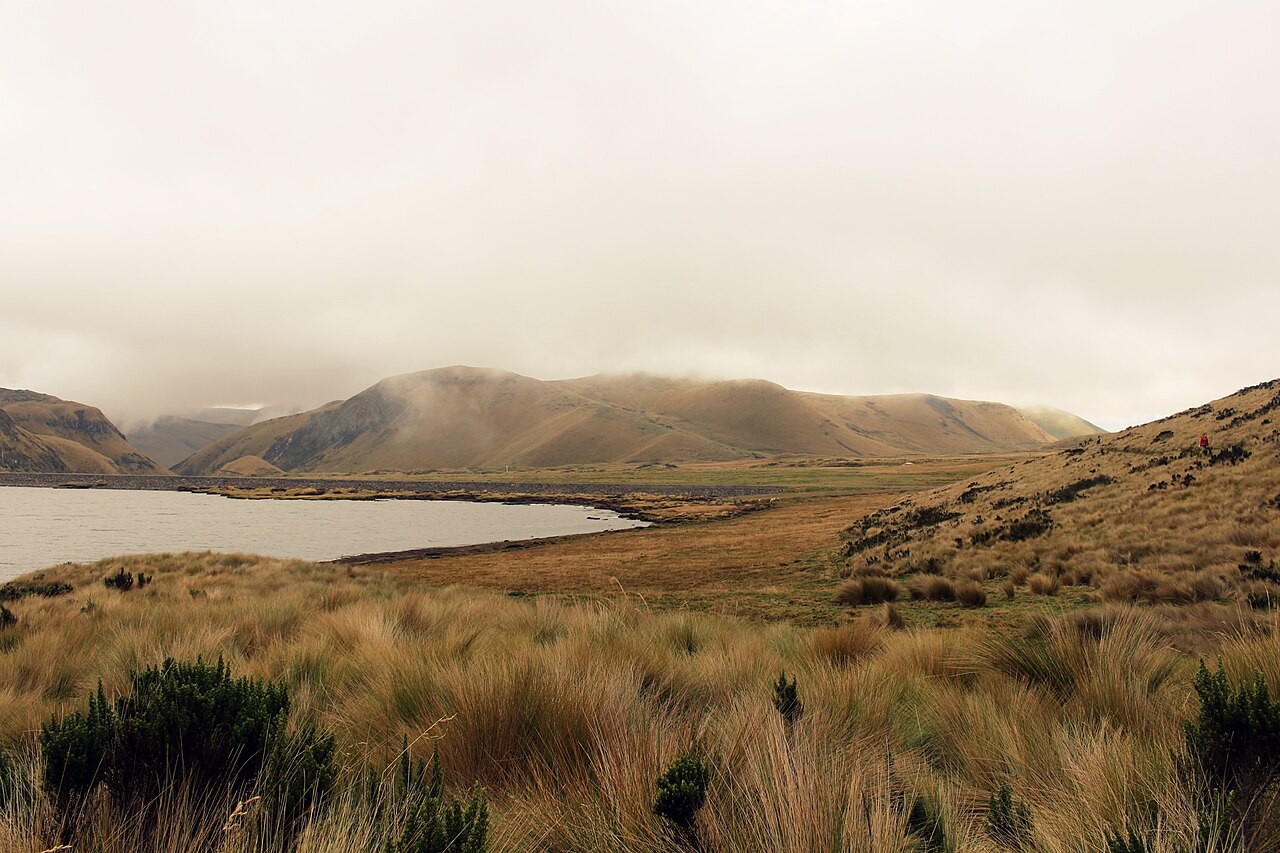
Open páramo landscape in the Ecuadorian Andes
Andrés Guayes · Wikimedia Commons · CC BY-SA 4.0

Páramo and high-altitude lakes

Above the treeline lie cold grasslands, cushion plants, volcanic slopes and mountain lakes. Antisana, Cayambe-Coca, Cotopaxi and Cajas are the best-known places to look for highland birds. The landscape is open, but wind, mist and altitude make early preparation important. Scan rocky edges, lake shores and thermals above the valleys.

Typical species

  • Andean Condor
  • Ecuadorian Hillstar
  • Andean Ibis
  • Andean Lapwing
  • Carunculated Caracara
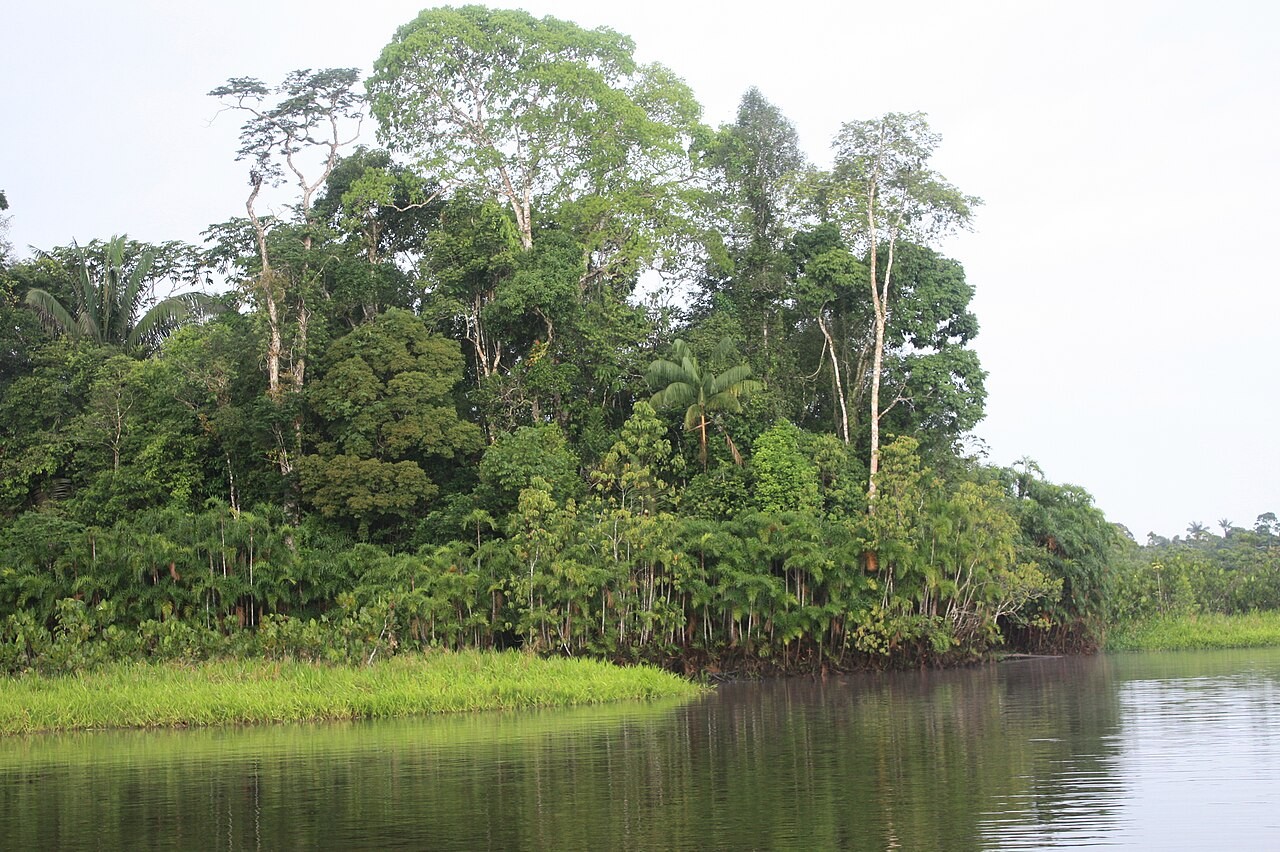
Amazon rainforest in Yasuní National Park, Ecuador
ALAI, Agencia Latinoamericana de Información · Wikimedia Commons · CC BY-SA 4.0

Amazon lowlands, rivers and oxbow lakes

In Yasuní, Cuyabeno and forests along the Napo, you often birdwatch from a canoe, riverbank or lodge trail. Rivers, flooded forest, terra firme and old river channels attract different bird communities. The Amazon is particularly rewarding for large groups of parrots, toucans and kingfishers, as well as species discovered by moving quietly along the riverbanks.

Typical species

  • Hoatzin
  • Blue-and-yellow Macaw
  • Scarlet Macaw
  • Amazon Kingfisher
  • Wattled Curassow
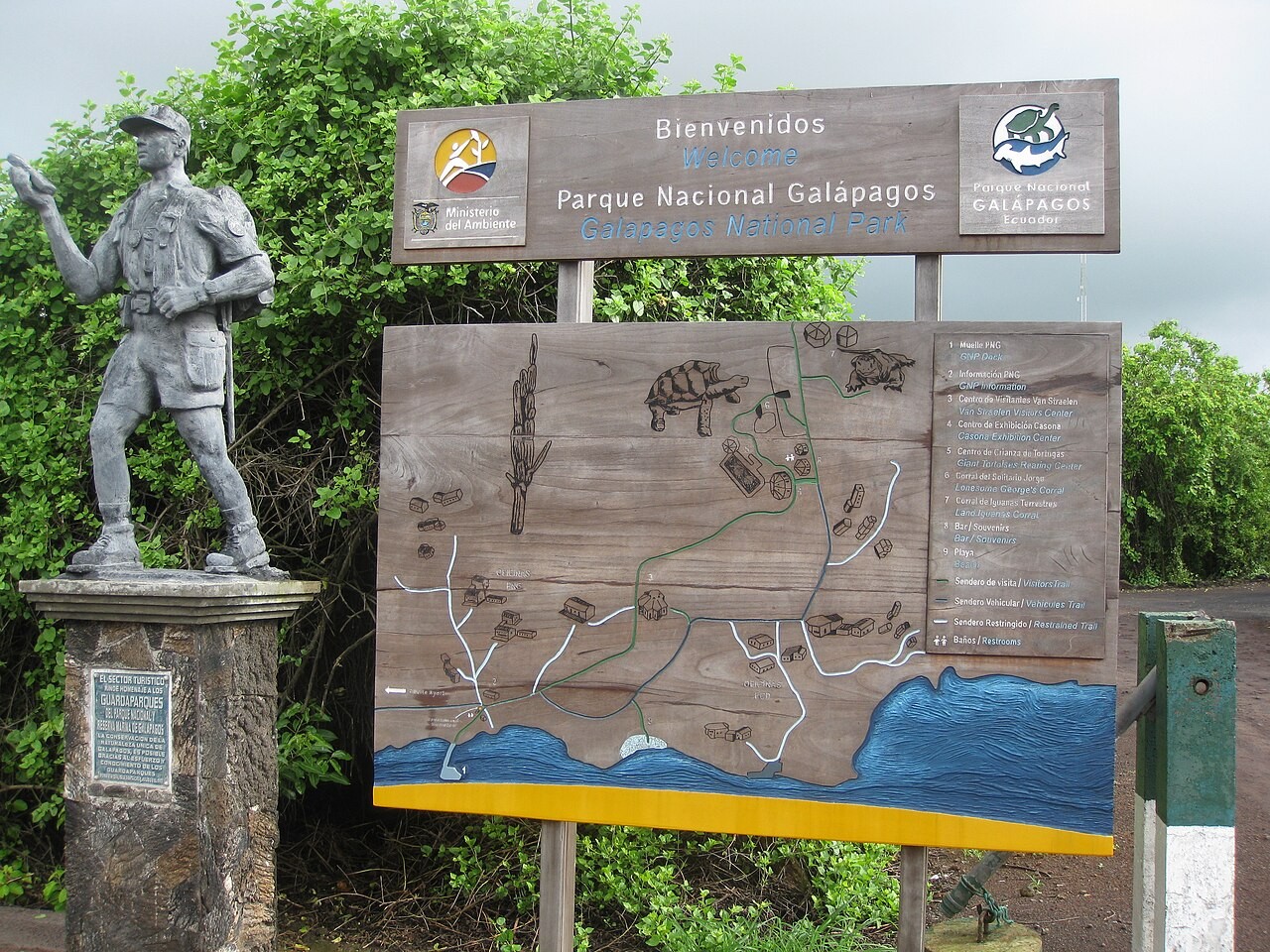
Galápagos National Park landscape with volcanic coast and island vegetation
Linda · Wikimedia Commons · CC BY 2.0

Galápagos: coast, dry zones and highlands

The Galápagos Islands are not an ordinary coastal destination. Lava, mangroves, dry scrub and humid highlands occur side by side on the same islands, and each habitat has its own birds. The archipelago is special for endemic species and tame seabirds, but many sites are regulated and can only be visited with an authorised guide.

Typical species

  • Blue-footed Booby
  • Galápagos Penguin
  • Flightless Cormorant
  • Darwin's Finches
  • Waved Albatross

Birdwatching throughout the year

Ecuador birding calendar: what can you expect each season?

Ecuador does not have four temperate seasons like northern Europe. For a birding trip, the most important factors are rainfall along the Pacific coast, drier months in parts of the Andes and the regional climates of the Amazon and Galápagos. The calendar below therefore uses practical birding seasons while allowing for regional differences.

Wet season westDecember to FebruaryGreen wet seasonMarch to MayDrier on the coastJune to AugustTransition and cloud forestSeptember to November
  1. January

    Wet season west

    Green coastal forest and active wetlands

    The wet season has started on Ecuador's western side. Machalilla's dry forest becomes greener, while Isla de la Plata remains interesting for Blue-footed Boobies, frigatebirds and other seabirds. In Mindo and the Amazon, early mornings are often full of birdsong, hummingbirds and fruit-eating species.

    Recommended placesMachalilla, Isla de la Plata, Mindo and wetlands around Guayaquil.

  2. February

    Wet season west

    Coastal rain and life in the Chocó

    The coast can be warm and wet, but rain brings food and activity to forest edges, rivers and flowering plants. The Chocó-Andino around Mindo and Mashpi remains rich in birds throughout the year. Start walks early, as showers can last longer later in the day.

    Recommended placesMindo-Nambillo, Mashpi-Pachijal, Tandayapa and the Manabí coastal forests.

  3. March

    Green wet season

    Birdsong in the cloud forest

    In Mindo, Tandayapa and the western Andes, wet conditions keep the forest active. Spend the first hours looking for tanagers, toucans, hummingbirds and the distinctive calls of mountain birds. In the Amazon, riverbanks and lagoons are good places to search for Hoatzins and kingfishers.

    Recommended placesMindo, Bellavista, Mashpi, Yasuní and Cuyabeno.

  4. April

    Green wet season

    Cloud forest at its best

    April is a good month for a Chocó-Andes route if you want to combine cloud forest birds and hummingbirds. Conditions are wet, but vegetation is lush and many reserves have feeding stations or sheltered observation points. Check road and trail conditions before visiting high-altitude areas.

    Recommended placesMindo, Tandayapa, Mashpi and the western slopes of Pichincha.

  5. May

    Green wet season

    Green landscapes and plenty of activity

    The transition to a drier period begins in parts of the western Andes, but conditions still vary considerably by region. Mindo remains active with hummingbirds, toucans and tanagers. In Yasuní and Cuyabeno, you can spend several days birding slowly along forest edges, rivers and lagoons.

    Recommended placesMindo, Antisana during stable mornings, Yasuní and Limoncocha.

  6. June

    Drier on the coast

    Drier season for coast and highlands

    Conditions along the Pacific coast often become drier and cooler. This is comfortable for routes through Machalilla and boat trips to Isla de la Plata. In the Andes, early mornings are good for páramo birds, while Mindo remains interesting outside the coastal dry season thanks to its humid climate.

    Recommended placesMachalilla, Isla de la Plata, Antisana, Cajas and Mindo.

  7. July

    Drier on the coast

    Páramo, condors and mountain hummingbirds

    July is attractive for a highland route through Antisana, Papallacta and Cajas. Scan above the páramo for Andean Condors and caracaras, and check the lakes for Andean Ibises, ducks and Andean Gulls. Bring warm, windproof clothing, as sunshine and cold mist can alternate quickly.

    Recommended placesAntisana, Chakana, Cajas, Cayambe-Coca and Papallacta.

  8. August

    Drier on the coast

    Clear mornings in the Andes

    The drier period is practical for walks in open highlands and birding routes around Quito and Cuenca. In the eastern Andes, mountain forests and hummingbird feeders are good additions to páramo. On the coast, Machalilla and Isla de la Plata remain strong choices for seabirds and dry-forest species.

    Recommended placesAntisana, Cajas, Podocarpus, Machalilla and Isla de la Plata.

  9. September

    Transition and cloud forest

    A strong month for Mindo and eastern slopes

    September can be a productive month for birders in the Chocó-Andino, while the eastern Andean slopes follow their own humid rhythm. Look for active hummingbirds, tanagers and toucans during the first hours. In Antisana, condors and highland species still depend on wind and visibility.

    Recommended placesMindo, Mashpi, Yanacocha, Papallacta and Antisana.

  10. October

    Transition and cloud forest

    Cloud forest and Amazonian rivers

    October is a good month to combine a western cloud forest route with a stay in the Amazon. Rain is never completely absent in Ecuador, but early mornings matter more than a perfect forecast. In Yasuní and Cuyabeno, riverbanks, palms and lagoons offer a very different birding experience from the Andes.

    Recommended placesMindo, Tandayapa, Yasuní, Cuyabeno and the Napo.

  11. November

    Transition and cloud forest

    Final dry weeks on the coast and active forests

    November can still be relatively dry on the coast, making Machalilla and Isla de la Plata practical to combine. In Mindo, humid forests and feeding stations remain reliable for a broad species list. Galápagos is entering its cooler period, with garúa in some highlands, but coastal birds remain easy to see.

    Recommended placesMachalilla, Mindo, Galápagos, Antisana and southern Ecuador.

  12. December

    Wet season west

    Start of the wet coastal season

    In December, the Pacific coast begins its transition to warmer and wetter weather. Manabí's dry forest becomes greener, while Mindo and other cloud forest areas remain suitable throughout the year. On the Galápagos Islands, seabirds, lava landscapes and endemic species can be combined with walks and boat excursions.

    Recommended placesMachalilla, Isla de la Plata, Mindo, Santa Cruz and San Cristóbal.

Climate and seasonal patterns: UNFCCC, Climate in Ecuador. Practical seasonal information for Mindo: Mindo Lindo Reserve. Regional information about Galápagos: Ecuador Travel.

Birding areas in Ecuador

The best birding destinations in Ecuador: where can you go birdwatching?

From the cloud forest near Quito to the páramo of Antisana, the Amazon rainforest of Yasuní and the volcanic islands of Galápagos, Ecuador offers an impressive number of birding destinations in a relatively compact country. This selection combines popular areas with rich biodiversity, practical access and clear differences in landscape. That makes it easier to plan a birding trip that delivers more than just a long species list.

Cloud forest near Mindo in Ecuador
Photo: Ayacop · Wikimedia Commons · public domain

Northwest of Quito

Cloud forest · gardens · forest edge

Mindo and Mindo-Nambillo

Ecuador's best-known starting point for birdwatching

For many travellers, Mindo is their first real birding destination in Ecuador. Trails, feeding stations, rivers and forest edges are all close together in the valley and surrounding reserves. The area is known for its exceptional species diversity and is ideal for seeing hummingbirds, toucans, tanagers and forest birds in just a few days, without planning an expedition to the Amazon.

Look for
Andean Cock-of-the-rock, Plate-billed Mountain-Toucan, Toucan Barbet and Violet-tailed Sylph.
Plan around
First light, several short reserve trails and a rain jacket for afternoon showers.
Mashpi cloud forest in the Chocó-Andino region of Ecuador
Photo: Jasmine Nears · Wikimedia Commons · CC BY-SA 2.0

Northwest Pichincha

Lowland forest · Chocó

Mashpi and Pachijal

Lower and wetter Chocó forest northwest of Quito

Mashpi and Pachijal lie lower down and feel more tropical than the Mindo valley. The humid forests and river valleys are interesting for species that are harder to find in higher cloud forest. This region suits birders who want to spend several days in a lodge or reserve and set out early with a local guide who knows the forest roads and reliable observation points.

Look for
Chocó Toucan, Orange-breasted Fruiteater, Velvet-purple Coronet and Chocó Warbler.
Plan around
A stay in or near the reserve, local guidance and enough time for forest roads.
Antisana Volcano and highland landscape in Ecuador
Photo: Miguel Ibáñez · Wikimedia Commons · CC0

Andes southeast of Quito

Páramo · highland lakes

Antisana National Park

Páramo and condor country within reach of Quito

Antisana is one of Ecuador's best areas for highland birdwatching. Around La Mica, Chakana and the route towards Tambo Cóndor, you get wide views across páramo, volcanoes and high-altitude water. The Andean Condor is the main target, but Andean Ibis, Andean Lapwing, caracaras, Andean Gulls and Ecuadorian Hillstar also make a day trip worthwhile.

Look for
Andean Condor, Ecuadorian Hillstar, Andean Ibis and Carunculated Caracara.
Plan around
Altitude, wind, cold and mist. Bring warm layers and use the first hours for the clearest views.
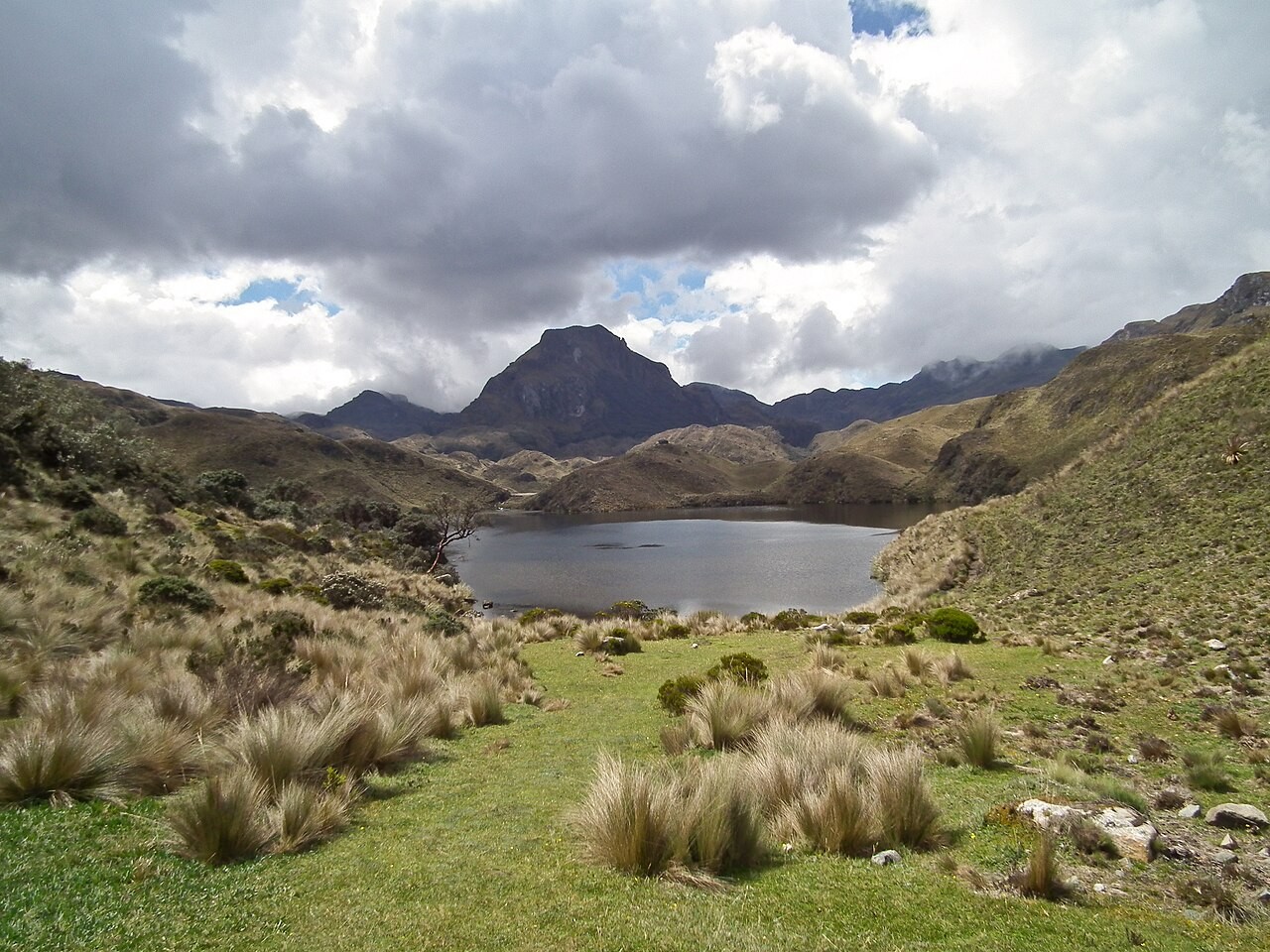
Lake and páramo landscape in El Cajas National Park near Cuenca
Photo: Diegoarielvega · Wikimedia Commons · CC BY-SA 4.0

Azuay, near Cuenca

Páramo · lakes

El Cajas National Park

Highland lakes and mountain birds west of Cuenca

El Cajas is an accessible choice for anyone who wants to go birdwatching from Cuenca in an open Andean landscape. Around the lakes and grasslands, you can find species adapted to cold, wind and high altitude. The area works for short stops at viewpoints as well as longer walks, where you can slowly scan shores, rocky outcrops and low vegetation.

Look for
Andean Gull, Andean Coot, Andean Lapwing, Andean Goose and Ecuadorian Hillstar.
Plan around
Altitude and rapidly changing weather. Start early and bring protection from sun, wind and rain.
Amazon rainforest in Yasuní National Park, Ecuador
Photo: ALAI, Agencia Latinoamericana de Información · Wikimedia Commons · CC BY-SA 4.0

Orellana and Pastaza

Amazon · terra firme · oxbow lakes

Yasuní National Park

One of the strongest destinations for Amazonian birds

Yasuní is the destination for birders who want to make the Amazon a central part of their trip. From lodges and communities along the Napo, Tiputini and other rivers, you explore forest, flooded areas and lagoons by canoe and on foot. The species list is long and varied, but the experience is also about travelling slowly, listening to the forest and observing the same habitat over several days.

Look for
Hoatzin, macaws, toucans, kingfishers, antbirds and Wattled Curassow.
Plan around
Boat transfers, lodge transport and several nights with local guidance.
Cloud forest in Podocarpus National Park in southern Ecuador
Photo: Arabsalam · Wikimedia Commons · CC BY-SA 4.0

Loja and Zamora-Chinchipe

Mountain forest · cloud forest · páramo

Podocarpus National Park

Southern Andes with forest edges and changes in altitude

Podocarpus is an excellent choice for birders who want to explore the southern Andes after visiting Mindo. The Cajanuma sector near Loja and Bombuscaro near Zamora provide access to different altitude zones, from cool cloud forest to warmer woodland. In one region, you can search for hummingbirds, tanagers, motmots, parakeets and more elusive species of the eastern mountain slopes.

Look for
Sword-billed Hummingbird, Golden-plumed Parakeet, Andean Motmot and mountain tanagers.
Plan around
Choose Cajanuma or Bombuscaro in advance, as the entrances are far apart.
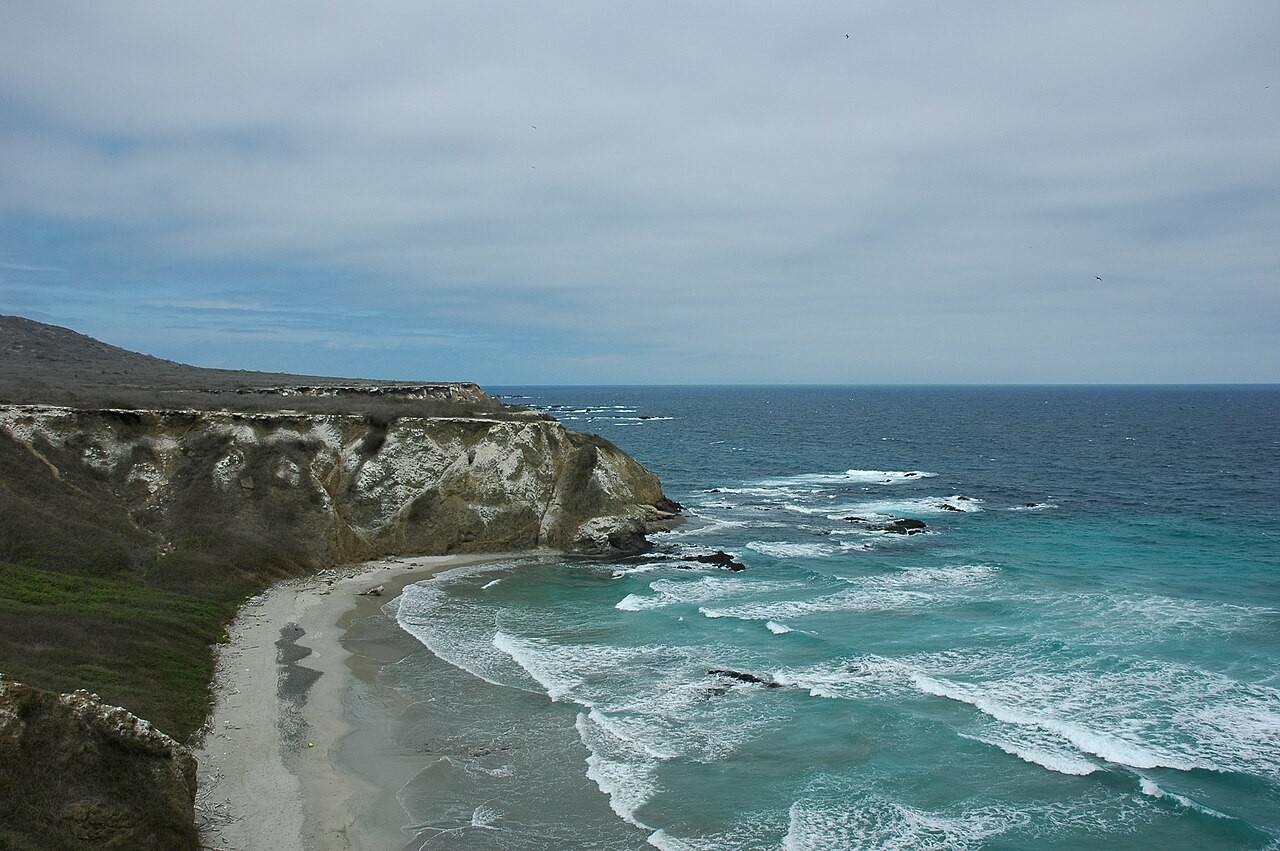
Isla de la Plata off the Manabí coast in Ecuador
Photo: Francesco Bailo · Wikimedia Commons · CC BY-SA 3.0

Manabí, near Puerto López

Dry forest · coastal cliffs · seabirds

Machalilla and Isla de la Plata

Coastal forest and seabirds on one day trip

Machalilla National Park is a varied coastal destination with dry forest, beaches, islands and marine habitats. On Isla de la Plata, open slopes and rocky coastlines offer good chances of seeing Blue-footed Boobies, frigatebirds and tropicbirds. Combine the island with Los Frailes or the dry forest around Puerto López for a wider range of bird species.

Look for
Blue-footed Booby, Red-billed Tropicbird, Magnificent Frigatebird and Peruvian Pelican.
Plan around
Boat trip, park regulations, sun protection and an official local operator for Isla de la Plata.
Volcanic coastal landscape in Galápagos National Park
Photo: Linda · Wikimedia Commons · CC BY 2.0

Galápagos

Island coast · lava · highlands

Galápagos National Park

Endemic birds on volcanic islands

Galápagos is a separate birding world within Ecuador. On and around Santa Cruz, San Cristóbal, Isabela and the surrounding islands, you can observe seabirds and land birds at close range. Species vary by island and many visitor sites are regulated, but that protection makes encounters with Blue-footed Boobies, Darwin's Finches, penguins and Flightless Cormorants especially memorable.

Look for
Blue-footed Booby, Galápagos Penguin, Flightless Cormorant, Darwin's Finches and Waved Albatross.
Plan around
Entry formalities, boat excursions, park regulations and authorised guides.

Popular birds of Ecuador

Five remarkable Ecuadorian birds and where to see them

From the national Andean Condor and bright orange Andean Cock-of-the-rock to the bizarre Hoatzin and iconic Blue-footed Booby, these are five species high on many birders' lists. They represent different landscapes and can realistically be found with a focused route through Ecuador.

  1. Andean Condor in Pichincha, Ecuador
    Photo: Bill Levine · Wikimedia Commons, CC BY 4.0

    Andean Condor

    The Andean Condor is Ecuador's national bird and one of the most impressive species in the Andes. Its broad wings and white neck collar stand out as it circles on thermals above the páramo. A sighting is never guaranteed, but Ecuador has some of the continent's best-known condor locations.

    Where can you see the Andean Condor in Ecuador?

    • Antisana: La Mica, Chakana and the route towards Tambo Cóndor
    • Cayambe-Coca: open páramo and highland slopes on the eastern side of the Andes
    • Cotopaxi and Chimborazo: vast volcanic landscapes where you need to scan high above the páramo
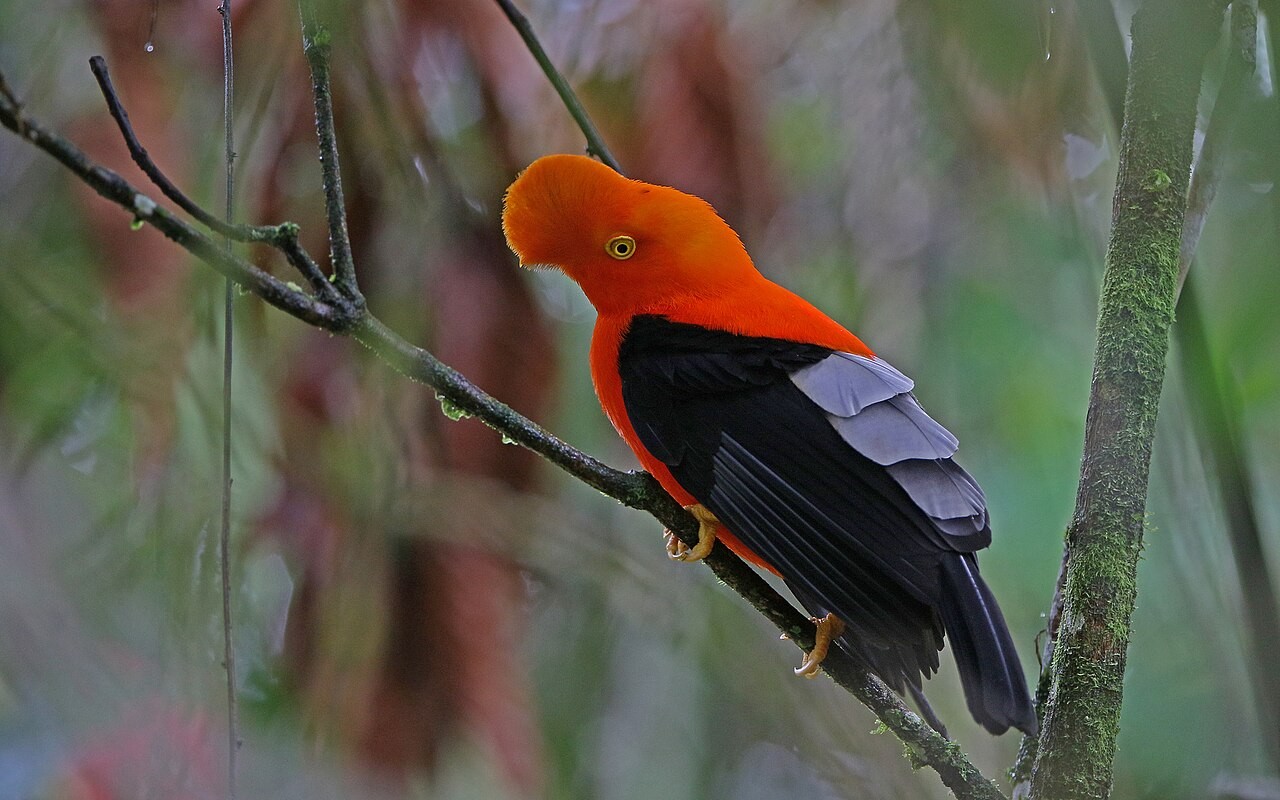
  2. Male Andean Cock-of-the-rock in Napo, Ecuador
    Photo: Christoph Moning · Wikimedia Commons, CC BY 4.0

    Andean Cock-of-the-rock

    The Andean Cock-of-the-rock is one of the most spectacular birds of the Chocó cloud forest. Males gather at a lek to display their brightly coloured crest and plumage. Your best chance comes early in the morning, often from a fixed observation point or with a local guide.

    Where can you see the Andean Cock-of-the-rock in Ecuador?

    • Mindo: well-known leks and reserves around the valley
    • Mashpi and Pachijal: lower Chocó forest with suitable ravines and forest edges
    • Tandayapa: cloud forest reserves on the western slopes of the Andes
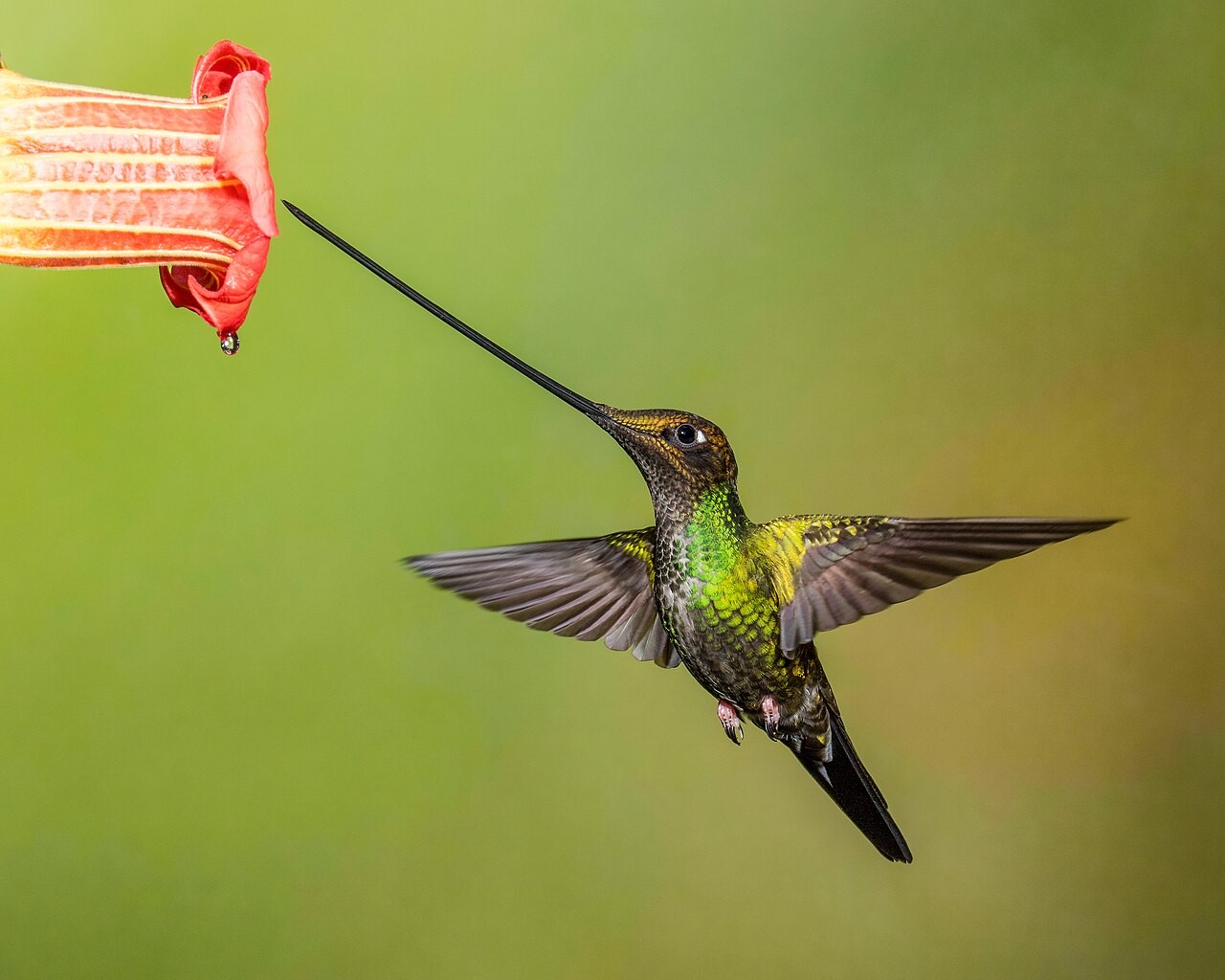
  3. Sword-billed Hummingbird at Guango Lodge near Papallacta, Ecuador
    Photo: Andy Morffew · Wikimedia Commons, CC BY 2.0

    Sword-billed Hummingbird

    The Sword-billed Hummingbird has an exceptionally long bill, adapted to flowers with deep corollas. In Ecuador, it is a realistic target species in the highlands, especially around flower-rich gardens and feeders on the eastern Andes. Watch how it hovers at a flower before disappearing quickly into the shrubs.

    Where can you see the Sword-billed Hummingbird in Ecuador?

    • Guango Lodge and Papallacta: a well-known site on the eastern Andes slope
    • Yanacocha: high cloud forest and flower-rich vegetation above Quito
    • Cayambe-Coca: mountain forest and páramo edges towards the Amazon
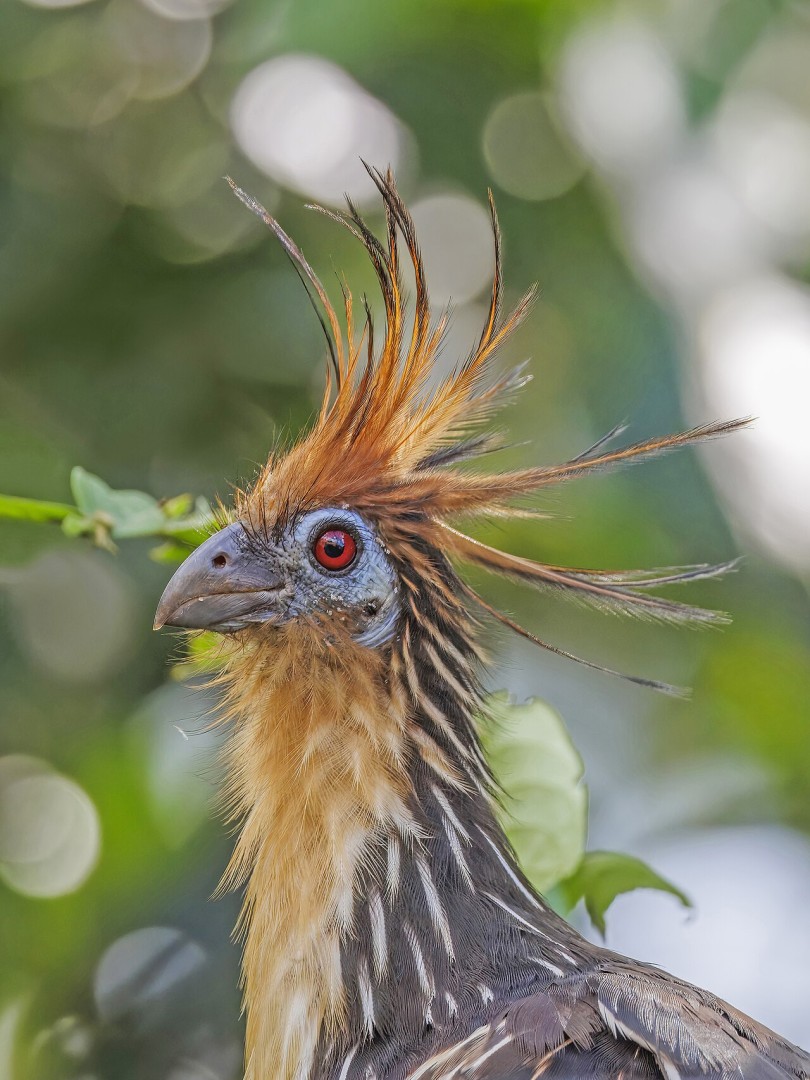
  4. Close-up of a Hoatzin on the Rio Napo in Ecuador
    Photo: Charles J. Sharp · Wikimedia Commons, CC BY-SA 4.0

    Hoatzin

    The Hoatzin is an unusual Amazonian bird with a crest, a strong smell and a preference for leaves. You usually see it along quiet banks, in flooded forest or beside lagoons. A canoe offers the best chance, as the bird often sits low in shrubs above the water and is easy to recognise by its distinctive profile.

    Where can you see the Hoatzin in Ecuador?

    • Yasuní: riverbanks and lagoons along the Napo, Tiputini and other rivers
    • Cuyabeno: flooded forest, wetlands and quiet channels
    • Limoncocha: lake and river habitat in the lowlands of Orellana
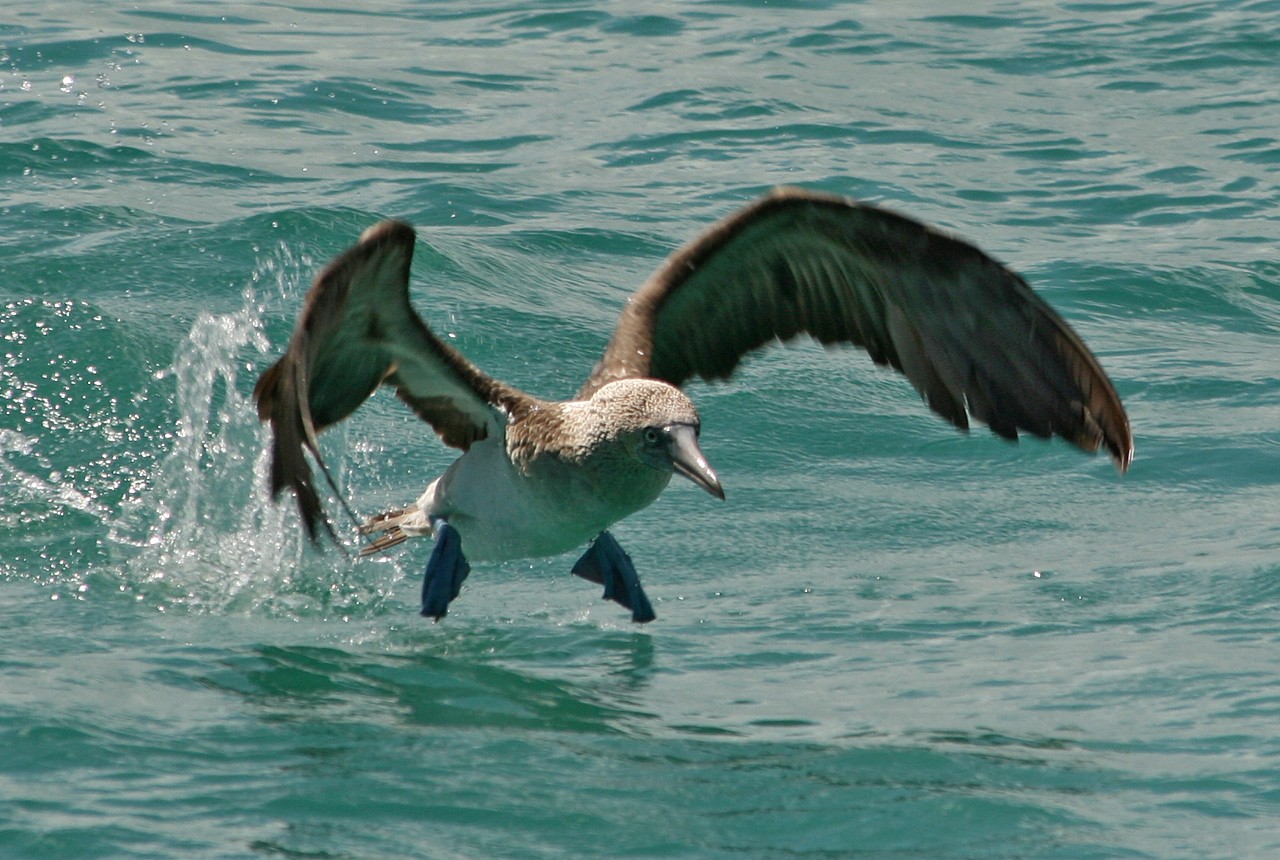
  5. Blue-footed Booby taking off in the Galápagos, Ecuador
    Photo: Tad Boniecki · Wikimedia Commons, public domain

    Blue-footed Booby

    The bright blue feet make the Blue-footed Booby one of Ecuador's most recognisable birds. On suitable islands, these birds are remarkably tame, allowing you to observe behaviour and courtship more closely than with many continental seabirds. Always keep your distance and stay on the trails, especially around breeding colonies.

    Where can you see the Blue-footed Booby in Ecuador?

    • Isla de la Plata: an accessible destination from Puerto López in Manabí
    • Galápagos: including North Seymour, Bartolomé and Española
    • Ecuadorian coast: also search rocky islands and marine reserves for seabirds

Useful tips and information

Practical questions about birdwatching in Ecuador

A birding trip through Ecuador requires a little more preparation than a standard holiday. Altitude, rain, boat transfers, park regulations and major regional differences all affect where you can birdwatch most successfully on a given day. Below are frequently asked questions for anyone planning to visit birding areas independently and build a careful route.

Ecuador is suitable for birdwatching year-round, but the best month depends on your route. June to November is often drier and practical for walks and boat trips in Machalilla and along the Pacific coast. Mindo remains rich in birds throughout the year, with September to April often considered especially productive. The Amazon can be visited in every season, while highland areas such as Antisana and Cajas depend mainly on visibility, wind and road conditions.

If you want to combine several regions, choose your travel dates based on the species you want to see. A route for Andean Condors and páramo birds looks very different from a trip focused on Amazonian birds or endemic Galápagos species. Check regional climate differences in advance using Ecuador's climate information and practical information for Mindo.

There is no single place that is best for every birder. Mindo and the Chocó-Andes are the most obvious choices for high species diversity in cloud forest, with many reserves and relatively good infrastructure. Yasuní is stronger for Amazonian species and has hundreds of recorded bird species according to UNESCO. Around Quito, you can also combine several altitude zones with Mindo, Yanacocha, Antisana and Cayambe-Coca.

For a first birding trip, Mindo is often the most efficient base. Anyone mainly interested in unique island species should add Galápagos. Birders aiming for the longest possible species list usually combine the western Andes, eastern Andes and Amazon rather than spending every day in one place. Use FaunaMap to see which areas and expected species fit your route.

For many beginner birders, Mindo is an excellent first destination. Cloud forest trails, gardens, lodges and well-known observation sites are relatively easy to combine from the valley. Without planning a long expedition, you can see hummingbirds, toucans, tanagers and other western Andean species. Feeding stations and open balconies are also practical for photographers when the forest is dark or wet.

Mindo does not show every side of Ecuador. You need the highlands of Antisana for Andean Condors, the Amazon for Hoatzins and macaws, and Galápagos for endemic island birds. Use Mindo as the base for a short trip or as the first stop on a longer route. Ecuador Travel describes Mindo as an avitourism destination.

In several areas, yes. In Mindo, parts of Cajas and some accessible sites around Quito, you can walk and birdwatch independently on marked trails. A local guide is valuable when you are looking for target species such as Andean Cock-of-the-rock, elusive forest birds or specific hummingbirds. Guides know current conditions, recognise calls and know which trails remain passable after rain.

In Yasuní and Cuyabeno, boat transport and lodge programmes are usually part of the visit. Galápagos has strict regulations, and many sites can only be visited with an authorised guide. Always check the rules for your chosen area, for example through the information for Antisana, Cajas and Galápagos.

Seven to ten days works for a first introduction to birdwatching in Ecuador if you focus on Quito, Mindo and one highland area. For a route including the western Andes, eastern Andes and Amazon, allow around twelve to sixteen days. This leaves time for transfers and lets you spend several mornings birding in the same location.

Galápagos usually requires extra travel time because of flights, island transport and regulated excursions. Anyone combining mainland Ecuadorian birding areas with Galápagos should ideally allow around three weeks. A shorter trip is possible, but choose one clear focus in advance: Mindo for cloud forest, Antisana for páramo and condors, Yasuní for Amazonian birds or Galápagos for endemic island species.

The most convenient birding destinations from Quito lie in several directions. Mindo, Tandayapa and Mashpi are northwest in the Chocó-Andes. Antisana, Chakana, Papallacta and Cayambe-Coca lie southeast or east, giving access to páramo and mountain forest. Yanacocha and other reserves on the western slopes are also suitable for a day trip or short extension.

Travel time and accessibility depend on roadworks, rain, altitude and the exact reserve. Do not plan based on distance alone. Also consider the start time of the excursion and the chance of morning activity. Quito Turismo provides an overview of birding areas around Quito, including Mindo, Mashpi, Antisana and Cayambe-Coca.

Yes, but Galápagos is a separate birding destination in both practical and ecological terms. The archipelago is especially interesting for endemic land birds, seabirds and species that evolved on islands. Blue-footed Booby, Galápagos Penguin, Flightless Cormorant, Darwin's Finches and Waved Albatross are among the species that attract birders to the islands.

You will need to deal with a separate entry system, transport between islands, park regulations and regulated visitor sites. Check current requirements, available boat excursions and the islands where your target species occur before you travel. Ecuador Travel provides practical information about access and birdwatching in Galápagos.

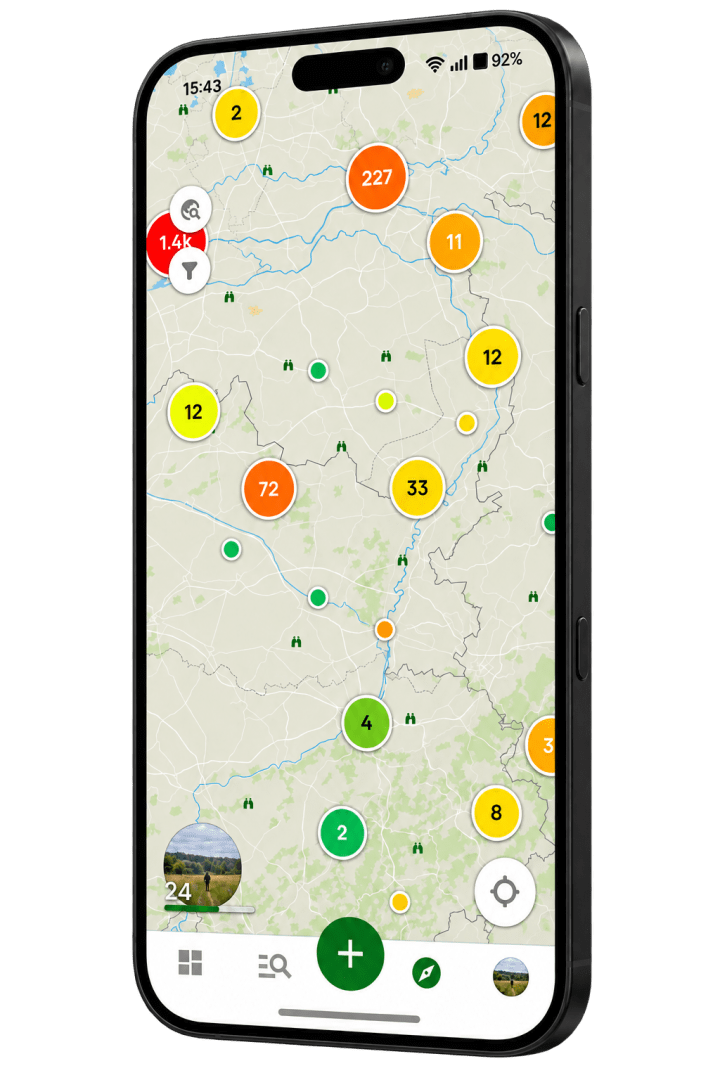
On FaunaMap, you can find recent bird sightings in Ecuador on an interactive map. Choose an area in advance, view birding spots, discover hotspots and see which species you can expect at each location based on historical data. This is useful when deciding between places such as Mindo, Antisana, Cajas or a coastal site while travelling.

You can also add your own sightings in FaunaMap and keep a personal life list. That way, you use the same map to prepare your birding trip and record what you see in Ecuador.

View recent sightings in FaunaMap

Discover more while birdwatching

  • See recent bird sightingsSee which birds have recently been spotted near you.
  • Explore biodiverse nature areasFind the best places to spot birds and other wildlife.
  • Find sightings by speciesQuickly find sightings of the bird species you want to see.