Birding sites · migration · endemic species

Birdwatching in Cyprus: the best birding sites and seasons

Birdwatching in Cyprus means salt lakes with flamingos, coastal cliffs with Eleonora’s Falcons, Mediterranean scrub with endemic songbirds and mountain forests filled with distinctive subspecies. Discover where to go birding, which nature areas are easy to reach and which birds you can expect each month and season.

  • Expected bird species by location
  • Birding hotspots worldwide
  • Keep your own life list
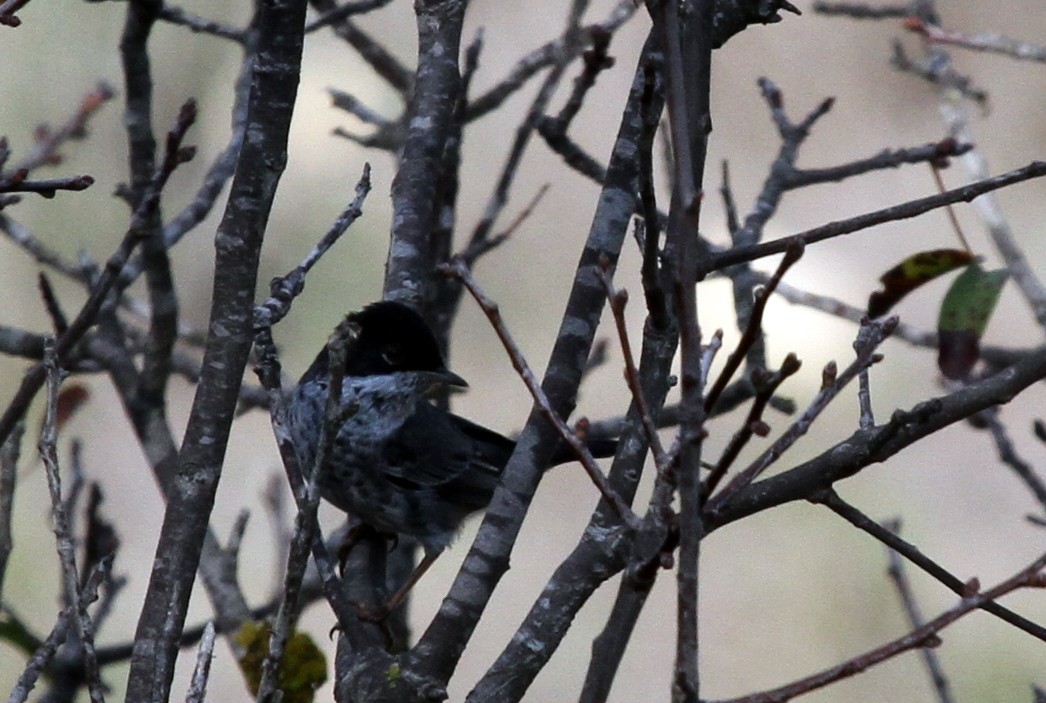
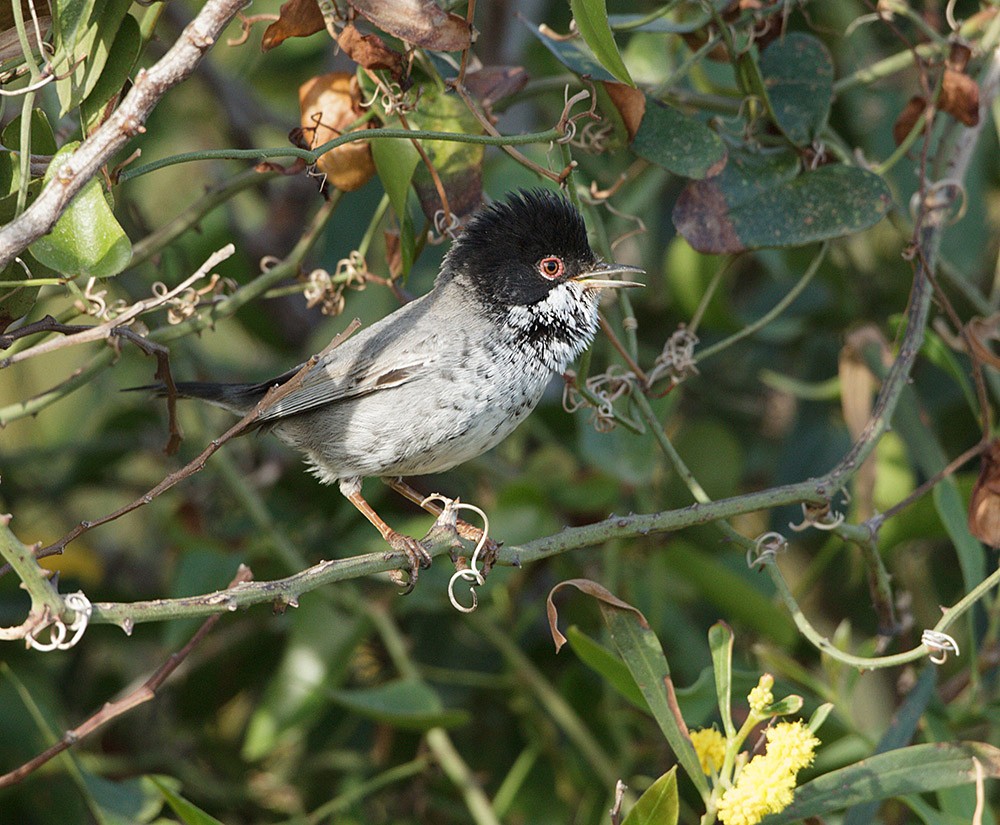
Male Cyprus Warbler in dense scrub
National bird of CyprusThe Cyprus Warbler
Photo: Ensind · Wikimedia Commons · CC BY-SA 4.0.

Why go birdwatching in Cyprus?

Cyprus combines bird migration, endemic species and Mediterranean nature

Cyprus lies at the crossroads of Europe, Asia and Africa. On one island, you can visit winter salt lakes, dry coastal scrub, rocky cliffs, farmland and cool mountain forests. The birdlife changes quickly during spring and autumn migration, and rare species may remain on the island for only a few hours or days.

For many birders, a trip starts at Larnaca Salt Lake or Akrotiri, where flamingos, waders, herons and ducks winter close to the coast. In spring, wheatears, warblers, bee-eaters, rollers and birds of prey move across the island. Further afield, Akamas and Cape Greco offer Mediterranean maquis with Cyprus Warblers and Cyprus Wheatears. Troodos and Paphos Forest are home to mountain woodland species such as Cyprus Scops Owls, as well as endemic subspecies of the jay, coal tit and treecreeper.

Cyprus is compact, but the best birding sites are not all close together. A good route combines an accessible wetland near Larnaca with a coastal area and at least one morning in the mountains. FaunaMap helps you plan ahead with recent sightings, birding viewpoints, hotspots and expected species by location based on historical data.

Landscapes and biodiversity

The main bird habitats in Cyprus

The best birding sites in Cyprus are closely linked to landscape and water. Salt lakes attract large numbers of waterbirds in winter, while maquis, coastal cliffs and mountain forests are especially valuable for breeding birds and migrants. Together, these six habitats provide a practical foundation for a birding trip around Cyprus.

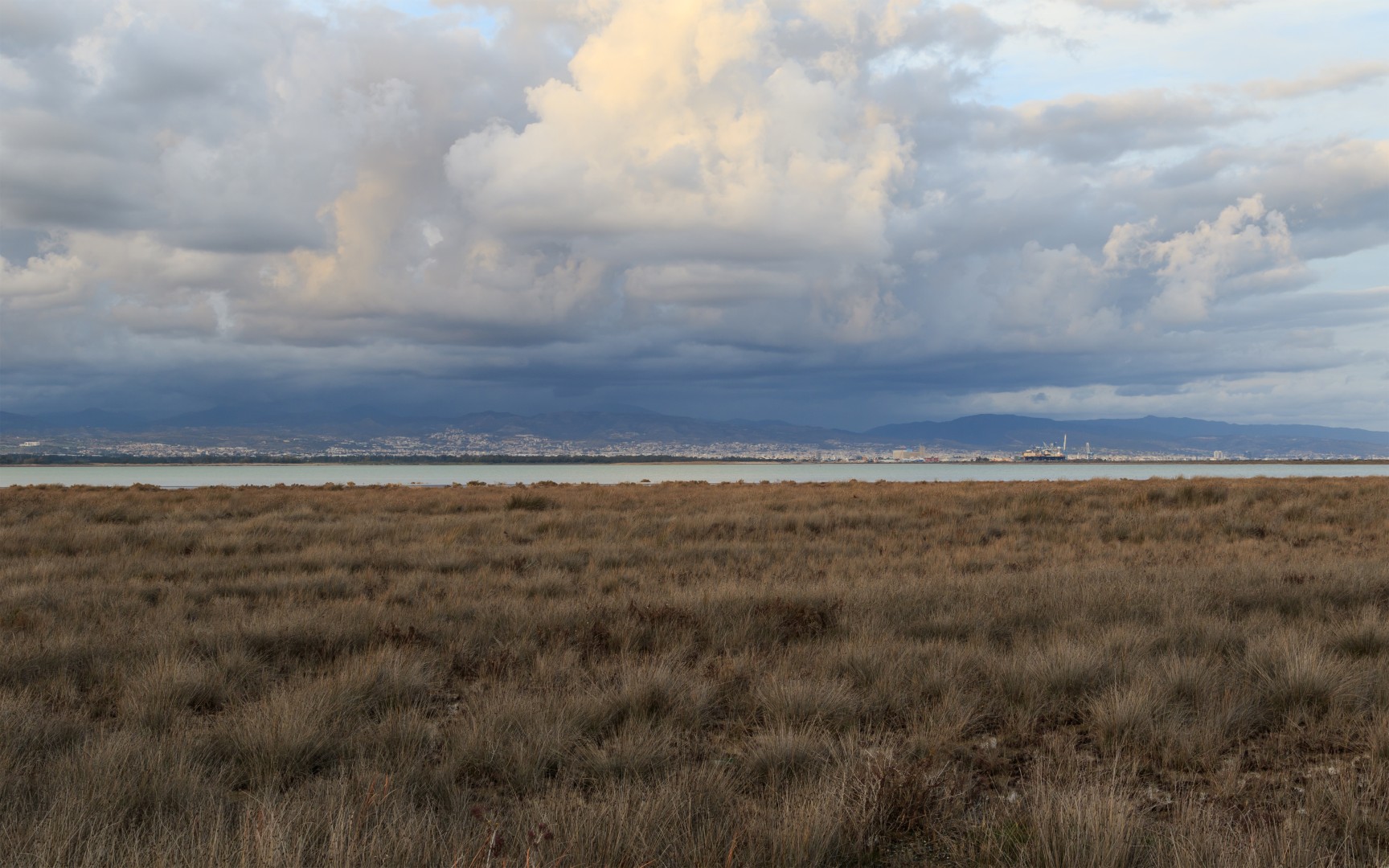
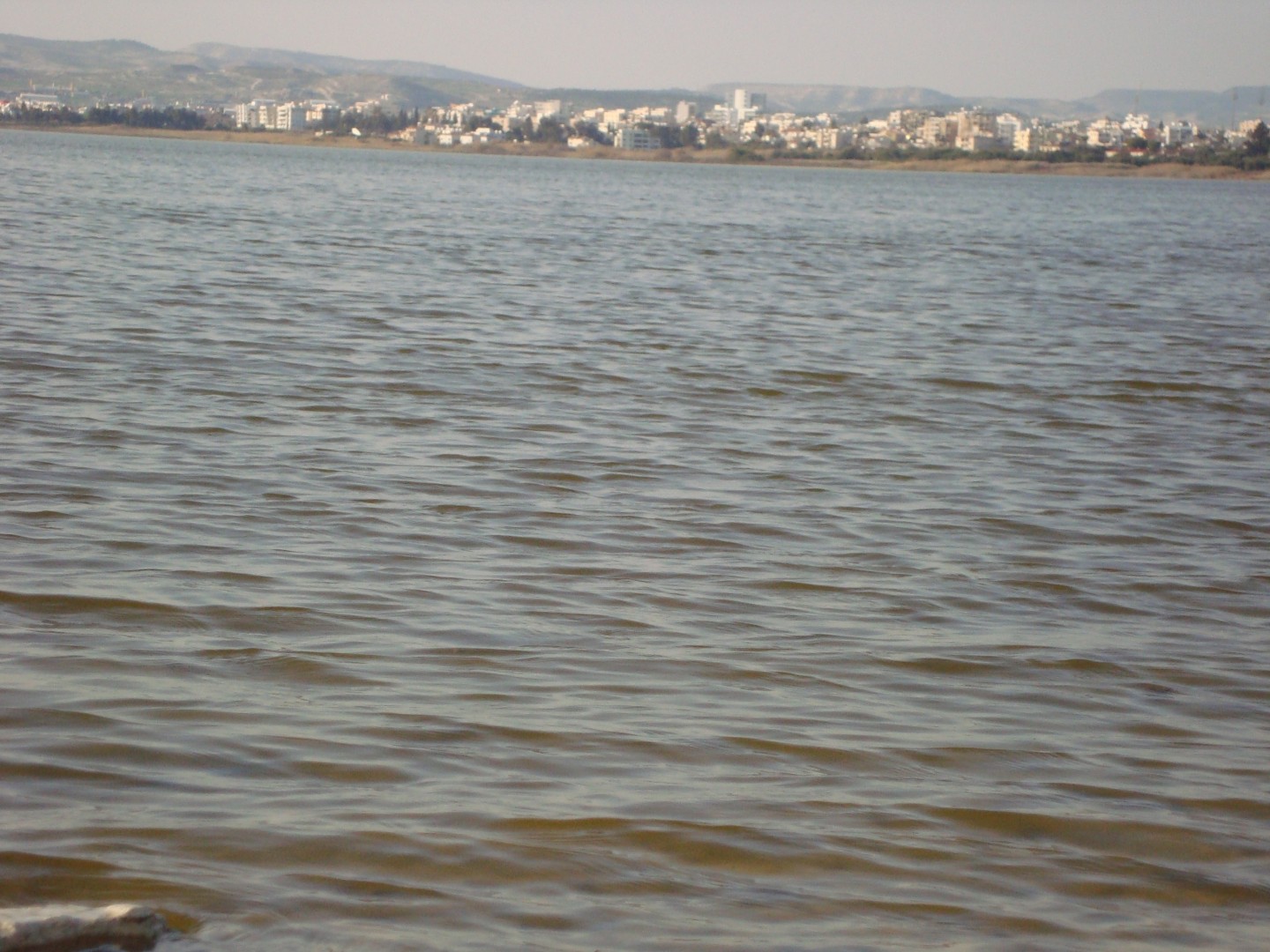
Open water and shorelines at Larnaca Salt Lake in Cyprus
Photo: SaltLakeLarnaca · Wikimedia Commons · CC BY-SA 3.0

Salt lakes, mudflats and shallow lagoons

Larnaca Salt Lake and Akrotiri Salt Lake are Cyprus’s best-known wetlands. In winter, the basins fill with water and flamingos, ducks and waders feed in the shallows. Along the lake edges, salt pans and temporary pools, you may also find breeding Black-winged Stilts, Spur-winged Lapwings and Kentish Plovers.

Typical species

  • Greater Flamingo
  • Black-winged Stilt
  • Kentish Plover
  • Spur-winged Lapwing
  • Shelduck
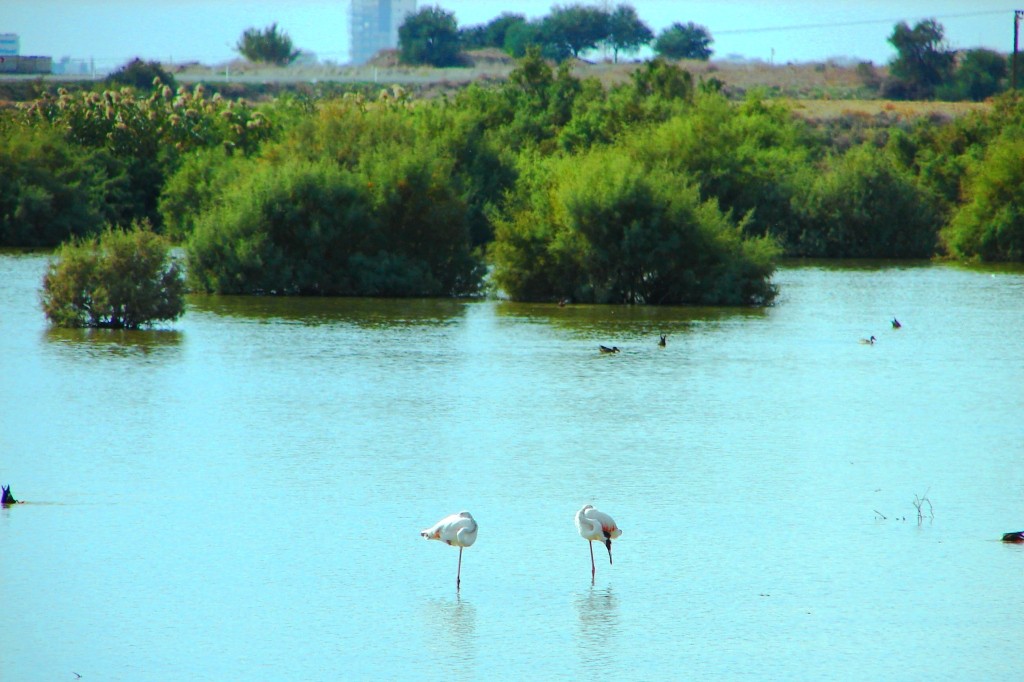
Open water, scrub and flamingos at Oroklini Lake near Larnaca
Photo: An. Antoniou · Wikimedia Commons · CC BY-SA 3.0

Reedbeds, freshwater pools and seasonal wetlands

In reedbeds such as Akrotiri Marsh, Zakaki Marsh and Oroklini Lake, birding is about slowing down and listening. Water levels change greatly between winter and summer, so the species list can vary from one visit to the next. Reed edges provide cover for bitterns, small marsh birds, Bluethroats and migrating songbirds.

Typical species

  • Little Grebe
  • Sedge Warbler
  • Bluethroat
  • Little Bittern
  • Black-winged Stilt
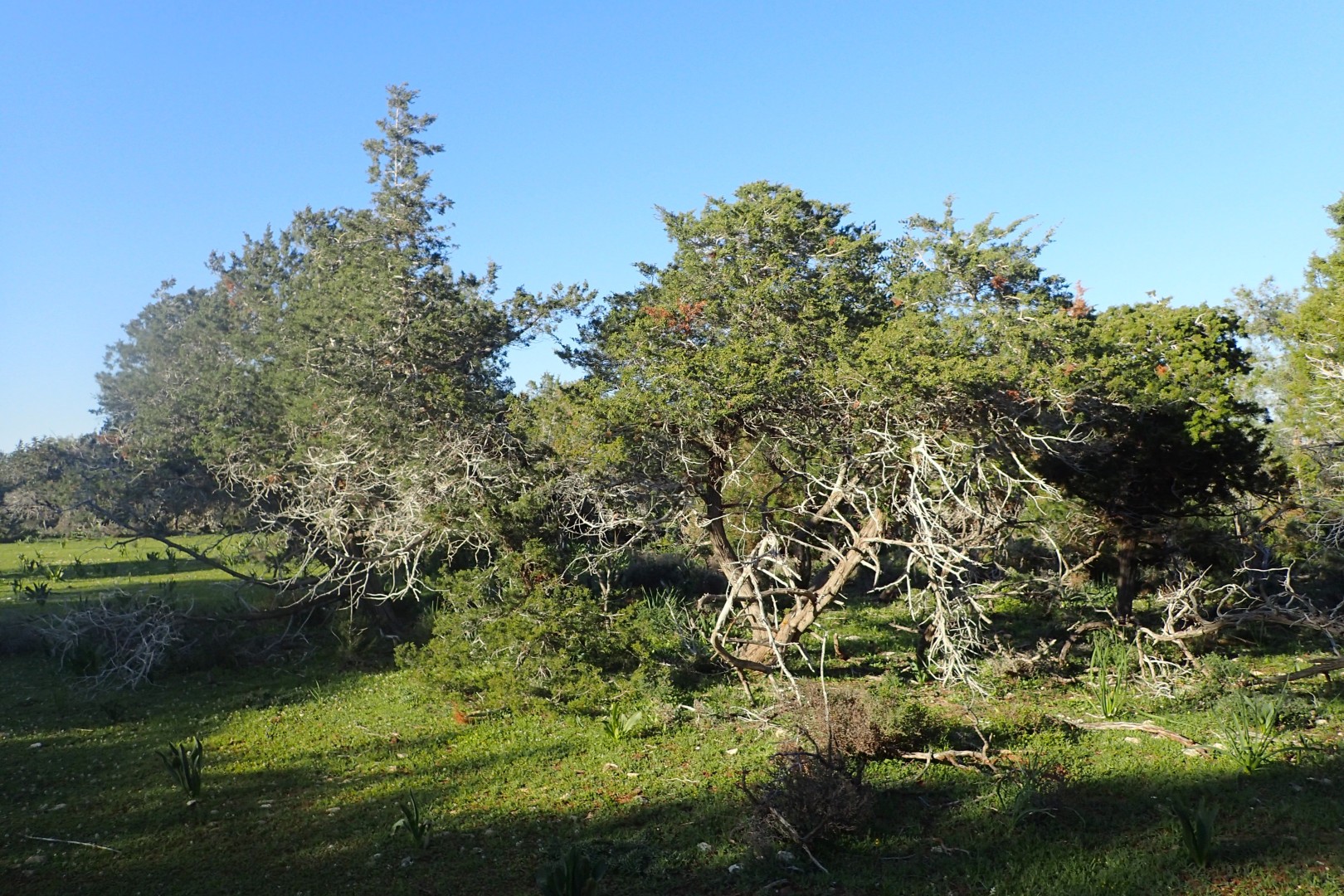
Mediterranean maquis with juniper on the Akamas Peninsula
Photo: Krzysztof Ziarnek, Kenraiz · Wikimedia Commons · CC BY-SA 4.0

Mediterranean maquis, garrigue and scrub

Dry scrub, juniper, low oaks and open ground create the typical birding landscape of Akamas and parts of Cape Greco. The vegetation may seem quiet in summer, but in spring it is filled with the songs of endemic warblers and wheatears. Search high shrub branches and paths bordered by bare ground.

Typical species

  • Cyprus Warbler
  • Cyprus Wheatear
  • Black Francolin
  • Masked Shrike
  • Cretzschmar’s Bunting
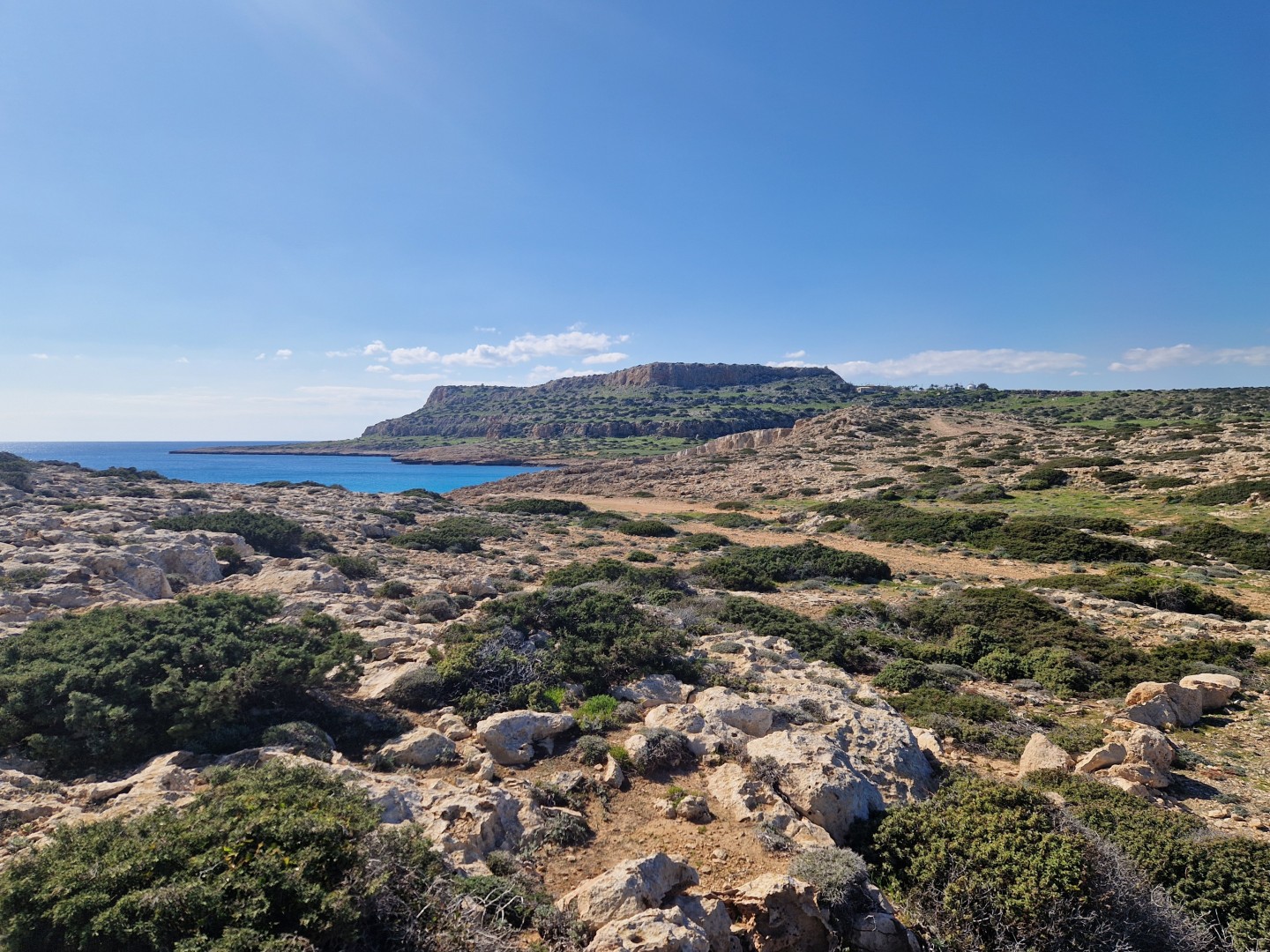
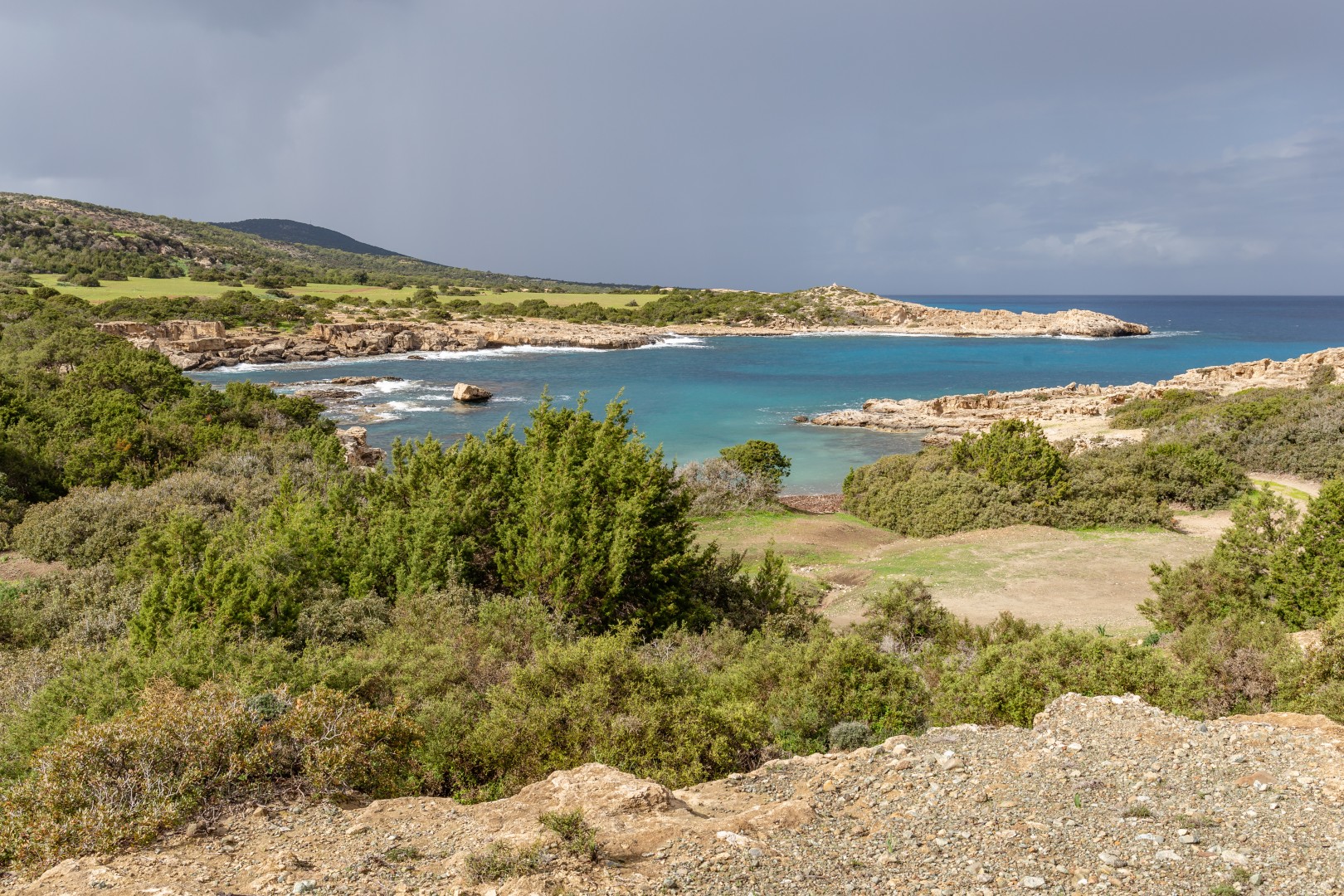
Rocky coast and low scrub in Cape Greco National Forest Park
Photo: Gerda Arendt · Wikimedia Commons · CC0

Rocky coast, sea cliffs and coastal plateaus

Around Cape Greco, Akrotiri and the cliffs near Episkopi, sea, rock and open coastal scrub come together. High viewpoints are good for raptors and migrants, while cracks and ledges provide nesting sites for falcons and cliff birds. Always use official paths and keep away from nesting cliffs.

Typical species

  • Eleonora’s Falcon
  • Peregrine Falcon
  • Bonelli’s Eagle
  • Blue Rock Thrush
  • Audouin’s Gull
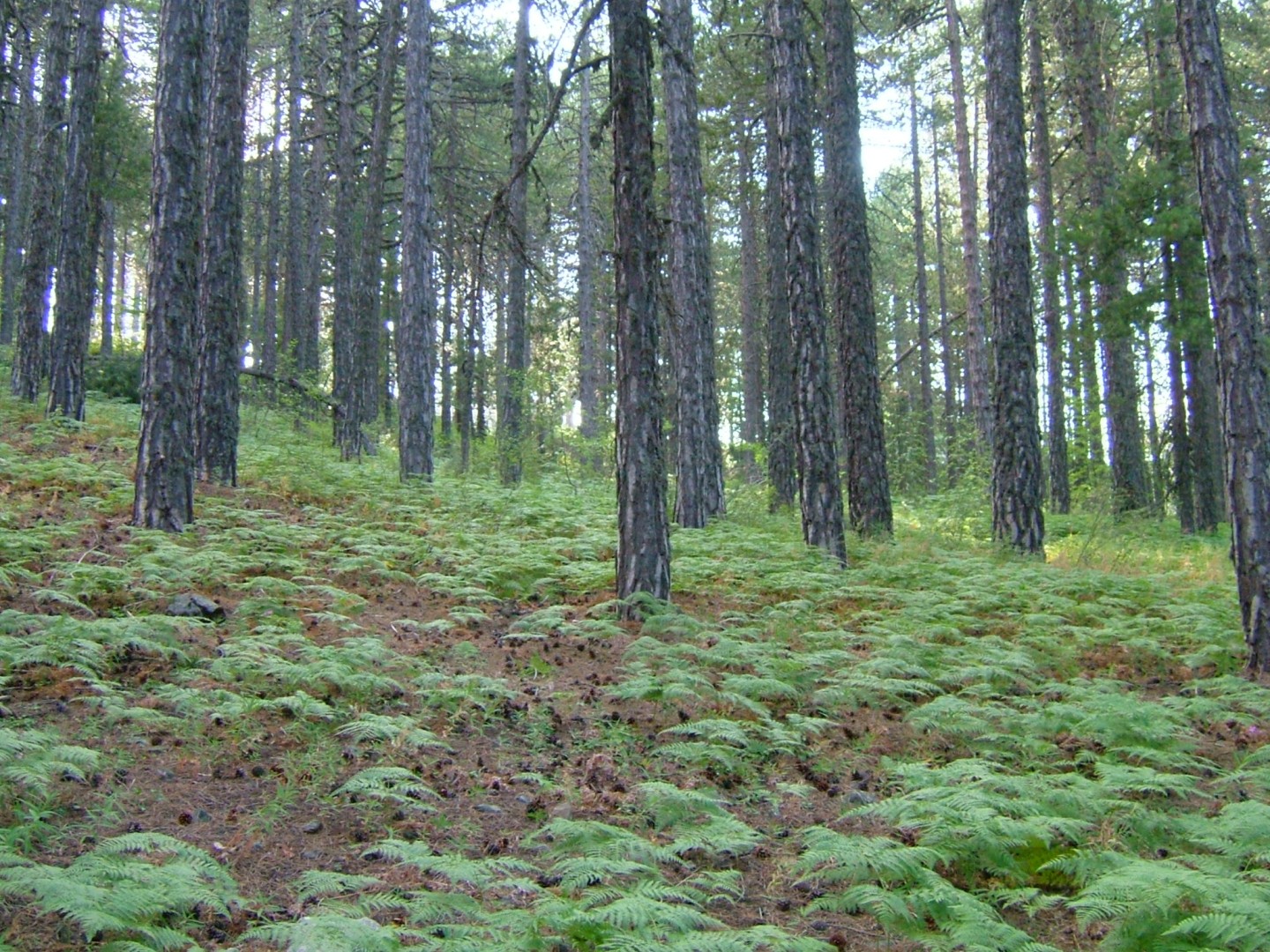
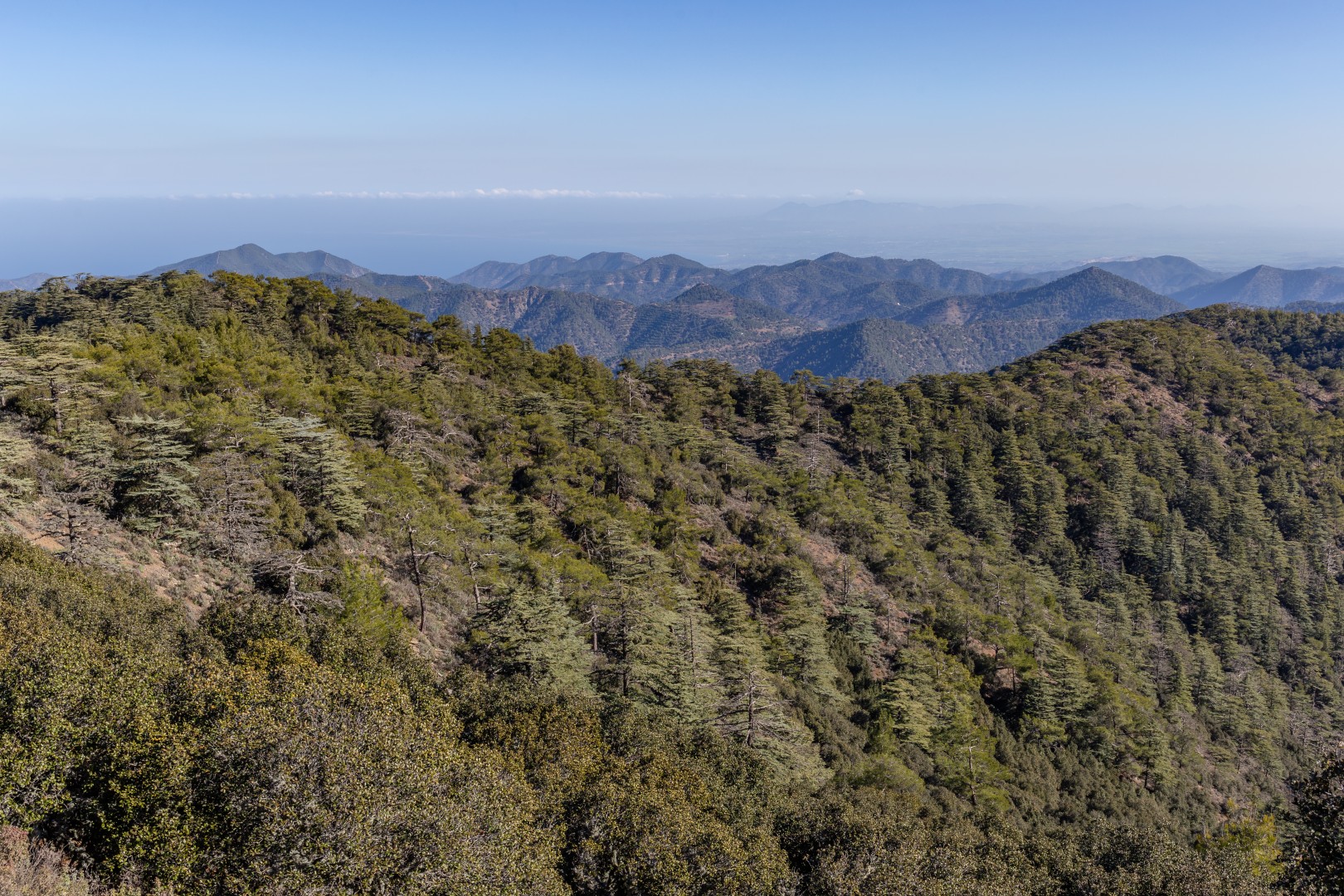
Black pines in the Troodos Mountains of Cyprus
Photo: Chneophytou · Wikimedia Commons · CC BY-SA 3.0

Troodos and Paphos Forest: mountain woodland

Higher in the mountains, the Mediterranean landscape changes into pine forest, cedar woodland and cool valleys. Mornings are often more productive than hot afternoons. Listen for woodland songbirds, woodpeckers and the call of the Cyprus Scops Owl, while scanning open slopes for birds of prey.

Typical species

  • Cyprus Scops Owl
  • Cyprus Jay
  • Cyprus Coal Tit
  • Short-toed Treecreeper
  • Bonelli’s Eagle
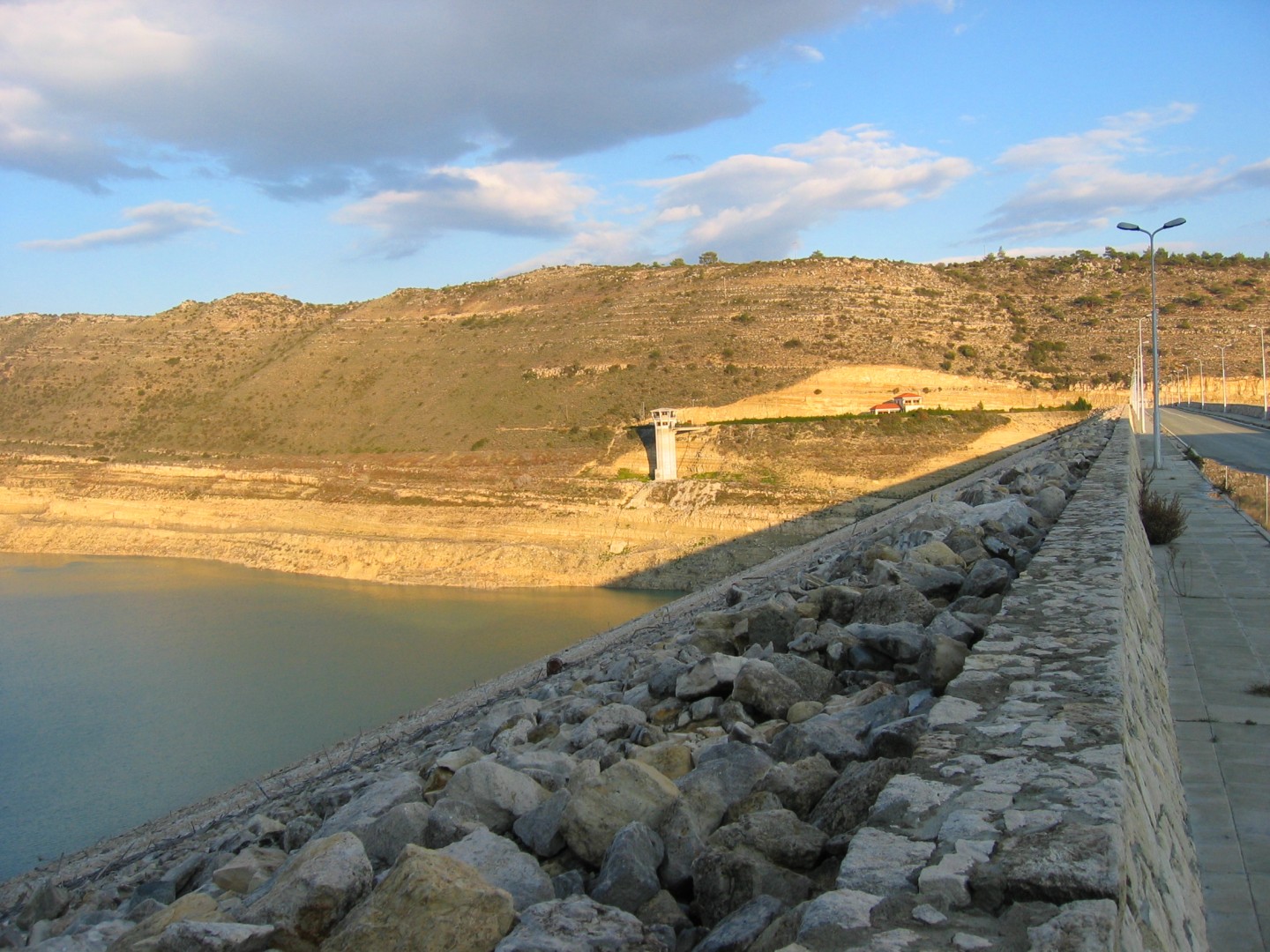
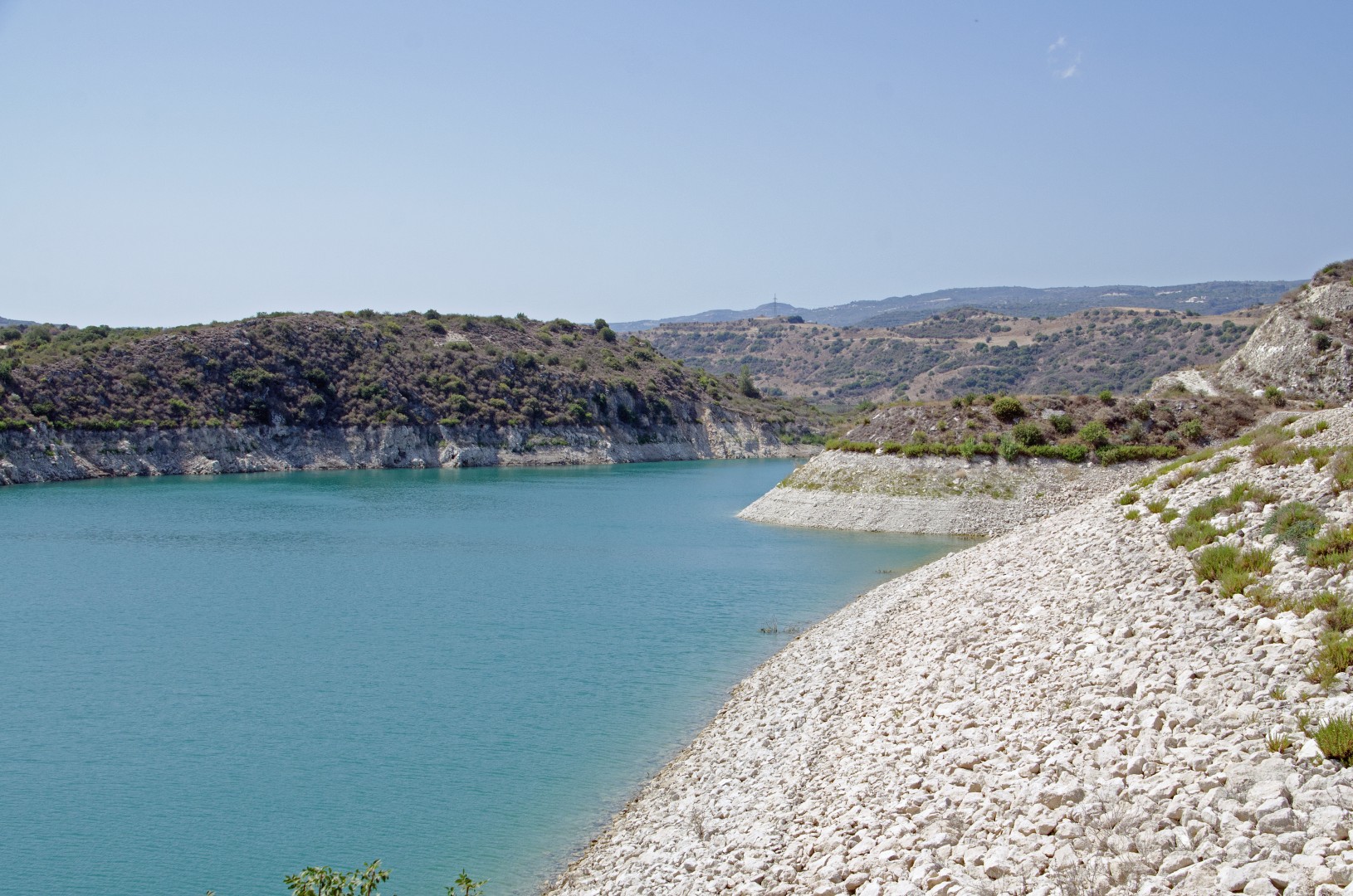
Kouris Dam and the dry hilly landscape of Cyprus
Photo: Pbach · Wikimedia Commons · public domain

Reservoirs, river valleys and farmland

Reservoirs such as Kouris, Evretou and Asprokremmos bring together open water, muddy shores, valleys and farmland. During wet periods, herons, kingfishers and ducks may use the water. The surrounding hills are especially good for wheatears, rollers and hunting raptors.

Typical species

  • Grey Heron
  • Kingfisher
  • European Roller
  • Long-legged Buzzard
  • Cyprus Wheatear

Birdwatching throughout the year

Cyprus bird calendar: what can you expect each season?

Cyprus offers interesting birds in every season. The greatest variety usually appears during migration, while winter is best for flamingos and waterbirds and summer is ideal for mountain forests, coastal cliffs and endemic species.

WinterDecember through FebruarySpringMarch through MaySummerJune through AugustAutumnSeptember through November
  1. January

    Winter

    Flamingos and winter waterbirds

    The salt lakes near Larnaca and Akrotiri are at their best now. Greater Flamingos feed in the shallows alongside ducks, waders, herons and gulls. At Oroklini Lake, reed edges and open mudflats may produce additional species.

    Recommended sitesLarnaca Salt Lake, Akrotiri Salt Lake, Oroklini Lake and the wetlands around Limassol.

  2. February

    Winter

    First signs of spring migration

    The first swallows and wheatears appear from February. Winter birds are still present, but activity increases in open country and along the coast. By the end of the month, the first cuckoos and early raptors may also be seen.

    Recommended sitesCoastal scrub at Cape Greco, Akamas, farmland around Larnaca and the salt lakes.

  3. March

    Spring

    Spring migration and singing endemic species

    Spring migration gathers pace with larks, pipits, wagtails, wheatears and warblers. Cyprus Warblers and Cyprus Wheatears sing from the scrub. Mountain woodland edges and open slopes become increasingly interesting.

    Recommended sitesAkamas, Cape Greco, Akrotiri Peninsula, Evretou Reservoir and the lower Troodos slopes.

  4. April

    Spring

    Peak month for migration

    April is one of the best months for birdwatching in Cyprus. Herons, waders, bee-eaters, rollers, warblers, shrikes and raptors use the island as a stopover. A morning on the coast can feel completely different from an afternoon in the mountains.

    Recommended sitesAkrotiri, Larnaca, Cape Greco, Akamas and open farmland with scrub edges.

  5. May

    Spring

    Breeding season and late migrants

    Many summer visitors have returned and endemic species are active on their territories. Look for Cyprus Wheatears on song perches, Cyprus Warblers in dense scrub and raptors above valleys. Late waders and herons may still be moving through wetlands.

    Recommended sitesPaphos Forest, Akamas, Akrotiri Marsh, Troodos and the valleys around Paphos.

  6. June

    Summer

    Mountain forests and evening owls

    The heat makes an early start essential. In Troodos and Paphos Forest, pine woodland and cool mountain slopes are attractive for Cyprus Jays, Cyprus Coal Tits and Short-toed Treecreepers. In the evening, listen for Cyprus Scops Owls at suitable sites.

    Recommended sitesPaphos Forest, Troodos National Forest Park, Mahairas and woodland edges near mountain villages.

  7. July

    Summer

    Eleonora’s Falcons along the cliffs

    In July, the coastal cliffs are a good place to look for Eleonora’s Falcons. The species breeds late, allowing its young to benefit from passing birds and large insects. Avoid the hottest part of the day and watch from spacious official viewpoints.

    Recommended sitesEpiskopi Cliffs, Akrotiri, Avdimou Bay, Cape Aspro and Cape Greco.

  8. August

    Summer

    Early autumn migration

    The first shrikes and other autumn migrants arrive from August. Wheatears and warblers return along the coast, while raptors can be seen over open ground. Water sources and shaded woodland edges are valuable on hot days.

    Recommended sitesAkrotiri Gravel Pits, Cape Greco, Akamas, Paphos Headland and mountain passes.

  9. September

    Autumn

    Raptors, waders and cranes

    Autumn migration brings raptors, swallows, waders and other passage birds to Cyprus. Around late August and early September, Demoiselle Cranes may be seen near Akrotiri Salt Lake. Wind direction and visibility strongly affect how easy migration is to follow.

    Recommended sitesAkrotiri, Larnaca, Cape Greco, open farmland and high coastal viewpoints.

  10. October

    Autumn

    Autumn peak and the arrival of winter visitors

    October combines large numbers of autumn migrants with the first winter visitors. Look for raptors, storks, shrikes, pipits and warblers in coastal areas and open country. Ducks and waders gradually increase in wetlands.

    Recommended sitesAkrotiri Peninsula, Cape Greco, Oroklini Lake, Larnaca and Evretou Reservoir.

  11. November

    Autumn

    Flamingos return

    From November, the salt lakes fill with more water and increasing numbers of flamingos, ducks and other winter visitors arrive. Marshes can also be surprisingly rich in Bluethroats, reed birds and migrating waders.

    Recommended sitesLarnaca Salt Lake, Akrotiri Salt Lake, Oroklini Lake and Akrotiri Marsh.

  12. December

    Winter

    Full salt lakes and peaceful winter birding

    December is a good month for relaxed observation of winter birds. Flamingos often stand in the shallows for long periods, while ducks, herons and waders feed along the shores. Winter thrushes and Stonechats can be found in the hills.

    Recommended sitesLarnaca Salt Lake, Akrotiri, Oroklini, Evretou and farmland around Paphos.

Seasonal information: BirdLife Cyprus and Visit Cyprus. The exact variety of species changes with rain, wind, water levels and the route of migration.

Birding sites in Cyprus

The best birding sites in Cyprus: where can you go birdwatching?

From flamingos at Larnaca to mountain forests in Paphos Forest and coastal cliffs at Cape Greco, Cyprus offers impressive bird diversity on a relatively small island. Below are popular and reasonably accessible areas representing wetlands, coast, maquis, valleys and high-elevation woodland.

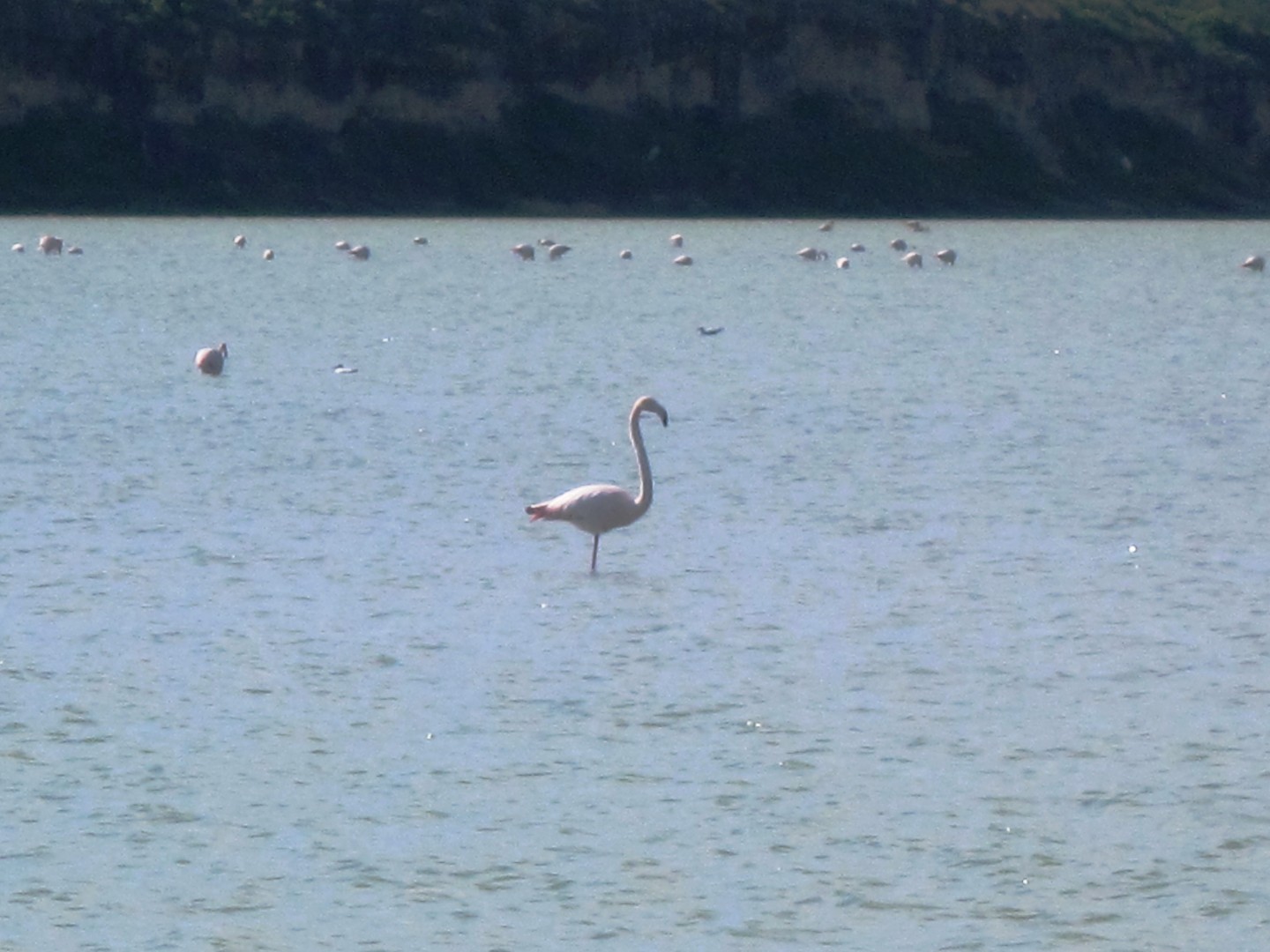
Flamingos at Larnaca Salt Lake in Cyprus
Photo: Dickelbers · Wikimedia Commons · CC BY-SA 3.0

Larnaca · southeast

Salt lake · shore · winter water

Larnaca Salt Lake

Alyki, Orphani, Soros and Airport Lake

Larnaca Salt Lake is one of the easiest starting points for birdwatching in Cyprus. The complex includes several salt lakes and has a nature trail along the shores. From November to March, flamingos, ducks, waders and other winter visitors are the main attractions. Visit different sides of the lake, as light and water levels determine where the birds gather.

Look for
Greater Flamingo, Black-winged Stilt, Kentish Plover, ducks and winter waders.
Plan around
November through March, early light and the marked paths.
Akrotiri Salt Lake with the Troodos Mountains in the background
Photo: A.Savin · Wikimedia Commons · Free Art License

Limassol · south coast

Salt lake · reeds · coast

Akrotiri Peninsula

Akrotiri Salt Lake, Phasouri Marsh, Zakaki and Lady’s Mile

Akrotiri is probably the most varied birding area in Cyprus. Within a short distance are salt lake, reed marsh, coastal pools, dunes, farmland, maquis and cliffs. This makes the area especially interesting in spring and autumn. With a car, you can combine several sites in one day, while Zakaki Marsh and the eastern side of Lady’s Mile are also relatively easy to visit.

Look for
Eleonora’s Falcon, Greater Flamingo, Ferruginous Duck, Little Bittern and Kentish Plover.
Plan around
Spring or autumn, official hides and local rules around military areas.
Flamingos and open water at Oroklini Lake near Larnaca
Photo: An. Antoniou · Wikimedia Commons · CC BY-SA 3.0

Larnaca · northeast

Natura 2000 · shallow marsh

Oroklini Lake

Small wetland with notable breeding birds

Oroklini Lake is small, but highly valuable for birds. The Natura 2000 site is best known for breeding Spur-winged Lapwings and Black-winged Stilts. In winter, ducks, snipes, gulls and sometimes flamingos join them. It is ideal for a short morning walk, looking from the edges towards the open water and reedbeds.

Look for
Spur-winged Lapwing, Black-winged Stilt, Red-crested Pochard, Shoveler and Bluethroat.
Plan around
After rain or in winter, when water levels and open shores are favourable.
Amphitheatre Bay on the Akamas Peninsula in Cyprus
Photo: Michal Klajban · Wikimedia Commons · CC BY-SA 4.0

Paphos · west

Maquis · woodland · ravines

Akamas Peninsula

Aphrodite Trail, Adonis Trail and Smigies

Akamas combines rocky coast, dry scrubland, open woodland and quiet valleys. The trails near the Baths of Aphrodite and Smigies offer good opportunities to walk independently while looking for endemic species. In spring, the vegetation is lively and Cyprus Warblers and Cyprus Wheatears sing from the scrub. Allow plenty of time, as distances and elevation changes quickly add up.

Look for
Cyprus Warbler, Cyprus Wheatear, Bonelli’s Eagle, Wood Pigeon and migrant warblers.
Plan around
March through June, an early start and plenty of water for the trails.
Cedar trees and pines on the slopes of Mount Tripylos in Paphos Forest
Photo: Michal Klajban · Wikimedia Commons · CC BY-SA 4.0

Paphos and Troodos

Cedar · pine forest · mountains

Paphos Forest and Tripylos

Stavros tis Psokas, Tripylos and the forests around Kykkos

Paphos Forest is one of the best areas for mountain birds and endemic subspecies. Higher parts of the forest contain cedar and black pine, while clearings and woodland edges attract raptors. The roads are winding and distances are long, but that also creates a quieter birding experience than the coast.

Look for
Cyprus Jay, Cyprus Coal Tit, Short-toed Treecreeper, Bonelli’s Eagle and Woodlark.
Plan around
Cool mornings, a full tank, water and extra travel time on forest roads.
Rocky coastal landscape at Cape Greco near Ayia Napa
Photo: Gerda Arendt · Wikimedia Commons · CC0

Famagusta · east

Coastal scrub · cliffs

Cape Greco National Forest Park

Konnos, Cape Greco trails and the coastal plateau

Cape Greco is popular because it combines nature trails, viewpoints and coastal scenery with easy access from Ayia Napa and Protaras. For birders, the area is interesting as a coastal bottleneck during migration. Check low scrub, open rock and the sky above the cliffs, but start early because of heat and visitor pressure.

Look for
Cyprus Wheatear, Cyprus Warbler, European Bee-eater, Eleonora’s Falcon and raptors.
Plan around
March through May or September through October, with clear views and little wind.
Evretou Dam and reservoir in the Paphos district
Photo: Богдан Митронов-Слободской · Wikimedia Commons · CC BY 3.0

Paphos · inland

Reservoir · valley · shoreline

Evretou Reservoir and Saramas Valley

Water, cliffs and rural birding country

Evretou Reservoir is a good addition to Akamas and Paphos Forest. The reservoir lies in a landscape of valleys, scrub and farmland. At lower water levels, muddy edges may attract waders, while the slopes and air above the lake are suitable for raptors and wheatears.

Look for
Bonelli’s Eagle, Long-legged Buzzard, Kingfisher, Grey Heron and Cyprus Wheatear.
Plan around
Winter, spring and autumn, with extra attention to the condition of unpaved roads.
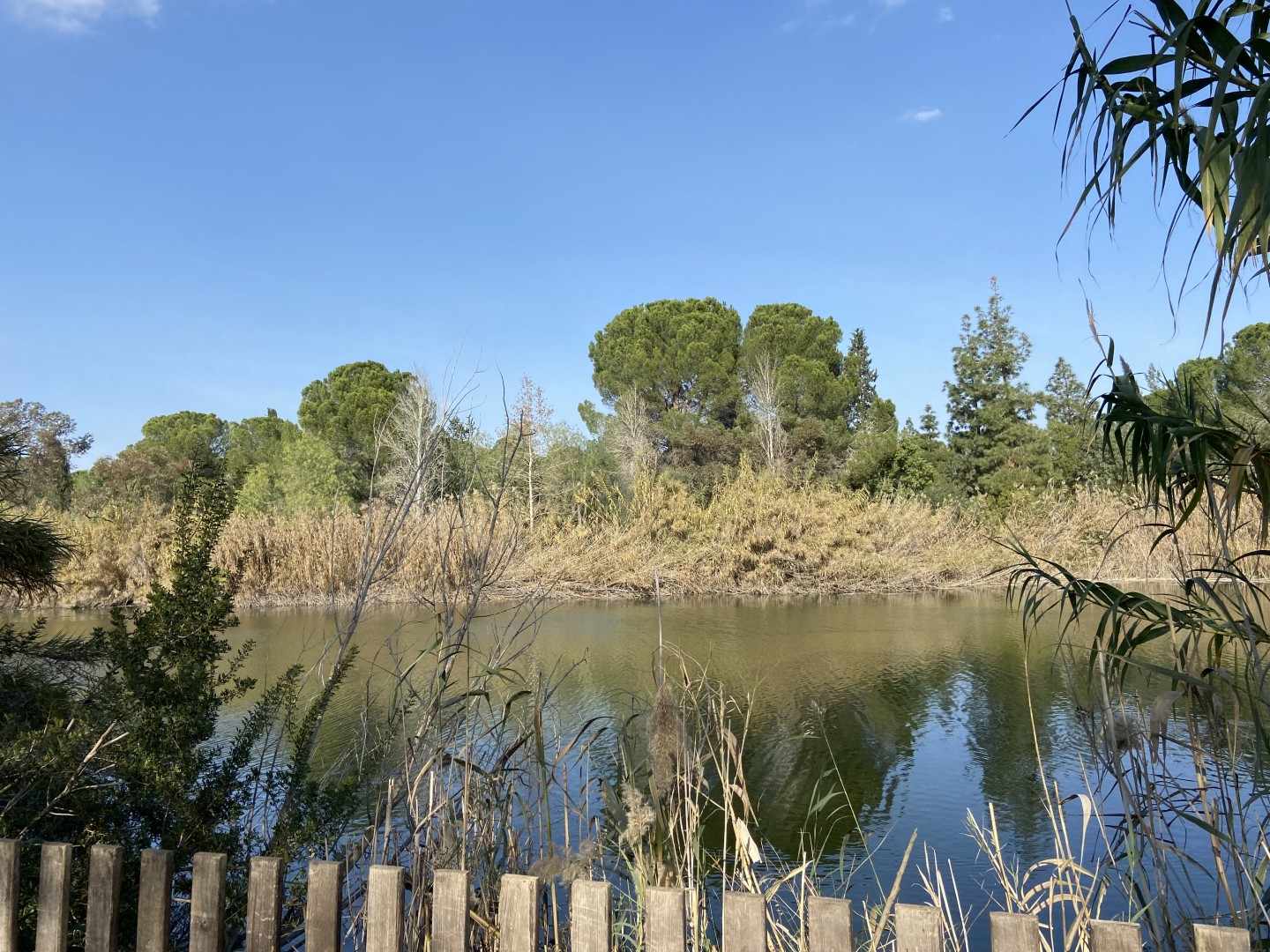
Lake with reeds and trees in Athalassa National Forest Park near Nicosia
Photo: DanielMichaelPerry · Wikimedia Commons · CC0

Nicosia · city edge

Urban nature · lake · reeds

Athalassa National Forest Park

An accessible birding spot for a short walk

Athalassa is a convenient choice if you are staying in Nicosia, have limited travel time or want a productive birding stop between longer excursions. The park combines water, reeds, trees and open grassland. Especially in the morning, you can find waterbirds, small herons, kingfishers, songbirds and migrants.

Look for
Kingfisher, Little Egret, Coot, Mallard, Goldfinch and migrating songbirds.
Plan around
Early morning, quiet paths and a visit to the Athalassa visitor centre.

Popular birds of Cyprus

Five special birds of Cyprus and where to find them

From three endemic species to spectacular raptors along the coast, these five birds make a trip to Cyprus especially memorable. They are recognisable, rewarding for beginners and still interesting enough for experienced birders looking to expand their Cyprus list.

  1. Cyprus Warbler in a shrub in Cyprus
    Photo: Greg Schechter · Wikimedia Commons · CC BY 2.0

    Cyprus Warbler

    The Cyprus Warbler is the national bird of Cyprus and one of the island’s three endemic breeding birds. The male has a dark head, a spotted breast and a fast, rattling song. You rarely see it for long because it moves low through the scrub. In spring, your best chance is to find a singing male perched on top of a shrub.

    Where can you see Cyprus Warblers in Cyprus?

    • Akrotiri Peninsula and Episkopi Cliffs: maquis, rocky edges and coastal scrub
    • Cape Greco: low shrubs and open limestone along the trails
    • Akamas and Paphos Forest: woodland edges, garrigue and quiet valleys
    • Troodos and Mahairas: lower slopes with dense scrub
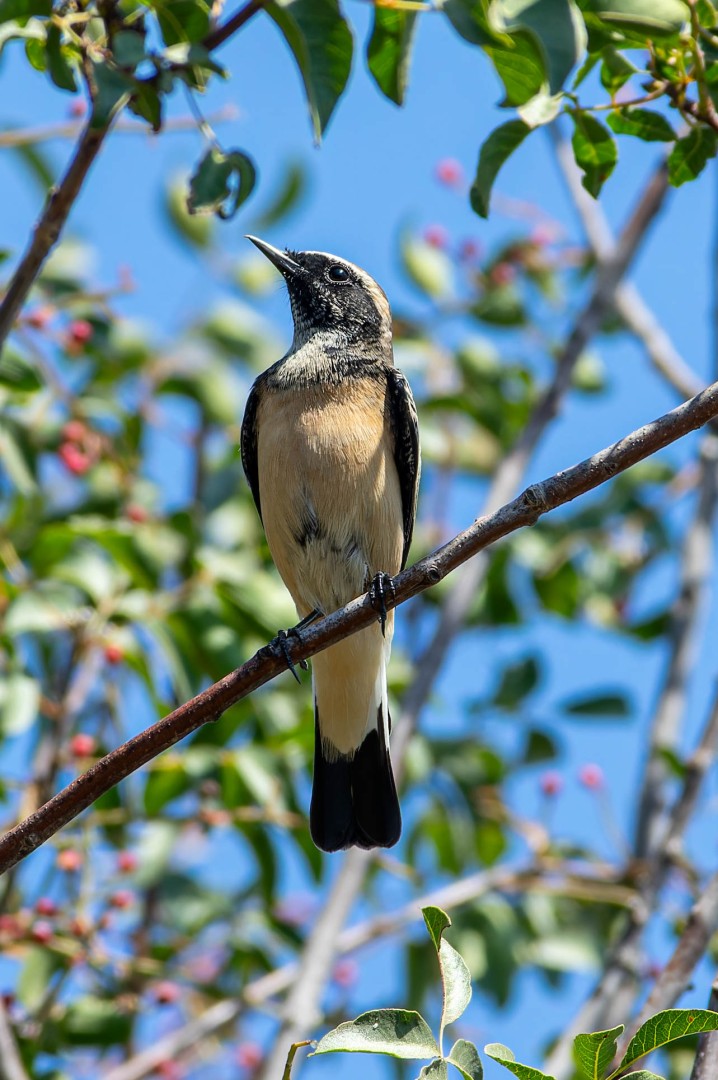
  2. Cyprus Wheatear perched on a branch in Cyprus
    Photo: Hobbyfotowiki · Wikimedia Commons · CC0

    Cyprus Wheatear

    The Cyprus Wheatear is a striking black-and-white endemic species that breeds only in Cyprus. It is often easier to find than the Cyprus Warbler because it likes to sing from a high shrub, tree or rock. The species is mainly present from March through October and uses coastal areas, mountains, farmland and village edges.

    Where can you see Cyprus Wheatears in Cyprus?

    • Akamas: open woodland, rocky slopes and scrubland
    • Cape Greco: coastal plateaus with bare ground and low vegetation
    • Troodos and Paphos Forest: mountain slopes and woodland edges
    • Evretou Reservoir and the valleys: farmland, rocks and open shorelines
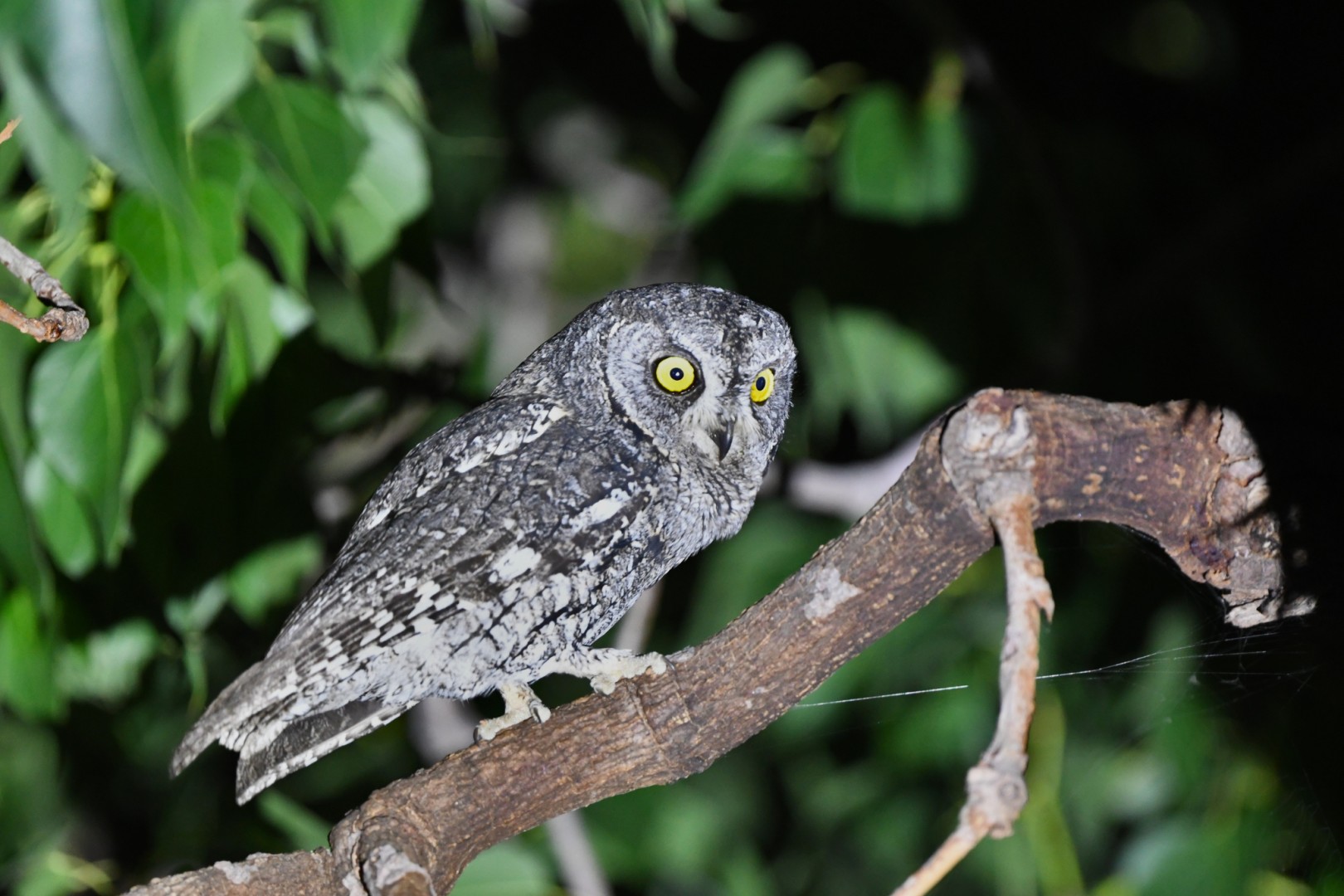
  3. Cyprus Scops Owl perched on a branch in Cyprus
    Photo: Julien Renoult · Wikimedia Commons · CC BY 4.0

    Cyprus Scops Owl

    The Cyprus Scops Owl is small, nocturnal and endemic to Cyprus. During the day it may sit quietly in a tree, but you usually find it by its distinctive two-part call. The best approach is to listen at dusk and then search calmly in low light. Do not shine strong lights at the bird and keep away from possible nest sites.

    Where can you hear and see Cyprus Scops Owls?

    • Paphos Forest and Troodos: woodland edges, pines and quiet forest roads
    • Akamas: old trees, maquis and village edges
    • Olive groves and mountain villages: especially from late February when singing resumes
    • Athalassa and other parks: sometimes in trees, but mainly useful for listening
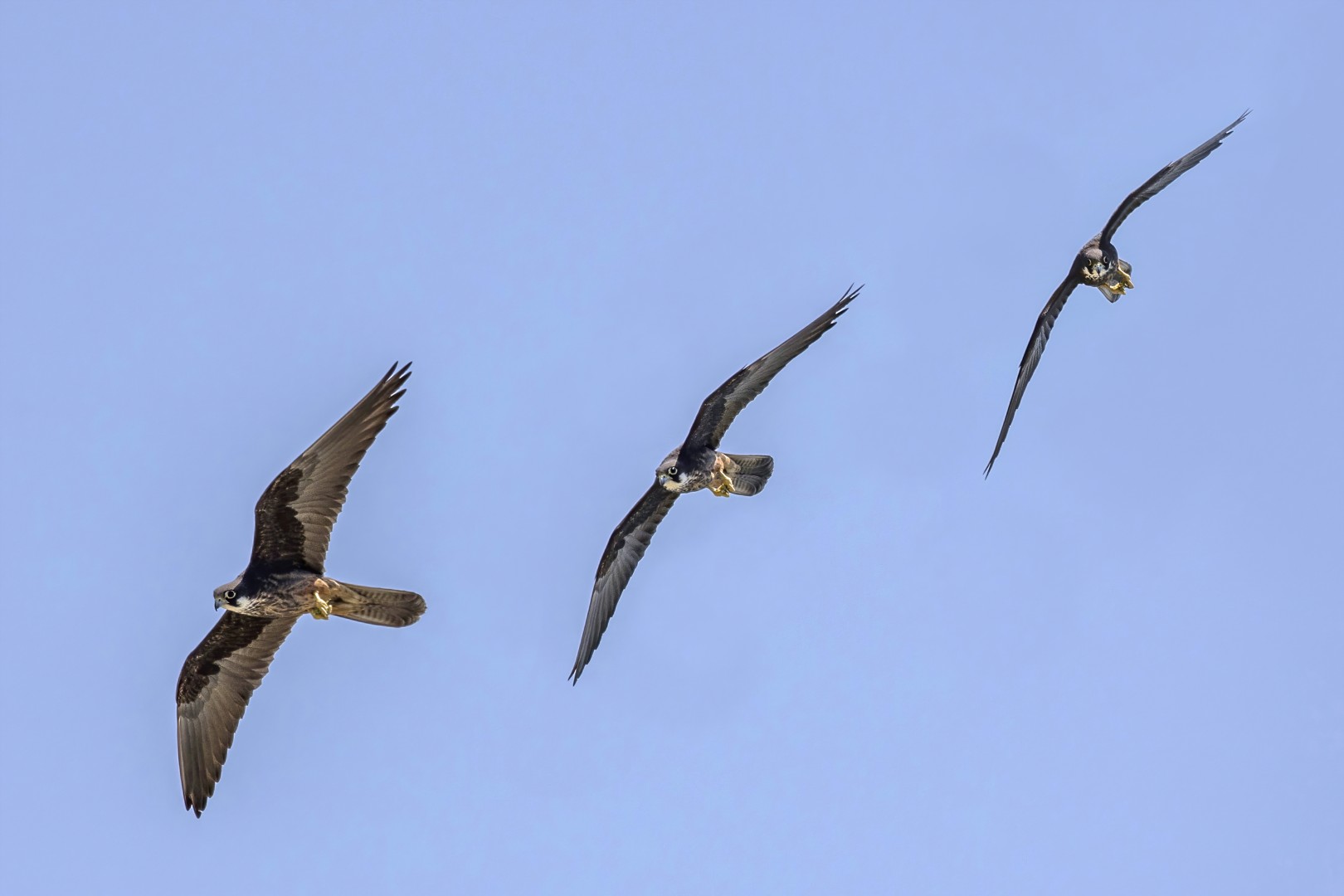
  4. Eleonora’s Falcon flying above the cliffs of Episkopi in Cyprus
    Photo: Charles J. Sharp · Wikimedia Commons · CC BY-SA 4.0

    Eleonora’s Falcon

    Eleonora’s Falcon is one of the most spectacular raptors along the Cypriot coast. It breeds late in the season, allowing its young to benefit from passing songbirds. Look for long, pointed wings and either a dark or light colour morph. The bird often hunts high above the sea and cliffs, so binoculars with a wide field of view are useful.

    Where can you see Eleonora’s Falcons in Cyprus?

    • Episkopi Cliffs: well-known breeding cliffs west of Limassol
    • Akrotiri Peninsula: hunting birds over the coast and farmland
    • Avdimou Bay and Cape Aspro: rocky coast with open views
    • Cape Greco: possible during migration and the summer months
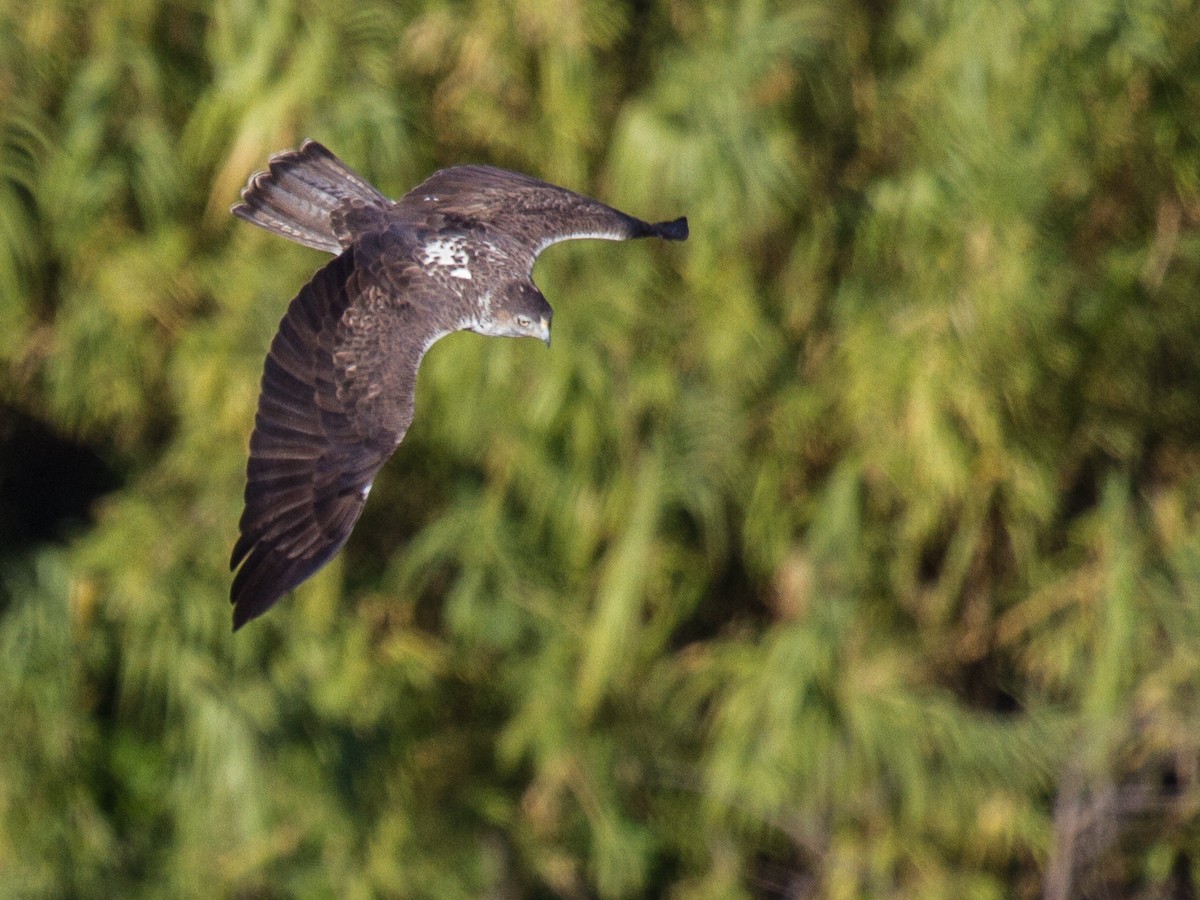
  5. Bonelli’s Eagle flying above a wooded landscape
    Photo: Вых Пыхманн · Wikimedia Commons · CC BY-SA 3.0

    Bonelli’s Eagle

    Bonelli’s Eagle is the only eagle that breeds in Cyprus. It is a powerful, mostly resident bird that can be seen above valleys, forests and rocky slopes. You often find it circling in the morning thermals or hunting over open ground. A sighting is never guaranteed, but the species is possible at several sites throughout the year.

    Where can you see Bonelli’s Eagles in Cyprus?

    • Paphos Forest: mountain slopes, valleys and woodland edges
    • Akamas: open maquis and rocky ravines
    • Diarizos Valley and Evretou: open landscapes with thermals
    • Troodos and other mountain areas: scan above gorges and woodland edges

Helpful tips and information

Practical questions about birdwatching in Cyprus

A birding trip to Cyprus calls for a smart combination of season, habitat and accessibility. Below are answers to questions many beginner and experienced birders have before visiting the salt lakes, coastal areas and mountain forests.

Spring and autumn are the best periods for the greatest variety of bird species. Spring migration begins as early as February and is usually particularly interesting in March and April, when warblers, wheatears, raptors, bee-eaters, rollers and waders move across the island. Autumn migration begins from August and continues through September and October.

Winter is the best choice for flamingos and many waterbirds at Larnaca Salt Lake, Akrotiri Salt Lake and Oroklini Lake. June and July are hot on the coast, but the mountain forests and coastal cliffs are suitable for endemic species, Eleonora’s Falcon and Bonelli’s Eagle. Before leaving, also check the seasonal information from BirdLife Cyprus.

The best-known sites are Larnaca Salt Lake and Akrotiri Salt Lake. In winter, usually between November and March, large groups of flamingos may be present. Oroklini Lake and several smaller pools around Larnaca can also attract flamingos when water levels are suitable.

Use the marked paths and viewpoints and do not walk towards the birds. Numbers can vary greatly from day to day because flamingos respond to water levels, food availability and disturbance. Official information about Larnaca Salt Lake is available from Visit Cyprus.

The three endemic breeding birds are the Cyprus Warbler, Cyprus Wheatear and Cyprus Scops Owl. The Cyprus Wheatear occurs across much of the island from March through October, especially in open woodland, maquis, farmland and along the coast. The Cyprus Warbler prefers dense scrub, maquis and woodland edges. The Cyprus Scops Owl is more often heard than seen in forests, olive groves, villages and parks.

Good combinations for a birding trip include Akamas and Paphos Forest in the west, Cape Greco in the east and Troodos or Mahairas for mountain birds. For the owl, a quiet evening with local knowledge is usually more productive than walking around during the day. BirdLife Cyprus describes the endemic species and their habitats.

Yes, Akrotiri is one of the best areas for independent birdwatching, but the peninsula consists of several separate sites. Roads and hides are available at Akrotiri Marsh and Zakaki Marsh. The Lady’s Mile pools and parts of the gravel pits can be reached from the road. A car is useful for the full area because the distances between salt lake, marsh, coast and farmland are considerable.

Be aware of military areas and follow all signs and local instructions. The southern cliffs and certain parts of the Western Sovereign Base Area are not accessible. Do not use cameras or telescopes near restricted zones. Check current information at Visit Akrotiri.

Yes, especially if you stay in Larnaca or Nicosia. Larnaca Salt Lake is close to the city and has a nature trail. Oroklini Lake works well for a short trip from Larnaca, while Athalassa National Forest Park is near Nicosia. Part of Akrotiri can also be reached by public transport to the Zakaki and Lady’s Mile area, although visiting several sites requires more planning.

A rental car is much more practical for Akamas, Paphos Forest, Troodos and remote reservoirs. Mountain roads are winding and public transport usually does not reach the best trailheads. If you prefer not to drive, consider a local nature excursion or bird guide. Before leaving, check current route information from Visit Cyprus and the Cyprus Forestry Department.

The best choices are Paphos Forest, Tripylos, Troodos National Forest Park and Mahairas Forest. These areas contain pine, cedar, golden oak, open mountain slopes and woodland edges. They are good for Cyprus Jays, Cyprus Coal Tits, Short-toed Treecreepers, Cyprus Scops Owls, Cyprus Wheatears and Bonelli’s Eagles.

Start early, especially during the warmer months. Listen near car parks, picnic areas and woodland edges before traffic and wind increase. Bring plenty of water and check the condition of forest roads and trails. The visitor centres of the Cyprus Forestry Department provide information about Troodos, Athalassa and Kavo Greco.

Coastal cliffs are the best choice for Eleonora’s Falcons. The species is recorded at Akrotiri, Episkopi Cliffs, Paramali, Avdimou Bay and Cape Aspro. Cape Greco can also be interesting during migration. Look for birds hunting above the sea or along the cliffs and choose a viewpoint with a wide field of view.

Bonelli’s Eagle is possible all year in mountainous and open country. Look especially above Paphos Forest, Akamas, the Diarizos Valley and other valleys with rocky slopes. Mornings are often good for circling raptors. Read the species information about Eleonora’s Falcon and Bonelli’s Eagle from BirdLife Cyprus.

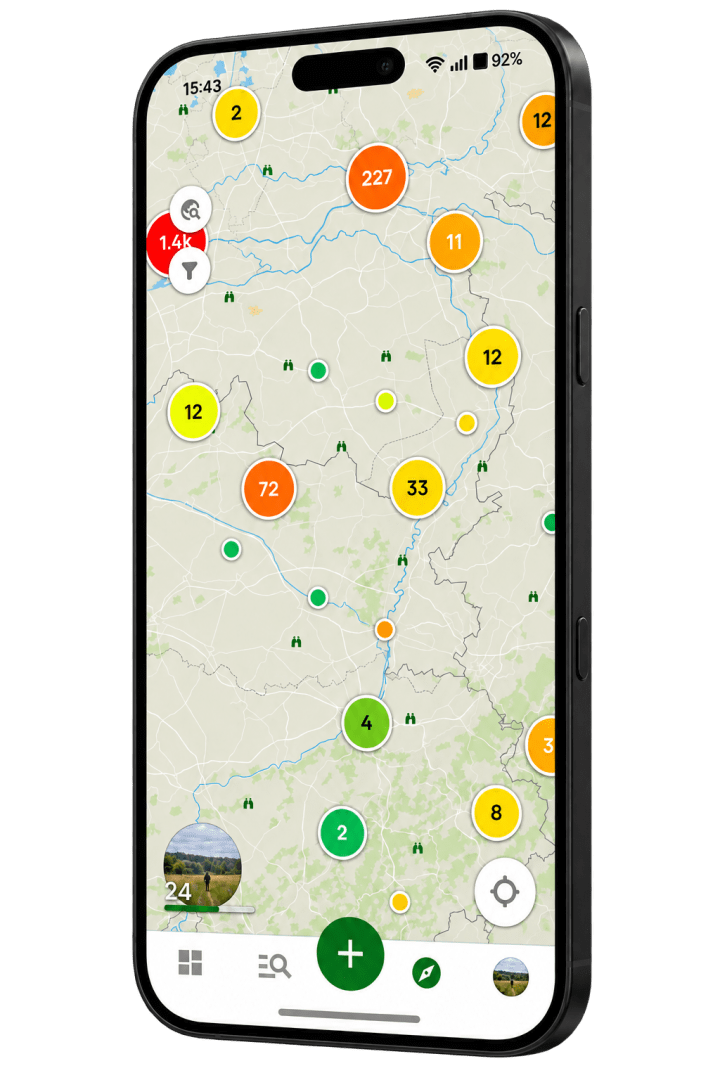
In FaunaMap, you can find recent bird sightings in Cyprus on an interactive map. Before you leave, see which birding viewpoints and hotspots are worth visiting, which species are expected at a location and where recent sightings have been reported. This is especially useful in Cyprus, where water levels, wind and migration can quickly determine which site is most productive.

Use FaunaMap to plan your route, record your own sightings and keep your species list up to date during your birding trip.

View recent sightings in FaunaMap

Discover more while birdwatching

  • See recent bird sightingsSee which birds have recently been spotted near you.
  • Explore biodiverse nature areasFind the best places to spot birds and other wildlife.
  • Find sightings by speciesQuickly find sightings of the bird species you want to see.