Birdwatching · birding hotspots · birding trip

Birdwatching in Australia: the best birding areas and species

Birdwatching in Australia means travelling through a continent of tropical wetlands, ancient rainforest, eucalyptus woodland, mangroves, mallee and red outback. Discover where to spot rare Australian birds, when to visit and how to plan a birding trip through Kakadu, Daintree, Broome, Tasmania and other wildlife-rich areas.

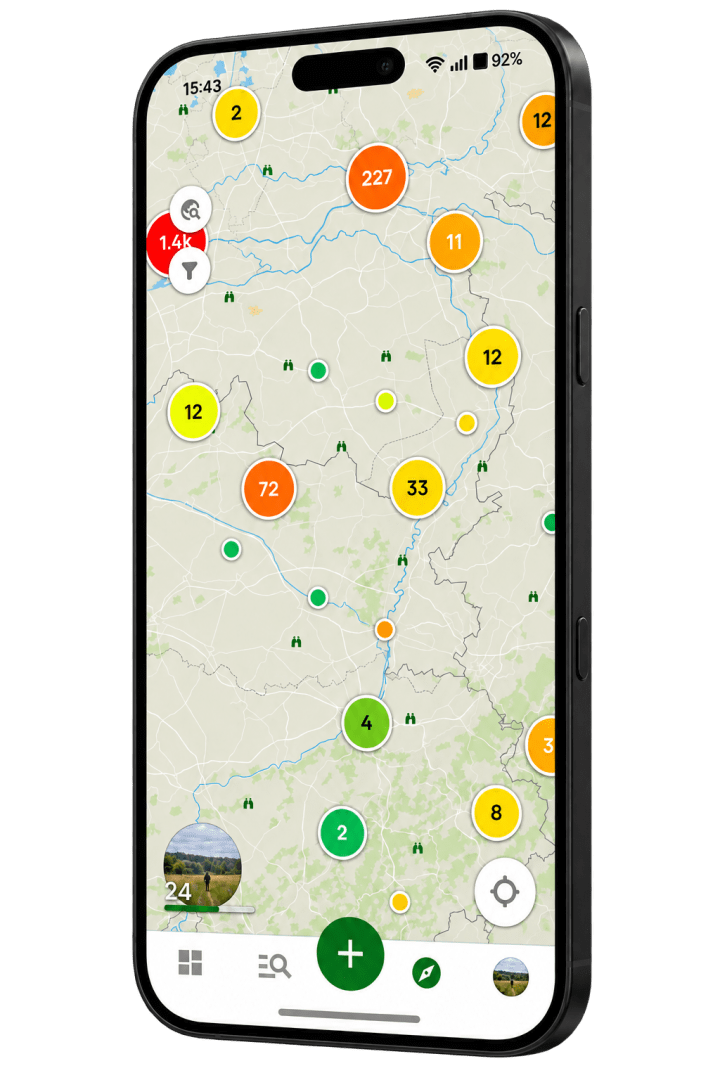
  • Recent bird sightings by location
  • Hotspots, viewing points and expected species
  • Keep your own Australian bird list
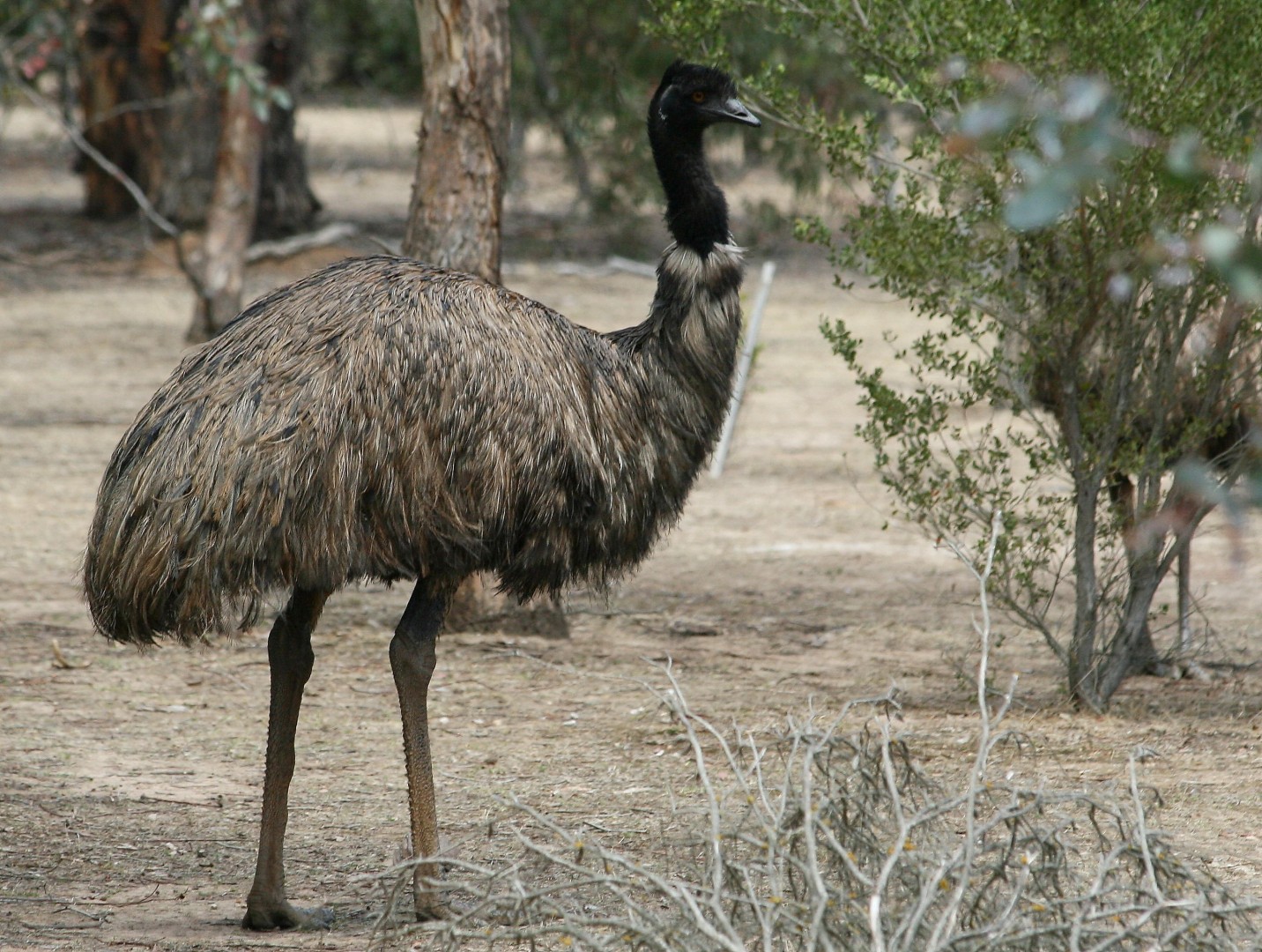
An emu at Serendip Sanctuary near Melbourne, Australia
Australia's national birdThe emu
Photo: Emu RWD1, DickDaniels · CC BY-SA 3.0.

Why go birdwatching in Australia?

Australia is a world of its own for birdwatchers

Australia is one of the world's top birdwatching destinations. The country has an exceptionally high number of endemic birds, so eucalyptus forests, rainforests, deserts and coastal areas all offer species that occur nowhere else in the wild.

The variety is extraordinary. In the north, monsoon rains and a pronounced dry season shape the birdlife. Billabongs and floodplains in Kakadu attract large numbers of waterbirds during the dry months, while Queensland's rainforests are home to the southern cassowary. In the south and east, search eucalyptus forests for lyrebirds, rosellas, honeyeaters and fairywrens.

Australia is also an appealing choice for a first birding trip, as long as you plan the distances and seasons carefully. Urban areas can produce plenty of sightings, but mallee birds, grasswrens and migratory shorebirds often require a national park or remote reserve. FaunaMap helps you combine recent sightings, birding hotspots, viewing points and expected species for each location.

Landscapes and biodiversity

Australia's most important bird habitats

The best way to find birds in Australia is to choose your habitat and season first. From tropical wetlands to mallee and eucalyptus woodland, every landscape has its own species, sounds and ideal viewing times.

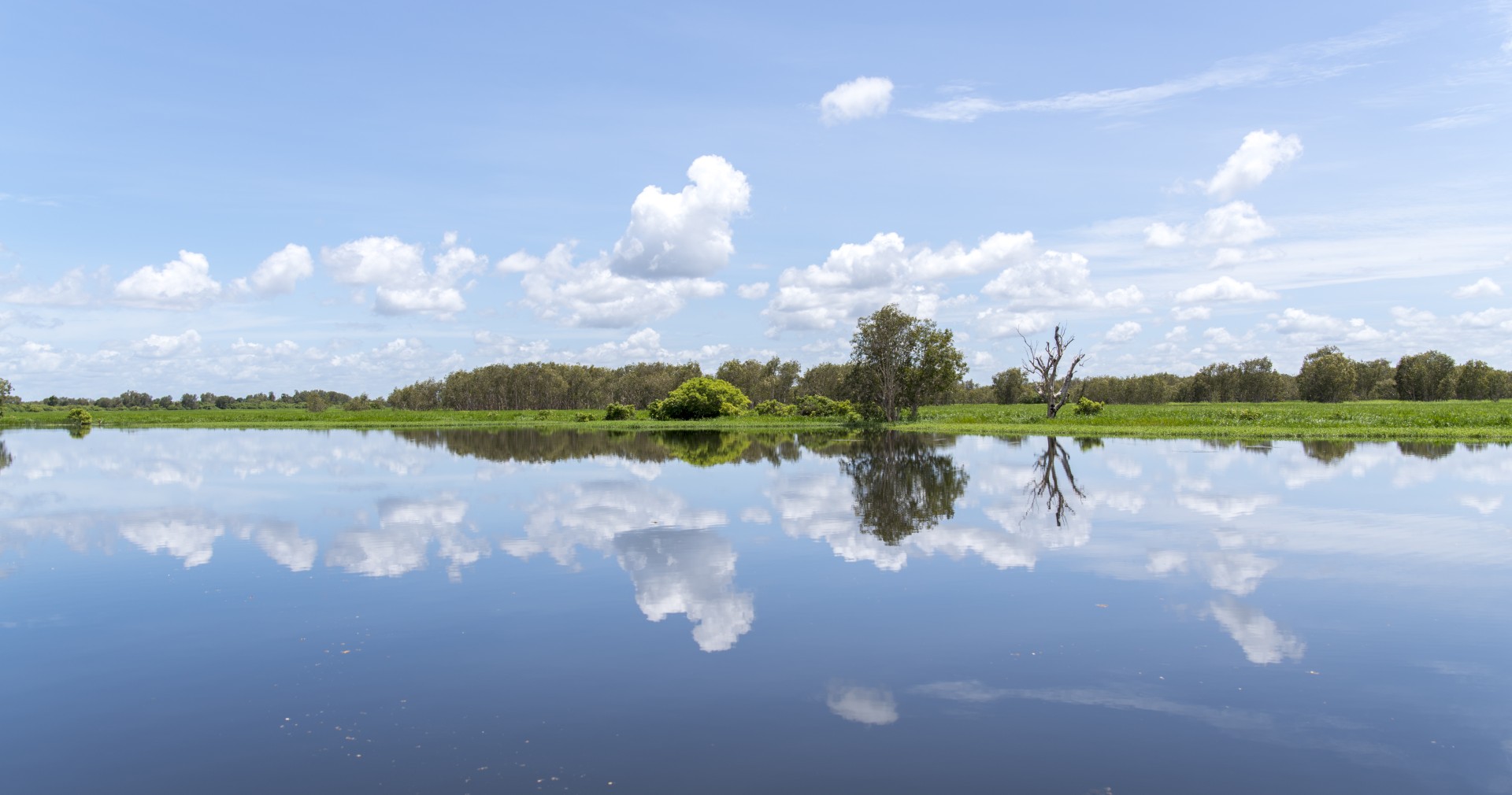
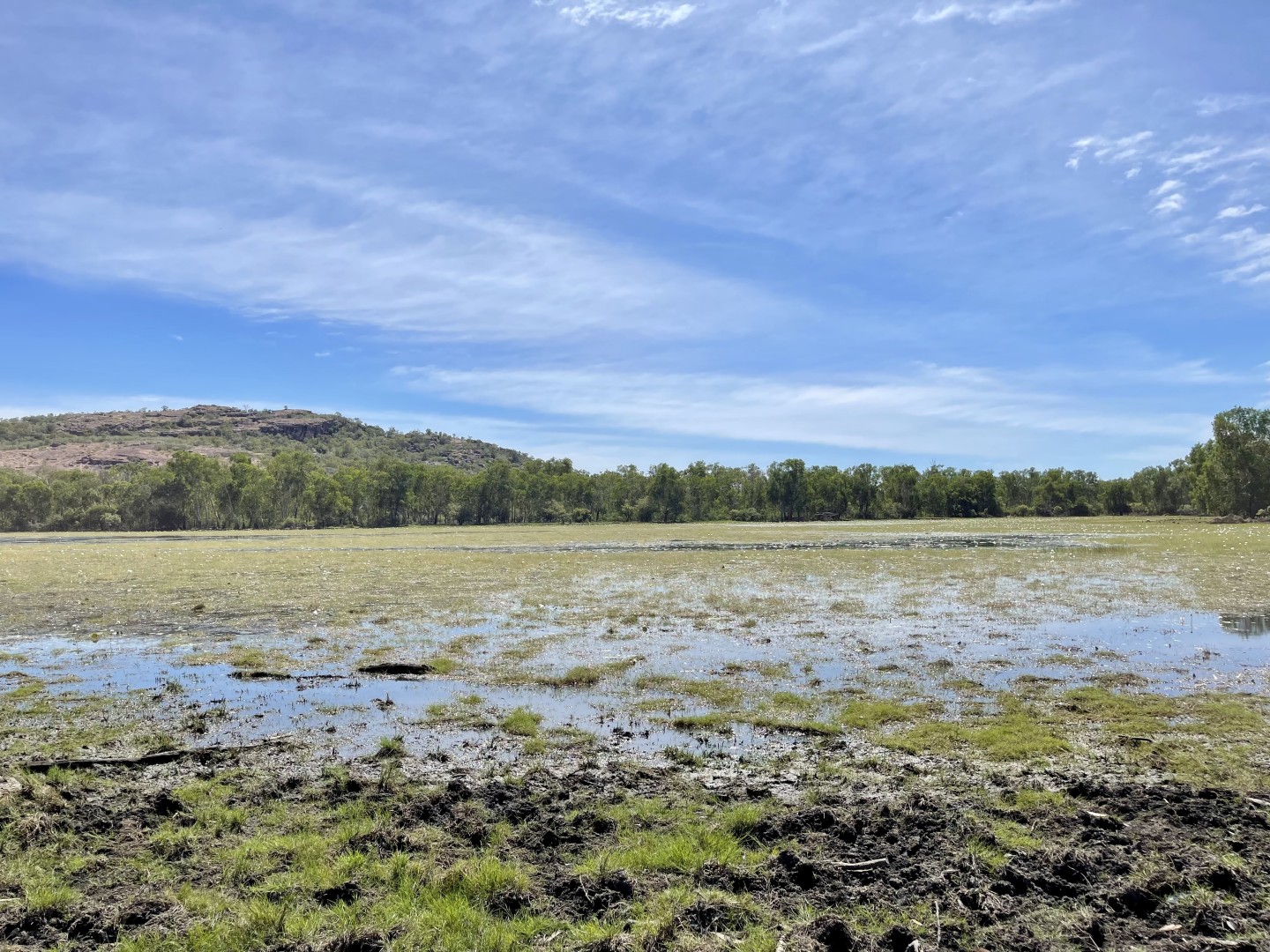
Anbangbang Billabong in Kakadu National Park, Northern Territory
Kgbo · CC BY-SA 4.0

Tropical wetlands & billabongs

The rivers and low-lying floodplains of the Top End change dramatically between the wet and dry seasons. In Kakadu, billabongs fill with water during the wet season; later, ducks, herons, geese and raptors gather around permanent pools. Always check open routes and local crocodile warnings.

Key species

  • Magpie goose
  • Brolga
  • Black-necked stork
  • White-bellied sea-eagle
  • Great egret
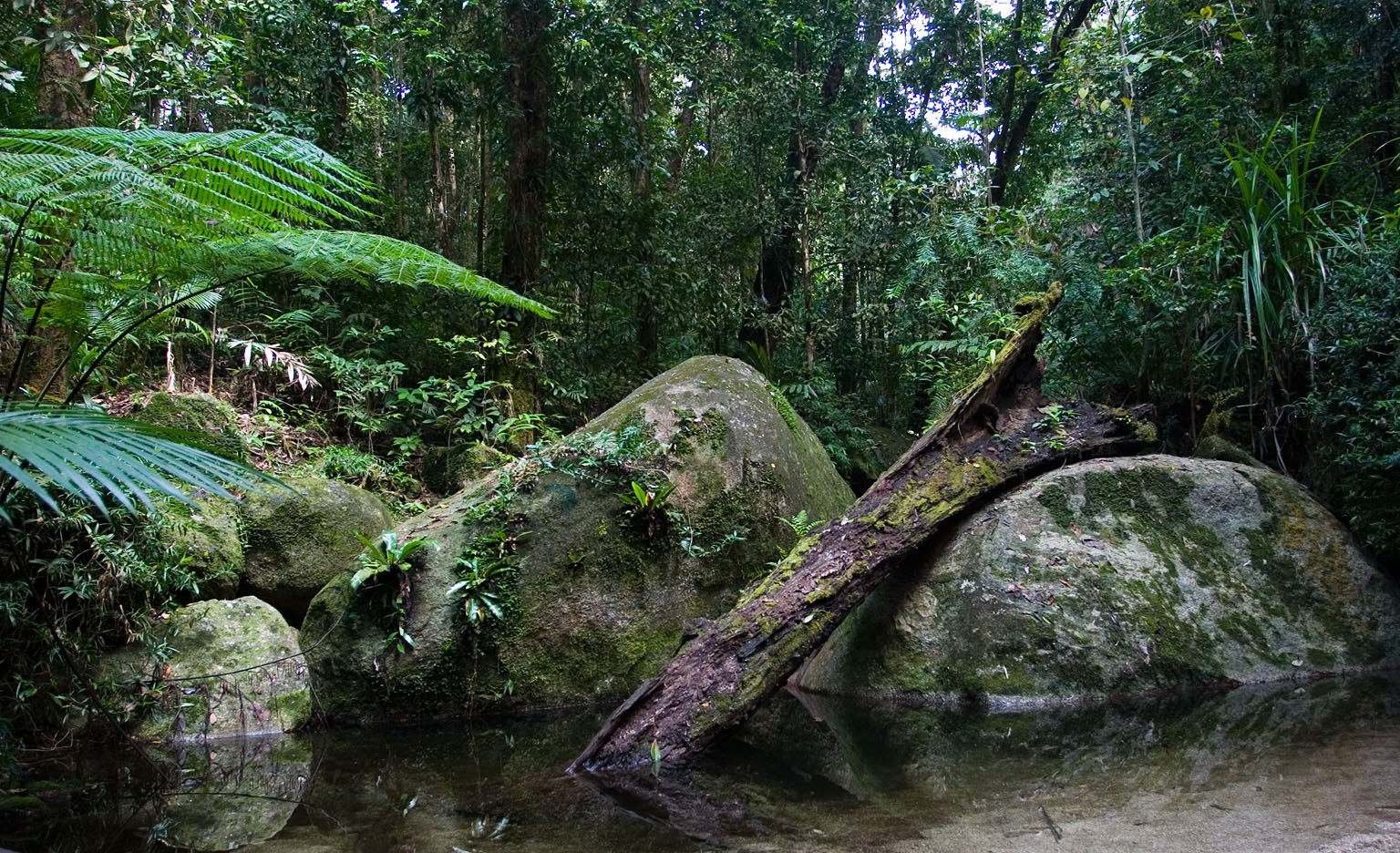
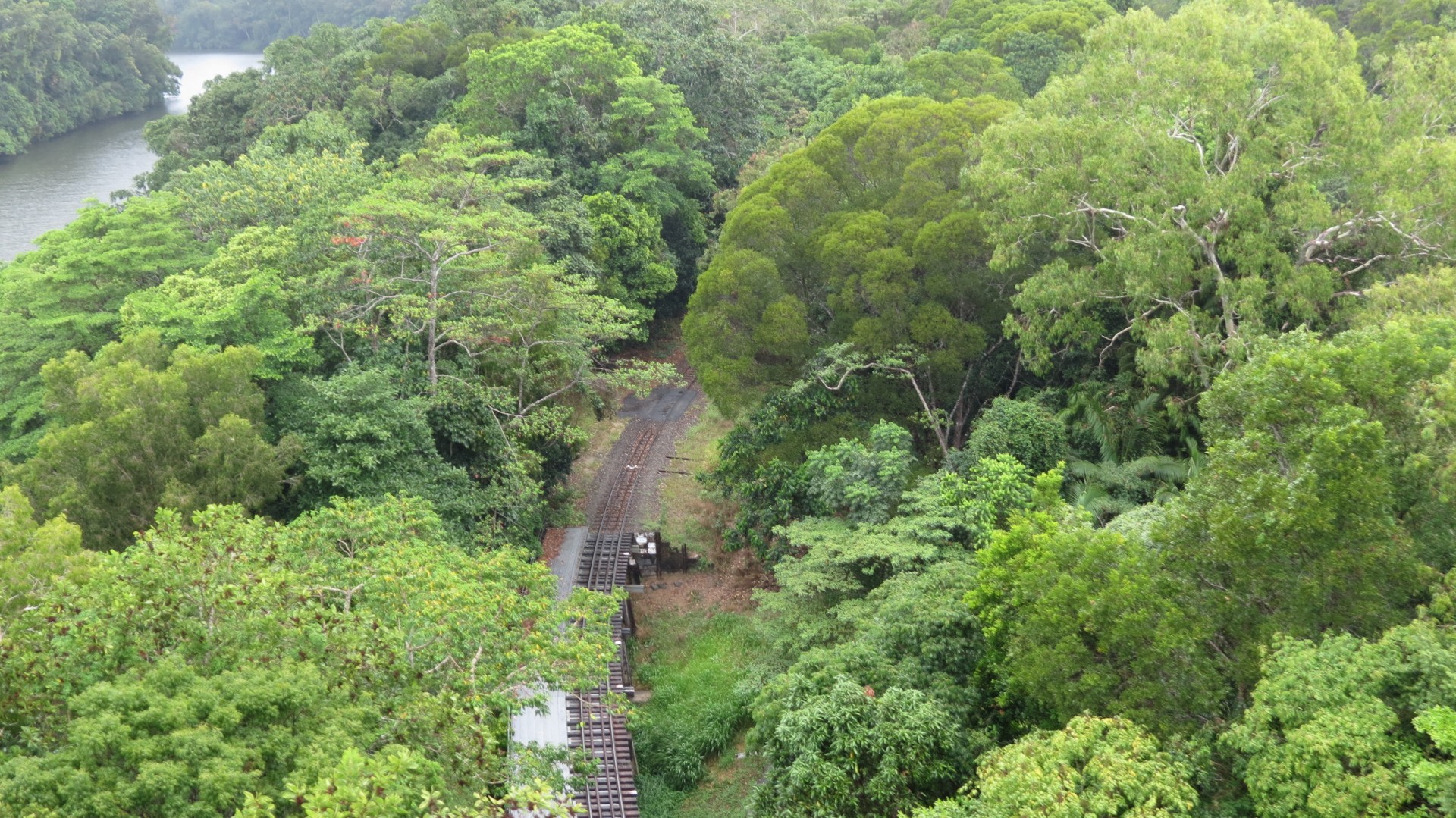
Tropical rainforest in Daintree National Park, Queensland
Diliff · CC BY-SA 2.5

Rainforest & tropical upland forest

Queensland's rainforest is dense, humid and surprisingly full of bird calls. Quiet mornings along boardwalks, streams and clearings offer the best chance of seeing forest birds. In Daintree and the Atherton Tablelands, you can combine lowland rainforest with cooler upland forest.

Key species

  • Southern cassowary
  • Wompoo fruit-dove
  • Victoria's riflebird
  • Golden honeyeater
  • Regent bowerbird
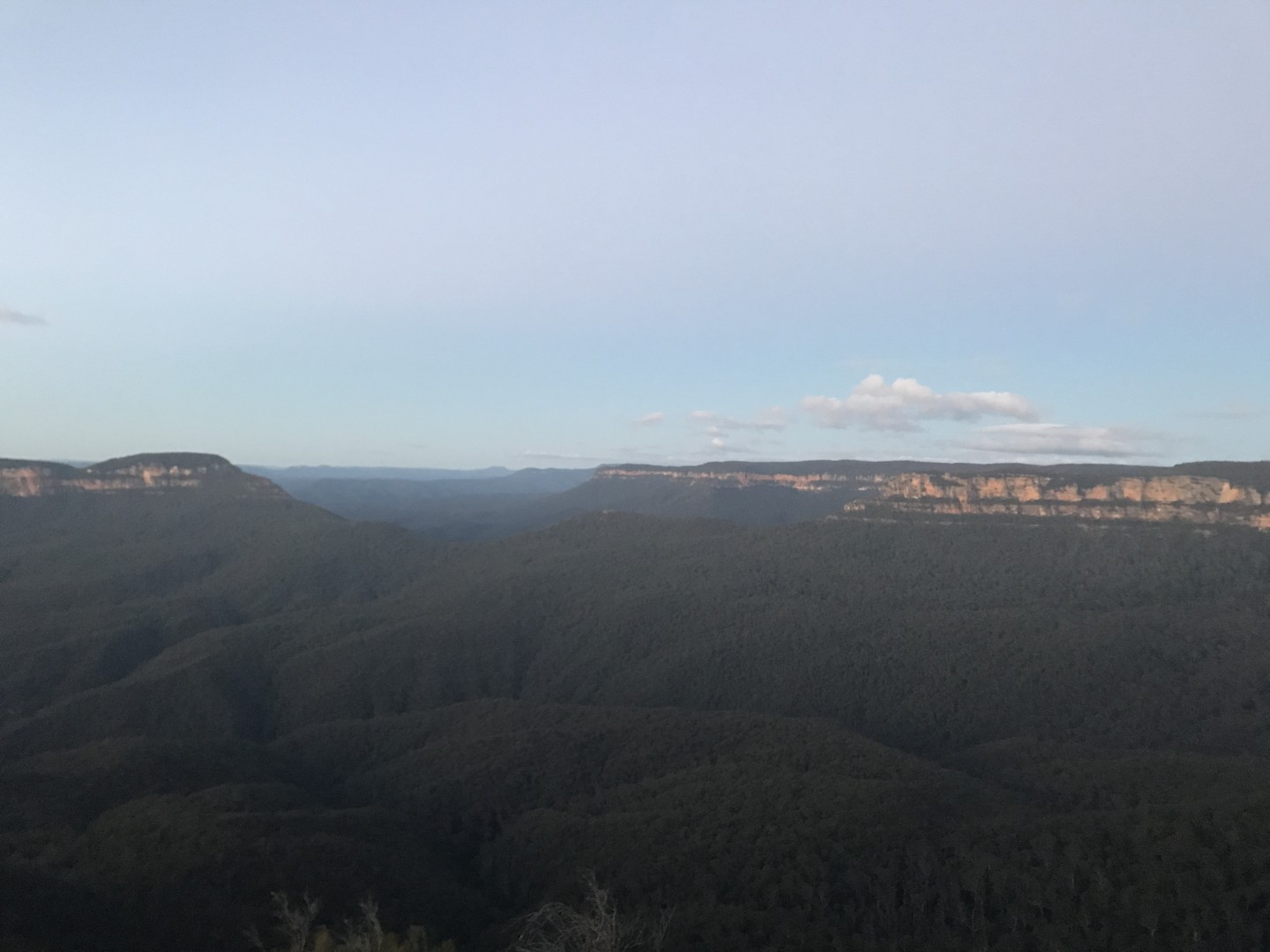
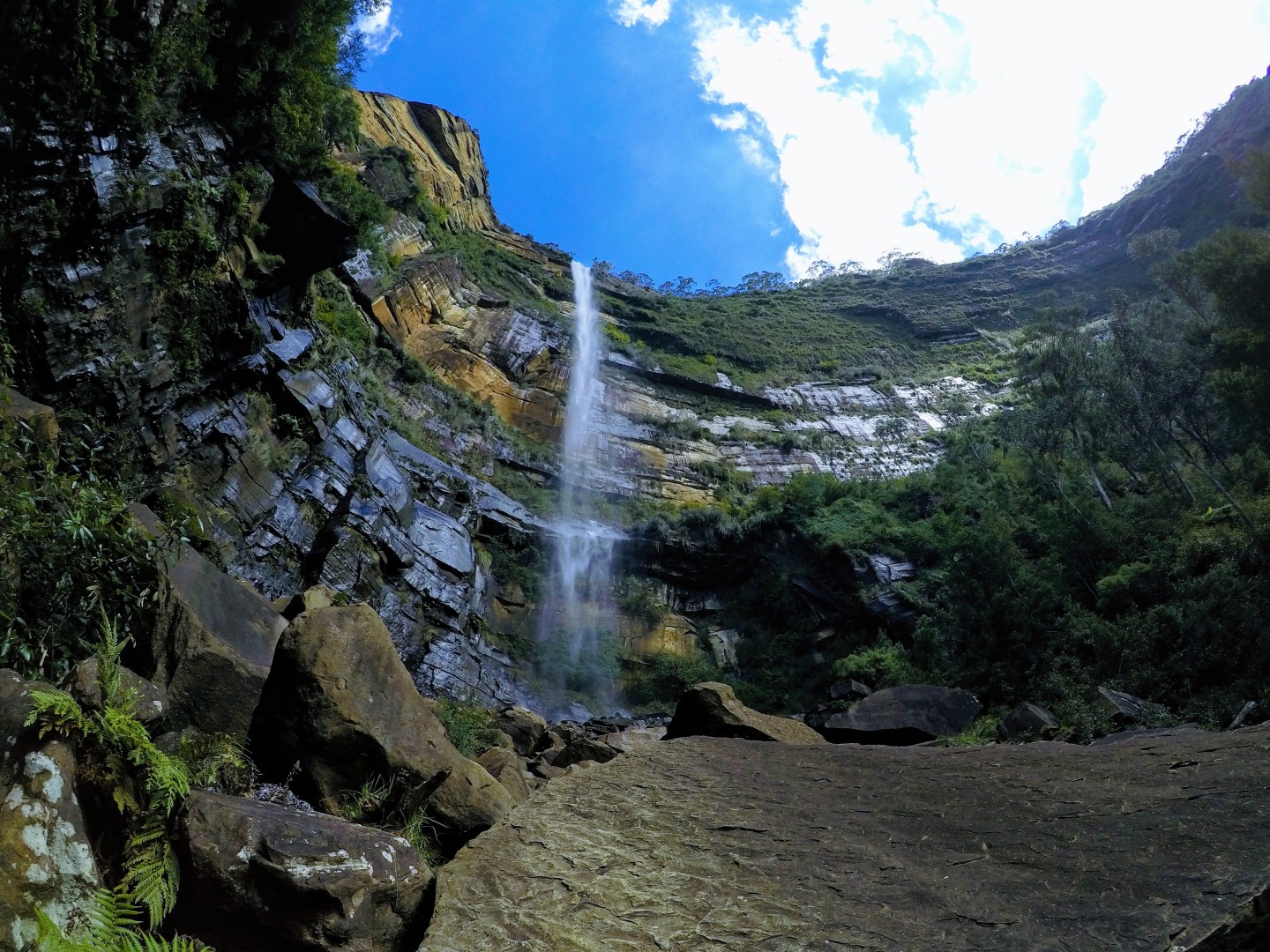
View across eucalyptus forests in the Blue Mountains, New South Wales
Mindtravelfitness · CC BY-SA 4.0

Eucalyptus forest & open woodland

Eucalyptus forests are the classic birding habitat of southeastern Australia. Listen early for lyrebirds and thornbills, watch flowering trees for honeyeaters and search open woodland for rosellas, cockatoos and kookaburras. In the Blue Mountains, deep damp valleys alternate with dry forest edges.

Key species

  • Superb lyrebird
  • Laughing kookaburra
  • Crimson rosella
  • Yellow-tailed black-cockatoo
  • Scarlet honeyeater
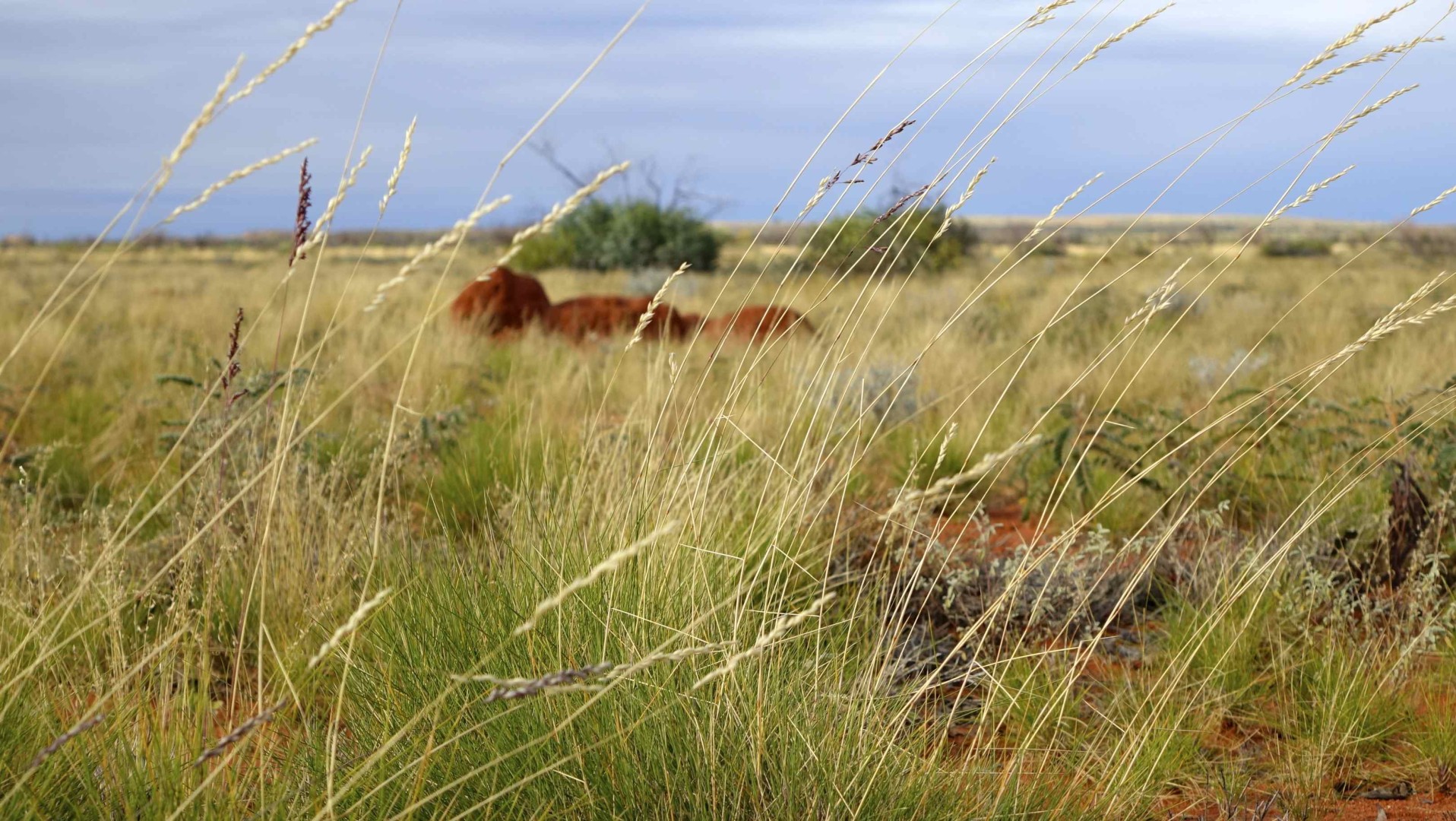
Spinifex grassland in the Australian outback
Dr Fiona J Walsh · CC BY 2.0

Outback, spinifex & red desert

In the dry interior, everything depends on water, vegetation and timing. Around waterholes and after rain, desert birds can suddenly become active. Start before sunrise, check low shrubs and listen for contact calls in the spinifex. Heat and long distances make careful preparation essential.

Key species

  • Zebra finch
  • Spinifexbird
  • White-throated grasswren
  • Wedge-tailed eagle
  • Major Mitchell's cockatoo
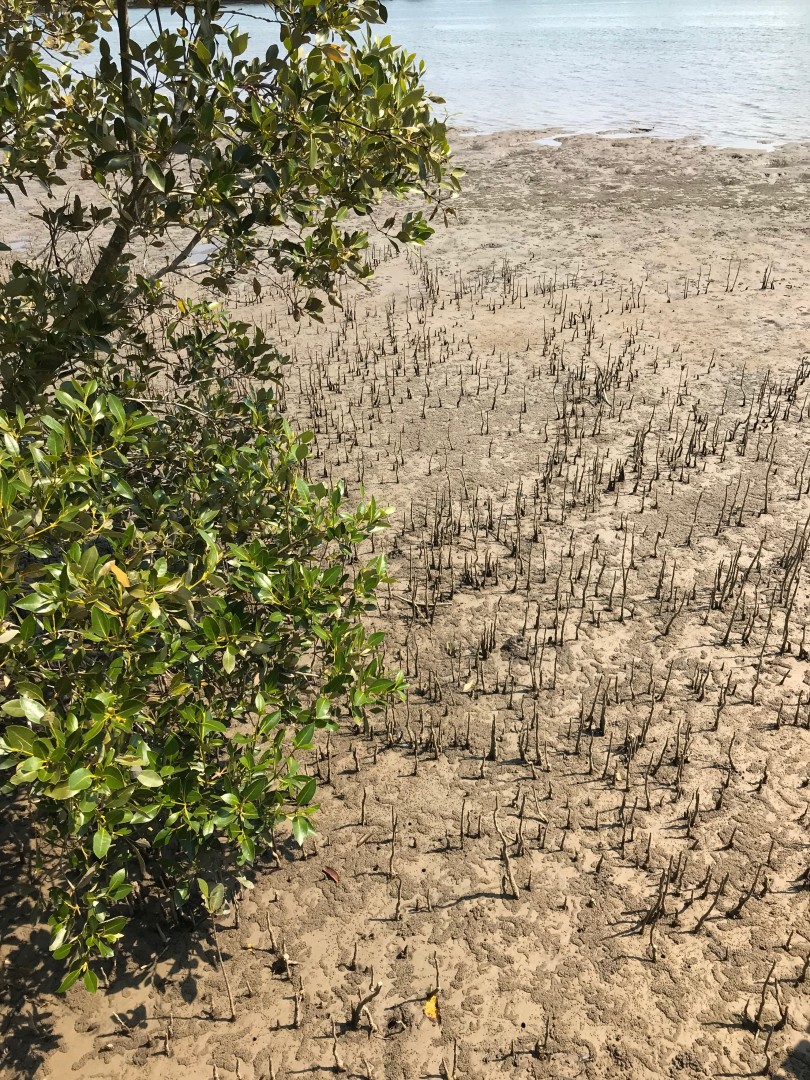
Mangroves along the Kalang River near Urunga in New South Wales
Whiteghost.ink · CC BY-SA 4.0

Mangroves, mudflats & estuaries

Along the coast, tides and food-rich mudflats determine where birds gather. Roebuck Bay, the Darwin coast and estuaries around Brisbane are excellent for migratory birds, waders, terns and mangrove specialists. Plan your visit around high tide to see large resting flocks.

Key species

  • Great knot
  • Bar-tailed godwit
  • Eastern curlew
  • Mangrove gerygone
  • White-bellied sea-eagle
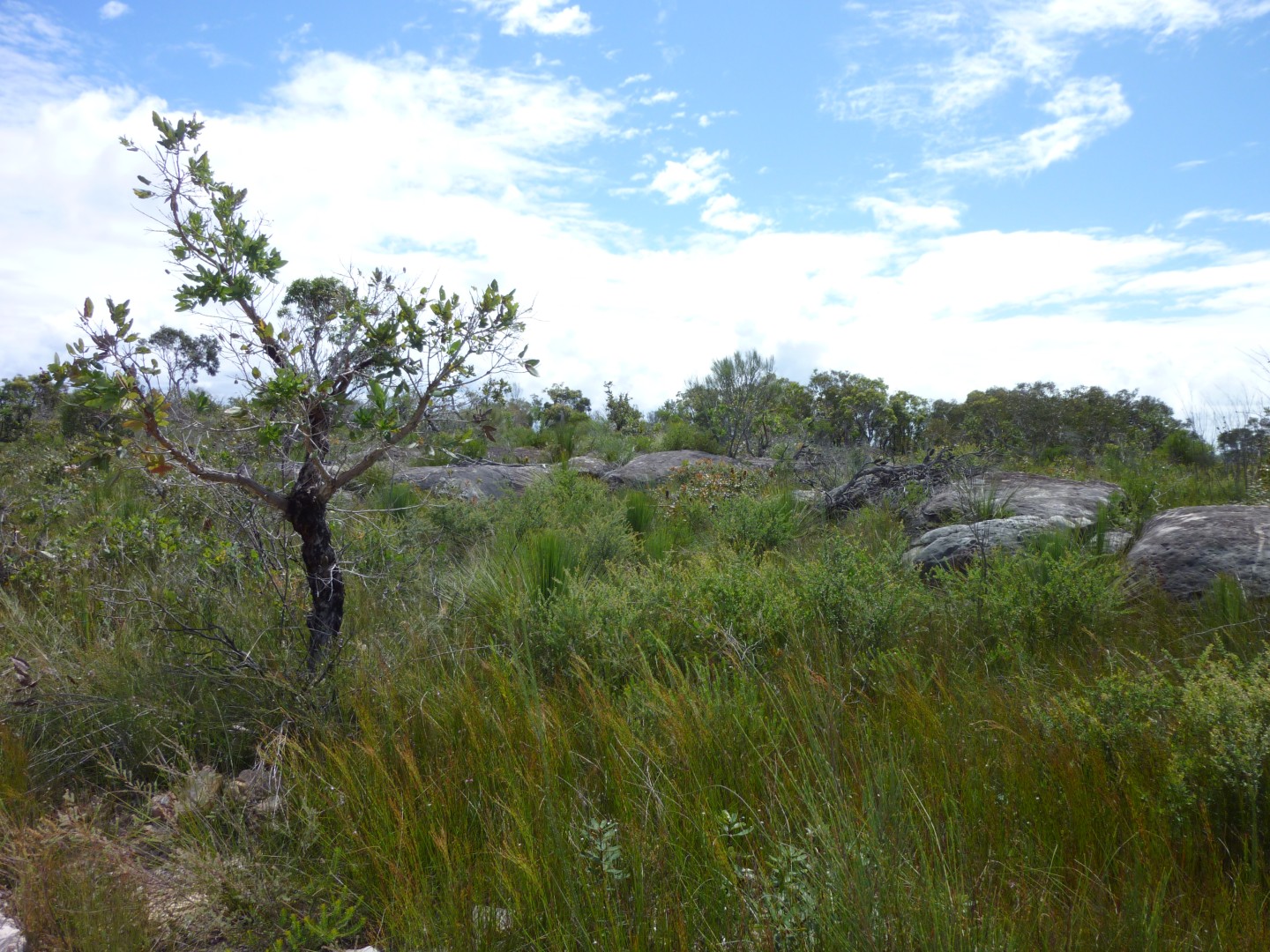
Heathland with eucalyptus and scrub vegetation in Ku-ring-gai Chase National Park
Schomynv · public domain

Mallee, heathland & southwestern bush

Low eucalyptus, open scrub and heathland create some of the best habitats for Australian specialists. In mallee areas such as Gluepot, move slowly and listen carefully, because species such as malleefowl and whistlers often stay low in the vegetation. Spring and early morning bring extra activity.

Key species

  • Malleefowl
  • Mallee emu-wren
  • Superb fairywren
  • Red-lored whistler
  • Scarlet-chested parrot

Birdwatching throughout the year

Australia bird calendar: what can you expect each season?

Australia has opposite seasons to Europe and major differences between north and south. In the Top End, the wet and dry seasons often matter more than calendar months; in the south, spring, flowering and migration set the rhythm.

WinterJune to AugustSpringSeptember to NovemberSummerDecember to FebruaryAutumnMarch to May
  1. January

    Summer

    Wet season in the north

    In Kakadu, Darwin and the Kimberley, rain and flooding fill the billabongs. Birds spread across the landscape, but the lush scenery and breeding activity make a tropical birding trip especially rewarding. In the south, flowering eucalyptus, honeyeaters and coastal birds are worth looking for.

    Recommended areasDarwin wetlands, Kakadu with current access information, Daintree and southern eucalyptus forests.

  2. February

    Summer

    Rainforest and young birds

    The tropical rainforests are at their greenest. In Daintree and around Cairns, an early start matters because of the heat and humidity. In southeastern Australia, fairywrens, rosellas and honeyeaters are active along forest edges and flowering shrubs.

    Recommended areasDaintree, Atherton Tablelands, Bruny Island and coastal areas around Sydney and Melbourne.

  3. March

    Autumn

    Migratory shorebirds leave Broome

    In Roebuck Bay, adult shorebirds begin leaving for their breeding grounds in the Northern Hemisphere. The mudflats and high-tide roosts remain rich with birds, however. In the south, a quieter autumn rhythm begins with forest birds and waterbirds.

    Recommended areasRoebuck Bay, Broome Bird Observatory, Coorong and river wetlands in South Australia.

  4. April

    Autumn

    The dry season begins

    The Top End gradually becomes drier, making Kakadu and other northern wetlands more appealing for birdwatchers. Water is still widely available, while open areas become easier to access. In the south, coasts and lagoons are good for waterbirds.

    Recommended areasKakadu, Darwin, Roebuck Bay, Coorong and coastal lagoons in South Australia.

  5. May

    Autumn

    An ideal transition month in the north

    Lower humidity makes the north more comfortable for long days outdoors. More birds gather around billabongs as temporary waters disappear. In the southeast, lyrebirds, kookaburras and rosellas can be combined on forest walks.

    Recommended areasKakadu, Daintree, Blue Mountains and wetlands around Cairns.

  6. June

    Winter

    Dry season in Kakadu

    The dry season has begun in the Top End. Birds gather around permanent water, and boat trips on Yellow Water can produce excellent waterbird sightings. In the south, coastal areas, mallee and open forests are comfortable for a full day of birding.

    Recommended areasKakadu, Darwin wetlands, Gluepot Reserve and the Tasmanian coast.

  7. July

    Winter

    Clear days and concentrated birdlife

    July is a strong month for birdwatching in northern Australia. Herons, ducks, geese, kingfishers and raptors are easier to find around waterholes and billabongs. Wintering shorebirds remain in Broome, while the south offers winter birds and seabirds.

    Recommended areasYellow Water, Mamukala, Roebuck Bay, Alice Springs and southern coastal areas.

  8. August

    Winter

    Migratory shorebirds begin returning

    The return of migratory shorebirds begins in Roebuck Bay. Plan coastal visits around high tide to see resting flocks. Forests and mallee remain appealing in the south, with extra attention to flowering eucalyptus and increased song activity.

    Recommended areasBroome, Coorong, Gluepot, Blue Mountains and South Bruny National Park.

  9. September

    Spring

    Spring in the southern forests

    Days grow longer and songbirds become more active. In the Blue Mountains, Tasmania and southwestern Australia, forest edges, heathland and flowering trees are good for honeyeaters, fairywrens and rosellas. In the north, the dry season remains excellent for wetlands.

    Recommended areasBlue Mountains, Bruny Island, Kakadu and mallee areas in South Australia.

  10. October

    Spring

    Breeding activity and flowering eucalyptus

    October combines spring migration, territorial behaviour and flowering vegetation. Search the south for fairywrens, lyrebirds and honeyeaters. Large numbers of migratory birds are present in Broome, while Daintree is often easy to access during the final dry weeks.

    Recommended areasBroome, Blue Mountains, Bruny Island, Daintree and Gluepot Reserve.

  11. November

    Spring

    Late spring and the first rain in the north

    Spring is well underway in southern Australia, and breeding species can be found along open forest edges. In the Top End, clouds and the first showers signal the wet season. Access in Kakadu can change quickly between areas.

    Recommended areasSouth Bruny, Blue Mountains, Kangaroo Island and Kakadu according to the latest access report.

  12. December

    Summer

    Coastal birds and tropical greenery

    In the south, coastal heathland, seabird colonies and eucalyptus forests are appealing. In Tasmania, you may see short-tailed shearwaters and little penguins along the coast. The north becomes wetter and greener, but heat, rain and closed routes can affect your plans.

    Recommended areasBruny Island, Tasmania, Kangaroo Island, southern coastal forests and Daintree with current park information.

Seasonal information and area examples: Parks Australia, DBCA Western Australia, Parks and Wildlife Service Tasmania and Tourism Australia.

Birding areas in Australia

Australia's best birding areas: where can you go birdwatching?

Australia is too large to explore fully in a single trip. That is why we selected eight birding areas offering a strong combination of biodiversity, iconic species, landscape variety and practical access. From tropical wetlands and rainforest to coastal lagoons and mallee, each area calls for a different approach.

Yellow Water Billabong in Kakadu National Park
Photo: Poidabro · Wikimedia Commons · CC BY-SA 4.0

Northern Territory

Billabong · wetlands · savanna

Kakadu National Park

Yellow Water, Mamukala and Ubirr

Kakadu is one of Australia's best-known birding areas and, according to Parks Australia, is home to around one third of all Australian bird species. The combination of wetlands, open savanna, monsoon forest and sandstone country makes every route different. Yellow Water is excellent for waterbirds and raptors, while Mamukala and the walks around Ubirr add different species.

Look for
Magpie goose, brolga, black-necked stork, white-bellied sea-eagle and kingfishers.
Plan around
The dry season, open routes, boat trips and local crocodile warnings.
Tropical rainforest along the Daintree River in Queensland
Photo: Robert Linsdell · Wikimedia Commons · CC BY 2.0

Queensland

Rainforest · upland forest · coast

Daintree & Wet Tropics

Mossman Gorge, Cape Tribulation and Atherton Tablelands

The Wet Tropics around Cairns is a top destination for anyone hoping to see unusual rainforest birds. In Daintree, search boardwalks, streams and clearings for southern cassowaries and colourful fruit-doves. With more time, combine lowland rainforest with the cooler forests of the Atherton Tablelands, where other endemic species occur.

Look for
Southern cassowary, wompoo fruit-dove, Victoria's riflebird and honeyeaters.
Plan around
Early mornings, the Daintree ferry, park alerts and drier weather from May to September.
Mountain scenery in Blue Mountains National Park near Sydney
Photo: Shwollo · Wikimedia Commons · CC BY-SA 4.0

New South Wales

Eucalyptus forest · valleys · heath

Blue Mountains National Park

Katoomba, Blackheath and Govetts Leap

Less than two hours from Sydney lies one of Australia's most accessible birding areas. Deep valleys and eucalyptus forests are good for superb lyrebirds, rosellas, kookaburras and black-cockatoos. Start early along forest edges and in damp gullies. Without a car, several parts of the park can be reached from stations such as Katoomba, Leura and Blackheath.

Look for
Superb lyrebird, crimson rosella, laughing kookaburra and yellow-tailed black-cockatoo.
Plan around
Early morning, weekend crowds, hiking ability and current trail closures.
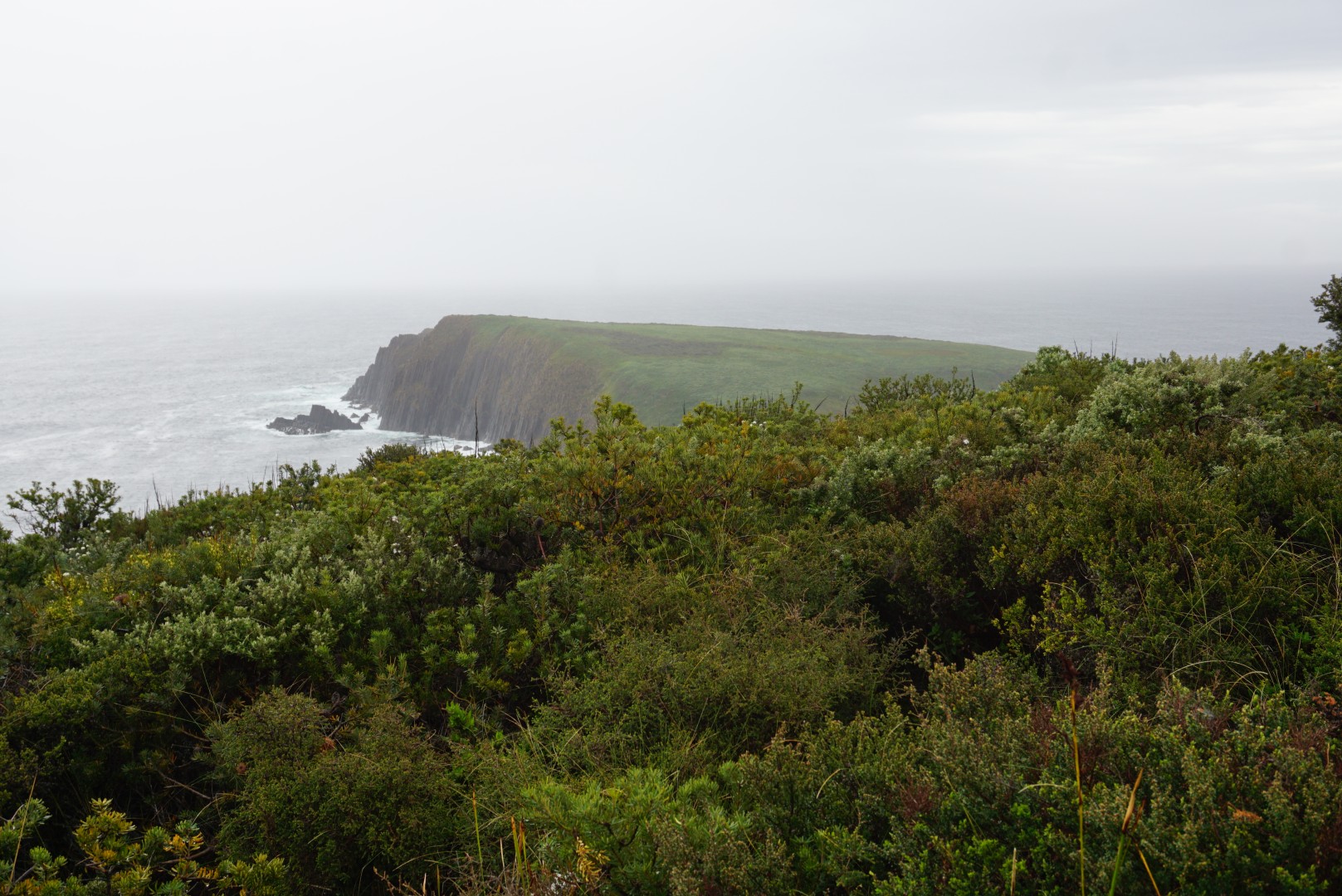
Coastal heathland and cliffs on Bruny Island, Tasmania
Photo: MDRX · Wikimedia Commons · CC BY-SA 4.0

Tasmania

Coast · heathland · eucalyptus

Bruny Island & South Bruny

The Neck, Adventure Bay and South Bruny National Park

Bruny Island has around 120 recorded bird species and combines coastal heathland, eucalyptus woodland, rainforest and open beaches. The island is attractive for swift parrots, forty-spotted pardalotes, hooded plovers, seabirds and short-tailed shearwaters. The ferry makes a day trip possible, but staying overnight gives you more time during the best early and late birding hours.

Look for
Swift parrot, forty-spotted pardalote, hooded plover and white-bellied sea-eagle.
Plan around
The ferry, a Tasmanian parks pass and dusk at The Neck.
Sand dunes and lagoon in Coorong National Park, South Australia
Photo: Briggsy66 · Wikimedia Commons · CC BY-SA 4.0

South Australia

Lagoon · coastal dunes · wetland

Coorong National Park

Jack Point, Parnka Point and the long lagoons

The Coorong is an internationally important wetland and an excellent choice for birdwatchers who want to combine pelicans, waterbirds and migratory species. More than 200 bird species have been recorded in the park. Jack Point is known for its breeding colony of Australian pelicans; in shallow lagoons, search for waders and ducks.

Look for
Australian pelican, banded stilt, bar-tailed godwit, terns and waterbirds.
Plan around
A full day, plenty of water, 2WD or boat access and changing water levels.
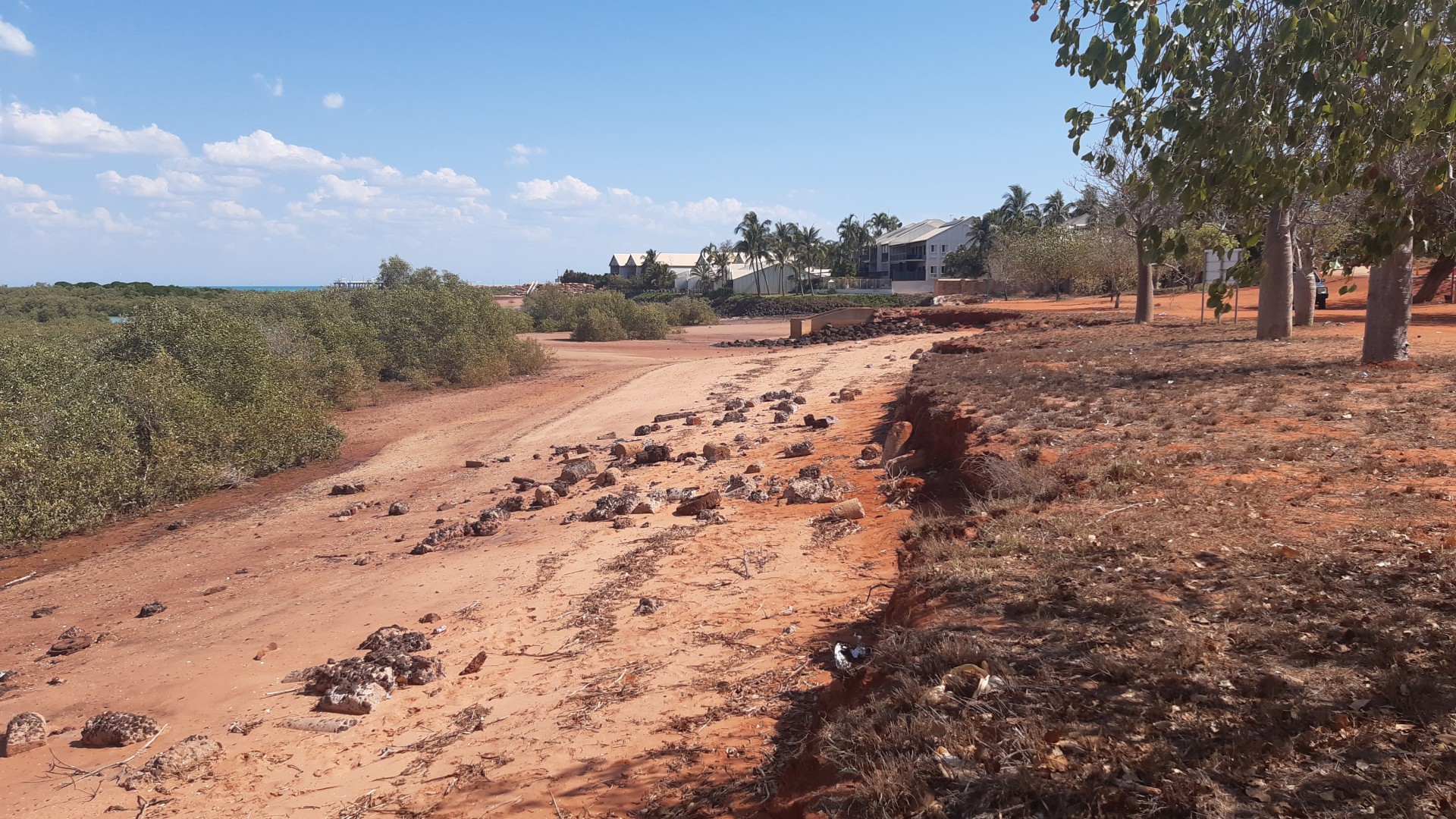
Low-tide landscape at Roebuck Bay near Broome, Western Australia
Photo: Ridiculopathy · Wikimedia Commons · CC0 1.0

Western Australia

Mudflats · mangroves · tides

Roebuck Bay & Broome

Broome Bird Observatory and the northern bay

Roebuck Bay is one of the most important stopover sites for migratory birds along the East Asian Australasian Flyway. More than 122 waterbird species have been recorded at the Ramsar site, and more than 300,000 shorebirds use the area each year. At low tide, birds feed across the mudflats; at high tide, they move to coastal roosts.

Look for
Great knot, eastern curlew, bar-tailed godwit, Asian dowitcher and mangrove birds.
Plan around
High tide, September to April and the local tide table.
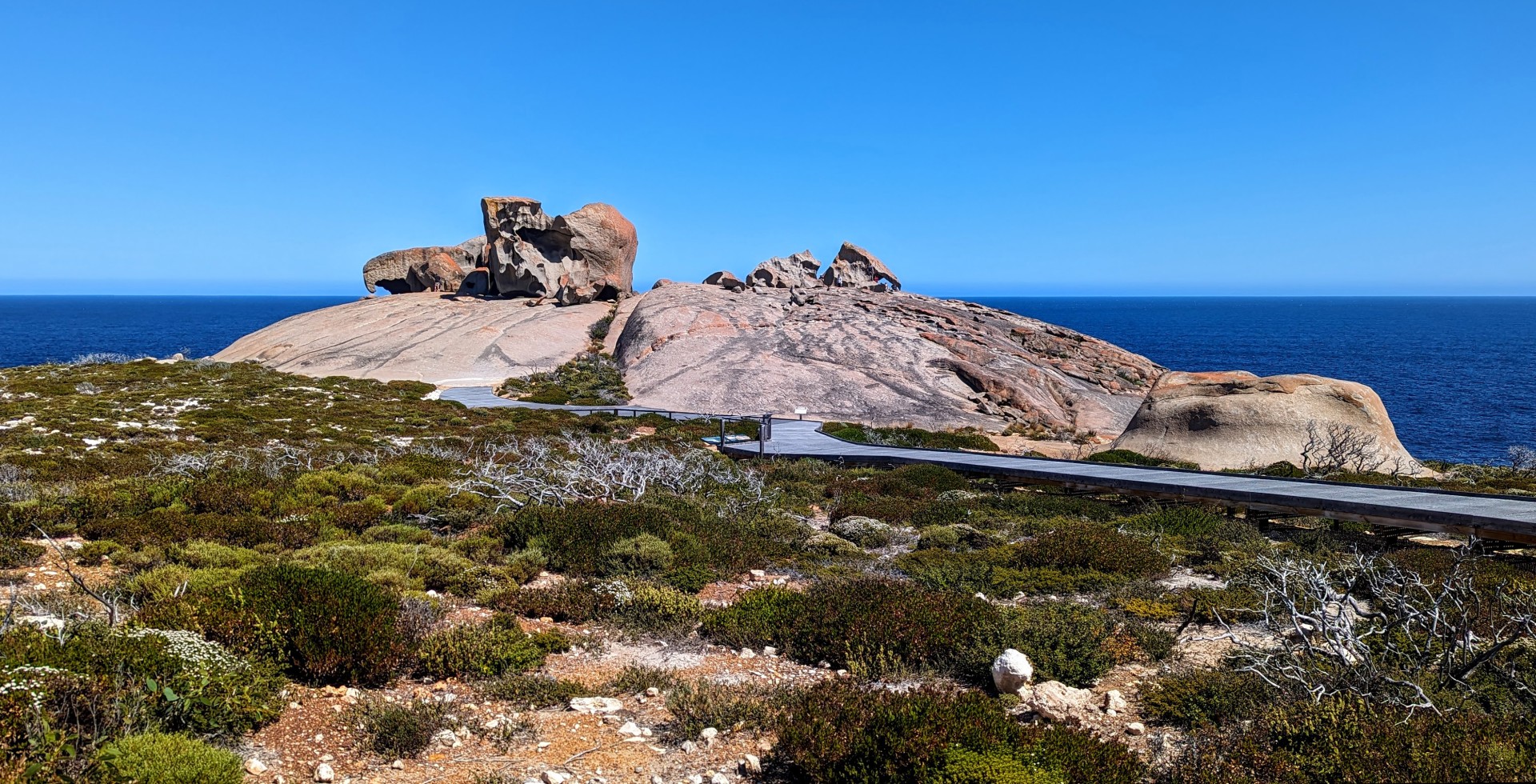
Remarkable Rocks in Flinders Chase National Park on Kangaroo Island
Photo: Dicklyon · Wikimedia Commons · CC BY 4.0

South Australia

Mallee · coast · wetlands

Kangaroo Island & Flinders Chase

Mallee, cliffs, lagoons and wilderness beyond the ferry

Kangaroo Island has 267 recorded bird species and offers a special combination of island habitat, mallee, eucalyptus forest and coastline. In Flinders Chase, search for bush birds, sea-eagles and raptors; along the beaches, hooded plovers and pied oystercatchers are possible. The remote setting creates a peaceful birding experience, but requires time and careful route planning.

Look for
Glossy black-cockatoo, hooded plover, white-bellied sea-eagle, osprey and Latham's snipe.
Plan around
The ferry, park fees, wildlife on the roads and early morning or late afternoon.
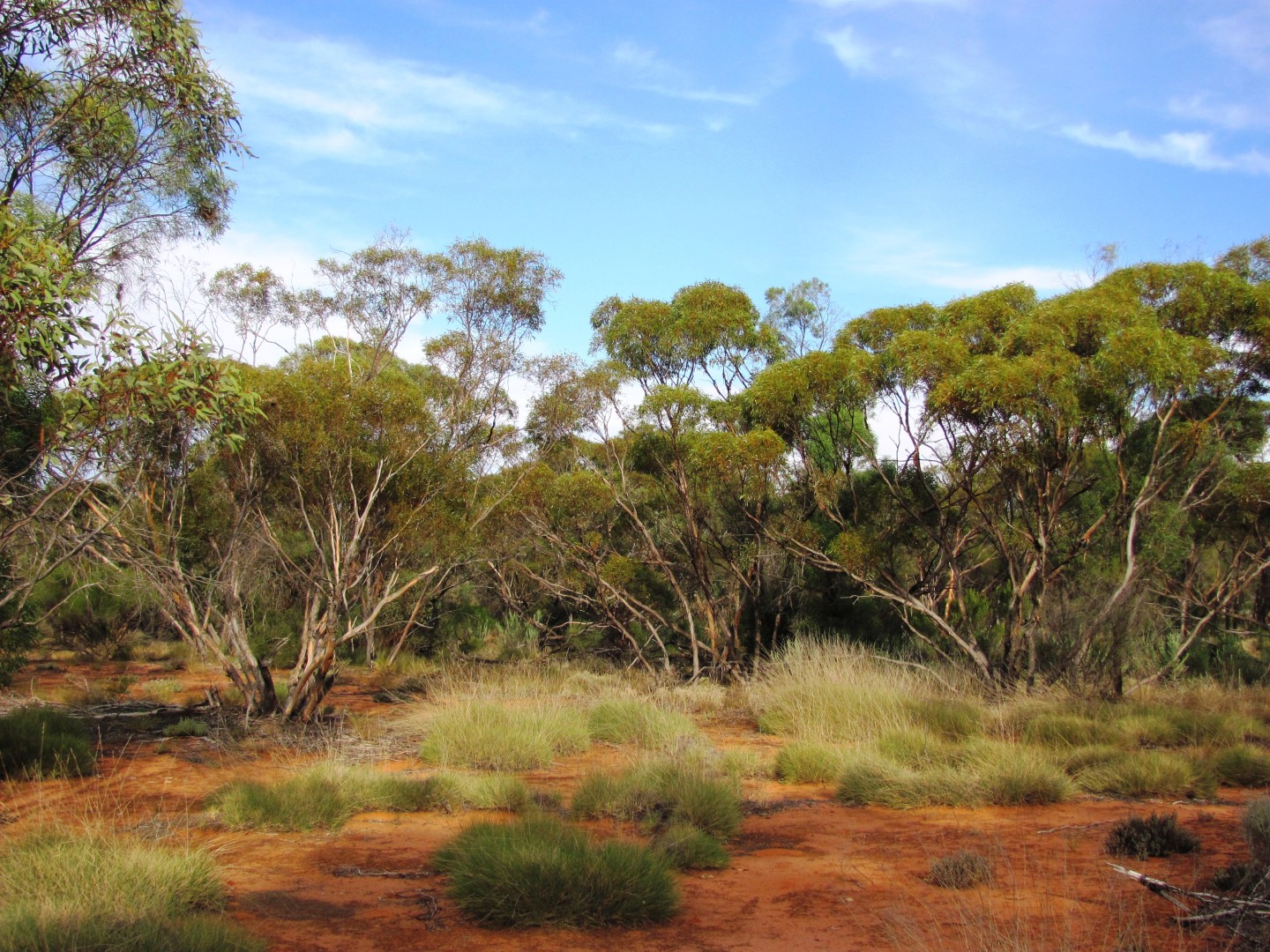
Mallee vegetation in Gluepot Reserve, South Australia
Photo: Kwilke02 · Wikimedia Commons · CC0 1.0

South Australia, Riverland

Mallee · spinifex · dry woodland

Gluepot Reserve

A top destination for mallee specialists

Gluepot Reserve is one of the most interesting destinations for birdwatchers who want to look beyond famous wetlands. Since 1997, 181 bird species have been recorded, including the endangered black-eared miner, malleefowl and red-lored whistler. Old mallee and water points also attract parrots, honeyeaters and raptors.

Look for
Black-eared miner, malleefowl, red-lored whistler, scarlet-chested parrot and grasswrens.
Plan around
Self-sufficient travel, unsealed roads, sunrise and plenty of water and fuel.

Popular Australian birds

Five iconic Australian birds and where to spot them

From the impressive emu and colourful southern cassowary to the remarkable superb lyrebird, laughing kookaburra and blue superb fairywren, these are five species high on many birdwatchers' wish lists. Discover which habitats to visit during a birding trip through Australia.

  1. Emu in open woodland at Serendip Sanctuary in Victoria
    Photo: DickDaniels, Wikimedia Commons, CC BY-SA 3.0

    Emu

    The emu is one of Australia's most recognisable birds and appears on the national coat of arms alongside the kangaroo. In open woodland, grassland and mallee, this large flightless bird stands out for its size and steady movements. Your best chance often comes along quiet roads and open edges around sunrise.

    Where can you see emus in Australia?

    • Coorong National Park: open coastal landscapes and lagoons in South Australia
    • Mallee areas around the Riverland: Gluepot and surrounding reserves
    • Open national parks in New South Wales and Victoria: especially along quiet roads and grasslands
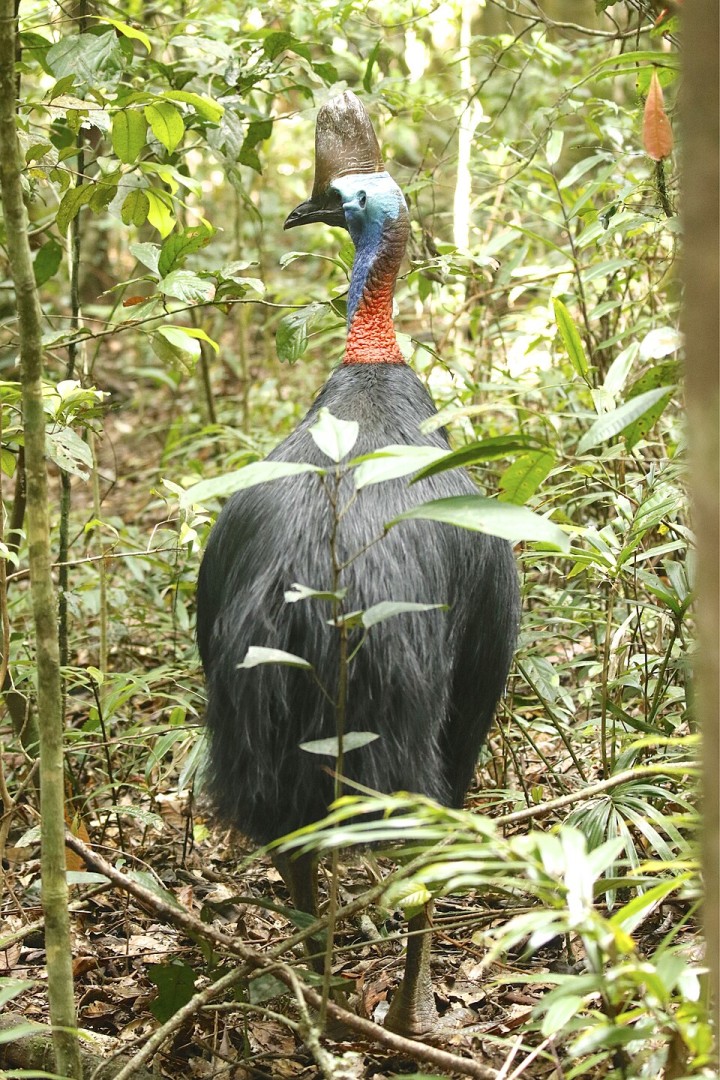
  2. Southern cassowary in tropical rainforest in Queensland
    Photo: TonyCastro, Wikimedia Commons, CC BY-SA 4.0

    Southern cassowary

    The southern cassowary is a dream species for many visitors to Queensland. This large flightless bird lives in dense rainforest and is most often seen along quiet roads, open areas and tracks beside fruiting trees. Always keep your distance, never feed it and follow the park manager's cassowary warnings.

    Where can you see southern cassowaries?

    • Daintree National Park: especially around Cape Tribulation and rainforest tracks
    • Etty Bay and Mission Beach: well-known coastal sites beside Wet Tropics rainforest
    • Mount Hypipamee and Atherton Tablelands: upland rainforest south of Cairns
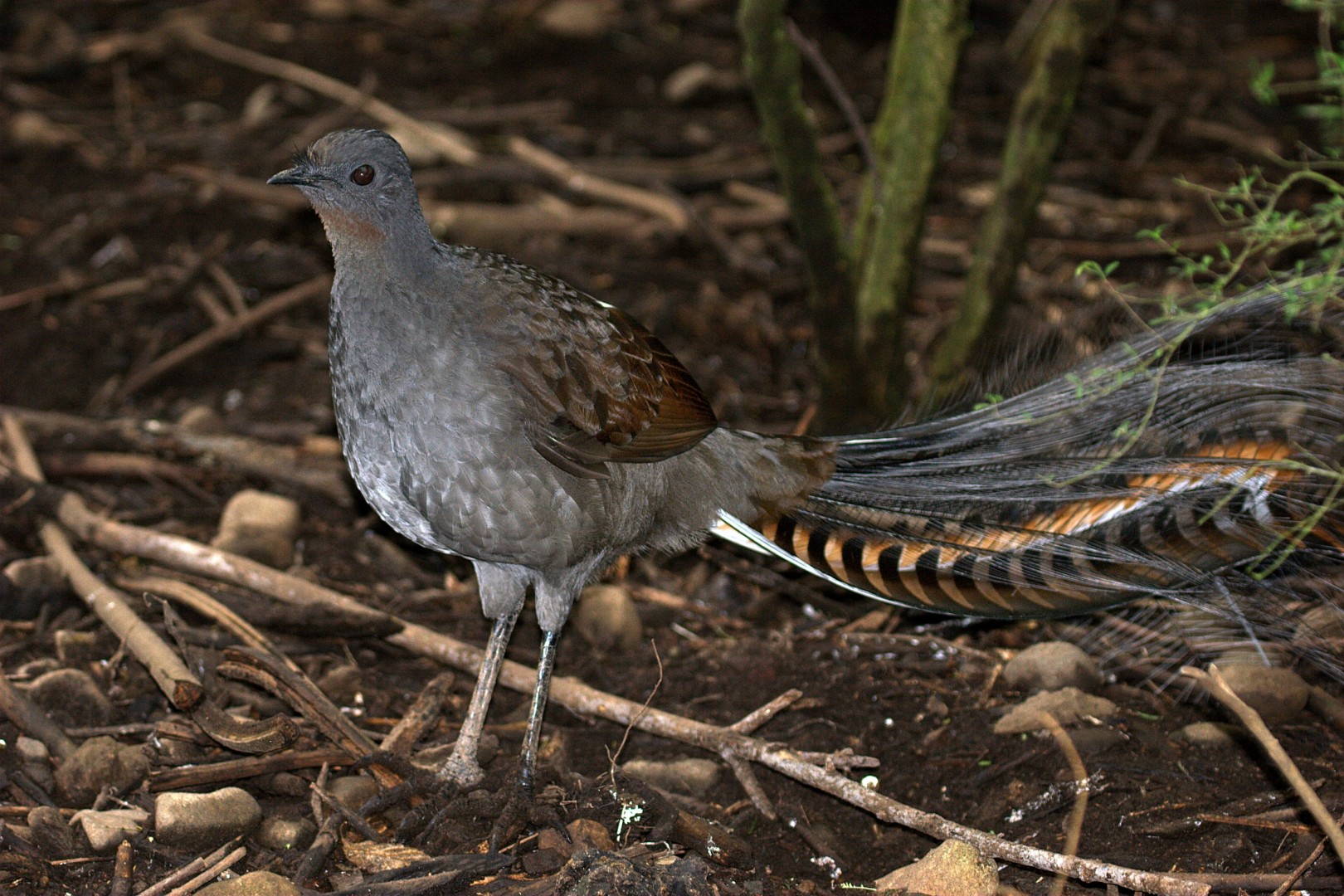
  3. Superb lyrebird on the forest floor in Victoria
    Photo: John Manger / CSIRO, Wikimedia Commons, CC BY 3.0

    Superb lyrebird

    The superb lyrebird is famous for its long ornamental tail and its ability to imitate other bird calls, alarm calls and sounds from its surroundings. You often hear it before you see it. Search damp eucalyptus forests, gullies and dense undergrowth, and listen for scratchy calls from the forest floor.

    Where can you see superb lyrebirds?

    • Blue Mountains: damp gullies around Katoomba, Blackheath and walking tracks
    • Dandenong Ranges and Sherbrooke Forest: easily reached from Melbourne
    • Great Otway National Park: rainforest and eucalyptus forest along the Great Ocean Road
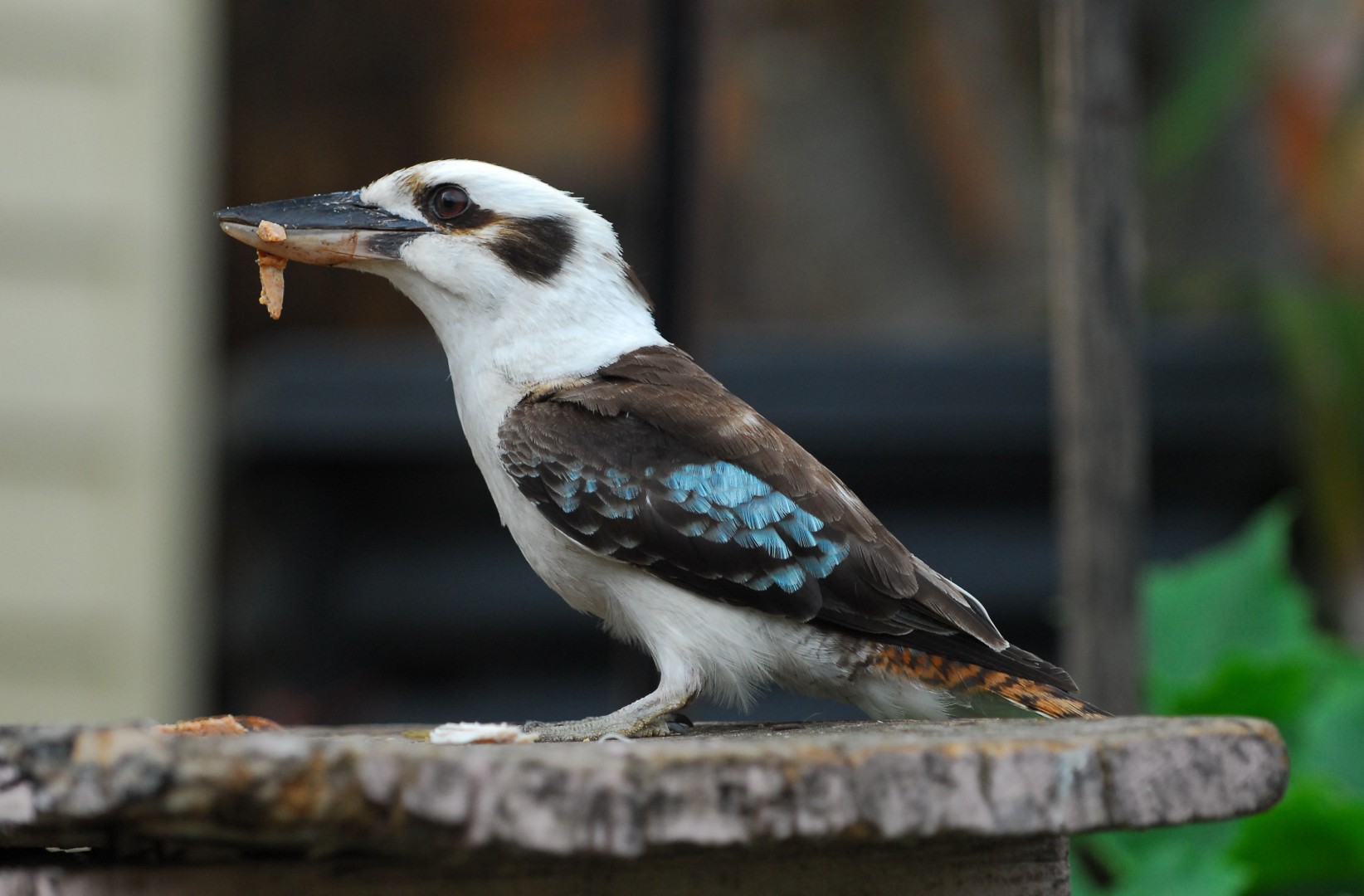
  4. Laughing kookaburra in Sydney, Australia
    Photo: Leon Wilson, Wikimedia Commons, CC BY-SA 3.0

    Laughing kookaburra

    The laughing kookaburra is one of the birds visitors often hear during their first few days in Australia. Its distinctive laugh carries through eucalyptus forest, city parks and open woodland. Look on branches with a clear view and watch for its heavy bill and blue wing patches.

    Where can you see laughing kookaburras?

    • Blue Mountains: forest edges and lookouts west of Sydney
    • Royal National Park and Ku-ring-gai Chase: eucalyptus forest close to Sydney
    • Lamington National Park and around Brisbane: open woodland and rainforest edges in Queensland
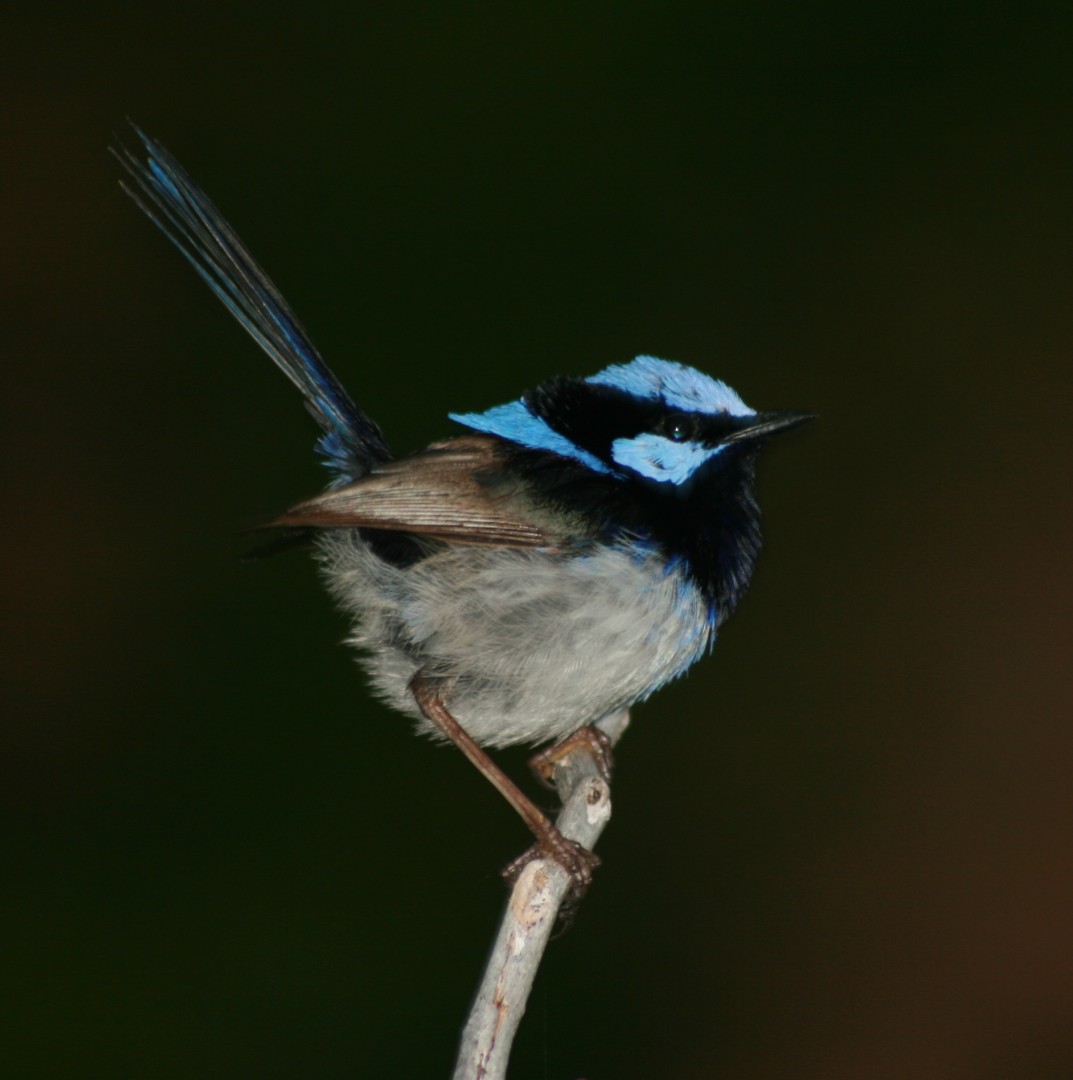
  5. Male superb fairywren with bright blue plumage
    Photo: Toby Hudson, Wikimedia Commons, CC BY-SA 3.0

    Superb fairywren

    The blue male superb fairywren is small, active and remarkably photogenic. The species lives in low shrubs, heathland, gardens and open forest edges. Do not only look up. Scan vegetation at eye level too, and listen for the short contact calls shared between group members.

    Where can you see superb fairywrens?

    • Bruny Island and Tasmania: coastal heath, open forest and walking tracks
    • Royal National Park and coastal areas around Sydney: low shrubs and grass edges
    • Wilson's Promontory and nature reserves around Melbourne: heathland and open eucalyptus forest

Useful tips and information

Practical questions about birdwatching in Australia

Want to know when to visit Australia, where to see a cassowary or how to travel safely through Kakadu and the outback? Below you will find answers to frequently asked questions about birding areas, seasons, access, tides and recent sightings.

There is no single best month for the whole of Australia. For Kakadu, Darwin and other Top End areas, the dry months from April to October are usually easiest because birds gather around water and many routes are more accessible. In the south, September to November is excellent for birdsong, breeding activity, flowering eucalyptus and forest birds.

September to April is important for migratory birds in Broome and Roebuck Bay. Anyone combining several regions should allow for long distances and seasons that are opposite to those in Europe. Always check park alerts, weather and local access with the official park authority.

View Kakadu's bird calendar and visitor information.

The best-known region is the Wet Tropics in Far North Queensland. Daintree National Park, Cape Tribulation, Mission Beach, Etty Bay and the rainforest around Mount Hypipamee offer suitable habitat. Early mornings and quiet walks along clearings, boardwalks and fruiting trees give you the best chance.

A cassowary is a wild and potentially dangerous animal. Keep your distance, never feed it, do not block its path and never follow a bird for a photo. Follow current Queensland Parks warnings, as roads and walking tracks may close temporarily.

Read the official Daintree National Park safety information.

Yes. Kakadu is one of Australia's most important birding areas, and Parks Australia states that around one third of Australian bird species occur in the park. The combination of Yellow Water, Mamukala, billabongs, savanna, monsoon forest and sandstone country creates a long species list.

The dry season from April to October is often the most practical time for visitors. Search around permanent water for magpie geese, brolgas, herons, ducks and raptors. Check the latest access report before every excursion and follow advice about crocodiles and closed areas.

View the official Kakadu birdwatching information.

Roebuck Bay near Broome is one of the best choices for migratory birds. The mudflats provide important feeding habitat, while beaches around the bay serve as high-tide roosts. At high tide, large flocks are easier to see from official viewing points. September to April is generally a good period for large numbers of returning shorebirds.

Eighty Mile Beach, the Darwin coast, the Coorong and wetlands in South Australia and Victoria are also important. Exact numbers vary with season, tide, rainfall and food availability. Always plan coastal visits with a tide table and keep well away from resting birds.

Learn more about Roebuck Bay and migratory shorebirds.

For a first birding trip, the emu, superb lyrebird, superb fairywren, malleefowl and laughing kookaburra are rewarding target species. Emus and kookaburras are relatively widespread. Superb lyrebirds are best searched for in the damp forests of New South Wales and Victoria, while superb fairywrens often occur in low shrubs, heathland and open forest edges.

For more specialised species, look for southern cassowaries in Queensland, black-eared miners and mallee emu-wrens in mallee country, and forty-spotted pardalotes in Tasmania. Choose the right habitat for each species first, then use FaunaMap to find locations and viewing points with recent chances of sightings.

Discover suitable locations for Australian birds in FaunaMap.

Yes, but the options vary widely by region. Blue Mountains National Park can be reached from Sydney by train and bus via places including Glenbrook, Katoomba and Blackheath. In Broome, several coastal locations and parts of Roebuck Bay can be reached from town or on an organised tour. In major cities, botanical gardens, wetlands and coastal parks are often good additions.

For Kakadu, Daintree, Gluepot Reserve and many mallee areas, a car or organised tour is usually the practical choice. Distances between birding areas are large, and public transport often stops well before the best viewing points. Check ferries, shuttles, park alerts and walking distances in advance.

Check access to Blue Mountains National Park.

Always carry enough water, protect yourself from sun and heat and tell someone which route you are taking. In Queensland, be aware of cassowaries, crocodiles, snakes, ticks and very high humidity. In the Top End, the water's edge is not automatically safe. In the outback, long distances, poor mobile coverage and rapidly changing weather can pose a greater risk than the birds themselves.

Stay on marked tracks, respect closures and keep away from nests, roosts and wildlife. Take extra care when driving at sunrise and sunset, when many animals are active. Shortly before leaving, check official park alerts, fire information, ferries and road conditions.

Read the latest Queensland Parks safety information.

On FaunaMap, you can find recent bird sightings in Australia on an interactive map. Before you leave, explore bird-rich areas and viewing points, see nearby hotspots and check which species you can expect at each location based on more than twenty years of historical data.

This is especially useful in a country as large as Australia, where sightings, water levels, seasons and recent rainfall can strongly influence where birds gather. Open FaunaMap before your trip, choose an area and keep your own bird list while travelling.

View recent sightings in FaunaMap

Discover more while birdwatching

  • See recent bird sightingsSee which birds have recently been spotted near you.
  • Explore biodiverse nature areasFind the best places to spot birds and other wildlife.
  • Find sightings by speciesQuickly find sightings of the bird species you want to see.