Birding regions · endemic species · birding trip

Birdwatching in Colombia: the best birding areas and species

Birdwatching in Colombia brings together the Andes, cloud forests, tropical rainforests, coastal lagoons and flooded savannas in one exceptionally bird-rich country. Discover where to go birding independently, which nature reserves are easy to reach and when to see Colombia’s most remarkable birds.

  • Recent bird sightings in Colombia
  • Expected species by location
  • Birdwatching spots worldwide
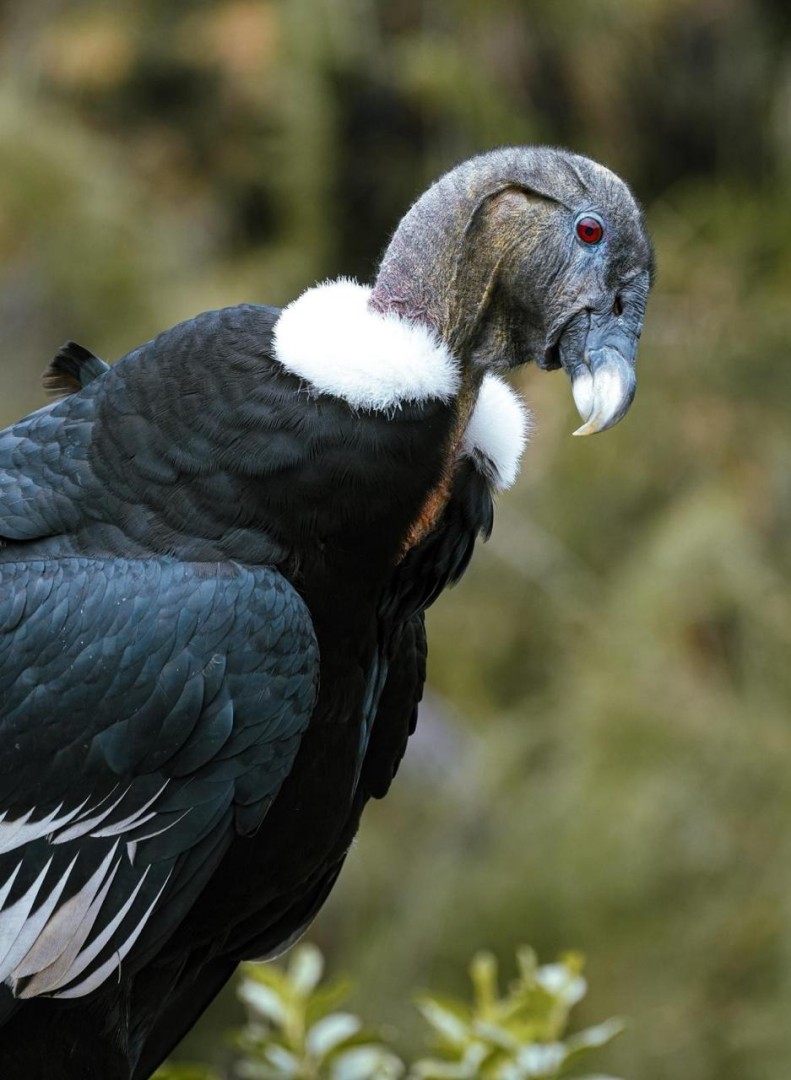
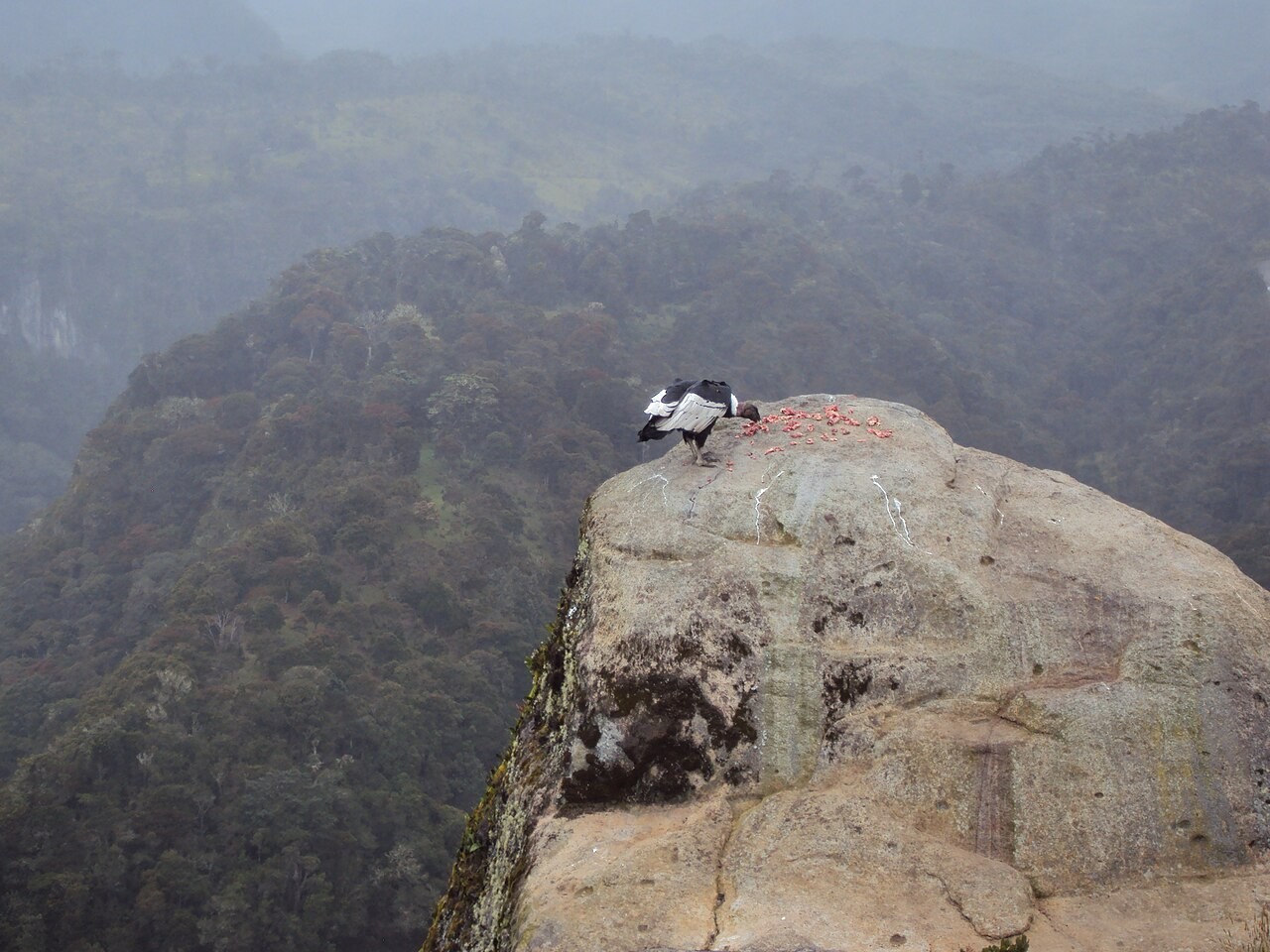
Andean Condor on a rock in Puracé National Natural Park, Colombia
Colombia’s national birdThe Andean Condor
Photo: Juanferivera 23 · Puracé · Wikimedia Commons · CC BY-SA 4.0.

Why go birdwatching in Colombia?

Colombia combines the Andes, rainforest and coast in one birding trip

Colombia is recognised as the country with the greatest recorded bird diversity in the world. Its three Andean ranges create an exceptional series of elevations, while the Caribbean coast, humid Pacific region, Amazon and Llanos each support their own bird communities.

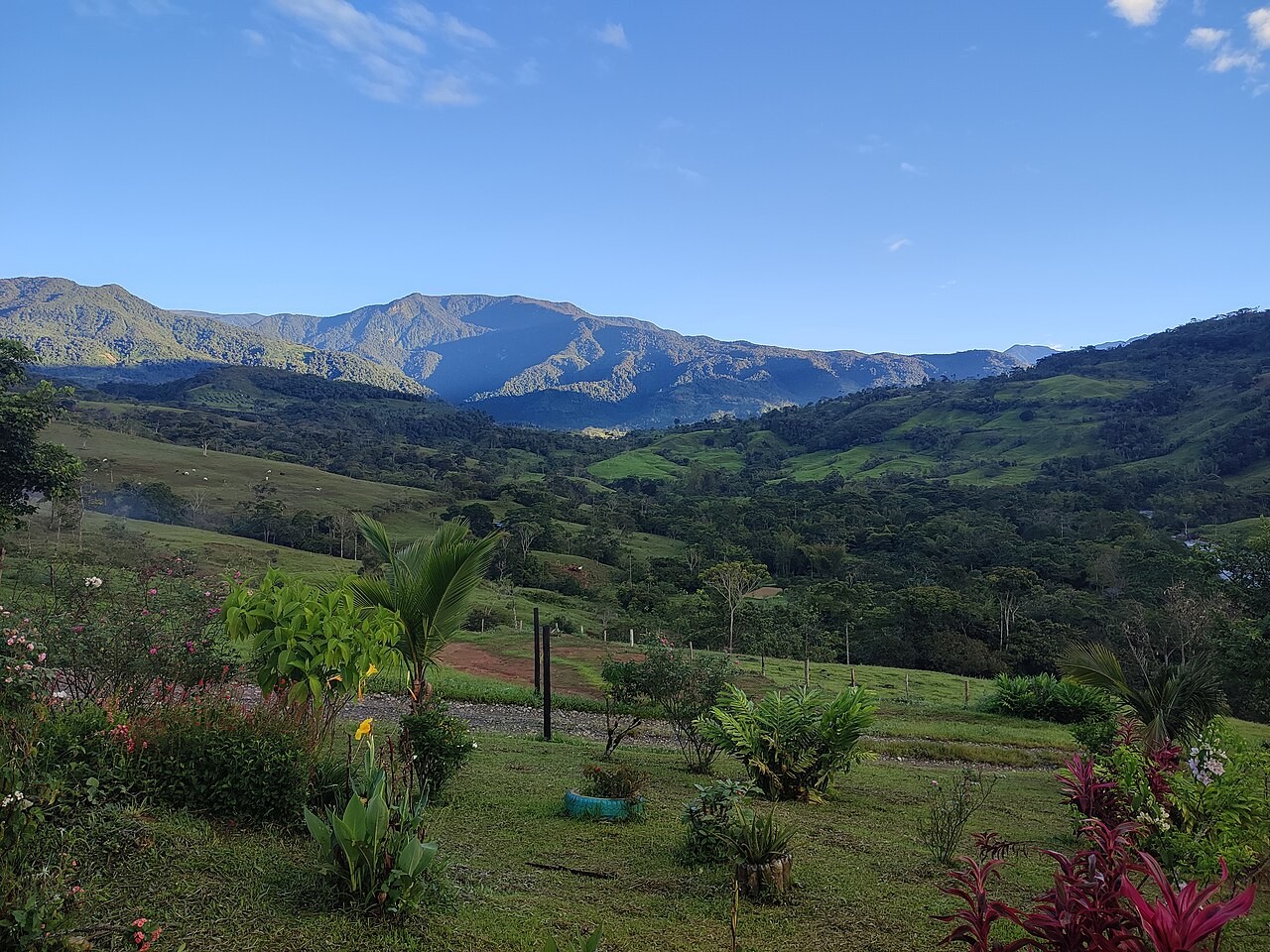
For birders, the variety of habitats is especially practical. From Bogotá, one trip can combine highland wetlands and páramo. Around Manizales, Pereira and Cali, cloud forests are home to tanagers, hummingbirds, toucans, antpittas and Andean Cock-of-the-rock. Along the northern coast, the scenery shifts to dry forest, mangroves and coastal lagoons, while Leticia provides access to riverbanks, flooded forest and the Amazon rainforest.

Independent birding is easy in urban wetlands, well-known reserves and nature areas with clear visitor rules. National parks and private reserves often require reservations, local guides or authorised interpreters. Use FaunaMap before you travel to check recent sightings, birding spots, hotspots and expected species at each location.

Landscapes and biodiversity

The most important bird habitats in Colombia

Colombia does not have one typical birding landscape. Combining several habitats gives you a much better picture of the country’s biodiversity. Elevation, humidity, water levels and the transition between habitat types all influence which species you can find on a walk.

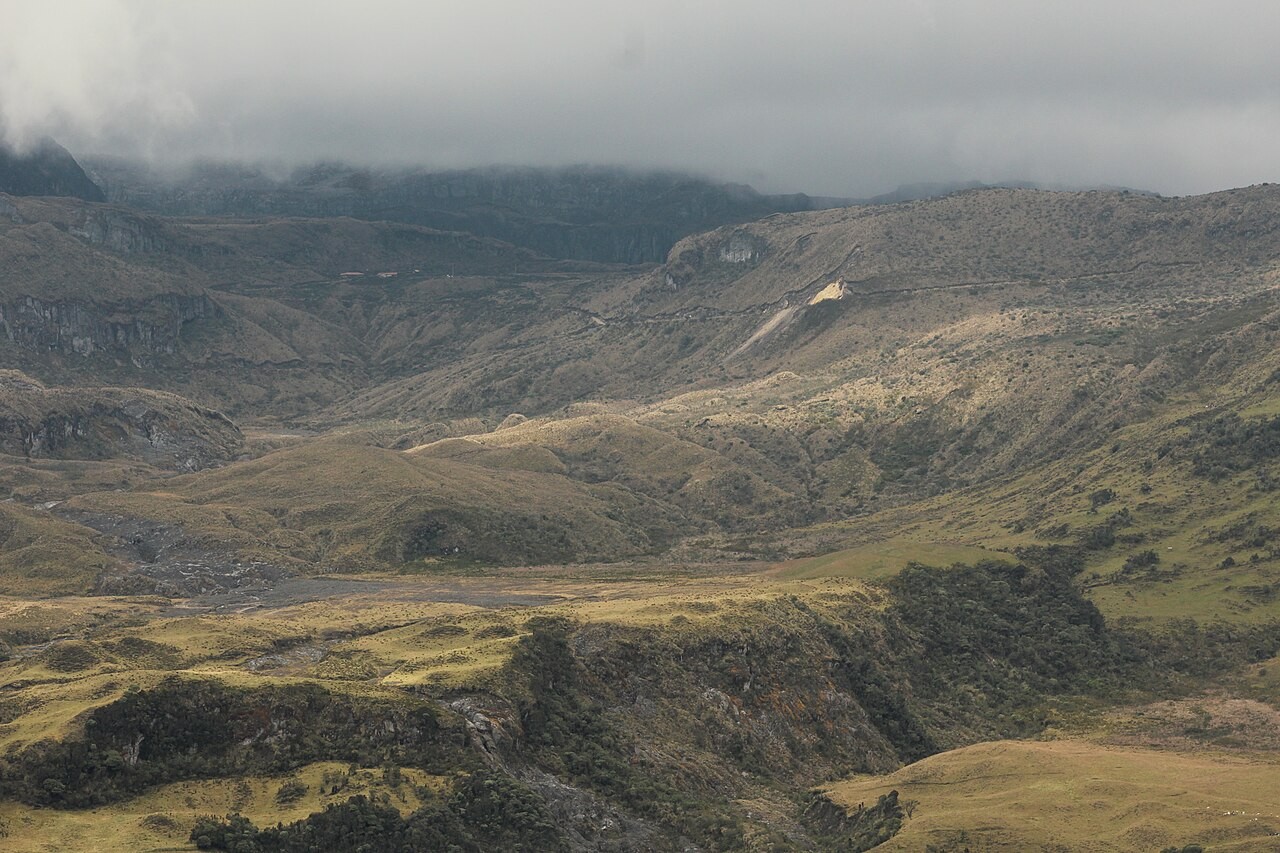
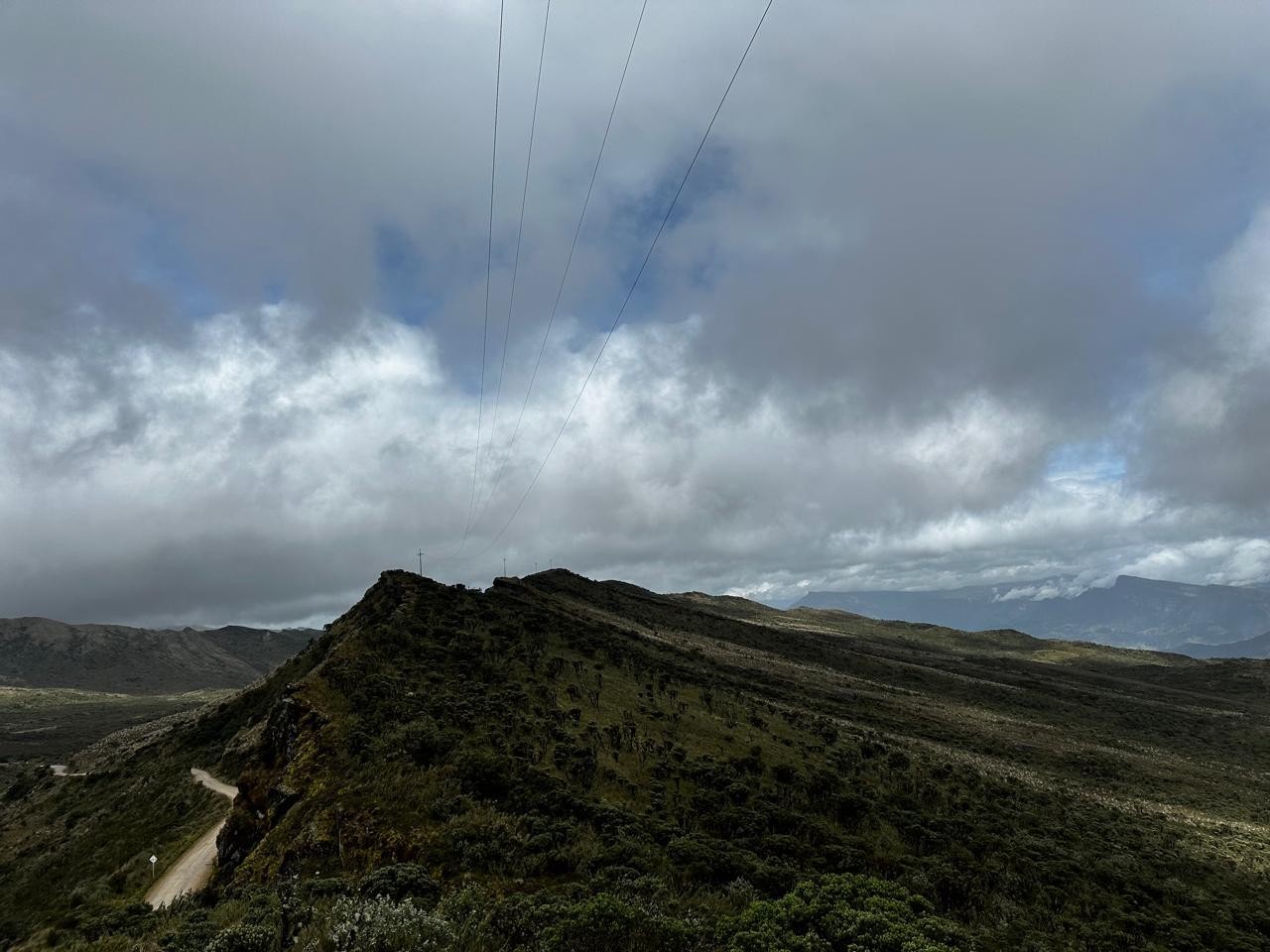
Highland landscape in Chingaza National Natural Park, Colombia
Camilo 24CH · Wikimedia Commons · CC BY 4.0

Páramo and high Andes

Above the treeline, frailejones, grasslands, peatlands and highland lakes shape the landscape. The air is thin, weather changes quickly and bright morning light helps you find birds above the open vegetation. This is the habitat of species found nowhere outside the Andes.

Typical species

  • Andean Condor
  • Bearded Helmetcrest
  • Andean Teal
  • Andean Snipe
  • Rufous-fronted Parakeet
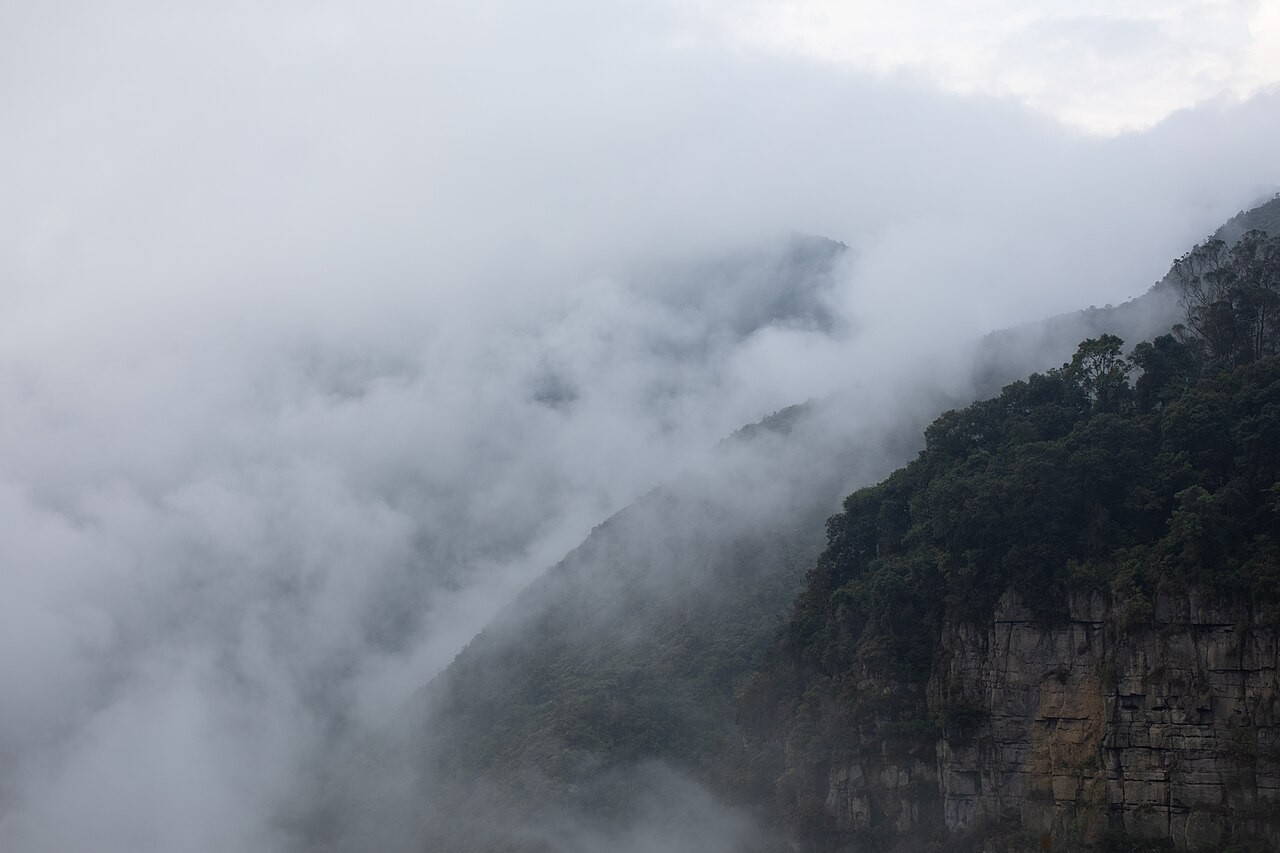
Cloud forest near Salto del Tequendama in Cundinamarca, Colombia
Jedidiahhorne · Wikimedia Commons · CC BY-SA 4.0

Andean cloud forest and coffee country

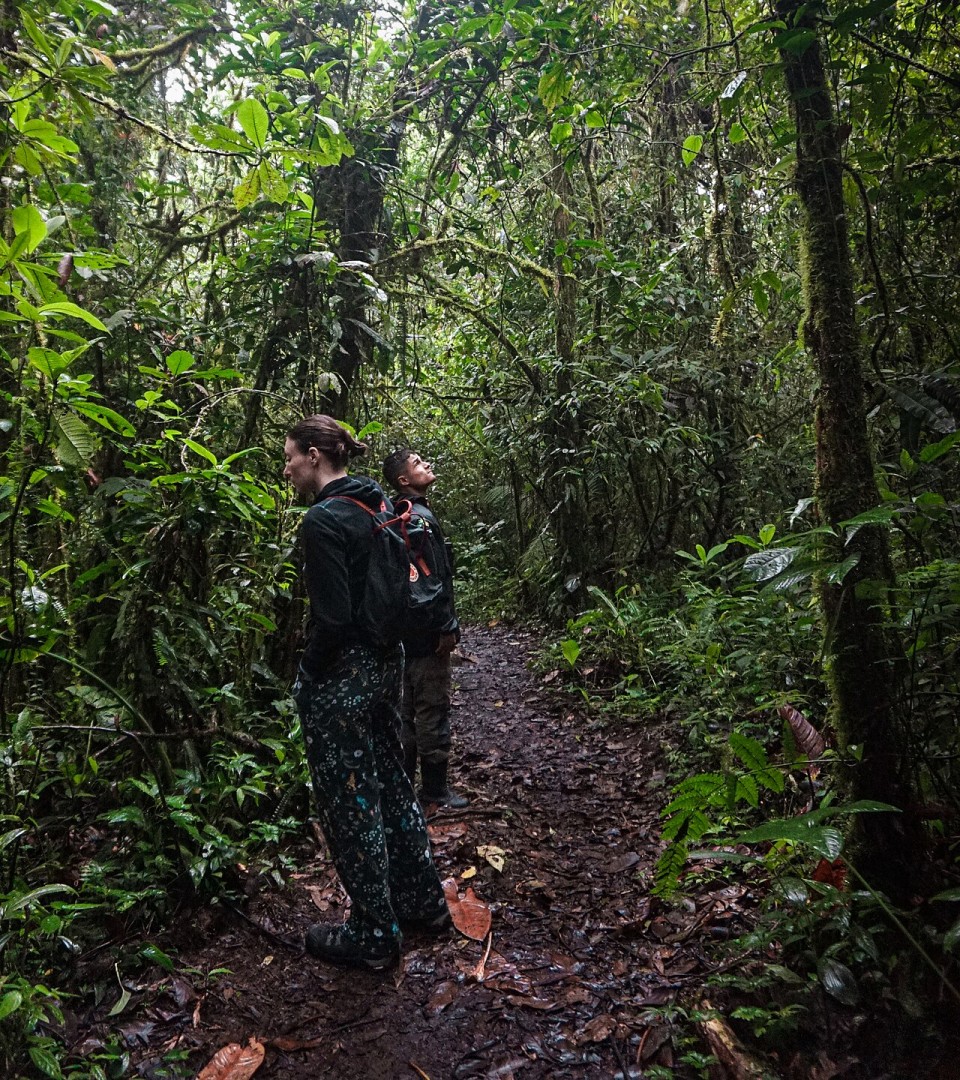
Mossy mountain forests filled with bromeliads and epiphytes are among the best places for a first birding trip in Colombia. Walking trails, bird reserves and feeding stations are often close together. Start early, as mist and rain usually increase later in the day.

Typical species

  • Andean Cock-of-the-rock
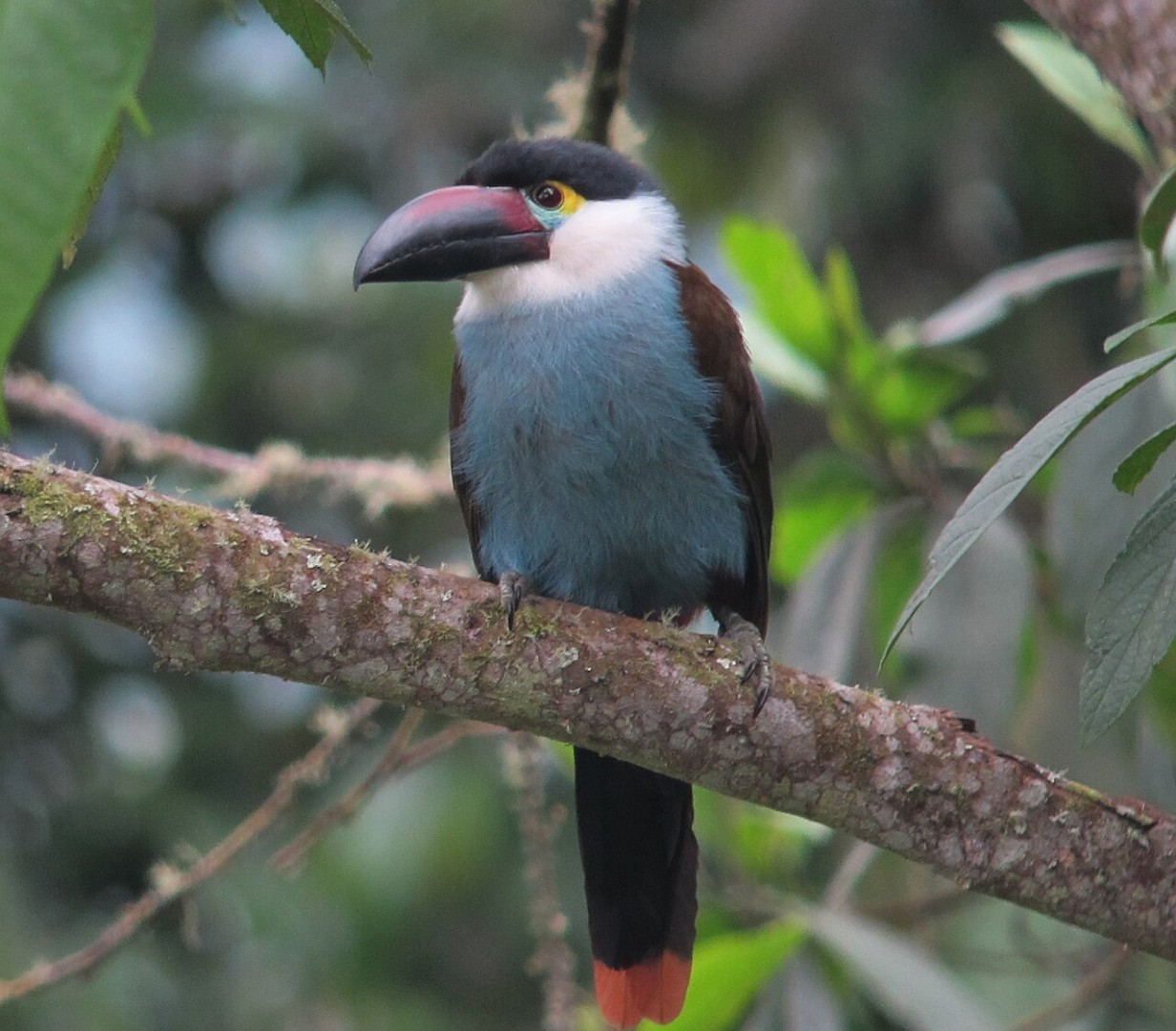
  • Black-billed Mountain Toucan
  • Cauca Guan
  • Brown-banded Antpitta
  • Multicolored Tanager
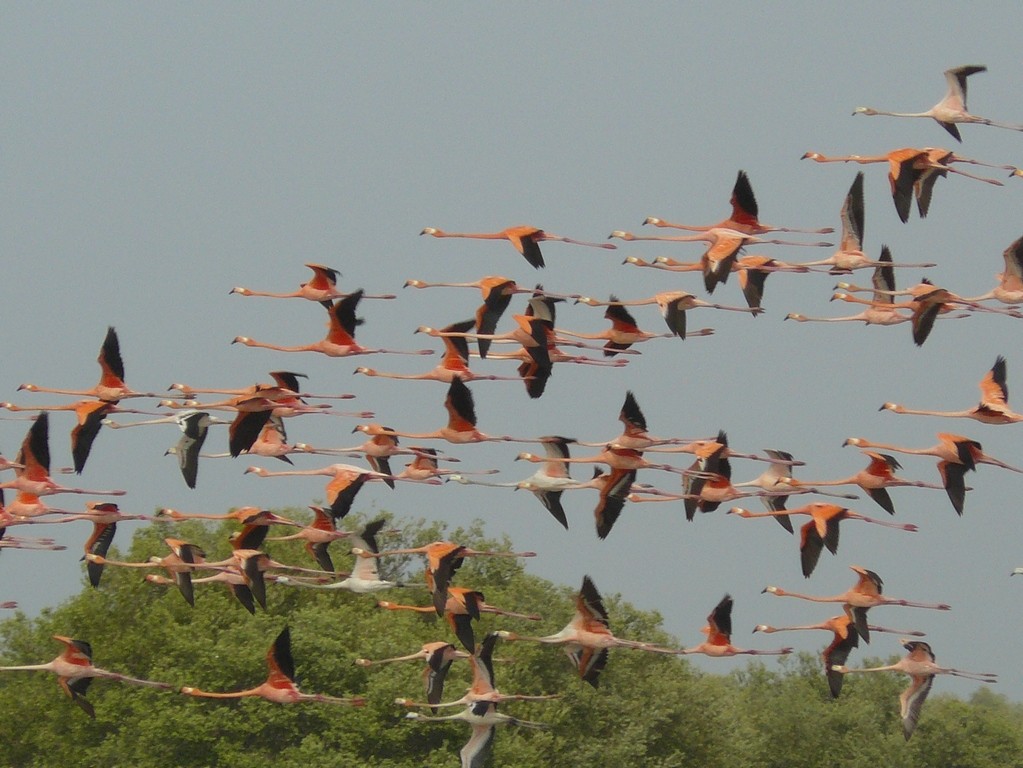
Flamingos in Santuario Los Flamencos on Colombia’s Caribbean coast
Mateo.gable · Wikimedia Commons · CC BY-SA 3.0

Caribbean dry forest, mangroves and lagoons

In La Guajira and along the Caribbean coast, dry forests, mangroves, coastal lagoons and open mudflats alternate. Water levels determine where flamingos, ibises, spoonbills and herons gather. The combination of coastal birds and endemic species from the Sierra Nevada makes this region exceptionally varied.

Typical species

  • American Flamingo
  • Scarlet Ibis
  • Roseate Spoonbill
  • Santa Marta Parakeet
  • Guajira Cardinal
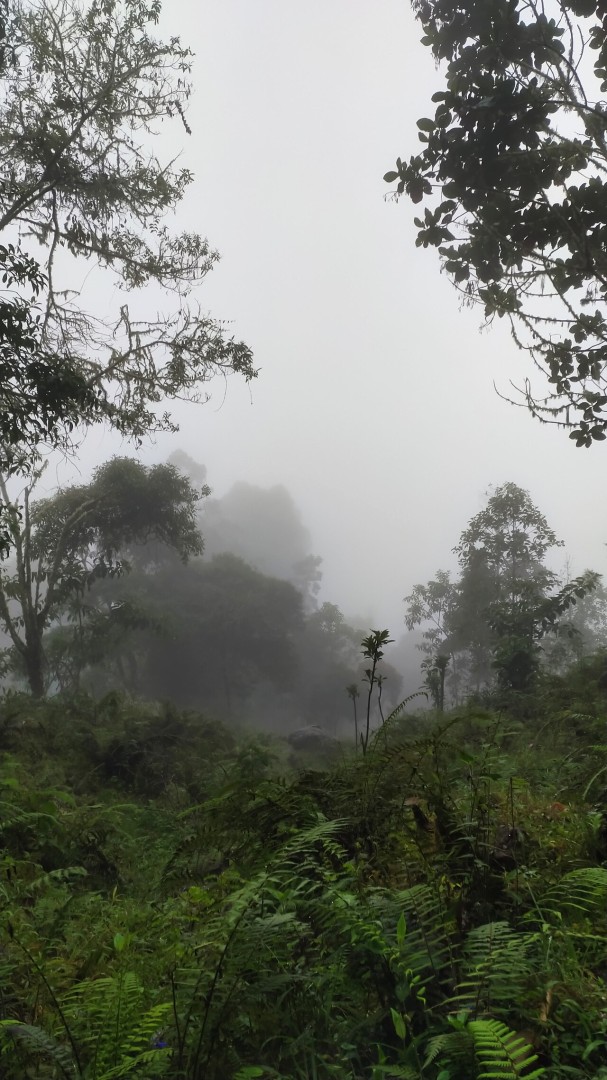
Cloud forest in Farallones de Cali National Natural Park
Janer Eduardo Cubillos · Wikimedia Commons · CC BY-SA 4.0

Pacific rainforest and Chocó

The Pacific region is extremely wet, with a dense mix of lowland forest, mountain forest, rivers and mangroves. The canopy hides many species, so listening and walking slowly are just as important as scanning the treetops. The area around Cali and Anchicayá offers an accessible introduction to this habitat.

Typical species

  • Chocó Toucan
  • Long-wattled Umbrellabird
  • Blue-whiskered Tanager
  • Purple-throated Fruitcrow
  • White-tipped Sicklebill
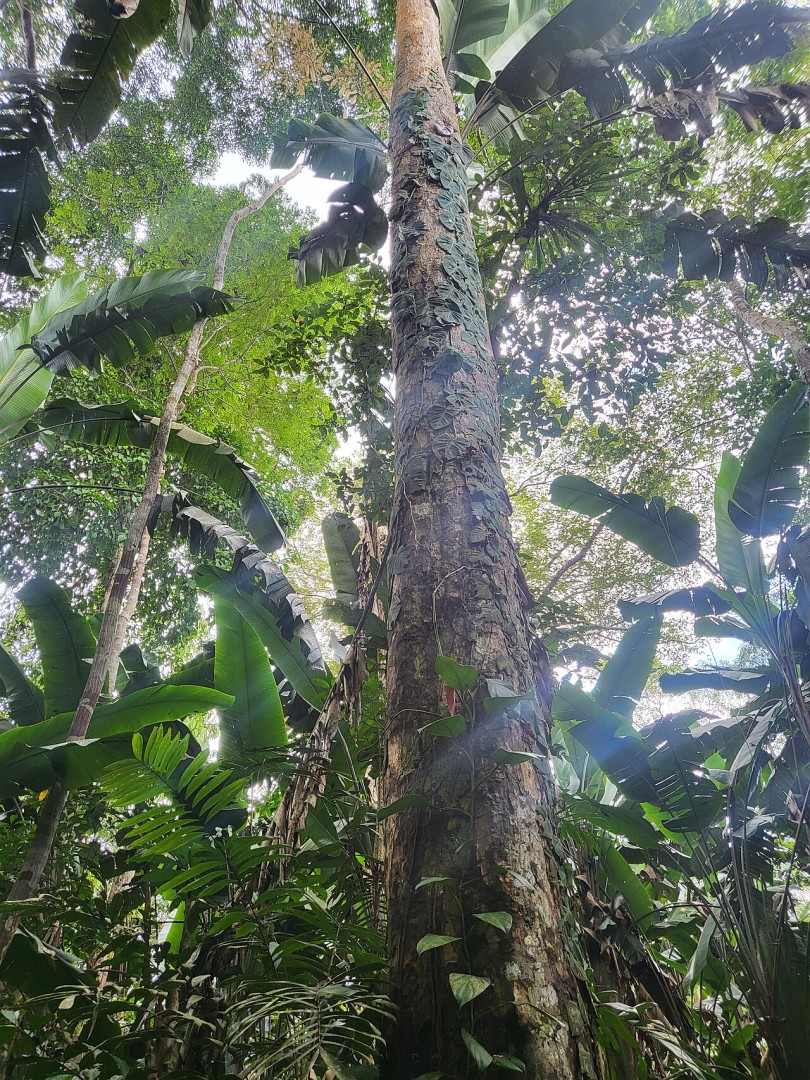
Amazon rainforest near Leticia in Colombia
Xemenendura · Wikimedia Commons · CC BY-SA 4.0

Amazon rainforest and flooded forest

Around Leticia, Puerto Nariño and Amacayacu, the river sets the pace. By boat, you can reach riverbanks, creeks, island forests and lakes that change completely with water levels. Plan several mornings and hire a local interpreter to find canopy birds, river species and hidden forest birds.

Typical species

  • Hoatzin
  • Grey-winged Trumpeter
  • Amazonian Umbrellabird
  • Ringed Kingfisher
  • Scarlet Macaw
Open landscape in the Llanos Orientales of Colombia
Paparadap · Wikimedia Commons · CC BY-SA 4.0

Llanos and Orinoco savanna

The flooded grasslands of Casanare and Meta change dramatically between the dry and wet seasons. During dry months, birds gather around remaining water. In the green season, large colonies of herons, ibises and storks appear. Hatos and private reserves make this landscape relatively easy to explore on a multi-day birding trip.

Typical species

  • Jabiru
  • Scarlet Ibis
  • Sunbittern
  • Hoatzin
  • Orinoco Goose

Birdwatching throughout the year

Colombia birding calendar: what can you expect each season?

Colombia does not have four uniform seasons. Elevation, coastal location and regional rainfall patterns shape bird activity. This practical calendar is mainly useful for the Andes and popular inland routes. The Pacific coast, Amazon, Caribbean region and Llanos may follow a different rhythm.

Dry period IDecember to FebruaryFirst rainy seasonMarch to MayDrier mid-yearJune to AugustSecond rainy seasonSeptember to November
  1. January

    Dry period I

    Dry roads and winter visitors

    January is appealing for routes through the Andes, Caribbean region and drier parts of the Llanos. Trails are often easier to navigate and northern migratory birds are still present. In the savanna, birds gather around water, while mountain forests are most active early in the day.

    Recommended placesChingaza, Minca, Los Flamencos and the Llanos around Yopal.

  2. February

    Dry period I

    Endemic species in the mountains

    The combination of relatively dry trails and active morning light makes February a good month for cloud forest and highland birding. Around Santa Marta, you can search specifically for Sierra Nevada species. In the páramo, clear mornings are favourable for large raptors and hummingbirds.

    Recommended placesRío Blanco, Otún Quimbaya, Minca and Los Nevados.

  3. March

    First rainy season

    Transition into the first rains

    Rain increases in many Andean areas, but the first half of the month can still be excellent for a birding trip. Nature turns greener and song activity increases. In the Llanos, the end of the dry season is interesting for birds gathering around shrinking pools.

    Recommended placesRío Blanco, Chingaza, the Llanos and the dry forests of La Guajira.

  4. April

    First rainy season

    Birdsong in the cloud forest

    April brings wet forests, fresh vegetation and plenty of activity early in the morning. Conditions are less predictable for long mountain transfers, but cloud forest species can be heard well on short, quiet walks. Always bring waterproof protection.

    Recommended placesOtún Quimbaya, Río Blanco, Farallones de Cali and Minca.

  5. May

    First rainy season

    Green forests and breeding activity

    In May, many resident species are actively defending territories. This helps you find tanagers, hummingbirds and woodland birds, although heavy showers can limit visibility. The Pacific region remains especially wet. Plan short morning sessions and leave extra time for slower transport.

    Recommended placesCloud forests in the coffee region, Cali and lowland forests around Leticia.

  6. June

    Drier mid-year

    The Llanos turns green

    Parts of the Andes enter a drier period, while the Llanos becomes a green, water-rich savanna. This is interesting for breeding colonies of herons, ibises and storks. In the mountains, flowering plants and mixed bird flocks are a good reason to set out early.

    Recommended placesHato La Aurora, Río Blanco, Otún Quimbaya and Farallones de Cali.

  7. July

    Drier mid-year

    A strong month for highlands and savanna

    July works well for combining the Andes and Llanos. Mountain trails are often reasonably accessible, while the green season in the lowlands provides plenty of food and water. In coastal areas, wind and local showers can strongly affect the daily rhythm.

    Recommended placesLos Nevados, Chingaza, Hato La Aurora and Los Flamencos.

  8. August

    Drier mid-year

    The migration season begins

    From August onwards, more migratory birds appear at suitable stopover sites. Coastal lagoons, river edges and open wetlands are interesting alongside resident species. Weather can change quickly in cloud forest, so choose routes with several short birding stops.

    Recommended placesLos Flamencos, Bogotá, Farallones de Cali and the Amazon.

  9. September

    Second rainy season

    Migration and returning showers

    The second wetter period begins in many Andean regions. Forests look especially lively, but mountain roads and unpaved access routes can become more difficult. The first northern migrants are present and wetlands provide important resting areas.

    Recommended placesBogotá wetlands, Minca, Otún Quimbaya and Los Flamencos.

  10. October

    Second rainy season

    Many migrants in wetlands

    October is interesting for migratory birds that use Colombia as a wintering ground or stopover. Look in lagoons, river deltas and urban wetlands for extra species alongside resident birds. Inland, early mornings are usually the most reliable time for views and birdsong.

    Recommended placesBogotá, Los Flamencos, Amacayacu and the Llanos.

  11. November

    Second rainy season

    Full forests and flexible planning

    Nature is exuberant, but rainfall can affect your plans. This is a good month for reserves with short trails, feeding stations or a regular local guide. In mountain areas, allow for mud, mist and temporary closures on unpaved access roads.

    Recommended placesRío Blanco, Farallones de Cali, Minca and the Amazon around Leticia.

  12. December

    Dry period I

    Dry start and high travel demand

    For many routes, December marks the start of the drier period. The Caribbean coast and Llanos are appealing, while the Andes offer a good combination of resident and wintering birds. Book accommodation, transfers and park visits well ahead around the holidays.

    Recommended placesMinca, Los Flamencos, Chingaza and Hato La Aurora.

Seasonal information: Colombia Travel and the Dutch travel advice for Colombia. Regional conditions, access rules and road conditions can change. Always check the latest information from the site manager.

Birding areas in Colombia

The best birding areas in Colombia: where can you go birdwatching?

From highland wetlands near Bogotá to Amazon rainforest near Leticia, and from the dry coast of La Guajira to the green savannas of Casanare, Colombia has birding areas for every kind of traveller. Below are popular and relatively accessible locations, each with a clear reason to add them to your own birding route.

Humedal Santa María del Lago in Bogotá, Colombia
Photo: Gojan222 · Wikimedia Commons · CC BY-SA 4.0

Bogotá & Cundinamarca

Urban wetland · highland

Bogotá wetlands

La Florida, Córdoba, La Conejera and Santa María del Lago

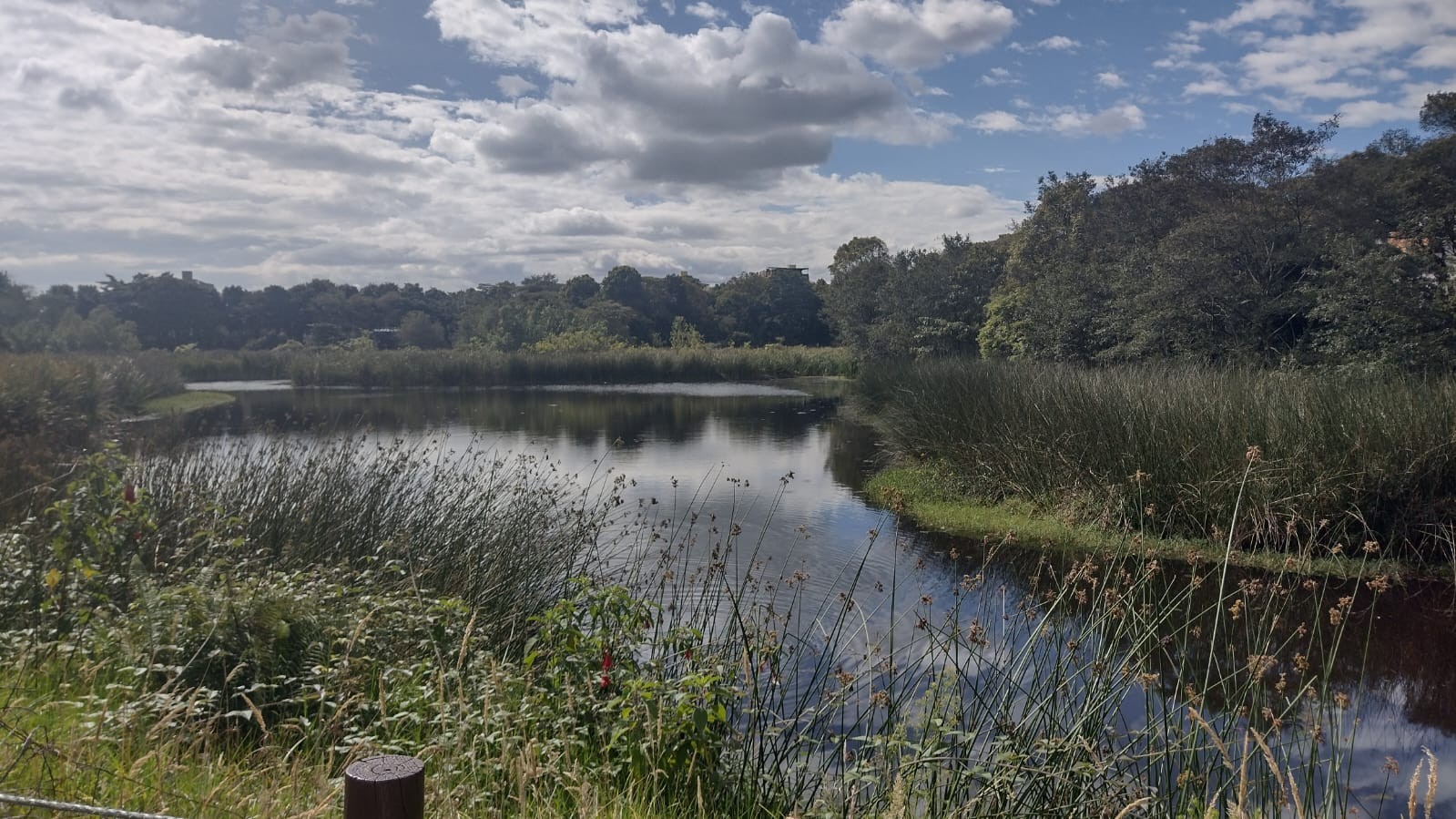
Bogotá is a surprisingly good starting point for birdwatching in Colombia. The city has dozens of protected wetlands where you can see highland, waterside and urban species without a long transfer. La Florida is interesting for endemic and migratory species, while Córdoba and La Conejera offer more woodland edges and sheltered walking trails.

Look for
Bogotá Rail, Andean Coot, Yellow-hooded Blackbird, Black Flowerpiercer and Rufous-browed Conebill.
Plan around
An early morning, registration for guided visits and the city’s safety instructions.
Mountain landscape in Chingaza National Natural Park
Photo: Camilo 24CH · Wikimedia Commons · CC BY 4.0

Cundinamarca & Meta

Páramo · highland forest

Chingaza

Piedras Gordas, Monterredondo and Lagunas de Siecha

Northeast of Bogotá lies a vast mountain landscape of páramo, highland forest and wetlands. Chingaza appeals to birders who want to combine Andean Condor, hummingbirds and open-páramo species on a relatively straightforward route. Official access is through designated sectors and requires a reservation, transport and an authorised guide.

Look for
Andean Condor, Bearded Helmetcrest, Andean Teal and Rufous-fronted Parakeet.
Plan around
A 4x4 or organised transfer, one sector per day and quickly changing mountain weather.
Black-billed Mountain Toucan from Reserva Río Blanco near Manizales
Photo: Félix Uribe · Wikimedia Commons · CC BY-SA 2.0

Caldas

Cloud forest · feeders · mountain forest

Reserva Río Blanco

A short distance from Manizales

Río Blanco is one of the best bird reserves for anyone who wants to see many species without a long expedition. The reserve lies close to Manizales and protects almost 4,900 hectares of cloud forest. Trails, gardens and feeding stations make it possible to look for both common mountain birds and shy antpittas and unusual hummingbirds.

Look for
Brown-banded Antpitta, Black-billed Mountain Toucan, Long-tailed Sylph and White-capped Tanager.
Plan around
Booking ahead, an early start and waterproof clothing for the cloud forest.
Forest trail in Otún Quimbaya Fauna and Flora Sanctuary
Photo: Torressergio96 · Wikimedia Commons · CC BY-SA 4.0

Risaralda

Sub-Andean forest · river

Otún Quimbaya

La Florida and the upper Río Otún valley

About fifteen kilometres from Pereira lies a compact but species-rich sanctuary of humid sub-Andean forest. The three official trails are suitable for independent birding, but access is managed by the park and designated guides. Its location in the coffee region makes Otún Quimbaya easy to combine with Río Blanco or Los Nevados.

Look for
Cauca Guan, Andean Cock-of-the-rock, Red-ruffed Fruitcrow and Torrent Duck.
Plan around
A reservation, an official guide and the bus connection towards El Cedral.
Páramo landscape in Los Nevados National Natural Park
Photo: Lawrencemilovich · Wikimedia Commons · CC BY-SA 4.0

Caldas, Risaralda, Quindío & Tolima

Páramo · volcanoes · highland

Los Nevados National Natural Park

Brisas, El Cisne and Laguna del Otún

Los Nevados is the destination for birders who want to visit the highest Andean habitats. The park includes forest, páramo, superpáramo, highland wetlands and volcanic landscapes. Páramo covers most of the area. The altitude makes a visit physically demanding, but offers opportunities for Andean Condor, highland hummingbirds and other specialised species.

Look for
Andean Condor, Bearded Helmetcrest, Miller’s Antpitta and Ruddy Duck.
Plan around
Acclimatisation, warm clothing, an authorised operator and sector-specific reservations.
View of the Sierra Nevada de Santa Marta from Cerro Kennedy
Photo: Gicaman · Wikimedia Commons · CC BY-SA 4.0

Magdalena

Sierra Nevada · cloud forest

Minca and Cuchilla de San Lorenzo

A birding route from Santa Marta

For many travellers, Minca is the most accessible starting point for the bird-rich Sierra Nevada de Santa Marta. From the village, you can reach cloud forest, coffee country and several observation sites. Higher up the mountain are San Lorenzo and the El Dorado region, where several endemic Sierra species occur together. Check current access to protected areas and travel with local guidance.

Look for
Santa Marta Parakeet, Santa Marta Woodstar, White-tailed Starfrontlet and Santa Marta Antpitta.
Plan around
A 4x4 transfer, several elevation zones and respect for local and Indigenous area rules.
Cloud forest on the Peñas Blancas trail in Farallones de Cali
Photo: Janer Eduardo Cubillos · Wikimedia Commons · CC BY-SA 4.0

Valle del Cauca

Pacific rainforest · mountain forest

Farallones de Cali and Anchicayá

Pance, Peñas Blancas and the Anchicayá valley

From Cali, you can access a huge range of elevations, from warm humid forests to páramo. The routes around Pance, Peñas Blancas and Anchicayá are especially well known among birders. The area is rich in endemic species, but access is regulated. Not every trail or sector is suitable for independent visits.

Look for
Multicolored Tanager, Toucan Barbet, Chocó Toucan and Blue-whiskered Tanager.
Plan around
An official reservation, local guide, rain protection and current information about permitted sectors.
Flamingos in Los Flamencos Fauna and Flora Sanctuary
Photo: Mateo.gable · Wikimedia Commons · CC BY-SA 3.0

La Guajira

Coastal lagoons · mangrove · dry forest

Los Flamencos Sanctuary

Camarones south of Riohacha

This protected coastal area lies a short distance from Riohacha and includes lagoons, mangroves and dry forest. The lagoons are important for resident and migratory birds, with the American Flamingo as the best-known target species. The landscape is open and sunny, so you can observe plenty of behaviour from a boat or the shore without a long forest walk.

Look for
American Flamingo, Scarlet Ibis, Roseate Spoonbill and Guajira Cardinal.
Plan around
A local guide, soft morning light, plenty of water and protection from sun and wind.
Landscape of the Llanos Orientales in Colombia
Photo: Paparadap · Wikimedia Commons · CC BY-SA 4.0

Casanare

Flooded savanna · gallery forest

Hato La Aurora and the Llanos

Juan Solito, reached from Yopal or Paz de Ariporo

The Llanos are ideal for birders who want to combine open landscapes, mammals and large numbers of waterbirds. During the dry season, birds gather around remaining water. In the green season, large breeding colonies appear. A multi-day stay at a hato or private reserve gives you time to explore the savanna at sunrise, during the day and on a boat safari.

Look for
Jabiru, Scarlet Ibis, Hoatzin, Sunbittern and Orinoco Goose.
Plan around
A transfer from Yopal, local guidance, insect repellent and a vehicle for unpaved roads.
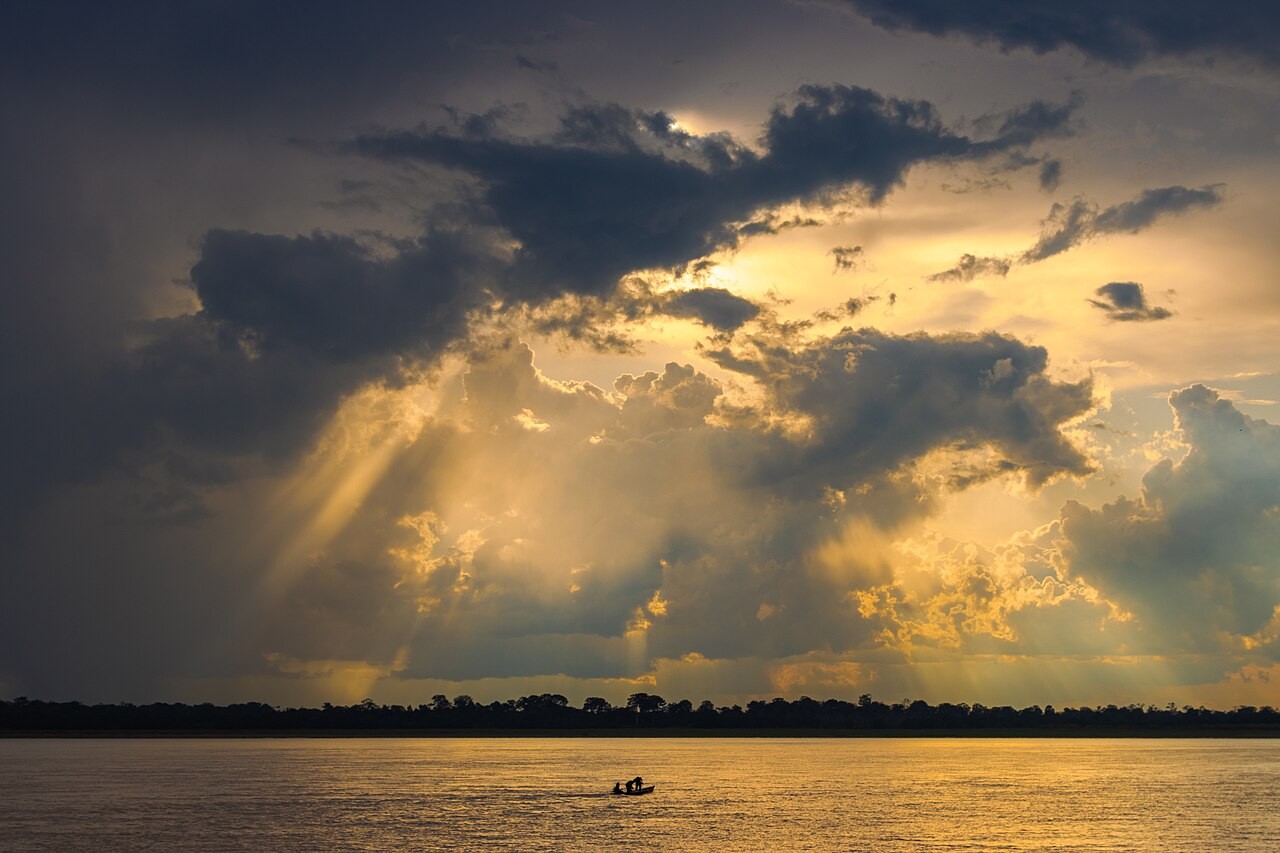
The Amazon River near Leticia in Colombia at sunset
Photo: Josefordonez · Wikimedia Commons · CC BY-SA 4.0

Amazonas

Amazon · várzea · river

Leticia, Puerto Nariño and Amacayacu

Forest, boat and local communities

Leticia is the most practical gateway to the Colombian Amazon. From the city, travel by boat to Puerto Nariño, Mocagua and Amacayacu National Natural Park. The park protects more than 267,000 hectares and has hundreds of recorded bird species. River levels determine which banks, islands and forest trails are accessible.

Look for
Hoatzin, Grey-winged Trumpeter, Ringed Kingfisher, Great Potoo and Scarlet Macaw.
Plan around
A flight to Leticia, boat transfers, a local interpreter and protection for your camera and binoculars from rain.

Popular birds of Colombia

Five remarkable Colombian birds and where to see them

From the imposing national bird to brightly coloured tanagers, cock-of-the-rocks and endemic parakeets, these five species show why Colombia is at the top of many birders’ lists. Your chances depend on the season, elevation, local knowledge and current access to the area.

  1. Andean Condor in Colombia
    Photo: Camilo 24CH · Wikimedia Commons · CC BY 4.0

    Andean Condor

    The Andean Condor is Colombia’s national bird and one of the most impressive species in the high Andes. Do not only scan the mountainside, but also watch the thermals above deep valleys and open páramo. A sighting is never guaranteed, but a local guide and several mornings in the field can greatly improve your chances.

    Where can you see the Andean Condor in Colombia?

    • Los Nevados: thermals above páramo and volcanic valleys
    • Chingaza: highlands northeast of Bogotá, with official access and guides
    • El Cocuy and other high Andean areas: visit only via permitted routes and with current local information
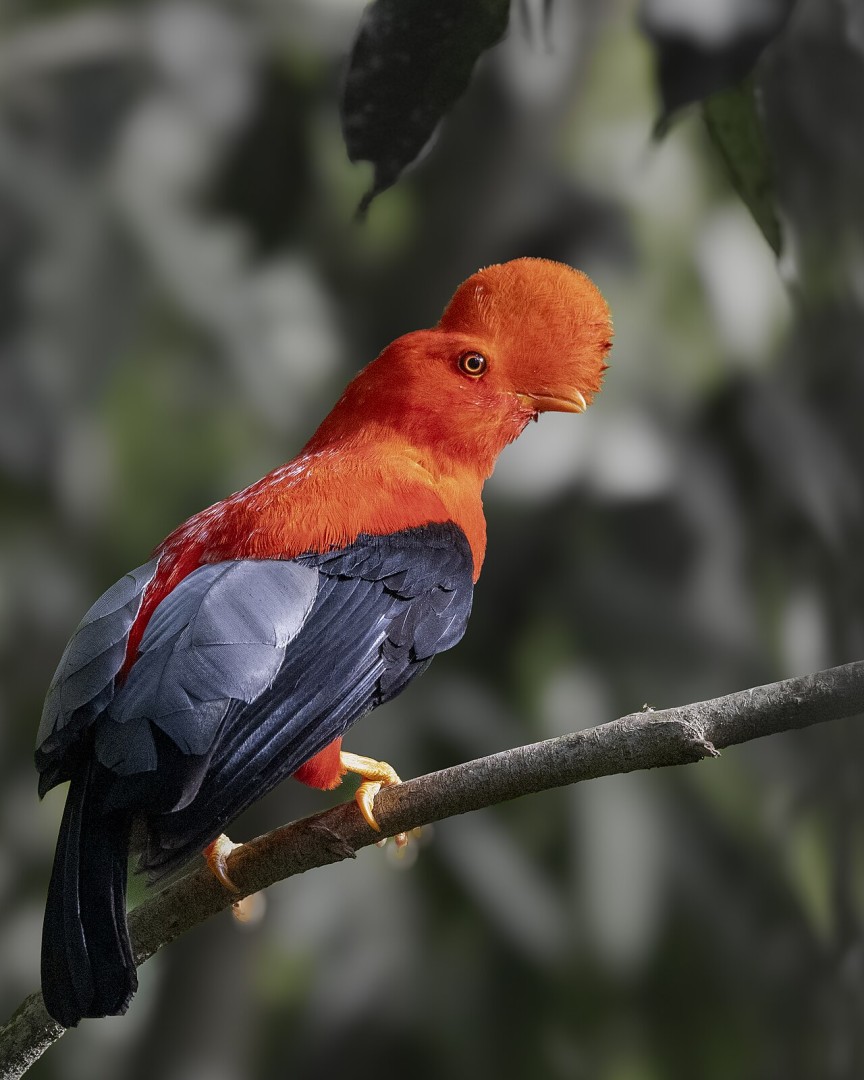
  2. Male Andean Cock-of-the-rock in Colombia
    Photo: Upamanyu Das · Wikimedia Commons · CC BY 4.0

    Andean Cock-of-the-rock

    The bright orange males of the Andean Cock-of-the-rock gather at traditional leks in humid mountain forest. Their courtship displays are spectacular, but quiet observation and distance are important. This species is one of the best target birds for a first birding trip through Colombia’s coffee region.

    Where can you see the Andean Cock-of-the-rock?

    • Otún Quimbaya: sub-Andean forest and official walking trails near Pereira
    • Jardín in Antioquia: well-known cock-of-the-rock sites and cloud forest
    • Río Blanco: mountain forest and private observation sites near Manizales
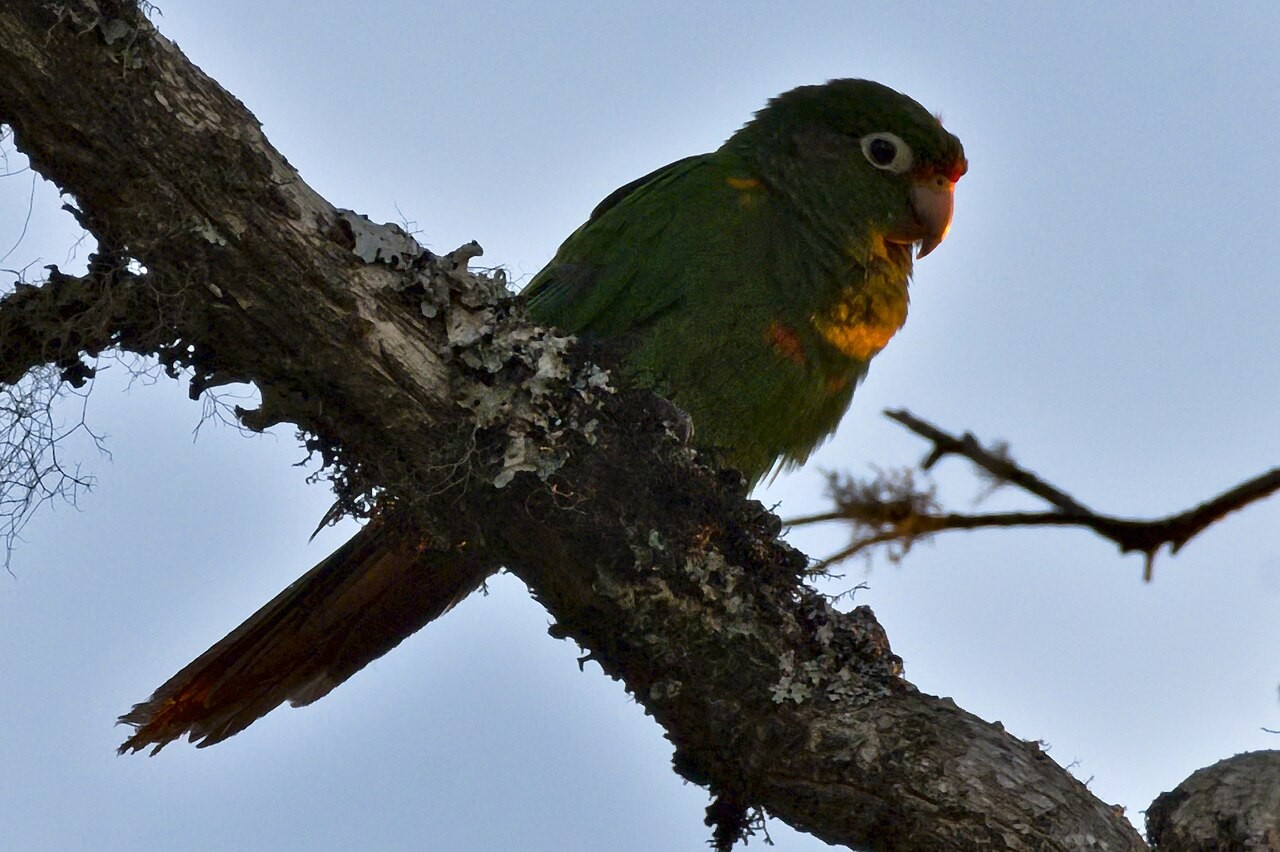
  3. Santa Marta Parakeet in the Sierra Nevada de Santa Marta
    Photo: Zieger M · Wikimedia Commons · CC BY-SA 4.0

    Santa Marta Parakeet

    The Santa Marta Parakeet is endemic to the Sierra Nevada de Santa Marta, making it a true Colombian speciality. Look for flying flocks and calling birds along the mountain slopes, but stay on designated trails and let local guides decide where you can watch safely without causing disturbance.

    Where can you see the Santa Marta Parakeet?

    • El Dorado Natural Reserve: protected highland sites above Minca
    • Cuchilla de San Lorenzo: a well-known area for Sierra Nevada species
    • Minca and the roads towards higher forest: combine several elevation zones
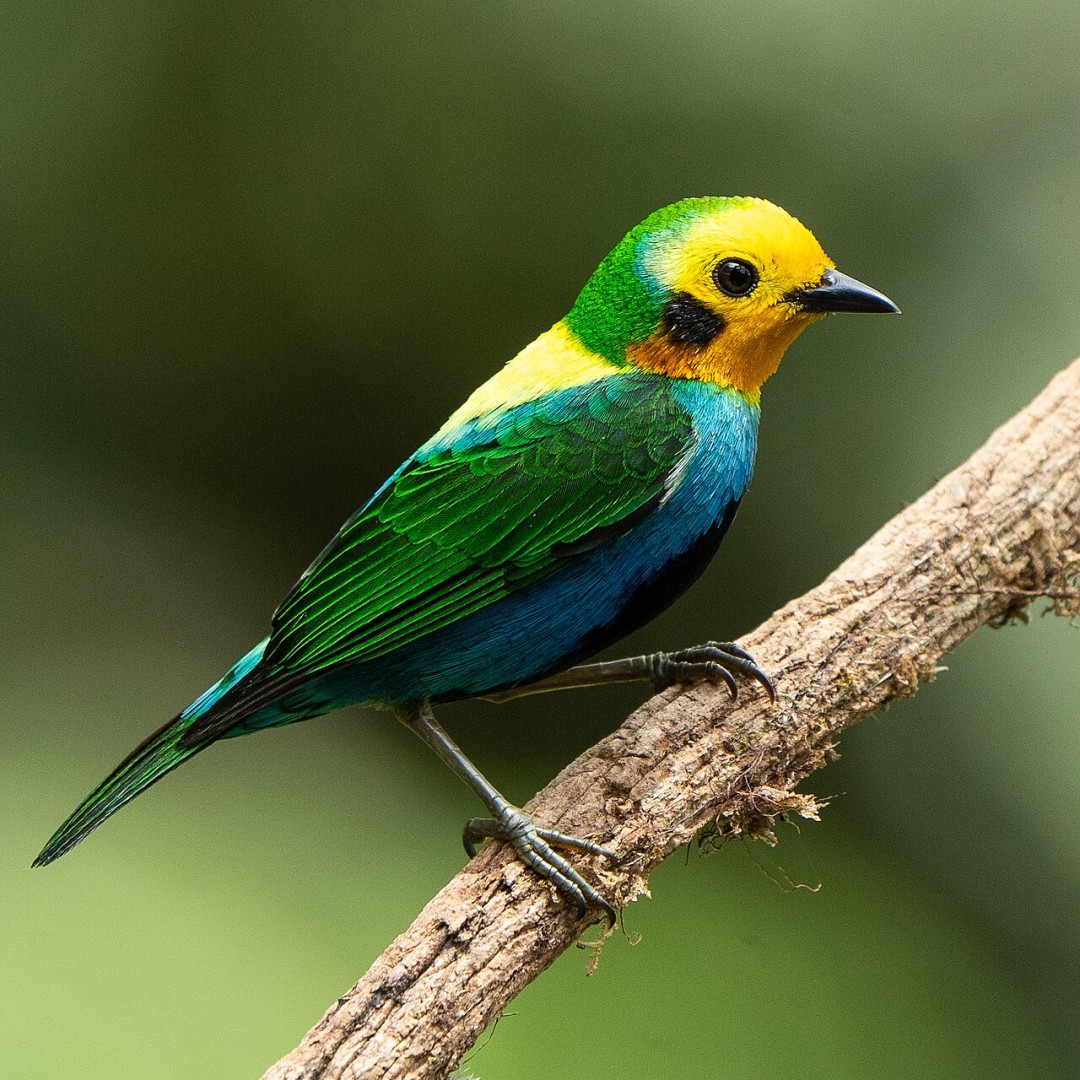
  4. Multicolored Tanager in Colombia
    Photo: Anthony Batista · Wikimedia Commons · CC BY 4.0

    Multicolored Tanager

    The Multicolored Tanager is an endemic tanager of the western Andes. You usually find it not by scanning one open spot, but by following mixed flocks through the canopy and along forest edges. Its colourful plumage makes it a favourite target species on routes around Cali.

    Where can you see the Multicolored Tanager?

    • Farallones de Cali: cloud forest and elevation changes west of the city
    • Anchicayá and Peñas Blancas: humid forests with many mixed flocks
    • Bitaco Forest Reserve: a well-known route in the western Andes of Valle del Cauca
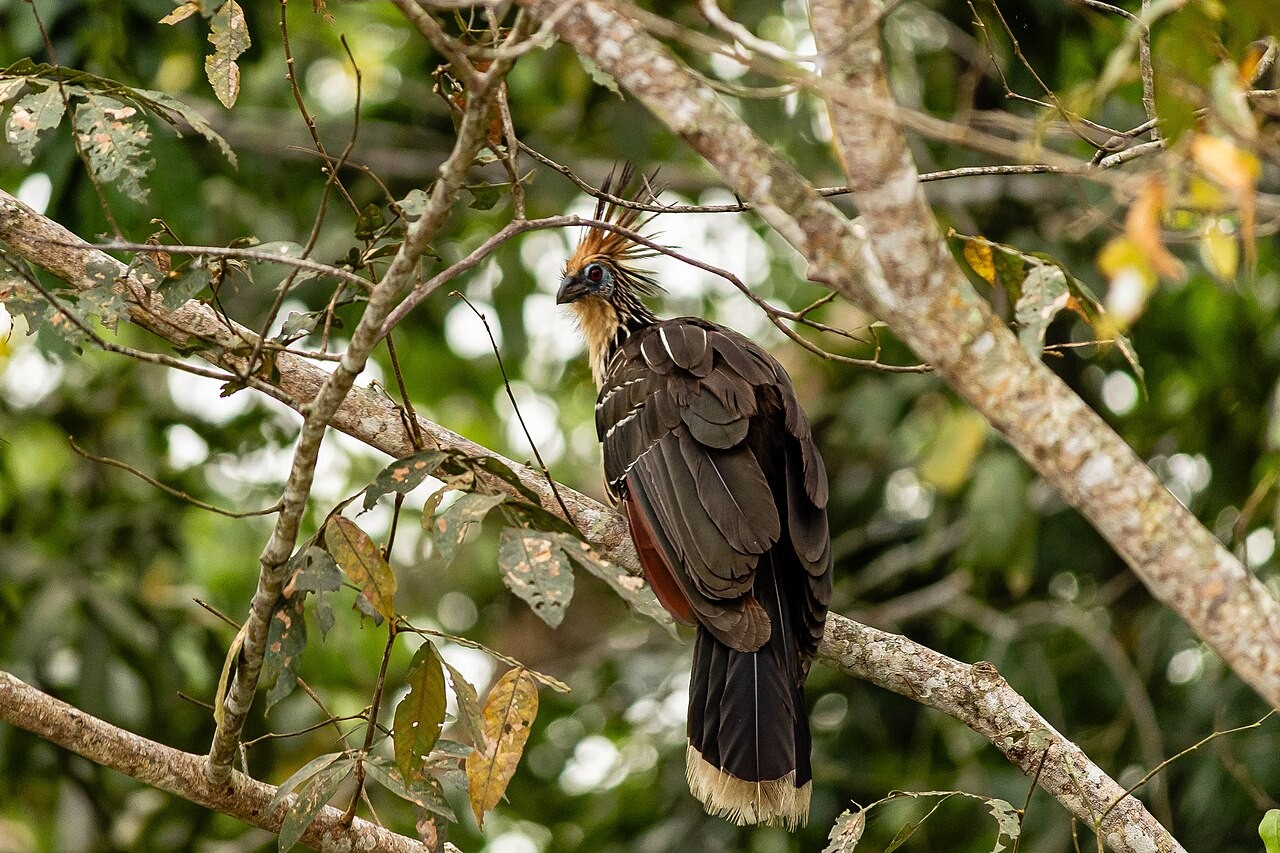
  5. Hoatzin in Sierra de la Macarena National Natural Park
    Photo: Noelia Chalfoun · Wikimedia Commons · CC BY-SA 4.0

    Hoatzin

    The Hoatzin is a distinctive river and wetland bird with a crest, red eye and unusual appearance. It often sits low above slow-moving water, making it easier to find than many canopy species. In Colombia, you can look for it in the Amazon as well as suitable waterways in the Llanos.

    Where can you see the Hoatzin in Colombia?

    • Amacayacu and Puerto Nariño: river channels, lakes and flooded forest near Leticia
    • Hato La Aurora and other Llanos reserves: lagoons, gallery forest and slow-moving water
    • Sierra de la Macarena: protected lowland areas with local boat and walking routes

Useful tips and information

Practical questions about birdwatching in Colombia

Colombia is large, mountainous and climatically diverse. A successful birding trip therefore depends not only on your species list, but also on choosing the right region, transport, local access and current conditions. Below are frequently asked questions for birders who want to plan independently.

Colombia is interesting year-round, but January to March and June to mid-September are practical periods for many Andean routes, with relatively drier trails. From October to January, many northern migratory birds are also present. The best month depends on your target species: the Sierra Nevada, Caribbean coast, Pacific region, Amazon and Llanos each have their own rainfall patterns.

Plan by region rather than trying to cover the whole country. Also check road conditions, river levels and current information from nature managers. Colombia Travel outlines the main birding seasons, while the Dutch travel advice covers regional rainy seasons and possible effects on roads.

Three combinations work especially well for a first birding trip. Bogotá and Chingaza give you highland wetlands, páramo and mountain forest. The coffee region around Manizales and Pereira combines Río Blanco, Otún Quimbaya and, optionally, Los Nevados. From Santa Marta, you can visit Minca and the Sierra Nevada for endemic species. If you mainly want tropical lowland habitats, choose Leticia and Amacayacu.

Do not try to combine every region in a short trip. Distances in Colombia may look manageable on a map, but mountains, unpaved roads and boat transfers take time. Choose one corridor and build in several mornings there. Use FaunaMap to check which birding spots and expected species fit your route.

You can bird independently in urban wetlands and on some public walking trails, often after registering or during the site’s opening hours. In many national parks and private reserves, however, an authorised guide or local interpreter is required. This includes Chingaza, Otún Quimbaya and Amacayacu. At Los Flamencos, visitors are not permitted without local assistance.

Even where a guide is not required, local knowledge is valuable. A good guide knows bird calls, traditional roosts, accessible trails and the current road conditions. For endemic species such as the Santa Marta Parakeet or Multicolored Tanager, this can significantly improve your chances of a responsible sighting.

The Sierra Nevada de Santa Marta is the best-known hotspot for endemic birds in a small geographic area. Around Minca, San Lorenzo and El Dorado, you can search for species found nowhere else, including the Santa Marta Parakeet. The western and central Andes are also important for endemic species such as the Cauca Guan and Multicolored Tanager.

The Pacific region and Chocó also deserve attention, especially if you want to combine several elevation zones and forest species. Endemic birds are not always easy to see. Plan several mornings in each area and choose trails based on recent sightings, habitat and access rules. Colombia Travel provides an overview of endemic and migratory bird diversity.

The Andean Condor lives in the high Andes and is mainly sought in Colombia in areas such as Los Nevados, Chingaza and El Cocuy. The species uses thermals and can fly over deep valleys, so sightings often depend on wind, visibility and luck. Watch from open mountain slopes and plan for early in the day, when thermals begin to develop.

The condor is not a bird you will see on every walk. Keep your distance, stay on permitted routes and never use food or lures. The official pages for Los Nevados and Chingaza provide current visitor information for important highland areas.

Yes, especially when you base yourself in cities such as Bogotá, Pereira, Manizales, Cali, Santa Marta or Leticia. From these cities, you can visit well-known reserves and official nature areas. For remote parts of Chocó, the Amazon, Llanos and Sierra Nevada, local transfers, boat transport or an authorised operator are wiser than improvising completely independently.

Plan your route in advance, travel during daylight where possible, share your itinerary with your accommodation and follow local managers’ instructions. Safety varies significantly by department and can change quickly. Before departure, check the current Dutch travel advice for Colombia and the information provided by each area manager.

Often, yes. Chingaza uses reservations, designated sectors and compulsory guidance. Otún Quimbaya has a limited number of guided walking times. Los Nevados uses sector-specific access and different reservation rules. For Amacayacu, access and ecotourism services are arranged through the communities involved. Private reserves such as Río Blanco, El Dorado and Hato La Aurora usually require contact or a reservation in advance.

Always check the official page shortly before departure. Opening hours, capacity, entrance fees, temporary closures and required insurance can change. For remote areas, booking through local accommodation or a recognised operator can also arrange transport and a guide.

Bogotá’s wetlands are the easiest option using public transport and guided city routes. Otún Quimbaya can be reached from Pereira by public transport towards La Florida and El Cedral, although departures are limited. You can reach Minca from Santa Marta by local transport or an arranged transfer. Leticia is accessible by air, after which you travel by boat to Puerto Nariño, Mocagua or Amacayacu.

Chingaza, Los Nevados, Río Blanco and Hato La Aurora are more practical with a pre-booked transfer or local operator. Travel times on remote roads can vary considerably. Before leaving, check the nature area’s official page and ask your accommodation about current routes.

Bring layers. In Bogotá, Chingaza and Los Nevados, you need warm clothing, a waterproof jacket, sturdy shoes, sun protection and protection from cold wind. In cloud forest and rainforest, quick-drying clothing, a poncho, insect repellent, a dry bag and grippy shoes are important. For boat trips in the Amazon, a waterproof cover for binoculars, camera and phone is essential.

Binoculars, a telescope for open wetlands, a spare battery, offline maps and a notebook are useful additions. Allow time to acclimatise on highland routes and consult a doctor or travel clinic if you have health concerns. Also check health advice for lowland and Amazon areas in advance.

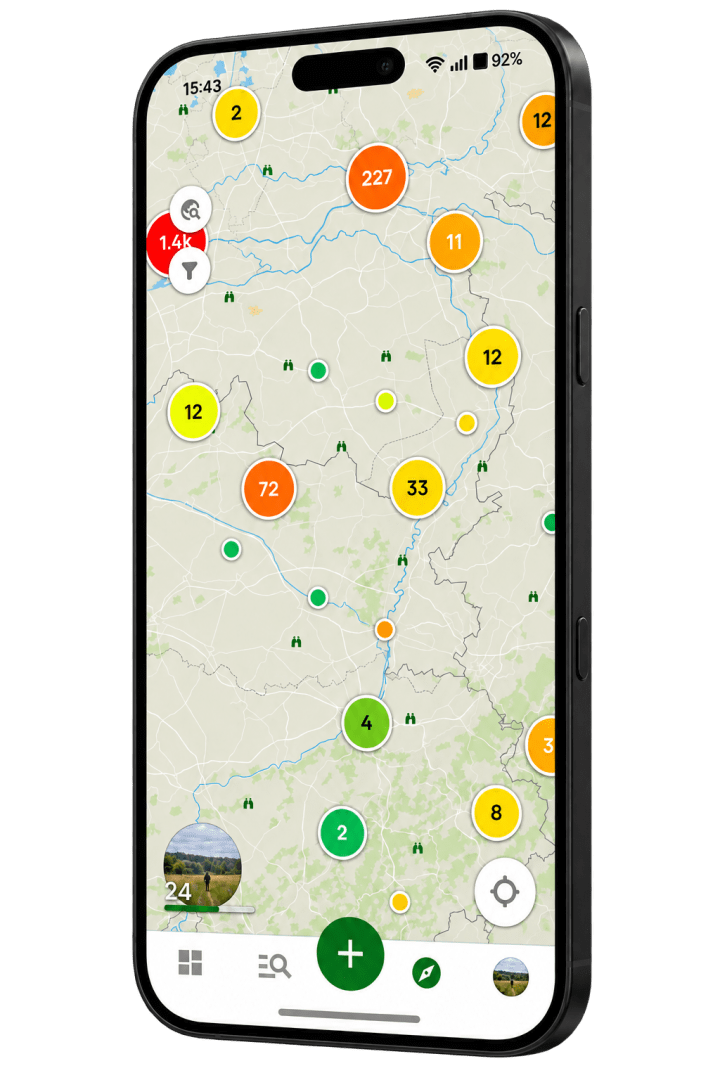
In FaunaMap, you can find recent bird sightings, birdwatching spots and hotspots on an interactive map. For each location, you can see which species are expected based on historical data. This is useful when planning a birding route through Colombia and choosing between a wetland, páramo, cloud forest or river habitat.

Use the map for preparation, but always check local access rules, weather conditions and possible closures as well. A recent sighting does not automatically mean that an area is accessible, but it can help you plan your morning route and target species more effectively.

View Colombia in FaunaMap

Discover more while birdwatching

  • See recent bird sightingsSee which birds have recently been spotted near you.
  • Explore biodiverse nature areasFind the best places to spot birds and other wildlife.
  • Find sightings by speciesQuickly find sightings of the bird species you want to see.