Birding areas · bird species · birding trips

Birdwatching in Peru: the best birding areas and species

Birdwatching in Peru means choosing between cloud forests in the Andes, clay licks in the Amazon rainforest, dry forests in the north and the bird-rich coast shaped by the Humboldt Current. Discover where to explore independently or with a local guide, which natural areas are most rewarding and which months offer the best chances of seeing remarkable Peruvian bird species.

  • Expected bird species by location
  • Birding hotspots worldwide
  • Keep your own life list
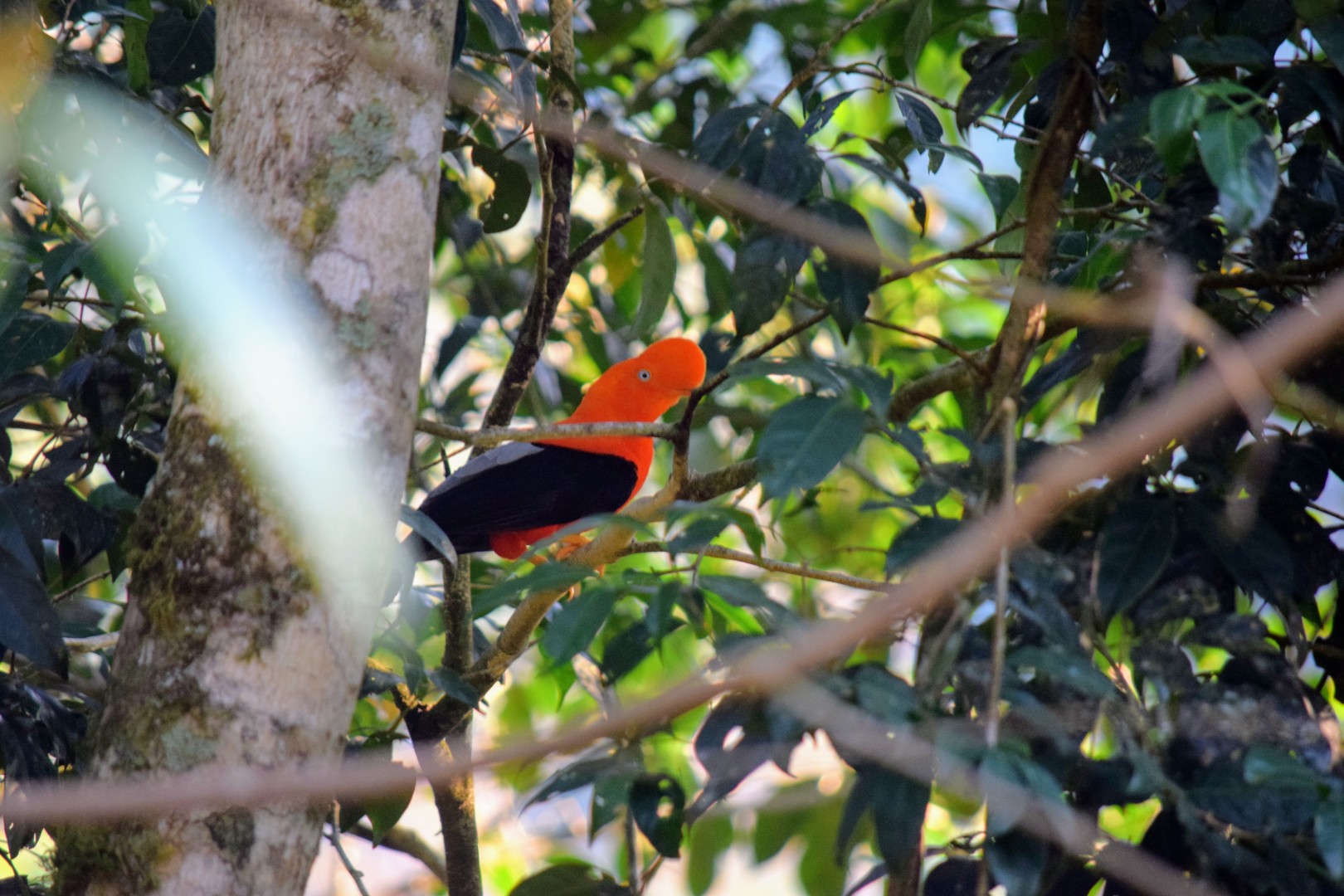
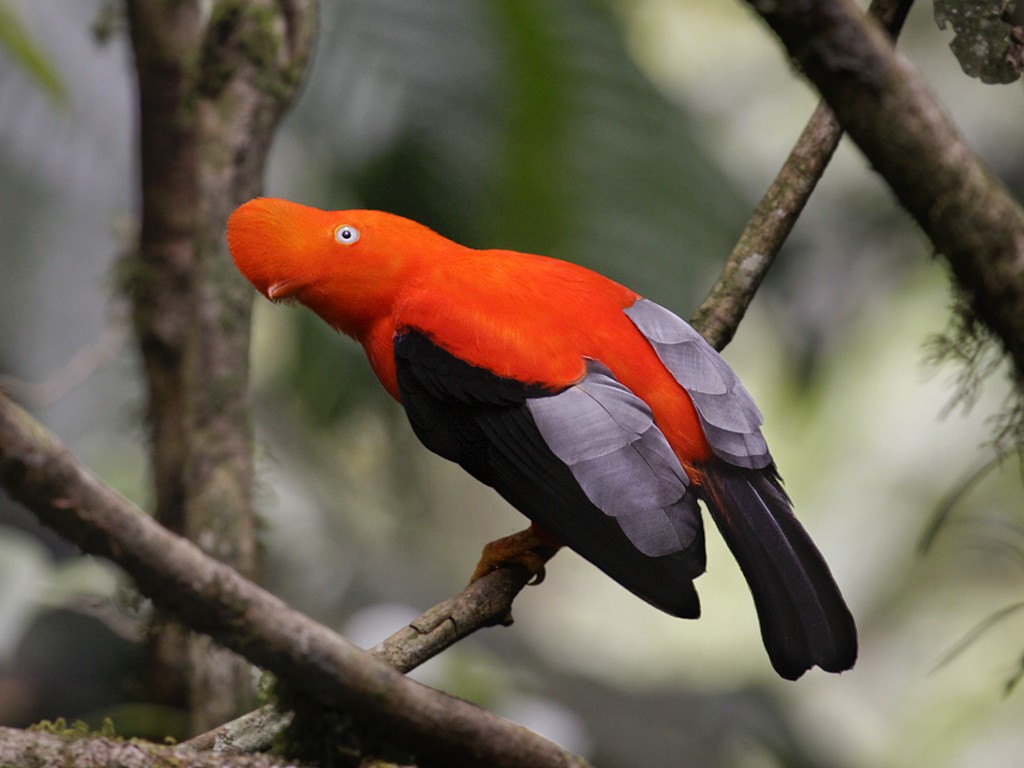
Male Andean Cock-of-the-rock in the cloud forest of southeastern Peru
National bird of PeruAndean Cock-of-the-rock
Photo: Bill Bouton, Wikimedia Commons · CC BY-SA 2.0.

Why go birdwatching in Peru?

Peru combines rainforest, Andes and coast in one birding trip

Peru is one of the richest birding countries in the world. Over relatively short distances, dry coastal deserts become misty lomas, steep Andean slopes turn into cloud forest and then descend into lowland rainforest with rivers, oxbow lakes and flooded forest. That means one trip can include coastal birds, hummingbirds, cotingas, macaws and high-altitude species.

Peru’s greatest strength is its vertical variety. From Lima, you can reach coastal wetlands and the lomas of Lachay. From Cusco, the road crosses the Abra Acjanaco and descends through cloud forest toward Manu, while Puerto Maldonado offers a practical gateway to Tambopata and the southern Amazon lowlands. In the north, the species-rich Yungas around Alto Mayo, Abra Patricia and the Utcubamba Valley are major highlights.

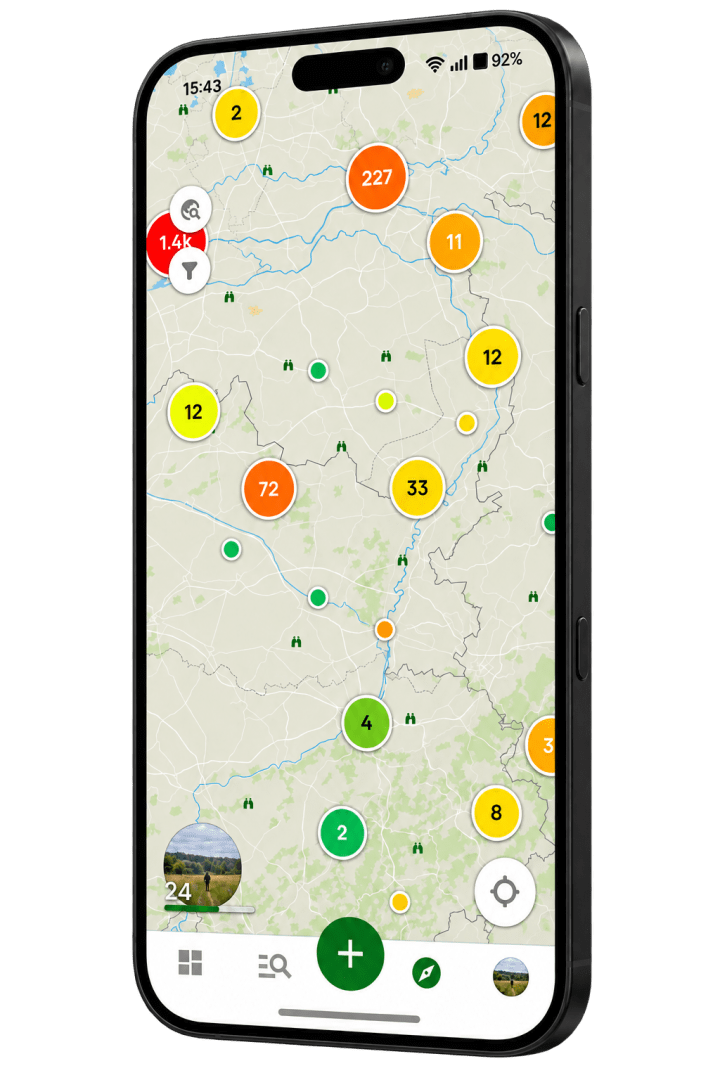
Birders who want to explore independently can plan Paracas, Lachay and parts of the northern birding route relatively easily. Remote Amazon reserves require more preparation, boat transport and often an authorised lodge or operator. With FaunaMap, you can check birding points, hotspots and expected species by location before you travel, then record your own sightings along the way.

Landscapes and biodiversity

The main bird habitats in Peru

Peru’s best birding areas are not all alike. In the Amazon lowlands, rivers and water levels determine where birds gather. In the Andes, elevation and vegetation are key, while along the coast the Humboldt Current, fog and tides shape the habitat. Together, these six landscapes form the foundation of a birding trip through Peru.

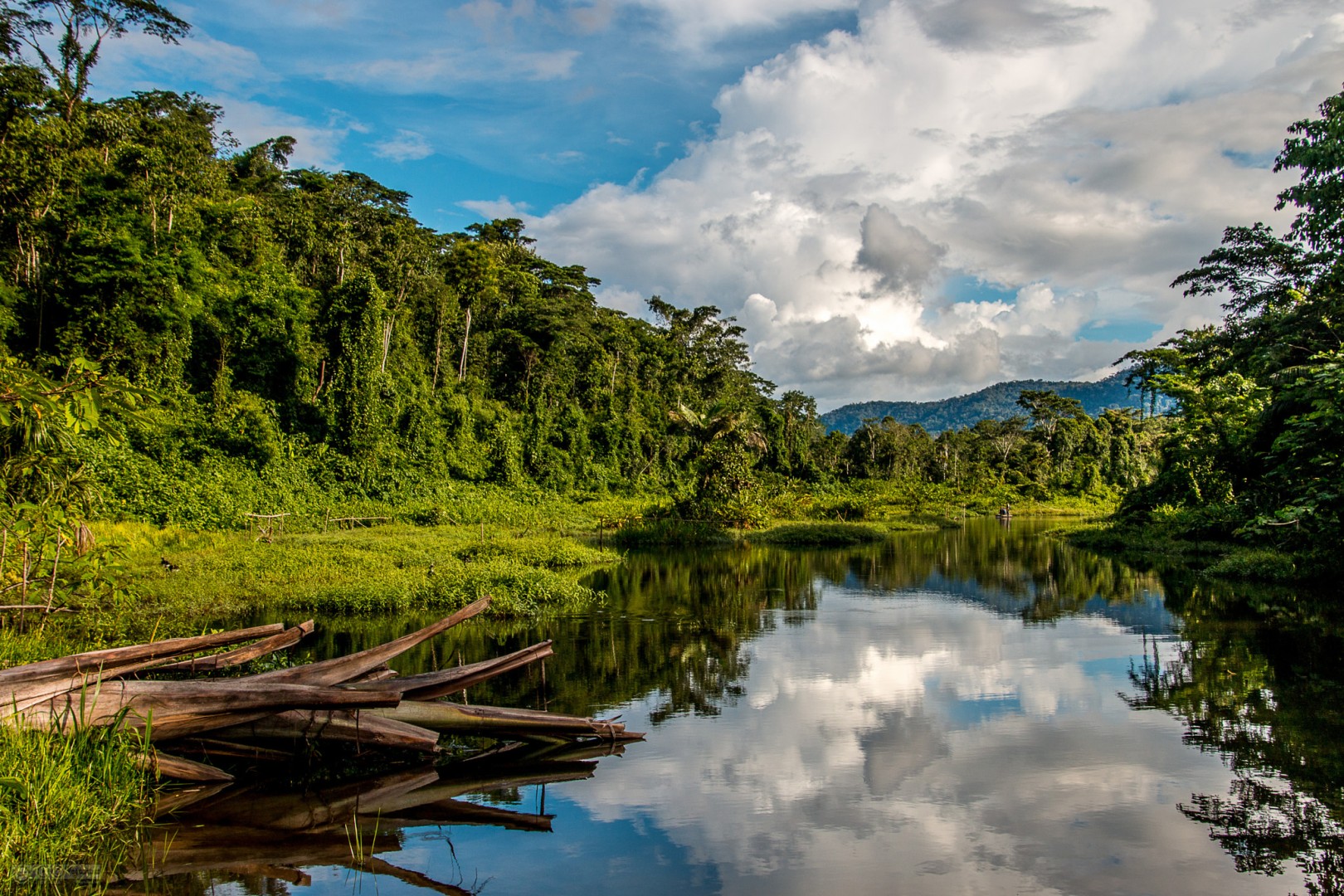
Tropical rainforest and water in Manu National Park, Peru
Henry Vagrant, Wikimedia Commons · CC BY-SA 3.0

Lowland rainforest and terra firme

In Tambopata, Manu and parts of Loreto, the forest is made up of tall trees, vines, bamboo and open riverbanks. On terra firme, early mornings are best for finding parrot flocks, toucans, motmots and forest songbirds. A boat trip and a short trail often reveal a completely different bird community from a viewpoint along the river.

Characteristic species

  • Blue-and-yellow Macaw
  • White-throated Toucan
  • Amazonian Umbrellabird
  • Mealy Parrot
  • Hoatzin
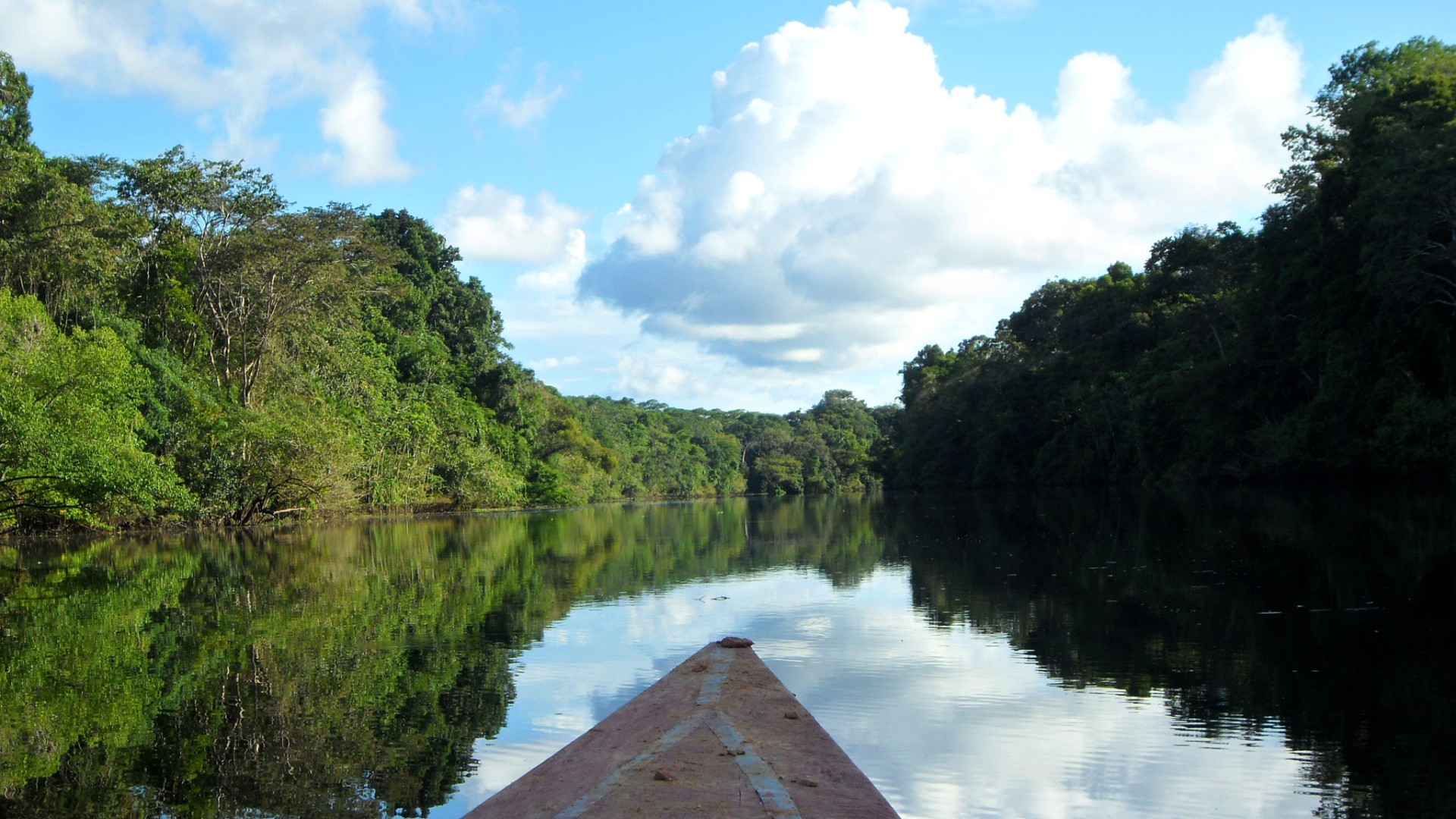
River through flooded forest in the Pacaya-Samiria National Reserve
Verlic Redclaw, Wikimedia Commons · CC BY 3.0

Flooded forest, rivers and oxbow lakes

In Pacaya-Samiria and around the Amazon rivers, the landscape changes with the water level. Canoes and small boats take you past lagoons, blackwater rivers and flooded forest, where birds are often easier to spot than in closed-canopy woodland. Slow, quiet travel by boat is an essential part of birding here.

Characteristic species

  • Hoatzin
  • Sungrebe
  • Wattled Jacana
  • Cocoi Heron
  • Black-collared Hawk
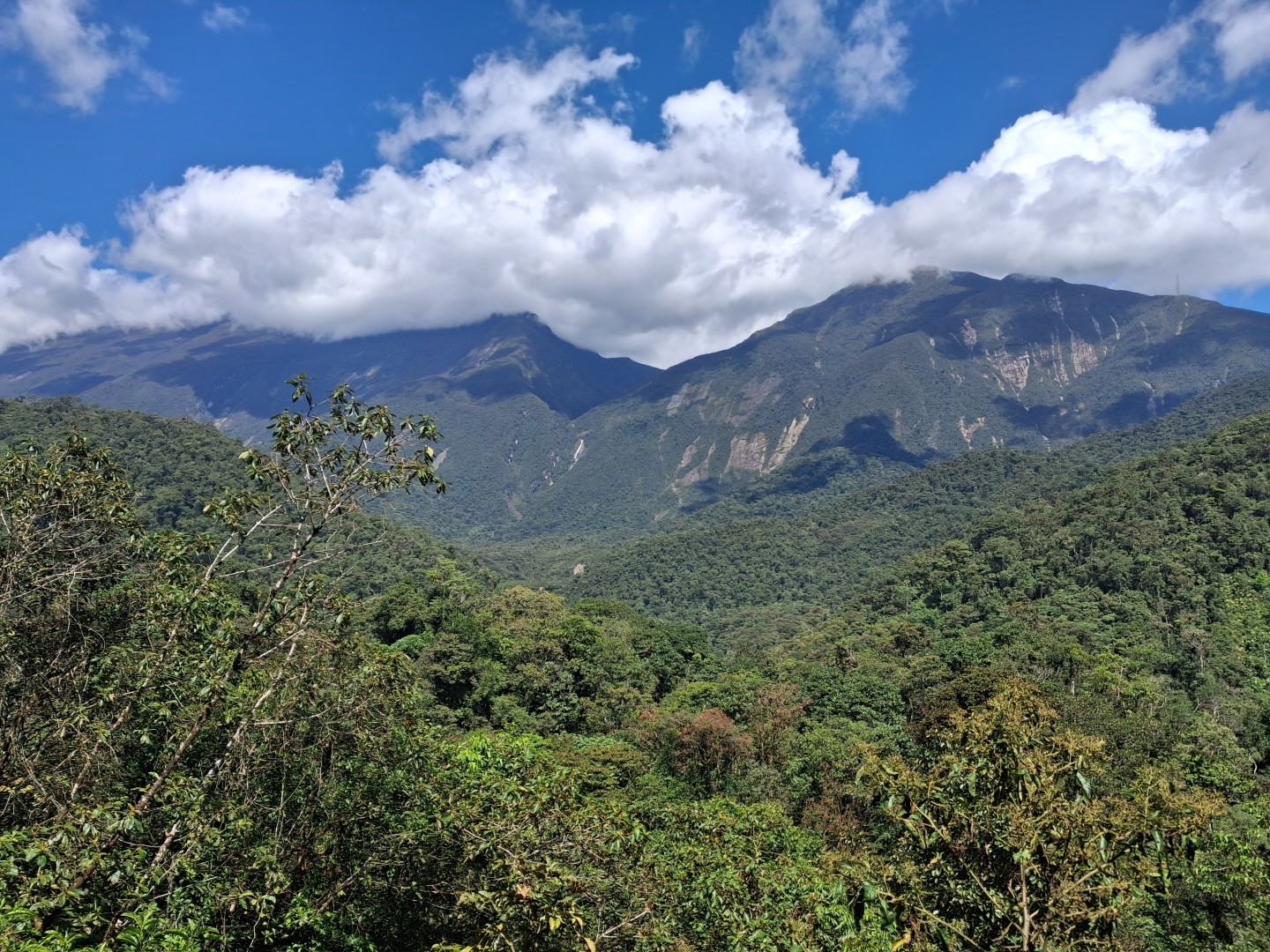
Green cloud forest and mountains in the Alto Mayo Protected Forest
Josefito123, Wikimedia Commons · CC BY-SA 4.0

Cloud forest and Yungas

Between roughly 800 and 2,500 metres, humid mountain forests are covered with mosses, bromeliads and orchids, and support mixed bird flocks. The northern route around Alto Mayo, Abra Patricia and the Utcubamba Valley is especially rewarding for hummingbirds, tanagers, quetzals and species found only in these Andean habitats.

Characteristic species

  • Andean Cock-of-the-rock
  • Golden-headed Quetzal
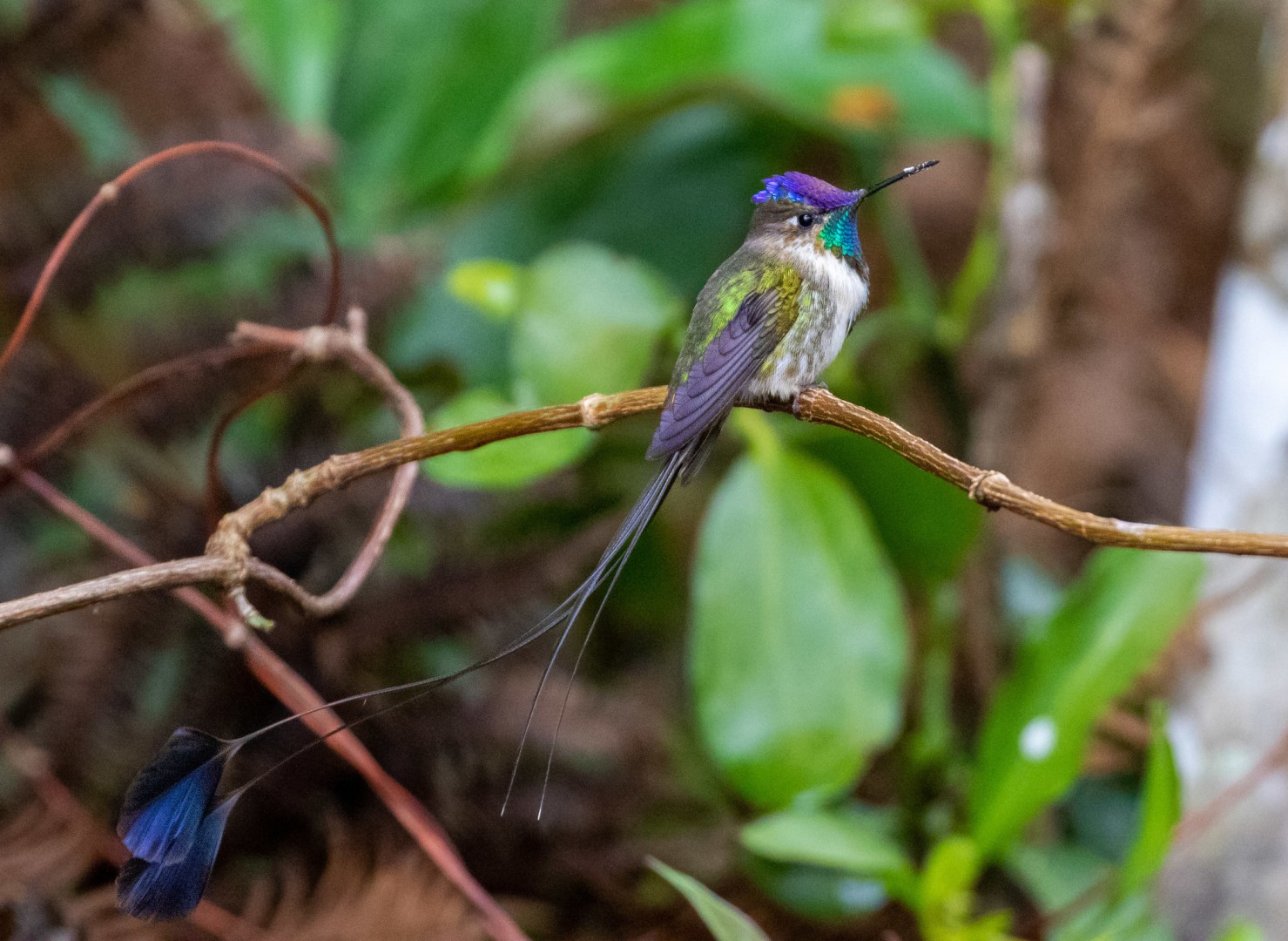
  • Marvelous Spatuletail
  • Paradise Tanager
  • Chestnut-breasted Coronet
Lake Parón and the high mountains of Huascarán National Park
Carlo Brescia, Wikimedia Commons · CC BY-SA 4.0

Puna, bofedales and Polylepis

Above the tree line lie dry puna grasslands, wet bofedales, rocky slopes and scattered Polylepis woodlands. Birds can be distant in this open landscape, but the mix of mountain lakes, grasslands and cliffs makes the Andes appealing for condors, geese, ibises and specialised high-altitude species.

Characteristic species

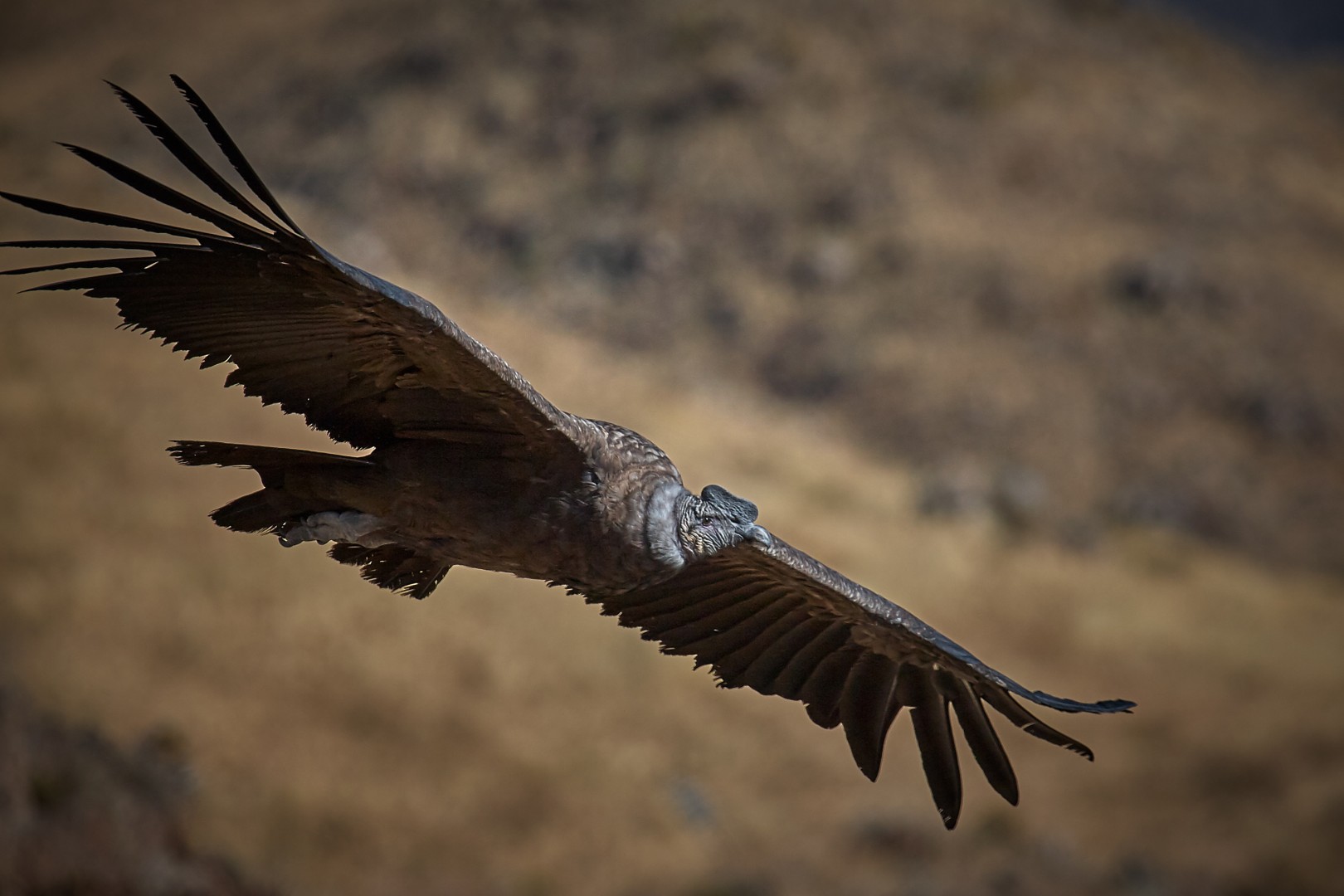
  • Andean Condor
  • Andean Goose
  • Giant Coot
  • Puna Ibis
  • White-bellied Cinclodes
Dry forest and archaeological landscape in Bosque de Pómac in northern Peru
Ozesama, Wikimedia Commons · CC BY-SA 4.0

Tumbes-Piura dry forest

In Lambayeque, Piura and Tumbes, thorn scrub, cactus-covered slopes, gallery forest and seasonal woodland form a varied mosaic. After rain, the landscape can turn surprisingly green. This is one of the best regions for finding endemic and range-restricted species of the northern dry forest.

Characteristic species

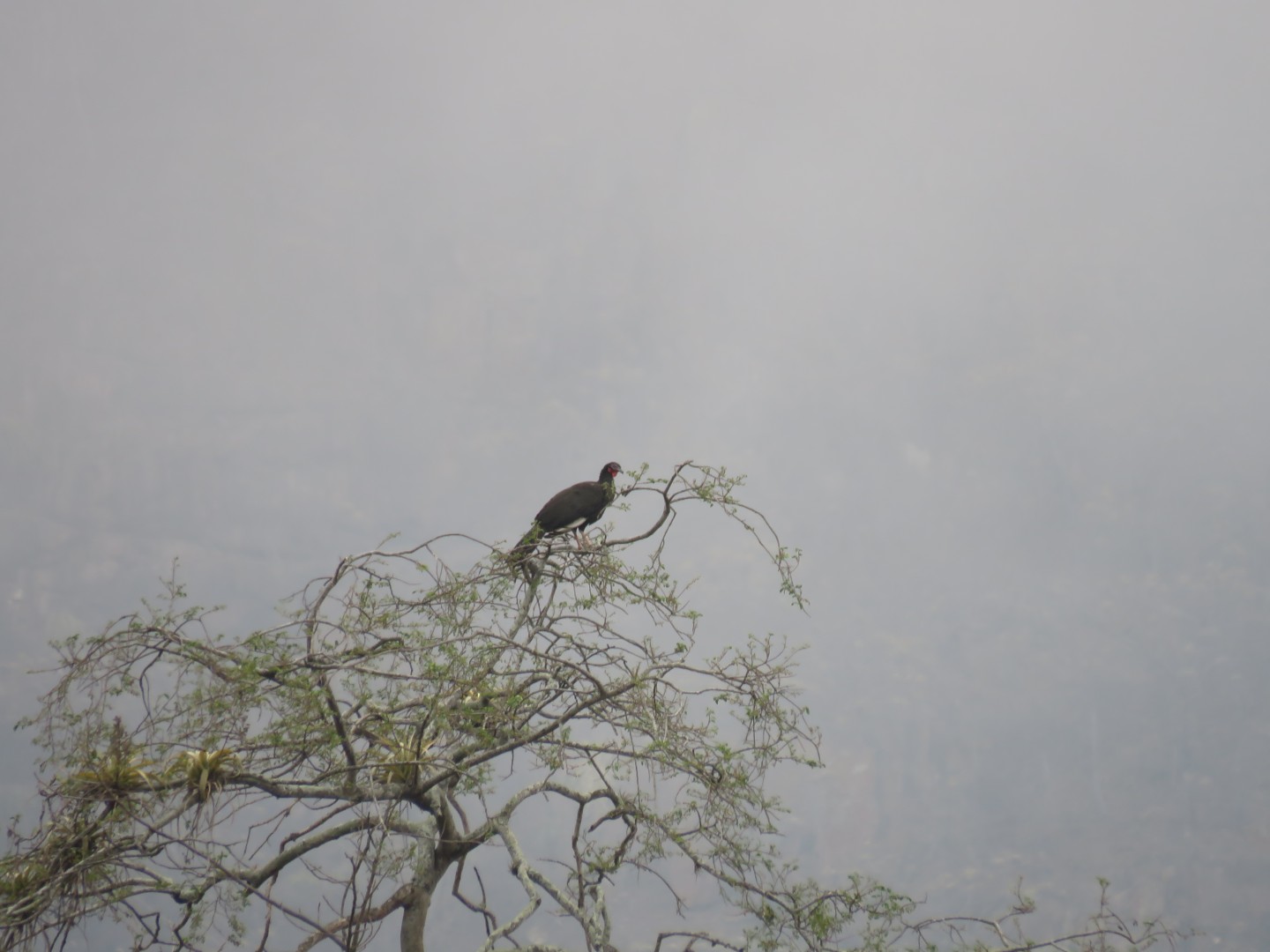
  • White-winged Guan
  • Peruvian Plantcutter
  • Pacific Parrotlet
  • Tumbes Sparrow
  • Elegant Crescentchest
Coast, cliffs and ocean in the Paracas National Reserve along the Humboldt Current
Mojnsen, Wikimedia Commons · CC BY-SA 4.0

Pacific coast, Humboldt Current and lomas

The cold Humboldt Current makes Peru’s coast exceptionally rich in fish and seabirds. Around Paracas, Ballestas and other coastal reserves, you can find colonies and roosting sites, while the misty lomas inland create a seasonally green habitat for songbirds, hummingbirds and raptors.

Characteristic species

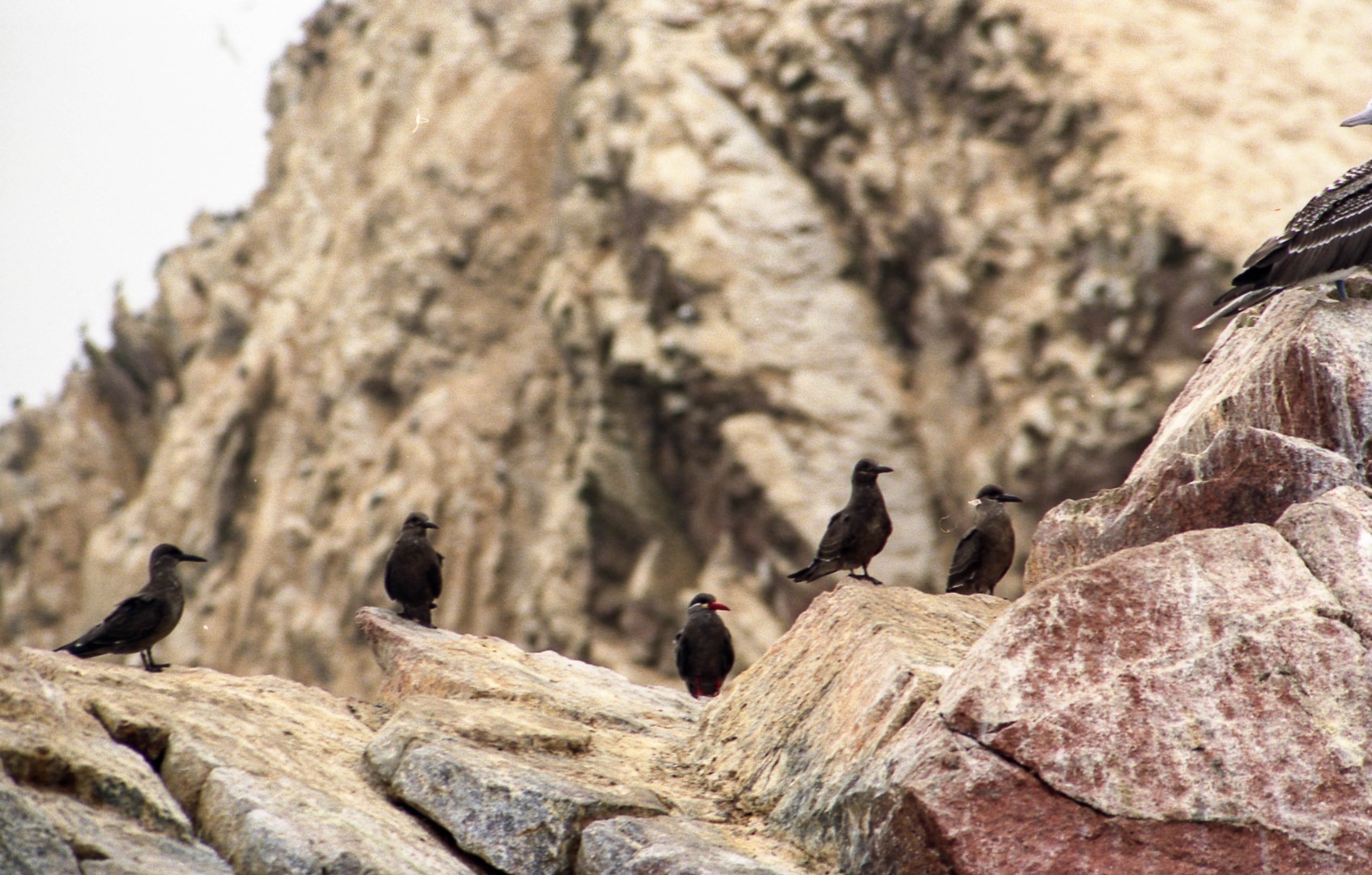
  • Inca Tern
  • Peruvian Booby
  • Guanay Cormorant
  • Peruvian Pelican
  • Chilean Flamingo

Birdwatching throughout the year

Peru birding calendar: what can you expect each season?

Peru does not follow one simple four-season calendar. The Amazon rainforest and Andes mainly have wet and dry periods, while the coast has a sunny summer and a damp, foggy season. The calendar below combines these patterns so you can see which landscapes make the most sense to visit each month.

Rainy seasonDecember to MarchWet transitionApril to MayDry seasonJune to SeptemberDry transitionOctober to November
  1. January

    Rainy season

    High water in the Amazon lowlands

    In Pacaya-Samiria and other lowland Amazon regions, parts of the forest are flooded. Canoes take you to oxbow lakes, river channels and flooded forest edges with Hoatzin, herons, jacanas and kingfishers. Along the coast, January is a sunny period with seabirds and migrants in the wetlands.

    Recommended areasPacaya-Samiria, lowland Manu, the wetlands around Lima and Paracas.

  2. February

    Rainy season

    Green forest and active rivers

    The wet season is in full swing in the Andes and Amazon region. Rain and mud can make birding more challenging, but fruit-rich forests, riverbanks and green dry forests can produce surprises. Plan flexible days and allow for changing water levels.

    Recommended areasAlto Mayo, northern dry forest, Tambopata and Pacaya-Samiria.

  3. March

    Rainy season

    Final wet weeks in the Andes

    Cloud forests remain humid and mountain slopes are often wrapped in cloud. In northern Peru, the dry forest can be especially rewarding after rain, while the coast is still enjoying its warm summer season. Early mornings offer the clearest views.

    Recommended areasAbra Patricia, Utcubamba, Pómac and the Paracas coast.

  4. April

    Wet transition

    Transition period and final northern migrants

    Rain gradually eases in many Andean areas. North American migrants may still be present in coastal marshes and wetlands, while the first more stable days make travel through the eastern Andes easier. River birding remains productive in the Amazon region.

    Recommended areasPantanos de Villa, Paracas, Alto Mayo and the rivers of Loreto.

  5. May

    Wet transition

    Start of the better access period

    For many birding trips, May is a practical transition toward drier conditions. Trails in Tambopata, Manu and Huascarán become easier to walk, while cloud forest still offers plenty of activity in mixed flocks. The first clear mornings are ideal for photography.

    Recommended areasTambopata, Manu, Huascarán and the northern birding route.

  6. June

    Dry season

    Clear Andes and green coastal lomas

    The dry period begins in the highlands and Amazon lowlands. Around Huascarán, clear mornings offer views of condors and high-altitude species. Along the central coast, the lomas season begins, making Lachay greener and richer in cover and food.

    Recommended areasHuascarán, Lomas de Lachay, Alto Mayo and Tambopata.

  7. July

    Dry season

    Top month for mountains and rainforest

    July is a strong month for a wide-ranging birding trip through Peru. Dry trails and clear mountain skies help with species searches in the Andes, while Tambopata and Manu offer forest walks, river excursions and clay licks. Coastal fog keeps lomas and wetlands interesting.

    Recommended areasManu, Tambopata, Huascarán, Lachay and Paracas.

  8. August

    Dry season

    Dry forests and the first migrants

    Conditions remain favourable for routes through the Andes and Amazon lowlands. From August, the first northern migrants may return to Peru’s coastal wetlands. In Alto Mayo and Abra Patricia, mixed cloud forest flocks are a major target.

    Recommended areasAlto Mayo, Abra Patricia, Pantanos de Villa and Tambopata.

  9. September

    Dry season

    Plenty of activity along the northern route

    September combines dry roads with an increasing flow of migrants along the coast. In the northern Andes, early mornings are ideal for hummingbirds, tanagers and Yungas species. By the end of the month, the first showers may begin to change the vegetation.

    Recommended areasAbra Patricia, Alto Mayo, Lomas de Lachay and Paracas.

  10. October

    Dry transition

    Autumn migration and the best lomas season

    The coastal lomas are often at their most attractive, and wetlands become even more important for migrants. In the Amazon rainforest, the shift toward wetter weather may already be visible, but many routes remain easy to access. Expect changeable cloud cover in the Andes.

    Recommended areasLachay, Pantanos de Villa, Paracas and the northern dry forests.

  11. November

    Dry transition

    Coastal fog and the first rain in the east

    November is a transition month. The lomas and coastal wetlands remain rewarding, while the first showers bring fresh green growth to the Andes and Amazon region. It can be a good month to combine the coast, northern dry forest and cloud forest.

    Recommended areasLachay, Paracas, Pómac, Alto Mayo and the Utcubamba Valley.

  12. December

    Rainy season

    Summer on the coast, rain in the Andes

    The sunny summer period begins on the Pacific coast, while the rainy season gets underway in the Andes and Amazon lowlands. Rivers and flooded forest become attractive for water-associated species, but rain can lengthen travel times. In the north, dry forest can quickly turn green.

    Recommended areasParacas, Ballestas, Pacaya-Samiria and the Tumbes-Piura dry forest.

Seasonal information and area examples: Birdwatching Peru, birding guide to protected natural areas, SERNANP Tambopata, SERNANP Huascarán and SERNANP Lachay.

Birding areas in Peru

The best birding areas in Peru: where can you go birdwatching?

From the Amazon lowlands to the Cordillera Blanca, and from the northern dry forests to the Humboldt coast, Peru has birding areas with very different species and travel conditions. This selection focuses on natural areas that are rewarding for birders and genuinely visitable with the right preparation.

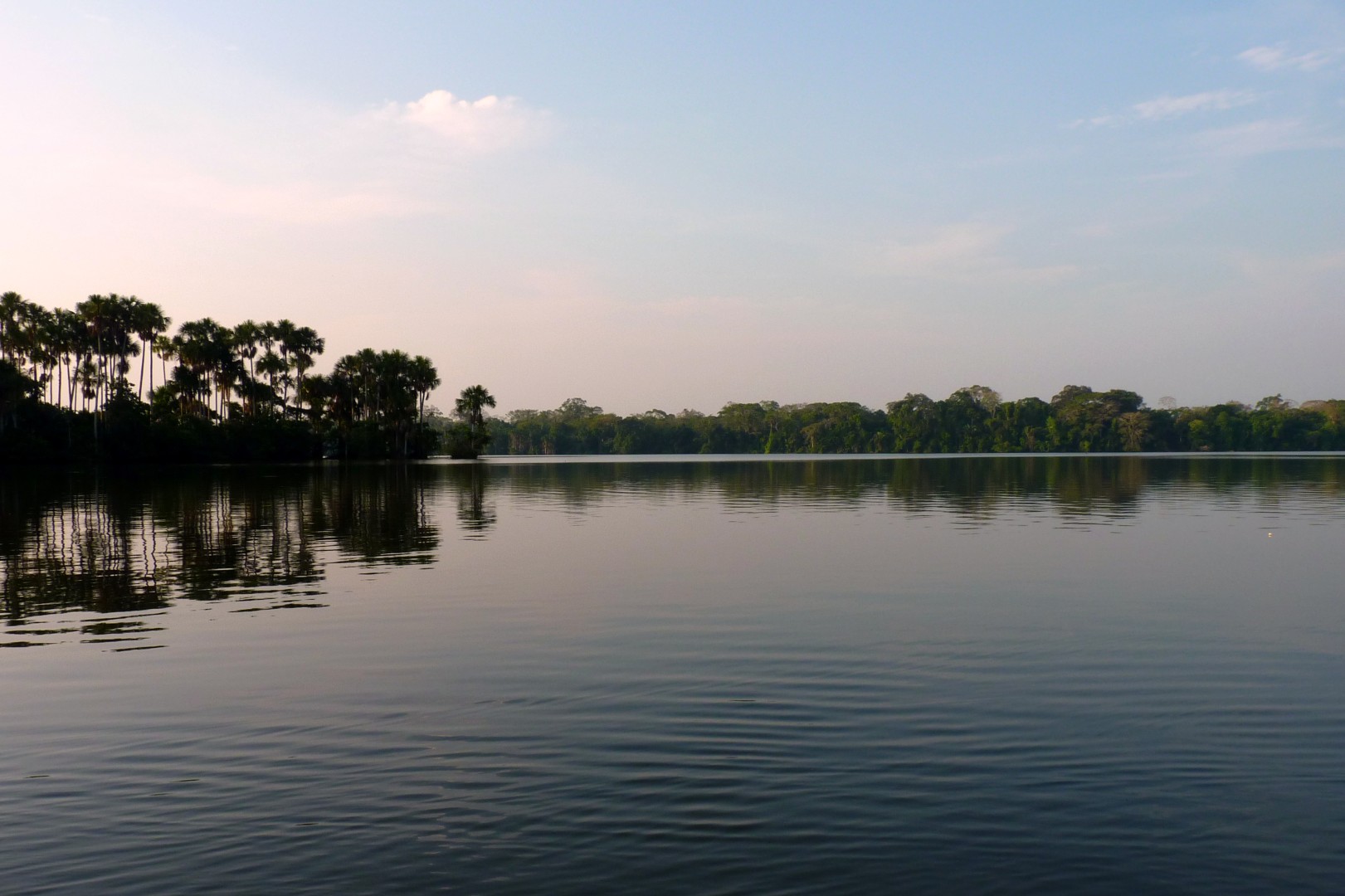
Lake Sandoval in the Tambopata National Reserve, Peru
Photo: Carine06, Wikimedia Commons · CC BY-SA 2.0

Madre de Dios

Amazon rainforest · oxbow lakes

Tambopata National Reserve

Puerto Maldonado, Lake Sandoval and Chuncho Clay Lick

Tambopata is one of the most accessible choices for anyone birdwatching in the Peruvian Amazon for the first time. From Puerto Maldonado, boats take you to lodges and trails through terra firme, river forest and lagoons. SERNANP lists around 600 bird species in the reserve, with the clay licks as a major highlight, where parrots and macaws gather in suitable weather.

Look for
Blue-and-yellow Macaw, Hoatzin, White-throated Toucan, motmots and river raptors.
Plan around
May to October, early boat trips and an authorised lodge or operator.
River and tropical forest in Manu National Park, Peru
Photo: Henry Vagrant, Wikimedia Commons · CC BY-SA 3.0

Cusco & Madre de Dios

Cloud forest · Amazon

Manu National Park

From Abra Acjanaco through cloud forest to the Manu River

Manu appeals to birders who want to cross several elevation zones on one trip. The route from Cusco and Paucartambo descends from Andean grasslands and cloud forest into lowland rainforest. Along the way, you may find Peru’s national bird, quetzals, tanagers, macaws and a long list of forest species, but distances are substantial and logistics require more time than Tambopata.

Look for
Andean Cock-of-the-rock, Golden-headed Quetzal, macaws, tanagers and riverbank species.
Plan around
A multi-day trip, dry months and an organisation authorised by SERNANP.
River through forest in the Pacaya-Samiria National Reserve in Loreto
Photo: Verlic Redclaw, Wikimedia Commons · CC BY 3.0

Loreto

Flooded forest · oxbow lakes

Pacaya-Samiria National Reserve

The reflective waters of the Peruvian Amazon

Pacaya-Samiria is an excellent choice if you want to do most of your birding from the water. From Iquitos or Nauta, boats travel toward flooded forest, blackwater rivers and lagoons. The mix of open water and forest edges makes species easier to see than in dense terra firme forest. Local communities and authorised lodges are important for access and guidance.

Look for
Hoatzin, Sungrebe, Wattled Jacana, herons, kingfishers and parrots.
Plan around
May to September, water levels, boat transport and quiet morning excursions.
Mountains and cloud forest in the Alto Mayo Protected Forest
Photo: Josefito123, Wikimedia Commons · CC BY-SA 4.0

San Martín & Amazonas

Cloud forest · Yungas

Alto Mayo and Abra Patricia

A core area on Peru’s northern birding route

The route between Tarapoto, Moyobamba, Alto Mayo and Abra Patricia is one of the best choices for birders looking for a wide range of Andean and cloud forest species without travelling deep into the Amazon. Mountain roads and lodges cross several elevation zones with mixed flocks, hummingbirds, tanagers and endemic species. The Huembo area also offers a well-known chance to see the Marvelous Spatuletail.

Look for
Marvelous Spatuletail, Andean Cock-of-the-rock, quetzals and colourful tanagers.
Plan around
Early starts, several elevation zones and extra time for fog and rain.
Lake Parón in Huascarán National Park, Peru
Photo: Carlo Brescia, Wikimedia Commons · CC BY-SA 4.0

Áncash

Puna · bofedales · mountain lakes

Huascarán National Park

High-altitude birds around Huaraz and the Cordillera Blanca

Huascarán offers a completely different kind of birding trip from the Amazon. Official SERNANP information lists 201 bird species in the park, which includes mountain lakes, bofedales, puna grasslands and high rocky slopes. Early mornings around accessible lagoons and valleys can produce condors, Andean Geese, ibises, gulls and other highland species.

Look for
Andean Condor, Andean Goose, Giant Coot, Puna Ibis and high-altitude hummingbirds.
Plan around
May to October, acclimatisation to altitude and access under park regulations.
Coastal landscape of the Paracas National Reserve in Ica
Photo: Mojnsen, Wikimedia Commons · CC BY-SA 4.0

Ica

Pacific coast · Humboldt Current

Paracas National Reserve

Seabirds, cliffs and wetlands four hours from Lima

Paracas is one of the most practical birding areas for travellers heading from Lima to the coast. SERNANP lists 216 bird species in the reserve, with habitats ranging from desert and cliffs to coastal waters, bays and islands. Search from shore for Inca Terns, Peruvian Boobies, cormorants, pelicans and migrants, and combine the reserve with a boat trip to the Ballestas Islands.

Look for
Inca Tern, Peruvian Booby, Guanay Cormorant, Peruvian Pelican and flamingos.
Plan around
Year-round, low-wind mornings and current boat departure times.
Green misty hills of Lomas de Lachay near Lima
Photo: José Manuel Pacuri Sullón, Wikimedia Commons · CC BY-SA 4.0

Lima

Coastal lomas · fog oases

Lachay National Reserve

A green season close to Lima

Lomas de Lachay is a remarkable coastal ecosystem that turns into a green oasis during the damp winter months. SERNANP lists 60 bird species and several marked walking trails. Arrive early at the puquial, listen among the tara trees and combine birding with views across the transition from lomas to desert and sea.

Look for
Peruvian Meadowlark, hummingbirds, raptors and local lomas species.
Plan around
June to November, foggy mornings and official opening hours.
Dry forest and huaca in Bosque de Pómac in Lambayeque
Photo: Ozesama, Wikimedia Commons · CC BY-SA 4.0

Lambayeque

Dry forest · thorn scrub

Historic Sanctuary Bosque de Pómac

Combine birdwatching with northern Peru’s dry forest

Pómac lies around 45 minutes from Chiclayo and protects one of northern Peru’s most distinctive dry forests. SERNANP records 107 bird species in the area. It is a useful addition to a Lambayeque itinerary, especially when combined with Laquipampa or Chaparrí for species such as White-winged Guan and other birds of the Tumbes-Piura dry forest.

Look for
White-winged Guan in the region, Peruvian Plantcutter, Pacific Parrotlet and Tumbes Sparrow.
Plan around
Year-round, around sunrise and with an authorised local route.

Popular birds of Peru

Five remarkable Peruvian birds and where to see them

From the bright orange national bird and spectacular Marvelous Spatuletail to the mighty Andean Condor, the dry forest icon White-winged Guan and elegant Inca Tern, these five species belong on the list of many birders visiting Peru.

  1. Male Andean Cock-of-the-rock in forest near Satipo, Peru
    Photo: Windermily, Wikimedia Commons, CC BY-SA 4.0

    Andean Cock-of-the-rock

    Peru’s national bird is best known for its bright orange male, striking crest and communal courtship display at a lek. In cloud forest, it is rarely found simply along a walking trail, but an early visit to a known display site can become one of the highlights of your birding trip.

    Where can you see the Andean Cock-of-the-rock in Peru?

    • Manu Road and the cloud forests near Paucartambo: a well-known route through the eastern Andes
    • Alto Mayo and Abra Patricia: mountain forest with local guides and early lek visits
    • Cordillera Escalera and Satipo: humid eastern slopes with suitable habitat
  2. Marvelous Spatuletail in green cloud forest in northern Peru
    Photo: Thibaud Aronson via Wikimedia Commons, CC BY-SA 4.0

    Marvelous Spatuletail

    This endemic hummingbird from northern Peru is famous for the male’s long tail feathers. It is not a species you happen to see on every walk, but in the right reserves and with a local guide, your chances are realistic. Take your time, remain quiet and follow the site’s access rules.

    Where can you see the Marvelous Spatuletail in Peru?

    • Huembo near Pomacochas: a well-known stop on the northern birding route
    • Abra Patricia and Alto Mayo: cloud forest across several elevations
    • The upper Utcubamba Valley: combine it with other northern endemic species
  3. White-winged Guan in dry forest in northern Peru
    Photo: Miguel Alván, Wikimedia Commons, CC BY-SA 4.0

    White-winged Guan

    The White-winged Guan, known in Peru as pava aliblanca, is endemic to the northern dry forests. Once considered extremely rare, it is now an important symbol of conservation and habitat recovery. Look in dense vegetation, along ravines and near fruiting trees, always respecting the birds’ need for quiet.

    Where can you see the White-winged Guan in Peru?

    • Laquipampa Wildlife Refuge: an important site in Lambayeque
    • Chaparrí Conservation Area: dry forest and local conservation work
    • The area around Pómac and Lambayeque: combine several dry forest sites on one route
  4. Andean Condor flying over the landscape of Arequipa, Peru
    Photo: Pedro Szekely, Wikimedia Commons, CC BY-SA 2.0

    Andean Condor

    The Andean Condor is one of Peru’s most impressive birds. With its broad wings, it uses thermals above deep gorges and high mountain slopes. The best sightings often come early in the day, when air currents begin to rise above the cliffs.

    Where can you see the Andean Condor in Peru?

    • Colca Canyon near Cruz del Cóndor: a famous viewpoint over thermals above the canyon
    • Huascarán National Park: high mountain slopes and open puna
    • Salinas y Aguada Blanca National Reserve: volcanic highlands and broad valleys around Arequipa
  5. Group of Inca Terns on rocks near the Ballestas Islands in Peru
    Photo: Ron Knight, Wikimedia Commons, CC BY 2.0

    Inca Tern

    The Inca Tern is one of Peru’s most recognisable coastal birds. Its white moustache, red bill and dark plumage stand out among the rocks and colonies along the Humboldt Current. Because it lives close to shore, it is an excellent addition to a birding trip that also includes Paracas or Lima.

    Where can you see the Inca Tern in Peru?

    • Ballestas Islands and Paracas: combine coastal birding with an official boat excursion
    • Pimentel and Puerto Eten: good sites along the northern Pacific coast
    • The coast of Piura and Tumbes: check rocky shores, harbours and productive waters

Useful tips and information

Practical questions about birdwatching in Peru

Want to know when to visit Peru, which birding areas are best for a first trip or how to find remarkable species such as the national bird and the Marvelous Spatuletail? Below are practical answers for birders planning their own Peru birding trip.

For a broad birding trip through the Andes and Amazon, May to October is often the most practical period. In Tambopata and Huascarán, the recommended visiting season largely falls within these dry months, when trails and access roads are generally easier to use. Paracas is suitable for coastal birding year-round, while June to November are important months for the green lomas of Lachay.

The rainy season is not automatically a bad choice. Pacaya-Samiria can be especially interesting when flooded forest and river channels are easy to reach by boat, and rain can make northern dry forest turn vividly green. Choose your season based on the region and the species you want to see. SERNANP Tambopata, SERNANP Huascarán and SERNANP Lachay provide current visiting information for each area.

Peru’s official birding portal refers to more than 1,800 bird species in the country, including 117 endemic species. The exact total can change as new sightings are recorded and taxonomy is updated. For birders, the key point is that species are not evenly distributed across the country: the best endemic birds are often tied to particular dry forests, Yungas and high-altitude habitats.

Rather than relying only on a national list, plan by landscape. The northern route around Alto Mayo and Abra Patricia is strong for endemic cloud forest species, while Lambayeque and Piura are important for dry forest birds. Visit the official Birdwatching Peru portal and the endemic species list.

For a first introduction, combining the coast with one inland region usually works better than trying to visit every landscape on a short trip. You could start with Pantanos de Villa or Paracas, then choose Tambopata near Puerto Maldonado for an accessible Amazon experience, or Alto Mayo and Abra Patricia if cloud forest and endemic species are your priorities.

With around two to three weeks, you can combine the coast, northern Andes and Amazon, but allow for long transfers and major changes in altitude. A route through Lima, Huaraz, Cusco, Manu, Puerto Maldonado and northern Peru quickly becomes rushed. Peru’s official birding routes and the northern birding route can help you choose a region.

The Andean Cock-of-the-rock lives in humid forests along the eastern slopes of the Andes. Good regions include Manu Road and the cloud forests toward Paucartambo, Alto Mayo, Abra Patricia, Cordillera Escalera and parts of Satipo. The species often gathers at a traditional display site, or lek, so your chances improve when you visit with a local guide at the right time.

Usually go before sunrise, keep your distance and avoid loud playback at a lek. Official information about Manu National Park and the Alto Mayo region provides a useful starting point for choosing an area.

The best-known areas for Marvelous Spatuletail are in northern Peru, especially around Huembo near Pomacochas, the upper Utcubamba Valley and Abra Patricia. The species lives in mountain forest and forest edges at specific elevations. Visiting a reliable local reserve or lodge greatly improves your chances because staff know where flowers, feeders and recent sightings are.

Plan at least a full morning, remain quiet and follow the advice of site managers. The species is endemic and vulnerable, so a good sighting does not justify approaching or disturbing the bird for long periods. The official list of endemic Peruvian birds and the northern birding route are useful starting points.

Tambopata is usually the easiest choice for a first Amazon birding trip. From Puerto Maldonado, lodges, boat connections, Lake Sandoval and clay licks are relatively easy to combine. Manu is more appealing if you have extra time and want to experience the full transition from the Andes through cloud forest to lowland rainforest, but travel times and logistics are more demanding.

For macaws and a compact Amazon experience, many birders choose Tambopata. For a long species list across several elevation zones and a more remote wilderness experience, Manu is a better fit. Before travelling, compare the information about Tambopata with the information about Manu.

Yes, in some areas you can birdwatch independently. Lomas de Lachay welcomes individual visitors and parts of Paracas are easy to explore on your own. Pantanos de Villa uses set circuits and guided visits. For remote Amazon reserves, boat trips and some national parks, however, you may need an authorised operator, lodge or local guide.

Huascarán and Bosque de Pómac have their own access and operator rules, while Manu and Tambopata are less suitable for improvisation because of their distance, boat transport and protected zones. Always check the current SERNANP page, opening hours, reservations and any temporary closures before setting out.

The best-known site is Chuncho Clay Lick in Tambopata National Reserve. SERNANP describes this clay lick as one of the great spectacles of the Peruvian Amazon. In favourable weather, large groups of parrots, parakeets and macaws may gather to eat mineral-rich clay. Clay licks and riverbanks in Manu are also important sites for Amazonian parrots.

Set out very early, allow extra time for boat transport and expect rain or cloud, as the birds may skip a visit. Watch only from the designated shelter and follow the guides’ instructions. View the official visitor information for Tambopata.

Above the tree line in Huascarán National Park, you can look for Andean Condor, Andean Goose, Giant Coot, Puna Ibis, Andean Gulls and species of grassland, rocky slopes and bofedales. The park covers many elevation zones and SERNANP lists 201 bird species.

Birding at altitude requires a steady pace. Plan acclimatisation days, start with short walks, bring warm clothing and protection from sun and wind, and stop if you feel unwell. Check access rules and trail conditions with SERNANP Huascarán before you travel.

For birdwatching without travelling far from Lima, Pantanos de Villa is the most practical choice. The protected wetland in Chorrillos has walking trails, viewpoints and coastal circuits with resident and migrant birds. Go early, reserve a time slot if needed and follow the guides’ instructions.

For a larger landscape, travel to Lachay National Reserve, around 105 kilometres north of Lima. The lomas are mainly green between June and November. Paracas is farther away but works well for a multi-day coastal trip with Inca Tern, pelicans, cormorants and other seabirds. Visit the official sites of Pantanos de Villa, Lachay and Paracas for current visitor information.

Discover more while birdwatching

  • See recent bird sightingsSee which birds have recently been spotted near you.
  • Explore biodiverse nature areasFind the best places to spot birds and other wildlife.
  • Find sightings by speciesQuickly find sightings of the bird species you want to see.